Reviewed · TEMPLES & MEDITATION
Tokyo: Snow Monkey Park and Zenkoji Temple Private Day Tour
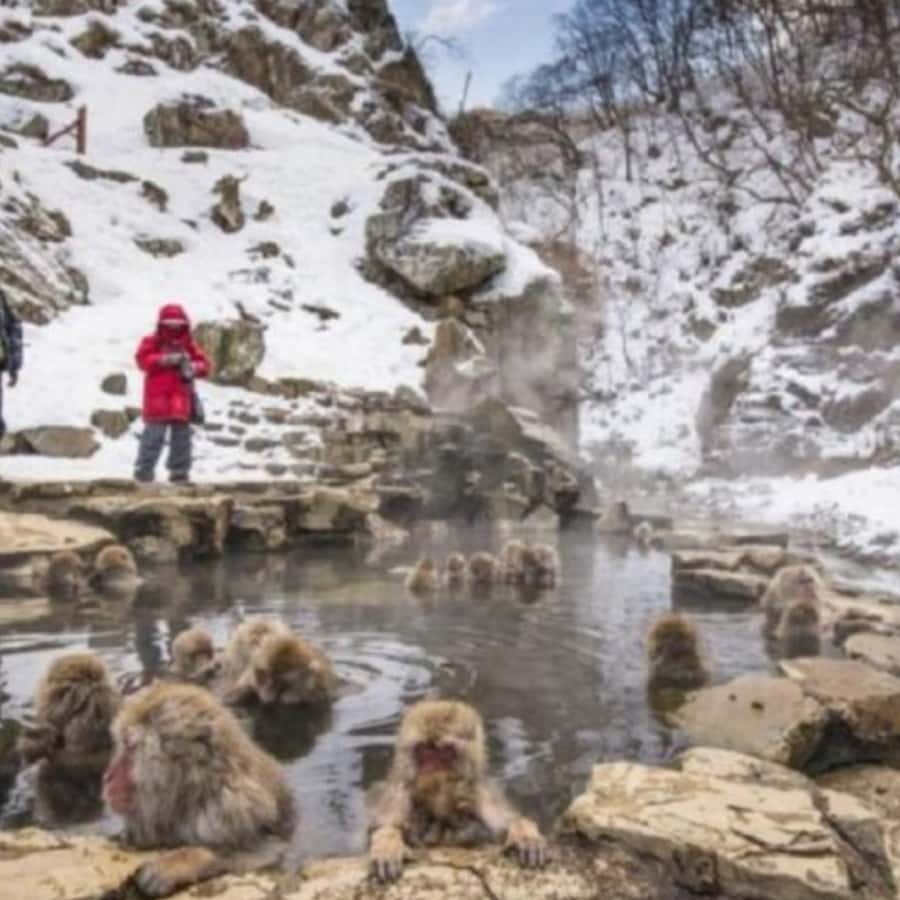
The star of this day is the Japanese macaques bathing in hot springs at Jigokudani Snow Monkey Park. You walk through a cedar forest to reach them, then watch baby monkeys play and adults sit calmly in the steaming water. It is one of Japan’s most memorable wildlife encounters, but Tokyo is a long way from Nagano, so expect a very full day.
In This Article
- Key points to know before booking
- The long road from Tokyo to Nagano
- Jigokudani Snow Monkey Park and the forest walk
- Zenkoji Temple, Nagano’s spiritual heart
- Obuse, Shibu Onsen, and Matsushiro
- How much time do you really have?
- What the $464 group price buys you
- Who will enjoy this day most?
- Small details that make the day easier
- Should you book the Snow Monkey and Zenkoji day?
- FAQ
- How much does the private tour cost?
- Where can pickup and drop-off take place?
- How long is the experience?
- Which languages does the driver speak?
- Is this a private group tour?
- Are entry tickets included?
- What should I bring?
I like two things here: private door-to-door transport, which saves you several train and bus changes, and the freedom to spend more time at the monkeys instead of being pushed along by a large group. The main catch is simple: from Tokyo, the drive can take much of the day, especially in traffic, and the many advertised stops cannot all be guaranteed.
Key points to know before booking
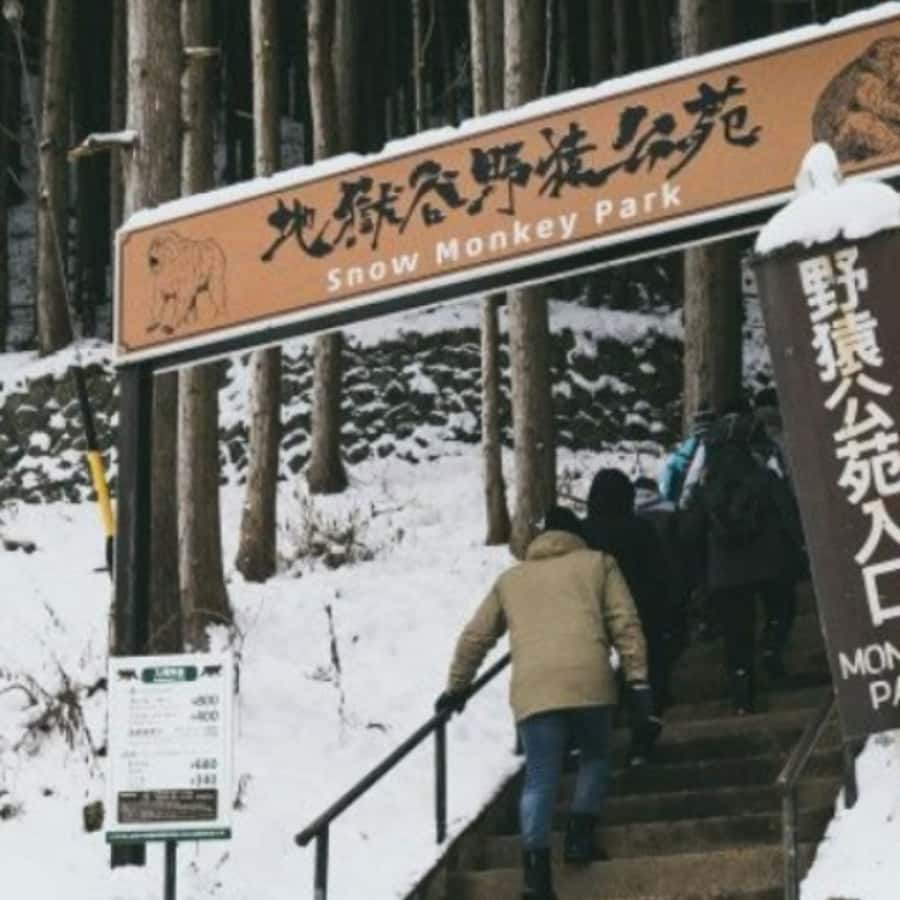
- The monkeys are the main event: The park requires a walk through the forest, but the reward is close views of macaques in and around the hot spring.
- A private car changes the day: Your driver can collect you at your hotel, make comfort stops, and adjust the pace for children, older adults, or a slower group.
- Zenkoji adds a strong cultural counterpoint: After wildlife and mountain scenery, you visit one of Nagano’s most important Buddhist temples.
- Extra stops depend on time: Obuse, Shibu Onsen, Matsushiro Castle ruins, and other Nagano sights may fit, but they are not realistic promises from Tokyo in every season.
- Winter is the best-known setting for the park: Snow and ice can make the walk slippery, so sturdy shoes and warm clothes matter.
- The $464 price covers the whole vehicle: For six people, the cost is about $77 per person before entry fees and food. For one or two people, it is a much bigger splurge.
The long road from Tokyo to Nagano
This tour works best when you think of it as a private road trip, not a quick sightseeing outing. The pickup area covers hotels and Airbnb accommodations within Tokyo’s 23 wards, including Shibuya, Shinjuku, Chiyoda, Minato, Taito, and Setagaya. Airport and port pickup is not available.
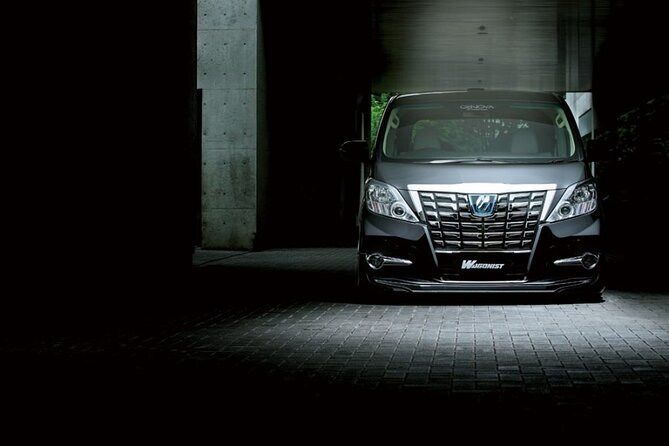
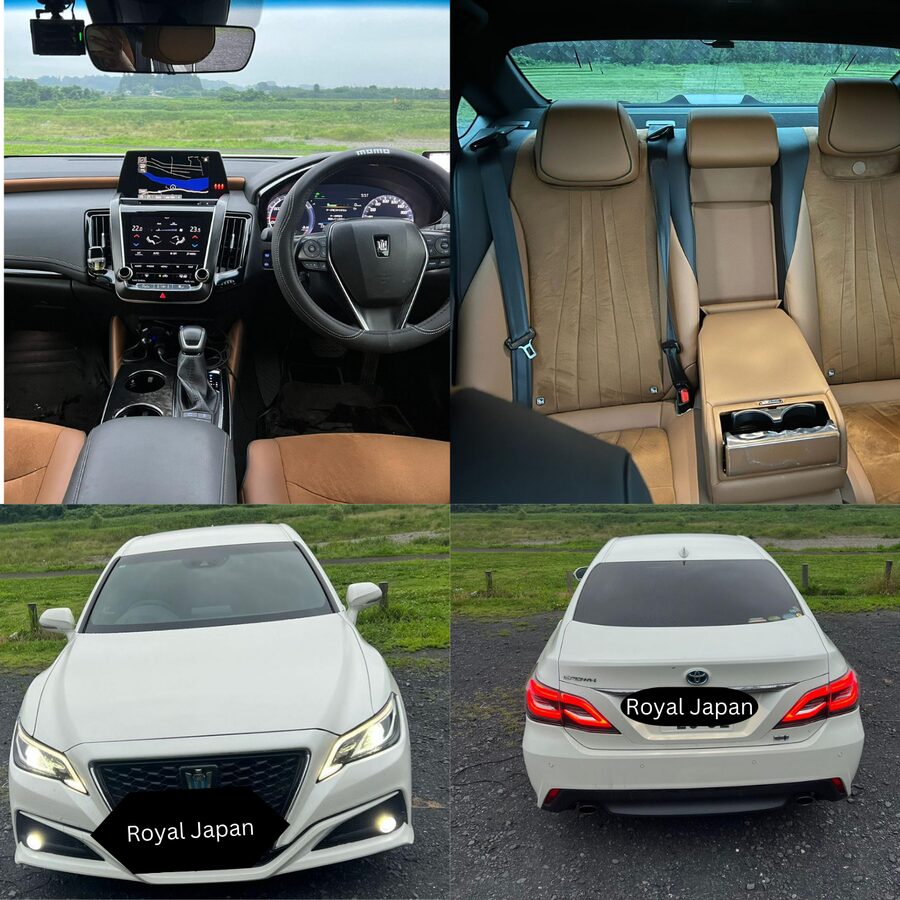
Your driver collects you in an air-conditioned private vehicle. The operator advertises luxury vehicles such as the Toyota Vellfire, Toyota Crown, and Land Cruiser, though the exact vehicle is not guaranteed. The cars used for this experience have been described as spacious and comfortable, with enough room for groups of four or five to relax on the long journey.
The driver languages listed are English, Urdu, Japanese, and Hindi. Named drivers connected with the service include Ali, Sunny, Fahad, Fahed, Ahmed, Awais, Hadi, Haider, and Raza. You should not assume a particular driver will be assigned, but the service is built around a driver who handles both transport and basic guiding.
I like the practical side of this setup. A driver can suggest an earlier pickup to reduce traffic problems, stop at rest areas, and let you sleep when the road gets dull. Several schedules have begun early and ended around 7 p.m., so ask yourself if your group is happy giving up most of a day to see the park.
The vehicle includes fuel, highway tolls, Wi-Fi subject to availability, and free water, tea, and coffee. Meals and snacks are not included. You may need to bring food, especially if you want to protect your limited time at the sights. One useful detail is that eating in the car is allowed.
A few more Tokyo tours and experiences worth a look
Jigokudani Snow Monkey Park and the forest walk
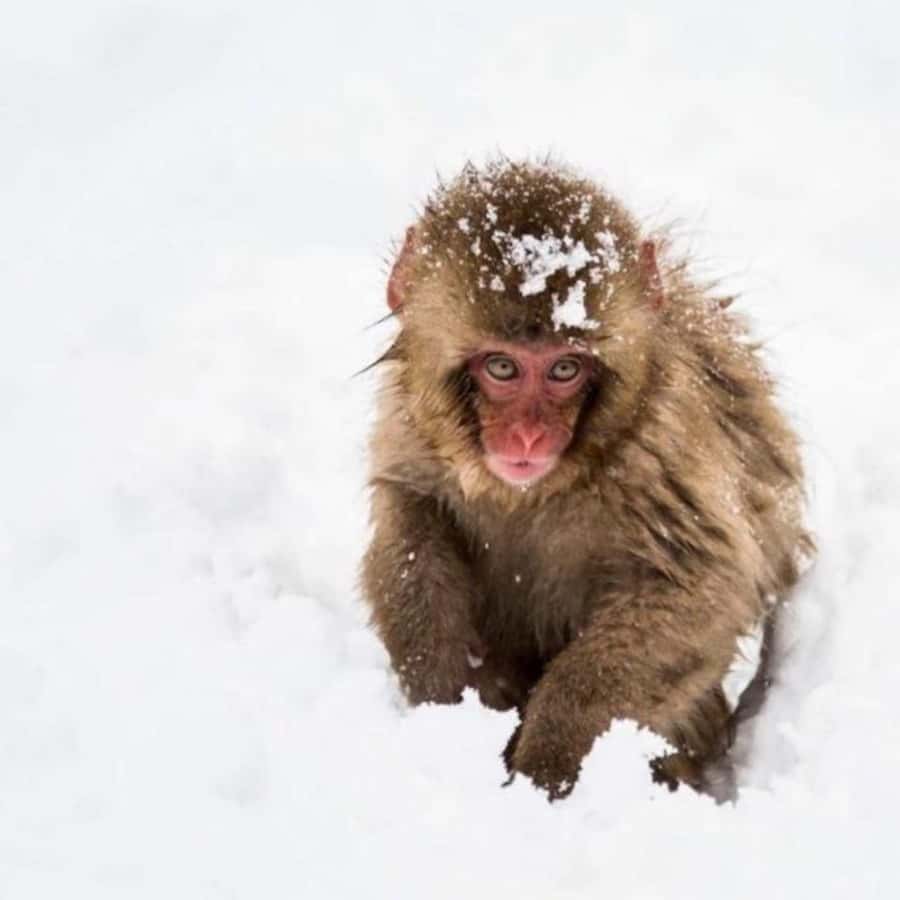
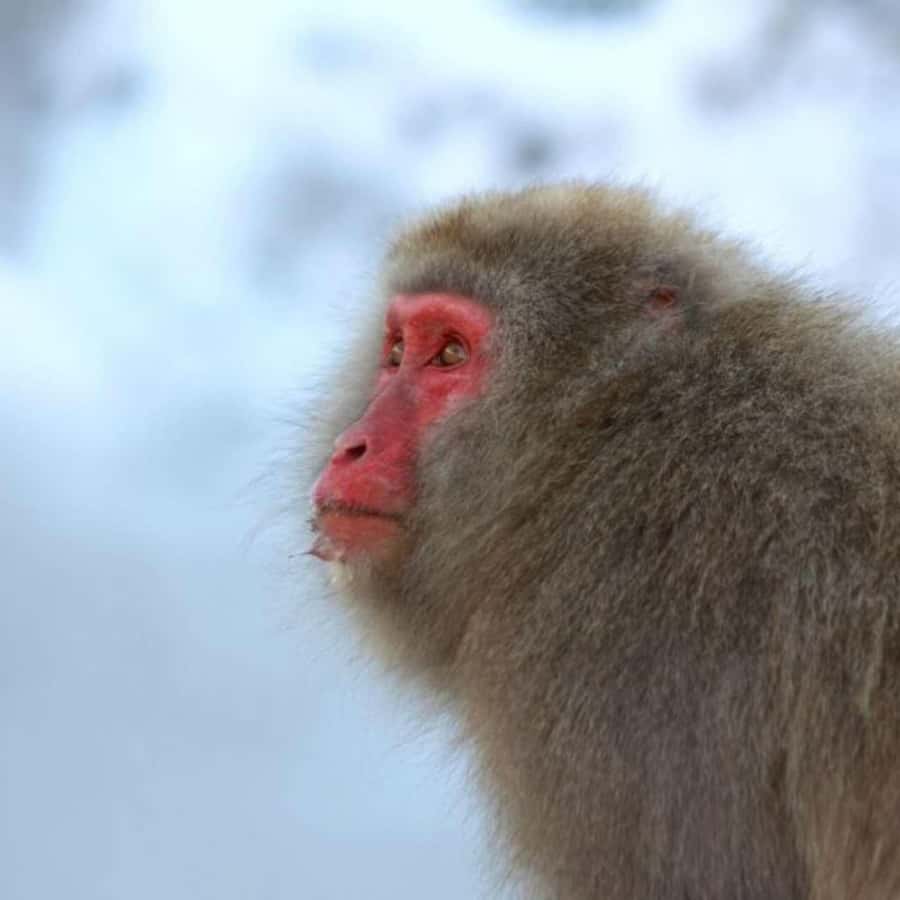
Jigokudani Monkey Park is the reason most people book this experience. The macaques are famous for sitting in a hot spring while snow falls around them, but the park is not only a winter attraction. You can see monkeys at different times of year, though the snowy setting gives the visit its most familiar look.
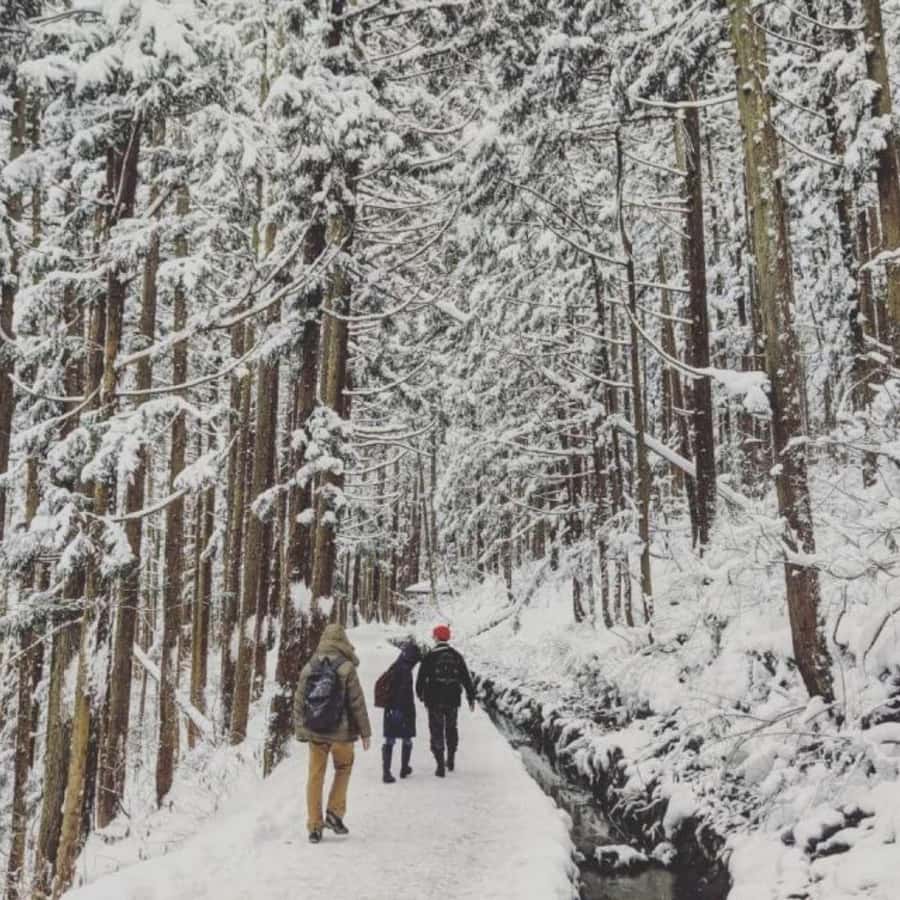
The walk from the vehicle area to the park takes you through a cedar forest. The supplied schedule allows about one hour at the park, but the private format can sometimes give you more time if the rest of the day allows. That flexibility matters because the monkeys do not perform on command. You may arrive as they descend for food, or you may need patience while they move around the park.
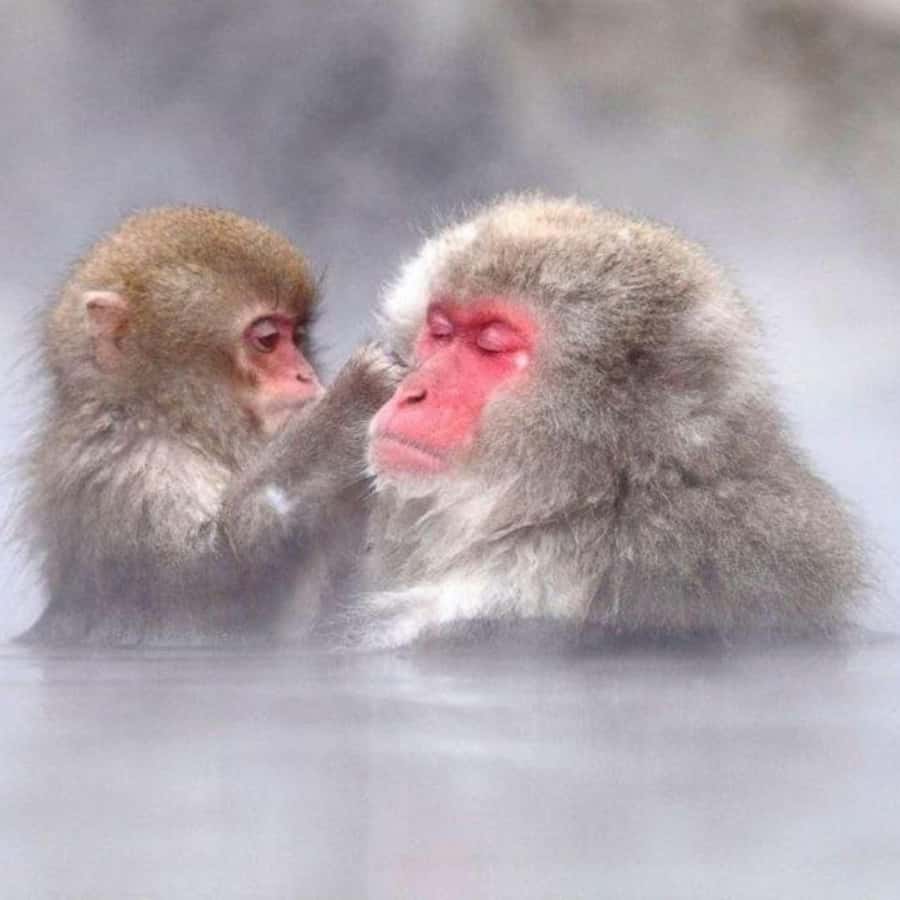
You can expect the macaques to be close, sometimes within about a metre. There are no large barriers separating you from the animals, so follow park rules and avoid touching or feeding them. Bring a camera, but keep your attention on the scene itself. Watching the monkeys groom one another, carry babies, or settle into the water is far better than trying to photograph every second.
The walk is manageable for many age groups, but it is still a walk. Wear comfortable shoes with a good grip. In winter, ice can make the route slippery, and snow may be falling. A warm coat, gloves, and comfortable clothes are sensible. The operator lists the tour as wheelchair accessible, but you should confirm how much of the park route your particular chair can manage before booking.
The park can be especially rewarding for families. One child-focused booking was built around seeing the monkeys, and the timing worked well when the macaques came down for their meal. That kind of moment is exactly why I would make the park your priority and treat every extra stop as optional.
There is an Enza Cafe near the park, and ramen there has been recommended as a convenient meal after the visit. Since food is not included, this is one option to keep in mind, but do not assume the cafe will fit your schedule or that it will be open at the time you arrive.
Zenkoji Temple, Nagano’s spiritual heart
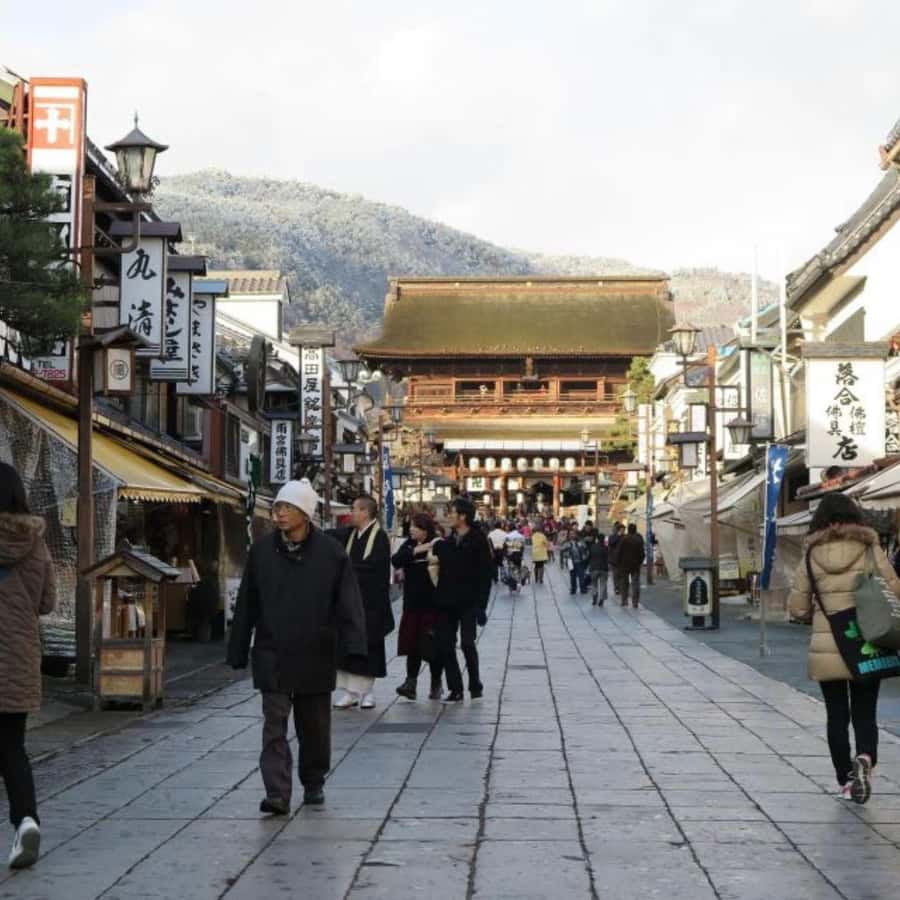
Zenkoji Temple gives the day a very different mood. The temple dates back more than 1,400 years and is regarded as one of Japan’s important Buddhist sites. Its large wooden buildings, sacred grounds, and long religious history make it more than a quick photo stop.
The planned visit is about one hour, though the actual time can be shorter after a long drive and a full monkey park visit. In winter, early closing times can limit your options. One practical schedule had only about 50 minutes at the temple, which was enough for a walk around the grounds but not an unhurried visit to every feature.
I like this pairing because the two main stops do not feel repetitive. At Jigokudani, you spend time outdoors watching living animals in a mountain setting. At Zenkoji, you slow down among woodwork, incense, religious objects, and traditional Buddhist practices. The change of pace helps the temple feel more meaningful.
Your driver may explain the site and help with basic communication. You can also take part in traditional rituals and ceremonies when available, but the exact activities depend on the day and temple schedule. Be respectful, keep your voice low, and dress in a way suitable for a religious site.
The approach to the temple can be as interesting as the main building. Allow a little time to notice the grounds and surrounding streets rather than rushing in for a single photograph. If your group has already visited many temples in Japan, Zenkoji may need less time than the monkey park. If it is your first major Buddhist temple, give it the full hour.
Obuse, Shibu Onsen, and Matsushiro
The experience includes a long list of possible places in Nagano Prefecture. These include Shibu Onsen, Obuse, Matsushiro Castle ruins, and general stops around Nagano. They make sense as additions from a Nagano-based pickup, but they are harder to fit into a Tokyo return trip.
Shibu Onsen is a traditional hot spring town and can add a more local feel to the day. One private schedule included time for an onsen after the monkeys. If you want this, say so early and ask the driver which bath is suitable. Onsen customs matter, and the visit should be treated as a planned stop, not something guaranteed automatically.
Obuse is another useful add-on, especially for food, local streets, or a museum visit. A winter schedule included the Obuse museum, while another driver stopped at a local market for fruit. These small changes show the benefit of a private car, but they also reduce time at Zenkoji or the park.
Matsushiro Castle is presented as castle ruins, not a complete preserved castle. It can be a worthwhile history stop if old architecture interests you. Yet opening hours and driving time can get in the way. One group spent longer with the monkeys, then found the castle closed, although the driver still stopped so they could take photographs from outside.
Do not book this day expecting to see every named location. From Tokyo, Snow Monkey Park and Zenkoji Temple are the dependable core. Obuse, Shibu Onsen, Matsushiro, and other stops should be chosen according to your departure point, season, traffic, and priorities.
How much time do you really have?
The schedule lists roughly one hour for each main destination, but driving is the real time factor. Tokyo to Nagano is a long run, and traffic can add more delay. A summer booking described heavy traffic, while other departures began earlier specifically to avoid it.
An early start is wise if you are coming from Tokyo. It gives you a better chance of reaching the park before the day feels rushed and may leave room for Zenkoji afterward. Your driver may recommend changing the pickup time, so stay open to that advice.
The private format lets you set the pace. You can spend extra time at the monkeys, stop at a rest area, or adjust the route for a meal. But flexibility is not the same as extra hours. If you spend two hours at the park, that time has to come from somewhere else.
From Hakuba, Obuse, Nagano, or Nozawaonsen, the tour becomes more practical because you start closer to the attractions. These pickup and drop-off choices also make the tour useful for people moving between resorts and Nagano rather than returning to Tokyo.
Tokyo drop-off is available, along with Hakuba, Obuse, Nagano, and Nozawaonsen. A private transfer from Tokyo to Hakuba with the sightseeing included can be especially useful if it matches your wider Japan route.
Other private tours in Tokyo
What the $464 group price buys you
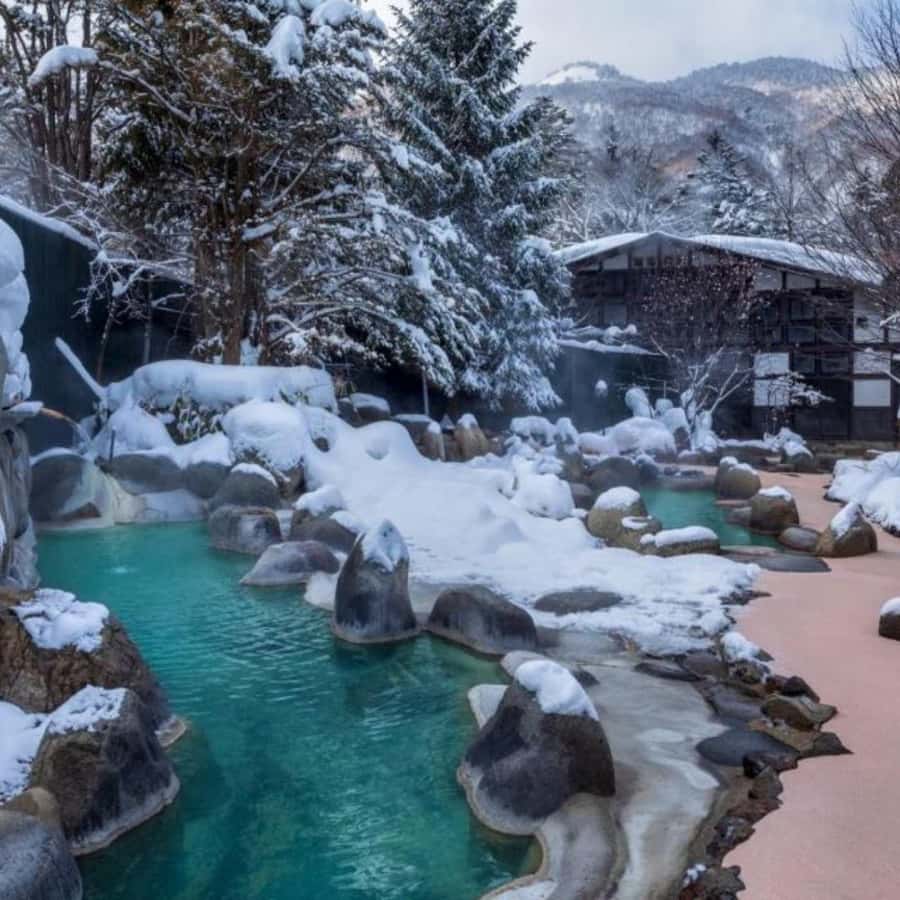
The stated price is $464 for a private group of up to six people. That covers the vehicle, driver, hotel pickup and drop-off, fuel, highway tolls, and complimentary drinks. Entry tickets, meals, and snacks are extra.
For six people, the transport cost works out to about $77 each. That is a reasonable comparison with the hassle of combining trains, a bus, local transfers, and separate tickets. For three people, it is about $155 each. For a couple, the price is much harder to justify unless comfort, privacy, and door-to-door service are major priorities.
I see the strongest value for families, groups of friends, and anyone moving between Tokyo and a Nagano-area destination. You avoid navigating several connections, and the driver can manage luggage and changing plans. A private vehicle also helps groups with mixed fitness levels, since the driver can wait while you walk through the park.
The price does not make the tour all-inclusive. You still need to budget for paid admission and food. Since the entry fee amounts are not provided here, check the current charges before you book.
Who will enjoy this day most?
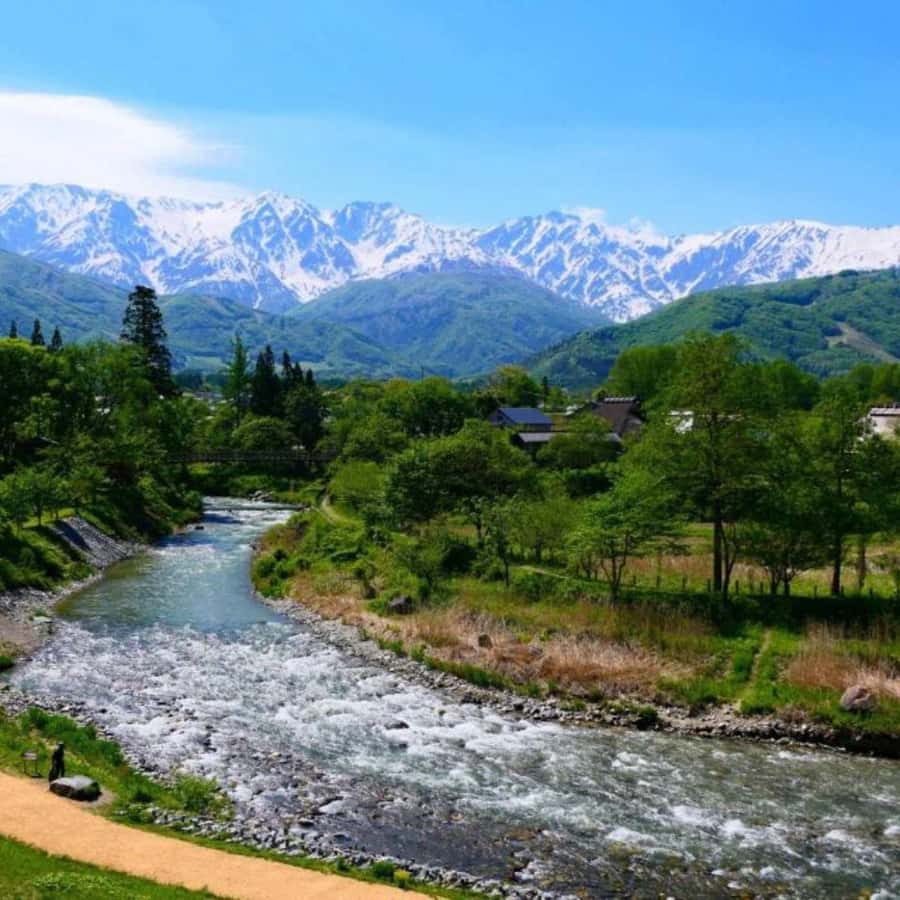
I would choose this tour if seeing the macaques is high on your Japan wish list and you want the simplest way to reach them from Tokyo. It also suits people who prefer a quiet private ride to a fixed-seat group bus.
Families can benefit from the flexible schedule and direct pickup. Older adults may appreciate the comfortable vehicle and rest stops, though the forest walk and slippery winter conditions need honest consideration. One group with a slower pace adjusted the schedule and accepted less time at Zenkoji, a sensible trade.
The tour is also good for visitors who enjoy mixing nature with culture. The monkeys provide the drama, while Zenkoji supplies the calm. Add Obuse, an onsen, or Matsushiro only if one of those places matters more to you than a long visit at the main two stops.
This is not the best choice for someone who wants a relaxed regional day with many leisurely stops from Tokyo. It is a long-distance outing. Pregnant women and people over 95 are listed as unsuitable for the activity, and anyone with mobility concerns should clarify the park walk despite the wheelchair-accessible designation.
Small details that make the day easier
Contacting Travel Royal Japan on WhatsApp before the tour is important. Use it to confirm the pickup time, vehicle, driver, and any preferred stops. Be in your hotel lobby 10 minutes early, and remember that the driver may wait up to 60 minutes after the scheduled time, but a late start can damage the sightseeing plan.
Bring comfortable shoes, a camera, warm or comfortable clothing suited to the season, and a daypack. In winter, add extra grip and warm layers. Alcohol, drugs, fireworks, and explosive substances are not allowed.
The tour offers free cancellation up to 24 hours before departure and a reserve-now, pay-later option. Availability controls the starting time, so check the date carefully before building the rest of your Japan plans around it.
Should you book the Snow Monkey and Zenkoji day?
Book it if you want close-up macaques, a private vehicle, and a flexible route more than you want a cheap or leisurely day. The monkeys are a powerful reason to make the long trip, and Zenkoji gives you a worthwhile cultural stop rather than sending you straight back to Tokyo.
I would book for a group of four to six, especially if you are also dropping off in Hakuba, Nagano, or Nozawaonsen. For one or two people, compare the price with public transport before deciding. Set your expectations correctly: plan around Jigokudani and Zenkoji, then regard every extra stop as a bonus.
FAQ
How much does the private tour cost?
The listed price is $464 for a private group of up to six people. Meals, snacks, and paid entry tickets are not included.
Where can pickup and drop-off take place?
Pickup and drop-off options include Tokyo, Hakuba, Obuse, Nagano, and Nozawaonsen. Tokyo pickup is available from accommodations within the city’s 23 wards, but not from airports or ports.
How long is the experience?
The tour lasts one day. Starting times depend on availability, and an early departure may help reduce traffic on the long drive from Tokyo.
Which languages does the driver speak?
Driver languages listed for the activity are English, Urdu, Japanese, and Hindi.
Is this a private group tour?
Yes. The vehicle and driver are reserved for your private group, with capacity for up to six people.
Are entry tickets included?
No. Paid admission tickets for attractions are not included, and food is also separate.
What should I bring?
Bring comfortable shoes, comfortable clothes, a camera, and a daypack. Warm clothing and shoes with good grip are especially useful in winter, when the park walk may be icy.
More Winter Activities in Tokyo



More Private Tours in Tokyo
More Temples & Meditation in Tokyo
More tours in Tokyo we've reviewed












Temples & Meditation, compared.
 ★ 4.7Tokyo: Meiji Shrine, Asakusa, Skytree Bus Tour and CruiseFrom $12210 hours
 ★ 4.8Tokyo: Asakusa Walking Tour with Sensoji Temple VisitFrom $222 hours
 ★ 4.5Tokyo: Kamakura & Enoshima Day Trip including Temple TicketsFrom $589 hours - 570 minutes
 ★ 4.5Tokyo: Nikko Toshogu Shrine and Kegon Waterfall TourFrom $8410h 30m
 ★ 4.5Tokyo Panoramic 1 Day: Meiji Shrine, Asakusa, Odaiba and SKYTREE®From $85
 ★ 5.0Asakusa Senso-ji Temple and Old Tokyo Walking TourFrom $20