Reviewed · MT FUJI DAY TRIPS
Mt. Fuji Heritage Tour: Traditional Villages, Lakes & Shrine
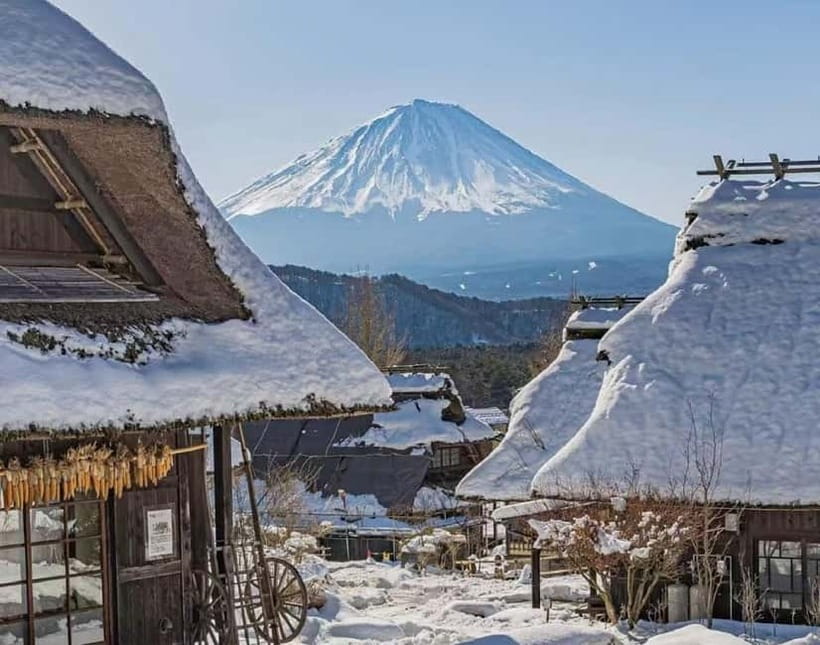
Mt. Fuji is the star, but the best part of this day is the variety of views around it. You move from a thatched-roof village and lakeside flower fields to a shrine, pagoda, and clear spring ponds, so the day feels like a tour of Fuji country rather than one quick photo stop. Saiko Iyashi no Sato Nenba gives you the most distinctive setting, with traditional houses lined up beneath the mountain.
In This Article
- Why this Mt Fuji day trip earns attention
- A full day that shows Fuji from several angles
- Saiko Iyashi no Sato Nenba and its thatched roofs
- Lake Kawaguchi, Oishi Park, and seasonal color
- Arakurayama Sengen Park and the pagoda climb
- Lunch: simple, flexible, and not included
- Oshino Hakkai and the final Fuji-area stop
- What the $50 price really covers
- Timing, weather, and the return to Tokyo
- Who will get the most from this tour
- Should you book the Mt Fuji Heritage Tour?
- FAQ
- How long does the Mt Fuji Heritage Tour last?
- Where does the tour start and finish?
- Is transportation included?
- Is lunch included?
- Which languages are available?
- Does the tour include admission to Saiko Iyashi no Sato Nenba?
- Can I see Mt. Fuji clearly during the tour?
- When is the Maple Corridor visited?
- What should I bring?
- Is the tour suitable for wheelchair users?
I like the easy all-in-one transport from Tokyo, especially since several stops are awkward to link by public transportation in one day. I also like the practical guides: Sia, Kazi, Wanting, Alex, and others are praised for clear meeting instructions, careful timekeeping, and friendly help. The tradeoff is the long return drive and the fact that Fuji may hide behind clouds. Lunch is not included, and the schedule can feel brisk at the most popular stops.
Why this Mt Fuji day trip earns attention
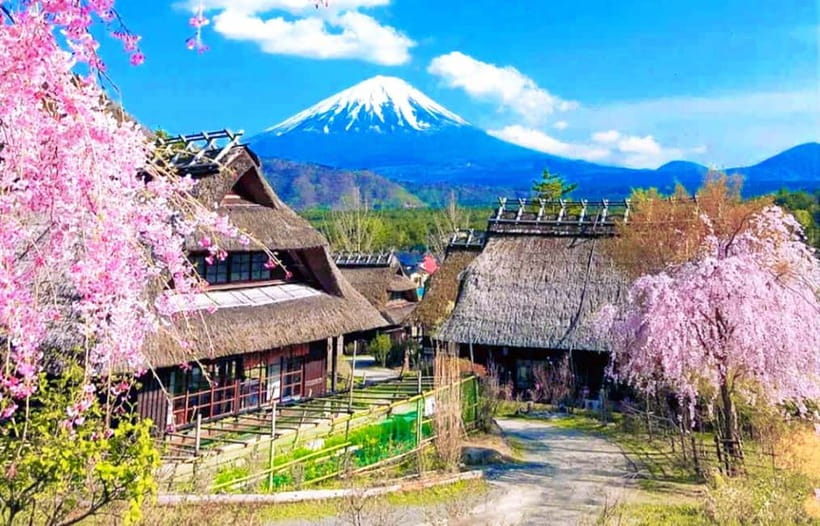
- Thatched village photography: Saiko Iyashi no Sato Nenba pairs old-style houses with one of the tour’s most memorable Fuji backdrops.
- Seasonal scenery at Lake Kawaguchi: Oishi Park brings lavender in summer, while autumn brings red broom grass and, at the right time, fiery maple leaves.
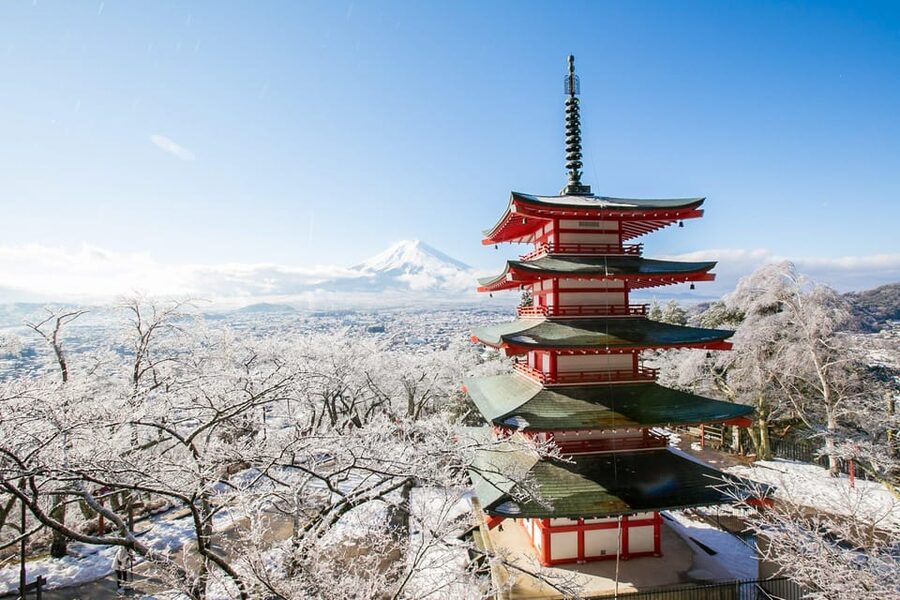
- The classic pagoda view: Arakurayama Sengen Park delivers the famous five-story pagoda and Mt. Fuji composition after a stair climb.
- Clear spring water at Oshino Hakkai: Eight ponds fed by melted snow offer a quieter finish and plenty of local snacks.
- Useful multilingual guiding: The tour operates in English, Japanese, and Traditional Chinese.
- Strong value at $50: Transport, driver, guide, parking, and admission to Saiko Iyashi no Sato Nenba are included.
A full day that shows Fuji from several angles
This is a 10-hour shared coach tour leaving from the Tokyo MODE Gakuen area at 1-chome-5-1 Marunouchi. The long bus ride is the price of seeing so much in one day. You spend roughly two and a half hours getting out to the Fuji area and another two and a half hours returning, but the coach removes the need to plan several train and local bus connections.
I would choose this tour for a first visit to the Mt. Fuji region, especially if you are staying in Tokyo and want the main scenic sights handled in one sweep. It is less suitable if you want long walks, quiet photography sessions, or a relaxed meal with no clock to watch.
The guide’s role matters here. This is a multilingual group tour, so explanations are given in several languages. The strongest practical reports describe guides such as Sia and Kazi keeping people informed about departure times, bathrooms, meeting points, and route changes. One guide even arranged lunch orders early so food was ready when the group arrived. That kind of simple organization can make a crowded sightseeing day much easier.
A few more Tokyo tours and experiences worth a look
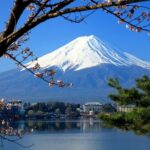
Saiko Iyashi no Sato Nenba and its thatched roofs
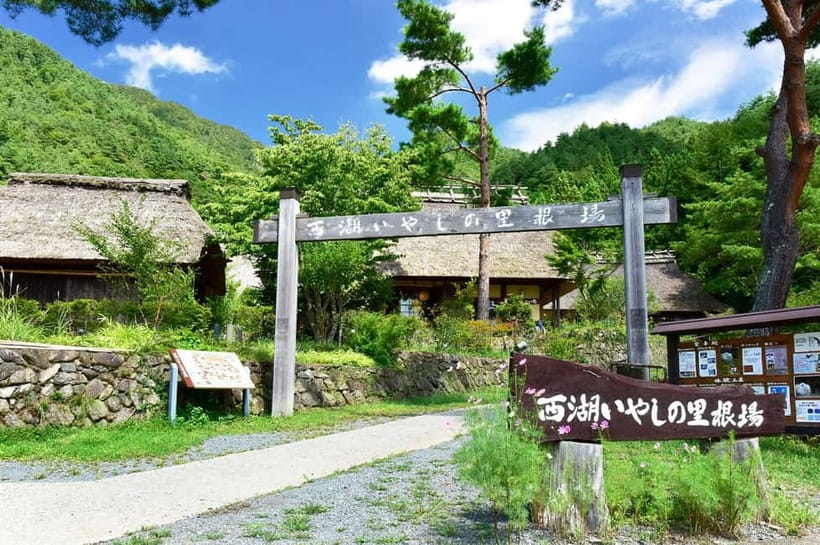
Your first major stop is Saiko Iyashi no Sato Nenba, a reconstructed traditional village near Lake Saiko. The one-hour visit includes admission and guided sightseeing, giving you time to walk among the thatched houses and take photographs.
This is the most characterful stop on the route. The roofs, mountain views, and old village design create a stronger sense of place than a standard roadside viewpoint. You can also buy Japanese street snacks near the entrance. If you want a playful photo, ninja costume rental is available for an extra charge.
I would spend the first few minutes simply looking at the arrangement of the village before reaching for your camera. Mt. Fuji visibility can change quickly, and the view may be clear from one angle but clouded from another. The village remains worth visiting in cloudy weather because the buildings and setting still provide plenty to see, but the famous Fuji image depends entirely on conditions.
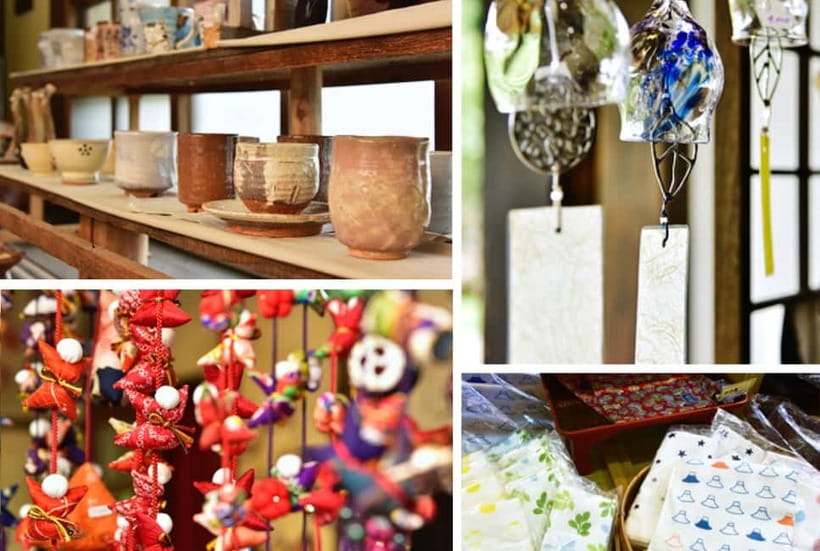
The village also has souvenir shops and independent vendors. Bring cash, since cards may not be accepted at every stop. These shops are separate from the tour, so purchases and services are your own responsibility.
Lake Kawaguchi, Oishi Park, and seasonal color
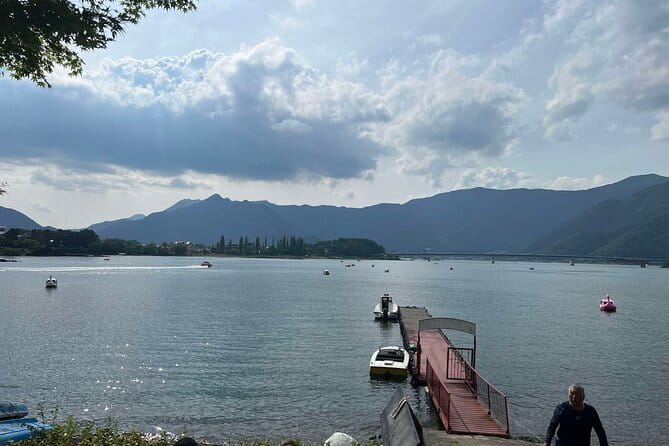
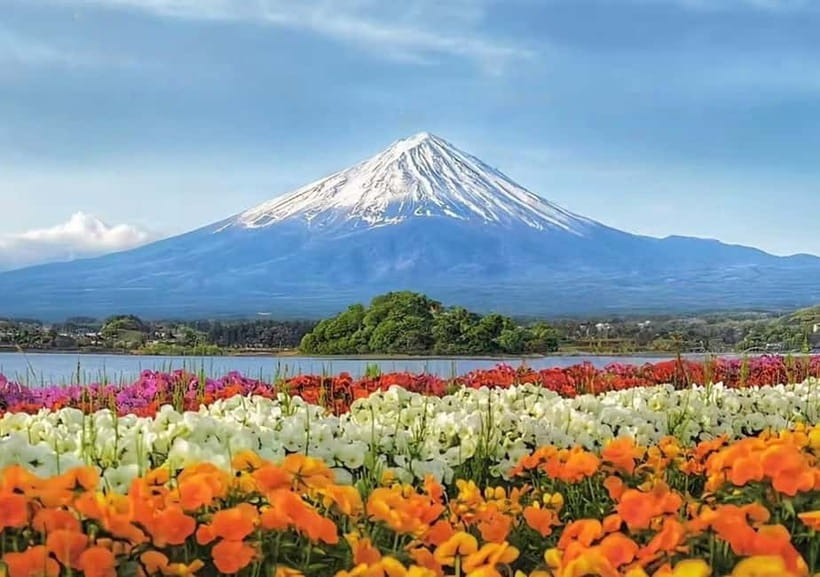
After about 25 minutes by coach, the tour reaches the Lake Kawaguchi area. The lake itself is part of the scenery between scheduled stops, while Oishi Park receives about 40 minutes for photographs and sightseeing.
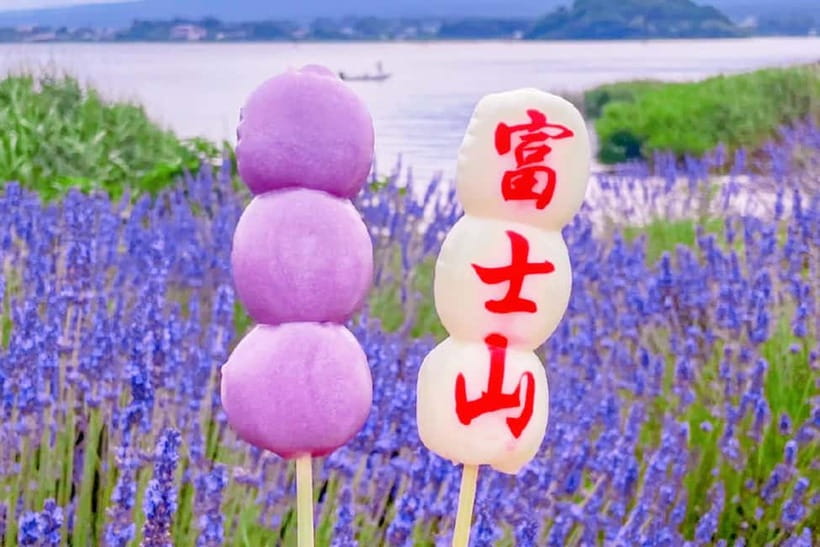
Oishi Park changes character with the calendar. Summer brings lavender fields and their fragrance. In autumn, red broom grass adds strong color near the lake. This seasonal focus is useful when choosing your travel date, but you should not expect every feature at every time of year.
The tour also visits the Maple Corridor for about 40 minutes. The peak autumn period is listed as October 26 through November 20. During those dates, the plan skips Oishi Park and focuses on the Maple Corridor instead. That is an important detail. You are not receiving both autumn attractions on the same day during the busiest foliage period, so set your expectations before booking.
The Maple Corridor is designed for the classic Fuji-and-maples photograph. The timing can be beautiful when autumn leaves frame the snow-covered mountain, but this is also one of the most crowded and weather-sensitive parts of the outing. You may get enough time for photographs and a short walk, but not an extended park visit.
I like this part of the route because it adds color and open space after the enclosed feel of the village. Still, you should check the forecast. Clouds can cover Fuji by afternoon, and several people on this route were able to see the mountain earlier before it disappeared later. A clear morning is never guaranteed, but it can make a major difference.
Arakurayama Sengen Park and the pagoda climb
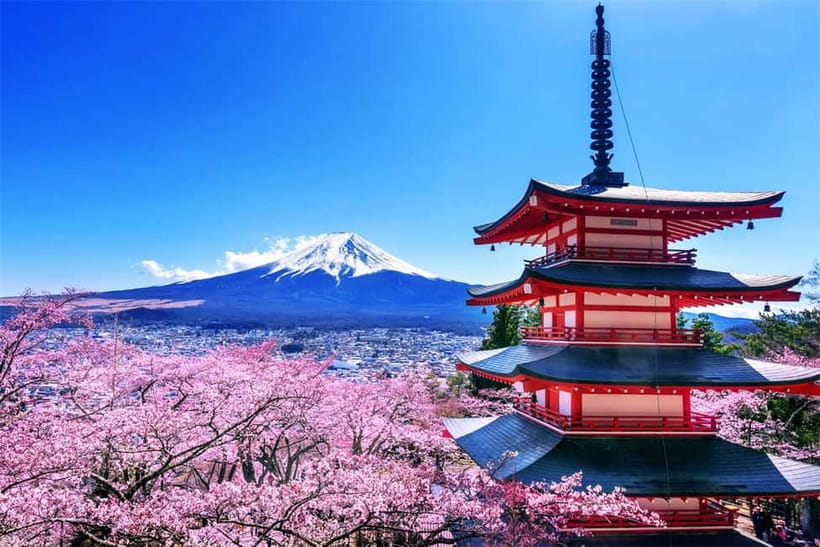
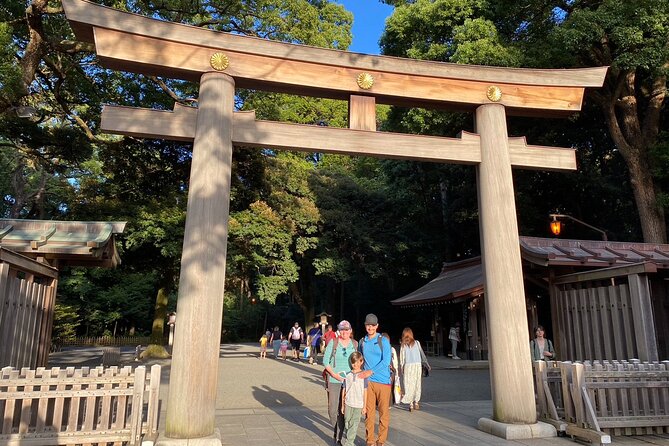
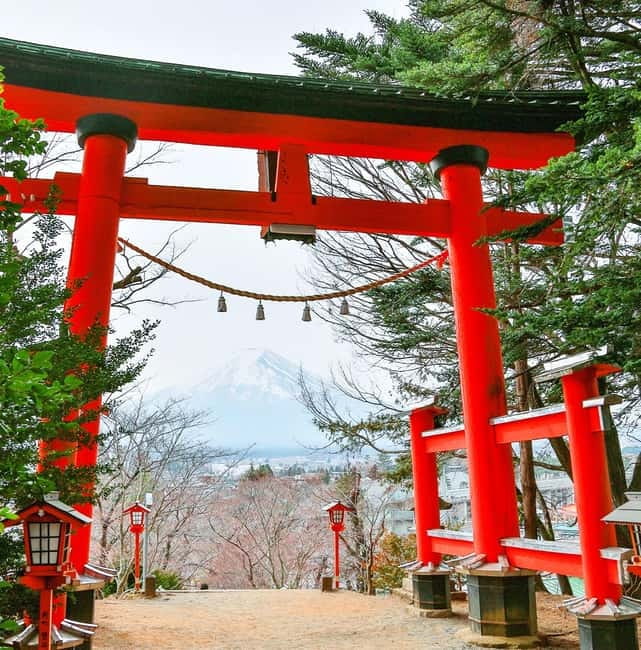
The next transfer takes about 15 minutes, followed by a visit to Arakurayama Sengen Park. This is home to Arakura Fuji Sengen Shrine and Chureito Pagoda, one of Japan’s most recognizable Mt. Fuji viewpoints.
The itinerary allows about 40 minutes at the park, with shorter visits listed for the shrine and pagoda. The famous view requires climbing steps, so wear comfortable shoes and keep your pace sensible. The reward is a high viewpoint with the five-story pagoda in the foreground and Mt. Fuji behind it when the sky cooperates.
For many people, this is the photographic highlight of the day. It is also the stop where the schedule feels tightest. You need time for the climb, the shrine, the viewing area, and the return to the coach. I would head up without delay, then take your photographs before exploring the shrine at a slower pace.
The shrine adds more than a backdrop. You can pause for a prayer and see a working religious site rather than only a scenic platform. One useful tip is to arrange a goshuin, if you want one, before climbing the stairs because collection may take time. That advice comes from practical timing, not ceremony: a wait of around 20 minutes can be enough to disrupt a short stop.
This visit may be difficult for anyone with limited mobility. The activity is not suitable for wheelchair users, and the stair climb makes it a poor fit for visitors who cannot comfortably manage steps.
Lunch: simple, flexible, and not included
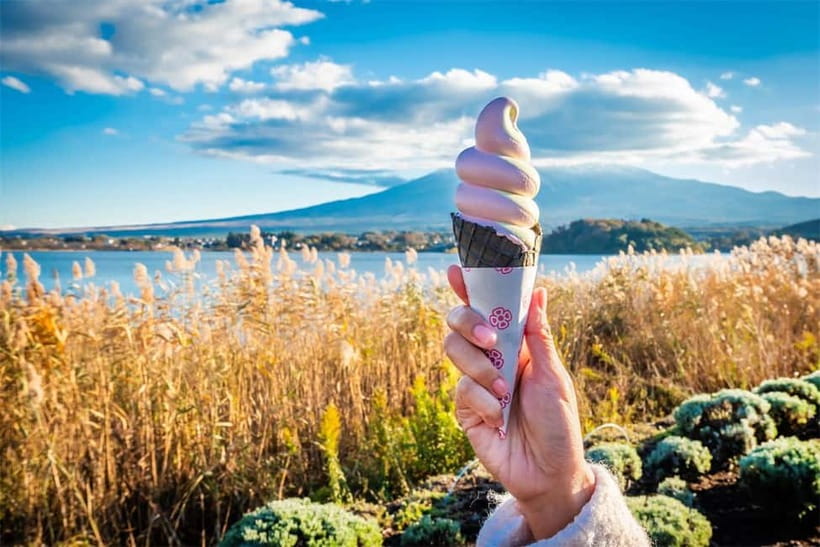
A 40-minute break is scheduled at a local restaurant. Lunch is not part of the $50 price, so you can bring food, buy something at an attraction, or follow the guide’s restaurant suggestion.
That flexibility is useful, but do not treat the meal as a major culinary event. One account found the restaurant adequate but preferred the food sold by vendors at other stops. I would carry a small meal or snacks if you have dietary needs, a tight budget, or strong preferences.
Cash is worth carrying for food and small purchases. Some shops and food stalls may not accept credit cards. The guide may help coordinate orders, but you remain responsible for the cost of lunch and personal spending.
A few more Tokyo tours and experiences worth a look


Oshino Hakkai and the final Fuji-area stop
After another 25-minute drive, the tour reaches Oshino Hakkai for about 70 minutes. This is the longest sightseeing stop, and the slower pace suits the setting.
Oshino Hakkai is a group of eight clear spring ponds fed by Mt. Fuji’s melted snow. The water, reflections, and traditional village surroundings make this a calmer counterpoint to the pagoda and the busier lake stops. You can walk around, take photographs, and look for local foods such as freshly made rice crackers and wasabi ice cream.
The ponds are attractive throughout the year, but the experience is not only about scenery. The water gives the area its identity, while the food stalls add a taste of local life. I would save some appetite for this stop, even if you eat lunch earlier. The rice crackers are an easy snack, and wasabi ice cream is the sort of unusual treat that makes a day trip more memorable.
Oshino Hakkai is also a good place to slow down mentally. By this point, you have already visited several major sights, and the 70-minute allowance gives you more breathing room than the short pagoda stop. Shops and vendors operate independently, so keep your cash handy and allow time to return to the meeting point.
What the $50 price really covers
At $50 per person, this is a strong transport-and-sightseeing package. Your price includes the coach, driver, guide, parking, pickup and drop-off at the designated meeting point, and admission to Saiko Iyashi no Sato Nenba. Those inclusions matter because the Fuji area spreads across several towns and attractions.
The price does not cover lunch, costume rental, souvenirs, snacks, or other personal expenses. If you want to keep the day close to $50, bring water and food from Tokyo and limit shopping. If you are happy to pay for lunch and treats, budget extra cash.
The value is best for people who would otherwise need to arrange several separate connections. You are paying for convenience, route planning, and a guide who keeps the group moving. You are not paying for a private vehicle or a flexible personal schedule. This is a shared coach outing, so the route and stop lengths are fixed enough to keep the full day on track.
Timing, weather, and the return to Tokyo
The return drive is listed at about two and a half hours, but weekend and holiday traffic can make it longer. I would not schedule a flight, theater booking, or important evening reservation immediately afterward. The return time can shift, and stops may be shortened, adjusted, or canceled if conditions require it.
Weather is the biggest uncontrollable factor. Mt. Fuji may be hidden even when the surrounding attractions are enjoyable. Check the forecast, but do not assume a perfect prediction. The day still has value in cloudier conditions because the thatched village, shrine, pagoda, lake area, and spring ponds each offer something different.
Arrive 15 minutes early. The tour sends the guide’s phone number and vehicle license plate the night before, which helps you identify the correct coach. Keep those details available, and do not arrive at the last moment. Late arrivals and no-shows are not refunded.
The tour has two starting options and two drop-off options listed at Tokyo MODE Gakuen, with the exact meeting point depending on the option you book. Read the selected option carefully. One useful detail from the trip reports is that a passenger who ended the day in the Fuji area received personal help from the driver finding the bus station, but you should not assume this arrangement is included for every booking.
Who will get the most from this tour
I would recommend this trip to first-time Mt. Fuji visitors, families, and anyone who wants a broad introduction without renting a car. It can work well for multigenerational groups because the guide handles directions and timing, and several families found the staff patient and attentive.
It also suits photographers who want the major compositions: thatched houses with Fuji, lake scenery, autumn color, and the pagoda. Bring comfortable shoes, though, because the Arakurayama steps are part of the experience.
You may prefer another option if you want to hike, spend half a day at one village, or choose every meal and departure time yourself. The tour is organized around coverage. You will see many places, but you will not have unlimited time at any one of them.
Should you book the Mt Fuji Heritage Tour?
Book it if you want the practical way to see Fuji’s most famous surrounding sights from Tokyo for a reasonable price. The route has real variety, the transport saves planning time, and guides such as Sia, Kazi, Wanting, Alex, and Rachel have been praised for warm service, clear instructions, and careful timekeeping.
Skip it if a cloudy mountain would ruin the day for you, or if a fixed group schedule sounds tiring. For everyone else, the combination of village architecture, lake scenery, shrine traditions, pagoda views, and spring ponds makes this a well-priced introduction to the Mt. Fuji area. Pack food, carry cash, wear good shoes, and leave your evening open for traffic.
FAQ
How long does the Mt Fuji Heritage Tour last?
The tour lasts 10 hours, including coach transfers between Tokyo and the Mt. Fuji area.
Where does the tour start and finish?
The listed starting and drop-off location is Tokyo MODE Gakuen, 1-chome-5-1 Marunouchi. The exact meeting point can vary according to the option booked.
Is transportation included?
Yes. The price includes shared bus or coach transportation, a driver, parking fees, and pickup and drop-off at the designated meeting point.
Is lunch included?
No. You can bring food, buy lunch at an attraction, or eat at a restaurant suggested by the guide.
Which languages are available?
The live guide service is available in English, Japanese, and Traditional Chinese.
Does the tour include admission to Saiko Iyashi no Sato Nenba?
Yes. Admission to Saiko Iyashi no Sato Nenba is included.
Can I see Mt. Fuji clearly during the tour?
A clear view is not guaranteed. Weather can block the mountain, so check the forecast before you go.
When is the Maple Corridor visited?
Peak autumn foliage at the Maple Corridor is listed as October 26 through November 20. During that period, the tour does not visit Oishi Park.
What should I bring?
Bring comfortable shoes, water, and cash. Cash is useful because credit cards may not be accepted at some locations.
Is the tour suitable for wheelchair users?
No. The activity is not suitable for wheelchair users, and the visit to Arakurayama Sengen Park includes steps.
More Historical Tours in Tokyo


More Temples & Meditation in Tokyo
More Mt Fuji Day Trips in Tokyo

More tours in Tokyo we've reviewed












Mt Fuji Day Trips, compared.
 ★ 5.0Mt Fuji and Hakone 1-Day Bus Tour Return by Bullet TrainFrom $163
 ★ 4.0Mt Fuji & Hakone Cruise, Drum Show Bullet Train 1 Day from TokyoFrom $149
 ★ 4.4Tokyo Mt Fuji 5th St & Hakone Cruise Bus Tour w/Bullet TrainFrom $15410 hours
 ★ 4.5From Tokyo: Mount Fuji Full-Day Sightseeing TripFrom $6810 hours
 ★ 4.7Tokyo: Mt. Fuji Tour, Hakone Ropeway, Owakudani, Lake AshiFrom $5410 hours
 ★ 4.4Tokyo:Mt.Fuji,Kawaguchiko Oishi Park,Arakurayama Sengen ParkFrom $5410 hours