Reviewed · MT FUJI DAY TRIPS
Mt.Fuji day trip with English Speaking Chauffer
This private Mt. Fuji day trip gives you a full day in the Fuji Five Lakes area without the usual group-tour shuffle. You ride in your own vehicle, stop at famous viewpoints, and can shape the day around photography, scenery, or cultural sights.
In This Article
- Key points to know before you book
- Why a private Mt. Fuji day trip can be worth it
- Chureito Pagoda and the classic Fuji photograph
- Oshino Hakkai and its eight ponds
- Mt. Fuji 5th Station at 2,200 meters
- Oishi Park and Lake Kawaguchiko
- Saiko Iyashi no Sato Nemba and traditional village life
- Fugaku Wind Cave beneath the Aokigahara forest
- Kitaguchi Hongu Fuji Sengen Shrine
- Timing, traffic, and the risk of too much sightseeing
- What the guide and chauffeur add
- Price, admission fees, and who gets the best value
- Who should book this Fuji experience
- Should you book the Mt. Fuji private day trip?
- FAQ
- How long does the Mt. Fuji private tour last?
- How many people can join the tour?
- Is hotel pickup available?
- Is an English-speaking guide included?
- Are admission fees included?
- Can I visit Mt. Fuji 5th Station in every season?
- Can the guide help take photographs or make videos?
I like two things right away: the guide can help with photos and video, and complimentary bottled water is provided. Guides such as Abdul have also supplied a video compilation after the day, a thoughtful extra for families and groups marking a special trip.
The main catch is the packed schedule. Seven listed stops in 8 to 10 hours leaves little room for lingering, and Mt. Fuji 5th Station can close or become inaccessible in snow and poor weather. Confirm your priorities before setting off.
Key points to know before you book

- Private transport for up to five people: The listed price is $462.36 per group, not per person, with larger 6-seater and 10-seater vans available.
- Seven possible Fuji-area stops: The route can include Chureito Pagoda, Oshino Hakkai, 5th Station, Oishi Park, Saiko Iyashi no Sato Nemba, Lake Kawaguchiko, Fugaku Wind Cave, and Kitaguchi Hongu Fuji Sengen Shrine.
- Photo help is part of the service: Your guide can assist with taking pictures or making videos during the day.
- Weather affects the plan: Snow and road conditions may prevent access to Mt. Fuji 5th Station.
- Admission costs are separate: You pay extra for 5th Station, Saiko Iyashi no Sato Nemba, Lake Kawaguchiko activities, and the wind or ice caves.
- Free cancellation is available: Cancel at least 24 hours before the start time for a full refund.
Why a private Mt. Fuji day trip can be worth it
Mt. Fuji is close enough to Tokyo for a day trip, but the region is spread across mountain roads, lake shores, villages, shrines, and forest. Public transport can connect the main points, yet it takes planning and patience. A private vehicle changes the day from a transport puzzle into a sightseeing outing.
For a group of four or five, the $462.36 cost works out to roughly $92 to $116 per person before admission fees. That is not a bargain-basement excursion, but it can be fair if you value door-to-door transport, an English-speaking guide, and the freedom to adjust the route.
You also avoid paying for strangers to visit places that do not interest you. If your group wants photographs, a lake cruise, a shrine, and a quick stop at a cave, the private format gives you more control than a fixed coach tour.
The guide and chauffeur are available throughout the day, and the vehicle is air-conditioned. That matters in summer heat, during long drives, and after climbing steps at Chureito Pagoda. The vehicle options are described as 6-seater and 10-seater vans, though the advertised rate covers a group of up to five.
A few more Tokyo tours and experiences worth a look
Chureito Pagoda and the classic Fuji photograph

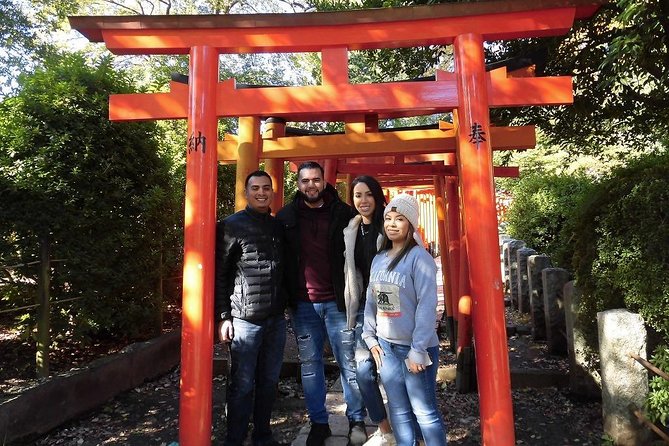
Your first stop is Chureito Pagoda, part of Arakura Sengen Shrine above Fujiyoshida City. The five-story pagoda sits on the mountainside, with Mt. Fuji visible in the distance when the weather cooperates.
This is one of the most recognizable views in the Fuji region. The red pagoda, wooded slope, city below, and snow-capped mountain form the picture many people hope to bring home from Japan.
The stop is scheduled for about one hour and admission is free. The practical issue is the climb. You need to walk uphill and tackle shrine steps to reach the pagoda, so this is not a quick pull-over beside the road. Build in time for a slower ascent if your group includes anyone who dislikes stairs.
This is also an ideal place to use the photo assistance. The guide can help arrange group pictures, and the experience specifically offers help with photography and video. That small service can be useful when you want everyone in the frame rather than a collection of separate selfies.
Oshino Hakkai and its eight ponds
Oshino Hakkai is a small village known for eight clear ponds formed in the Fuji Five Lakes area. The ponds occupy the site of a former lake that dried up, and the setting gives you a taste of old-style village scenery between Lake Kawaguchiko and Lake Yamanakako.
You have about 50 minutes here, with no admission charge listed. That is enough for a look around, photographs, and a short walk, but not a leisurely village visit with a long meal.
Oshino Hakkai is touristy. You should expect a popular sightseeing stop rather than a quiet rural encounter. Still, the ponds, mountain water, traditional buildings, and Fuji views give the stop a different feel from the larger lake resorts.
I would keep your time focused. Look at the ponds, take pictures, and enjoy the village details rather than treating this as a major cultural visit. If you want an unhurried stop here, ask the guide to reduce or skip another location.
Mt. Fuji 5th Station at 2,200 meters

Mt. Fuji 5th Station is the highest point on the route accessible by car, at about 2,200 meters. It is the practical gateway for hikers and one of the closest road-accessible points from which to look toward the summit.
The planned stop lasts two hours, longer than any other listed location. That gives you time for viewpoints and a proper break, especially if you want to walk around rather than simply take a quick photograph from the parking area.
You can also get broad views toward the surrounding city and mountain area. The air may feel cooler here than at the lakes, and conditions can change quickly. The important point is that access is not guaranteed.
Snow and poor weather have prevented a visit for at least one booking. If 5th Station is central to your plans, ask about current road access before departure and have a backup choice ready. The entry fee is not included.
Hikers should also be clear about the scope of this outing. The tour can take you to the road-accessible 5th Station, but the information provided does not describe a summit climb. Official hiking trails open from July through September, and the tour overview notes hiking as a possible seasonal focus.
Oishi Park and Lake Kawaguchiko

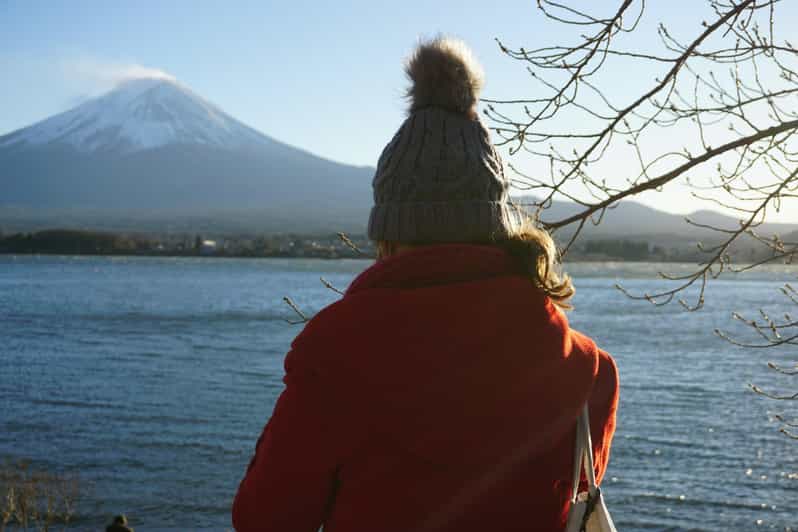
Oishi Park sits on the northern shore of Lake Kawaguchiko. A 350-meter walking path lined with flowers gives you an easy way to enjoy the lake, with Mt. Fuji rising behind it when the clouds part.
This is likely one of the most relaxed parts of the day. The open views are good for group photos, and the flower plantings add color without requiring a difficult walk. The park is also a useful counterpoint to the more structured stops at the pagoda and shrines.
Lake Kawaguchiko itself sits at an elevation of about 830 meters. That helps explain its cooler summers and cold winters. The surrounding area offers water-based activities, including a ship cruise, and a ropeway ride is also mentioned as an option connected with the lake area.
Those activities cost extra. The admission information is not fully itemized, so you should ask the guide what you want to do and confirm the current price before committing. With a full route already planned, a cruise or ropeway ride may require trimming another stop.
The lake is the place to slow down. If your priority is a calm view of Fuji rather than collecting as many locations as possible, tell the guide early. A private tour is most valuable when you use that flexibility.
A few more Tokyo tours and experiences worth a look



Saiko Iyashi no Sato Nemba and traditional village life

Saiko Iyashi no Sato Nemba is a reconstructed Japanese village where you can enter traditional houses and rent period-style clothing. The planned visit is about 30 minutes, and admission is extra.
This stop adds a cultural layer to a day otherwise built around views and transport. The reconstructed houses give you a chance to see traditional forms of Japanese architecture, while clothing rental can make for memorable family photographs.
Thirty minutes is a short visit. You may have enough time for a quick look and a few pictures, but probably not a slow exploration of every house or a lengthy clothing rental session. Ask about timing if this is especially important to your group.
It is a good choice for families and anyone who wants more than mountain viewpoints. It may be less appealing if your only goal is a clear Fuji photograph and the weather is improving at the lake.
Fugaku Wind Cave beneath the Aokigahara forest

Fugaku Wind Cave is a lava tube at the northern foot of Mt. Fuji. It is described as the largest of several lava tubes in the Aokigahara forest near Fujikawaguchiko.
The planned visit lasts 30 minutes, and admission is not included. A lava cave gives the day a geological angle. You are not just looking at the volcano from outside, you are seeing part of the underground world created by its eruptions.
The stop is brief, so expect an introduction rather than a long cave tour. Conditions inside may feel different from the open air around the lakes, and you should consider your own comfort with uneven or confined spaces. The supplied information does not provide further details about the cave route, so ask the guide about current conditions.
This is one of the easier stops to drop if your group prefers shrines, flowers, or lake views. It is worth keeping if the volcanic setting interests you.
Kitaguchi Hongu Fuji Sengen Shrine

Kitaguchi Hongu Fuji Sengen Shrine is one of roughly 1,300 Asama shrines in Japan dedicated to the deity associated with volcanoes and Mt. Fuji. It is also part of the Mt. Fuji UNESCO World Heritage area.
The planned visit is 30 minutes and admission is free. This is a chance to see a sacred site connected directly with the mountain, rather than treating Fuji as only a scenic backdrop.
The shrine can also bring a quieter rhythm to the day. After busy viewpoints and tourist areas, a short visit here gives you space to notice gates, trees, worship areas, and the calm structure of a Japanese shrine.
Because the stop is short, listen closely to the guide’s explanation and decide what you want to photograph before you arrive. If cultural context matters to you, this is a stronger choice than adding another quick viewpoint.
Timing, traffic, and the risk of too much sightseeing
The stated duration is 8 to 10 hours, including pickup and travel from Tokyo. That is a long day, and the Fuji area can involve substantial driving between stops.
The listed route contains more stops than most people can enjoy deeply in one day. Chureito Pagoda takes about an hour, Oshino Hakkai about 50 minutes, 5th Station two hours, the village 30 minutes, the lake 45 minutes, the cave 30 minutes, and the shrine 30 minutes. Add Oishi Park, meals, traffic, and road delays, and the schedule becomes tight.
This is not necessarily a flaw. A private trip lets you choose. Think of the list as a menu, not a promise that every stop will receive equal time. Before leaving Tokyo, name your top two or three priorities.
For a first visit, I would favor Chureito Pagoda, one Lake Kawaguchiko stop such as Oishi Park, and either 5th Station or the shrine. Add Oshino Hakkai if village scenery appeals to you. Choose the cave or reconstructed village based on your group’s interests.
Weather should guide the plan. Fuji can disappear behind cloud even when the rest of the day looks pleasant. A private guide can help shift attention to shrines, ponds, or cultural sites when the summit is hidden.
What the guide and chauffeur add
You receive private transportation, fuel charges, parking fees, toll charges, bottled water, and an in-person English guide. The driver and guide arrangement means you do not need to manage unfamiliar roads or parking areas yourself.
The photo and video help may be the most personal feature. Abdul, one guide associated with the experience, has been praised for taking pictures throughout the day and preparing a video compilation afterward. He has also been described as informative, kind, humorous, and attentive to details at each stop.
You should not assume Abdul will be your assigned guide, but the example shows the level of service to request. If photographs matter, say so when you book and again at pickup. Also state which places you most want to see. One booking missed 5th Station because of weather and itinerary communication, so clear priorities can prevent disappointment.
Price, admission fees, and who gets the best value
At $462.36 per group of up to five, the price makes the most sense for families, couples traveling with friends, or small groups that want a dedicated vehicle. For one or two people, it is a much bigger expense than a shared day trip.
The price includes transport-related costs, bottled water, and the guide. It does not include admission to Mt. Fuji 5th Station, Saiko Iyashi no Sato Nemba, the wind or ice caves, or activities around Lake Kawaguchiko. Plan for these extra costs instead of treating the advertised price as the complete day budget.
The value improves when you want convenience and pictures. It also improves when your group would otherwise need several train or bus connections, or when you want to avoid losing time figuring out local transport.
The value drops if you want a slow, single-location visit. This tour is designed to cover a lot of the region. If you want to sit beside the lake for hours, you need to negotiate that with the guide and accept fewer stops.
Who should book this Fuji experience
I would recommend it most strongly to small groups that want comfort, flexible sightseeing, and help with photos. Families may appreciate the private van, water, and ability to adjust the pace. First-time visitors can also benefit from having an English-speaking guide explain what they are seeing.
It suits people who want several sides of Mt. Fuji in one day: scenic views, village ponds, a shrine, traditional buildings, a lava cave, and the high mountain road. It is less suitable for serious hikers, since the main focus is sightseeing by vehicle rather than a long trail day.
Photography-minded groups should consider it carefully. The guide can help create pictures and video, and the route includes several strong photo settings. But no guide can control Fuji’s cloud cover, and the highest viewpoint may close in winter weather.
Booking is flexible with free cancellation up to 24 hours before the experience begins. Changes or cancellations made inside that window are not accepted for a refund.
Should you book the Mt. Fuji private day trip?
Book it if you want a comfortable private vehicle, an English-speaking guide, and the freedom to choose among many Fuji-area sights. The photo assistance and personal service, including the possibility of a video compilation from a guide such as Abdul, add real value for families and special occasions.
Think twice if you need guaranteed access to 5th Station, want a slow day, or dislike paying extra at several attractions. Ask about weather, confirm your must-see stops, and treat the schedule as flexible rather than fixed.
For a small group willing to make those choices, this is a practical way to see far more than a single Fuji viewpoint in one long day.
FAQ
How long does the Mt. Fuji private tour last?
The experience lasts approximately 8 to 10 hours.
How many people can join the tour?
The listed price covers a private group of up to five people. Six-seater and 10-seater vans are available depending on group size.
Is hotel pickup available?
Pickup is offered, and the tour includes private transportation in an air-conditioned vehicle.
Is an English-speaking guide included?
Yes. An in-person English guide is included with the private tour.
Are admission fees included?
No. Admission fees for Mt. Fuji 5th Station, Saiko Iyashi no Sato Nemba, the wind or ice caves, and activities at Lake Kawaguchiko are not included.
Can I visit Mt. Fuji 5th Station in every season?
No. Snow and weather conditions can make 5th Station inaccessible. The experience information specifically notes that one planned visit could not take place because of these conditions.
Can the guide help take photographs or make videos?
Yes. Photo-taking and video-making assistance are included if you want it. One guide, Abdul, has also prepared a video compilation for a group after the tour.
More 1-Day Tours in Tokyo
More Mt Fuji Day Trips in Tokyo

More tours in Tokyo we've reviewed












Mt Fuji Day Trips, compared.
 ★ 5.0Mt Fuji and Hakone 1-Day Bus Tour Return by Bullet TrainFrom $163
 ★ 4.0Mt Fuji & Hakone Cruise, Drum Show Bullet Train 1 Day from TokyoFrom $149
 ★ 4.4Tokyo Mt Fuji 5th St & Hakone Cruise Bus Tour w/Bullet TrainFrom $15410 hours
 ★ 4.5From Tokyo: Mount Fuji Full-Day Sightseeing TripFrom $6810 hours
 ★ 4.7Tokyo: Mt. Fuji Tour, Hakone Ropeway, Owakudani, Lake AshiFrom $5410 hours
 ★ 4.4Tokyo:Mt.Fuji,Kawaguchiko Oishi Park,Arakurayama Sengen ParkFrom $5410 hours