Reviewed · ASAKUSA TOURS
Private Craft Your Own Ring Handmade Experience in Asakusa, Tokyo
The appealing part of this Asakusa workshop is that you leave with a ring you helped design and texture yourself. Using the Japanese metalworking style called Tankin, you choose the material, thickness, shape, and finish, then use a hammer to create the pattern. It is a simple, pleasant way to make a small souvenir with a personal story.
In This Article
- Key points to know before booking
- A Small Ring With a Personal Mark
- Choosing the Ring You Will Actually Wear
- Hammering Texture With Japanese Tankin Technique
- A One-Hour Session That Fits an Asakusa Day
- Friendly Guidance in English or Japanese
- What the $21.89 Price Really Covers
- The Finished Ring and Its Limits
- Who Will Enjoy This Most
- Booking, Cancellation, and Practical Details
- Should You Book This Asakusa Ring Workshop?
- FAQ
- How long does the ring workshop take?
- What is included in the price?
- Is the ring ready to take home the same day?
- Do I make the entire ring myself?
- Is the workshop available in English?
- Where does the activity begin and end?
- Can I cancel for a full refund?
I like two things here: the private format, which keeps the session focused on your group, and the friendly help from staff members such as Gayani and Sayuko. They explain each step clearly, take photos and videos, and polish the finished ring for you. The main consideration is that you do not make the entire ring from raw metal. The ring is prepared for you, and your hands-on work mainly involves shaping and texturing it.
Key points to know before booking
- You hammer the pattern yourself: The ring is ready for the main texturing stage, so this is part craft workshop and part guided customization.
- The base price is for a very thin ring: The listed price is about $21.89, or roughly 3,300 yen, but thicker materials and other choices cost extra.
- You can take it home the same day: Staff polish and clean the ring, though some sessions may involve about an hour of waiting for finishing or engraving.
- English guidance is available: Gayani, Sayuko, Naka, and other staff members have helped participants through the process in English.
- Asakusa makes the timing useful: The shop is at 1 Chome 31-8, near Senso-ji and public transportation, so you can explore nearby during any wait.
- It suits couples and solo makers: Matching rings, anniversary gifts, birthday keepsakes, and first-trip souvenirs all fit the format well.
A Small Ring With a Personal Mark
At nane tokyo Asakusa, your session begins by choosing the basic ingredients of the ring. You select the material, thickness, shape, and texture. The included option is a thin silver ring, commonly described as 1 millimeter wide, so look closely at the available choices before you settle on the lowest price.
That thin starting ring may be just right if you want a delicate souvenir. If you want a stronger everyday ring or a more substantial matching pair, you will likely prefer a thicker option. One participant found the thicker ring worth the extra cost, while another felt the need to upgrade should have been clearer at booking. The staff are not described as pushy, but you should set your budget before you arrive.
The important distinction is simple: you are not forging a ring from a strip of metal. The basic ring has already been formed. Your creative work is choosing its look and hammering dents or marks into the surface. Staff handle the more technical work, including final polishing and cleaning.
That arrangement makes the class accessible. You do not need metalworking experience, and most people can take part. It also means the experience may feel less like a traditional forge class than the title suggests. If your dream is to heat, bend, join, and finish raw metal from scratch, this is not that kind of workshop.
A few more Asakusa tours and experiences worth a look

Choosing the Ring You Will Actually Wear
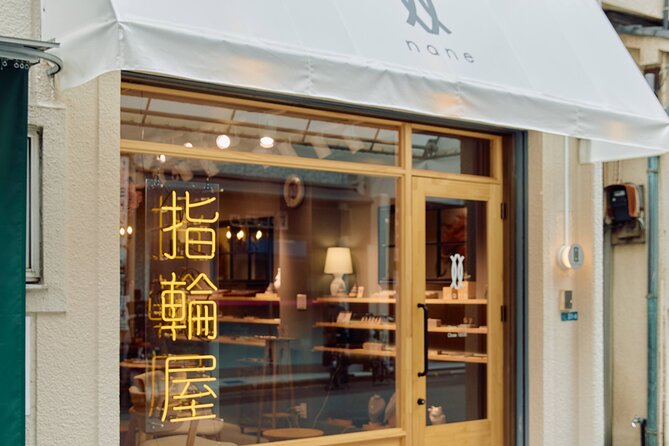
The choice stage matters more than it may first appear. A ring’s width changes both its appearance and comfort, while the hammer texture catches light differently across the surface. You can choose a smoother design or a more marked pattern, depending on the options available in the shop.
For couples, this is where you can decide how closely your rings should match. You might choose the same texture in different widths, or use different finishes while keeping a shared material. For a solo visit, the selection process gives you a chance to make something that feels personal rather than buying a standard souvenir.
The shop offers more than one material and several design choices, but the supplied details do not list every available metal or finish. Ask the guide to explain the current choices and prices before you commit. The included rate covers the basic workshop and ring, while engraving is not included. Engraving can add a date, initials, or another personal detail, but it needs to be treated as an extra option.
You should also check the fit carefully. One of the strongest practical advantages of the session is that you finish with a ring sized for you rather than guessing at a shop counter. Staff guide you through the process, and the result is intended to fit properly.
Hammering Texture With Japanese Tankin Technique
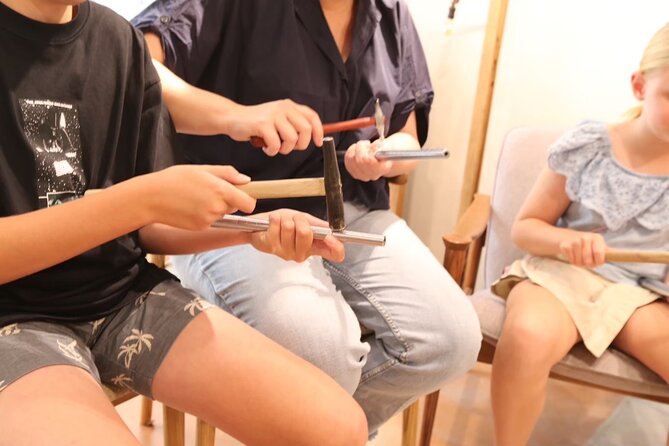
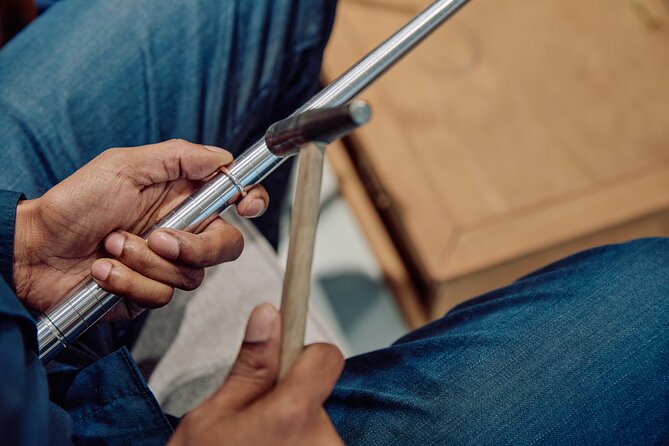
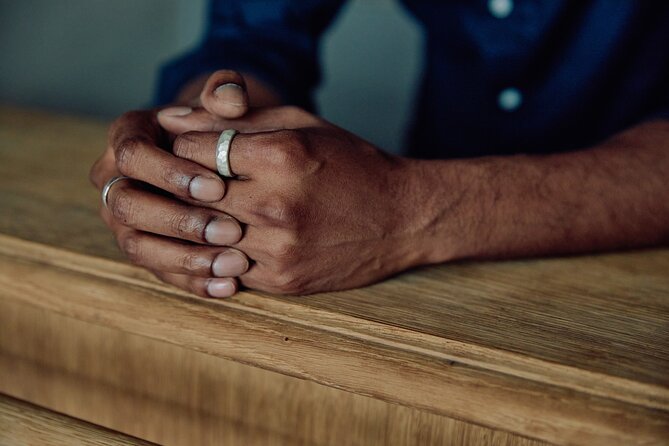
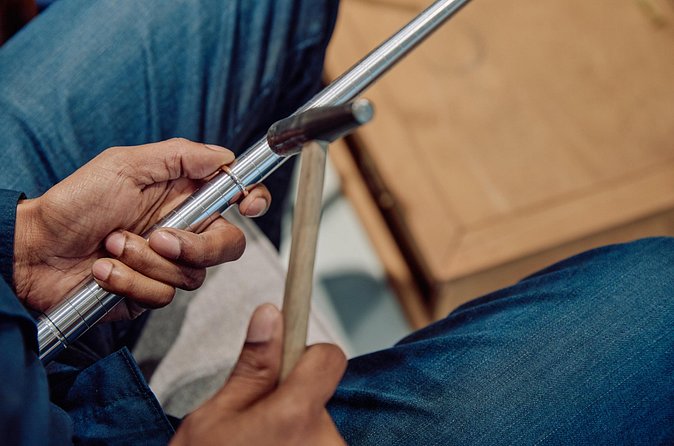
Once your ring choice is made, the central activity begins. You use a special hammer and tools to create texture on the ring. The marks are small, but they transform a plain band into something individual. This is the part where your hand makes a visible difference.
The staff explain how to hold the tools and where to place the hammer. Clear instructions make the activity approachable, even if you have never handled metalworking equipment. Gayani has been praised for giving step-by-step help and for taking photos and videos during the session. Sayuko has also guided participants through forming and photographed the process, while Naka has handled engraving for some finished rings.
Expect close supervision rather than complete independence. The workshop is designed to keep the process safe and the final piece attractive. The staff may take over tasks that require more experience or special equipment. That is useful if you care most about taking home a polished ring, but it can disappoint you if you expected to carry out every stage yourself.
I see the format as a good compromise for a short Tokyo activity. You get a real role in the design and surface work without spending half a day learning advanced jewelry techniques. The tradeoff is that your personal contribution is concentrated in the pattern, not the construction of the band.
A One-Hour Session That Fits an Asakusa Day
The workshop itself takes about one hour, with the full booking listed at roughly 90 minutes. That makes it easy to place between sightseeing stops. You can visit Senso-ji, browse Asakusa, or stop for food before or after the class.
Timing deserves a little care. The ring can be taken home the same day, but final polishing and engraving may not be immediate. One account describes an approximately one-hour wait after the making portion while the staff completed finishing work. This is not necessarily a problem, since Asakusa gives you useful places to spend the time, but you should not book a tight connection or a fixed departure right after the workshop.
If you need the ring at a particular hour, ask the shop about the finishing schedule when you arrive. The provided details promise same-day pickup, not a guaranteed immediate handover. A little flexibility will make the visit more relaxing.
The meeting point is nane tokyo Asakusa, at Japan, 111-0032 Tokyo, Taito City, Asakusa, 1 Chome 31-8, on the first floor. The activity ends at the same place. It is near public transportation, so the shop works well as a planned stop in central Tokyo rather than as a distant day trip.
Friendly Guidance in English or Japanese
The workshop includes a guide in English or Japanese. That is important because the process involves choices about width, material, shape, texture, and possible extras. You want to understand what each selection costs before work begins.
The staff’s manner is one of the workshop’s strongest points. The available comments repeatedly describe a warm, patient atmosphere and clear instructions. The husband-and-wife owners have been praised for welcoming people and allowing them to choose what they wanted without pressure. That matters when upgrade prices are part of the experience.
English support is especially useful for anyone who does not speak Japanese. Participants have singled out Gayani and Sayuko for patient instruction, photography, and help with each stage. Naka has also been involved in engraving. Staff names and schedules can change, so do not assume a particular person will be present, but the experience does include English guidance.
The photo help is a nice extra. A ring-making class naturally creates small moments worth recording, from the first hammer marks to the finished presentation. You can ask staff to help capture photos and videos, though the main value remains the ring itself, not a formal photo session.
A few more Asakusa tours and experiences worth a look

What the $21.89 Price Really Covers
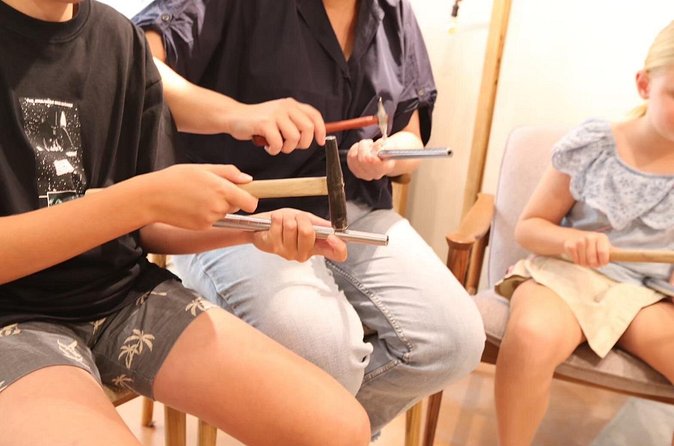
At about $21.89 per person, the entry price is appealing for a private activity in Tokyo. It includes the workshop and an English or Japanese guide. You also receive a finished ring that you can take home the same day.
The price needs context. The basic amount is for the simplest ring, described as a thin 1 millimeter silver option. Thicker rings and some design choices cost more. Engraving is also excluded. The final price can therefore be considerably higher than the advertised starting rate if you want a substantial band, a special material, or text inside the ring.
That is not automatically poor value. A finished piece includes the material, staff assistance, polishing, and the time spent creating the surface design. Couples may also value the private setting and the memory attached to the object. But you should compare the final price with the kind of craft experience you want.
If you are mainly paying for a hands-on metalworking class, the value is weaker because staff complete much of the technical work. If you want a guided activity that produces a wearable souvenir within about an hour, the value is stronger. The key is to treat it as a personalized ring-texturing workshop, not a full jewelry-making course.
The Finished Ring and Its Limits
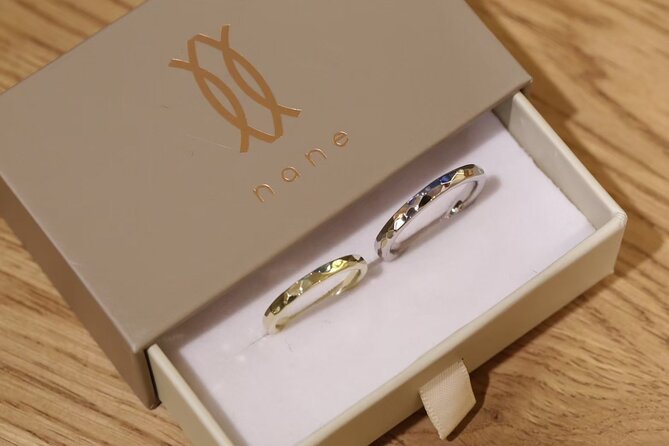
The final polishing and cleaning are handled by the craftsmen. This gives the ring a neat finish and lets you leave with a usable keepsake rather than a rough practice piece. Presentation also forms part of the charm, especially if you are giving the ring to a partner or marking an anniversary.
Several people have used the session for matching rings, birthdays, wedding anniversaries, and a first trip to Japan. One couple marked 25 years of marriage with the activity. Another person came alone as a birthday gift to herself. These examples point to the workshop’s real strength: it gives an ordinary small object a clear connection to a moment.
Do keep your expectations realistic about durability and materials. One unhappy account described a low-cost silver ring that scratched and darkened quickly. That is a single experience, and the supplied information does not identify the exact material or finish involved, but it is a reason to ask what you are buying and how it should be cared for.
A thicker ring may feel more substantial, but it does not automatically solve every maintenance issue. Ask the staff about the selected material, finish, cleaning, and daily wear before finalizing an upgrade. The workshop can produce a lovely souvenir, but it is still worth treating an inexpensive silver ring with care.
Who Will Enjoy This Most
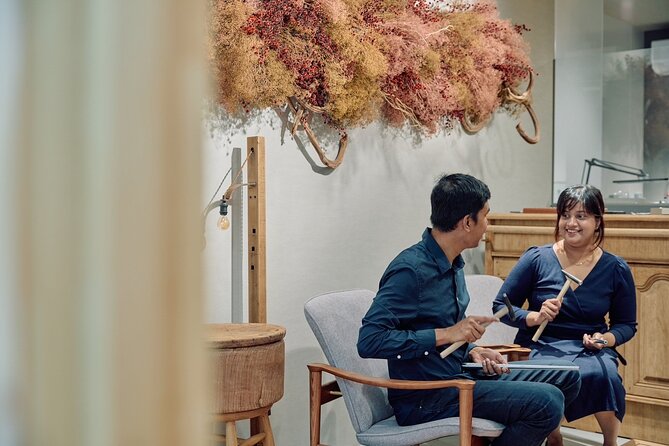
I would recommend this activity most strongly to couples who want a shared keepsake without giving up a full day. The private setting allows you to focus on one another, and matching or complementary rings give the session a clear purpose.
It also works well for families with older children, relatives marking a special trip, and solo visitors who want a useful souvenir. The activity is short, guided, and open to most people. Service animals are allowed, and the shop is near public transportation.
You may want another provider if you specifically want to melt, forge, bend, and finish a ring from raw metal. The workshop here gives you meaningful design input, but not complete control over construction. That difference is the main question to settle before booking.
Booking, Cancellation, and Practical Details
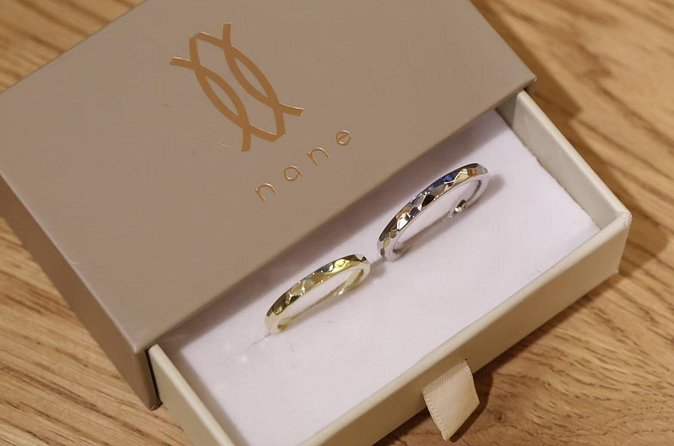
Confirmation is sent within 48 hours of booking, subject to availability. The activity is private, so only your group participates. A mobile ticket is provided, which keeps the arrival process simple.
You can cancel for a full refund up to 24 hours before the start time. Cancellations or changes made less than 24 hours before the scheduled start are not refunded or accepted. The cutoff follows Tokyo local time, so keep that in mind if you are booking from another time zone.
Plan to arrive at the listed Asakusa address rather than expecting transport to another location. Since the activity returns to the meeting point, you can arrange the rest of your day around the shop. Build in extra time if you choose engraving or if you want to collect the ring after final polishing.
Should You Book This Asakusa Ring Workshop?
Book it if you want a short, friendly activity that produces a personal Tokyo souvenir, especially if you are a couple or marking a special occasion. The English guidance, private format, patient staff, photo help, and same-day ring make it easy to fit into an Asakusa visit.
Go in with accurate expectations. You will choose the design and hammer the texture, but you will not create the whole ring from raw metal. Also expect the base price to cover a very thin silver band, with thicker materials and engraving charged separately.
My practical advice is to ask three questions before work starts: What does the included ring look like? How much will my preferred thickness cost? When can I collect it after polishing? If the answers fit your budget and your idea of hands-on craft, this is a worthwhile little experience. If you want serious forge work, choose a course that begins with raw material instead.
FAQ
How long does the ring workshop take?
The ring-making portion takes around one hour, while the full experience is listed at approximately 90 minutes. Polishing or engraving may require additional waiting time.
What is included in the price?
The price includes the workshop and an English or Japanese guide. The basic ring is included, but engraving options are not.
Is the ring ready to take home the same day?
Yes. You can take the ring home the same day, although final polishing and engraving may mean waiting before collection.
Do I make the entire ring myself?
No. You choose the material, thickness, shape, and texture, then hammer the pattern into a prepared ring. Staff handle the final polishing and cleaning.
Is the workshop available in English?
Yes. Guidance is available in English or Japanese. Staff members including Gayani and Sayuko have provided step-by-step help in English.
Where does the activity begin and end?
It begins and ends at nane tokyo Asakusa, Japan, 111-0032 Tokyo, Taito City, Asakusa, 1 Chome 31-8, first floor.
Can I cancel for a full refund?
Yes, if you cancel at least 24 hours before the experience start time. Cancellations or changes made less than 24 hours before the start are not refunded or accepted.
More Private Tours in Asakusa





More Craft Workshops in Asakusa
More Asakusa Tours in Asakusa


More tours in Asakusa we've reviewed

Asakusa Tours, compared.
 ★ 4.8Tokyo: Japanese Dance Cabaret Theater Asakusa-Kaguwa TicketFrom $492 hours
 ★ 4.7Tokyo: Meiji Shrine, Asakusa, Skytree Bus Tour and CruiseFrom $12210 hours
 ★ 4.9Tokyo: Roll and Authentic Sushi Making Class in AsakusaFrom $581h 40m
 ★ 4.8Tokyo: Asakusa Walking Tour with Sensoji Temple VisitFrom $222 hours
 ★ 5.0Tokyo Asakusa Rickshaw TourFrom $42
 ★ 4.5Tokyo Panoramic 1 Day: Meiji Shrine, Asakusa, Odaiba and SKYTREE®From $85