Reviewed · ASAKUSA TOURS
Tokyo: Asakusa and Tokyo’s Oldest Temple Senso-ji Tour
Tokyo’s oldest temple is only part of the story on this two-hour Asakusa walking tour. You’ll pass beneath Kaminarimon, follow Nakamise Street toward Senso-ji, then see how this old district connects Buddhist practice, Shinto tradition, food, shopping, and everyday Tokyo life.
In This Article
- Key points to know before you book
- Why Asakusa is one of the best places to begin in Tokyo
- Meeting near Asakusa Station
- Kaminarimon: the dramatic entrance to Asakusa
- Nakamise Street: snacks, souvenirs, and a long temple approach
- Senso-ji: understanding Tokyo’s oldest temple
- Asakusa Shrine: seeing the Shinto side of the neighborhood
- What the guides add to the experience
- How crowded is the route?
- The $14 price: good value for a first visit
- Who will enjoy this two-hour walk?
- How to plan the rest of your time in Asakusa
- Should you book the Asakusa Senso-ji tour?
- FAQ
- How long does the Asakusa and Senso-ji tour last?
- What language is the tour conducted in?
- Where does the tour meet?
- Where does the tour finish?
- How large is the group?
- What sights are included?
- Is admission included?
- Do I need WhatsApp?
- Can I cancel the booking?
I like the small groups of up to 10 and the practical local touch. Guides such as Shino, Embla, Nicolas, and Aska have been praised for clear English, useful food and souvenir advice, and stories that go beyond a guidebook. The $14 price is also easy to justify for a first look at Asakusa.
The main thing to consider is the crowd. Kaminarimon, Nakamise Street, and Senso-ji can be packed, so this is a walking introduction rather than a quiet temple visit. Two hours gives you a good starting point, but you’ll want extra time afterward to explore shops, shrines, and restaurants at your own pace.
Key points to know before you book
- Senso-ji anchors the walk: Learn about Tokyo’s famous Buddhist temple, founded in the 7th century, and how to approach it respectfully.
- A local guide adds the value: Expect stories about Edo-era Tokyo, geisha districts, hidden shrines, legends, and local customs.
- Small groups are easier to manage: The group limit is 10, with several tours reported to have seven people or fewer.
- The route mixes famous and lesser-known sights: You’ll see Kaminarimon, Nakamise Street, Senso-ji, and Asakusa Shrine, along with quieter corners.
- Food advice is part of the experience: Guides point out local sweets, traditional snacks, favorite foods, and meaningful souvenirs.
- You finish where you started: The walk begins and ends at the Starbucks closest to Asakusa Station.
Why Asakusa is one of the best places to begin in Tokyo
Tokyo can feel enormous and new at every turn. Asakusa gives you a readable starting point, with a clear route through some of the city’s oldest religious and commercial streets.
The district was once central to Edo, the name for Tokyo during the samurai period. Its old lanes, temple grounds, shrines, traditional shops, and food stalls offer a useful counterpoint to the high-rise streets and neon districts elsewhere in the city.
I especially like Asakusa for a first morning in Tokyo because the area lets you see customs in action. You can learn how a Buddhist temple differs from a Shinto shrine, how to behave at each, and how religion, food, shopping, and local life share the same streets.
This tour is built for that first orientation. You get enough background to understand what you are seeing, rather than simply taking photos of a large red gate and moving on.
A few more Tokyo tours and experiences worth a look



Meeting near Asakusa Station
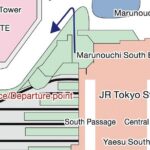
The meeting point is in front of the Starbucks closest to Asakusa Station. The published coordinates are 35.71194609999999, 139.7979446, which is useful if you want to check the location before leaving your hotel.
You are asked to download WhatsApp before the meeting. That matters in a crowded district, especially if you arrive early, exit the station at a different point, or need to find the guide among other groups.
Allow a little extra time to reach the café. Asakusa has several station entrances and more than one Starbucks in the wider area, so matching the exact meeting instructions is worth doing before the tour day.
The walk returns to the same Starbucks. That makes the end convenient, but it also means the tour does not include transportation to another part of Tokyo.
Kaminarimon: the dramatic entrance to Asakusa
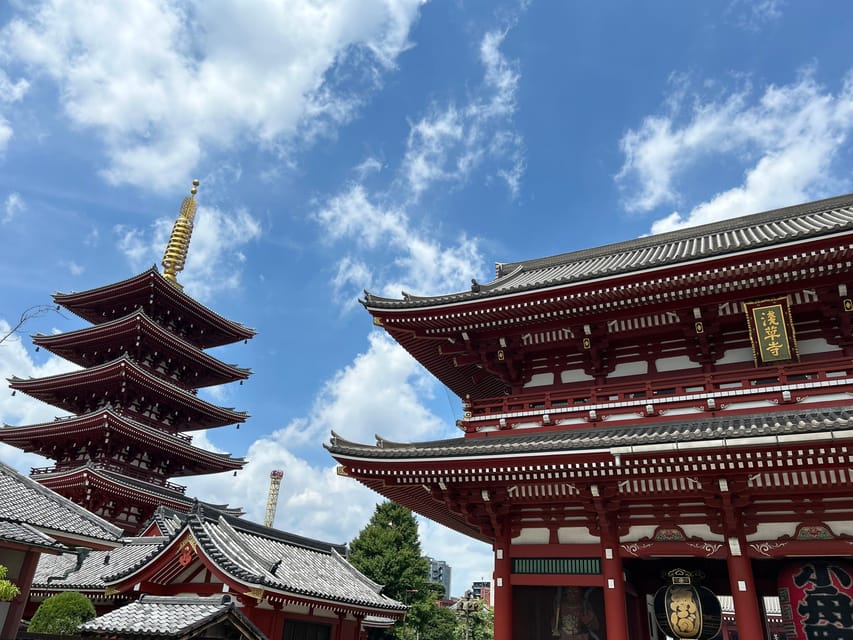
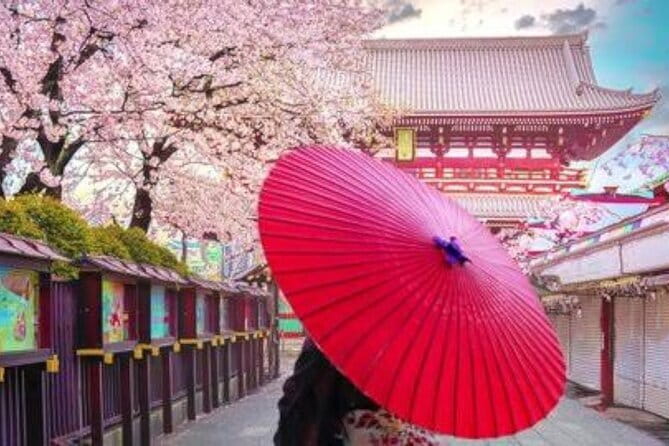
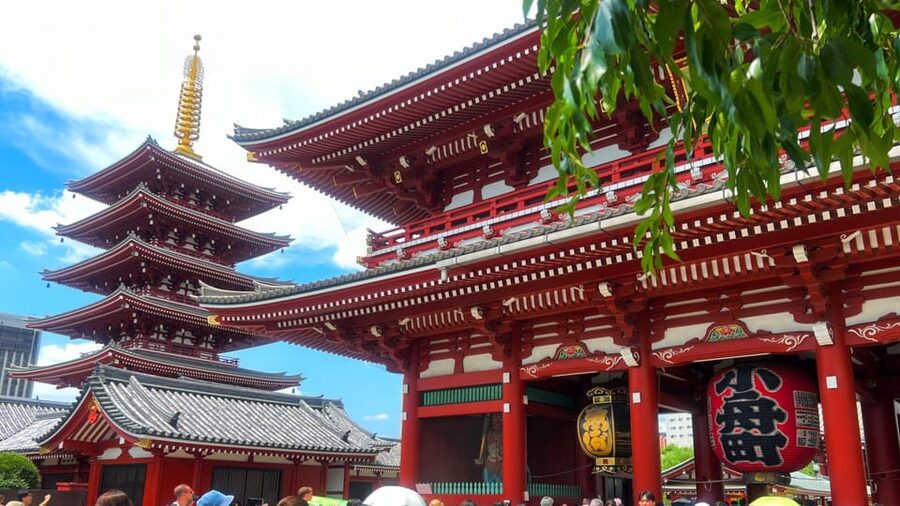
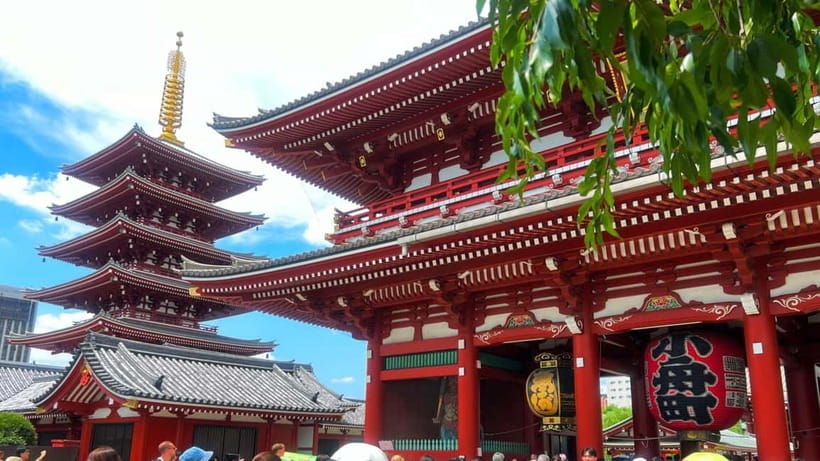
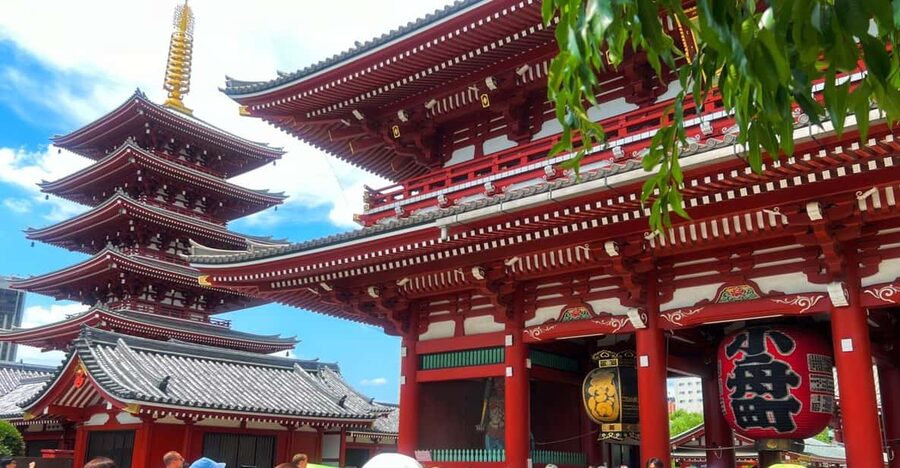
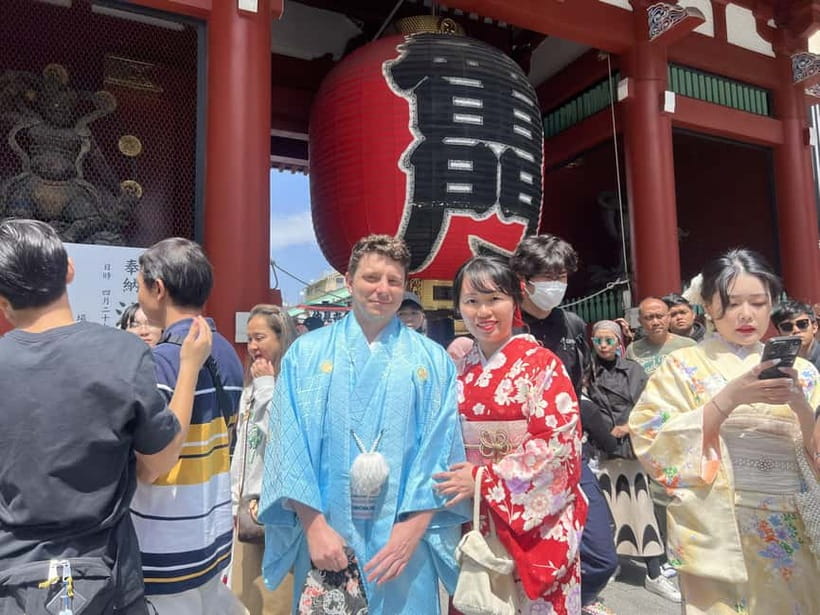
The first major stop is Kaminarimon, or Thunder Gate. Its large lantern and strong red structure create one of Asakusa’s most recognizable views.
You get about 30 minutes here for a guided visit and photos. That is enough time to understand why the gate matters, look carefully at its statues and design, and take the classic entrance photograph without rushing straight through.
The guide also helps place the gate in the wider story of Senso-ji. Without context, Kaminarimon can seem like a photo backdrop. With an explanation of its religious role and connection to the temple approach, the entrance becomes a meaningful first chapter.
Expect other people here. This is one of the busiest points on the route, and stopping as a group requires attention. Several guides have been praised for keeping everyone together and making sure nobody was lost in the crowd, a small service that makes a real difference in Asakusa.
Nakamise Street: snacks, souvenirs, and a long temple approach
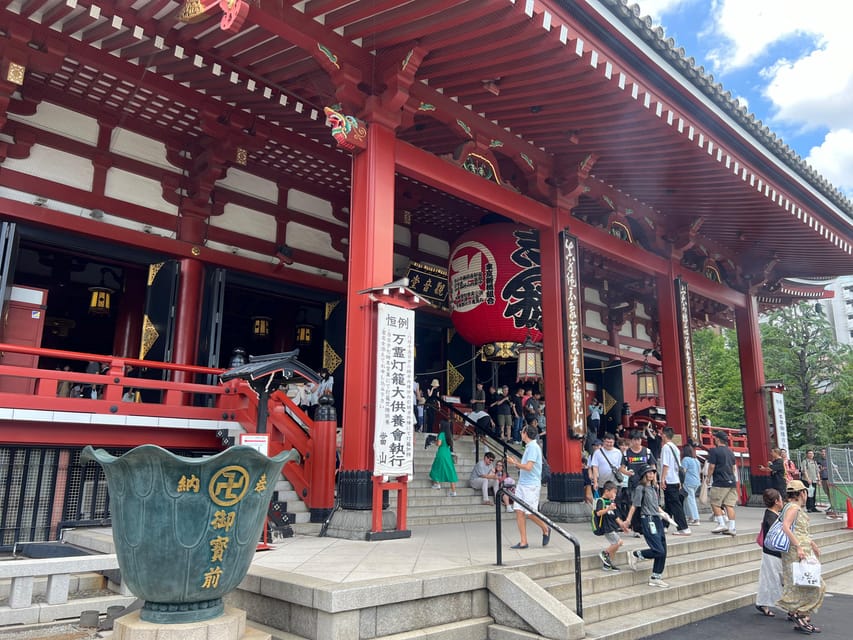
From Kaminarimon, the route continues along Nakamise Shopping Street. The walk takes about 20 minutes with the guide.
Nakamise is lined with traditional-style shops selling food, gifts, sweets, and small items connected with Japanese culture. You may notice colorful signs, lanterns, and the smell of snacks as you move toward the temple.
I like this part because it shows how a religious site can also function as a social and commercial center. The street is not just a place to buy souvenirs. It is part of the approach to Senso-ji, and its shops help create the lively atmosphere that has surrounded the temple for generations.
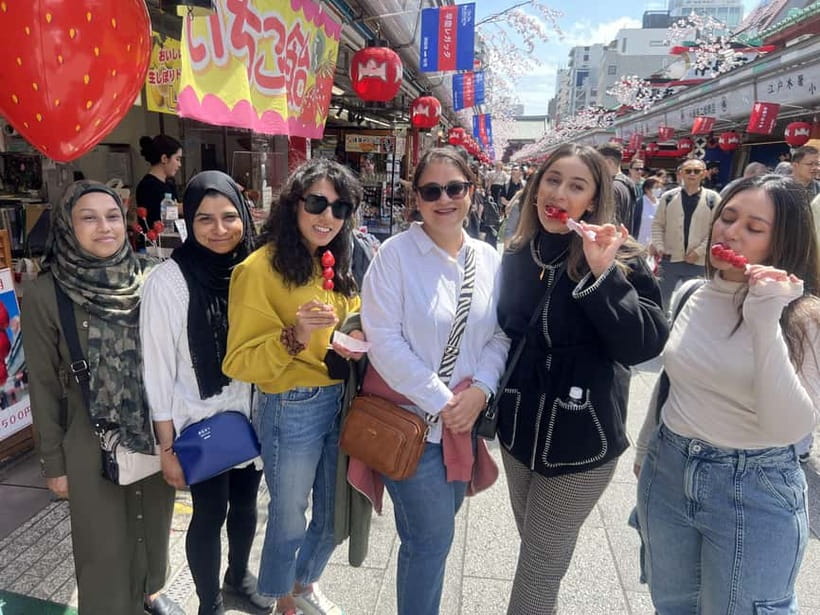
Your guide can also help you make sense of what you see. Past participants have received advice on popular places to eat, local specialties, favorite snacks, and souvenirs with genuine meaning. That kind of advice can save you from buying the first item that catches your eye.
Do not treat the 20-minute stop as enough time for serious shopping. The guide’s job here is to explain the street and point out useful options. If you want to sample several foods or compare souvenirs, return after the tour.
Senso-ji: understanding Tokyo’s oldest temple
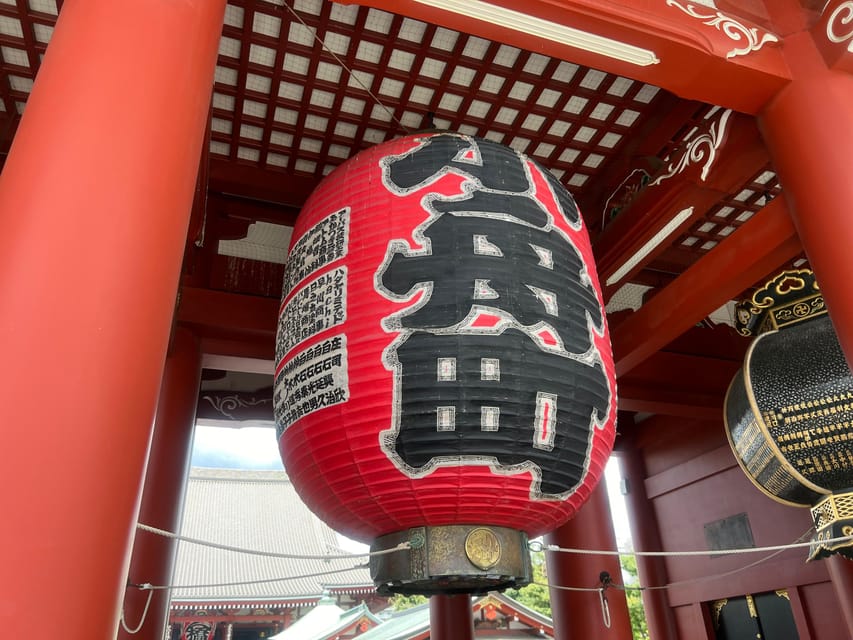
Senso-ji receives around 30 minutes of guided time and a photo stop. Founded in the 7th century, it is one of Tokyo’s oldest and best-known temples.
This is the heart of the experience. The guide explains the temple’s history, Buddhist meaning, and place in Asakusa. You also hear legends connected with the site and the way the temple has survived the major changes that shaped Tokyo.
A strong part of the tour is the attention to behavior. Guides have shown people how to approach the temple and follow local customs, including the proper way to pray. You may also have the chance to try temple fortunes, an activity one participant particularly enjoyed.
That instruction is useful because Japanese religious sites have their own rhythm. You are not simply walking into a building, snapping a picture, and leaving. The sequence of approaching, cleansing, praying, and observing becomes easier to follow when someone explains what each step means.
The 30-minute allowance is enough for an introduction, but not for every building, corner, or ritual connected with the temple complex. If Senso-ji interests you, plan to stay after the organized walk. The tour gives you the framework, then you can explore at a slower pace.
A few more Tokyo tours and experiences worth a look


Asakusa Shrine: seeing the Shinto side of the neighborhood
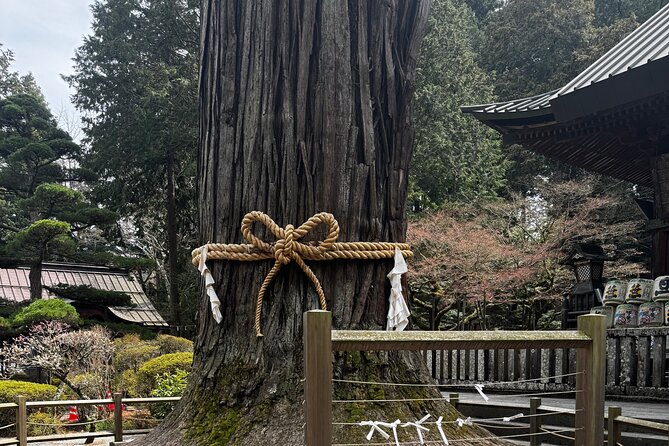
The final main stop is Asakusa Shrine, with about 30 minutes for a guided visit and photos.
Its place on the route is important because it lets you compare Shinto practice with the Buddhist setting at Senso-ji. The two traditions are close together in Asakusa, yet they are not interchangeable. A guide can explain the difference in a way that is easier to remember because you are standing at both types of site within the same walk.
This is also where the tour’s focus on customs becomes especially practical. Guides have explained how to pray at shrines and temples, along with the religious and cultural meaning behind the actions.
The shrine stop may appeal most to people who want more than a famous photo. You hear about local traditions, the neighborhood’s past, and the way old religious sites remain part of modern Tokyo.
After Asakusa Shrine, you walk back to the Starbucks near Asakusa Station. The route is compact enough for a range of walking abilities, but it still involves standing, moving through crowds, and walking on city streets for two hours.
What the guides add to the experience
The guide is the main reason to choose this walk instead of seeing the same places alone.
Several guides are named in the available feedback, including Shino, Embla, Nicolas, Aska, Joe, Yota, Ryota, Naoya, Connie, Haydn, Jae, Ahn, Shona, and others. The exact guide can vary, but the strongest pattern is clear: the best part of the tour is the human explanation along the route.
Shino, who was described as born and raised in Tokyo, has been praised for local recommendations, useful souvenir advice, and a calm way of handling busy streets. Embla has been noted for sending clear information before the tour, answering questions, and keeping the group organized.
Nicolas has received praise for storytelling, Buddhism-related explanations, patience with delays, and sharing his location through WhatsApp when one person needed to catch up. Joe has been described as energetic and friendly, with an informal style that felt more like exploring with a local companion than attending a lecture.
Those details matter because guide quality can make or break a short walking tour. You are not paying for a long list of stops. You are paying for clear explanations, cultural context, and the chance to ask questions while you are standing in the actual place.
English is the tour language. The feedback repeatedly highlights clear spoken English, though individual speaking styles naturally differ from one guide to another.
How crowded is the route?
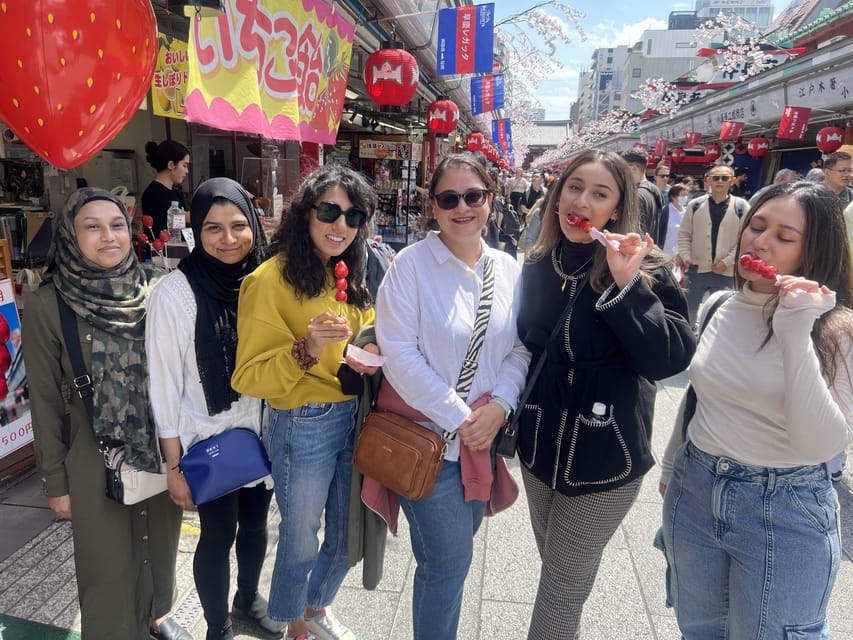
Asakusa is popular, and the route passes through its busiest public spaces. Kaminarimon and Nakamise Street can be difficult places for a group to pause, especially around popular photo points and food shops.
The small-group limit of 10 helps. A group of seven, or even two solo participants, is easier to keep together than a large bus-sized crowd. Guides have also been praised for watching the back of the group and adjusting their pace.
Still, you should stay alert and keep the guide in sight. One piece of feedback described part of a group moving slowly and talking while the guide spoke. That is not a flaw in the route, but it shows why punctuality, quiet attention during explanations, and a willingness to keep moving help everyone enjoy the walk.
If you want a peaceful temple visit, this may not be the right format at the busiest times. If you want help making sense of a crowded historic district, the guide is useful precisely because the route is busy.
The $14 price: good value for a first visit
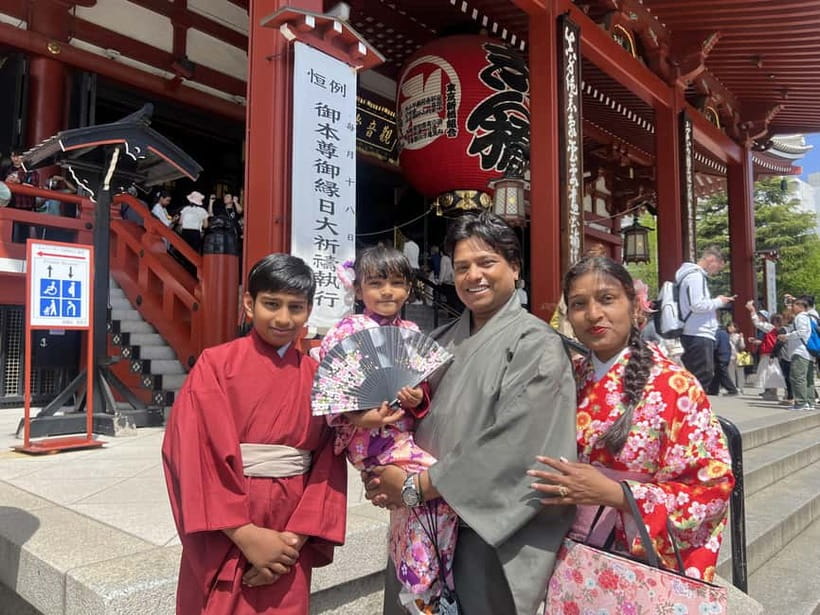
At $14 per person, this is an inexpensive introduction to one of Tokyo’s most important traditional districts.
The price includes the guide, walking tour, and stated admission to Asakusa, Senso-ji, and Nakamise Shopping Street. You are mainly paying for the guide’s time and interpretation, since the route itself uses public streets and temple areas.
I consider the price particularly good for solo visitors, couples, and first-time Tokyo guests who want a short orientation. A guide can explain temple etiquette, identify foods, add historical details, and suggest places to return to later. That can make the rest of your time in Asakusa more productive.
The value is less about the number of sights and more about what you take away from them. You could walk past the same gates and shops alone, but you might miss why they matter or how to behave at the religious sites.
The tour does not include a meal, snacks, shopping purchases, or additional sightseeing after the scheduled route. Bring extra money if you plan to try the local sweets or buy souvenirs on Nakamise Street.
Who will enjoy this two-hour walk?
I would choose this tour for a first visit to Tokyo, especially if you want traditional culture before tackling larger districts such as Shibuya or Shinjuku.
It suits:
- First-time Tokyo visitors who want basic historical and cultural context.
- Solo visitors who prefer a small group and an easy way to meet others.
- Families and mixed-age groups that benefit from a steady pace and a guide watching the crowd.
- History and culture fans who want stories about Edo, samurai-era Tokyo, local legends, and religious customs.
- Food-focused visitors who want help spotting local snacks and good places to eat.
- Repeat Tokyo visitors who have seen Senso-ji but want details they missed before.
It may be less suitable if you have already spent a full day in Asakusa and prefer to explore independently. It is also not a food tour, photography tour, or full temple-complex tour. Think of it as a well-priced cultural introduction.
How to plan the rest of your time in Asakusa
The best use of this tour is to treat it as your orientation, not your entire Asakusa visit.
After returning to the Starbucks, you can go back to Nakamise Street for food and shopping. The guide’s recommendations may help you choose traditional snacks or souvenirs rather than buying at random.
You can also spend more time around Senso-ji and Asakusa Shrine. The organized explanation gives you a better base for a slower second look, especially if you want to observe prayer customs or take photographs after the group has moved on.
Ask your guide for suggestions during the walk. Past participants received advice about restaurants, pottery, local foods, and meaningful gifts, so the final minutes can be useful for planning the rest of your day.
Because the tour lasts only two hours, it fits neatly into a larger Tokyo schedule. You can book it as a morning introduction or place it between other activities. The reserve-now, pay-later option also keeps your plans flexible, and free cancellation is available up to 24 hours before the start for a full refund.
Should you book the Asakusa Senso-ji tour?
Book it if you want a short, affordable introduction to old Tokyo with an English-speaking guide who can explain customs, history, food, and local life as you walk.
The strongest reasons are the small group, the low price, the well-chosen route, and the practical guidance at both the Buddhist temple and Shinto shrine. The consistently high rating of 4.9 from 352 reviews also fits the pattern of praise for guide clarity, friendliness, pacing, and local recommendations.
Skip it if you want a quiet temple visit, extensive free time at each stop, or a full-day exploration of Asakusa. For everyone else, this is a smart way to get your bearings, learn how to approach the area respectfully, and decide where to return for a longer visit.
FAQ
How long does the Asakusa and Senso-ji tour last?
The tour lasts two hours, including guided visits and walking between Kaminarimon, Nakamise Street, Senso-ji, and Asakusa Shrine.
What language is the tour conducted in?
The tour is conducted in English with a live English-speaking guide.
Where does the tour meet?
Meet in front of the Starbucks closest to Asakusa Station. The listed coordinates are 35.71194609999999, 139.7979446.
Where does the tour finish?
The walk returns to the same Starbucks near Asakusa Station.
How large is the group?
The tour is limited to 10 participants. Some scheduled groups may be smaller.
What sights are included?
The route includes Kaminarimon, Nakamise Shopping Street, Senso-ji Temple, and Asakusa Shrine.
Is admission included?
The activity includes the guide, walking tour, and stated admission to Asakusa, Senso-ji Temple, and Nakamise Shopping Street.
Do I need WhatsApp?
You are asked to download WhatsApp before meeting so the guide and group can coordinate smoothly.
Can I cancel the booking?
You can cancel up to 24 hours in advance for a full refund. The reserve-now, pay-later option lets you book without paying immediately.
More Temples & Meditation in Tokyo
More Asakusa Tours in Tokyo

More tours in Tokyo we've reviewed












Asakusa Tours, compared.
 ★ 4.8Tokyo: Japanese Dance Cabaret Theater Asakusa-Kaguwa TicketFrom $492 hours
 ★ 4.7Tokyo: Meiji Shrine, Asakusa, Skytree Bus Tour and CruiseFrom $12210 hours
 ★ 4.9Tokyo: Roll and Authentic Sushi Making Class in AsakusaFrom $581h 40m
 ★ 4.8Tokyo: Asakusa Walking Tour with Sensoji Temple VisitFrom $222 hours
 ★ 5.0Tokyo Asakusa Rickshaw TourFrom $42
 ★ 4.5Tokyo Panoramic 1 Day: Meiji Shrine, Asakusa, Odaiba and SKYTREE®From $85