Reviewed · TEMPLES & MEDITATION
Tokyo: Zen Meditation at a Private Temple with a Monk
A quiet temple door in Asakusa opens onto one of Tokyo’s more personal cultural experiences. Inside, a resident monk introduces you to Zazen, the seated meditation practice at the heart of Zen Buddhism, in a temple with more than 400 years of history. I like the direct contact with the monk, and I like that the session includes calligraphy and tea instead of stopping after a short meditation. The main consideration is that the meditation itself may be brief for experienced practitioners, with some sessions lasting two rounds of about 10 minutes.
In This Article
- Key points at a glance
- Entering a private temple in Asakusa
- Learning the basic shape of Zazen
- What the meditation feels like in practice
- Calligraphy turns stillness into a hands-on activity
- Matcha, sweets, and a relaxed conversation
- How the 90 minutes usually fit together
- Why the guide matters as much as the monk
- Is $55 a fair price?
- Who should book this experience?
- Practical details to know before you go
- Should you book the Asakusa Zen meditation?
- FAQ
- Where does the experience meet?
- How long does the experience last?
- How much does it cost?
- Is transportation included?
- What language is used?
- Who contacts me before the activity?
- Do I need meditation experience?
- What activities are included besides meditation?
- Can I ask the monk questions?
- Can I cancel for a refund?
I also appreciate the small scale and the careful English support. Guides such as Tamami Shigenobu translate the monk’s explanations clearly and help with questions. This is not a silent retreat or a long religious course. It is a gentle 90-minute introduction, and the temple is normally closed to the general public.
Key points at a glance
- Enter a private Asakusa temple: Visit a temple not open to the general public, with a history reaching back more than 400 years.
- Learn Zazen from a resident monk: Monk Namiki-san explains posture, breathing, focus, and the purpose of seated meditation.
- Expect more than meditation: Many sessions include two short meditation periods, calligraphy, chanting, matcha, sweets, and conversation.
- Get clear English translation: An English-speaking guide explains Japanese culture and translates the monk’s teaching and answers.
- Meet near Tawaramachi Station: The meeting point is in front of the correct Family Mart, about a two-minute walk from Tawaramachi Station on the Ginza Line.
- Plan for a calm, compact morning: The 90-minute length works well before sightseeing around Asakusa, though the schedule can feel full if you want extended meditation.
Entering a private temple in Asakusa
The experience begins near Tawaramachi Station, in front of a Family Mart in the Asakusa area. There are two Family Mart branches nearby, so you need to check the meeting instructions carefully. The meeting point is about two minutes from the station, but a wrong convenience store can create an avoidable start-of-day scramble.
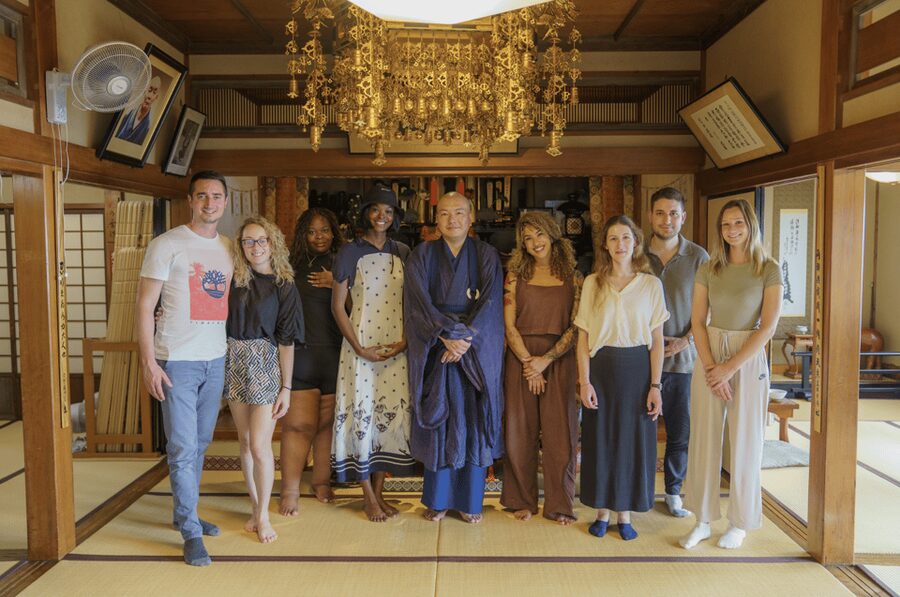
The guide then leads you to a private temple. That sense of access matters. You are not simply looking at a temple from a public courtyard or listening to a general lecture in a tourist venue. You enter a working religious space accompanied by a guide and monk.
The temple’s more than 400-year history gives the visit a feeling of continuity, but the appeal is not just age. The setting is quiet, intimate, and separated from the noise of central Tokyo. Several parts of the experience take place indoors, where the atmosphere, scent, tatami, and stillness help you shift gears.
Your guide gives a short introduction to Japanese culture and Zen before the monk begins. The explanation is designed for newcomers, so you do not need prior experience with Buddhism or meditation. If you already meditate, you can still use the introduction to compare Zen practice with methods you know from home.
A few more Tokyo tours and experiences worth a look


Learning the basic shape of Zazen
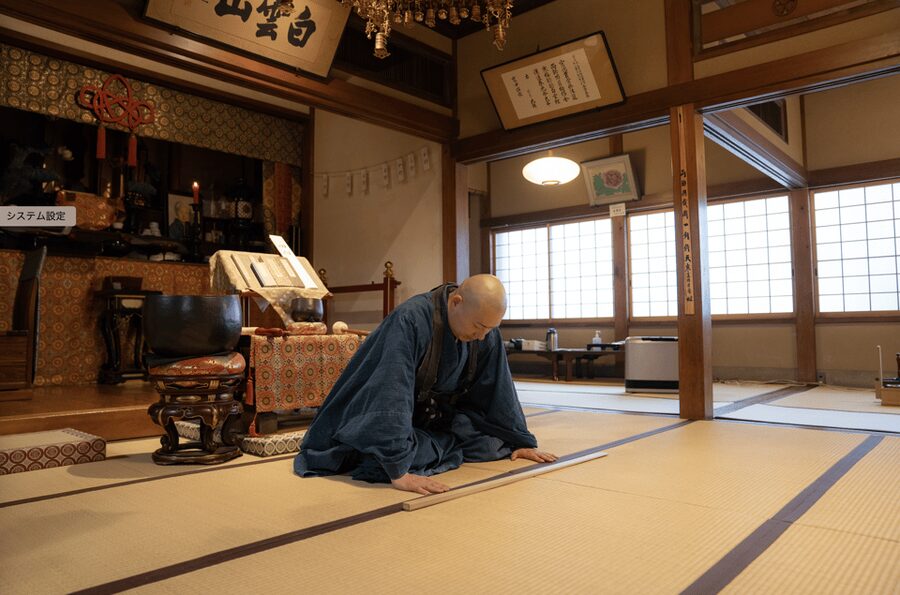
The monk explains Zazen, or seated meditation, before you practice. The focus is on the basic mechanics: how to sit, how to breathe rhythmically, where to place your attention, and how to relate to distracting thoughts.
That practical start is useful because meditation can feel vague when someone simply tells you to clear your mind. Here, the monk gives you a framework. You are encouraged to sit, breathe, notice what arises, and return your attention rather than chase every thought.
The sessions described in the experience are short. A common format is two meditation periods of about 10 minutes each, though other descriptions place the total meditation at roughly 25 minutes. That variation suggests you should treat the exact timing as flexible. Ask your guide or monk at the start if the meditation portion matters most to you.
For a first attempt, the short sessions are a strength. You can try the practice without committing to a long, uncomfortable stretch on the floor. For an experienced meditator, the limited time may be the clearest weakness. You will receive an introduction and a taste of the method, not an extended retreat-style practice.
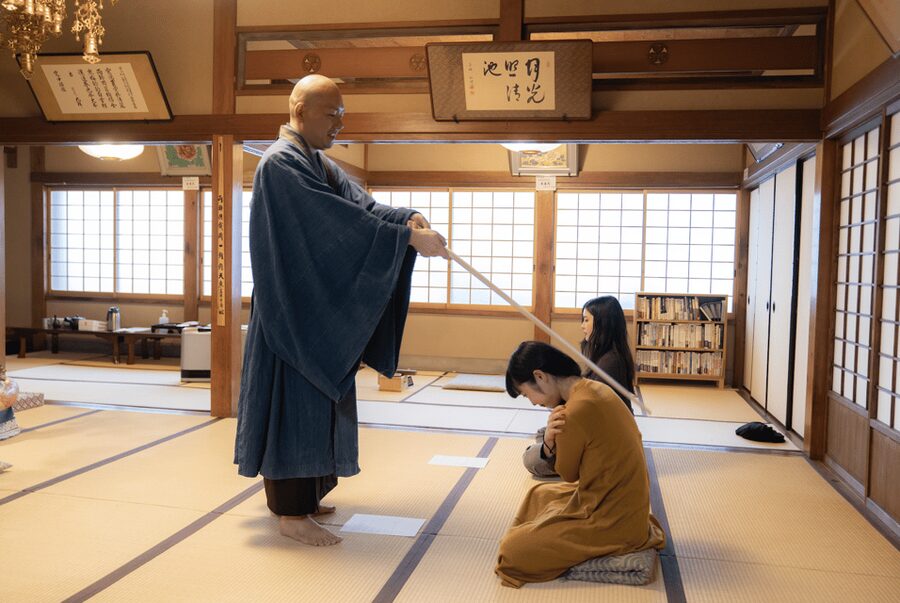
Some participants specifically enjoy the traditional meditation stick, called a kyosaku, and one particularly useful tip is to ask the monk about using it during meditation. Do not assume it is part of every session or that you must try it. Ask for an explanation first so you understand its role.
What the meditation feels like in practice
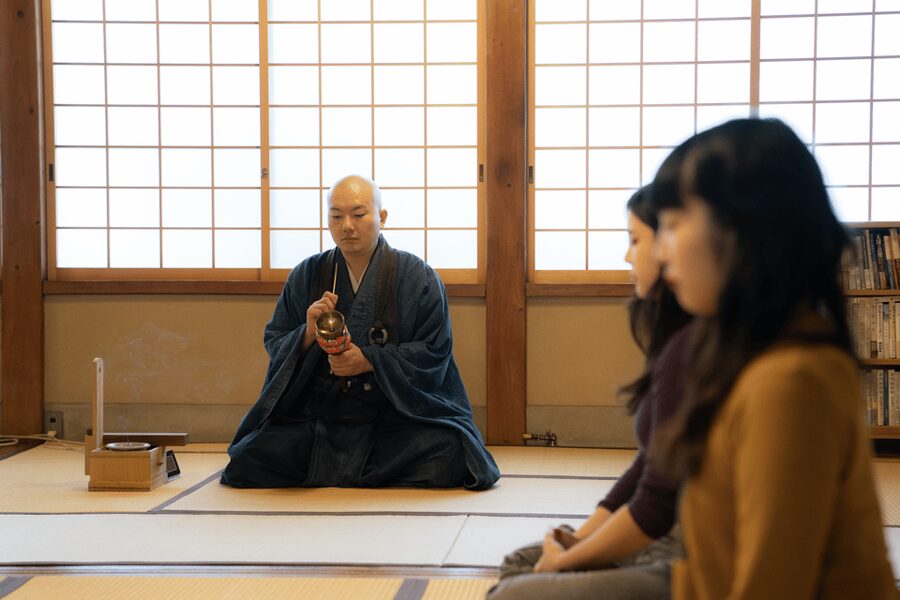
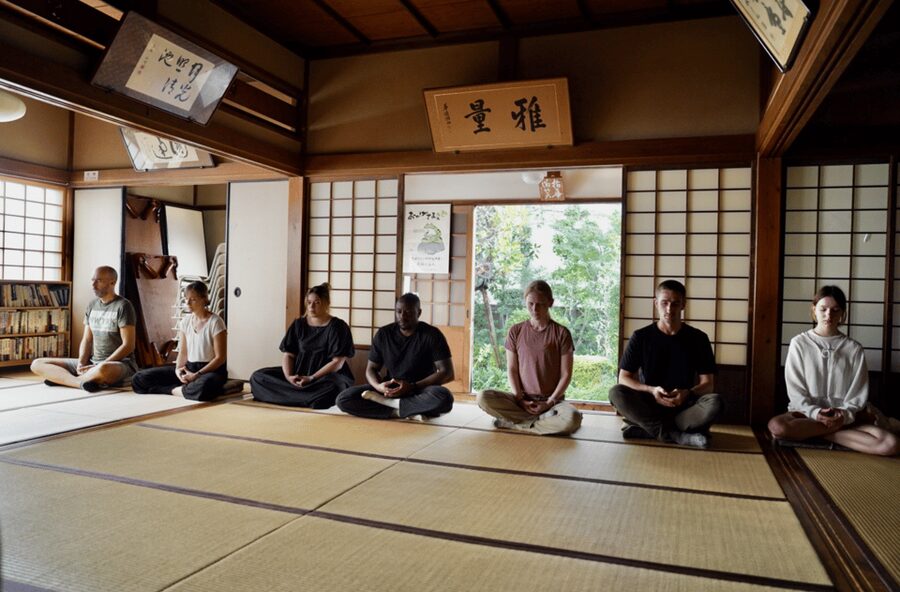
The meditation takes place under the monk’s direction, often on tatami mats. You sit quietly, follow the breathing guidance, and try to keep your attention in the present. The room’s calm atmosphere does much of the work, especially after Tokyo’s trains, crossings, shops, and crowds.
You should not expect a dramatic spiritual breakthrough. The value is quieter. You get a chance to notice how quickly your attention wanders and how the body responds when you stop rushing from one sight to the next.
The monk’s teaching also connects meditation with ordinary life. Advice shared during the experience includes giving full attention to small tasks, keeping your surroundings tidy, avoiding comparison with other people, and looking at the root of anger instead of reacting only to its surface.
These ideas make the session more useful than a photo opportunity. You can carry them into the rest of your day in Tokyo. Peeling food, tying your shoes, or walking through Asakusa can become a small exercise in attention if you remember the monk’s point.
You may find the group setting less awkward than expected. Sitting with other people can sound uncomfortable, especially if you have never meditated before, but the short format and steady instruction make it approachable. Still, this is not the best pick if you need total silence, long practice, or a highly personalized meditation lesson.
Calligraphy turns stillness into a hands-on activity
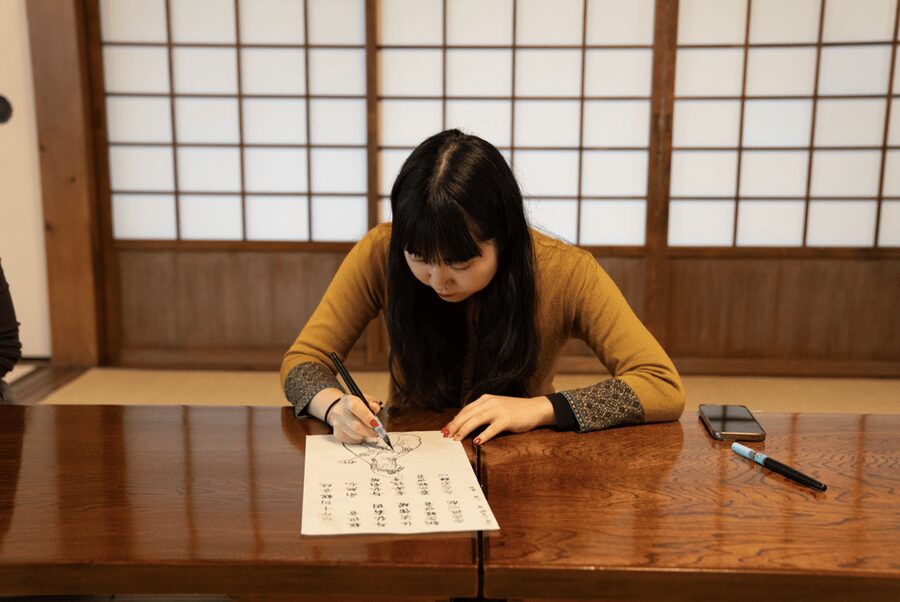
After meditation, the experience often moves into calligraphy. You may practice writing a character or a sutra design while the monk chants. The exact calligraphy format can vary, but the activity gives you something physical to focus on after sitting still.
I like this part because it extends the lesson without requiring more formal meditation. You slow down, control the brush, and pay attention to each stroke. It is a simple cultural activity, but it also fits the Zen idea of giving your full attention to one task.
Calligraphy is also a practical souvenir. Some participants keep their finished work at home as a reminder to create a daily space for meditation. That gives the activity more staying power than a quick photograph.
Do not expect a full calligraphy class with detailed technical training. The session is one element in a compact program that also includes meditation, tea, and discussion. If calligraphy is your main reason for booking, ask how much time will be available on your date.
Matcha, sweets, and a relaxed conversation
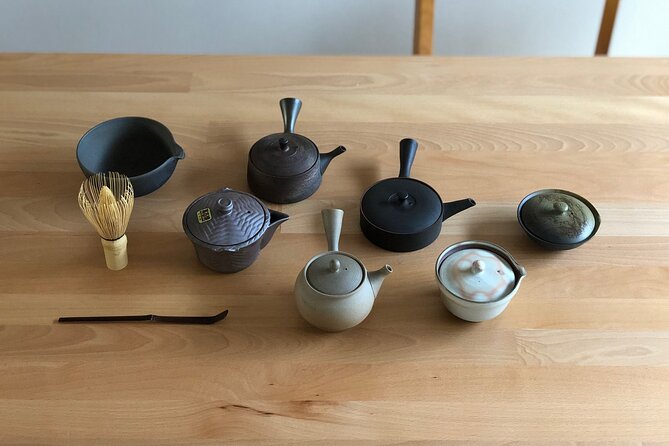
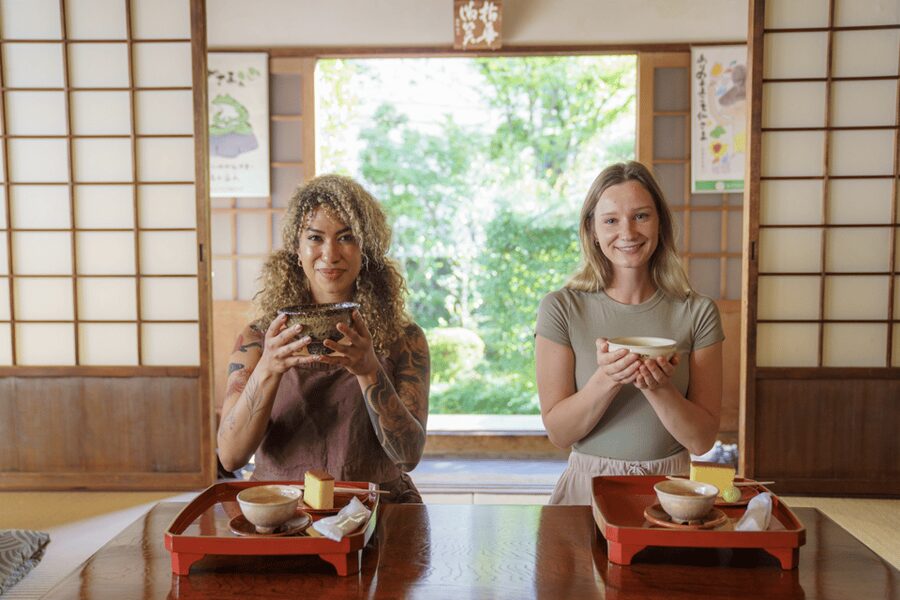
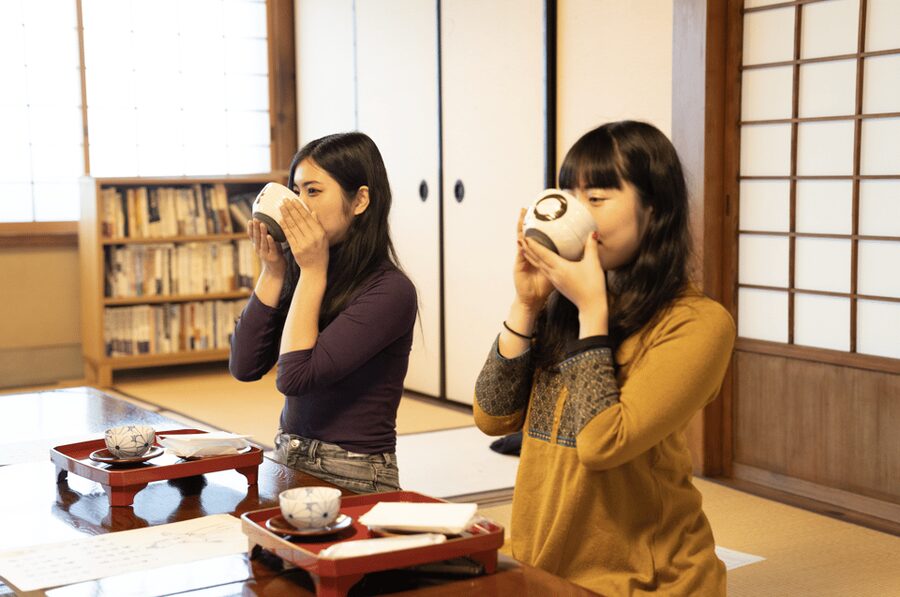
The final portion combines a matcha tea ceremony with traditional sweets and a free discussion with the monk. Matcha is served as part of the experience, and the tea ceremony provides a calm transition from formal instruction to conversation.
The tea itself is not presented as a lavish food tasting. It is a small, simple ritual that gives you time to pause. The sweets make the setting more welcoming, especially after sitting quietly and concentrating.
The question session is one of the strongest reasons to choose this activity. You can ask about Zen, meditation, temple life, Japanese culture, and the monk’s daily experience. Namiki-san is described as patient, friendly, and willing to spend time with questions.
The conversation is supported by the English-speaking guide, who translates between you and the monk. Tamami Shigenobu has been especially praised for clear translation, warmth, and helpful explanations, while other guides, including Kazu and Shota, also lead and translate sessions.
This matters because a monk’s explanation can lose detail when translated informally. The guide helps keep the discussion moving and gives you a way to ask follow-up questions. If you are curious about religious practice but hesitant about vocabulary or etiquette, this support makes the exchange easier.
Other private tours in Tokyo



How the 90 minutes usually fit together
The experience is listed as 90 minutes, though some descriptions place the full program closer to two hours. You should allow extra flexibility around the stated duration, particularly if the monk spends longer answering questions or the group includes several participants.
A typical flow looks like this:
- Meet the English-speaking guide near the Family Mart by Tawaramachi Station.
- Walk to the private temple and receive a short introduction to Zen and Japanese culture.
- Listen to the monk explain Zazen and prepare for seated meditation.
- Practice one or two short meditation sessions.
- Try calligraphy, sometimes with chanting.
- Share matcha and sweets.
- Ask questions and take photographs, where permitted.
This is a well-rounded schedule for a first visit. You sample several parts of temple culture without giving up half a day of sightseeing. The trade-off is that each part receives limited time.
I would schedule it early in your Tokyo stay if you want cultural context for the rest of your visit, or early in the day if you want a calm start. The experience is located in Asakusa, so you can pair it with nearby sightseeing before or after, though transportation to and from the activity is not included.
Why the guide matters as much as the monk
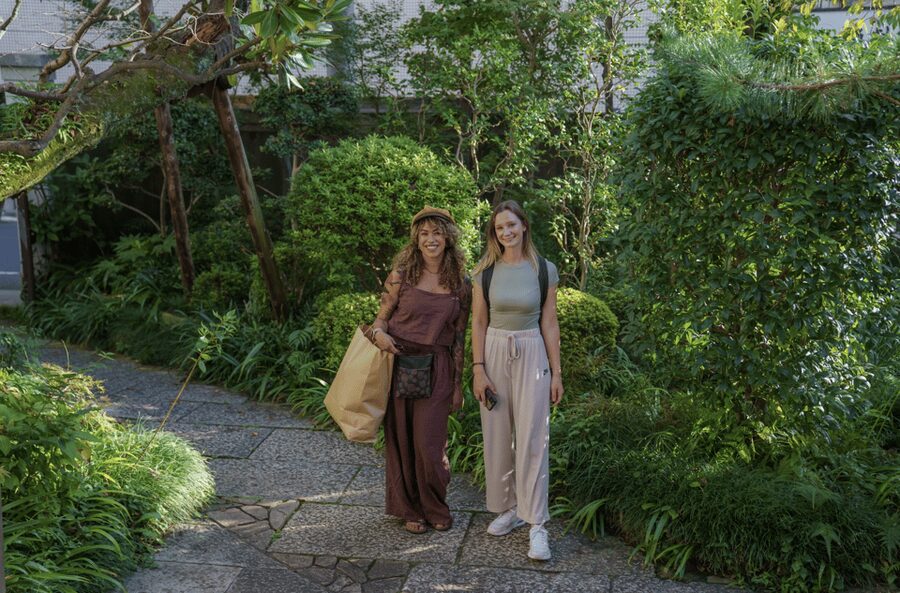
The monk is the central figure, but the guide shapes how much you understand. The guide handles the meeting, gives cultural background, translates the teaching, supports the meditation instructions, answers practical questions, and often takes photographs.
Tamami Shigenobu is frequently identified as warm, fluent in English and Japanese, and skilled at translating the monk’s ideas smoothly. Kazu and Shota are also named as guides who have provided clear explanations and friendly support.
Guide quality matters here because the experience crosses languages and cultures. You are not only learning how to sit quietly. You are also trying to understand concepts such as ego, attention, detachment, and Zen practice without reducing them to travel slogans.
The guide can also make the experience feel less formal. Some visitors describe the monk as funny at times, while still thoughtful and patient. That human touch is helpful. You can ask direct questions instead of treating the temple as a stage set.
Is $55 a fair price?
At $55 per person, this is not the cheapest way to spend 90 minutes in Tokyo. You can visit many temples for free or for a small admission charge. The price here pays for access, instruction, translation, guided practice, tea, and a personal conversation in a place that is not open to the general public.
I think the value is good if you want active cultural contact rather than another self-guided stop. You are paying for the monk’s time and for an English-speaking guide who makes the exchange possible. The calligraphy, tea, sweets, and photographs add useful texture to the visit.
The value is weaker if you mainly want a long meditation session. In that case, the short practice periods may leave you wanting more. This activity works best as a cultural introduction with meditation at its center, not as a serious retreat or intensive course.
The high rating of 5.0 from 510 reviews points to strong consistency, but you should still match the format to your interests. The most praised elements are the monk’s kindness, the guides’ translation, the quiet temple, the question period, and the unexpected calligraphy and tea.
Who should book this experience?
I would recommend it to first-time visitors who want to understand Zen without taking on a formal religious program. It also suits people who have tried meditation at home and want to see how Zazen differs from other styles.
It is a good choice for couples, solo visitors, and small groups looking for a quieter break from Tokyo’s crowded attractions. The 90-minute length is easy to fit into a sightseeing day, and the setting gives you a strong contrast with the surrounding city.
You may also like it if you value conversation. The time with the monk is not just a scripted talk. You can ask questions about his life, temple customs, Japanese culture, and ways to handle stress.
I would be more cautious if you have difficulty sitting on tatami or dislike group activities. The available information does not describe seating arrangements, accessibility, or physical accommodations, so ask the provider before booking if those points affect your comfort.
Practical details to know before you go
The activity costs $55 per person and lasts 90 minutes, with some sessions taking longer depending on the program and discussion. English is the operating language, and the guide provides translation for the monk’s explanations.
Transportation is not included. You need to reach the meeting point yourself and confirm which Family Mart branch is correct. The meeting point is in Asakusa, about two minutes from Tawaramachi Station on the Ginza Line.
Download WhatsApp before the experience. The guide uses it to contact participants and help the meeting run smoothly. This is a small step, but it is worth handling before you leave your hotel.
The activity allows cancellation up to 24 hours in advance for a full refund, and you can reserve now and pay later. Those policies are useful if your Tokyo plans are still shifting.
Photography and video are allowed according to the experience information, and guides may take photographs for you. Be respectful inside the temple and follow the monk’s instructions about when to take pictures.
Should you book the Asakusa Zen meditation?
Book it if you want a personal introduction to Zen in a real temple, with a monk who is open to questions and a guide who can translate clearly. The combination of Zazen, calligraphy, matcha, sweets, and conversation gives you more substance than a short meditation demonstration.
The key question is how much meditation you want. Beginners will likely appreciate the manageable sessions and the variety of activities. Experienced practitioners may prefer a longer, quieter format and should confirm the meditation schedule in advance.
For most visitors, I see this as a strong value at $55. You get access to a private 400-year-old temple, direct time with a resident monk, careful English support, and a calm hour and a half in the middle of Tokyo. If that sounds more useful than simply checking another temple off your list, book it.
FAQ
Where does the experience meet?
You meet in front of a Family Mart in the Asakusa area, about a two-minute walk from Tawaramachi Station on the Ginza Line. There are two Family Mart branches nearby, so confirm the correct one before arriving.
How long does the experience last?
The listed duration is 90 minutes. Some descriptions place the complete program closer to two hours, so allow a little extra time if the discussion continues.
How much does it cost?
The price is $55 per person.
Is transportation included?
No. You are responsible for transportation to and from the meeting point.
What language is used?
The activity is offered in English. An English-speaking guide translates the monk’s explanations and answers.
Who contacts me before the activity?
The guide contacts you through WhatsApp. Download WhatsApp before the tour so you can receive meeting information.
Do I need meditation experience?
No prior experience is stated as a requirement. The monk explains the principles and techniques of Zazen before you practice.
What activities are included besides meditation?
The experience includes an explanation of Zen, seated meditation, matcha tea, and a discussion with the monk. Sessions may also include calligraphy, chanting, sweets, and photographs.
Can I ask the monk questions?
Yes. The experience ends with a free discussion, giving you a chance to ask about Zen, meditation, temple life, and Japanese culture.
Can I cancel for a refund?
You can cancel up to 24 hours in advance for a full refund. A reserve-now, pay-later option is also available.
More Private Tours in Tokyo
More Temples & Meditation in Tokyo
More tours in Tokyo we've reviewed












Temples & Meditation, compared.
 ★ 4.7Tokyo: Meiji Shrine, Asakusa, Skytree Bus Tour and CruiseFrom $12210 hours
 ★ 4.8Tokyo: Asakusa Walking Tour with Sensoji Temple VisitFrom $222 hours
 ★ 4.5Tokyo: Kamakura & Enoshima Day Trip including Temple TicketsFrom $589 hours - 570 minutes
 ★ 4.5Tokyo: Nikko Toshogu Shrine and Kegon Waterfall TourFrom $8410h 30m
 ★ 4.5Tokyo Panoramic 1 Day: Meiji Shrine, Asakusa, Odaiba and SKYTREE®From $85
 ★ 5.0Asakusa Senso-ji Temple and Old Tokyo Walking TourFrom $20