Reviewed · NIKKO DAY TRIPS
Tokyo: Nikko Toshogu Shrine and Kegon Waterfall Tour
Nikko packs imperial-scale decoration, mountain roads, and a nearly 100-meter waterfall into one long day from Tokyo. The star is Toshogu Shrine, where carved animals, gold details, and the burial site of Tokugawa Ieyasu bring Japan’s Edo-period story to life.
In This Article
- Key things to know before you book
- Why Nikko makes a worthwhile escape from Tokyo
- Meeting in Tokyo and settling into the coach
- Shinkyo Bridge and the sacred entrance to Nikko
- Toshogu Shrine, Nikko’s grand historical center
- The Iroha Slope and the mountain road to Kegon Falls
- Kegon Falls and the practical lunch stop
- Lake Chuzenji gives the day room to breathe
- What the guide adds to the day
- Timing, weather, and value at $84
- Who should book this Nikko day trip?
- FAQ
- How long does the Tokyo to Nikko tour last?
- Where does the tour start?
- Is lunch included?
- Is the Kegon Falls elevator included?
- What changes after October 1, 2025?
- Is the Toshogu Shrine entrance fee included?
I like the simple plan: the coach handles Nikko’s awkward mountain transport, and your guide explains the shrine before giving you time to look around. I also like the strong value at $84, since shrine admission and the long return journey are included. The catch is the 10.5-hour day, with traffic possibly stealing time from the shrine or lake.
Key things to know before you book
- The shrine is the cultural centerpiece: Toshogu is a UNESCO World Heritage site and the final resting place of Tokugawa Ieyasu, founder of Japan’s Tokugawa Shogunate.
- Kegon Falls needs cash for the best view: The waterfall elevator costs extra, and card payment is not accepted at all locations.
- The trip crosses several climate zones: Tokyo may feel warm while Lake Chuzenji is cold, especially in autumn and winter.
- The route changes by date: Shinkyo Bridge replaces the Nikko onsen from October 1, 2025.
- Guiding is a real strength: Guides including Zoe, Tina, Jeff, Vicki, Jax, Annie, Sheila, and Sophie are praised for clear explanations and practical food advice.
- Expect a full coach day: The outward journey takes about two and a half hours, and the return can take three hours.
Why Nikko makes a worthwhile escape from Tokyo
Tokyo is exciting, but it can leave you craving trees, open water, and a slower pace. Nikko gives you all three without requiring an overnight stay. The city sits in Tochigi Prefecture, north of Tokyo, and the route rises from historic shrine country into the mountains around Lake Chuzenji.
The attraction here is the contrast. Toshogu is dense with human craftsmanship, ceremony, and political history. Kegon Falls is raw and loud. Lake Chuzenji offers a quieter pause before the long ride home.
At $84 per person, this is not the cheapest possible way to reach Nikko, but it is a fair price for a full-day outing. You get the coach, a bilingual English and Chinese tour guide, and the Toshogu admission ticket. You still pay for lunch, drinks, and the waterfall elevator, so bring cash.
The bus matters more than it might seem. Nikko’s mountain sights are spread out, and the road to the lake includes steep, twisting sections. A public transport day can be done, but this tour removes the need to work out each connection or watch the clock between the shrine, waterfall, and lake.
A few more Tokyo tours and experiences worth a look
Meeting in Tokyo and settling into the coach
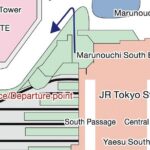
You meet the tour leader at one of two Tokyo locations: Tokyo Yaesu Bus Terminal or the ground floor of the Sumitomo Mitsui Bank, Shinjuku Nishiguchi Branch. The exact meeting point depends on the option and date, so check your booking details carefully rather than assuming you can use the location closest to your hotel.
The coach ride to Nikko takes around two and a half hours. That is a lot of time on the road, but the trip is long enough to justify the coach. Several guides use the ride to explain Japanese culture and the background of the places ahead, leaving you free to rest afterward.
The buses used on recent departures have been described as clean and comfortable, with generous seating space. Some departures have included Wi-Fi and USB charging ports. Those details are not guaranteed for every vehicle, but they are useful comforts on a day with roughly five and a half hours of total driving.
Do not bring large luggage. Only one carry-on bag is allowed, and huge bags are not accepted. Wear shoes suitable for walking and steps, and keep water and cash within easy reach.
Shinkyo Bridge and the sacred entrance to Nikko
From October 1, 2025, the first stop is Shinkyo Bridge. Until September 30, 2025, this part of the schedule uses a Nikko onsen instead, so check the date of your trip before you form an expectation.
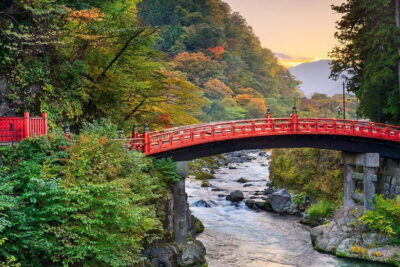
Shinkyo is a red arched bridge over the Daiya River. It marks the entrance to Nikko’s sacred area and makes a quick, attractive photo stop. The scheduled visit lasts about 20 minutes, so think of it as an introduction rather than a long walk through the surrounding district.
The bridge is especially useful as a visual transition. You move from the modern coach journey into a place where the river, forest, and religious buildings are closely linked. If you are carrying a camera, this is a good place to have it ready, but do not expect a leisurely bridge visit.
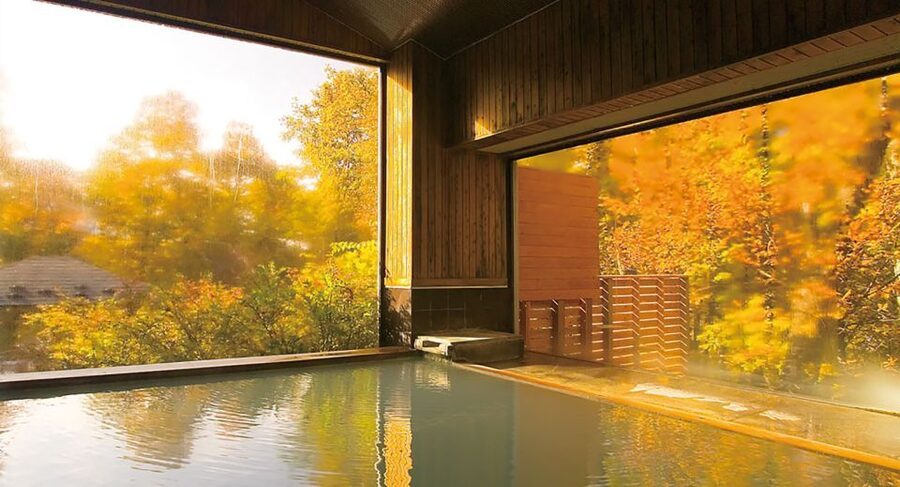
The former onsen option offered a different kind of experience. If you are booking for a date before October 1, 2025, you may prefer the chance to relax in hot spring water. Tattoos are considered taboo in this area, so anyone planning to use the onsen should check the local rules and tour instructions carefully.
Toshogu Shrine, Nikko’s grand historical center
Toshogu Shrine receives about 75 minutes, including the visit, sightseeing, and photo time. For many people, this is the reason to make the trip.
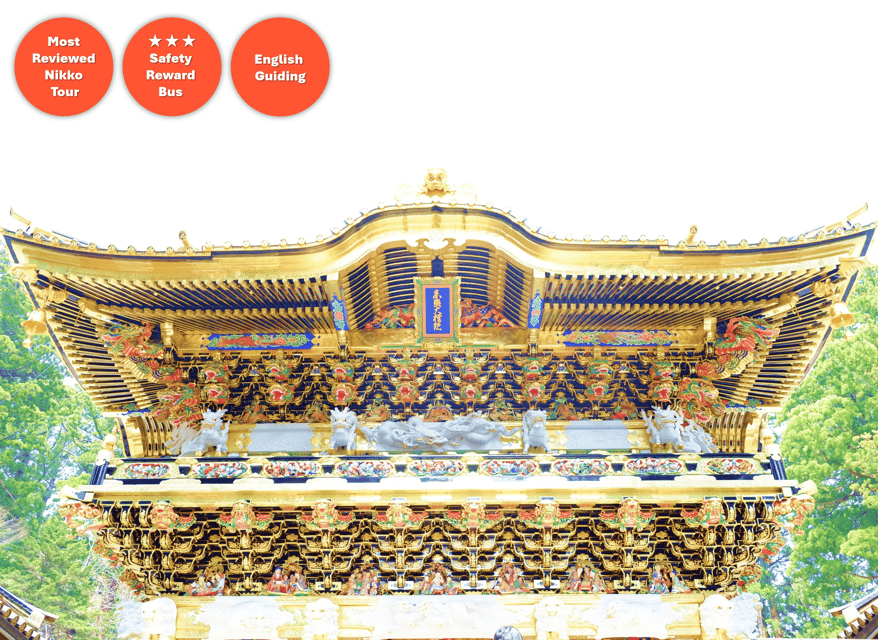
The shrine is dedicated to Tokugawa Ieyasu, the founder of the Tokugawa Shogunate. His government ruled Japan for more than 250 years, until 1868, during the period commonly called the Edo Period. That history gives the buildings more weight than their decoration alone would provide.
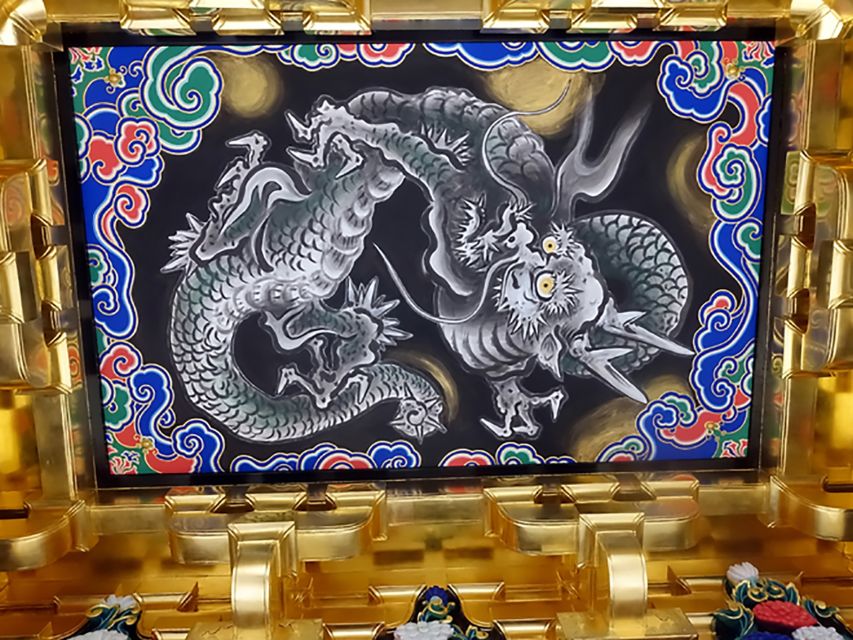
You will see elaborate woodwork, carved animals, strong colors, and detailed buildings set among tall trees. The famous carvings make this a place where your eyes keep finding new details. A guide can help you understand the stories and legends attached to the buildings rather than leaving you to see them as decoration without context.
Guides such as Tina, Jeff, Zoe, Annie, Sheila, Vicki, and Jax have been praised for giving background on the coach before arrival and then allowing free time inside the site. That is a good balance for a shrine complex. You get a clear introduction, but you are not required to stand beside the guide for every minute.
The main limitation is time. Seventy-five minutes gives you a solid overview, but Toshogu is detailed enough to reward a slower visit. Some people feel the shrine portion is rushed, especially when crowds make movement difficult. If you already have a strong interest in Japanese religious architecture, you may wish for more time here.
One useful option is the audio guide inside the shrine, which some visitors have found helpful. Admission is included, but extra attractions and services may cost more. Keep your receipt or cash ready if you decide to add anything.
A nearby Buddhist temple is not included in the tour. That matters if you want to compare Buddhist and Shinto traditions in the same historic area. You will need a separate visit or a different tour for that.
The Iroha Slope and the mountain road to Kegon Falls
After Toshogu, the bus travels along the Iroha Slope for about 20 minutes. This is a famous winding mountain road with 48 sharp turns. It is also known to fans of the animation Initial D.
The road is part of the attraction, not just a way to reach the next stop. In autumn, the turns give you changing views of the surrounding trees, and the area is popular for fall color. Drivers need to handle the road with care, and several departures have praised the skill and smoothness of the driver.
The route can be uncomfortable if you suffer from motion sickness. Sit where you normally feel best on winding roads, keep water nearby, and avoid a heavy meal just before the climb. The road also becomes more demanding when traffic builds, and the day’s schedule can change during a serious traffic jam.
A few more Tokyo tours and experiences worth a look



Kegon Falls and the practical lunch stop
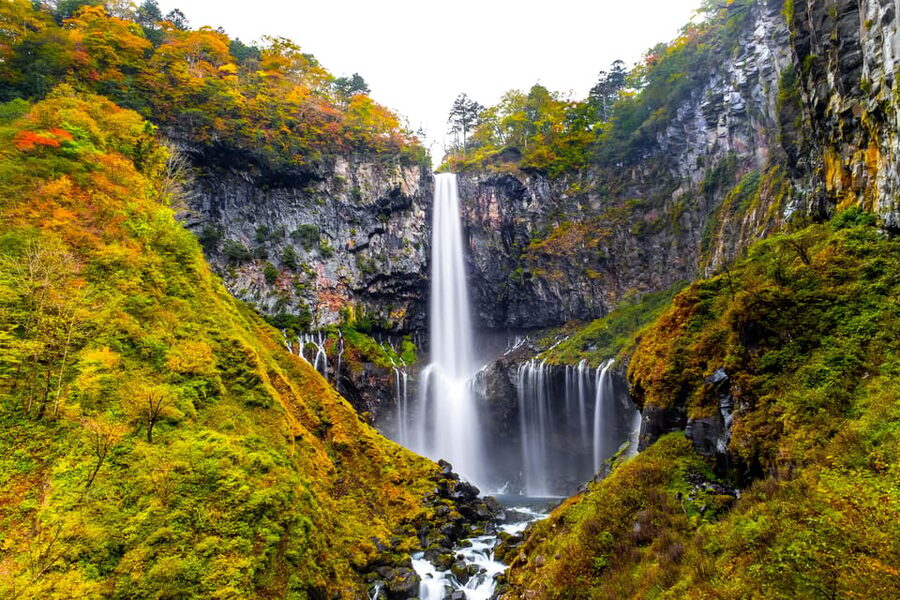
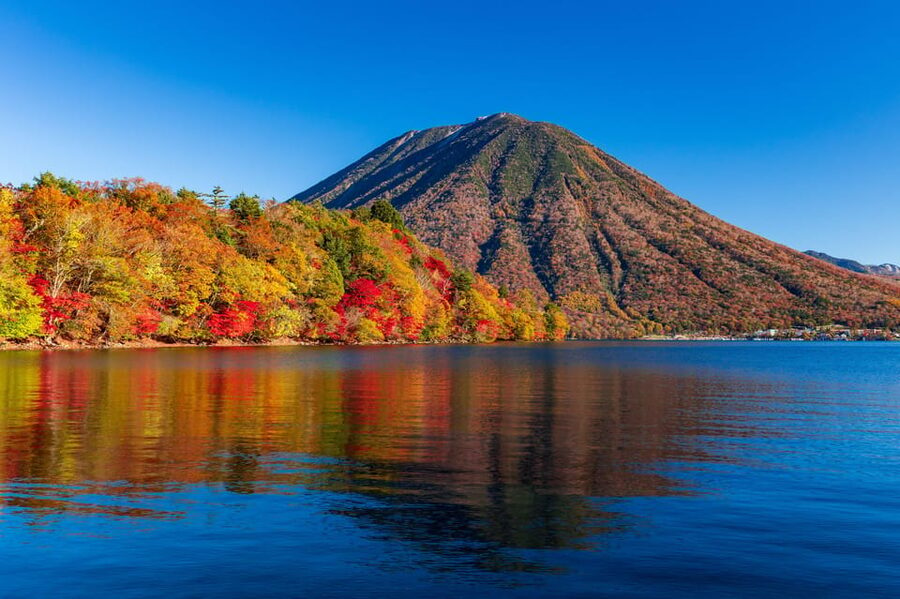
Kegon Falls is the natural highlight of the trip. Water drops almost 100 meters from Lake Chuzenji into the valley below, making this one of Japan’s three famous waterfalls. The other two are Nachi Falls in Wakayama Prefecture and Fukuroda Falls in Ibaraki Prefecture.
The stop lasts around 75 minutes and includes sightseeing, photographs, and time for lunch. The waterfall is dramatic in clear weather, but mist can hide part of the view. That is not a fault in the tour, but it is a real reason to keep expectations flexible. On foggy days, the shrine may provide the clearest and most rewarding experience.
The elevator to the lower viewing area is not included. Cash is particularly important here because the elevator and other local purchases may not accept cards. If the waterfall is your main reason for booking, paying for the elevator can improve the view and is worth considering.
Lunch is also your responsibility. You might find noodles, udon, snacks, drinks, or other local choices near the waterfall area. Guides sometimes recommend places to eat, and Jax was particularly helpful with a local udon suggestion on one departure. Still, you should not expect a set meal or a restaurant reservation.
This is a good time to keep the schedule in mind. Seventy-five minutes sounds generous, but it must cover the waterfall, the elevator if you use it, lunch, toilets, and meeting back at the bus. Do not wander too far from the agreed meeting point.
Lake Chuzenji gives the day room to breathe
The final sightseeing stop is Lake Chuzenji, with about 45 minutes for photographs, a walk, sightseeing, and possible shopping. At roughly 1,269 meters above sea level, the lake feels much cooler than Tokyo. The difference is sharp in late autumn and winter, and even summer can feel fresh beside the water.
The lake is a useful counterpoint to Kegon Falls. The waterfall is concentrated and powerful; the lake opens the view and gives you time to slow down. On a clear day, you can expect attractive mountain scenery. In mist or rain, the view may be partial, but the weather can also give the area a quiet, atmospheric mood.
Bring warm layers in autumn, especially in November. A light jacket is sensible even when Tokyo is mild. The lake stop is short, so you are unlikely to need heavy hiking gear, but comfortable shoes will help on the walk.
There may be time for coffee, cake, or a small purchase. One departure found that a hot drink and a snack helped make up for poor visibility. That is a useful attitude for this trip: the mountain weather can change your view, but it does not erase the shrine, the road, or the overall change of scene.
What the guide adds to the day
This is not a tour with a lecture at every stop. The guide usually accompanies the group, explains the history and practical details, helps keep the schedule moving, and then gives you space to explore.
That arrangement suits Nikko. The shrine is more meaningful when you understand Ieyasu and the Tokugawa government, but you also need time to look closely at the carvings without someone talking beside you. Guides including Zoe, Tina, Jeff, Vicki, Annie, Sheila, Jax, and Sophie have been singled out for friendly explanations, food suggestions, clear communication, and help with small issues such as seating.
The tour is bilingual in English and Chinese. If the guide is switching between both languages, explanations may take longer, though the format lets two language groups share the same trip. Recent departures have also included guides who offered picture-taking tips and suggestions for food after the tour.
Keep one expectation realistic: the tour leader simply accompanies the group throughout the day. This is not a private expert-led visit with unlimited time at each building. You are buying structure, transport, entry to Toshogu, and useful context.
Timing, weather, and value at $84
A 630-minute schedule means 10.5 hours from Tokyo and back. The day begins and ends at the selected Tokyo meeting point, with the return journey taking about three hours. Traffic can make that longer, especially during busy holiday periods or autumn color season.
The price works best for you if you value convenience. Add up a long-distance round trip, local transport between Nikko’s spread-out sights, shrine admission, and the time needed to plan it all. The $84 fee becomes easier to justify when you also count the guide and the driver handling the mountain roads.
It is less attractive if you prefer to set your own pace. The fixed schedule limits your time at Toshogu, and you cannot simply stay longer at the lake if the weather suddenly clears. Independent visitors may prefer a train and local buses, especially if the shrine is their only priority.
The strongest seasons are also the busiest. Autumn brings color along the Iroha Slope, but traffic can reduce free time. Winter can bring snow and sharp cold around the lake, while spring and summer offer different conditions but no guarantee of clear views. The operator will notify you by 2:00 PM the day before if severe weather forces cancellation.
Who should book this Nikko day trip?
I would choose this tour if you have one free day in Tokyo and want both historic Japan and mountain scenery. It suits first-time visitors who want a clear introduction without managing several transport changes.
It also fits anyone especially interested in Toshogu, Kegon Falls, or Lake Chuzenji. Couples, solo visitors, and families can all use the structure, but children must be accompanied by an adult, and unaccompanied minors are not allowed.
I would think twice if you dislike long bus rides, need lots of time for photography, or want a quiet, private visit. The day is efficient rather than leisurely. The shrine can feel short, and bad weather may hide the waterfall or lake.
Book it if you want the broad Nikko picture in one day: political history, sacred architecture, a famous mountain road, a major waterfall, and a high-altitude lake. Skip it if your priority is a deep, unhurried study of Toshogu alone.
You can cancel up to 24 hours ahead for a full refund, and reserve now while paying later. Most important, bring cash, water, comfortable shoes, and warm clothing if you are going to the lake in cooler months.
FAQ
How long does the Tokyo to Nikko tour last?
The tour lasts 630 minutes, or 10.5 hours. The journey to Nikko takes about two and a half hours, and the return journey takes about three hours.
Where does the tour start?
The tour has two possible meeting points: Tokyo Yaesu Bus Terminal and the ground floor of the Sumitomo Mitsui Bank, Shinjuku Nishiguchi Branch. The meeting point can vary by booking option and date, so check the tour schedule.
Is lunch included?
No. Lunch is not included, so bring cash for food and drinks during the Kegon Falls stop and around Lake Chuzenji.
Is the Kegon Falls elevator included?
No. The waterfall elevator is an extra cost. Bring cash because credit card payments are not accepted at all locations.
What changes after October 1, 2025?
From October 1, 2025, the tour visits Shinkyo Bridge instead of the Nikko onsen. Before that date, the itinerary includes the onsen rather than the bridge.
Is the Toshogu Shrine entrance fee included?
Yes. The Toshogu Shrine entry ticket is included in the tour price. The tour also includes a bilingual English and Chinese guide.
More Temples & Meditation in Tokyo
More Nikko Day Trips in Tokyo
More tours in Tokyo we've reviewed












Nikko Day Trips, compared.
 ★ 5.0Nikko, Kegon Waterfall & Chuzenji Lake from TokyoFrom $89
 ★ 4.4From Tokyo: Nikko, Toshogu Shrine, Waterfall & Chūzenji LakeFrom $54
 ★ 4.3Nikko: Edo Wonderland Edomura Cultural Theme Park TicketFrom $351 day
 ★ 4.8Tokyo: Nikko World Heritage Private Day Trip Hotel Pick-upFrom $39011 hours - 1 day
From Tokyo: Nikko World Heritage Sight Full Day Private TourFrom $36210 hours
★ 4.8Tokyo: Nikko World Heritage Private Day Trip Hotel Pick-upFrom $39011 hours - 1 day
From Tokyo: Nikko World Heritage Sight Full Day Private TourFrom $36210 hours
 ★ 5.0From Tokyo: Nikko World Heritage Sight Full Day Private TourFrom $461