Reviewed · SHINJUKU TOURS
Hands-on Japanese Cooking in a Shinjuku Home Kitchen with Satoru
The best part of this experience is simple: you enter Satoru’s home in Shinjuku, not a restaurant or a polished cooking studio. In his small, efficient kitchen, you learn how everyday Japanese food comes together, then sit down with your host to eat what you made.
In This Article
- Key points to know before booking
- A Tokyo cooking class that starts at home
- Choosing the right menu by day
- Cooking with Satoru in a compact Shinjuku kitchen
- Sitting down for a private Japanese meal
- The small gifts add a useful final touch
- Is $130 a fair price?
- Who will enjoy this Shinjuku experience most?
- Meeting details and cancellation advice
- Should you book Hands-on Japanese Cooking in Shinjuku?
- FAQ
- Where does the cooking class meet?
- How long does the experience last?
- What dishes can I cook?
- Can I request a vegetarian menu?
- Is alcohol included?
- What happens if I need to cancel?
I like the private setting and the chance to ask about everything from savory dashi to sweet organic honey. I also like the relaxed social side, especially for families. Satoru’s patience and humor have helped teenagers take part, not just watch from the edge of the room.
The main thing to check is the menu before booking. The dishes depend on the day, and dietary changes need to be requested one week ahead. If you wait, you may get the set menu or dish of the day.
Key points to know before booking
- Meet at JR Shinjuku Station: Satoru collects you at the station and walks with you to his nearby apartment.
- Cook in a real home kitchen: The space is small but practical, giving you a look at ordinary home cooking in central Tokyo.
- Menus change by day: Sunday through Tuesday feature teishoku, while Wednesday through Friday focus on dishes such as okonomiyaki, ramen, gyoza, or karaage.
- The meal is part of the lesson: After about 90 minutes of cooking, you eat together and talk with Satoru over one or two local drinks.
- Private and family-friendly: Only your group takes part, and the format has worked well for families with teenage children.
- Plan dietary requests early: Vegetarian options are available, but you must state your needs when booking and request changes at least one week ahead.
A Tokyo cooking class that starts at home
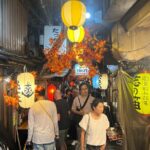
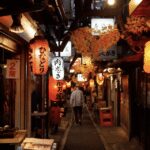
Tokyo can give you excellent food at almost every turn, but restaurant dining does not always show you how that food is made in a Japanese household. This class takes a different route. You meet Satoru at JR Shinjuku Station, then walk together to his simple apartment in the heart of Shinjuku.
That walk matters. It creates a clear shift from the station’s huge commercial energy to a private neighborhood setting. You are not being led to a cooking school built for tour groups. You are visiting a local home, which makes the experience more personal and less formal.
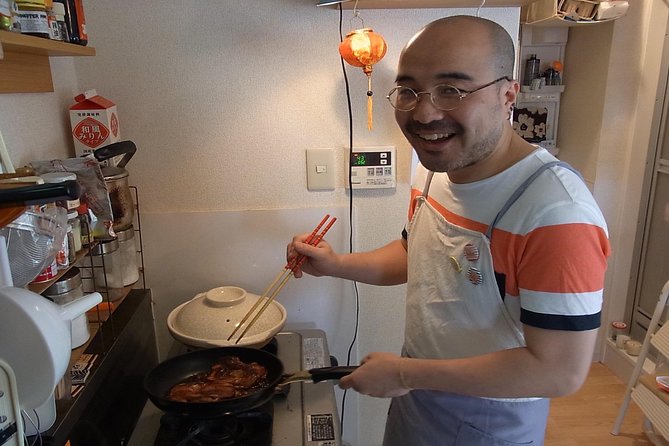
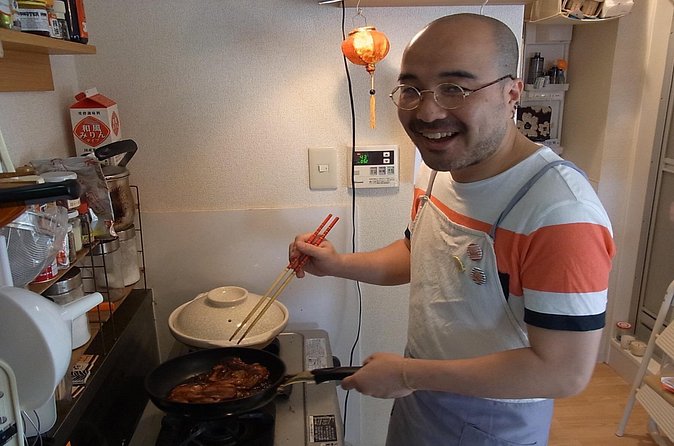
Satoru’s kitchen is small, but it is set up for practical work. You should expect a close, hands-on lesson rather than lots of space or a demonstration from across a room. That can be a plus if you want to ask questions and take part in each stage. It can also feel snug if your group is large, though the activity is private and limited to your own party.
The total experience lasts about two and a half hours. Roughly the first hour and a half goes toward cooking, followed by time at the table for the meal and conversation. The pace gives you enough time to learn without turning the class into an all-day commitment.
A few more Tokyo tours and experiences worth a look

Choosing the right menu by day
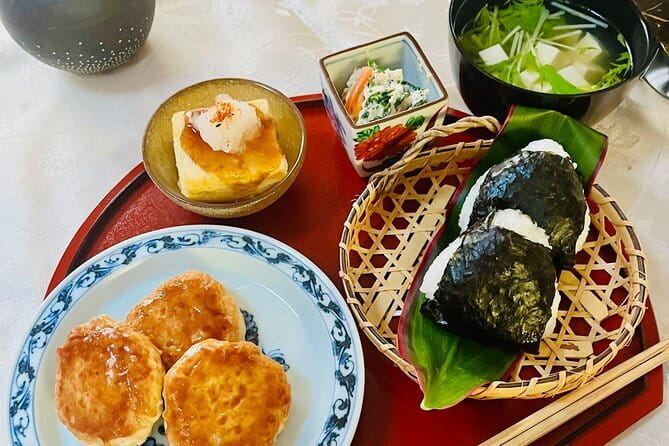
The day you book affects what you cook, so this is not a minor detail. From Saturday through Tuesday, the menu is teishoku, a Japanese set meal built around rice, miso soup, and two side dishes.
Teishoku is a useful introduction to the shape of a Japanese home meal. Instead of focusing on one famous dish, you see how several modest elements work together. Rice provides the base, miso soup adds warmth and savory depth, and the side dishes bring contrast. If you want a broad lesson in everyday Japanese eating, these days make good sense.
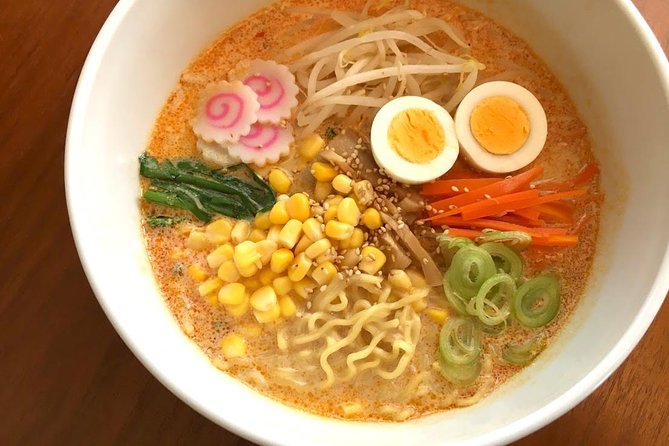
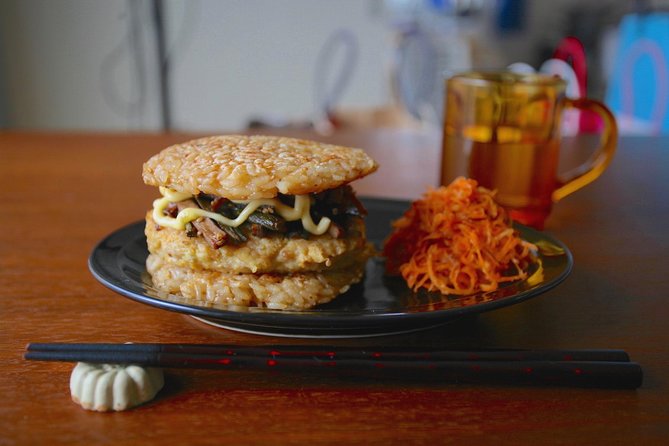
From Wednesday through Friday, the menu shifts to popular Japanese comfort foods. The choices can include okonomiyaki, karaage, yakisoba, katsu curry rice, ramen, or gyoza. These dishes are more familiar to many first-time visitors, but they also show how wide the idea of Japanese home food can be.
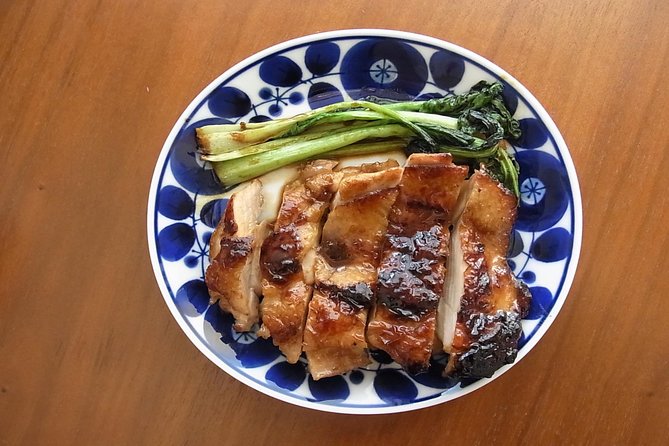
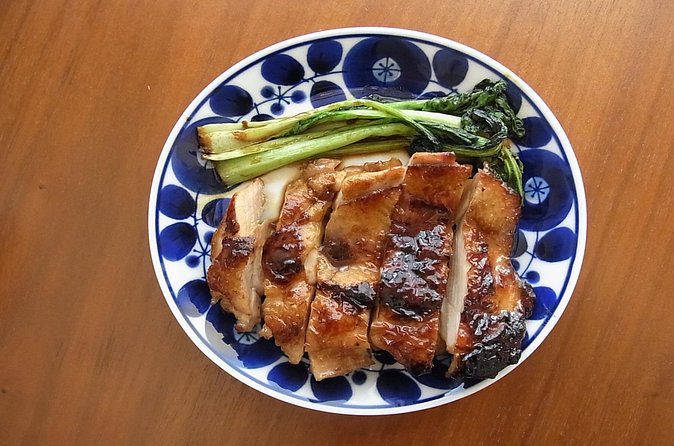
Okonomiyaki gives you a chance to work with a Japanese savory pancake. Karaage focuses on fried chicken. Yakisoba covers stir-fried noodles, while katsu curry rice combines a crisp cutlet with curry and rice. Ramen and gyoza bring two more well-known favorites into the rotation.
The exact dish depends on the date and season. You should check the available menu before you reserve, then tell the host your preference if you want a particular option. If you do not share a preference, Satoru prepares the menu assigned to that day.
This system gives the class some variety, but it also limits last-minute changes. Dietary requirements, vegetarian requests, and menu changes should be placed in the booking notes and raised at least a week ahead. A vegetarian option is available, but it is not something to leave until the day of the class.
Cooking with Satoru in a compact Shinjuku kitchen
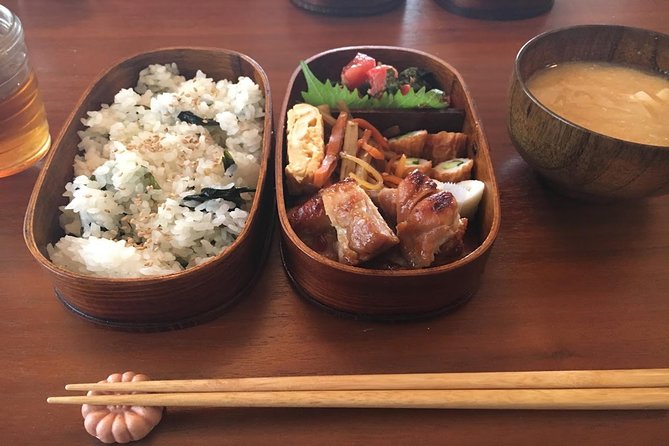
The cooking lesson is the heart of the experience. Satoru teaches you to make two to three homestyle dishes, with the description allowing for as many as two to five dishes depending on the menu. The number is less important than the format: you work from scratch, rather than simply assembling ingredients prepared in advance.
You can ask about the ingredients as you cook. Satoru explains items such as dashi, the savory stock that gives many Japanese dishes their foundation, as well as sweeter ingredients like organic honey. These details help you understand why a dish tastes the way it does, not just what steps to follow.
I like this kind of teaching because it connects food with daily life. A recipe becomes more useful when you know how an ingredient is chosen and what role it plays. Satoru also shares a story or tip connected to his ingredient choices, giving the lesson a personal touch without making it feel like a lecture.
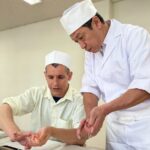
His patience is another practical strength. The class suits people with different levels of cooking experience because you can learn through direct guidance. It also works for families. Two teenage daughters were able to take part as an activity with their parents, and the host’s humor helped keep the session light.
That does not mean this is a professional kitchen course. You are not signing up for a formal certification or a long technical workshop. The value is in learning a few dishes, handling Japanese ingredients, and seeing how a local prepares food at home.
Sitting down for a private Japanese meal
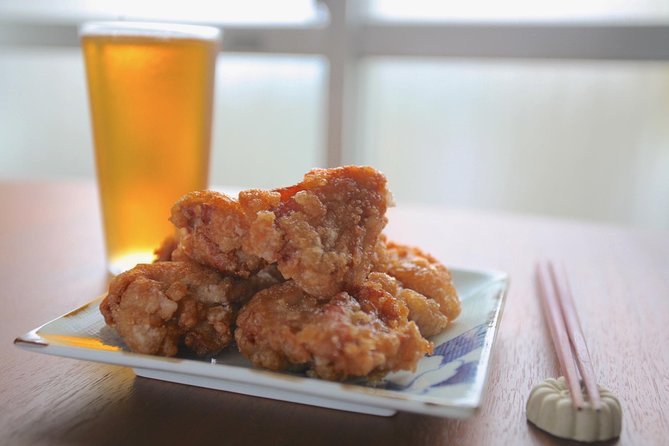
Once the cooking is finished, you eat the food you helped prepare with Satoru. This shared meal turns the class into a social experience rather than a simple recipe lesson.
A local alcohol drink, with one or two glasses included, is served during the meal. The drink gives you another opening to ask questions about Japanese food and daily customs. If you do not drink alcohol, check the arrangement with the host in advance, since the included item is listed as local alcohol.
The conversation is a major part of the visit. You can ask Satoru about the dishes, ingredients, and his choices in the kitchen. The setting allows for the kind of unhurried exchange that is difficult to find during a standard restaurant meal.
For families, this shared table is especially useful. Teenagers have a clear job during the cooking, and the meal gives everyone a chance to talk without rushing off to the next sight. Couples and small groups of friends may also prefer the privacy over a class filled with strangers.
Keep your expectations realistic. You are visiting a simple apartment, not a designed dining room. The appeal is the home setting and the conversation, while the tradeoff is a more modest space and a less polished presentation.
The small gifts add a useful final touch
The experience includes a Japanese utensil and an ingredient as gifts. These are modest items, but they give you something practical to take home instead of leaving the class with only photographs.
The gifts also connect to what you have just learned. A utensil can remind you of the techniques used in the kitchen, while an ingredient may help you try part of the meal again. You should not expect expensive souvenirs, but the gesture fits the personal nature of the visit.
This is one reason the class feels different from a standard food tour. You do not simply taste several dishes and move on. You spend time with one host, cook together, share a meal, and leave with a small link to the kitchen.
A few more Tokyo tours and experiences worth a look

Is $130 a fair price?
At $130 per person, this is not a budget meal or a quick market stop. The price makes more sense if you value privacy, instruction, a home visit, food, drinks, and conversation as one package.
You receive a private cooking class, pickup at JR Shinjuku Station, one or two glasses of local alcohol, the meal you prepare, and the two gifts. Hotel pickup and drop-off are not included, so you need to reach the station on your own.
For a group that wants a personal cultural activity, the cost can be reasonable. You are paying for access to a local home and a host’s time, not just ingredients. A family can also make good use of the two and a half hours, since everyone can participate at a comfortable pace.
The value is weaker if you mainly want to eat famous Japanese dishes without cooking. You can find ramen, gyoza, curry, and fried chicken elsewhere for far less. This booking earns its price through the private setting and the chance to ask questions directly.
The activity is often booked about 72 days ahead, which suggests you should not assume you can arrange it at the last minute. If your Tokyo dates are fixed, check availability early, especially if you need a vegetarian menu or a particular dish.
Who will enjoy this Shinjuku experience most?
I would recommend this class to you if you want a personal look at Japanese food and do not mind entering someone’s home. It is a good fit for couples, families, and small groups who enjoy conversation as much as the cooking itself.
Families with teenagers should give it serious consideration. The hands-on format gives younger participants something active to do, and Satoru’s patience and humor help the lesson work across age groups.
It also suits first-time visitors who want context for dishes they may see throughout Japan. Learning about dashi, miso soup, rice, noodles, or curry in a home kitchen can make later restaurant meals easier to understand.
You may want to choose another activity if you prefer a large professional kitchen, a formal chef-led course, or a class with a guaranteed menu every day. The compact apartment setting is central to the appeal, but it is also the main practical limitation.
People with food restrictions should contact the host early. Vegetarian cooking is possible, but the instructions are clear: state requirements at booking and request menu changes at least one week before the class. Do not rely on a same-day adjustment.
Meeting details and cancellation advice
The meeting point is JR Shinjuku Station at 3-chōme-38-1 Shinjuku, Shinjuku City, Tokyo 160-0022. Satoru meets you there and walks with you to his apartment. The activity ends back at the meeting point, so you can plan your next stop from Shinjuku.
A mobile ticket is provided, and confirmation arrives within 48 hours of booking, subject to availability. The class is near public transportation, but hotel pickup and drop-off are not part of the service.
You can cancel for a full refund up to 24 hours before the local start time. Cancellations or changes made within 24 hours are not accepted for a refund, so keep your Tokyo schedule firm before the cutoff.
Should you book Hands-on Japanese Cooking in Shinjuku?
Book this experience if you want a private meal with a real local host, not just another restaurant reservation. Satoru’s home kitchen, patient teaching, ingredient stories, and easy conversation make the class a strong choice for families and curious food lovers.
Check the day’s menu first, and send dietary requests well ahead. At $130, the class is best viewed as a cultural visit with food included. If that sounds more appealing than a formal cooking school or a quick tasting, it is a worthwhile use of an afternoon in Tokyo.
FAQ
Where does the cooking class meet?
You meet Satoru at JR Shinjuku Station at 3-chōme-38-1 Shinjuku, Shinjuku City, Tokyo 160-0022, Japan. He then walks with you to his apartment.
How long does the experience last?
The activity lasts approximately 2 hours and 30 minutes. Cooking takes about an hour and a half, followed by the shared meal and conversation.
What dishes can I cook?
Saturday through Tuesday feature teishoku, a Japanese set meal with miso soup, rice, and two side dishes. Wednesday through Friday may feature okonomiyaki, karaage, yakisoba, katsu curry rice, ramen, or gyoza. Menus can vary by season.
Can I request a vegetarian menu?
Yes. A vegetarian option is available, but you must request it when booking. Specific menu changes and dietary requirements should be sent at least one week before the activity.
Is alcohol included?
Yes. One or two glasses of local alcohol are included with the experience.
What happens if I need to cancel?
You can receive a full refund if you cancel at least 24 hours before the local start time. Cancellations and changes made less than 24 hours before the start are not accepted for a refund.
More Workshops & Classes in Tokyo
More Shinjuku Tours in Tokyo
More tours in Tokyo we've reviewed







Shinjuku Tours, compared.
 ★ 5.0Tokyo: Shinjuku Food Tour (13 Dishes at 4 Local Eateries)From $86
 ★ 5.0Tokyo Bar Hopping Tour in Shinjuku (All-You-Can-Drink + Dinner)From $106
 ★ 4.9Tokyo: Shinjuku Local Bar and Izakaya Guided Walking TourFrom $343 hours
 ★ 4.9Tokyo: Shinjuku Food Tour (13 Dishes and 4 Eateries)From $97
 ★ 5.0Tokyo Night Foodie Tour in Shinjuku – Seasonal Sushi, Wagyu BeefFrom $111
 ★ 5.0Tokyo: Shinjuku Local Bar & Izakaya Crawl TourFrom $39