Reviewed · TOKYO
Tokyo: Name Seal & Pouch or Tote Bag Making Experience
A name seal gives this short Roppongi workshop more meaning than the usual quick souvenir stop. You choose Kanji or Hiragana for your name, learn what the characters mean, and leave with a stamp made for you rather than picked from a shop shelf. The friendly English-speaking host also uses waiting time for calligraphy practice and postcard art.
In This Article
- Key points to know
- A small Japanese seal with a personal meaning
- What happens during the 30 to 40 minutes
- Choosing Kanji, Hiragana, and the four designs
- Why the calligraphy practice matters
- A good souvenir for families and gift hunters
- The Roppongi location and how to find it
- Is $29 a fair price?
- Who will enjoy it most
- Should you book the Roppongi name seal workshop?
- FAQ
- Where does the name seal experience take place?
- How long does the activity last?
- How many people can join the group?
- Is the activity available in English?
- Can I choose Kanji or Hiragana for my name?
- What can I choose for the personalized bag?
- Do I need to provide information before the activity?
- What can I do while the stamp is being made?
- Is cancellation available?
I like the personal translation of your name, especially when the staff explain why particular Kanji suit its sound and meaning. I also like the choice between a gold or silver pouch, or a tote decorated with up to three cherry blossoms or stars. The main thing to consider is time: a custom seal takes work, and a busy session can run about 40 minutes per person.
Key points to know
- Your name becomes a real Japanese seal: Choose a square 24-millimeter Kanji stamp or a round 12-millimeter Hiragana stamp.
- You get more than a stamp: The package includes a personalized pouch or tote, plus a postcard you can work on while the seal is produced.
- Four Kanji bag designs are available: Pick Mt. Fuji, a pine tree, a floral leaf called kiri-mon, or a maiko girl.
- The experience is small and personal: Groups are limited to five, with English guidance at Shodocafe7557 in Roppongi.
- It works well for families: Children can practice writing their names, and the finished stamp and bag are easy to pack.
- Plan your choices early: Kanji names, the selected design, and pouch color should be supplied before arrival.
A small Japanese seal with a personal meaning
In Japan, an inkan is not simply a decorative stamp. Seal stamps remain part of everyday and business life, so making one connects your souvenir to a living custom rather than a generic Tokyo image.
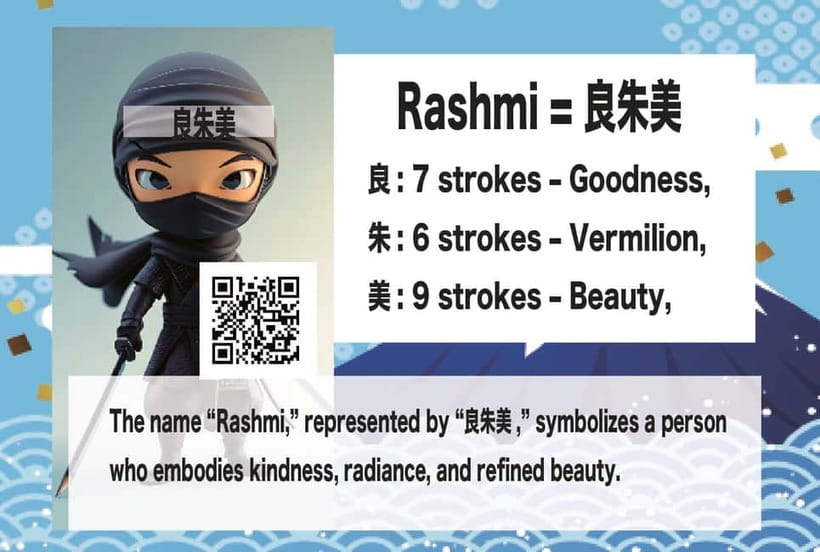
Your name can be written in Kanji or Hiragana. The Kanji option is the more interpretive choice. Staff help select characters based on the sound of your name and the meaning of the characters. That gives you something to ask about and remember, especially if you have never studied Japanese writing.
The Kanji seal is square and measures 24 millimeters. The Hiragana version is round and measures 12 millimeters. The difference is useful to understand before booking: Kanji gives you a larger stamp and a more decorative character design, while Hiragana offers a simpler Japanese rendering of your name.
The stamp is the heart of the activity, but the pouch or tote makes the result easier to use. You can keep the stamp in the custom pouch, or select a tote that becomes a practical shopping bag and a visible reminder of your time in Tokyo.
If you're still narrowing it down, here are other tours in Tokyo we've reviewed.


What happens during the 30 to 40 minutes
You begin at RoppongiHanko, the studio associated with Shodocafe7557, at 7-9-3 Roppongi, Minato-ku, Tokyo. The studio is on the second floor of the Crest Roppongi building, near the National Art Center Tokyo.
At the start, you confirm the names for everyone in your party and select your stamp and bag preferences. If you are choosing Kanji, the staff need your name and design information in advance. This is not a walk-up engraving counter where every decision happens in seconds. Your characters must be considered and your seal made to order.
While the stamp is being produced, the workshop shifts to calligraphy. The instructor can show you how to write your name and let you practise with a brush. This part gives the activity its hands-on quality. You are not only waiting for a finished object. You are learning how the writing feels on paper and seeing how your name looks in Japanese form.
A personalized postcard is also made for you during the production time. You can design one with calligraphy art while the staff work on the seal. Several people have especially enjoyed this extra creative time, and the friendly instruction matters if you are new to Japanese brush writing.
The entire session is advertised as 30 to 40 minutes, but busy periods can take longer because the work is custom-made. The practical advice is simple: do not schedule this between two tight train connections or place it just before a timed attraction. For a small activity, it asks for a relaxed pace.
Choosing Kanji, Hiragana, and the four designs
The most interesting decision is how your name will appear. Hiragana is a Japanese phonetic script, and the round 12-millimeter stamp offers a neat, direct version of your name. Kanji characters carry meaning as well as sound, so the square 24-millimeter stamp feels more like a personal design project.
Kanji translations require care. The staff help choose characters that match the sound of your name and have favorable meanings. You should treat this as an explanation and selection process, not as a literal one-to-one translation in the same way you might translate a sentence.
If you choose the Kanji seal, you can select one of four bag designs:
- Mt. Fuji
- Pine tree, or matsu
- Floral leaf, known as kiri-mon
- Maiko girl
These designs give the bag a distinctly Japanese look without requiring you to draw a complicated image yourself. Mt. Fuji is the most instantly recognizable choice. The pine tree has a traditional feel, while the floral leaf offers a more formal emblem-like appearance. The maiko girl gives the design a clear connection to Japanese performance and dress.
If you select the tote, your name and up to three decorations are included. Decorations can include cherry blossoms or stars. More than three decorations cost extra, so decide if you want a clean design or a fuller one before the work begins.
For the pouch, you choose gold or silver. The color choice is small but important because the pouch is compact and decorative. Provide the pouch color in advance if you select a Kanji stamp.
Why the calligraphy practice matters
The calligraphy portion keeps this from feeling like a simple personalized merchandise purchase. You have a chance to slow down and pay attention to the shape, balance, and movement of Japanese writing.
You might not produce a perfect character, and that is not the point. The instructor provides encouragement and lets you practise during the production period. Children can write their names, adults can try brush technique, and everyone can see the difference between a name written by hand and one prepared for the finished seal.
The workshop has also received praise for its warm teaching style. The host is described as patient, kind, and willing to explain the meaning of each character. English guidance is available, which is especially helpful when you are making decisions about characters that you cannot read yourself.
The postcard adds another small project. It gives you something flat and easy to carry home, and it means the waiting period feels useful rather than empty. Drinks and additional small gifts have also been provided during some sessions, but the exact extras should not be the reason you book. The guaranteed value is the custom stamp, the personalized pouch or tote, the name translation, and the postcard activity.
A good souvenir for families and gift hunters
I would put this near the top of the list for families looking for an activity that does not require a full day. The session is short, the group size is limited to five, and children can take part in choosing a design and practising calligraphy.
It also works well for a parent and child who want matching or related souvenirs. One person can choose a stamp and another can select a tote, giving each participant a finished item rather than one shared object.
The finished products have practical value. A stamp is small and easy to pack. A pouch can hold the stamp or other small items, and a tote can be used after you return home. That is a better fit for many people than a fragile decorative object that sits on a shelf.
I also see a clear appeal for gift giving. Someone who could not join your trip can receive a pouch or tote carrying a Japanese version of their name. Just remember that the name translation and design choices need advance preparation, so this is not ideal as a last-minute surprise unless the studio confirms it can accommodate the request.



The Roppongi location and how to find it
The studio is in Roppongi, close to the National Art Center Tokyo. By train, take the Toei Oedo Line to Roppongi Station and use Exit 7.
After leaving the station, cross toward FamilyMart and keep to the right. Walk toward the National Art Center Tokyo along the museum street. Look for a large crane sign on the left side. The studio is on the second floor of the Crest Roppongi building.
Search Shodocafe7557 or RoppongiHanko in Google Maps for the clearest directions. The meeting information also provides a map pin, which is worth saving before you leave your hotel.
The location can fit neatly into a museum-focused day. You could plan the stamp workshop before or after the National Art Center Tokyo, though you should allow extra time to find the building. If you take a taxi, show the driver the studio name and the Crest Roppongi address near the National Art Center Tokyo.
The meeting instructions ask you to choose from the available stamp types and provide everybody’s names. Take care with this step. The activity has several choices, and a rushed decision at the door can slow down the custom work.
Is $29 a fair price?
At $29 per person, this is a reasonable price for a short creative activity, provided you value the finished items. You are not paying only for a 30-minute lesson. The price includes a custom name seal, name translation into Japanese characters, a personalized pouch or tote, and postcard work while the seal is produced.
The value is strongest when you want a souvenir that carries your name and a story. A standard souvenir from a Tokyo shop may be cheaper, but it will not explain the meaning of your Kanji or involve you in making it.
The value is weaker if you want a long calligraphy class or a detailed lesson in Japanese seal carving. The published duration is short, and the staff produce the stamp for you. You practise calligraphy, but you do not make the seal material yourself or select another stamp material at no extra cost.
A tote with more than three decorations costs extra. Delivery outside Japan is not included, so plan to carry your finished items home yourself. Fortunately, both the stamp and pouch are compact, and the tote is designed to be useful rather than difficult to transport.
The reserve-now, pay-later option can help if your Tokyo schedule is still changing. Free cancellation is available up to 24 hours before the activity for a full refund. These terms are useful, but the bigger scheduling issue is production time. Keep the appointment away from a reservation you cannot miss.
Who will enjoy it most
I recommend this experience if you like making things, want a personal souvenir, or are curious about Japanese writing without committing to a long class. It is a particularly good choice for families, couples, and small groups who want an indoor activity in central Tokyo.
It suits first-time visitors because the staff explain the name characters rather than expecting you to know Japanese. It also suits repeat visitors who have already seen major sights and want something more personal to take home.
You may want to skip it if you dislike customized merchandise, have no interest in calligraphy, or need an exact start-to-finish schedule. The workshop is short, but the custom production can take time, especially when several people are being served.
Smoking is not allowed. The studio is wheelchair accessible, and the small group is limited to five participants. English is the stated language of the activity.
Should you book the Roppongi name seal workshop?
I would book it if you want a compact, useful souvenir with a real personal connection to Japan. The strongest parts are the explanation of your Kanji name, the chance to practise calligraphy, and the finished stamp and pouch or tote that you can actually use.
Before reserving, send the requested names and choose the stamp style, Kanji bag design, and pouch color if needed. Allow a full 40 minutes, and leave some breathing room around the appointment. If you want a quick shopping stop, this may feel too slow. If you want to understand your Japanese name and leave with something made specifically for you, $29 is a fair buy.
FAQ
Where does the name seal experience take place?
It takes place at RoppongiHanko, also associated with Shodocafe7557, on the second floor of the Crest Roppongi building at 7-9-3 Roppongi, Minato-ku, Tokyo.
How long does the activity last?
The stated duration is 30 to 40 minutes. Custom production may take longer when many people are attending, with up to about 40 minutes per person.
How many people can join the group?
The group is limited to five participants.
Is the activity available in English?
Yes. English guidance is provided.
Can I choose Kanji or Hiragana for my name?
Yes. The Kanji option is a square 24-millimeter stamp. The Hiragana option is a round 12-millimeter stamp.
What can I choose for the personalized bag?
For a Kanji stamp, you can choose Mt. Fuji, a pine tree, a floral leaf called kiri-mon, or a maiko girl. You can select a gold or silver pouch, or choose a tote with your name and up to three decorations such as cherry blossoms or stars.
Do I need to provide information before the activity?
Yes. For a Kanji stamp, provide your name, chosen design, and pouch color in advance. The meeting instructions also ask you to provide everyone’s names and choose the stamp type.
What can I do while the stamp is being made?
You can practise calligraphy and design a personalized postcard with calligraphy art.
Is cancellation available?
Yes. You can cancel up to 24 hours in advance for a full refund. A reserve-now, pay-later option is also available.
More tours in Tokyo we've reviewed












Tokyo, compared.
 ★ 5.0Mt Fuji and Hakone 1-Day Bus Tour Return by Bullet TrainFrom $163
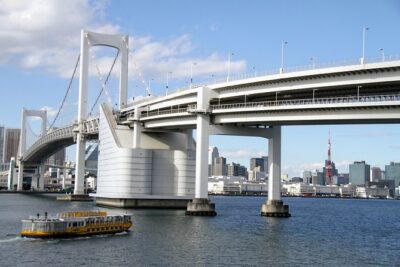 ★ 5.01-Day Tokyo Bus TourFrom $129
 ★ 4.6Tokyo: teamLab Planets TOKYO Digital Art Museum Entry TicketFrom $251 day
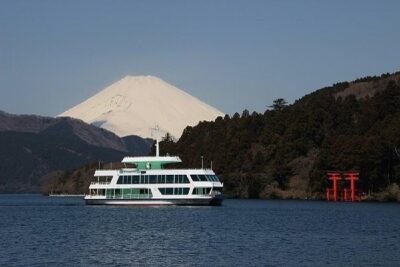 ★ 4.0Mt Fuji & Hakone Cruise, Drum Show Bullet Train 1 Day from TokyoFrom $149
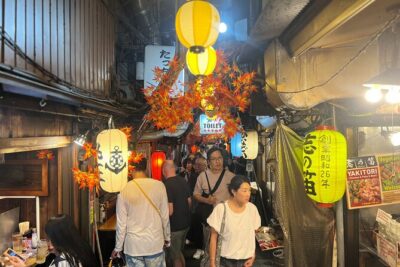 ★ 5.0Tokyo: Shinjuku Food Tour (13 Dishes at 4 Local Eateries)From $86
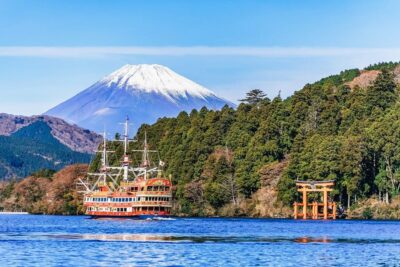 ★ 4.4Tokyo Mt Fuji 5th St & Hakone Cruise Bus Tour w/Bullet TrainFrom $15410 hours