Reviewed · ASAKUSA TOURS
Asakusa Senso-ji Temple and Old Tokyo Walking Tour
Asakusa is where Tokyo’s past feels easiest to see. This two-hour walk links the Kaminarimon gate, Nakamise Shopping Street, Senso-ji Temple, Asakusa Shrine, Hoppy Street, Shin Nakamise, and Azuma Bridge, giving you a clear route through a neighborhood that can otherwise feel confusing.
In This Article
- Key points to know before booking
- Why Asakusa makes a smart first Tokyo walk
- Meeting at Kaminarimon in the middle of the crowds
- Nakamise Shopping Street and the Kaminarimon approach
- Senso-ji Temple, where the tour earns its keep
- Asakusa Shrine and the difference between temple and shrine
- Hoppy Street and the food advice you do not get from a map
- Shin Nakamise and the modern side of old Tokyo
- Azuma Bridge and the Sumida River finish
- How the small group changes the experience
- Timing, comfort, and what to bring
- Who should book this Asakusa walk?
- Should you book the Senso-ji and Old Tokyo Walking Tour?
- FAQ
- How long is the Asakusa walking tour?
- What sights are included?
- Is an English-speaking guide included?
- How large is the group?
- Are entrance tickets included?
- Where does the tour start?
- Where does the tour finish?
- Can I cancel for a full refund?
- What happens if the weather is poor?
I love the small group of up to 12, which makes it easier to hear the guide and ask questions. I also like the practical cultural help: guides explain how to purify yourself, receive a fortune, and pray at both a Buddhist temple and a Shinto shrine. The main drawback is the crowds, especially near the meeting point and Senso-ji, and food and drinks are not included.
Key points to know before booking
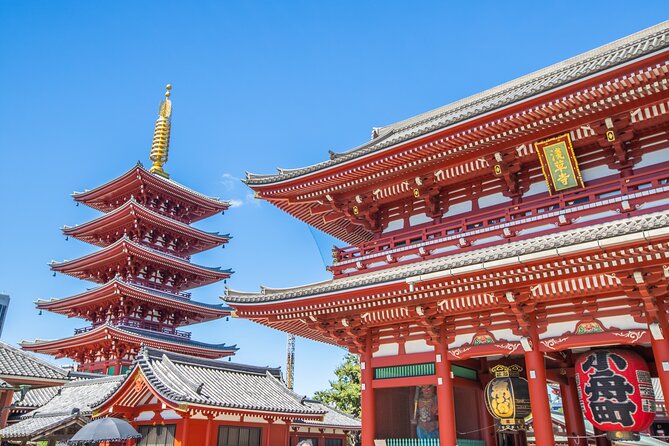
- Senso-ji with cultural context: Learn what you are seeing instead of simply taking temple photos and moving on.
- A useful first-day walk: The route covers major Asakusa sights in about two hours, a good fit for a packed Tokyo schedule.
- Buddhist and Shinto customs: Get practical instruction on purification, fortunes, and prayer etiquette.
- Local food and shopping guidance: Guides such as Aya and Glenda have helped visitors choose snacks, dinner spots, and souvenirs.
- A small, personal group: No more than 12 people means better sound, easier questions, and more attention.
- A scenic finish: The tour ends near Azuma Bridge, with views toward Tokyo Skytree and the Asahi Beer Hall.
Why Asakusa makes a smart first Tokyo walk
Tokyo can feel like several cities stitched together. Glass towers, quiet lanes, shrines, department stores, and crowded train stations all sit close together. Asakusa gives you a gentler introduction because the main sights are close enough to cover on foot, yet the neighborhood has a strong sense of place.
The route is especially useful if Senso-ji is high on your list but you are unsure how to approach it. You will not just be shown the large red gate and temple hall. The guide connects the buildings, customs, shopping streets, and old entertainment areas so the neighborhood makes more sense.
This is not a museum tour with long formal lectures. It is a short walk through public streets and religious sites, with commentary along the way. That format works well for a first morning in Tokyo, particularly if you want basic guidance before exploring more temples, shrines, and markets on your own.
The tour has a 4.8 rating from 561 ratings, with 96 percent recommending it. More important than the score, the strongest pattern is clear: guides are praised for explaining Japanese history and customs in plain English, answering questions, and giving useful tips beyond the official route.
A few more Asakusa tours and experiences worth a look
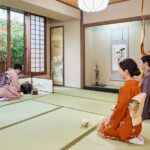


Meeting at Kaminarimon in the middle of the crowds
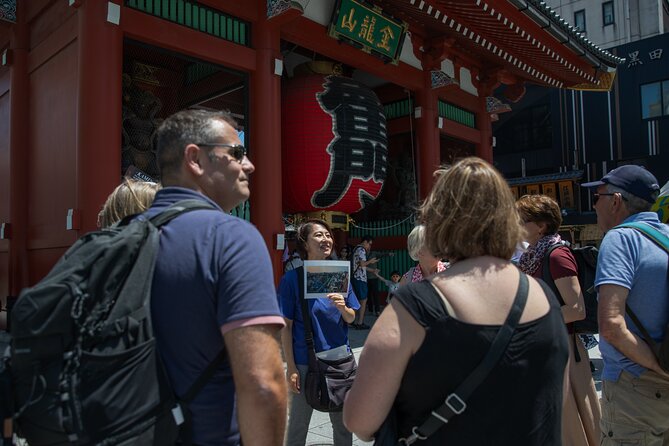
The meeting point is Tokiwado Kaminari-okoshi Honpo at 1-chome-3-2 Asakusa, near the Kaminarimon area. This is a lively part of Asakusa, and finding one person in a busy pedestrian zone can take patience. One booking made at the last minute worked out well, but the person who booked it found the meeting point a little tricky at first.
Give yourself extra time. Have the meeting details ready on your phone, and do not assume the guide will be instantly visible among the crowds. The mobile ticket is convenient, but it does not remove the need to locate the group.
The route ends at Azuma Bridge, at 2-chome-1-16 Kaminarimon. That is useful planning information. You will not finish back at the starting point, so avoid leaving luggage or making a tight appointment near Kaminarimon afterward.
The tour is listed at $20 per person. For that price, you are paying mainly for interpretation, orientation, and local advice rather than admission tickets. The major sights on the route are free to enter, so the value depends on how much you want help understanding them. If you are visiting Senso-ji for the first time, the instruction on customs alone can make the fee worthwhile.
Nakamise Shopping Street and the Kaminarimon approach
Nakamise Shopping Street leads from Kaminarimon toward Senso-ji. The ten-minute stop introduces you to one of Asakusa’s most recognizable approaches, lined with traditional stalls and shops.
This is a place where it helps to slow down. You may find snacks, small souvenirs, and traditional items here, but the bigger benefit of the guided stop is learning how the street fits into the temple approach. It is not simply a shopping lane placed in front of a famous building.
Do not expect time for a serious shopping session during the walk. Ten minutes is enough for orientation and a few quick looks, not a leisurely browse through every shop. If something catches your eye, note its location and return after the tour.
The street can be crowded, especially around the temple entrance. Stay close enough to hear the guide, and keep your camera ready for the long view toward Senso-ji. The crowd is part of the scene, but it can make this section less relaxed than the quieter parts of the walk.
Senso-ji Temple, where the tour earns its keep
Senso-ji receives about 30 minutes, the longest scheduled stop. That is sensible. This is the heart of the walk, and it deserves more than a quick photograph from outside.
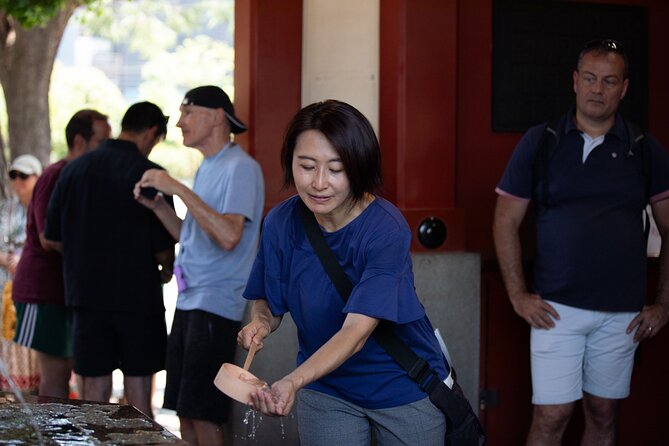
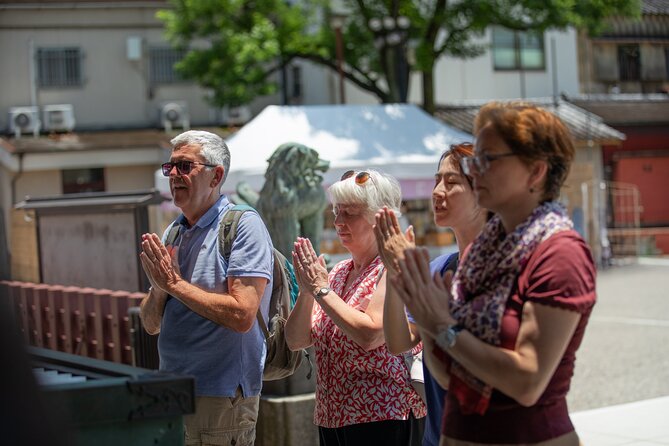
The guide explains the temple’s history, its cultural role, and its place in Asakusa’s identity. You also get help with the basic customs that can be easy to miss when you are alone. Guides have shown participants how to purify themselves, draw fortunes, and follow proper guidelines for prayer at a Buddhist temple.
That instruction is useful because the steps are simple but not always obvious. You can take part without feeling as if you are copying a crowd. The guide can also explain the difference between what happens at a Buddhist temple and what happens at a Shinto shrine, a distinction that gives the rest of a Japan trip more meaning.
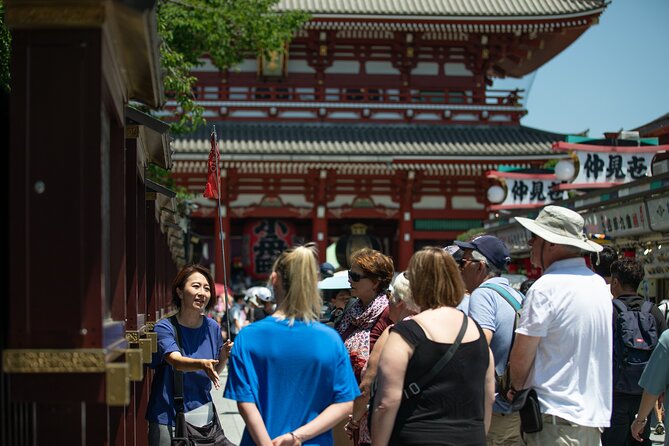
Some guides use visual material to make the history easier to follow. Glenda, for example, has used a binder with pictures connected to Senso-ji and Japanese history. Other guides praised for this route have included Aya, Polina, Keiko, Loc, Miyu, Rio, Ayaka, Hiroko, Nana, and Glenda. The assigned guide will vary, but the repeated strength is clear English, friendly presentation, and patience with questions.
A particularly useful part of the experience is the chance to reach a good viewpoint for temple photographs. The exact spot can depend on the guide and day, but the walk may help you see Senso-ji from an angle that is easy to miss while following the main crowd.
Remember that this is an active religious site, not just a backdrop. The guide’s explanation helps you behave respectfully while still enjoying the architecture, rituals, and atmosphere. Thirty minutes will give you a solid introduction, but it will not cover every corner of the temple grounds. Plan to return later if you want unhurried photographs or more time at the shops.
Asakusa Shrine and the difference between temple and shrine
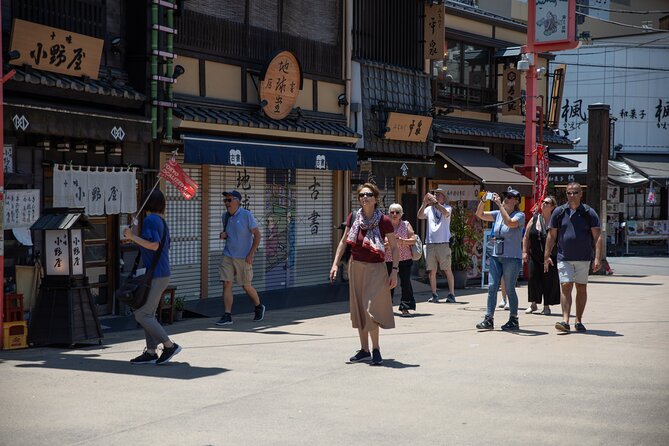
Asakusa Shrine sits beside Senso-ji and receives about 15 minutes. Its location makes it a valuable stop because you can compare Buddhist and Shinto practice within a short walk.
The shrine, also called Sanja-sama, is dedicated to the three men associated with the founding of Senso-ji. The guide explains the shrine’s role and shows you how its customs differ from those at the temple.
This short explanation can prevent a common first-visit mistake: treating every Japanese religious site as if it followed the same rules. You will have a chance to see the difference in layout and ritual, then ask questions while the details are still fresh.
Fifteen minutes is enough for an introduction, but it is not a long quiet visit. If the grounds are crowded or a ceremony is taking place, the pace may feel brisk. The value here is the comparison, not extended solitude.



Hoppy Street and the food advice you do not get from a map
Hoppy Street is scheduled for about ten minutes. The area is known for izakayas, or Japanese pubs, and for Hoppy, a non-alcoholic beer-flavored drink.
This section adds a more everyday side of Asakusa. After the formal temple grounds and shrine, you see a neighborhood associated with casual dining and evening activity. It helps explain why Asakusa is more than a cluster of historic buildings.
Food is not included, and ten minutes is not enough for a full meal. That is both a limitation and a useful arrangement. You stay on schedule, then return later with the guide’s suggestions in mind. Several guides have offered advice on local snacks, dinner, and foods worth taking home.
One person specifically wished there had been more time to sample food during the walk but found it easy to return afterward. I would treat Hoppy Street as a preview rather than a tasting stop. If you want to eat here, leave a free meal period after the tour.
Shin Nakamise and the modern side of old Tokyo
Shin Nakamise extends the shopping area with a more modern mix of boutiques and stores. The supplied schedule lists this stop without a set duration, so the time here may vary as the guide moves the group through the route.
That variation can work in your favor. The street gives you a contrast with the more traditional-looking Nakamise approach. You can see how Asakusa mixes old customs with current shopping and daily life.
It is also another place to collect practical suggestions. Guides have pointed out shopping choices and snacks, which can be especially useful if you are looking for small gifts but do not want to spend time guessing what is distinctive or easy to carry.
Do not count on a dedicated shopping break. The group still has to reach the final stop, and the main purpose is orientation. Make a note of stores or return after the walk when you can browse at your own pace.
Azuma Bridge and the Sumida River finish
The final stop is Azuma Bridge, which crosses the Sumida River and connects the Asakusa and Kuramae neighborhoods. The scheduled visit lasts about ten minutes.
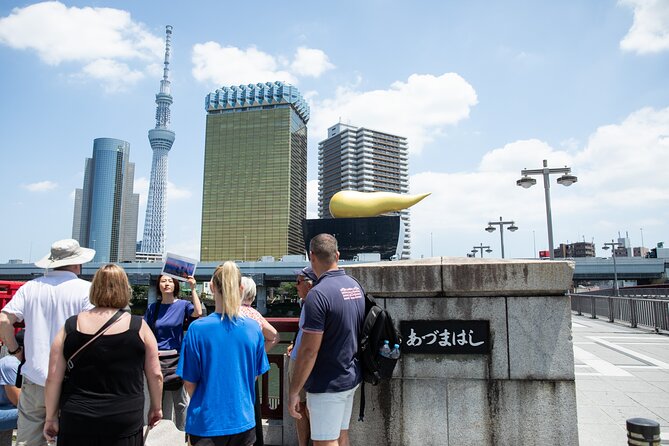
This is a good closing point because the view changes the scale of the experience. From the bridge, you can look toward Tokyo Skytree and the Asahi Beer Hall. After walking among temple gates and narrow shopping streets, the river opens the scene and gives you a different view of Tokyo.
The end point also makes the tour easy to combine with the rest of your day. You can continue along the river, return toward Asakusa, or use the surrounding transport connections. Transportation to the meeting point and from the end is not included, so plan that part yourself.
The bridge can be exposed to weather and busy with pedestrians. Still, the short stop is worthwhile for photographs and for seeing Asakusa from outside its temple district.
How the small group changes the experience
The maximum group size is 12. That is small enough for a guide to check that everyone can hear, answer questions, and keep the group together in crowded streets.
This matters most at Kaminarimon, Nakamise, and Senso-ji, where background noise and foot traffic can swallow a quiet explanation. Several guides have been praised for making sure nobody had unanswered questions, waiting patiently while people looked around, and taking photographs for participants.
Solo visitors can benefit in particular. The walk gives you a ready-made social setting without requiring a full-day commitment, and the guide can suggest where to eat or what to see next. Couples and families will also find it manageable, though anyone hoping to wander independently should understand that the group follows a set route.
The experience is in English and led by a local guide. The individual guide changes, but names associated with especially well-received tours include Aya, Polina, Keiko, Loc, Miyu, Glenda, Rio, Ayaka, Hiroko, Nana, and Mei. You cannot assume a particular person will lead your date unless the booking details say so.
Timing, comfort, and what to bring
The walk lasts approximately two hours. The listed stops add up to a little over an hour, with the rest taken by walking, explanations, pauses, and moving through the shopping streets. Some temple-focused accounts describe a shorter visit of about an hour, so check the exact timing shown for your booking if your day is tightly planned.
Wear comfortable shoes. You will be on foot throughout, and the route includes crowded streets rather than a private, controlled attraction. A small bottle of water can help, though food and drinks are personal expenses.
The experience requires good weather. If poor weather causes cancellation, you are offered another date or a full refund. You can cancel for a full refund up to 24 hours before the start time. Changes or cancellations inside that window are not accepted, and late cancellations are not refunded.
Most people can participate, and service animals are allowed. The tour is near public transportation, but getting to the starting point is your responsibility. Check the route from your hotel before leaving, since Asakusa has several stations and busy approaches.
Who should book this Asakusa walk?
I would recommend it most strongly to first-time Tokyo visitors who want help with the basics. The guide explains temple and shrine behavior, gives historical context, and helps you see the difference between a religious site and the commercial streets around it.
It also suits solo visitors, short-stay visitors, and anyone with only part of a morning or afternoon free. The route is compact, the price is modest, and you finish near the river rather than spending the whole day inside one attraction.
You may want a different format if you have already spent several days in Asakusa, prefer complete independence, or want a food tour with tastings included. This walk points you toward food and shopping but does not pay for or provide them.
I would also avoid placing a tight reservation immediately afterward. Crowds, photographs, questions, and the walk between stops can affect the pace. Leave some breathing room, especially if you want to return to Hoppy Street or Nakamise after the guided portion.
Should you book the Senso-ji and Old Tokyo Walking Tour?
Book it if you want a clear, friendly introduction to Asakusa for $20. You get a small group, an English-speaking local guide, explanations of Buddhist and Shinto customs, and a route that covers the neighborhood’s major sights without taking over your day.
The strongest reason to go is not simply seeing Senso-ji. It is learning how to approach the temple, shrine, shopping streets, and food areas with enough context to appreciate them. Arrive early for the meeting point, wear good shoes, and keep time afterward for the snacks, shopping, or dinner recommendations. That is when this short tour delivers its best value.
FAQ
How long is the Asakusa walking tour?
The tour lasts approximately two hours. The route includes walking between the listed stops, with about 30 minutes at Senso-ji Temple, 15 minutes at Asakusa Shrine, and shorter stops at Nakamise, Hoppy Street, and Azuma Bridge.
What sights are included?
The walk includes Nakamise Shopping Street near Kaminarimon, Senso-ji Temple, Asakusa Shrine, Hoppy Street, Shin Nakamise, and Azuma Bridge.
Is an English-speaking guide included?
Yes. An English-speaking local guide leads the walking tour and provides historical and cultural commentary.
How large is the group?
The group can include a maximum of 12 participants.
Are entrance tickets included?
The listed sights have free admission, and the guided walking tour is included. Food, drinks, transportation, and personal purchases are not included.
Where does the tour start?
The tour starts at Tokiwado Kaminari-okoshi Honpo, 1-chome-3-2 Asakusa, Taito City, Tokyo 111-0032, Japan.
Where does the tour finish?
The tour finishes near Azuma Bridge, at 2-chome-1-16 Kaminarimon, Taito City, Tokyo 111-0034, Japan.
Can I cancel for a full refund?
Yes. You can cancel at least 24 hours before the experience start time for a full refund. Cancellations or changes made less than 24 hours before the start time are not accepted for a refund.
What happens if the weather is poor?
The experience requires good weather. If it is canceled because of poor weather, you will be offered a different date or a full refund.
More Walking Tours in Asakusa
More Temples & Meditation in Asakusa
More Asakusa Tours in Asakusa

More tours in Asakusa we've reviewed





Asakusa Tours, compared.
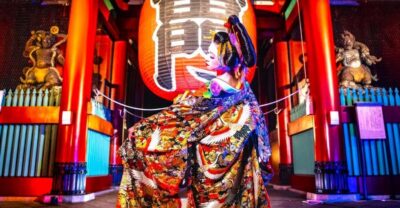 ★ 4.8Tokyo: Japanese Dance Cabaret Theater Asakusa-Kaguwa TicketFrom $492 hours
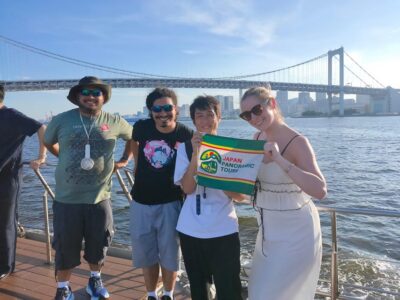 ★ 4.7Tokyo: Meiji Shrine, Asakusa, Skytree Bus Tour and CruiseFrom $12210 hours
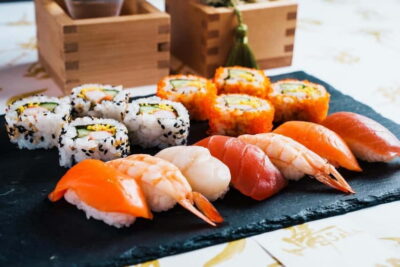 ★ 4.9Tokyo: Roll and Authentic Sushi Making Class in AsakusaFrom $581h 40m
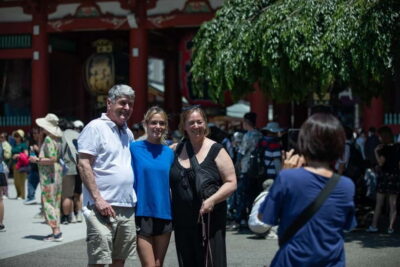 ★ 4.8Tokyo: Asakusa Walking Tour with Sensoji Temple VisitFrom $222 hours
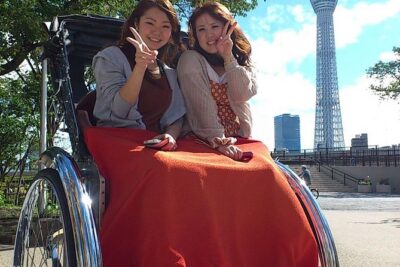 ★ 5.0Tokyo Asakusa Rickshaw TourFrom $42
 ★ 4.5Tokyo Panoramic 1 Day: Meiji Shrine, Asakusa, Odaiba and SKYTREE®From $85