Reviewed · SUMO EXPERIENCES
Sumo Practice Viewing Guided Tour and Photo with Sumo Wrestlers
Sumo is not presented here as a polished stage show. You sit quietly inside Tatsunami-beya, a working Tokyo stable where wrestlers train, eat, live, and aim for the sport’s highest rank. The close view of bodies straining through ritual exercises is the main event.
In This Article
- Key points to know before booking
- Entering Tatsunami-beya in the early morning
- Ten minutes of context before the wrestlers train
- Forty-five minutes of close-up morning practice
- Why watching practice can be more revealing than a match
- The photo, personal belongings, and question time
- Is $118.60 a fair price?
- The rules that shape your morning
- Who should book this sumo tour?
- Booking, transport, and cancellation details
- Should you book Tatsunami-beya?
- FAQ
- What time does the sumo practice tour begin?
- How long does the tour last?
- Is the yokozuna guaranteed to appear?
- Can I talk during the practice?
- Is seating provided on chairs?
- Can I cancel for a refund?
I like the genuine morning practice and the careful introduction to stable etiquette. I also like that the tour ends with a photo and a look at the wrestlers’ personal belongings, giving the quiet viewing time a more social finish. The catch is simple: talking is forbidden, and some sessions may look more like watching a hard gym workout than attending a dramatic match.
Key points to know before booking

- An active Tokyo sumo stable: Tatsunami-beya currently houses a competing yokozuna, though the top-ranked wrestler may not appear during your visit.
- Practice, not a tournament: You watch training for about 45 minutes, not a live bout with an arena crowd.
- Silence is part of the ritual: No talking, standing, flash photography, food, drinks, or casual movement inside the training hall.
- Tatami-style seating: Cushions are provided on the wooden floor, while chairs can be requested in advance.
- A personal ending: After practice, you can take a commemorative photo with the wrestlers and browse exclusive JTB Sunrise Tours merchandise.
- A morning commitment: The tour begins at 8:30 a.m. at the stable in Hashiba, about 30 minutes on foot from Asakusa.
Entering Tatsunami-beya in the early morning

The meeting point is Tatsunami-beya, at 1-chōme-16-5 Hashiba in Taito City. From Asakusa Station, the walk takes about 30 minutes. You can also use the Toei Bus East 42-Ko route or the Taito Ward Kita-Megurin loop bus.
That location matters. You are not entering a tourist museum built to explain sumo. You are visiting a functioning stable, known in Japanese as a beya, where wrestlers train every day. The setting gives the tour its value, but it also means you must fit into the stable’s rules rather than expect the stable to adapt to visitors.
Take care of practical needs before arrival. Restroom access is limited, large luggage and suitcases are not allowed, and strollers cannot come inside. Remove sunglasses and hats before entering. You will also take off your shoes, so wear something easy to remove and keep your footwear neatly placed.
A licensed English guide interpreter gives a short introduction before practice begins. This opening is important because sumo etiquette is not obvious to most first-time visitors. The guide explains how to sit, where to direct your attention, and how to avoid distracting the wrestlers.
A few more Tokyo tours and experiences worth a look
Ten minutes of context before the wrestlers train
The introductory lecture lasts about 10 minutes. Expect basic information about sumo and the conduct expected inside the stable. This is not a long classroom session, and that is probably for the best. You are there to watch practice, not to spend the morning listening to a lecture about it.
The guide’s role is especially useful because the stable is treated as a sacred training space. You may understand the general idea of being quiet, but the detailed rules matter here. Do not stretch your legs toward the ring, since showing the soles of your feet to the wrestlers is considered impolite. Do not step onto the ring or touch a wrestler unless you are given permission.
Perfume and strongly scented fabric softener are prohibited. Eating and drinking are not allowed. Keep your phone off or on silent, and do not use flash photography. You are also asked not to leave midway, so use the restroom before entry and settle in for the full viewing.
These rules may sound strict, but they protect the training session from becoming a performance for an audience. I like that the tour makes this clear from the start. You are being allowed into a private working place, and your quiet attention is part of the bargain.
Forty-five minutes of close-up morning practice

The practice viewing lasts about 45 minutes, though the timing can change. If fewer wrestlers are training, the viewing may be shorter and the tour may finish early without a refund. If practice runs longer, the tour can finish later than planned.
You sit on a wooden floor with a cushion on tatami-style flooring. This is a traditional arrangement and puts you close to the action, but it is not comfortable for everyone. If you have trouble sitting on the floor, request a chair in the booking remarks ahead of time.
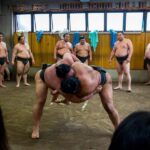
The wrestlers may work through repeated exercises, stretches, and practice movements. You see the force behind sumo at close range, without the lights, crowd, or ceremony of a Grand Sumo Tournament. The setting lets you notice the discipline and repetition that support a wrestler’s short, explosive matches.
This is the part of the tour that requires the right expectations. You are not watching a tournament bout. You are watching training, and training can be repetitive. On some mornings, only six to eight wrestlers may be exercising in front of you. If you enjoy observing athletes work through demanding drills in silence, that can feel absorbing. If you want constant action, a tournament ticket may suit you better.
The absence of conversation changes the mood. You cannot ask the guide a question as something happens, and you cannot whisper to a companion. Instead, you listen through an audio guide while watching the practice. The audio service is designed to provide explanations from the licensed English guide without breaking the stable’s silence.
The equipment and spoken English may not be perfect. One account of the tour found the audio devices and the guide’s English difficult to follow. That is worth considering if detailed commentary is the main reason you are booking. The physical sight of the practice remains the strongest part, while the explanation may work better for some people than others.
The stable is home to an active yokozuna, the highest rank in professional sumo. That is a notable feature, but it is not a guarantee. The yokozuna does not attend every practice session, so book this for access to real training rather than for a promise of seeing one particular wrestler.
Why watching practice can be more revealing than a match

A tournament shows the finished product. This visit shows the work behind it. Sumo wrestlers need immense strength, balance, timing, and control, and practice reveals how much repetition sits behind the brief clash you see in competition.
You also gain a sense of sumo as a way of life, not only a sport. The stable is where wrestlers live and train, and it has its own customs and hierarchy. The quiet, formal setting helps you understand why spectators are expected to behave differently here than in a regular sightseeing attraction.
I would pay close attention to the ordinary details. Notice how the wrestlers prepare, how they move around the ring, and how much effort goes into exercises that may look simple at first glance. Since you cannot talk, your attention naturally shifts toward movement, sound, breathing, and the rhythm of practice.
The tour’s strongest praise centers on this feeling of privilege and authenticity. The viewing is often described as a fascinating look at hard training, supported by useful narration. That is the right way to judge the visit. Its success depends less on entertainment and more on how much you value access to a place most visitors cannot enter.
The photo, personal belongings, and question time

After practice ends, the atmosphere changes. You can take a commemorative photo with the sumo wrestlers, then see personal belongings and take part in a question-and-answer corner.
This final 15-minute section is important because it gives you a chance to connect the physical training with the people doing it. The practice itself is silent and formal. The photo provides a clear keepsake, while the question period lets the visit become more personal.
Do not assume that the photo means unlimited contact. Touching wrestlers without permission is forbidden, and you should continue to follow the staff’s directions. The goal is a respectful photograph, not a free-for-all around the ring.
Exclusive JTB Sunrise Tours merchandise is included as part of the package. The items are a small bonus rather than a reason to book, but they add something tangible beyond the photograph. Food and drinks are not included, and you should not bring them into the stable.
Other guided tours in Tokyo



Is $118.60 a fair price?

At $118.60 per person, this is not a bargain activity. I would judge the price against access, not duration. You receive a licensed English guide, audio commentary, entry to a working sumo stable, practice viewing, a photo with wrestlers, and original merchandise.
The visit lasts about 1 hour 20 minutes to 2 hours, depending on the practice schedule. That is a reasonable length for a quiet morning activity, but the shorter end of that range makes the cost feel high if practice is brief. There is no refund when the viewing ends early because fewer wrestlers are training.
The price makes the most sense if you place a high value on authentic access. A standard sumo tournament offers more spectacle, but it does not necessarily take you inside the daily training world of a stable. This tour gives you a controlled, guided look at that side of the sport.
I would skip it if you are mainly seeking a lively cultural show, a chance to speak freely with athletes, or guaranteed access to a yokozuna. I would consider it good value if you are fascinated by sumo and want to see the discipline before the public contest.
The rules that shape your morning

The etiquette is not a minor footnote. It determines the entire visit, so read it before booking.
You must remain quiet during practice. Even whispering and talking are strictly prohibited. Do not stand up, move around, use flash photography, eat, drink, or leave halfway through. Keep your phone silent or switched off.
You must remove your shoes, hats, and sunglasses inside. Do not wear strong perfume or heavily scented fabric softener. Do not point your feet toward the ring, step onto the ring, or touch a wrestler without permission.
These restrictions can feel formal, but they are reasonable in a place where athletes are concentrating and working hard. I would explain the rules to children before arrival and make sure everyone in your group can sit still for the viewing.
Children under four cannot join. Anyone under 18 needs written parental permission. Participants under 15, or those not yet enrolled in middle school, must be accompanied by a parent or guardian.
The tour accepts a maximum of 45 people. That is a fairly large possible group for a small training space. Your actual sense of closeness may depend on how many people attend and where you are seated, so do not assume a private viewing.
Who should book this sumo tour?

I would recommend it most strongly to you if you have a real interest in Japanese sport, ritual, or daily discipline. It also suits photographers who can put the camera away during practice and appreciate a respectful photo afterward.
You do not need to be an expert on sumo. The introduction and audio guide provide enough background to help you follow what is happening. Still, curiosity matters. The tour rewards you for noticing small details rather than waiting for a big event every few minutes.
This is also a good choice if you have already seen a tournament and want another side of sumo. The stable visit shows the training culture behind the public matches. On the other hand, if this is your only sumo activity and you want bouts, crowd noise, and formal competition, choose a tournament instead or pair this visit with one.
I would be cautious about booking if you dislike floor seating, cannot remain still, need frequent restroom access, or find strict silence uncomfortable. A chair can be arranged for people who have difficulty sitting on the floor, but the stable’s other rules still apply.
The tour has a current rating of 4.8 from 28 ratings, with 96 percent recommending it. That matches the basic split in the experience: the close viewing and genuine training are highly appealing, while the quiet format and limited action can disappoint people expecting a show.
Booking, transport, and cancellation details
The activity begins at 8:30 a.m. and ends back at the meeting point. Since the entrance is about a 30-minute walk from Asakusa Station, allow extra time for the route, especially if you plan to use a bus.
A mobile ticket is provided. Confirmation arrives within 48 hours of booking, subject to availability. Free cancellation is available if you cancel at least 24 hours before the local start time. Cancellations or changes made inside that window are not refunded or accepted.
The tour is near public transportation, and most people can participate. It is not suitable for large bags, strollers, or children aged three and under. Request a chair in advance if needed, rather than waiting until you arrive.
Should you book Tatsunami-beya?
Book this tour if you want a respectful look at real sumo training and understand that the quiet practice is the main attraction. The photo, guide, audio service, and merchandise add value, but they do not change the basic nature of the visit.
Skip it if you expect a performance packed with bouts and conversation. For the right audience, this is a rare chance to see the daily work behind professional sumo. For everyone else, 45 minutes of silent exercise may feel longer than expected.
FAQ
What time does the sumo practice tour begin?
The tour begins at 8:30 a.m. at Tatsunami-beya Sumo Stable in Hashiba, Taito City, Tokyo.
How long does the tour last?
The estimated duration is 1 hour 20 minutes to 2 hours. Practice viewing is scheduled for about 45 minutes, but the length can change depending on how many wrestlers are training.
Is the yokozuna guaranteed to appear?
No. Tatsunami-beya is home to an active yokozuna, but the yokozuna does not attend every practice session.
Can I talk during the practice?
No. Talking and whispering are strictly prohibited while practice is underway. An audio guide provides explanations during the silent viewing.
Is seating provided on chairs?
Cushions are provided on the wooden floor with tatami-style flooring. Chairs are available for people who have difficulty sitting on the floor, but you should request one in the booking remarks in advance.
Can I cancel for a refund?
Yes, if you cancel at least 24 hours before the experience start time. Cancellations made less than 24 hours in advance are not refunded, and late changes are not accepted.
More Guided Tours in Tokyo
More Sumo Experiences in Tokyo

More tours in Tokyo we've reviewed












Sumo Experiences, compared.
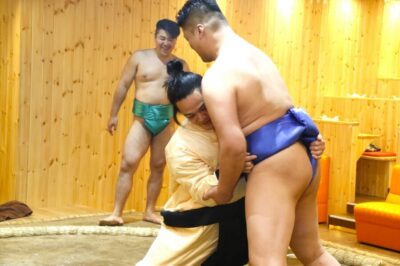 ★ 4.8Tokyo: Sumo Show Experience with Chicken Hot Pot and a PhotoFrom $1032 hours
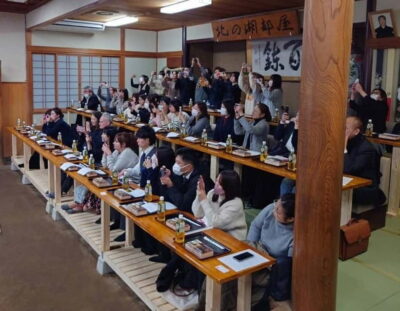 ★ 4.8Tokyo: Sumo Show and Dining ExperienceFrom $7990 minutes - 2 hours
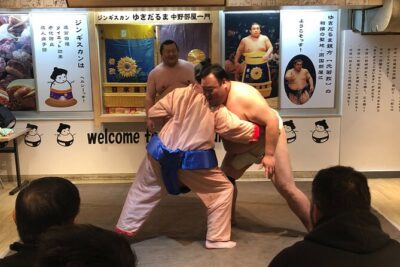 ★ 5.0the SUMO showFrom $89
 ★ 5.0Tokyo Sumo Entertainment Show with Chicken Hot Pot and PhotoFrom $106
 ★ 4.6Tokyo: Sumo Tournament Tour with Chair Seat TicketsFrom $141
 ★ 5.0Tokyo Grand Sumo Tournament Viewing Tour with TicketsFrom $124