Reviewed · WALKING TOURS
Explore Tokyo Your Way: Private Customizable Walking Tour
Tokyo makes more sense when someone shows you how its subway and train system fits together. This private walking tour lets you build a day around your own list, then adjust it as you go. You might visit Meiji Shrine, Harajuku, Shibuya, Sensoji Temple, markets, parks, or shopping streets, with a local guide handling the route.
In This Article
- Key points to know before you book
- A private first day in Tokyo
- How the Tokyo route can work
- Meiji Jingu and Yoyogi Park
- Harajuku and Takeshita Street
- Shibuya and the Hachiko area
- Sensoji and traditional Tokyo
- Tokyo Skytree and Akihabara
- The subway is more than a transfer
- The guides make or break the day
- What is included, and what is not
- Who should book this experience
- Practical planning for your day
- Should you book Explore Tokyo Your Way?
- FAQ
- How long does the private Tokyo tour last?
- Is this a private tour?
- Can the tour be customized?
- Is public transportation included?
- Are meals and admission fees included?
- Can I cancel for a full refund?
I like the one-to-one attention and the practical help. Guides such as Kwan, John, Sonam, Gulnoz, Bruna, and June have helped people find elevators, recharge Suica cards, choose restaurants, and get through stations without guesswork. I also like the freedom to pause for ramen, sushi, ice cream, arcades, or small shops.
The catch is simple: this is a walking and public-transport day, not a chauffeured sightseeing tour. Five hours can mean 11,000 steps, and one guest reported more than 30,000. A few guests also wanted more cultural explanation, so tell your guide clearly if history and religious customs matter as much to you as seeing the sights.
Key points to know before you book

- Your wish list shapes the route: Ask for shrines, markets, shopping, food, parks, pop culture, or major city districts.
- The subway lesson is part of the value: Guides can help you handle Tokyo’s large stations, trains, buses, and Suica cards.
- Popular stops fit into one day: Past routes have included Meiji Jingu, Takeshita Street, Shibuya, Sensoji Temple, Tokyo Skytree, Yoyogi Park, and Akihabara.
- Food is flexible but not included: Your guide can help find ramen, conveyor-belt sushi, matcha drinks, or other places, but you pay separately.
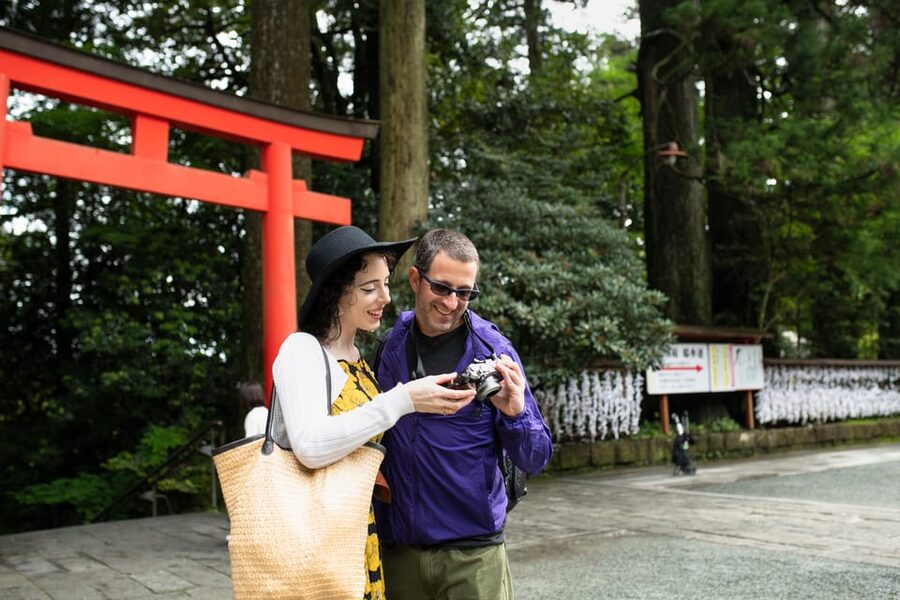
- Expect a private outing: Only your group participates, with personal attention and help taking photos.
- Plan for plenty of walking: Public transportation saves road time, but stations and neighborhood streets add up quickly.
A private first day in Tokyo

Tokyo is not hard because the sights are hidden. It is hard because the city is huge, the rail network is layered, and each district has its own feel. A private guide gives you a human map for the day.
The tour is built for roughly two to six hours, with the main itinerary described as about five or six hours. That range matters. A short outing can work for a layover or a gentle introduction, while a longer booking gives you time to connect several neighborhoods.
Your guide meets you at a central location, and pickup is offered. Past arrangements have included meeting at a hotel and at a cruise port. Public transportation is included, while private transportation, meals, admission fees, and taxes are not.
The current listed price is $44.78 per person, with group discounts offered. At that rate, the tour can be good value for a first day, especially if you are uneasy about Tokyo’s rail system or want to see several districts without spending your own time planning every transfer. The value depends on your group size and what you do during the day. A private tour costs more than joining a large group, but you are not following a fixed script or waiting for strangers.
One point deserves care: an older booking described a much higher per-person charge. Since prices and arrangements can vary, check the amount shown for your dates before paying and confirm the planned length of the outing.
Other walking tours we've reviewed in Tokyo

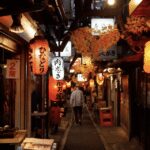

How the Tokyo route can work
There is no single fixed sightseeing path here. The guide shapes the day around what you want to see, so the most useful way to understand the experience is to look at the areas that have appeared in successful routes.
Meiji Jingu and Yoyogi Park
Meiji Jingu gives you an early look at Tokyo’s Shinto tradition and offers a calmer start than the major crossings and shopping streets. Nearby Yoyogi Park adds open space to the day.
If you want cultural background, say so at the start. One weak experience came from a guest who felt the guide offered too little explanation of Shinto and Buddhist customs. The tour works best when you make your interests plain instead of assuming every guide will give a detailed religious lesson without being asked.
Harajuku and Takeshita Street
Takeshita Street is a useful contrast to the shrine grounds. Here, the emphasis shifts to youth fashion, snacks, shopping, and the playful side of Tokyo. Guides have also helped people stop at small souvenir shops and arcades when those caught their attention.
This is where customization earns its keep. You can move quickly through the retail area, linger over food, or use the time to reach another district. If shopping is not your priority, tell the guide before the day begins so you do not spend too much of your limited time among stores.
Shibuya and the Hachiko area
Shibuya is one of the easiest places to understand with a guide beside you. The famous crossing, Hachiko, nearby streets, and large rail station offer a compact lesson in Tokyo’s scale and energy.
A guide can also point out bars, restaurants, and places connected to local life. One route combined Shibuya and Harajuku with a stop for pork loin and a matcha latte. Another included a conveyor-belt sushi meal at Kura, where the table lottery adds a small bit of fun.
Food stops are not part of the price, but the guide can help you choose and order. That is useful when you want something specific or have a last-minute request. Keep in mind that time spent eating comes out of the tour clock unless your arrangement says otherwise.
Other private tours in Tokyo
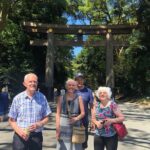


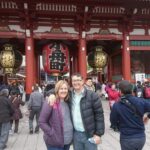
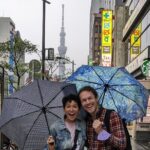
Sensoji and traditional Tokyo
Sensoji Temple offers a very different mood from Shibuya and Harajuku. It is one of the major religious and historic stops used on these custom routes, and it can anchor a day that otherwise leans heavily toward shopping and modern city life.
I would put this request near the top of your list if you want more context about Tokyo’s traditions. Ask your guide to explain what you are seeing, how the site is used, and how Shinto and Buddhist practices differ. The quality of your visit will depend partly on how much explanation your assigned guide can provide.
Tokyo Skytree and Akihabara
Tokyo Skytree has appeared in a route alongside Meiji Jingu, Takeshita Street, Shibuya, and Sensoji. Akihabara has also been used as a final drop-off point for shopping.
These stops show how much variety a custom day can hold. You can move from a shrine to a fashionable shopping street, then to a major temple or electronics district. You will not get a long visit at every location in a five-hour outing, so decide if you prefer a broad introduction or fewer stops with more time at each one.
The subway is more than a transfer
For many first-time visitors, the best part of the day is not a landmark. It is learning how to move around Tokyo.
The guides have helped people use the metro, subway, buses, and trains. June began at a hotel, walked with her guest to a station, and taught the route from there. Kwan helped a guest recharge a Suica card. John assisted with trains, buses, and subway connections. These small tasks can save a surprising amount of stress.
Tokyo stations involve long walks, multiple exits, and plenty of signs. A guide can show you the practical habits you will use for the rest of your stay. That makes this tour especially useful on your first full day, when you can turn the lesson into independent sightseeing afterward.
Do not confuse public transport with an easy day on the feet. One five-hour outing covered about 11,000 steps, including walking through stations and between stops. Another guest recorded more than 30,000 steps, though that figure was an outlier. Wear shoes you trust, and be honest about your pace.
The tour can be adjusted for older visitors. One guide found elevators for a senior couple and kept the pace manageable. Still, the itinerary may involve standing, stairs, platforms, and long station corridors. Most people can participate, but you should discuss mobility needs when arranging the route.
The guides make or break the day

The experience has featured guides including Gulnoz, Bruna, John, Sonam, Kwan, June, Maika, Takanari, Noah, and Samir. Several received strong praise for adapting the route, communicating before the start, and helping with local decisions.
Gulnoz has been praised for explaining Japanese history and culture, while also staying patient when a guest stopped at arcades and souvenir shops. Bruna has arranged routes for cruise-port pickups and short layovers. Sonam has built wish-list itineraries and added food suggestions. John has been described as friendly, flexible, and helpful with rail navigation.
June sent recommendations ahead of time, adjusted the plan during the day, and left a solo guest with ideas for the rest of the stay. Maika combined Kabukicho, Shibuya, and local food, while Takanari provided company and route help for a solo visitor.
The less successful experiences point to two useful safeguards. First, ask about your guide’s background if religious history or detailed cultural interpretation is important to you. One guest felt the guide lacked sufficient knowledge of Shinto and Buddhist traditions. Second, confirm the meeting and finishing times. One guest reported that the guide arrived an hour early and then expected to finish an hour early.
Communication before the tour helps. Send a short list of your top three priorities, your walking limit, and any food interests. WhatsApp has been used for advance contact, and this early exchange can prevent a generic day.
What is included, and what is not

The price includes pickup and public transportation. The outing is private, so your group does not share the guide with other participants. Your guide can also take photos, which is handy for solo visitors or couples who want more than quick snapshots.
Food is extra. So are all fees and taxes, as well as private transportation. Admission for the described Tokyo sightseeing itinerary is listed as free, but special paid attractions would need to be handled separately if you add them.
The guide’s value is mainly in time saved and decisions simplified. You are paying for route planning, local company, transport help, and the ability to shift the day as your interests change. If you are already comfortable with Tokyo’s trains and have a carefully timed list, you may prefer to explore alone. If the rail map feels daunting, the private format can justify the cost.
Who should book this experience

I would recommend it most strongly for first-time visitors, solo visitors, couples, families, and older people who want a flexible pace. It also suits anyone with only a few hours in Tokyo, including a layover or a cruise-port stop.
It is a good match for you if you want to combine major sights with food, shopping, parks, and neighborhood wandering. It is also useful if you want to learn the rail system early and use the rest of your trip with more confidence.
You may want another type of tour if you need a fixed, deeply researched lecture on Japanese religion, architecture, or political history. The guides can provide useful background, but the experience is designed first as a flexible city introduction. It is also a poor fit if you dislike walking or want a private car between every stop.
The 95 percent recommendation rate and 4.8 rating from 56 reviews point to a strong overall experience, but the range of feedback matters more than the headline number. The best days involved clear communication, flexible guides, and realistic expectations about walking. The weaker days involved timing confusion or too little cultural explanation.
Practical planning for your day

Before booking, choose the length that fits your energy. Two hours can introduce one district. Five or six hours can connect several parts of Tokyo, but you will cover ground at a brisk pace.
Give your guide a short priority list rather than naming every attraction in the city. A route built around Meiji Jingu, Harajuku, Shibuya, and one traditional site will feel more manageable than trying to add every major district.
Ask for a meeting point that suits your arrival. Central pickup is offered, and past guests have met guides at hotels and the cruise port. Confirm the start and end time, especially if you have a train, flight, dinner booking, or ship departure afterward.
Bring payment for food and any extra costs. The guide can recommend ramen, sushi, desserts, or drinks, but those purchases are not included. If you want photos, simply ask. Taking pictures is part of the guide’s service.
Cancellation is free up to 24 hours before the start time for a full refund. Changes or cancellations made less than 24 hours before the start are not refunded, and the cutoff follows Tokyo local time.
Should you book Explore Tokyo Your Way?

Book it if you want a personal first look at Tokyo rather than a fixed checklist. The strongest reason to choose this tour is the combination of a private guide and public transport. You can see major districts, learn how to get around, and adjust the day to suit your interests.
Set your expectations carefully. You will walk a lot, pay separately for food and extras, and receive a guide whose strengths may lean more toward route help and local recommendations than formal cultural teaching. Send your priorities in advance and ask for more historical detail if that is important.
At the listed $44.78 per person, this is a sensible choice for a first day, a short stop in Tokyo, or anyone who would rather spend money than lose time to wrong turns. If you want a relaxed car tour or a specialist lecture, choose something else. If you want Tokyo to feel less confusing by the end of your first outing, this private format makes a strong case.
FAQ
How long does the private Tokyo tour last?
The experience can last approximately two to six hours. The main customized itinerary is described as about five or six hours, so confirm the exact duration when booking.
Is this a private tour?
Yes. Only your group participates in the activity, and the guide provides personalized attention.
Can the tour be customized?
Yes. The guide can shape the route around cultural, historic, culinary, natural, shopping, and sightseeing interests. Past routes have included Meiji Jingu, Shibuya, Harajuku, Sensoji Temple, Tokyo Skytree, Yoyogi Park, Akihabara, markets, and food stops.
Is public transportation included?
Yes. Public transportation is included. Private transportation is not included.
Are meals and admission fees included?
No. Food, all fees and taxes, and private transportation are excluded. Admission for the described itinerary is listed as free.
Can I cancel for a full refund?
You can cancel at least 24 hours before the experience start time for a full refund. Cancellations or changes made less than 24 hours before the start are not accepted for a refund.
More Private Tours in Tokyo
More Walking Tours in Tokyo

More tours in Tokyo we've reviewed












Walking Tours, compared.
 ★ 5.0Tokyo Tsukiji Fish Market Food and Culture Walking TourFrom $99
 ★ 4.9Tokyo: Shinjuku Local Bar and Izakaya Guided Walking TourFrom $343 hours
 ★ 5.0Tokyo: Tsukiji Fish Market Food and Walking tourFrom $30
 ★ 4.8Tokyo: Asakusa Walking Tour with Sensoji Temple VisitFrom $222 hours
 ★ 4.9Tokyo: Tsukiji Fish Market Guided Walking TourFrom $222 hours
 ★ 4.7Tokyo Castle & Imperial PalaceーShogun Walking TourFrom $232 hours