Reviewed · TEMPLES & MEDITATION
Japanese Home Cooking Class & Walk in Todoroki Temple Tokyo
The best part of this experience is the change of pace: you leave Todoroki Station, pass a quiet temple and ravine, then cook lunch in Tomoko’s home. This is not a restaurant demonstration. You chop, shape, stir, and eat the results at her table. The group is capped at four, so the class feels personal rather than staged.
In This Article
- Key points at a glance
- From Todoroki Station to a quieter side of Tokyo
- Entering Casa de Tomokita for a hands-on lesson
- Choosing ramen, okonomiyaki, gyoza, or another main
- What the cooking lesson actually teaches you
- Lunch, drinks, and a taste of everyday hospitality
- How the timing works from 11 a.m. to early afternoon
- Is the $110.99 price good value?
- Who will enjoy this class most
- My final call on Casa de Tomokita
- FAQ
- Where does the Japanese home cooking class begin?
- Where does the activity end?
- How long does the experience last?
- What days and times is it offered?
- How many people can join?
- Is the class suitable for beginners?
- Which Japanese dishes can I learn to make?
- Can the menu accommodate dietary needs?
- What is included in the price?
I especially like the custom menus and the gentle walk through Todoroki Valley. You can choose a main dish in advance, and Tomoko has adjusted menus for pescatarians, vegetarians, vegans, and food allergies. The recipes go home with you, which turns a good meal into a useful souvenir. The main consideration is timing: the advertised duration is about two and a half hours, while the class details also describe a two-hour cooking session and, in one place, a three-hour class. Plan your late morning and early afternoon around the longer possibility.
Key points at a glance
- Meet Tomoko at Todoroki Station: The meeting point is easy to locate at this small station in Setagaya.
- Visit Todoroki Fudoson and Todoroki Valley: A short temple stop and ravine walk add local character before lunch.
- Choose your main dish ahead of time: Options include ramen, okonomiyaki, sushi rolls, gyoza, curry rice, and other Japanese dishes.
- Cook in a real home kitchen: Tomoko teaches in her own home, with a maximum of four participants.
- Recipes and drinks are included: You receive recipes and enjoy food, bottled water, hot drinks, and alcoholic beverages.
- Best for flexible eaters and curious cooks: Tomoko can adapt menus, but you should explain dietary needs before booking.
From Todoroki Station to a quieter side of Tokyo
Todoroki is in Setagaya, away from the familiar central Tokyo circuit. You meet at Todoroki Station at 11 a.m. from Monday through Friday, then begin with a short local walk. The station meeting point matters because Tokyo stations can be confusing, but this one is described as small and straightforward to find.
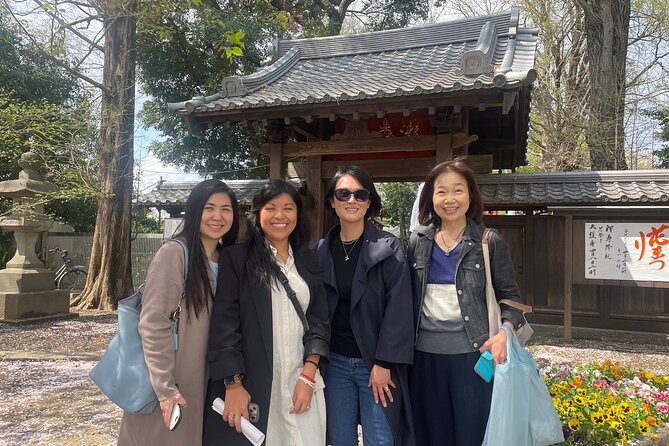
The first stop is Todoroki Fudoson, a local temple beside the valley. You have about 10 minutes there, with no admission charge. That is enough time for a look around and a brief introduction, not a full temple tour. If you want an in-depth guide to Buddhist art or temple architecture, this class is not the right choice. Here, the temple works as a calm opening to the cooking experience.
Next comes Todoroki Valley, one of the more unusual pockets of nature in Tokyo. The planned valley stop is short, about five minutes, but the walk toward Tomoko’s home adds more time along the way. Several menus describe the route as peaceful and refreshing, especially after the noise and crowds of central Tokyo.
You should keep your expectations sensible. This is not a long hiking tour, and the listed sightseeing stops are brief. The value lies in the combination: a local neighborhood, a ravine, a temple, and a home meal, all connected in one small outing.
Other cooking classes in Tokyo
Entering Casa de Tomokita for a hands-on lesson
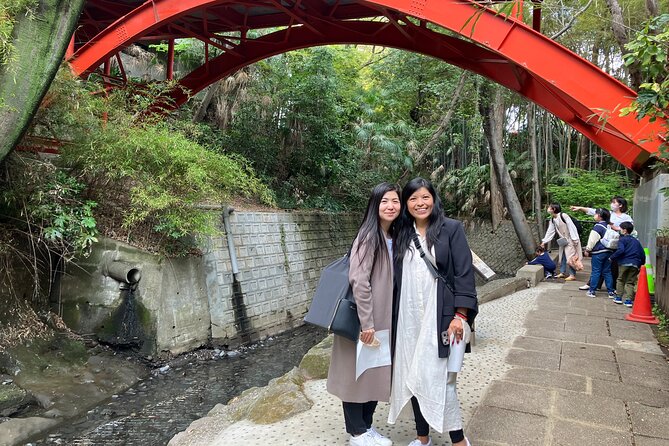
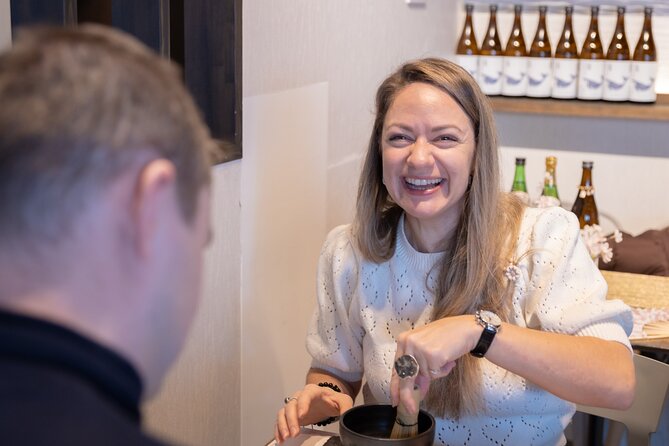
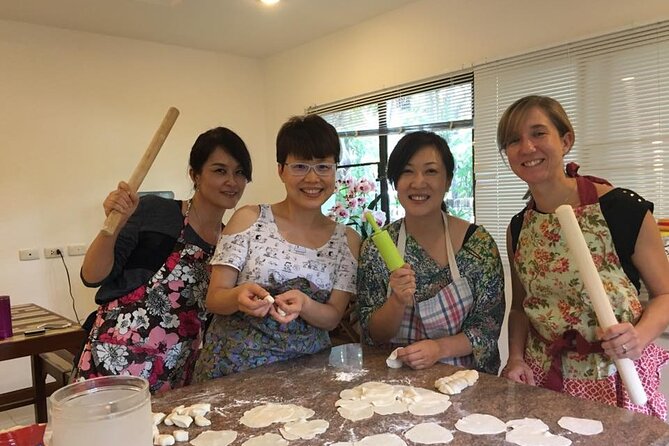
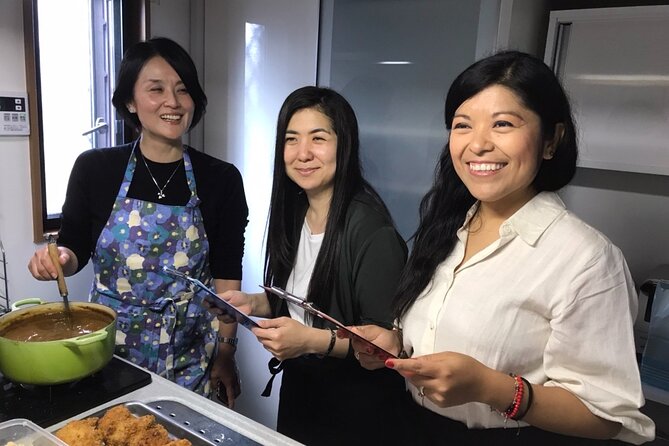
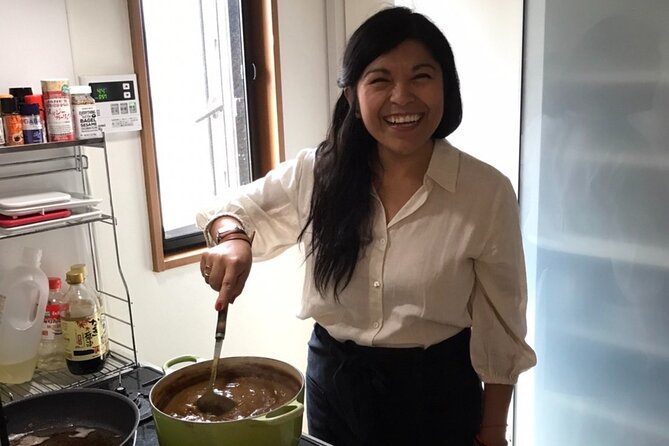
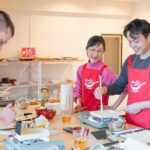
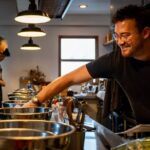
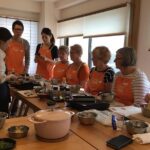
Tomoko’s home is about a five-minute walk from the valley. The cooking takes place at Casa de Tomokita, her private home, rather than in a commercial teaching kitchen. That changes the mood immediately. You are not simply watching a chef work behind a counter. You sit at a dining table, ask questions about Japanese food and daily life, and take part in preparing the meal.
The class welcomes beginners, and that is important. Japanese cooking can look simple on a menu while hiding small techniques that are hard to guess at home. Tomoko explains why ingredients are used in particular ways and gives clear instructions in English. She also speaks Spanish, according to the experience details shared by participants.
The small maximum of four people is one of the strongest practical features. You have a better chance to get direct help with folding gyoza, handling batter, preparing noodles, or balancing flavors. A larger class might offer more social energy, but this format is better for questions and individual adjustments.
Tomoko sometimes works with another host, Junko. One account describes both women meeting the group at Todoroki Station. The primary host is Tomoko, and her role covers the walk, menu planning, instruction, and meal.
Choosing ramen, okonomiyaki, gyoza, or another main
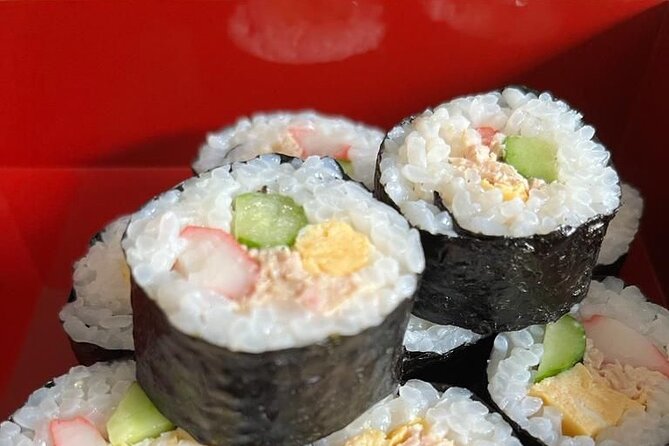
You choose your main dish in advance so the ingredients can be prepared. Listed possibilities include okonomiyaki, ramen, sushi rolls, gyoza, takoyaki, curry rice, oyakodon, fried rice, yakisoba, and kakiage tempura. The precise menu depends on your request and the arrangement made before the class.
That advance choice is more useful than it may sound. A general food tour gives you a taste of several dishes, but it rarely teaches you enough to repeat them. Here, you can focus on a dish you already love or select something you would not know how to make alone.
Okonomiyaki is a good example. It looks casual, but the texture depends on how the mixture is handled and cooked. Ramen can also involve several parts, including the soup, noodles, and toppings. Gyoza gives you a clear hands-on task, since shaping the dumplings is part of the fun.
The meal often includes more than the chosen main. Menus described in the experience include side dishes, salad, yakisoba, soup, and dessert. One class included matcha ice cream with fruit and seasonal toppings. Another featured homemade plum wine. These extras are prepared as part of the meal, so you should arrive hungry.
Because the listing gives several possible dishes rather than one fixed menu, you should contact Tomoko early with your choice. This is especially important for allergies, vegetarian or vegan meals, and pescatarian requests. The experience has accommodated these needs, but the ingredients must be planned in advance.
What the cooking lesson actually teaches you
The class is practical rather than academic. You work with ingredients, follow Tomoko’s directions, and eat what you make. You may not prepare every single component from start to finish, since some items can be prepared ahead to keep the class moving. That is normal for a short home cooking lesson.
The strongest teaching point is the explanation behind each step. You learn not only what to do, but why a particular method matters. That gives you a better chance of repeating the dish after returning home.
Recipes are provided in English. Several menus also include recipes for the side dishes and sauces, not only the main course. That is a real advantage. A recipe for ramen alone is useful, but a complete set that includes gyoza, salad dressing, soup, or dessert gives you a small Japanese meal plan to use later.
The atmosphere is social without requiring expert cooking skills. Solo participants are welcome, and the maximum group size means you will not disappear into a crowd. Couples, families, and friends can cook together, while a solo visitor can still have a comfortable shared meal.
You should not book this expecting a strict professional kitchen lesson with a certificate or a long technical syllabus. The experience is closer to spending time with a generous local cook who has organized a meal around your interests. That is its strength, but it also means the exact pace and amount of hands-on work can vary.
Lunch, drinks, and a taste of everyday hospitality
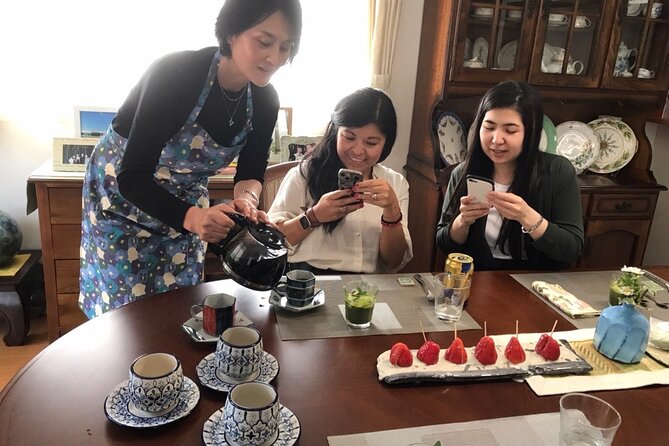
After the cooking, you sit down and eat the meal together. Included drinks are bottled water, hot drinks, and alcoholic beverages. Past menus have included wine, homemade plum wine, mint tea, apple juice, and matcha-based dessert items.
The alcoholic drinks are worth noting for practical reasons. They are included, but you should tell Tomoko if you do not drink. The provided information does not specify a separate nonalcoholic menu, so make your preference clear when arranging the class.
The food is served in a home setting, which gives the meal a different feel from a standard restaurant visit. You can ask about ingredients, cooking habits, or Japanese life while eating. This informal conversation is a major part of the experience, especially for a solo visitor or anyone interested in more than a quick food sample.
Some meals include several side dishes, and the portions can be generous. The repeated advice to come hungry is sensible. You may begin with a chosen main, then find yourself facing salad, soup, side dishes, fried food, and dessert.
The host has also helped participants find Japanese pantry ingredients after class, including a visit to a grocery store or sake shop. This is not listed as a guaranteed part of every departure, so treat it as a possible extra rather than a promised stop. Still, if you want to recreate the meal at home, ask Tomoko where to find ingredients that are difficult to source in your country.
A few more Tokyo tours and experiences worth a look


How the timing works from 11 a.m. to early afternoon
The normal operating schedule is Monday through Friday, 11 a.m. to 2 p.m. The experience is listed at about two hours and 30 minutes. The itinerary gives roughly 10 minutes at the temple, five minutes at the valley viewpoint, and two hours for cooking. Elsewhere, the class is described as three hours.
These figures do not line up perfectly, so I would keep the rest of the day flexible. A cooking class can run longer when you are learning a new technique, asking questions, or enjoying a full meal. Do not book a tight train connection or an important appointment immediately afterward.
The walk is short enough to serve as a pleasant transition rather than a workout. Still, wear shoes you are comfortable walking in, since you will move from the station through the temple and valley before reaching the home.
The activity ends back at the meeting point. The stated end location is Todoroki Station, so you can continue exploring Setagaya or return toward central Tokyo after the class.
Is the $110.99 price good value?
At $110.99 per person, this costs more than buying lunch at a ramen shop or joining a basic market tasting. You are paying for several things at once: a small-group class, the host’s preparation, a local walk, a full meal, drinks, recipes, and the chance to request a dish or dietary adjustment.
The maximum of four makes the price easier to justify. You are receiving more individual attention than you would in a large cooking school, and the recipes give the experience value after your trip. If you cook the dishes at home, the class continues to pay off.
The value is also strongest if you care about personal contact. Someone who only wants to eat famous Tokyo food can spend less at restaurants. Someone who wants to understand how Japanese meals come together, talk with a local host, and leave with repeatable recipes is getting a broader experience.
The booking pattern is another practical clue. This class is booked, on average, 44 days ahead. That does not guarantee every date sells out, but it suggests you should not wait until the last week, especially if you need a particular menu or weekday during a busy trip.
Free cancellation is available until 24 hours before the start time. Changes or cancellations inside that window are not accepted for a refund. The cut-off follows Tokyo local time.
Who will enjoy this class most
I would recommend it to a first-time visitor who wants a break from major sights, a solo visitor looking for a friendly small group, or a couple who prefers a meal with conversation rather than another restaurant reservation.
It is also a good match for home cooks. You do not need advanced skills, but you should enjoy participating. If you want to stand back and watch someone else prepare everything, a demonstration class may suit you better.
Families can benefit from the flexible format, and the class has provided an inclusive experience for an adult child with an intellectual impairment. That does not establish specific accessibility arrangements, so explain any needs before booking.
The class can work well for dietary restrictions because the menu has been adjusted for pescatarian, vegetarian, vegan, and allergy-related requests. Do not assume every substitution is possible on the day. Tell Tomoko in advance and wait for confirmation.
You may enjoy it less if your schedule allows only weekends, since the stated hours are Monday through Friday. You may also want another activity if your main goal is a long temple visit or an extended nature walk.
My final call on Casa de Tomokita
I would book this if you want a personal food lesson with a real local host, not just a polished tourist performance. Tomoko’s home, the small group, the adaptable menus, and the recipes make this more useful than a meal alone.
Book early, choose your main before arrival, and state all dietary needs clearly. Leave the afternoon open, arrive ready to cook and eat, and expect the temple and valley portion to be a short but pleasant introduction rather than the main event.
Skip it if you need a weekend activity, dislike home-based experiences, or want a fixed menu and tightly timed class. For everyone else, this is a thoughtful way to see a quieter corner of Tokyo and learn dishes you can make long after the trip.
FAQ
Where does the Japanese home cooking class begin?
The meeting point is Todoroki Station, at 3 Chome-1 Todoroki, Setagaya City, Tokyo 158-0082, Japan.
Where does the activity end?
The activity ends back at the Todoroki Station meeting point.
How long does the experience last?
It is listed as approximately two hours and 30 minutes. The itinerary describes about 10 minutes at Todoroki Fudoson, five minutes at Todoroki Valley, and two hours of cooking. Another description refers to a three-hour class, so allow extra time.
What days and times is it offered?
The stated operating hours are Monday through Friday, from 11 a.m. to 2 p.m., for the period from May 1, 2023, through February 4, 2027.
How many people can join?
The maximum group size is four travelers.
Is the class suitable for beginners?
Yes. The experience is designed for all skill levels, including beginners.
Which Japanese dishes can I learn to make?
Possible dishes include okonomiyaki, ramen, sushi rolls, gyoza, takoyaki, curry rice, oyakodon, fried rice, yakisoba, and kakiage tempura. You choose the main dish in advance.
Can the menu accommodate dietary needs?
The menu has been adjusted for pescatarian, vegetarian, vegan, and food allergy needs. Contact Tomoko before the class so the ingredients can be arranged.
What is included in the price?
The price includes the cooking class, food, bottled water, hot drinks, alcoholic beverages, and recipes. Mobile ticketing is available, and confirmation is received when you book.
More Walking Tours in Tokyo

More Temples & Meditation in Tokyo
More Cooking Classes in Tokyo
More tours in Tokyo we've reviewed
Temples & Meditation, compared.
 ★ 4.7Tokyo: Meiji Shrine, Asakusa, Skytree Bus Tour and CruiseFrom $12210 hours
 ★ 4.8Tokyo: Asakusa Walking Tour with Sensoji Temple VisitFrom $222 hours
 ★ 4.5Tokyo: Kamakura & Enoshima Day Trip including Temple TicketsFrom $589 hours - 570 minutes
 ★ 4.5Tokyo: Nikko Toshogu Shrine and Kegon Waterfall TourFrom $8410h 30m
 ★ 4.5Tokyo Panoramic 1 Day: Meiji Shrine, Asakusa, Odaiba and SKYTREE®From $85
 ★ 5.0Asakusa Senso-ji Temple and Old Tokyo Walking TourFrom $20