Reviewed · TSUKIJI MARKET TOURS
Tokyo’s Must-Sees: 5-hour Tsukiji, Akihabara & Asakusa Tour
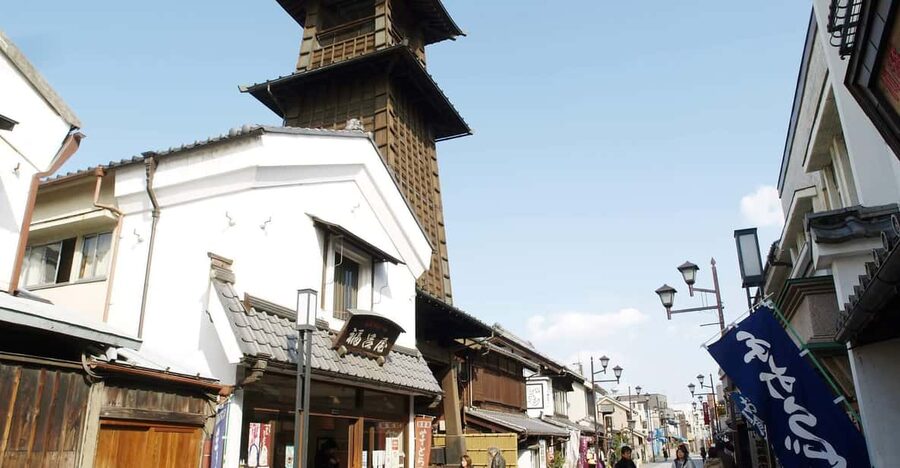
Tokyo can feel enormous on your first day, so this five-hour route makes a smart first pass through three very different neighborhoods. You begin with temple calm at Tsukiji Honganji, taste your way through Tsukiji Market, switch to Akihabara’s anime and game culture, then finish in old Tokyo at Asakusa.
In This Article
- Key points at a glance
- A fast introduction to Tokyo’s contrasting neighborhoods
- Starting at Tsukiji Honganji Temple
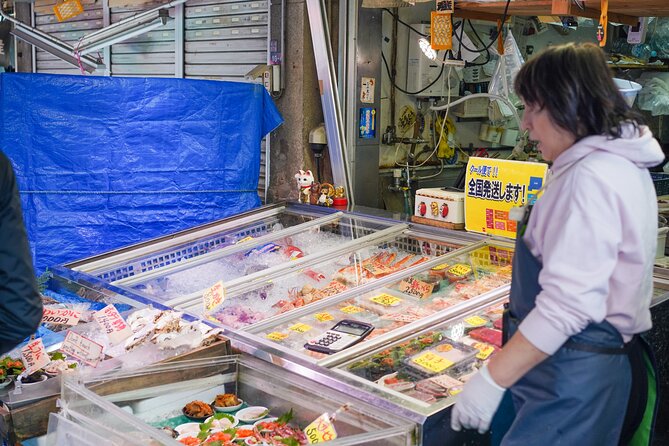
- Tasting your way through Tsukiji Market
- Akihabara in two hours and ten minutes
- Reaching old Tokyo in Asakusa
- Kaminarimon Gate and Senso-ji Temple
- Why the small group and guide matter
- Walking, weather, and the real pace
- Who gets the best value from this tour
- Booking details that can save you trouble
- Should you book this Tsukiji, Akihabara, and Asakusa tour?
- FAQ
- How long does the tour last?
- What time does the tour start?
- Where does the tour begin?
- Where does the tour end?
- Which areas does the tour visit?
- Is lunch included?
- Are food tastings included?
- Are train fares included?
- How large is the group?
- Can I cancel for a full refund?
I like the efficient route and the fact that food is part of the experience, not an afterthought. I also like the small maximum group of seven, plus the guide’s photos, which let you enjoy the walk instead of holding your phone up all morning. The catch is pace: you cover a lot of ground, and the tour is not a good fit if walking is difficult.
Key points at a glance
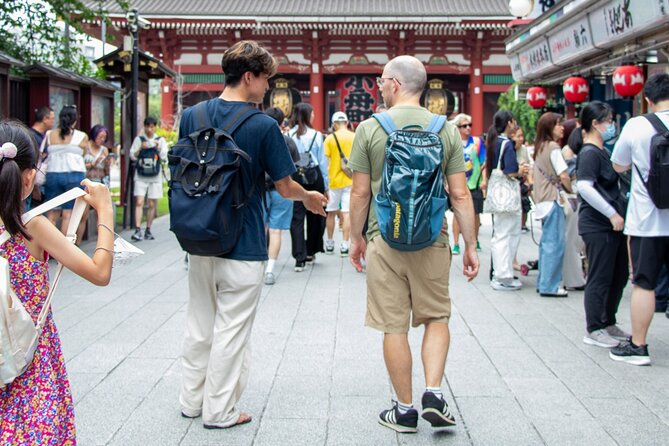
- Three major Tokyo districts in five hours: Tsukiji, Akihabara, and Asakusa each show a different side of the city.
- Food is built into the route: You receive two or three market samples and lunch in Asakusa.
- Small group format: The maximum is seven people, making it easier to ask questions and stay with the guide.
- Local transport costs extra: Plan on 390 yen for train fares, or use an IC card.
- Guides add a personal touch: Kenji and Hana are among the guides who have led this route, with praise for their warmth and clear explanations.
- Photos are sent to you: You can focus on the streets, food, and temples without constantly taking pictures.
A fast introduction to Tokyo’s contrasting neighborhoods
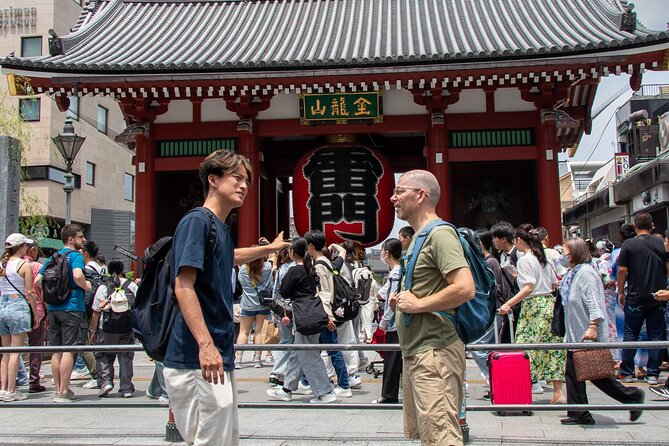
This is a city-orientation tour more than a slow, scholarly walk. In a single morning and early afternoon, you move from a Buddhist temple and traditional market to manga shops, game culture, and one of Tokyo’s oldest temple precincts.
That range is the main reason to book it. If you have only a short stay, you can see three places that would otherwise require separate planning. Your guide also handles the transitions, explains what you are looking at, and helps you make sense of customs that can feel puzzling on a first visit.
The tradeoff is depth. You will not have hours to browse every market stall or shop in Akihabara. Think of this as a well-organized introduction that helps you decide where to return later.
The price is $101.74 per person. That is not the cheapest way to walk around Tokyo, but it includes a certified guide, two or three food tastings, lunch, and tour photos. Add the 390 yen train cost and any extra food or drinks you buy. For someone who values a fixed route and personal guidance, the package offers fair value. If you are comfortable navigating Tokyo and already know exactly what you want to see, you may prefer exploring independently.
A few more Tokyo tours and experiences worth a look
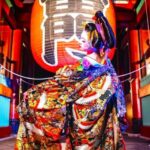


Starting at Tsukiji Honganji Temple
Meet at the main gate of Tsukiji Honganji Temple at 9:30 a.m. The temple makes a useful starting point because it gives you a quiet place to learn a little about Japanese religious life before entering the market streets.
You spend about 20 minutes here, with admission included at no extra cost. The temple is under the jurisdiction of Nishi Honganji in Kyoto, a detail your guide can place in a wider cultural context.
This first stop is brief, so do not expect a long architectural lecture or a full temple service. Its value is practical: you get your bearings, meet the guide, and begin with a calmer setting before the noise and crowds of Tsukiji.
Arrive early. The tour starts on time, and you cannot join later or receive a refund if you miss the group. Tokyo transport is usually reliable, but stations can be confusing, so allow extra time.
Tasting your way through Tsukiji Market
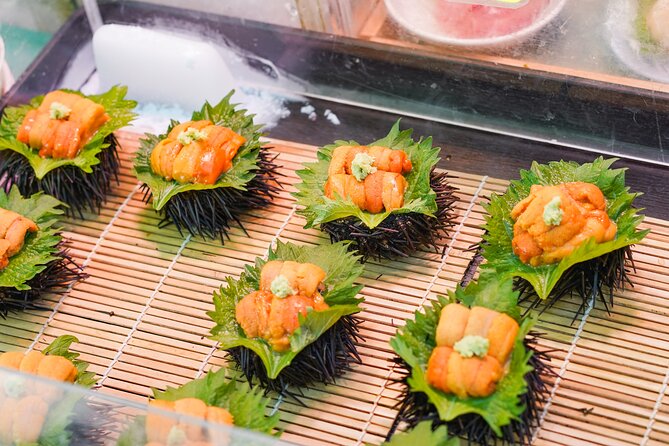
From the temple, you walk into Tsukiji’s market area for about an hour. This is the food center of the tour, with two or three tastings included.
You can expect fresh seafood and local delicacies, though the exact items are not fixed. That flexibility is useful in a market where availability changes. Your guide can point out foods you might otherwise pass by, explain what you are eating, and help you decide what deserves a closer look.
The market is meant to engage all your senses. You will see food preparation, hear the activity around the stalls, and deal with tight, active streets. Keep your belongings close and stay aware of the group while eating or moving between stops.
The tastings are a strong part of the price. They turn Tsukiji from a place you simply photograph into a place you experience through food. Still, two or three samples are not a full market meal. If you have a large appetite, budget for additional purchases.
You should also tell the operator about allergies or dietary needs at least one day before the tour. Requests made on the day cannot be accommodated, and allergy-free meals cannot be guaranteed because the food comes from kitchens the operator does not control.
Akihabara in two hours and ten minutes
The longest stop is Akihabara, where you spend about two hours and ten minutes exploring game and anime culture. This is enough time to get more than a quick photograph at the station and to see several types of shops.
The route includes Super Potato, known for its game-focused selection, and Akiba Cultures Zone. The plan is not simply to march past storefronts. Your guide helps explain the interests and habits that shape this part of Tokyo, making the visit more useful if you are not already familiar with manga, anime, or Japanese gaming.
I especially like the length of this stop. Akihabara can be confusing if you wander without a plan, with different buildings and shops aimed at different audiences. A guide gives you a starting point and helps you spend your limited time where it matters.
At the same time, the area will not appeal equally to everyone. If you have little interest in anime, games, or related pop culture, two hours may feel long. The tour description does not promise specific purchases, discounts, or private access, so approach this as a guided cultural walk rather than a shopping trip.
You then travel toward Ueno before continuing to Asakusa. The train fare is not included, so bring 390 yen in cash or use an IC card. The transport connection is part of the tour’s local feel, but you should not confuse included guiding with included transit.
Reaching old Tokyo in Asakusa
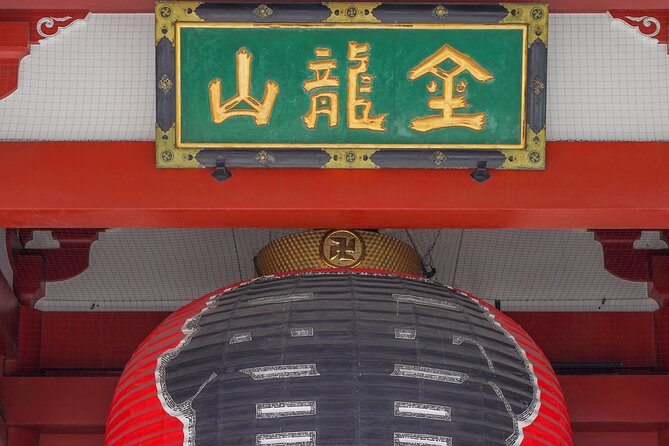
Asakusa changes the mood completely. After the modern energy of Akihabara, you enter one of Tokyo’s most traditional sightseeing areas, with Kaminarimon Gate and Senso-ji as the main attractions.
The Asakusa portion includes lunch, with about 40 minutes listed for the broader Asakusa visit. That makes lunch more than a quick snack, but it is still a timed group meal. Vegetarian and vegan options are available if you request them in advance.
Lunch is one of the tour’s practical strengths. By this point, you have been walking, tasting food, and changing districts. Having a planned meal means you do not need to find a restaurant while trying to keep up with the schedule.
Do not wait until the morning of the tour to mention dietary needs. The operator cannot promise substitutions or completely allergy-free meals, so anyone with serious food concerns should ask questions before booking.
A few more Tokyo tours and experiences worth a look






Kaminarimon Gate and Senso-ji Temple
Kaminarimon Gate marks your move into Asakusa’s old town. You spend around 30 minutes moving through this part of the district, where much of the older character of Tokyo remains visible.
The gate is one of the area’s best-known landmarks, but the guide adds value by explaining how to approach the temple precinct and what details to notice. You are not left to guess where the main sights are or how they connect.
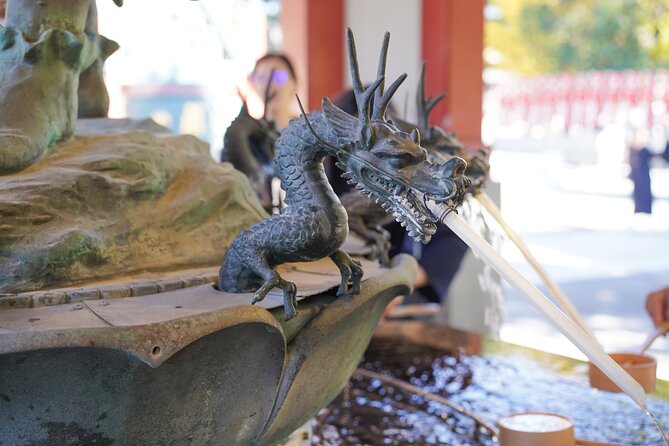
At Senso-ji, you spend about 20 minutes learning how to pray at a Japanese temple. Senso-ji is described as the oldest temple in Japan, and it gives the tour a strong closing point. After markets, shops, and train rides, the temple offers a chance to slow down and see a different side of city life.
The time is short, so you will not explore every corner of the grounds. The tour ends in Asakusa after lunch and the temple visit, which is convenient if you want to continue sightseeing there on your own.
Why the small group and guide matter

The group maximum is seven people. That is small enough to make questions practical and to keep the group moving through busy streets without the feel of a large coach tour.
The quality of the guide matters here because the route crosses several cultural worlds. Guides such as Kenji and Hana have been praised for being friendly, generous, informative, and pleasant company. Kenji has also led the tour for a solo participant, creating a more personal experience when the group was especially small.
You should still remember that guides can vary. The specific guide available for your date is not promised in the tour details. What is promised is a certified MagicalTrip guide, which gives the experience a clear point of responsibility.
The photo service is another nice extra. Your guide takes pictures and sends them to you later, so you can pay attention to the food, streets, and explanations. It is not a substitute for taking your own pictures, but it removes some of the pressure to document every stop.
Walking, weather, and the real pace
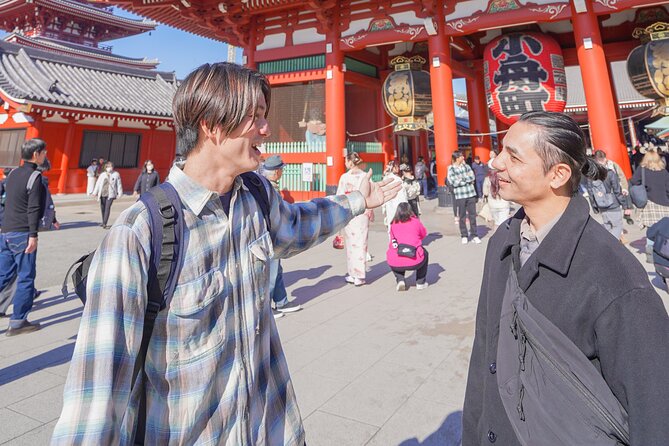
This is an active tour. You walk through market streets, Akihabara, train connections, and temple areas, with a few short breaks. The operator does not recommend it for people with mobility issues and suggests a private tour if walking is difficult.
That warning is worth taking seriously. Five hours can pass quickly on a sightseeing schedule, but the route still asks you to remain mobile and alert. Wear comfortable shoes and bring water, especially in summer.
Tokyo’s weather can be severe. Summer highs may reach 40°C, while winter lows can fall to -5°C. The tour may be canceled for unsafe weather, in which case you are offered another date or a full refund.
The pace also depends on the day’s conditions. Tsukiji and Asakusa are busy, and moving as a group takes attention. If you prefer lingering over one bowl of food or spending an entire afternoon in one neighborhood, this is probably too compressed.
Who gets the best value from this tour
I would choose this tour for a first visit, a short stop in Tokyo, or a day when you want a clear route without spending hours studying train maps. It suits solo visitors, couples, families, and small groups who want cultural context along with the major sights.
It is also a good match if food helps you understand a place. The market tastings and Asakusa lunch give the route more substance than a simple photo checklist.
Families can appreciate the variety, since the day shifts from temple grounds to food stalls to game and anime shops. Still, people of all ages can join, and the walking pace may be tiring for very young children or anyone who needs frequent rest.
You may want to skip it if you already know Tokyo well, dislike group schedules, or want a serious food tour. The tastings are included, but additional food and drinks cost extra. You also have limited time for shopping and independent exploration.
Booking details that can save you trouble
The tour starts at 9:30 a.m. at Tsukiji Honganji Temple and ends in Asakusa. Confirmation arrives at booking, and the meeting points are near public transport.
The experience is commonly booked well ahead, with an average booking point of 54 days before the date. That does not guarantee every date will sell out, but it is a good reason to reserve early if your Tokyo schedule is fixed.
Free cancellation is available up to 24 hours before the start time for a full refund. Cancellations or changes made inside that window are not accepted. Cutoff times use Tokyo local time.
Bring some cash for the 390 yen train fare, or use an IC card. Plan to arrive before 9:30, since missing the departure means you cannot join later or receive a refund.
Should you book this Tsukiji, Akihabara, and Asakusa tour?
Book it if you want a well-paced first look at three very different parts of Tokyo, with a guide, food, lunch, and photos included. The route is efficient, the group is capped at seven, and the combination of market food, pop culture, and temple tradition gives you a useful feel for the city.
Skip it if you need a slow morning, have mobility limits, or want to spend serious time shopping and eating on your own. At $101.74, the value comes from structure and guidance, not from the number of included attractions alone.
For a short Tokyo stay, I think the route earns its price. You see a lot, learn how the districts fit together, and finish in Asakusa with enough time to continue exploring after the tour ends.
FAQ
How long does the tour last?
The tour lasts approximately five hours.
What time does the tour start?
It starts at 9:30 a.m.
Where does the tour begin?
The meeting point is the main gate of Tsukiji Honganji Temple at 3-chōme-15-1 Tsukiji, Chuo City, Tokyo 104-0045.
Where does the tour end?
The tour ends in Asakusa, Taito City, Tokyo 111-0032, after lunch.
Which areas does the tour visit?
The route includes Tsukiji, Akihabara, and Asakusa, with a train journey toward Ueno between parts of the tour.
Is lunch included?
Yes. Lunch in Asakusa is included. Vegetarian and vegan options are available if requested in advance.
Are food tastings included?
Yes. The tour includes two or three food samples at Tsukiji Market.
Are train fares included?
No. Train fares cost 390 yen and are paid separately. You can bring cash or use an IC card.
How large is the group?
The maximum group size is seven people.
Can I cancel for a full refund?
Yes, if you cancel at least 24 hours before the experience begins. Cancellations made less than 24 hours before the start time are not refundable.
More Tsukiji Market Tours in Tokyo




More Akihabara & Anime Tours in Tokyo
More Asakusa Tours in Tokyo

More tours in Tokyo we've reviewed



Tsukiji Market Tours, compared.
 ★ 5.0Tokyo Tsukiji Fish Market Food and Culture Walking TourFrom $99
 ★ 5.0Tokyo: Tsukiji Fish Market Food and Walking tourFrom $30
 ★ 4.9Tokyo: Tsukiji Fish Market Guided Walking TourFrom $222 hours
 ★ 5.0Tokyo Sushi Making Class in Tsukiji with Professional ChefFrom $49
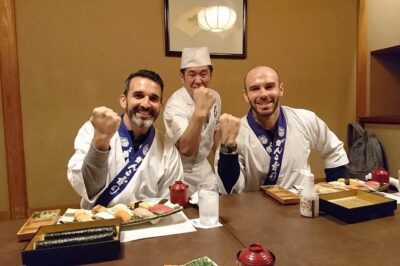 ★ 5.0Tsukiji Fish Market Guided Tour and Sushi Making with Pro ChefFrom $104
★ 4.7Tokyo: Tsukiji Fish Market Food and Culture Walking TourFrom $963 hours
★ 5.0Tsukiji Fish Market Guided Tour and Sushi Making with Pro ChefFrom $104
★ 4.7Tokyo: Tsukiji Fish Market Food and Culture Walking TourFrom $963 hours