Reviewed · TOKYO FOOD TOURS
Tokyo: Wagyu and 7 Japanese Dishes Cooking Class
The star here is not just the Wagyu beef. It is the chance to build a Japanese meal from the ground up, starting with dashi and ending with dorayaki pancakes. I like the friendly, homey setting and the way the class turns everyday Japanese food into recipes you can actually repeat at home.
In This Article
- Key points at a glance
- What this Tokyo cooking class is really about
- Arriving at the residential studio in Shinjuku
- The opening: tea, introductions, and a look at Japanese basics
- Making dashi, miso soup, and small starters
- Tofu, chicken, ginger, and the hands-on middle course
- Wagyu sukiyaki: the class highlight
- Finishing with Japanese sweets
- The instructors and the teaching style
- What you take home besides a full stomach
- Is $67 a fair price?
- Who should book this class?
- Should you book the Wagyu and 7 Japanese Dishes Class?
- FAQ
- How long does the cooking class last?
- How many dishes will I make?
- Is Wagyu included in the meal?
- Is the class taught in English?
- What is included in the price?
- Is transportation included?
- How do I find the studio?
- Can the class accommodate dietary requirements?
- Can I cancel the booking?
I also like the small group, capped at eight, and the clear English instruction. The main drawback is that the three-hour schedule covers many dishes, so this is better for learning practical methods and flavor basics than for mastering advanced knife work or one dish in great depth.
Key points at a glance
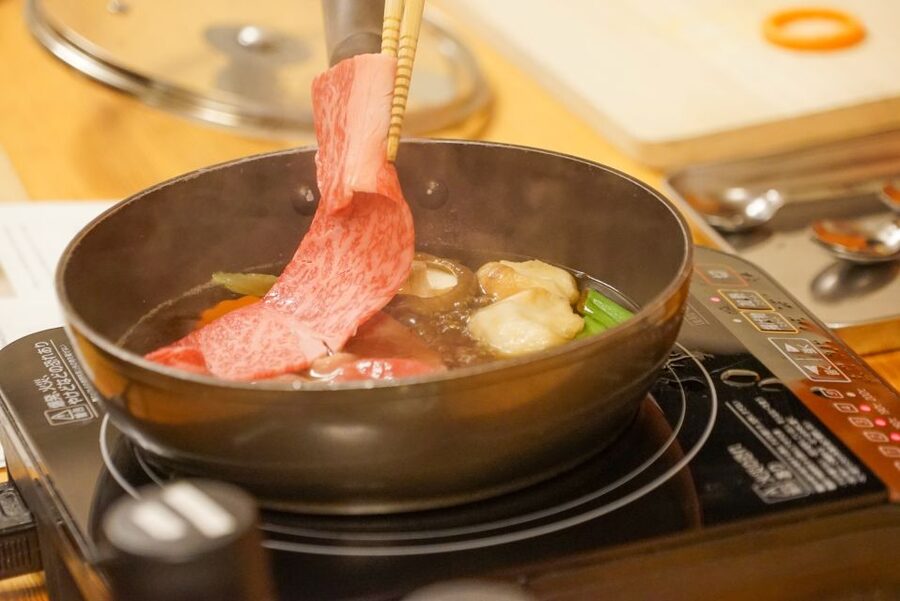
- Wagyu sukiyaki is the main event: Cook and eat tender beef in a Japanese hotpot-style dish.
- Seven Japanese dishes in one class: Make a varied meal that can include dashi, miso soup, omelet, salads, tofu, and dorayaki.
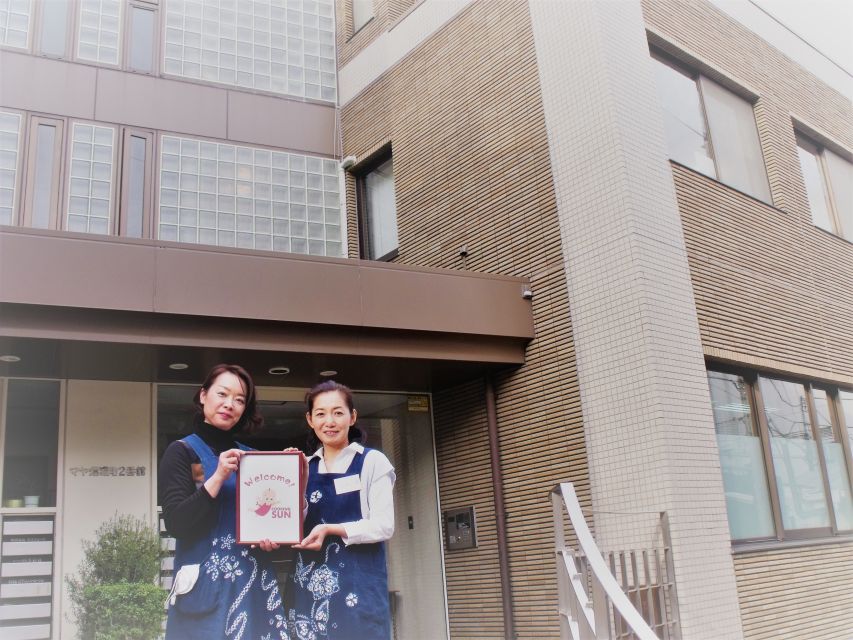
- A small Shinjuku studio: The class takes place on the second floor of a beige residential building in a quiet neighborhood.
- Useful lessons for home: Learn simple recipes, ingredient swaps, and tips for finding Japanese ingredients outside Japan.
- English-speaking local instructors: Teachers explain cooking steps as well as the background of dishes and ingredients.
- Good value at $67: You receive ingredients, equipment, recipes, apron and towel rental, welcome tea, and a substantial cooked meal.
What this Tokyo cooking class is really about
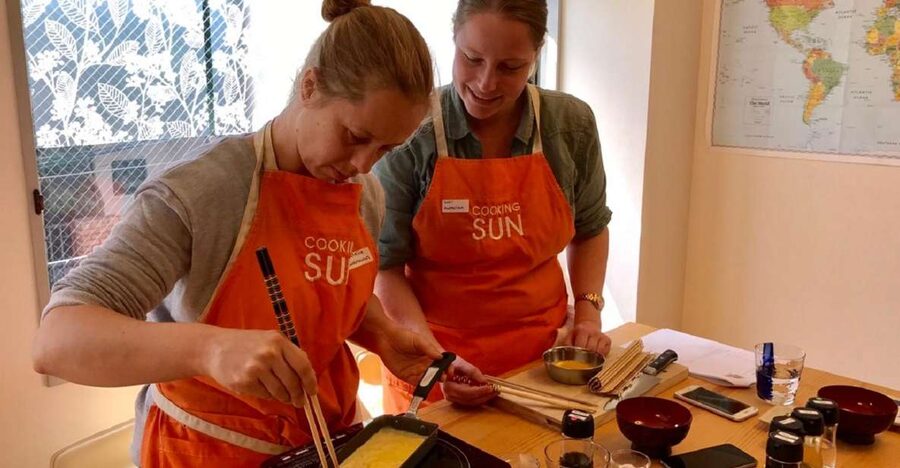
Tokyo offers endless places to eat Wagyu, ramen, sushi, and tempura. A cooking class gives you something different: a working sense of how Japanese meals are put together.
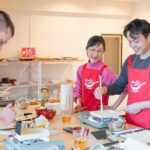
This Cooking Sun experience focuses on familiar home-style dishes rather than restaurant showmanship. You are not simply watching a chef prepare one impressive plate. You take part in several small preparations, learn how their flavors fit together, and sit down to eat the finished meal.
The class lasts three hours, with about two and a half hours spent cooking. The menu is described as seven Japanese dishes, with eight preparations in total. That makes the session feel like a full-course meal, not a short demonstration followed by a token tasting.
The format also helps explain why the class appeals to people who want to understand Japanese food beyond sushi. You work with dashi, miso, tofu, vegetables, ground chicken, ginger, edamame, sesame, rice flour, and Wagyu. These are useful building blocks for everyday Japanese cooking.
A few more Tokyo tours and experiences worth a look
Arriving at the residential studio in Shinjuku
The studio sits in a residential part of Tokyo, not in a large commercial cooking school or a hotel kitchen. That setting is part of the charm, but you need to pay attention when finding it.
Use Google Maps and search for Cooking Sun Tokyo, at Shinanomachi 18-39, Shinjuku-ku. The studio is on the second floor of a beige residential building. At the entrance, you will see two doors. Use the door on the right, then press 314 on the intercom.
This is one of those Tokyo addresses that can look obvious on a map and less obvious on the street. If you have no Wi-Fi, prepare the route before leaving your hotel and check the provider’s detailed directions in advance.
Do not ask a private driver to wait outside the building. The studio is in a quiet neighborhood, and drivers should use a nearby coin-operated parking lot if they need to stop. Hotel pickup and transportation are not included, so you arrange your own way there.
The opening: tea, introductions, and a look at Japanese basics
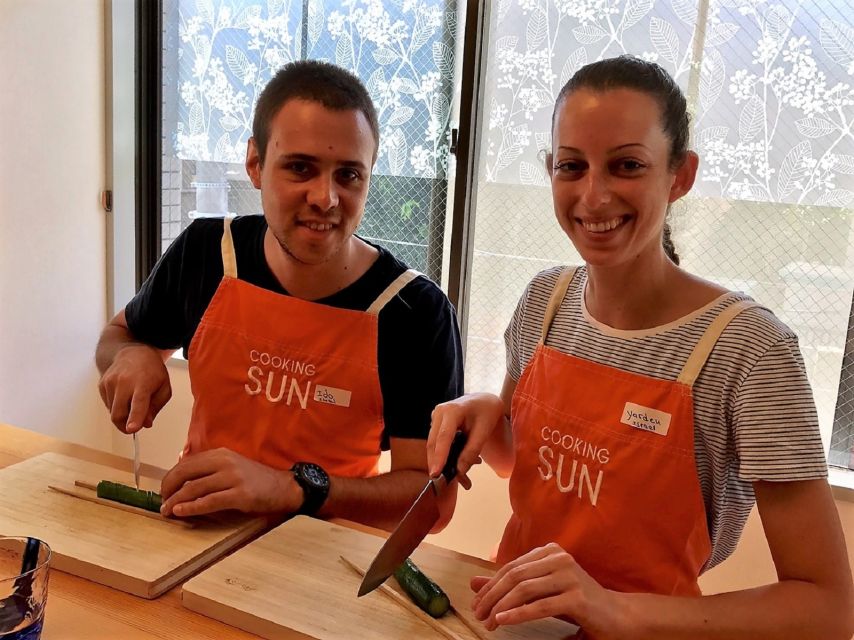
The class begins with welcome tea and an introduction to the kitchen, ingredients, and menu. Since the instructors speak English, you can ask questions as you work instead of trying to follow a silent demonstration.
The teaching style is designed for beginners. The instructors demonstrate each task, explain what the ingredients do, and then let you try. Past class details include explanations of the difference between white miso and red miso, how dashi is made, and why certain ingredients appear in particular dishes.
That background is useful because Japanese cooking often depends on small choices. Dashi gives soup a savory base. Miso changes the body and salt level of a dish. Sesame adds aroma and texture. Ginger brings sharpness to a filling. These are simple lessons, but they help you understand why Japanese food can taste full without relying on heavy sauces.
The cooking is hands-on, but it is not presented as a technical chef course. If your goal is to learn advanced cutting technique, complex plating, or professional kitchen speed, this class may feel basic. If your goal is to make a good Japanese meal at home, the level is much better suited.
Making dashi, miso soup, and small starters
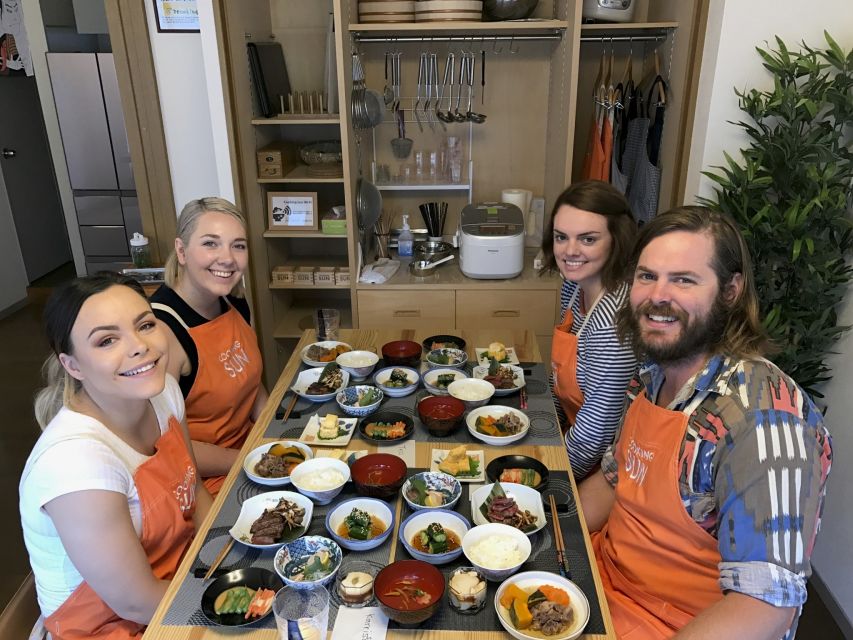
One of the most useful parts of the class is making dashi from scratch for miso soup. Dashi is a foundation of Japanese cooking, and preparing it yourself gives you a clearer feel for the flavor than simply buying instant stock.
You also work on smaller dishes that balance the meal. One reported menu includes an egg omelet, accordion-cut cucumber salad, and sesame potato salad. These preparations are approachable, but they still show Japanese attention to texture and presentation.
The accordion cucumber cut is a good example. It is a simple technique, yet it changes how the vegetable feels when you eat it and makes a plain salad look special. The omelet adds another practical skill, while the potato salad shows how sesame and seasoning can shift a familiar side dish toward a Japanese style.
The menu may change with seasonal ingredients, so you should not treat every listed dish as guaranteed. The larger promise is the structure: appetizer, soup, vegetable dishes, meat, and dessert, made with traditional methods and ingredients available for the day.
Tofu, chicken, ginger, and the hands-on middle course
The class also includes a more substantial tofu preparation. One menu example uses tofu stuffed with ground chicken, ginger, and edamame. This gives you a chance to work with a filling and learn how a mild ingredient such as tofu can carry stronger flavors.
This is where the class feels especially practical. You are not preparing difficult restaurant food that requires special equipment. You are learning how Japanese cooks combine modest ingredients into something filling and nicely balanced.
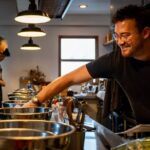
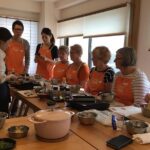
The instructors handle preparation and cleanup efficiently, leaving you with enough work to feel involved without making the session chaotic. That matters when seven or eight preparations share one kitchen. The small group, limited to eight participants, should also make it easier to see demonstrations and get help at your station.
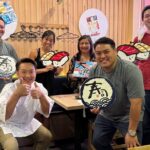
The class suits couples, solo visitors, families, and teens. An 11-year-old participant was able to take part, and the activity is not aimed at one type of cook. You do not need previous experience, and you should not feel that cooking classes are only for serious food enthusiasts.
Other cooking classes in Tokyo

Wagyu sukiyaki: the class highlight
The main attraction is the Wagyu dish, prepared as a sukiyaki-style hotpot. The beef is the ingredient that gives this experience its price and appeal, but the value comes from learning how it fits into a Japanese meal.
Sukiyaki is a good choice for a group class because it is social and relatively easy to enjoy together. You learn the preparation, cook the beef and accompanying ingredients, and then taste the result as part of the full meal.
The beef is described as tender and juicy, and the menu places it at the center of the meal. If you have eaten Wagyu in a restaurant, this class lets you compare the ingredient in a more relaxed setting. If this is your first taste, you get both the flavor and a basic idea of how it is used in Japanese cooking.
Do not expect an enormous steak or a Wagyu tasting menu. This is one component of a broad meal. The appeal is the combination of a premium ingredient with a recipe that you can understand and possibly recreate, not a lavish beef feast.
Finishing with Japanese sweets
Dessert gives the class a satisfying finish. The menu can include dorayaki made with rice flour pancakes. These small Japanese sweets are approachable and fun to prepare, especially after working through soup, salads, tofu, and beef.
Making dessert yourself also rounds out the lesson. You leave with a better sense of how a Japanese meal can move from savory flavors to a simple sweet ending without becoming heavy.
The full meal is eaten after the cooking is finished. Plan to arrive hungry enough for lunch, but not so hungry that you are distracted during the lesson. With several dishes on the table, this is a generous amount of food for a three-hour activity.
The instructors and the teaching style
The instructors are local, English-speaking women who guide the class step by step. Names connected with the teaching team include Yuki, Yuko, Kaori, Bifuka, and Aya, though the exact instructors for your session may vary.
The strongest feature of the teaching style is clarity. You receive demonstrations, explanations of ingredients, and practical advice about substitutions. The instructors also share the cultural meaning and background of dishes, so you learn what you are cooking rather than simply copying movements.
The tone is warm and encouraging. That is especially helpful for solo visitors, who can join a small group without needing to bring a partner. You also have the chance to chat with the other people at the class while working and eating.
English ability is listed as the class language. You should still expect cooking terms and ingredient names that may be unfamiliar, but the activity is designed for English-speaking participants.
What you take home besides a full stomach
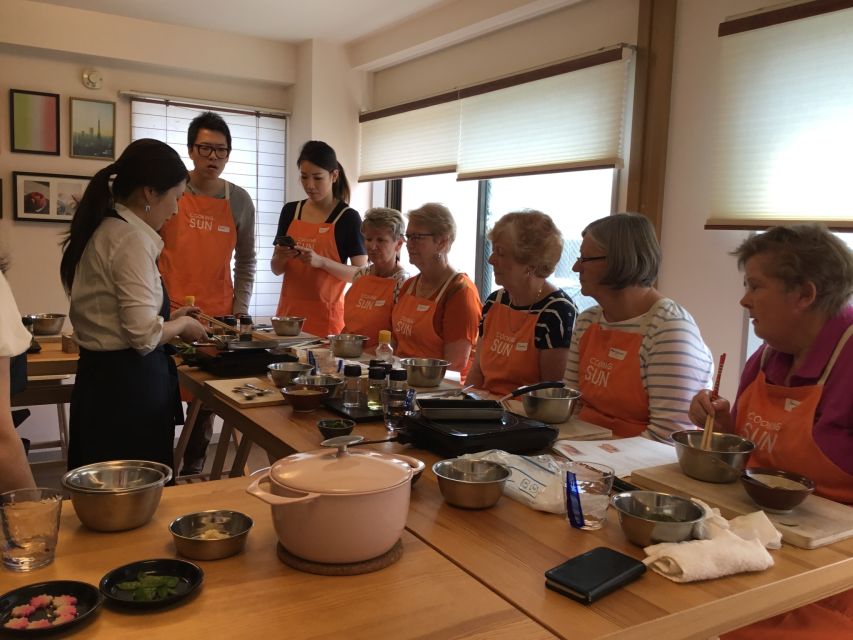
Recipes are included, which is important. Many cooking classes are enjoyable in Tokyo but hard to repeat once you return home. Here, the recipes and ingredient advice are meant to be used after your trip.
The instructors can suggest substitutions for ingredients that may be difficult to find abroad. That turns the class into a practical introduction rather than a one-time food activity.
You also receive all ingredients and utensils during the class. Apron and towel rental are included, so you do not need to bring cooking equipment. The studio is described as clean and bright, with good knives, pans, tables, and utensils.
The recipes are not presented as highly complex. That is a benefit for most people, although experienced cooks may want more technical detail. One useful way to think about this class is as a foundation course in Japanese home cooking, not a specialist workshop.
Is $67 a fair price?
At $67 per person, the price is reasonable for a three-hour, small-group activity in Tokyo. You receive a welcome tea, all ingredients, all kitchen equipment, apron and towel rental, instruction in English, recipes, and a complete meal.
The Wagyu adds value, but it should not be the only reason you book. You are also paying for the range of dishes and the practical explanations. A meal at a restaurant might give you better presentation, but it will not teach you how to make dashi, roll an omelet, prepare the salads, cook the tofu filling, or finish with dorayaki.
The small group is another point in its favor. A maximum of eight participants is large enough for a social meal but small enough for the instructors to offer help. The main tradeoff is time. Seven or eight preparations in one session means a brisk pace, with some ingredients likely prepared in advance so the class can finish on schedule.
Free cancellation up to 24 hours before the activity and the option to reserve now and pay later make the booking less risky if your Tokyo schedule is still moving around.
Who should book this class?
I would recommend it to first-time visitors who want a useful introduction to Japanese food, especially if you book it near the start of your trip. The lesson can give you a better understanding of menus and ingredients for the rest of your stay.
It is also a strong choice for couples, families with older children, solo visitors, and anyone who enjoys food but does not cook often. The instructions are gentle enough for beginners, and the meal gives everyone a shared goal.
You should also consider it if you do not eat fish. The class centers on Wagyu and includes meat, tofu, vegetables, soup, and sweets, and substitutions are available for dietary needs.
Tell the provider about allergies, gluten-free needs, religious restrictions, vegetarian preferences, or other requirements when booking. Ingredient substitutions are possible, but they need advance notice.
Should you book the Wagyu and 7 Japanese Dishes Class?
Book it if you want more than another restaurant meal and like the idea of learning Japanese food in a small, friendly kitchen. The combination of Wagyu, dashi, home-style dishes, dessert, English instruction, and take-home recipes gives you strong value for three hours.
Skip it if you want a single advanced lesson, a formal chef-led demonstration, or a dedicated sushi class. This experience moves quickly across many simple dishes.
For most visitors, I would place it early in a Tokyo itinerary. You get a filling lunch, useful cooking skills, and a clearer sense of the everyday food culture you will encounter throughout Japan.
FAQ
How long does the cooking class last?
The activity lasts three hours, with about two and a half hours spent preparing the meal before sitting down to eat.
How many dishes will I make?
The class focuses on seven Japanese dishes and describes the full meal as eight preparations in total. The menu includes appetizers, dashi-based soup, meat, vegetable dishes, and dessert.
Is Wagyu included in the meal?
Yes. Wagyu beef is the main highlight and is prepared in a sukiyaki-style hotpot dish.
Is the class taught in English?
Yes. English-speaking local instructors lead the class and explain the cooking steps, ingredients, and cultural background.
What is included in the price?
The price includes recipes, all ingredients, cooking utensils, a towel, apron rental, and welcome tea.
Is transportation included?
No. Hotel pickup and transportation are not included, so you must make your own way to the studio.
How do I find the studio?
Search Google Maps for Cooking Sun Tokyo at Shinanomori 18-39, Shinjuku-ku, Tokyo. The studio is on the second floor of a beige residential building. Use the right-side entrance door and press 314 on the intercom.
Can the class accommodate dietary requirements?
Yes. Ingredient substitutions can be arranged for allergies, gluten-free diets, religious dietary restrictions, vegetarian preferences, and other needs. Tell the provider when you book.
Can I cancel the booking?
You can cancel up to 24 hours in advance for a full refund. You can also reserve now and pay later.
More Cooking Classes in Tokyo
More Cooking Classes in Tokyo
More Tokyo Food Tours in Tokyo


More tours in Tokyo we've reviewed












Tokyo Food Tours, compared.
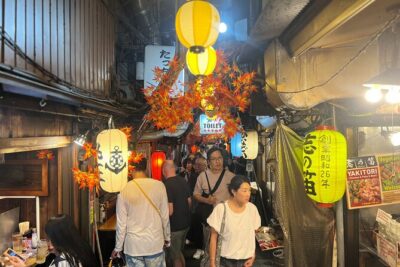 ★ 5.0Tokyo: Shinjuku Food Tour (13 Dishes at 4 Local Eateries)From $86
 ★ 4.9Tokyo: Shinjuku Food Tour (13 Dishes and 4 Eateries)From $97
 ★ 5.0Tokyo Night Foodie Tour in Shinjuku – Seasonal Sushi, Wagyu BeefFrom $111
 ★ 5.0Eat and Drink Like a Local: Tokyo Ueno Food Tour-Taverns&RamenFrom $95
 ★ 5.0Tokyo: Shibuya Food Tour (13 dishes and 4 Eateries)From $77
Tokyo: Shinjuku Food Tour – 15 Dishes, 3 Drinks, 4 EateriesFrom $723 hours
★ 5.0Tokyo: Shibuya Food Tour (13 dishes and 4 Eateries)From $77
Tokyo: Shinjuku Food Tour – 15 Dishes, 3 Drinks, 4 EateriesFrom $723 hours