Reviewed · WALKING TOURS
Tokyo Customized Private Walking Tour With Local Guide
Tokyo is easiest to understand when someone helps you connect its giant city blocks, shrines, shopping streets, and train lines. This private, custom-built walking tour lets you shape the day around what you actually want to see, with guides such as Kwan, Satoshi, Sumire, Taka, and Lilian praised for friendly help and smart routing.
In This Article
- Key points to know before booking
- A private first day in Tokyo, built around you
- What two hours can realistically accomplish
- Why four hours is the practical middle choice
- A full day for Tokyo’s many personalities
- Meiji Jingu, shrines, and learning the right customs
- Akihabara, Shibuya, and modern Tokyo
- Food stops and everyday Tokyo
- The useful skill: learning Tokyo’s train system
- The guides make the difference
- Price, group size, and what you really pay
- Pickup, weather, and practical limits
- Who should book this Tokyo tour
- Should you book it?
- FAQ
- How long does the Tokyo private walking tour last?
- Is this a private tour?
- Is hotel pickup included?
- Does the tour include public transportation?
- Are food and attraction entrance fees included?
- Can I customize the itinerary?
- What is the cancellation policy?
I like the personal attention, especially for a first day or a short layover. I also like that the guide can teach you practical things, from shrine manners to setting up a Suica card on your phone. The main drawback is that the advertised price covers the guide, not train fares, meals, or attraction tickets, so your final cost will be higher.
Key points to know before booking
- Choose two to eight hours: A short session can orient you, while a full day gives you time to link several neighborhoods.
- Build the route around your interests: Pick from modern Tokyo areas such as Akihabara and Shibuya, or traditional places such as Meiji Jingu and Buddhist temples.
- Expect walking plus local trains: Public transport helps you reach more districts, but fares are extra.
- Meet at your hotel: Hotel pickup makes the first morning easier, especially after a long flight.
- Ask for practical help: Guides have helped with shrine customs, phone transit cards, photos, restaurant choices, and mobility needs.
- Plan ahead: The tour is booked an average of 48 days in advance, and your guide contacts you within two weeks before the tour to arrange the day.
A private first day in Tokyo, built around you
The best use of this tour is not trying to cram every famous sight into one exhausting march. It is choosing a few priorities and letting a local guide connect them in a sensible order.
You might want traditional Tokyo first, with Meiji Jingu and a Buddhist temple. You might prefer electronics, anime, game arcades, and Pokémon cards. You could also ask for a broad introduction that mixes major sights with ordinary city life. The experience is private, so only your group participates, and the pace can respond to your interests.
That flexibility matters in Tokyo. The city’s attractions are spread across separate districts, and a route that looks simple on a map can involve several train connections. A guide who knows the area can use walking and local rail together instead of treating the tour as a single neighborhood stroll.
Your guide contacts you within two weeks before the scheduled tour to discuss your interests and arrange the day. Use that conversation well. Give a short list of must-sees, tell the guide how much walking suits your group, and mention any food, shopping, family, or mobility needs.
Other walking tours we've reviewed in Tokyo


What two hours can realistically accomplish
A two-hour booking is best for a narrow plan. You could focus on one district, learn how to move around it, and get a quick introduction to local customs. It is also useful if you have a tight schedule and want help with one specific interest.
Do not expect a full survey of Tokyo in two hours. The city is too large, and travel between districts uses part of your time. A shorter session works best when you choose one area or one theme rather than asking for every major sight.
For a first morning, two hours may still be worthwhile. You can learn how to use the train system, get help with basic etiquette, and leave with a clearer plan for the rest of your stay. The guide’s local advice may be as useful as the sights themselves.
Why four hours is the practical middle choice
Four hours gives you enough time to combine several types of Tokyo. One four-hour outing covered more than the group expected by adding two local train rides to the walking route. That is an important detail: the tour is described as walking-based, but trains can be used to make the schedule work better.
A four-hour plan might link a shrine, a shopping district, and a lookout, provided the route is sensible and attraction timing cooperates. It can also work well for a layover, but you should allow plenty of time for getting back to the airport and confirm the plan with your guide.
The strength of this duration is balance. You get an introduction without giving up an entire day, and you have time to ask questions instead of simply following someone from one photo stop to another. Taka, Kwan, and Satoshi have each been praised for fitting a great deal into four hours while still offering advice for the rest of the visit.
A full day for Tokyo’s many personalities
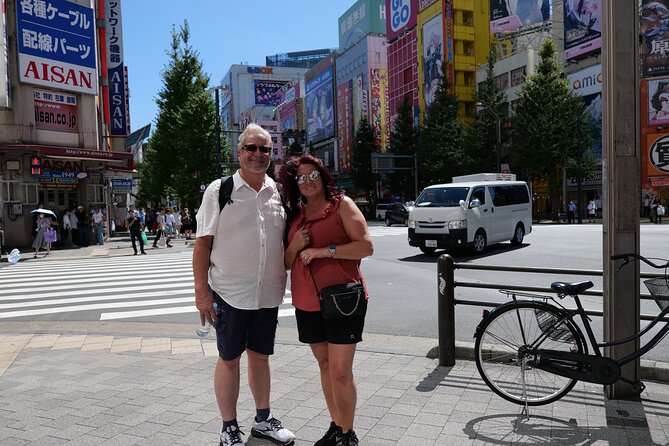
The eight-hour option is the better choice if you want to compare several sides of the city. One full-day route included shopping areas, electronics, fashion, game arcades, food, Pokémon cards, a Buddhist temple, a Shinto shrine, and an observation point.
That kind of day shows why a private guide can be useful. You are not just checking off major sights. You are also seeing how Tokyo works as a daily city, including vending machines, transit payments, restaurants, shopping habits, and the contrast between quiet sacred spaces and crowded commercial streets.
A full day does require energy. Tokyo walking often includes stairs, station corridors, and long stretches on hard pavement. Public transport makes the route faster, but it does not remove the physical demands of a busy sightseeing day. Tell the guide in advance if someone uses a mobility scooter or needs a gentler pace. Taka was specifically praised for accommodating a guest with a mobility scooter.
Meiji Jingu, shrines, and learning the right customs
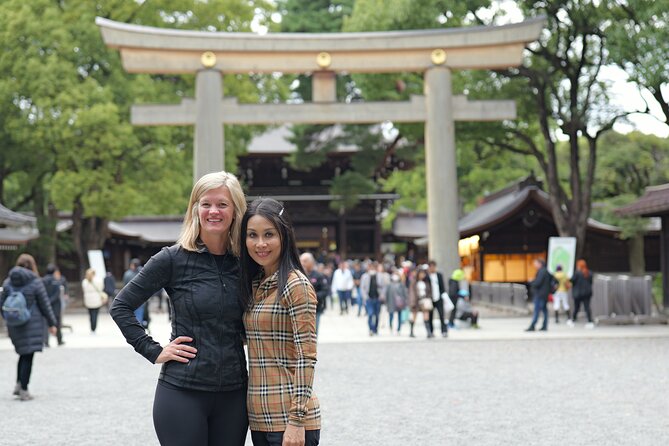
Meiji Jingu is one of the clearest choices for a first visit if you want traditional Japan without leaving central Tokyo. The tour can pair the shrine with other areas, and the wooded park setting gives you a change of mood from the city’s shopping and train districts.
The value here is not only seeing the shrine. A guide can show you how to behave at a Shinto site, including the basic customs around visiting. Miharo was praised for demonstrating shrine and temple etiquette, which is especially helpful if this is your first time in Japan.
The same applies to Buddhist temples. The religious traditions are different, and it is easy to copy what other people do without knowing why. A guide can give you context in plain language and help you approach the site respectfully.
You should still allow time for quiet observation. A customized tour can move quickly if you ask to cover many districts, but sacred places are better when you are not rushing through them for a photograph.
Other guided tours in Tokyo



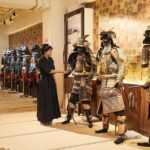
Akihabara, Shibuya, and modern Tokyo
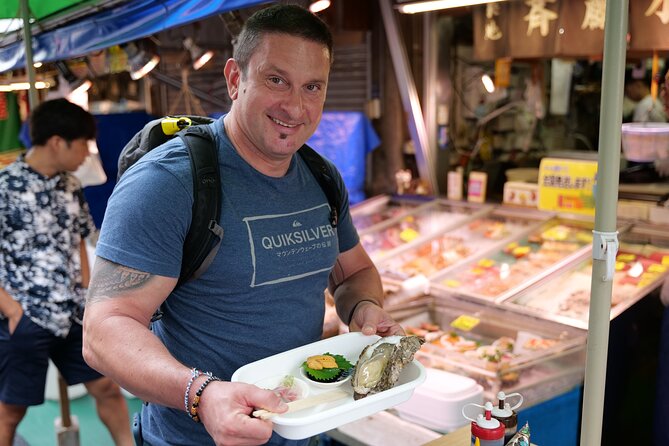
Akihabara suits visitors interested in electronics, anime, games, arcades, and Japanese pop culture. It is a good example of why you should state your interests clearly before the tour. Someone who loves gadgets may want to spend serious time here, while another person may prefer only a brief look.
Shibuya offers a different kind of modern Tokyo. The famous crossing is an obvious stop, but the surrounding alleys and shopping areas can add more texture to the visit. Satoshi was praised for taking groups to both major sights and less obvious places, while another four-hour route included the alleys of Shibuya and the Godzilla attraction.
A guide cannot make every part of Tokyo uncrowded, and the most famous locations can feel hectic. The advantage is having someone who can explain what you are seeing and help you move on when the area no longer suits your interests.
For families, modern districts can be especially useful. One guide, Fares, adjusted a family itinerary around the children’s interests and added another attraction after talking with them. That is the sort of small change a fixed group tour usually cannot make.
Food stops and everyday Tokyo
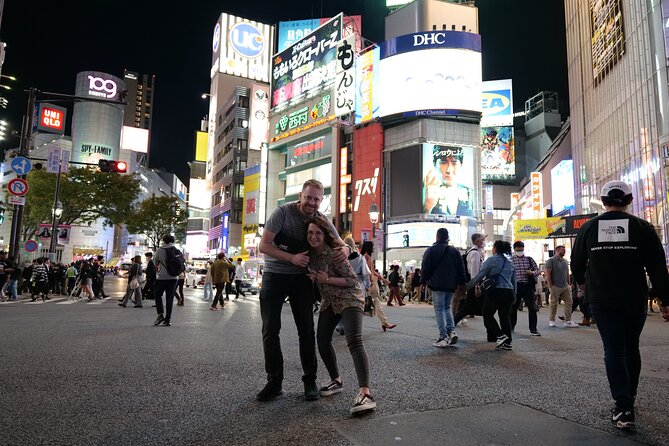
Food is not included, but it can be part of the plan if you pay for your own meal. Some guides have selected restaurants, explained how conveyor-belt dining works, and recommended places based on the group’s preferences.
That can save you from spending your only free lunch searching a station complex while hungry. It also gives you a chance to ask how ordering works, how payment works, and what to expect in a setting that may be unfamiliar.
Still, do not treat a restaurant suggestion as part of the tour price. Food and personal expenses are separate. Attraction entry fees are also extra, so ask your guide what the proposed route involves before the day begins.
For a layover, a meal needs careful timing. One especially well-planned 11-hour stop included a sushi reservation, several sightseeing requests, and a route timed around sunset. That sort of schedule can work, but it depends on the time available and your ability to return to the airport without stress.
The useful skill: learning Tokyo’s train system
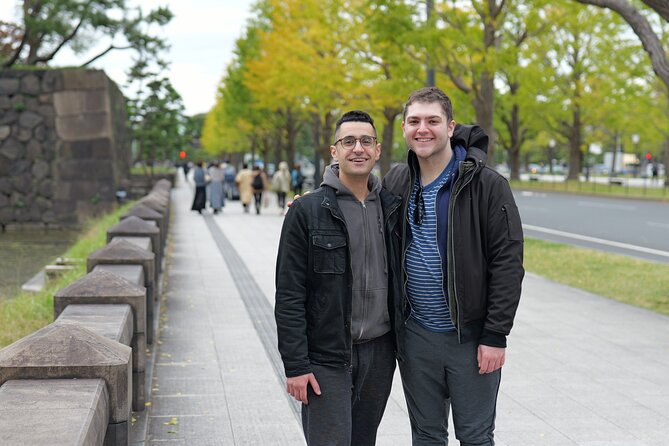
I see public transport instruction as one of the strongest reasons to book this experience. Tokyo’s trains can look intimidating at first, and learning the system early may help you enjoy the rest of your trip.
Guides have helped visitors set up Suica cards on their phones, explained how transit cards can pay for purchases from vending machines, and led groups through the Metro system. This is not just sightseeing. It is a practical lesson that can save time every day afterward.
Train fares are not included, and you are responsible for transportation costs. The same applies to any private vehicle, which is not part of the experience. The tour uses walking and public transportation, so you should expect to pay local fares as you go.
A guide may also help you understand how to move through large stations, but you still need to watch your step and keep track of your belongings. Tokyo’s rail network is efficient, not always simple.
The guides make the difference
The experience depends heavily on the person assigned to you. The strongest feedback centers on guides who listen carefully, adjust the plan, explain local customs, and keep the day friendly rather than stiff.
Kwan has been praised for a strong first-day overview, cultural explanations, and stops matched to personal interests. Satoshi has helped groups cover several areas, find places they would not have reached alone, and take better photographs with their phones.
Sumire has handled complicated requests, written itineraries with travel time included, recommended restaurants, and planned a layover around sunset. Lilian has combined shopping, sacred sites, transit instruction, food, and explanations of daily life. Taka has earned praise for humor, clear communication, train help, and assistance with mobility needs.
You cannot assume that you will receive a particular guide unless that is confirmed. Still, these examples show what to ask for: a route that fits your interests, clear travel times, help with transit, and flexibility if the group spots something appealing along the way.
Price, group size, and what you really pay
The listed price is $58.98 per person. At that rate, the tour can offer good value for a couple or small group if you use the guide for orientation, transit help, local context, and route planning rather than simply paying for a walking companion.
The private format matters. Your group does not have to wait for strangers, and the guide can adjust the schedule around your family, interests, or pace. Group discounts are offered, though the exact saving is not provided, so check the current price for your party.
Remember the extra costs. Train fares, food, personal purchases, attraction entrance fees, and private transportation are not included. A day that includes several paid sights can cost considerably more than the headline amount.
The tour is booked an average of 48 days ahead. That does not guarantee that every date sells out, but it suggests that planning early is sensible, especially if you need a particular day or want to coordinate it with flights.
Pickup, weather, and practical limits
Hotel pickup is included, which is convenient on your first morning or after arriving from a long flight. The tour operates near public transportation, and most people can participate, but Tokyo walking can still be tiring.
This is not a fully enclosed coach excursion. Your day takes place on foot and by train, with exposure to the weather and the normal physical demands of city sightseeing. The experience requires good weather, and poor conditions can lead to a different date or a full refund.
Free cancellation is available if you cancel at least 24 hours before the start time. Cancellations or changes made less than 24 hours ahead are not refunded or accepted, and the cutoff uses Tokyo local time.
Who should book this Tokyo tour
I would choose this tour for a first visit, a family with mixed interests, a couple wanting a private day, or anyone who feels uneasy about Tokyo’s rail system. It also makes sense for a layover when you want a carefully timed introduction rather than a generic airport-area outing.
It is particularly useful if you want a blend of famous places and everyday details. You can ask for shrines, shopping, electronics, food, observation points, or neighborhood walks, then let the guide connect them.
I would think twice if you prefer a fixed historical lecture, a luxury vehicle, or a tour with every admission and meal included. This is a flexible city walk, not an all-inclusive sightseeing package. You will pay as you go and take part in the planning.
Should you book it?
Book this experience if you want to get your bearings quickly and learn how Tokyo works while seeing places matched to your interests. The strongest reasons are the private format, local train support, hotel pickup, and the chance to spend time with a guide such as Kwan, Satoshi, Sumire, Taka, or Lilian.
For the best result, book at least four hours, send a focused wish list, and ask about walking distance and extra costs before the day. A two-hour visit can work for one neighborhood, while a full day suits a carefully planned mix of traditional and modern Tokyo.
At $58.98 per person, it is a fair starting price for personal planning and local help, provided you budget separately for fares, food, and admission fees. If your first day in Tokyo feels like a puzzle, this is a practical way to put the pieces together.
FAQ
How long does the Tokyo private walking tour last?
You can book the experience for approximately two to eight hours.
Is this a private tour?
Yes. Only your group participates in the activity.
Is hotel pickup included?
Yes. Hotel pickup is included.
Does the tour include public transportation?
Walking and public transportation are included as part of the tour arrangement, but transportation fees are not included in the price.
Are food and attraction entrance fees included?
No. Food, personal expenses, and attraction entrance fees are separate.
Can I customize the itinerary?
Yes. The itinerary is arranged around your interests and schedule. A guide contacts you within two weeks before the tour to discuss and organize the plan.
What is the cancellation policy?
You can cancel at least 24 hours before the experience start time for a full refund. Cancellations or changes made less than 24 hours before the start time are not accepted or refunded. If poor weather causes the tour to be canceled, you will be offered another date or a full refund.
More Private Tours in Tokyo


More Guided Tours in Tokyo
More Walking Tours in Tokyo
More tours in Tokyo we've reviewed












Walking Tours, compared.
 ★ 5.0Tokyo Tsukiji Fish Market Food and Culture Walking TourFrom $99
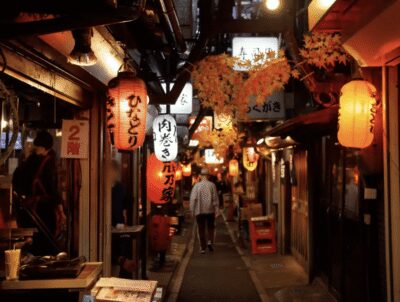 ★ 4.9Tokyo: Shinjuku Local Bar and Izakaya Guided Walking TourFrom $343 hours
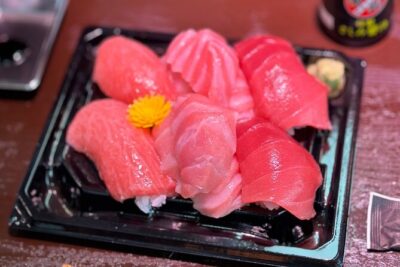 ★ 5.0Tokyo: Tsukiji Fish Market Food and Walking tourFrom $30
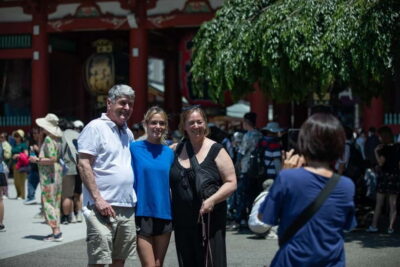 ★ 4.8Tokyo: Asakusa Walking Tour with Sensoji Temple VisitFrom $222 hours
 ★ 4.9Tokyo: Tsukiji Fish Market Guided Walking TourFrom $222 hours
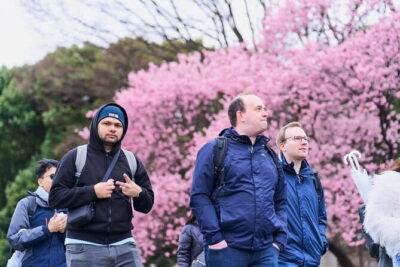 ★ 4.7Tokyo Castle & Imperial PalaceーShogun Walking TourFrom $232 hours