Reviewed · SUMO EXPERIENCES
Grand Sumo Tournament Tokyo – Osaka – Nagoya
Japan’s grand sumo tournament is not a staged cultural show. It is a real sporting event, complete with roaring fans, formal rituals, food stalls, and wrestlers moving through the arena. I like the chance to see Japanese sports culture up close, and I like that advance ticket arrangements can help when popular tournament days sell out.
In This Article
- Key points at a glance
- What the four-hour sumo experience really offers
- Arriving at Ryōgoku Kokugikan in Tokyo
- Why arriving early makes a difference
- Understanding the rituals before the bouts
- Watching the matches and reading the crowd
- What the added tour element may include
- Tokyo, Osaka, or Nagoya: choosing your tournament city
- Is $946 per person good value?
- Who will enjoy this most
- Booking details worth checking first
- Should you book the grand sumo tournament?
- FAQ
- Where does the Tokyo sumo experience start?
- Where does the Tokyo activity end?
- How long does the experience last?
- Is admission included?
- Is transportation included?
- Is a tour guide included?
- Can I upgrade my seat?
- Can I cancel or change the booking?
I also like the choice of tournament cities and the option to pay more for better seats. The main caution is price: at $946 per person, this is a serious purchase, especially since the listed service provides a paper ticket without transportation or a guaranteed guide.
Key points at a glance
- A genuine grand sumo tournament: Watch professional bouts, formal ceremonies, and crowd reactions inside the arena.
- Tokyo meeting point: Tokyo departures begin at Ryōgoku Edo NOREN near Ryōgoku Kokugikan.
- Ticket-only format: Admission is included, but transportation and a tour guide are not listed as part of the standard service.
- Optional seat upgrades: Better seats may be available for an added charge.
- Helpful cultural guidance may be available: Ken and Shin have provided explanations, arena help, and interactive sumo activities on some bookings.
- A costly, non-refundable booking: The experience cannot be canceled or changed for a refund.
What the four-hour sumo experience really offers

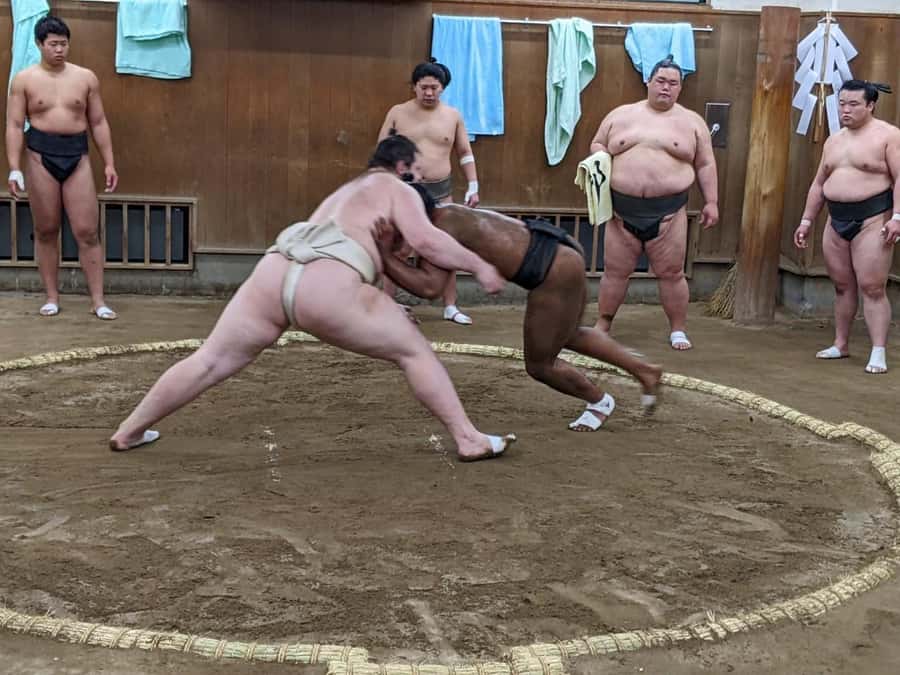
The main event is simple: you enter a grand sumo tournament and watch Japan’s top wrestlers compete in a formal arena setting. The action is easy to understand at first glance. Two wrestlers face each other, rituals build the tension, and the bout may end in seconds.
That short burst is only part of the appeal. Sumo includes ceremony, rank, movement, costumes, crowd behavior, and strict rules. You are watching a sport, but you are also seeing an old Japanese tradition carried out in front of a modern paying crowd.
The advertised duration is about four hours. That gives you enough time to enjoy the arena rather than rush in for one match and leave. Still, this is not presented as a full guided tour. The core product is admission by paper ticket.
You should also know that the description covers tournaments in Tokyo, Osaka, and Nagoya, while the detailed meeting point provided is in Tokyo. If you are booking Osaka or Nagoya, confirm the exact collection or entry instructions before paying.
A few more Tokyo tours and experiences worth a look
Arriving at Ryōgoku Kokugikan in Tokyo

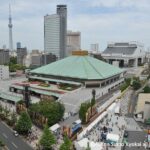
For the Tokyo version, the stated starting point is Ryōgoku Edo NOREN, at 1-chōme 3-20, Yokoami, Sumida City. The venue is near public transportation, which makes the area practical for reaching the tournament without a private vehicle.
Ryōgoku is the natural setting for sumo in Tokyo. The national arena is the focus of the district, and on tournament days the area takes on the feel of a major sporting occasion. You can expect fans arriving in good spirits, people checking tickets, and plenty of activity around the entrance.
The ticket information says the experience ends back at the meeting point, but the service itself does not include transportation. In plain terms, you are responsible for getting to the starting point and for your return journey after the event.
I would plan extra time for arrival. One useful tip from the experience details is to go early if you want the fuller atmosphere. Arriving ahead of the main bouts may give you time to enjoy food stalls, watch the crowd, and get comfortable before the arena fills with energy.
Why arriving early makes a difference
Sumo is not just the final match of the day. The event has a gradual rhythm, and arriving early lets you see more of that rhythm.
You may find food stalls and a festive mood around the venue. You might also see sumo wrestlers outside the arena, an especially memorable moment for anyone who has only seen them in photographs or on television. These details help turn a ticket into a full outing.
Early arrival is also practical. One customer had trouble finding the assigned seats at first, though arena staff were available to help. If you arrive with time to spare, you can ask for directions without missing the action.
The exact schedule and access details may vary by city and tournament day, so do not treat the four-hour estimate as a promise of identical timing in Tokyo, Osaka, and Nagoya. Use it as a planning guide.
Understanding the rituals before the bouts
The rules of sumo are not difficult, but the customs can seem mysterious if you walk in cold. The wrestlers’ gestures, pauses, and preparation are part of the event. The ceremony creates suspense before the actual push, slap, or throw.
This is where added guidance can help. Ken Miller has been described as an enthusiastic sumo practitioner who explains the sport, its rituals, and its background. Shin has also helped with group activities and explanations.
However, you should read the booking terms carefully. The standard description calls this a ticket-only event with no tour guide. Some experiences connected with this offering have included a pre-event walk, explanations, and playful sumo demonstrations led by Ken or Shin, but those extras should not be assumed unless they are confirmed for your date.
That distinction matters. If you only need entry to the tournament, the paper ticket may be all you want. If you want a guided introduction, ask before booking exactly what is included.
Watching the matches and reading the crowd

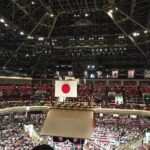
Once inside, you can expect the atmosphere of a major sports game. Fans cheer for favorite wrestlers, react loudly to close bouts, and follow the action with real interest. You are not watching a quiet museum performance. You are joining a Japanese crowd that knows the sport and cares about the result.
The matches can be brief, which makes the buildup important. Watch how the wrestlers size each other up. Notice the concentration, the formal gestures, and the sudden change from stillness to force.
Your seat affects how much detail you see. Better seats are available as an upgrade for an additional fee. That can make sense if sumo is a major reason for your Japan visit, especially if you want a closer view of the wrestlers’ movements.
At the same time, the listed price is already high. I would compare the cost of the available seat categories before agreeing to an upgrade. A better view is valuable, but only if the difference is clear and the total remains comfortable for your budget.

What the added tour element may include

The strongest descriptions of the guided side of this experience involve more than a quick handoff of tickets. Ken has led visitors around the arena area, explained sumo traditions, and helped people see matches from different vantage points.
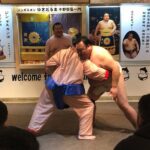
One especially unusual activity involved a play bout, with men in the group trying simple faux sumo matches and women acting as referees. That sort of hands-on explanation can make the rules easier to remember, particularly for teenagers or anyone who has never watched sumo before.
Another outing included a visit to an old sumo shrine, also dedicated to animals. That kind of stop adds local character and gives you a small connection to the area beyond the stadium.
But again, these details belong to guided arrangements described alongside the ticket service, not necessarily to every ticket booking. The official activity information says no guide is included. Treat Ken or Shin’s presence as something to verify, not something guaranteed.
If a guide is confirmed, the experience becomes more educational and social. If not, you will have a self-guided sporting event, which may suit you perfectly if you prefer freedom.
Tokyo, Osaka, or Nagoya: choosing your tournament city

The experience is offered for grand tournaments in Tokyo, Osaka, and Nagoya. That choice is useful because your Japan itinerary may not include Tokyo during the right tournament dates.
Tokyo’s Ryōgoku Kokugikan is the clearest match for the supplied meeting details. It is closely tied to sumo, and the surrounding district gives the event a strong sense of place.
Osaka offers another chance to see a major tournament, and one booking included an Osaka grand sumo experience arranged by Ken. Be careful with ticket details, since one customer found the seat information for an Osaka tournament was incorrect and needed help locating the seats.
Nagoya is also named as an available location, though no Nagoya meeting point or venue detail is supplied here. Confirm the exact venue, meeting instructions, and ticket format before you commit.
The key point is flexibility, not identical programming. The city you choose may affect the meeting point, the guide arrangement, and the exact price.
Is $946 per person good value?

At $946 per person, this is expensive for a four-hour event. The price may be easier to justify when the tournament is sold out and regular tickets are no longer available, but you should understand that you may be paying a substantial premium for access.
The booking information explains that printed ticket prices may differ from the amount charged. In sold-out situations, tickets can be obtained through suppliers at a higher rate. That may explain the price, but it does not make the difference less important to your wallet.
I would ask for the total cost and seat location before committing. One customer specifically wished they had obtained price quotes first. Another accepted the higher cost after being told the event was sold out. Those situations point to the same practical lesson: clarify the premium in advance.
The value improves if you care deeply about sumo, are visiting during a limited tournament window, or cannot find tickets through regular channels. The value is weaker if you are simply curious and could attend a less costly cultural activity instead.
There are some clear inclusions. Your admission is included, and the ticket is supplied in paper form. But transportation, a standard guide, and any added tour around the arena are not included in the basic description.
Who will enjoy this most

I would recommend this to a first-time Japan visitor who wants a real sports event rather than a short cultural demonstration. It also suits anyone already interested in sumo and willing to pay for access on a busy tournament day.
Families can enjoy it, especially if the children or teenagers like sports. A guide, if confirmed, can make the rituals easier to follow. The interactive activities described by Ken and Shin also add a light, playful side for groups.
You should think twice if you dislike fixed seating, crowded sports settings, or unclear ticket details. You should also be cautious if the $946 price would strain your trip budget.
Most travelers can participate, and the maximum group size is listed as 20 people. That is small enough to keep any confirmed guidance reasonably personal, but it does not change the fact that the standard service is ticket only.
Booking details worth checking first
Confirmation is provided at booking, and the activity is near public transportation. For Tokyo, use the Ryōgoku Edo NOREN meeting point unless your confirmation gives different instructions.
Ask these questions before payment:
- Which city and venue does your ticket cover?
- What seat section is included?
- Is the listed price higher than the printed ticket value?
- Is the event sold out, and is the price based on a supplier premium?
- Is Ken or Shin providing a guided introduction on your date?
- Where and when should you collect or use the paper ticket?
- Does the booking cover only entry, or are any arena walks included?
The cancellation rule is strict. This experience is non-refundable and cannot be changed for any reason. Once you book, you cannot recover the payment by canceling or requesting an amendment.
Should you book the grand sumo tournament?
Book it if seeing live sumo is high on your Japan wish list and you accept the price as the cost of securing a hard-to-find ticket. The real appeal is the combination of sport, ceremony, and local crowd energy, not a conventional guided tour.
I would be most comfortable booking after confirming the city, seat location, total price, and guide arrangements in writing. If you want the lowest possible cost, this may not be the right choice. If you want a genuine tournament experience and value convenience over price, it can be a memorable use of an afternoon.
FAQ
Where does the Tokyo sumo experience start?
The Tokyo meeting point is Ryōgoku Edo NOREN, Japan, 130-0015 Tokyo, Sumida City, Yokoami, 1-chōme 3-20, first floor.
Where does the Tokyo activity end?
The activity ends back at the meeting point.
How long does the experience last?
The stated duration is approximately four hours.
Is admission included?
Yes. Admission to the sumo tournament is included.
Is transportation included?
No. Transportation is not included.
Is a tour guide included?
The listed activity is ticket only and says no tour guide is included. Ken and Shin have provided guidance and added activities on some arrangements, so confirm this before booking.
Can I upgrade my seat?
Yes. Upgraded seats may be available for an additional fee.
Can I cancel or change the booking?
No. The experience is non-refundable and cannot be changed for any reason.
More Sumo Experiences in Tokyo
More tours in Tokyo we've reviewed












Sumo Experiences, compared.
 ★ 4.8Tokyo: Sumo Show Experience with Chicken Hot Pot and a PhotoFrom $1032 hours
 ★ 4.8Tokyo: Sumo Show and Dining ExperienceFrom $7990 minutes - 2 hours
 ★ 5.0the SUMO showFrom $89
 ★ 5.0Tokyo Sumo Entertainment Show with Chicken Hot Pot and PhotoFrom $106
 ★ 4.6Tokyo: Sumo Tournament Tour with Chair Seat TicketsFrom $141
 ★ 5.0Tokyo Grand Sumo Tournament Viewing Tour with TicketsFrom $124