Reviewed · MT FUJI DAY TRIPS
From Tokyo:Mount Fuji Full Day Customized Private Tour
The big draw here is control. You get a private car for up to six people and can shape a 10-hour day around Mount Fuji, Lake Kawaguchiko, Chureito Pagoda, or Hakone. I especially like the flexible schedule and the chance to avoid juggling several trains and buses.
In This Article
- Key points to know before booking
- Why a private Mount Fuji day can make sense
- Arakurayama Sengen Park and the famous pagoda view
- Kitaguchi Hongu Fuji Sengen Shrine
- Mount Fuji 5th Station, when conditions allow
- Lake Kawaguchiko and the Kachi Kachi Ropeway
- Oishi Park and seasonal color
- Oshino Hakkai and rural Japan
- Saiko Iyashi-no-Sato Nenba
- The Hakone option for hot springs and art
- Gotemba Premium Outlets as an optional addition
- How the 10-hour schedule really works
- Price, comfort, and what you still pay
- Practical details that can save your day
- Should you book this Mount Fuji private tour?
- FAQ
- How long is the private Mount Fuji tour?
- How many people can join for the listed price?
- Where can pickup and drop-off be arranged?
- Is transportation private?
- Are meals and admission fees included?
- Is an English-speaking driver provided?
- Can I customize the stops?
- What happens if I need to cancel?
I also like the comfortable SUV, hotel pickup, and the practical help of a driver who can handle toll roads and mountain routes. If Malik is your guide, expect useful local insight and help with photos. The main catch is Fuji itself: even on a mostly clear day, clouds can hide the mountain, and entry fees and meals are extra.
Key points to know before booking

- Private access to Mount Fuji sights: Your group has the vehicle to itself, with space for up to six people.
- Two different day styles: Choose a Fuji Five Lakes route or a quieter Hakone day centered on hot springs and art.
- Chureito Pagoda takes effort: The famous view requires a climb through Arakurayama Sengen Park.
- A full Fuji circuit is ambitious: Oshino Hakkai, Lake Kawaguchiko, the ropeway, Oishi Park, Saiko Iyashi-no-Sato Nenba, and the pagoda make a busy day.
- Weather matters more than planning: A clear forecast does not guarantee a clear view of Fuji.
- The price works best for a group: At $379 for as many as six people, the per-person cost drops sharply when the car is full.
Why a private Mount Fuji day can make sense

Mount Fuji is close enough to Tokyo for a day trip, but the popular sights are spread across a wide area. Public transportation can get you there, yet connecting between lakes, shrines, parks, and viewpoints takes time and patience. A private vehicle changes the rhythm of the day.
You can leave from Tokyo, Shibuya, Shinjuku, Chiyoda, Yokohama, Fujikawaguchiko, or another agreed pickup point. Hotel pickup within Tokyo’s 23 wards is available, and the return can be arranged to several Tokyo areas. Narita is listed among the pickup and drop-off choices, but airport pickup and drop-off are not included, so confirm the arrangement before paying.
The vehicle is an air-conditioned modern SUV, with fuel and tolls covered. Wi-Fi is available in the car when the hotspot is working, and water and coffee are provided. Those details may sound small, but they matter on a 10-hour outing with long stretches on the road.
The group limit is six people, which makes this especially useful for a family or a small group of friends. You do not have to wait for strangers or follow a fixed pace. If you want a larger vehicle, the operator can arrange a Hiace van for up to 14 people, with extra vehicles for larger groups.
A few more Tokyo tours and experiences worth a look
Arakurayama Sengen Park and the famous pagoda view
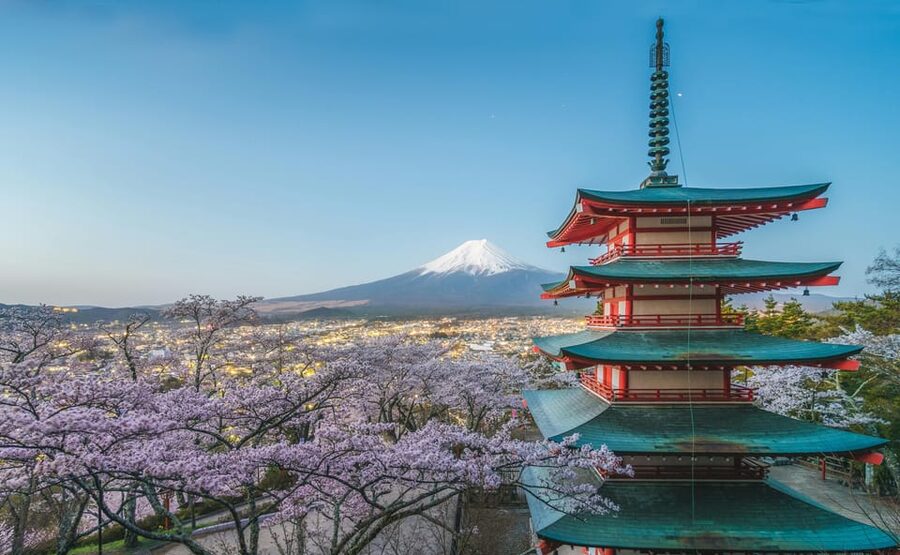
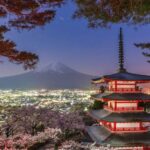
Arakurayama Sengen Park is one of the day’s signature stops. The attraction is the view of Mount Fuji rising behind the five-story Chureito Pagoda, a scene that appears in countless Japan photographs.
The pagoda itself is reached by climbing steps through the park. The walk is not simply a roadside photo stop, so allow time and energy for the ascent. Your driver can get you near the park, but this part is on foot and is best approached at an unhurried pace.
The view depends heavily on weather and timing. Even when the sky looks mostly clear, Fuji can remain hidden behind cloud. I would not book this day only for one perfect photograph. Think of the pagoda as one of several chances to see the mountain, with shrines, lakes, villages, and parks filling out the rest of the day.
Arakurayama Sengen Park and Chureito Pagoda are listed separately, but they form one connected stop in practical terms. You should ask how much time your driver recommends for walking, photography, and returning to the vehicle.
Kitaguchi Hongu Fuji Sengen Shrine

The Kitaguchi Hongu Fuji Sengen Shrine gives the day a quieter, more spiritual side. The shrine has long been associated with pilgrims preparing to ascend Mount Fuji, and its wooded setting offers a change from the open lake views and busy photo points.
This is a good stop if you want more than scenic overlooks. You can walk through the grounds, take in the traditional architecture, and consider how Fuji has been treated not only as a mountain but also as a sacred presence.
The shrine is not a quick substitute for the mountain itself. If your main goal is to reach the 5th Station, ride the ropeway, and see every lake stop, you may need to keep this visit brief. The private format helps because you can tell the driver what matters most to you.
Mount Fuji 5th Station, when conditions allow

The 5th Station sits about halfway up Mount Fuji and offers mountain air and broad views over the surrounding countryside. It is the highest point included in the Fuji-focused route, making it a natural highlight.
Access and visibility can vary, so you should confirm conditions on the day. The tour information presents the 5th Station as part of the Fuji route, but mountain roads are never as simple as city streets. A flexible driver is useful here, especially when weather affects what you can see.
At the 5th Station, you are not reaching the summit. This is a sightseeing stop at mid-mountain, not a climbing experience. Expect a chance to look out over the area, breathe cooler air, and see Fuji from a different angle.
Lake Kawaguchiko and the Kachi Kachi Ropeway

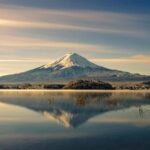
Lake Kawaguchiko is one of the Fuji Five Lakes and one of the easiest places to appreciate the mountain from water level. The shoreline gives you room to walk, pause, and take photographs without the more demanding climb at Chureito Pagoda.
The nearby Mount Fuji Panoramic Ropeway rises about 400 meters from the eastern side of the lake to an observation deck near Mount Tenjo. From there, you get a high view over the lake and toward Fuji. The ride itself is short, with about 30 minutes allocated to the stop in the listed schedule.
The ropeway is a strong choice when it is operating and the visibility is good. It also adds a ticket cost because entry fees are not included. If you are trying to keep expenses down, walking along the lake may be enough. If you want a wider view and do not mind paying separately, the ropeway adds a useful change of angle.
Lake Kawaguchiko is also where the private car proves its worth. You can combine the shore, ropeway, Oishi Park, and other nearby stops without figuring out separate local connections.
Other private tours in Tokyo


Oishi Park and seasonal color
Oishi Park sits beside Lake Kawaguchiko and is known for its flower displays and views toward Mount Fuji. The appeal changes with the season, so the exact colors and blooms will depend on when you visit.
The park is easy to enjoy at a gentle pace. You can walk the paths, look across the lake, and use the mountain as a backdrop for photographs. A one-hour stop gives you time to see more than a roadside viewpoint without turning the visit into a long hike.
This is also one of the stops most vulnerable to Fuji’s cloud cover. The flowers remain a reason to stop, but the famous mountain view is never guaranteed. I would treat the park as worthwhile even if Fuji refuses to appear.
Oshino Hakkai and rural Japan
Oshino Hakkai is a traditional village with clear spring-water ponds fed by snowmelt from Mount Fuji. The ponds, old-style thatched roofs, and rural setting offer a different experience from the polished viewpoints around the lake.
You get about an hour here for walking and self-guided sightseeing. That is enough for a look around, though the area can feel short if you want to study every pond, browse local stalls, and take photographs at a relaxed pace.
Oshino Hakkai is valuable because it gives you a sense of village life and Fuji’s connection to water. The mountain is not only something to photograph from a distance. Its snowmelt shapes the local environment, and this stop makes that connection visible.
Saiko Iyashi-no-Sato Nenba
Saiko Iyashi-no-Sato Nenba adds another traditional Japanese setting to the Fuji route. The stop is listed for about an hour and includes self-guided sightseeing.
The available information does not specify a full guided presentation or particular demonstrations, so you should expect time to walk around on your own. It is best for visitors who enjoy traditional buildings and village-style scenery and want a slower stop between the more famous Fuji viewpoints.
Because the day already includes several places around the lakes, ask your driver how this stop fits with your priorities. The private format lets you spend more time here if traditional village scenery interests you, or keep it shorter if your main goal is the pagoda and lake views.
The Hakone option for hot springs and art

The second route shifts the focus away from the Fuji Five Lakes. It is designed around Hakone’s hot springs and artistic attractions, making it a better match if you want a more varied day rather than a concentrated Fuji circuit.
The supplied details do not name every Hakone stop, so you should contact Tokyo Luxury Private Tours before booking if you have specific places in mind. The operator invites custom routes and special preferences, which is important here. Confirm exactly what will be included, how much driving is involved, and which entrance fees you will pay separately.
Hakone is the better choice for you if hot springs and museums appeal more than visiting several Fuji viewpoints. The Fuji route is more photograph-focused. The Hakone route offers a different balance, but the final experience depends on the stops you arrange.
Gotemba Premium Outlets as an optional addition
Gotemba Premium Outlets is listed as a two-hour sightseeing stop. It can be useful if shopping is part of your Japan plans, especially for anyone who wants branded goods in a large outlet setting.
The tradeoff is time. Two hours at the outlets can replace time at a shrine, lake, village, or viewpoint. You should not expect to fit every Fuji-area stop and a full shopping visit comfortably into one 10-hour day without rushing.
This is where the private schedule helps most. You can decide if shopping is worth the road time, instead of being locked into a group plan. If Fuji scenery is your priority, I would treat Gotemba as an optional extra rather than a central stop.
How the 10-hour schedule really works
The published stop list includes Oshino Hakkai, Lake Kawaguchiko, the ropeway, Oishi Park, Saiko Iyashi-no-Sato Nenba, Chureito Pagoda, Arakurayama Sengen Park, Kitaguchi Hongu Fuji Sengen Shrine, and Gotemba Premium Outlets. It is a generous menu, not a promise that every stop will receive a full hour in one day.
The listed visits alone add up to many hours, before accounting for the drive from Tokyo, traffic, meals, ropeway waiting time, and the mountain road to the 5th Station. You should discuss your top three or four priorities before departure.
For a first visit, I would usually put Chureito Pagoda, Lake Kawaguchiko, Oishi Park, and Oshino Hakkai high on the list. Add the shrine if cultural sites matter to you. Add the ropeway if the weather is clear and you want a higher viewpoint. Keep Gotemba for a day when shopping is genuinely important.
The guide can help adjust the order, but weather remains the key variable. Fuji may be visible early and hidden later, or the reverse. A flexible schedule gives you a chance to respond, but it cannot control clouds.
Price, comfort, and what you still pay
The price is $379 per group of up to six, not per person. For six people, that works out to roughly $63 each before optional admission fees and food. For two people, the same price is about $190 each, so the value depends heavily on group size.
Fuel, tolls, private transportation, hotel pickup and drop-off, and an English-speaking driver are included. Water and coffee are also provided, and a Wi-Fi hotspot may be available. Food and entry fees are not included, so budget separately for the ropeway and any other paid attractions.
Compared with assembling several train, bus, and taxi rides, the private car may be good value for a full group. You are paying for time, convenience, and control as much as transport. If you are traveling alone or as a pair and are comfortable with public transportation, the cost deserves closer thought.
The operator also offers Arabic, Hindi, and Japanese language support, in addition to English. Confirm your preferred language when booking rather than assuming the same guide will be available every day.
Practical details that can save your day
You should wait in your hotel lobby 10 minutes before pickup. The driver may wait up to 60 minutes after the scheduled pickup time, but do not treat that as extra sightseeing time. A late start can squeeze the final stops, especially with Tokyo traffic.
Alcohol, drugs, alcoholic drinks in the vehicle, feeding animals, fires, and party-group behavior are not allowed. The vehicle and activity are wheelchair accessible, but the walking portions still include parks, shrine grounds, and the steps to Chureito Pagoda.
The supplier gives several body-size restrictions, including a maximum height of 200 centimeters and weight limits that are not presented consistently in the supplied details. If those limits may affect you, confirm directly before booking. The tour is also listed as unsuitable for people with high blood pressure or nut allergies.
For smoother communication, add Tokyo Luxury Private Tours on WhatsApp at +44 7459572907 before the day of the tour. The same number is given for emergencies. This is particularly useful when your pickup is outside central Tokyo or you are coordinating a customized route.
Free cancellation is available up to 24 hours before the tour, and you can reserve now and pay later. Those terms are helpful when Fuji weather is uncertain, though you should still check the final booking conditions.
Should you book this Mount Fuji private tour?
Book it if you are traveling with several people, want hotel pickup, dislike complicated connections, and care about choosing your own stops. The private SUV, flexible timing, and ability to shift between Fuji viewpoints, shrines, villages, Hakone, or shopping are the strongest reasons to choose it.
I would be cautious if you want a tightly guided cultural tour with detailed commentary at every stop. Much of the sightseeing is self-guided, and the day can become rushed if you try to visit everything listed. I would also avoid making the purchase solely for a guaranteed Fuji photograph, since clouds can hide the mountain even on a mostly clear day.
If Malik is assigned as your guide, you may appreciate his cultural background and help with photography. Regardless of the driver, send your priorities in advance. Ask for the Fuji Five Lakes route if the mountain and classic views matter most, or request the Hakone plan if hot springs and art sound like the better use of your day.
FAQ
How long is the private Mount Fuji tour?
The tour lasts 10 hours, with starting times available according to the date you select.
How many people can join for the listed price?
The $379 price covers a private group of up to six people.
Where can pickup and drop-off be arranged?
Pickup and drop-off options include Tokyo, Shibuya City, Shinjuku City, Chiyoda City, Yokohama, Narita, and Fujikawaguchiko. Hotel pickup within Tokyo’s 23 wards is available, but airport pickup and drop-off are not included.
Is transportation private?
Yes. You travel in a private, air-conditioned vehicle. The standard vehicle is a modern luxury SUV, and Hiace vans for up to 14 people can be arranged.
Are meals and admission fees included?
No. Food and entry fees are not included. You should budget separately for attractions such as the Mount Fuji Panoramic Ropeway.
Is an English-speaking driver provided?
Yes. The included driver speaks English. Arabic, Hindi, and Japanese language support is also listed.
Can I customize the stops?
Yes. The experience offers a Fuji Five Lakes route and a Hakone route, and the supplier accepts customized itineraries and special preferences.
What happens if I need to cancel?
You can cancel up to 24 hours in advance for a full refund. The activity also allows you to reserve now and pay later.
More Full-Day in Tokyo

More Private Tours in Tokyo
More Mt Fuji Day Trips in Tokyo
More tours in Tokyo we've reviewed
Mt Fuji Day Trips, compared.
 ★ 5.0Mt Fuji and Hakone 1-Day Bus Tour Return by Bullet TrainFrom $163
 ★ 4.0Mt Fuji & Hakone Cruise, Drum Show Bullet Train 1 Day from TokyoFrom $149
 ★ 4.4Tokyo Mt Fuji 5th St & Hakone Cruise Bus Tour w/Bullet TrainFrom $15410 hours
 ★ 4.5From Tokyo: Mount Fuji Full-Day Sightseeing TripFrom $6810 hours
 ★ 4.7Tokyo: Mt. Fuji Tour, Hakone Ropeway, Owakudani, Lake AshiFrom $5410 hours
 ★ 4.4Tokyo:Mt.Fuji,Kawaguchiko Oishi Park,Arakurayama Sengen ParkFrom $5410 hours