Reviewed · FOOD
Tokyo: Secret Food Walking Tour
Tokyo’s best food discoveries often happen in ordinary neighborhood shops, not grand dining rooms. This three-hour Ueno food walk takes you from freshly made sushi to gyoza, yakitori, sweets, matcha ice cream, and a final secret dish, with local streets and a shrine along the way.
In This Article
- Key points to know before booking
- Why Ueno is a smart place to start a Tokyo food tour
- Meeting at JR Ueno Station without confusion
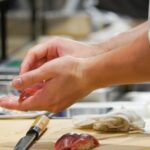
- Fresh sushi starts the meal
- Gyoza brings a different texture
- Yakitori and a drink at a tachinomiya
- Sweet stops keep the route moving
- The secret dish adds a final surprise
- How much food do you receive?
- Food guidance versus a full history tour
- Is $151 a fair price?
- Who will enjoy this Ueno food walk?
- Booking details that matter
- Should you book the Secret Food Walking Tour?
- FAQ
- How long does the Tokyo Secret Food Walking Tour last?
- Where does the tour meet?
- How can I identify the guide?
- What should I do if I cannot find the meeting point?
- What food is included?
- Is transportation included?
- Is the tour conducted in English?
- Can I cancel the booking for a full refund?
I like the generous range of food and the small group limit of 10. I also like that guides such as Kaho and Kyoko can help you understand what you are eating, rather than leaving you to guess at an unfamiliar menu. The main drawback is that the history and neighborhood commentary may feel light if your top priority is sightseeing rather than eating.
Key points to know before booking

- Start at JR Ueno Station: Meet outside the JR Central Gate near the Hard Rock Cafe and the Andersen bakery.
- Come very hungry: The portions add up quickly, with sushi, gyoza, yakitori, a drink, sweets, matcha ice cream, and a secret dish.
- Eat like a local: The route includes a tachinomiya, a Japanese stand-up eating and drinking spot.
- Expect a food-first tour: You receive some culture and local history, but the strongest reason to book is the variety of dishes.
- Small English-speaking group: The group is limited to 10 people, with a live guide.
- Allow for walking: Comfortable shoes matter, and the tour returns to the starting point.
Why Ueno is a smart place to start a Tokyo food tour

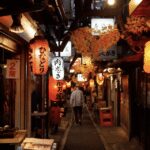
Ueno gives this experience a useful mix of city life, local eating, and easy transport connections. You begin inside JR Ueno Station, then move away from the station area toward downtown streets and neighborhood restaurants.
That change of setting is part of the appeal. You do not simply sit in one restaurant and receive a fixed meal. You walk between stops, see how the area changes, and try food in several different settings.
I especially like this format for a first or second day in Tokyo. You can use the guide’s explanations to get comfortable with common foods and eating habits before you explore other parts of the city on your own.
The tour also includes a shrine visit according to the experience details shared by past participants. It is not presented as a major sightseeing tour, so you should not book this expecting a full tour of Ueno’s temples, museums, or parks. Think of the sights as useful context between meals.
Other walking tours we've reviewed in Tokyo
Meeting at JR Ueno Station without confusion
The meeting point is inside the JR Ueno Station building, outside the JR Central Gate. Look for the entrance to the Hard Rock Cafe near the Andersen bakery.
There are several Hard Rock Cafe entrances, so this detail matters. The meeting point is near the entrance on the other side of the bakery. Your guide carries a Secret Tours orange umbrella, which should make the group easier to spot.
If you need help from station staff or a local person, show them this Japanese text:
JR上野駅 中央改札外のハードロックカフェ入口付近
Arrive with enough time to find the correct exit. Ueno Station can be confusing, especially if you are carrying luggage or arriving during a busy period. Transportation to and from the meeting point is not included, and there is no hotel pickup or drop-off.
The tour ends back at the same meeting point, which is handy if you want to continue exploring Ueno afterward. It also means you do not need to plan a complicated return route after several food stops.
Fresh sushi starts the meal

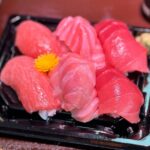
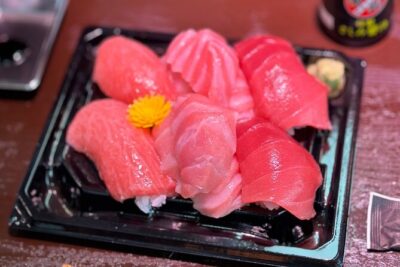
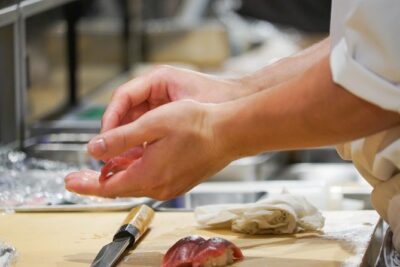
The first stop is one of the most popular sushi shops on the route. You begin with freshly made sushi before walking through the local streets near the station.
This is a practical opening course. Sushi is familiar to many people, but the quality, preparation, and types of fish can still be new to you. An English-speaking guide can explain the local approach and help you understand what you are served.
The first stop also sets the pace for the rest of the tour. You are not rushing through a long formal meal. Instead, you sample food, hear some background, and then move on.
One timing point is worth noting. The first restaurant opens at 11:00 in at least one version of the schedule, and one participant suggested a 10:45 start to match that opening time. Check the exact starting time when you book. A slightly awkward wait at the beginning could affect the flow, depending on the day’s schedule.
Gyoza brings a different texture

After the sushi, the group leaves the busiest station area and heads toward the downtown district for gyoza. These dumplings are filled with minced meat and vegetables, then served fried or steamed.
This is a good contrast to the sushi. You move from cool, delicate seafood to hot dumplings with a crisp or soft wrapper. If you have only eaten gyoza in an overseas Japanese restaurant, this stop gives you a chance to compare the style with what you find in Tokyo.
The food is not limited to famous headline dishes. That matters because a useful food tour should show you more than sushi. Gyoza is an everyday favorite, and it can tell you more about casual Japanese eating than an expensive restaurant meal.
You may want to ask your guide about the difference between fried and steamed versions. The tour description specifically allows for either, so the exact serving can vary.
Yakitori and a drink at a tachinomiya

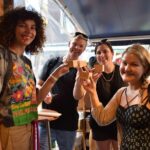
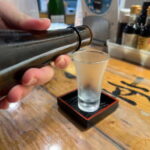
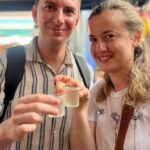
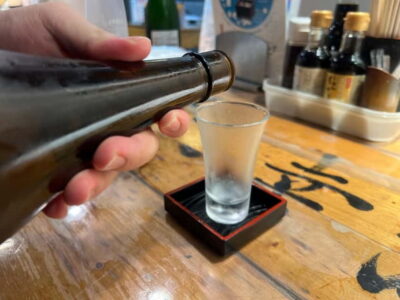
Next comes yakitori, skewered chicken served at a tachinomiya, or stand-up eat-and-drink restaurant. You receive a draft beer or a flavored sawa with the food.
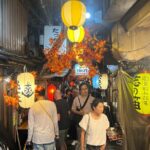
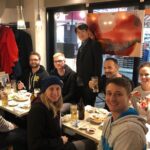
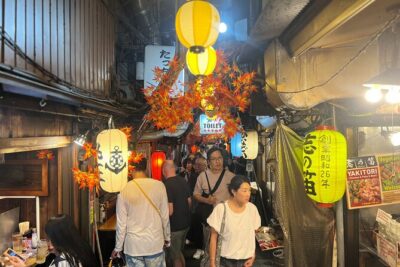
This may be the most distinctive stop on the route. A stand-up restaurant offers a more casual setting than a sit-down dining room, and it gives you a taste of the quick, social style found in Japanese food neighborhoods.
Yakitori also rewards a guide’s help. Chicken skewers can include different cuts and preparations, and a local guide can explain what is on your plate. The setting may feel lively and close-packed, so it suits you if you enjoy informal food places more than polished restaurants.
Alcohol is part of this stop, but the supplied details do not specify nonalcoholic alternatives. If you do not drink, tell the guide at the start and ask what option is available. The tour includes food, but the information does not clearly state whether every drink is included in the $151 price.
A few more Tokyo tours and experiences worth a look

Sweet stops keep the route moving

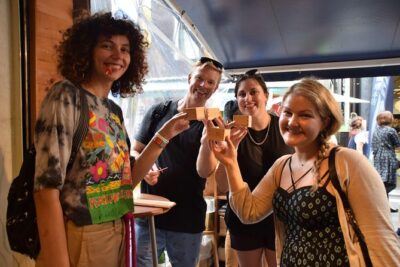
After the savory dishes, the tour turns to sweets. The first choice is manju, or seasonal freshly cut fruit, followed by matcha ice cream.
Manju is a traditional Japanese sweet with a soft outer layer and a filling inside. Fruit may replace it depending on the season, so this part of the route changes during the year. That seasonal option is a nice touch, since it keeps the menu tied to what is available rather than forcing the same dessert in every month.
Matcha ice cream gives the group a familiar modern favorite. It also provides a clear change in flavor after sushi, dumplings, and grilled chicken. If you are new to matcha, expect a tea flavor that can be pleasantly bitter rather than simply sweet.
The dessert courses are not filler. They help the meal feel complete, and they give children or anyone less adventurous with savory food something to anticipate. An eight-year-old enjoyed the tour, so the format can work well for families, provided children are comfortable walking and trying unfamiliar foods.
The secret dish adds a final surprise

The final course is a secret dish served in a cozy environment. The exact item is not revealed in advance, and that is the one part of the meal you cannot assess from the published menu.
This is fun if you enjoy trying something without knowing every detail first. It also gives the guide room to choose a local specialty or a dish that fits the day. If you have allergies, dietary restrictions, or foods you cannot eat, raise the issue before the tour begins. The available information does not promise a particular dietary accommodation.
The secret dish works best as a closing course because you have already sampled several familiar categories. By this point, you have a better sense of Japanese flavors and may feel more ready to try something outside your usual order.
How much food do you receive?
Plan to arrive hungry. The meal includes several substantial stops, and the food adds up faster than the three-hour schedule may suggest.
You start with sushi, then eat gyoza, yakitori, and a drink. After that come manju or fruit, matcha ice cream, and the secret dish. The exact portions and seasonal choices can change, but the overall pattern is clearly a full meal rather than a few tiny samples.
I would not eat a full breakfast or lunch before joining. One American participant described feeling completely full by the end, and several people stressed the generous amount of food. That makes the tour good value for an appetite, but less suitable if you prefer grazing lightly.
The food is also spread across different shops. You will not be able to save every course for later, so pace yourself. Take small bites at the start and avoid filling up on the first sushi stop.
Food guidance versus a full history tour

The guide explains local food, culture, and the stories behind dishes such as yakitori and gyoza. You also receive some background on the Ueno area and visit a shrine during the walk.
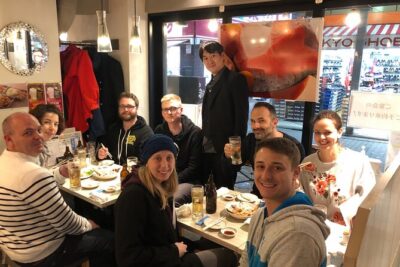
The strongest part of the commentary is likely to be practical food knowledge: what you are eating, how it fits into daily life, and why these dishes matter in Japan. Guides Kaho and Kyoko were specifically praised for being warm and pleasant hosts, and the small group gives you a better chance to ask questions than a large bus tour would.
Still, keep your expectations in the right place. This is primarily a food tour with sightseeing along the way. If you want detailed architectural history, long shrine explanations, or a thorough account of Ueno’s past, this may feel too brief.
I like the balance for most first-time visitors. You get enough context to make the meals more meaningful, but the tour does not turn into a lecture between bites. If history is your main reason for visiting Ueno, pair this with a separate museum, temple, or neighborhood walk.
Is $151 a fair price?
At $151 per person, this is not a budget lunch. The price needs to cover a live English-speaking guide, food at several locations, and the planning involved in moving a small group through multiple shops.
The value is strongest if you want help finding places you might not choose on your own. You avoid guessing at menus, ordering unfamiliar dishes, and working out how to connect several stops. You also receive a full meal rather than one tasting plate.
The price is less convincing if you mainly want a cheap introduction to sushi and gyoza, or if you already know Ueno’s food scene well. Independent eating will cost less, especially if you are comfortable using menus and choosing restaurants yourself.
For me, the best comparison is with a guided evening out. You pay for food, but also for the local host, the route, the explanations, and the chance to visit several types of casual restaurant in one sitting. The small group limit of 10 improves that value because the guide can keep the pace manageable and answer questions.
Who will enjoy this Ueno food walk?
This tour suits you if you want:
- A first taste of Japanese food without planning several restaurant visits.
- A filling introduction to sushi, gyoza, yakitori, sweets, and matcha.
- An English-speaking guide who can explain unfamiliar foods.
- A casual route through local streets and food shops.
- A small group rather than a large organized crowd.
- A family-friendly activity that can work for children who are open to new foods.
It may not suit you if you want a light snack tour, a serious culinary class, or a detailed historical tour of Ueno. It is also not ideal if you dislike walking, standing to eat, or leaving food choices partly to the guide.
Comfortable shoes are important. The tour lasts about three to three and a half hours, depending on the stated schedule, so wear something you can walk in and choose clothing that does not make a full meal uncomfortable.
Booking details that matter
The tour is offered in English with a live guide, and the group is limited to 10 participants. Food is included, while transportation and hotel pickup are not.
You can reserve now and pay later, which helps if your Tokyo schedule is still changing. Free cancellation is available up to 24 hours before the start time for a full refund.
Check the available starting times carefully. The comments about the first restaurant opening at 11:00 suggest that timing can affect the opening of the meal. Also confirm what is included for drinks, especially if you plan to choose the beer or flavored sawa at the yakitori stop.
Should you book the Secret Food Walking Tour?
Book it if you want a substantial, friendly introduction to Tokyo food and prefer discovering several casual places with a guide. The range is the real strength: sushi, gyoza, yakitori, a local drink, manju or fruit, matcha ice cream, and a secret final dish give you a broad first look at Japanese eating.
Skip it if you are seeking a detailed Ueno history tour or a low-cost way to grab lunch. The food-first focus is clear, and the historical context may be limited.
For most first-time visitors who arrive hungry, the $151 price can make sense. You leave with a full stomach, a clearer idea of what to order in Japan, and a useful introduction to the food culture around Ueno.
FAQ
How long does the Tokyo Secret Food Walking Tour last?
The tour lasts about three to three and a half hours. The activity information also lists the duration as three hours, so check the chosen start time and schedule when booking.
Where does the tour meet?
You meet inside JR Ueno Station, outside the JR Central Gate, near the entrance to the Hard Rock Cafe and the Andersen bakery.
How can I identify the guide?
The guide will be waiting with a Secret Tours orange umbrella.
What should I do if I cannot find the meeting point?
Show a local person or station staff this Japanese text: JR上野駅 中央改札外のハードロックカフェ入口付近.
What food is included?
The route includes sushi, gyoza, yakitori, a draft beer or flavored sawa, manju or seasonal fruit, matcha ice cream, and a secret dish. Exact choices may vary.
Is transportation included?
No. Transportation and pickup or drop-off are not included. The tour ends back at the original meeting point.
Is the tour conducted in English?
Yes. It has a live English-speaking guide.
Can I cancel the booking for a full refund?
Yes. You can cancel up to 24 hours in advance for a full refund. You can also reserve now and pay later.
More Food Experiences in Tokyo
More Walking Tours in Tokyo

More tours in Tokyo we've reviewed












Food, compared.
 ★ 5.0Tokyo: Shinjuku Food Tour (13 Dishes at 4 Local Eateries)From $86
 ★ 5.0Tokyo Tsukiji Fish Market Food and Culture Walking TourFrom $99
 ★ 5.0Tokyo: Tsukiji Fish Market Food and Walking tourFrom $30
 ★ 4.9Tokyo: Shinjuku Food Tour (13 Dishes and 4 Eateries)From $97
 ★ 5.0Tokyo Night Foodie Tour in Shinjuku – Seasonal Sushi, Wagyu BeefFrom $111
 ★ 5.0Eat and Drink Like a Local: Tokyo Ueno Food Tour-Taverns&RamenFrom $95