Reviewed · SUSHI MAKING CLASSES
Private Sushi Making Tokyo Roll and Authentic Japanese Sushi
The best part of this private sushi class is that you do not just watch someone prepare lunch. You shape rolls and authentic nigiri yourself, then sit down to eat what you made in Asakusa, a short walk from Sensoji Temple. Instructors such as Yui, Masaki, and Ayu are known for patient, cheerful teaching, though your assigned instructor may differ.
In This Article
- Key points
- Making sushi beside Sensoji Temple
- A 100-minute lesson for complete beginners
- What you may make: rolls, nigiri, and temari sushi
- Friendly instruction from Yui, Masaki, or Ayu
- Why the private format matters
- Eating the sushi you made
- Fitting the class into an Asakusa day
- Who will get the most from this class
- Practical details before you book
- Should you book Private Sushi Making Tokyo?
- FAQ
- Where does the sushi class meet?
- Where does the activity end?
- How long does the class last?
- Is the class taught in English?
- Do I need cooking experience?
- What is included in the price?
- Can I cancel for a full refund?
I like the easy English guidance and the fact that no cooking skill is needed. I also like the setting: you can pair this 1-hour-40-minute class with Sensoji and the Sumida River instead of giving up a full half-day to a food activity. The main consideration is the high group price of $1,300.72. It makes far more sense for a larger private group than for one or two people.
Key points
- Make several styles of sushi: Learn rolls and nigiri, with temari sushi also featured in the class experience.
- Private for your group: Only your party participates, with capacity for up to 15 people.
- English instruction: Friendly local staff explain the steps and cultural details in English.
- Eat what you prepare: The ingredients and the finished meal are included.
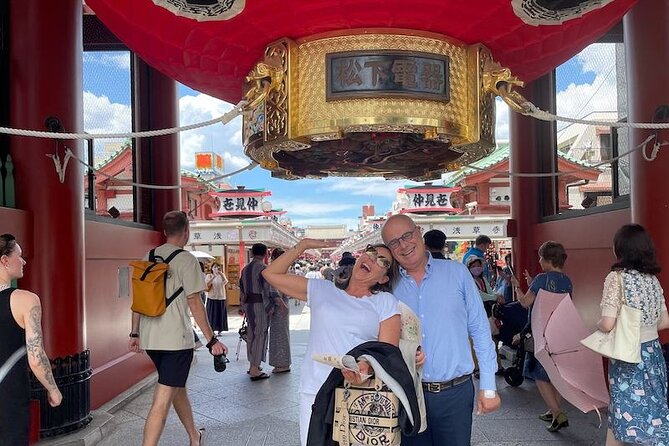
- Excellent Asakusa location: The class meets near Sensoji Temple and offers a chance to see the Sumida River area.
- Flexible planning: Confirmation is provided at booking, and cancellation is free up to 24 hours before the start time.
Making sushi beside Sensoji Temple
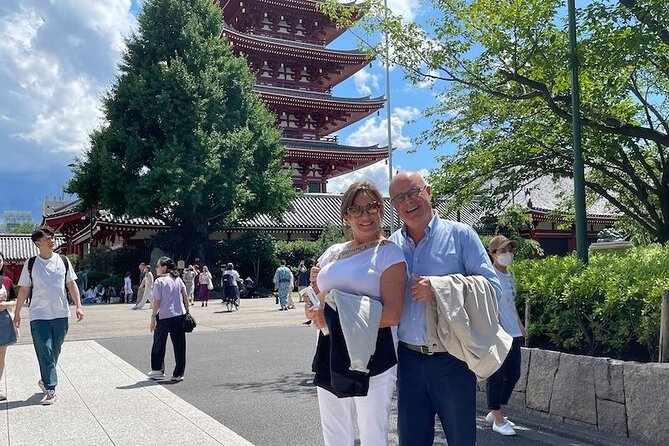
Asakusa is one of Tokyo’s best places to connect food with place. You are near Sensoji Temple, one of the city’s most familiar sights, but this class gives you something more active to do than simply walk through the temple grounds and take photographs.
The meeting point is Sushi Making Tokyo at 2-chōme-17-9 Kaminarimon, Taito City. That address puts you in the Kaminarimon area, close to the temple district and public transportation. The class ends at the same place, so you do not need to arrange a second pickup or figure out a new meeting point afterward.
I see this as a useful way to organize a morning or afternoon in Asakusa. You can visit Sensoji before or after the class, then continue around the Sumida River area. The activity itself is short enough to fit into a wider Tokyo day, but long enough to give you time to make and eat the food rather than rush through a demonstration.
The setting also helps the class feel connected to Tokyo. You are not learning sushi in an isolated cooking studio far from the sights. You are working in one of the city’s traditional districts, where a food lesson fits naturally into the rest of your sightseeing.
A few more Tokyo tours and experiences worth a look
A 100-minute lesson for complete beginners
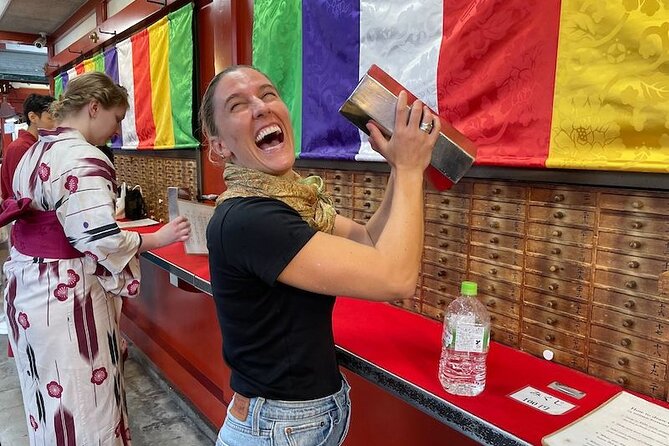
The session lasts about 1 hour and 40 minutes. You begin with guidance from an English-speaking instructor, then work through the sushi-making process step by step.
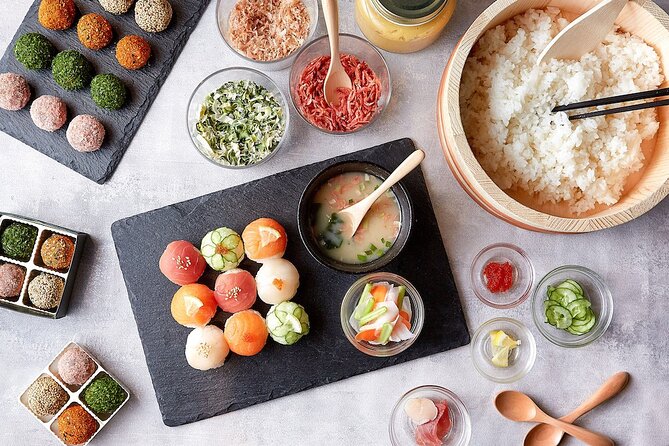
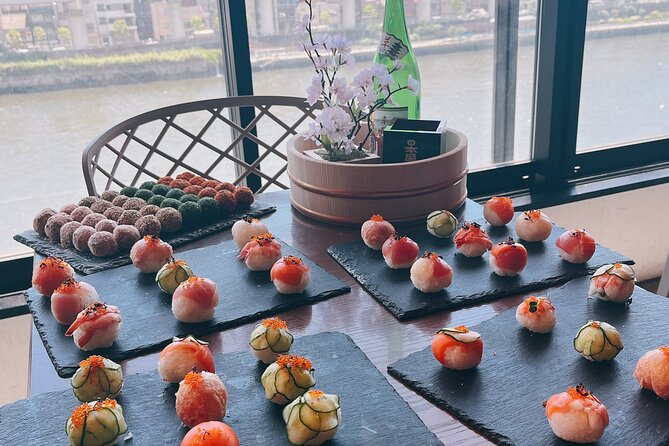
The class covers sushi rolls and authentic nigiri. One reported class also included temari sushi, the small rounded style that can be made into neat, decorative shapes. The exact selection may depend on the session, but you can expect a hands-on lesson rather than a lecture.
You do not need previous cooking experience. That matters because sushi can look simple while requiring careful handling. An instructor can show you how to work with the rice, shape the sushi, and make the finished pieces look presentable without expecting professional results.
The tone is meant to be relaxed and social. You learn, make the food, and then eat it. That simple order gives the activity a clear reward: your lunch or snack is not separate from the lesson. You see the process and taste the result.
The class also includes cultural information. The details provided do not specify how much time is spent on food history or etiquette, so I would not book this as a formal culinary seminar. Think of it as a practical introduction with some cultural context, suited to people who want to do something rather than only listen.
What you may make: rolls, nigiri, and temari sushi
Sushi rolls are usually the most approachable part for first-time cooks. You can focus on assembling and shaping the roll, then see how small changes affect its appearance. The class is designed to help you make something attractive, and Yui has been praised for offering advice on making the sushi look pretty.
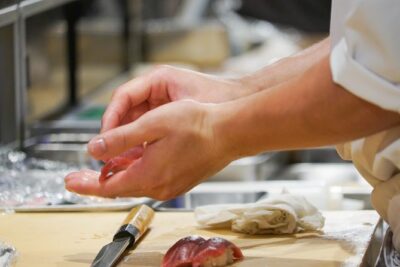
Nigiri gives you a different skill. Instead of rolling ingredients inside seaweed, you shape rice and pair it with fish or another topping. This is the part most likely to feel like a small culinary challenge, which is exactly why guided instruction helps.
Fresh fish is a major part of the appeal. One mother and daughter specifically praised the freshness and taste of the fish, but the available details do not list the exact varieties served. You should enjoy the meal provided, but do not choose this class expecting to select a particular fish or menu unless the operator confirms that in advance.
Temari sushi adds a playful element. Its rounded shape can be especially appealing for families and anyone who enjoys taking photographs of food. It also gives you a different result from the long, familiar sushi roll.
The class is not about producing perfect restaurant sushi. It is about learning enough technique to make your own pieces, understand the care involved, and enjoy the food at the end. That is a sensible level for a short activity.
Friendly instruction from Yui, Masaki, or Ayu
The instructors are English-speaking local staff, which removes one of the main worries international visitors can have with a cooking class. You can ask questions, follow directions, and understand the cultural notes without relying on translation.
Yui has been praised for being fun to talk with and for giving useful advice on presentation. Masaki has been described as patient, enthusiastic, and joyful while guiding the class. Ayu led a temari sushi session and helped make the activity work well for a family.
These names give you a useful sense of the teaching style, but they should not be treated as a guarantee that one particular person will lead your booking. The information does not say that you can choose your instructor. What you can expect is an English-speaking teacher who works with beginners.
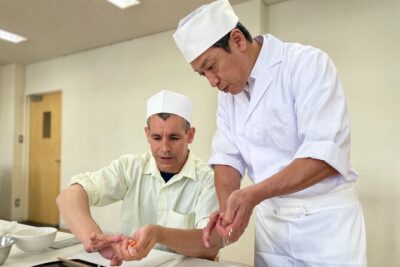
That personal guidance is more important than it may sound. Sushi making involves several small steps, and a quick demonstration may not be enough for every member of a family or group. A patient instructor can slow down, show a technique again, and help you improve the shape of your food.
The class has also received a two-time TripAdvisor Best of the Best award. That recognition suggests the activity has made a strong impression on its audience, but the practical value for you is simpler: the class has a clear structure, English support, and a finished meal.
Why the private format matters
This is a private activity, so only your group participates. The advertised capacity is up to 15 people, making it suitable for a family, a group of friends, or a larger private party.
A private class changes the feel of a cooking lesson. You do not need to worry about being paired with strangers, and your group can share the same experience from start to finish. For families, that can make it easier to include children or less confident cooks.
There is also a price trade-off. The listed cost is $1,300.72 per group, not per person. If you fill all 15 places, the price works out to about $87 per person. For a group of five, it is about $260 per person, and for two people it is about $650 each.
Those rough calculations show who gets the best value. A large group that wants a private activity may find the cost reasonable, particularly because instruction, ingredients, and the meal are included. A couple or solo visitor will pay a great deal for the same 100-minute session.
The price does not include hotel pickup or drop-off. Since the class meets near public transportation in central Asakusa, that is less serious than it would be for an activity outside Tokyo. You still need to get yourself to Kaminarimon, but the meeting point is in an area already useful for sightseeing.
Other private tours in Tokyo



Eating the sushi you made
The meal is included, along with the ingredients used in the class. That makes the final portion more than a quick photo opportunity. You get to taste the result while the techniques are still fresh in your mind.
The supplied comments describe the finished sushi as very good, and the fish as fresh and delicious. Those comments are encouraging, but your experience with the food will naturally depend on personal taste, including how comfortable you are with raw fish.
If someone in your group does not eat fish, has allergies, or follows a restricted diet, ask the provider before booking. The supplied information does not list substitutions, vegetarian choices, allergy procedures, or a full ingredient list.
I like the fact that the eating portion follows immediately after the making portion. You can compare the pieces, laugh at the uneven ones, and take photos before enjoying them. This is a small but real advantage over a standard restaurant meal, where you remember the taste but not the work behind it.
The food also gives the group a shared ending. The class is not just a lesson for one person while everyone else waits. The private format lets the whole group make, display, and eat the sushi together.
Fitting the class into an Asakusa day
The short duration makes this easy to add to a Tokyo schedule. At about 100 minutes, it does not consume an entire day, and the end point is the same as the start point.
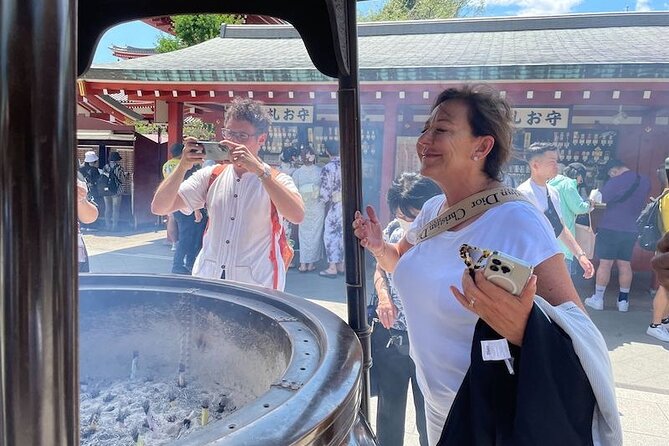
I would combine it with Sensoji Temple, Kaminarimon, and a walk near the Sumida River. The activity information specifically points to the temple and the river as nearby highlights. One family also enjoyed the view toward the Sumida River, so the area can add visual interest beyond the food itself.
Plan your timing with care. The class has a fixed start time, and the cancellation rules use local Tokyo time. You receive confirmation at booking, which helps you place it correctly among temple visits, shopping, and meals.
Because the class is close to major sights, it can work well on a day when you want one structured activity surrounded by free time. You could spend the earlier part of the day exploring Asakusa, attend the class, then continue along the river or toward another Tokyo neighborhood.
The class itself is not a sightseeing tour. The instructor will provide cultural insight, but you should not expect a guided visit to Sensoji or a river cruise. Its value comes from the activity and location, not from transportation or a long list of included sights.
Who will get the most from this class
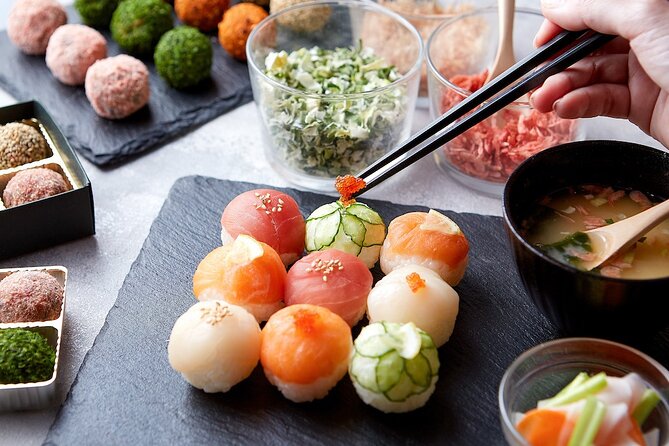
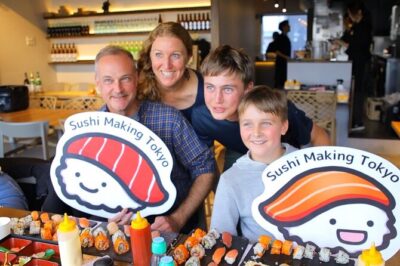
This experience suits families especially well. The instructions are in English, no cooking background is needed, and the class offers a simple project that children and adults can share. The private setup also gives families more room to work at their own pace.
It works for couples and solo visitors who care more about a personal food activity than about keeping costs low. For one or two people, the group price is difficult to justify unless the private setting has special importance to you.
Friends traveling together may find the price easier to divide. A group of eight to 15 people receives much stronger value per person, and the class creates an event everyone can discuss afterward instead of another meal eaten quietly at a restaurant.
Sushi fans should also think about what they want to learn. If you want advanced knife work, professional restaurant training, or a detailed tour of the fish market, this short class is not the right match. If you want a beginner-friendly introduction to rolls, nigiri, and possibly temari sushi, it is better aligned.
The experience can also suit visitors who feel unsure about joining a Japanese-language activity. English-speaking instructors and a clear start and end point make the class easier to manage.
Practical details before you book
The price is $1,300.72 per group of up to 15 people. Ingredients and the cooking-class meal are included, but hotel transportation is not.
The activity uses a mobile ticket, and confirmation is provided when you book. It is near public transportation, and service animals are allowed.
You can cancel for a full refund up to 24 hours before the start time. Cancellations or changes made within 24 hours are not accepted for a refund. If the minimum number of participants is not met and the provider cancels, you will be offered another date or experience, or receive a full refund.
The class is booked, on average, 44 days ahead. That figure is useful if your Tokyo dates are fixed, especially for a larger group. I would reserve early rather than wait until you are already in Asakusa.
Should you book Private Sushi Making Tokyo?
Book it if you want a hands-on cultural activity near Sensoji, your group enjoys eating sushi, and you value having an English-speaking instructor all to yourselves. Families and groups of friends will get the strongest value from the private price, particularly with several people sharing the booking.
Think twice if you are traveling alone or as a couple and mainly want an inexpensive meal. The food is included, but the group price can be steep for a small party. Also ask about ingredients before booking if you have dietary restrictions, since the available information does not list alternatives.
For the right group, this is a compact and memorable addition to an Asakusa day. You leave with a full meal, a few new sushi-making skills, and a shared story that a restaurant visit would not provide.
FAQ
Where does the sushi class meet?
It meets at Sushi Making Tokyo, located at 2-chōme-17-9 Kaminarimon, Taito City, Tokyo 111-0034, Japan.
Where does the activity end?
The class ends back at the meeting point.
How long does the class last?
The experience lasts approximately 1 hour and 40 minutes.
Is the class taught in English?
Yes. An English-speaking instructor guides the class.
Do I need cooking experience?
No. The class is designed for beginners, and no cooking experience is required.
What is included in the price?
The English-speaking instructor, cooking-class ingredients, and the meal you prepare are included. Hotel pickup and drop-off are not included.
Can I cancel for a full refund?
Yes. You can cancel at least 24 hours before the start time for a full refund. Cancellations or changes made less than 24 hours before the start time are not accepted for a refund.
More Private Tours in Tokyo
More Sushi Making Classes in Tokyo
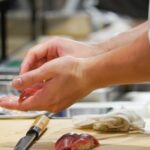
More tours in Tokyo we've reviewed












Sushi Making Classes, compared.
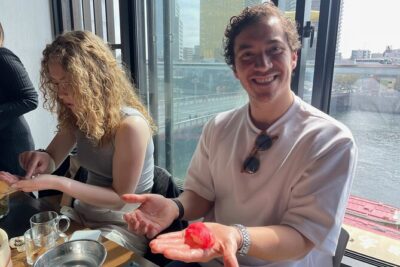 ★ 5.0Sushi Making Tokyo Roll and Authentic Japanese Sushi ClassFrom $59
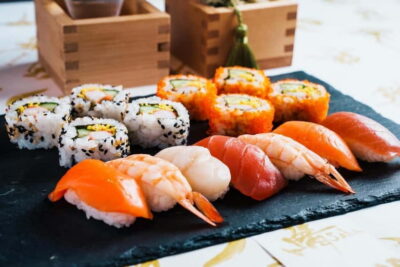 ★ 4.9Tokyo: Roll and Authentic Sushi Making Class in AsakusaFrom $581h 40m
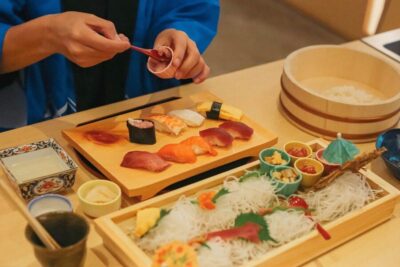 ★ 4.9Tokyo: Sushi Making Class in a Happi Coat near a Famous SpotFrom $421h 30m
 ★ 5.0Sushi Making Tokyo! Popular Maki Sushi & Japanese Sushi(+Recipe!)From $63
 ★ 5.0Tokyo Sushi Making Class in Tsukiji with Professional ChefFrom $49
 ★ 5.0Tokyo Night Foodie Tour in Shinjuku – Seasonal Sushi, Wagyu BeefFrom $111