Reviewed · SHINJUKU TOURS
ENJOY-ALL-SHINJUKU《Red Light District Walking》with DEEPest info!
Shinjuku’s bright signs are only the front door. This 90-minute walk through Kabukicho takes you from smoky-looking alleyways and tiny bars to a shrine, a giant Godzilla head, and streets most first-time visitors might pass without understanding. The focus is less on ticking off sights and more on explaining how this lively part of Tokyo works.
In This Article
- Key points to know before you book
- Why this Shinjuku walk is useful
- Starting near Shinjuku Tourist Information Center
- Omoide Yokocho, Tokyo in narrow lanes
- Kabukicho and the reality behind the signs
- Godzilla Road and the giant head
- Golden Gai, a tiny-bar district with a big personality
- Noren Street and the food side of Shinjuku
- Hanazono Shrine, a quieter pause
- Don Quijote and everyday Tokyo shopping
- Toho Cinemas and the route back
- The guides make the difference
- Group size, timing, and comfort
- Who should book this Shinjuku experience
- Is the $25.04 price worthwhile?
- Should you book it?
- FAQ
- How long does the Shinjuku red light district walking tour last?
- Where does the tour start?
- Where does the tour end?
- What places are included on the route?
- Is food or drink included?
- Is transportation included?
- Can the guide take photos?
- How many people can join the tour?
- Are other languages available?
- Can I cancel for a full refund?
I like two things here. First, you get useful local advice on food, drinks, shopping, and places to return later. Second, the tour is short, reasonably priced at $25.04, and includes help with photos plus small food-related souvenirs. Guides named Manaka, Dan, Suemi, and Aki have all been praised for mixing facts with humor and warmth.
The main consideration is pace. Eight stops in an hour and a half means quick explanations rather than long visits. This is also a walking tour through an entertainment district, so it may feel less comfortable for anyone seeking a quiet or polished introduction to Tokyo.
Key points to know before you book

- Eight Shinjuku stops in 90 minutes: You cover Omoide Yokocho, Kabukicho, Godzilla Road, Golden Gai, Noren Street, Hanazono Shrine, Don Quijote, and Toho Cinemas.
- Local advice you can use afterward: Guides answer questions about Japanese culture, history, restaurants, bars, ranches, and places known more to residents than to first-time visitors.
- A good first-day orientation: The route helps you understand Shinjuku before you return on your own for dinner, shopping, nightlife, or photos.
- Small-group format: The activity can accommodate up to 10 people, although the published information also gives a maximum of 20, so confirm the expected group size when booking.
- Well-liked guides: Manaka, Dan, Suemi, and Aki are specifically praised for being informative, funny, friendly, and easy to spend time with.
- Weather and cancellation matter: You can cancel free of charge up to 24 hours before the start, but poor weather can also affect the tour.
Why this Shinjuku walk is useful

Shinjuku can be confusing even when you know where you are going. The area shifts quickly from major department stores and train connections to narrow lanes, nightlife streets, shrines, cinemas, and restaurants packed into upper floors. A map shows you where these places are. A guide helps explain what you are looking at.
That context is the real reason to book. You are not simply walking past Kabukicho signs and taking pictures of Godzilla. You are hearing about local culture, Japanese history, food customs, and the current character of the district. The guides also invite questions, which makes this more useful than a fixed script if you want to understand something specific about Japan.
I would especially consider this tour early in your Tokyo stay. Dan’s advice was described as so practical that the ideal timing would have been earlier, leaving more days to use his recommendations. That is a valuable point: a walking tour like this can work as a planning session for the rest of your visit, not only as a sightseeing activity.
At $25.04 per person, the price is fair for a local guide, a planned route, photo help, and 90 minutes of orientation. It is not a meal tour, and you are not paying for lengthy admissions or transport. The value comes from the explanation and the recommendations you can use later.
A few more Tokyo tours and experiences worth a look
Starting near Shinjuku Tourist Information Center
The tour begins at Shinjuku Tourist Information Center, at 3-chōme-37-2 Shinjuku. The meeting point is near public transportation, which matters in this part of Tokyo because Shinjuku Station and the surrounding streets can be bewildering.
You return to the same meeting point at the end. That makes the route easy to fit into a day of shopping or sightseeing, though you should leave yourself enough time to find the meeting point. Confirmation is sent at booking, and the activity is offered as a group experience rather than a private walk.
The tour lasts approximately one hour and 30 minutes. That is long enough to connect the main sights without taking half a day from your Tokyo plans. It is also short enough to pair with lunch, shopping, or an evening reservation.
Omoide Yokocho, Tokyo in narrow lanes
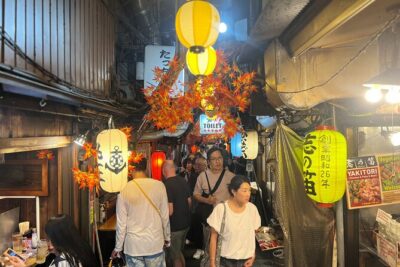
Omoide Yokocho is the kind of place that rewards explanation. Its narrow passageways and compact food businesses offer a very different view of Shinjuku from the large commercial streets nearby. Your guide sets the tone here by showing how small local eating spots fit into the district.
This stop is useful if you plan to eat in Shinjuku later. You can ask about good places for lunch or dinner and get suggestions from someone familiar with the area. The tour does not include a meal, so think of Omoide Yokocho as an introduction and recommendation stop, not a tasting session.
The space is narrow, and the group moves through an active city district. Keep your expectations practical. You are likely to pause for information and photos, but this is not designed as a long, leisurely meal.
Kabukicho and the reality behind the signs

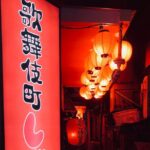
Kabukicho is the tour’s central subject. Known for nightlife and its famous illuminated streets, it can look like a wall of signs if you walk through without local context. The guide’s job is to explain the area beyond its image as Tokyo’s red light district.
The experience is intended to give you real information about the city, including culture, history, food, and current local life. That broad approach is one reason the tour appeals to families and first-time visitors as well as people specifically interested in nightlife.
Still, Kabukicho is an entertainment district, not a traditional sightseeing quarter. Some people will find its atmosphere exciting and revealing. Others may prefer Tokyo’s gardens, temples, or quiet residential streets. The tour does not pretend the area is something it is not, and that honesty is part of its value.
Godzilla Road and the giant head

Godzilla Road and Godzilla Head provide the most obvious photo opportunity on the route. The giant character head above Toho Cinemas gives you a memorable image of Shinjuku’s playful side, while the surrounding streets show how entertainment and shopping are packed together.
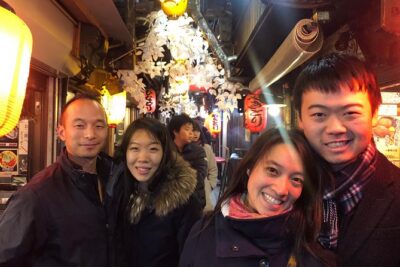
Your guide helps take photos at interesting places, an included feature that is easy to underestimate. Solo visitors, couples, and families can all benefit from having someone who knows where to stand and when to take the picture.
Toho Cinemas Shinjuku appears again as a separate stop, giving the route a useful connection between the Godzilla landmark and the entertainment business around it. This part of the walk is likely to be the most immediately enjoyable for children and anyone who likes pop culture.
Other walking tours we've reviewed in Tokyo
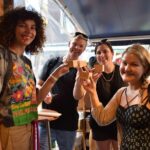
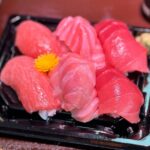
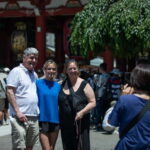
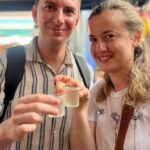
Golden Gai, a tiny-bar district with a big personality

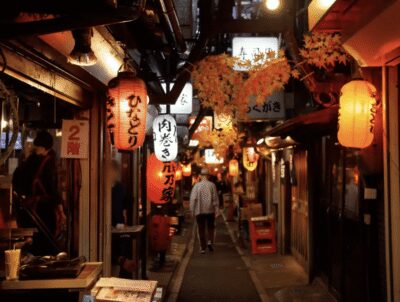
Shinjuku Golden Gai is one of the area’s most distinctive sections. The streets are known for small bars and tightly packed buildings, and the experience gives you a chance to see a side of Tokyo that is easy to miss if you stay on the main roads.
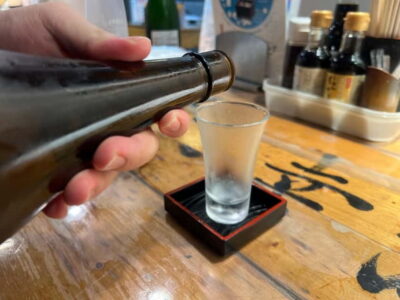
A guide is particularly useful here because the district can feel hard to read from the outside. You can ask about drinking customs, good places for an evening out, and the kind of local behavior expected in small bars. The tour does not include drinks, and you do not need to buy food or beverages for the guide.
Golden Gai may also be the least suitable stop for anyone who dislikes cramped streets or nightlife settings. The tour gives you a look at the area, but it does not promise entry into every bar. You should treat it as an orientation walk and save any return visit for a time when you can explore at your own pace.
Noren Street and the food side of Shinjuku

Shinjuku Kabukicho Noren Street adds another food and dining angle. The word noren refers to the fabric curtains often seen at the entrances to Japanese restaurants, and the name signals a focus on eating places and atmosphere.
This is where the guide’s restaurant recommendations can become especially practical. The tour promises advice on the best places for drinks and dinner, including locations known locally. You can ask for suggestions suited to your plans, though the supplied information does not promise a particular cuisine, restaurant reservation, or food tasting.
I like this approach because it separates sightseeing from spending. You pay for the walk, then decide for yourself where to eat afterward. That gives you more freedom than a fixed restaurant itinerary, though it also means you should not book this expecting a full food tour.
Hanazono Shrine, a quieter pause

Hanazono Shrine changes the mood. After the neon, entertainment signs, and narrow commercial lanes, a shrine offers a calmer place to think about another part of Japanese culture.
The contrast is important. Shinjuku is not only shopping, nightlife, and giant advertising screens. A shrine within the same broad district shows how modern city life and older religious traditions share space in Tokyo.
Because the total tour is only 90 minutes, expect a concise visit rather than a long religious or architectural lecture. If you have detailed questions about shrine customs, ask them directly. The guides encourage questions about Japan, and this is a good place to use that opportunity.
Don Quijote and everyday Tokyo shopping
Don Quijote Shinjuku Kabukicho is a useful final shopping reference. The store is associated with a wide mix of Japanese goods, snacks, toiletries, souvenirs, and everyday items, making it relevant if you want to shop after the tour.
The stop can help you understand why this kind of store is popular with visitors and residents alike. It also connects the tour to a practical question: where can you buy something useful or amusing before heading home?
The tour includes hidden souvenirs intended to help you enjoy Japanese food after returning to your country. That is a small inclusion, but a thoughtful one. It extends the food theme beyond the walk without pretending to replace a proper meal.
Toho Cinemas and the route back
Toho Cinemas Shinjuku brings the route back to the entertainment identity of Kabukicho. Along with Godzilla Road and Godzilla Head, it helps you see how the district uses film, characters, signs, and nightlife to create its public face.
The route ends back at the starting point. That is convenient if you are using the walk to get your bearings, because you finish where you began rather than being left in an unfamiliar corner of Shinjuku.
The eight-stop structure is efficient, but you need to be comfortable with moving on. If you want long photo sessions, detailed shrine study, or time inside shops, this is not the right format. The strength is the number of connections made in a short period.
The guides make the difference
The experience lists several guides by name in its feedback: Manaka, Dan, Suemi, and Aki. Their praised qualities are consistent. Manaka was described as a good mix of informative and fun, Dan for history and current information, Suemi for stories and personality, and Aki for clear insights that worked well for a family.
That suggests a friendly, conversational style rather than a formal lecture. You can expect stories, jokes, recommendations, and room for questions. One particularly useful feature is the guide’s willingness to discuss places for lunch, dinner, drinks, and local-style recommendations beyond the official stops.
Guide quality can vary from one departure to another, so it is sensible to check who is scheduled if a particular guide matters to you. The named guides have each received strong praise, but the tour is sold as a group activity and the guide assignment may depend on availability.
Group size, timing, and comfort
The activity is designed for most people who can participate in a city walking tour. It is near public transportation, uses a mobile ticket, and runs for about 90 minutes. There is no air-conditioned vehicle because the experience takes place on foot.
The information gives both a capacity of up to 10 people and a maximum of 20 travelers. Since those figures do not match, ask the operator for the expected group size before booking if a small group is important to you. A smaller group usually makes it easier to ask questions and take photos, while a larger one can feel less personal on narrow streets.
The tour requires good weather. If poor weather cancels it, you are offered another date or a full refund. You can cancel for a full refund up to 24 hours before the local start time. Changes or cancellations within 24 hours are not accepted for a refund.
The experience requires a minimum number of participants. If that number is not reached, you are offered another date or experience, or a full refund. You can also contact the operator before booking if you need Spanish, Italian, or Korean.
Who should book this Shinjuku experience
I would recommend it most strongly to you if you are staying in Shinjuku, planning to eat there, or visiting Tokyo for the first time. The walk gives you a working map of the district and a set of ideas for what to do after the guide leaves.
It also suits visitors who want more than famous photo spots. The route includes major landmarks, but the guide adds information about Japanese culture, history, food, and daily city life. That makes it useful for curious families, couples, solo visitors, and anyone who likes asking questions.
The tour is less suitable if you want a long nightlife session, a food tasting, private guiding, or a slow architectural study. It is also not the best match if you strongly prefer quiet neighborhoods. Kabukicho is the point, not a backdrop.
Is the $25.04 price worthwhile?
At $25.04, I see this as a good-value orientation walk rather than a full sightseeing day. You receive a local guide, a route through eight notable Shinjuku locations, photo help, local recommendations, and small food-related souvenirs.
The strongest value comes from using the tour early. If Dan’s type of advice helps you choose later restaurants and drinks, the walk can save you time and reduce guesswork for the rest of your stay. If you are visiting Shinjuku only once and will not return to the area, the value depends more on how much you enjoy the stories and contrasts along the route.
Group discounts may be available, and the mobile ticket keeps the booking simple. Just remember that meals, drinks, transport, and an air-conditioned vehicle are not included.
Should you book it?
Book this tour if you want a quick, friendly introduction to Shinjuku that goes past the obvious neon signs. You will see the district’s best-known landmarks, learn how Kabukicho fits into Tokyo, and leave with practical ideas for food, drinks, shopping, and later exploring.
I would book it near the start of your Tokyo visit, especially if you are staying nearby. Skip it if you want a private, slow-paced walk or a dedicated food tour. For most first-time visitors interested in the real character of Shinjuku, $25.04 is a sensible price for 90 minutes of useful local direction.
FAQ
How long does the Shinjuku red light district walking tour last?
The tour lasts approximately one hour and 30 minutes.
Where does the tour start?
It starts at Shinjuku Tourist Information Center, 3-chōme-37-2 Shinjuku, Shinjuku City, Tokyo 160-0022, Japan.
Where does the tour end?
The activity ends back at the meeting point.
What places are included on the route?
The route includes Omoide Yokocho, Kabukicho, Godzilla Road and Godzilla Head, Shinjuku Golden Gai, Shinjuku Kabukicho Noren Street, Hanazono Shrine, Don Quijote Shinjuku Kabukicho, and Toho Cinemas Shinjuku.
Is food or drink included?
Meals and drinks are not included. The tour does include hidden food-related souvenirs.
Is transportation included?
No. This is a walking experience, and an air-conditioned vehicle is not included.
Can the guide take photos?
Yes. Photos during the tour and help taking pictures at local photo spots are included.
How many people can join the tour?
The activity information says it can accommodate up to 10 people, while another capacity note gives a maximum of 20 travelers. Confirm the expected group size with the operator before booking.
Are other languages available?
Spanish, Italian, and Korean may be available. You should contact the provider before booking if you need another language.
Can I cancel for a full refund?
Yes. You can cancel at least 24 hours before the local start time for a full refund. Cancellations or changes made less than 24 hours before the start are not refunded.
More Walking Tours in Tokyo
More Shinjuku Tours in Tokyo

More tours in Tokyo we've reviewed
Shinjuku Tours, compared.
 ★ 5.0Tokyo: Shinjuku Food Tour (13 Dishes at 4 Local Eateries)From $86
 ★ 5.0Tokyo Bar Hopping Tour in Shinjuku (All-You-Can-Drink + Dinner)From $106
 ★ 4.9Tokyo: Shinjuku Local Bar and Izakaya Guided Walking TourFrom $343 hours
 ★ 4.9Tokyo: Shinjuku Food Tour (13 Dishes and 4 Eateries)From $97
 ★ 5.0Tokyo Night Foodie Tour in Shinjuku – Seasonal Sushi, Wagyu BeefFrom $111
 ★ 5.0Tokyo: Shinjuku Local Bar & Izakaya Crawl TourFrom $39