Reviewed · WORKSHOPS
Tokyo: Edo Kiriko Traditional Glass Carving Class
Edo Kiriko turns an ordinary glass into a small work of art through careful cutting, polished patterns, and plenty of patience. In this 90-minute Asakusa workshop, you choose your glass and design, practice first, then carve a piece to take home.
In This Article
- Key points to know
- Why this short Asakusa class is worth your time
- Arriving at Sokichi near Asakusa Station
- Picking your glass and pattern
- Practicing before the real carving
- Carving your Edo Kiriko design
- Taking home a handmade glass
- The $30 price and what it includes
- What may frustrate you
- Who should book this experience
- Should you book the Edo Kiriko glass class?
- FAQ
- How long does the Edo Kiriko class last?
- Where does the class meet?
- What can I choose for my glass?
- Is the class suitable for beginners?
- Is instruction available in English?
- What should I bring?
I like the personal result: you leave with something you made rather than another shop-bought souvenir. I also like the helpful instruction, especially from Ze, whose calm and supportive teaching helps beginners recover from crooked lines. The main consideration is that accurate carving takes more skill than it first appears, so your finished glass may be charmingly handmade rather than perfect.
Key points to know

- Choose from six colored and clear glass options, including blue, pink, and yellow.
- Select from more than 20 glass shapes and dozens of pattern samples before you begin.
- Practice on the glass first, with an instructor nearby to offer corrections and advice.
- Learn a traditional craft with more than 180 years of history in Japan.
- Walk to the class in about 30 seconds from Asakusa Station, with Senso-ji roughly five minutes away.
- Pay about $30 per person for the class, instruction, and colored glass, with English and Japanese support.
Why this short Asakusa class is worth your time

Tokyo offers endless sights, but many of them ask you to look, photograph, and move on. This Edo Kiriko class gives you a slower 90 minutes and a task that requires your hands and attention.
Edo Kiriko is a traditional Japanese glass-cutting craft with more than 180 years of history. The finished glasses are known for their carved surfaces and decorative patterns. You are not simply painting a cup or assembling a souvenir. You are learning the basic action that gives the glass its design: pressing it carefully against a cutting wheel to create lines and shapes.
That makes the activity a good match for you if you want a cultural experience with a physical result. You will not become a master craftsperson in one session, but you will understand why the work requires control. Even simple stars and curved lines become difficult when you try to keep them even.
The class also fits neatly into a day in Asakusa. The meeting point, Sokichi, is about a 30-second walk from Asakusa Station. The workshop is above a glassware shop on a small side street, so you get a useful bit of local context before the lesson begins. Senso-ji is about five minutes away, and Tokyo Skytree is around 15 minutes away, making this easy to pair with major sights.
A few more Tokyo tours and experiences worth a look


Arriving at Sokichi near Asakusa Station
You start at Sokichi, the glassware shop near Asakusa Station. Speak with a staff member there, and you will be escorted to the room used for the class.
The location is especially practical after a morning at Senso-ji. You do not need to plan a long cross-town trip or spend valuable sightseeing time finding a distant studio. The workshop sits in a quieter space away from the main rush of Tokyo, even though the surrounding Asakusa sights can be busy.
Look for the shop and the short side street rather than expecting a large tourist attraction with a prominent classroom entrance. One useful detail is that the class is immediately above a glassware shop, which makes the meeting point logical once you know where to look.
Bring a hair tie if you have long hair. This is the only specific item listed as necessary, and it is a sensible precaution around tools and a work station.
Picking your glass and pattern

The first real decision is choosing the object you will carve. You can select from more than 20 types of glasses and dozens of pattern samples. The course includes six kinds of clear and colored glass, with blue, pink, and yellow among the colored choices.
This choice matters more than it may seem. A pattern that looks graceful on a broad glass may feel crowded on a narrower one. The instructors can explain how different designs work with different shapes, so take your time before committing.
You can choose a beginner-level or more advanced pattern. All options are intended to be friendly to first-time students, but the range gives you some control over the challenge. If you want a clean result, choose a simple design with clear lines. If you care more about learning and testing your hand, a detailed pattern may be more satisfying.
I would resist picking the most complicated design simply because it looks impressive on the sample. You have only 90 minutes, and cutting with accuracy is the hard part. A modest design done carefully will usually make a better keepsake than an ambitious one with rushed lines.
Practicing before the real carving
The instructor does not send you straight into the final glass. You begin with practice, including simple star shapes, so you can feel how the tool and glass respond.
This is one of the strongest parts of the format. Beginners often understand a demonstration but still need a few attempts before their hands follow the idea. Practice lets you learn how much pressure to use and how slowly to move before your chosen design is at stake.
The instructors are there to help throughout the class. Ze is especially noted for patient, encouraging instruction, and the English support is strong enough for clear explanations and corrections. Japanese instruction is also available.
You may find that the basic cutting motion is straightforward, while keeping a line accurate is much harder. That gap between understanding and control is the lesson. Do not judge your first practice marks too harshly. The point is to make mistakes while the glass is still for practice.
Carving your Edo Kiriko design
Once you choose your glass and pattern, you begin the main work. The instructor shows you how to use traditional cutting techniques and remains nearby for advice.
The class is beginner-friendly, but it is not effortless. Crooked etchings can happen, particularly when you are trying to follow a repeating shape. The good news is that guidance is part of the experience, not an extra charge or a separate advanced session.
Instructors may refine or correct parts of the work when needed. That can feel slightly disappointing if you hoped every mark would be untouched, but it also helps you leave with a more finished piece. The best way to think about it is shared instruction: you make the design and do the carving, while the teacher helps rescue rough sections and explains how to improve.
Small class sizes can make a real difference here. The format has accommodated groups of four, allowing each person time with the instructor. If several people in your group need help at once, you may have a short wait, but the class is not designed as a large lecture where personal guidance is hard to get.
Plan to stay for the full hour and a half. The activity can feel quick because you spend much of the time making decisions, practicing, carving, and adjusting. It is not a brief demonstration followed by a rushed souvenir purchase.






Taking home a handmade glass

Your finished glass is the main reward. It may not have the perfect regularity of a professional Edo Kiriko piece, but that is part of its value. You can see the marks made during your own learning process.
Some class formats allow you to make two glasses, while the supplied details most clearly promise a glass artwork to take home. Confirm the exact booking option if making two pieces is important to you. Either way, you should expect a personal souvenir rather than a factory-made item.
The result also has a useful size advantage. A glass is easier to pack than many bulky Tokyo souvenirs, though you should still protect it carefully in your luggage. The class is a good choice for a keepsake that connects to a place, a craft, and your own effort.
This is also a nice activity for families and pairs, provided everyone can work patiently at a station. You can compare your design choices and results without needing the same artistic style. The class suits adults who want a quiet creative break, as well as older children who can follow instructions carefully, though no specific minimum age is provided.
The $30 price and what it includes
At about $30 per person, this is a good-value activity for Tokyo, especially because the fee includes the glass carving class, an instructor, and colored glass.
The value comes from more than the material. You receive guided practice, access to a range of glass shapes and patterns, and time to make something under supervision. Comparable souvenir shopping might be faster, but it would not give you the same connection to the craft.
Transportation is not included, although the location keeps that cost and effort low. If you are already sightseeing in Asakusa, you can reach the meeting point on foot from the station and continue to Senso-ji or Skytree afterward.
The reserve-now-and-pay-later option can help if you are still arranging a Tokyo schedule. Free cancellation is available up to 24 hours before the class for a full refund. Check the current start times when booking because the 90-minute duration does not identify one fixed departure time.
What may frustrate you
The main challenge is precision. You may understand the instructor perfectly and still produce uneven lines. That is not a flaw in the class, but you should book this as a hands-on lesson rather than a guaranteed path to professional-looking glassware.
If you want a polished piece with no visible mistakes, shopping at the glassware store may suit you better. If you want to understand the effort behind the craft and accept a handmade result, the rough edges become part of the story.
The cultural explanation may also depend on you asking questions. The class teaches the basic history and methods, and a pamphlet may be available if requested, but you should not expect a long formal lecture about Edo Kiriko. Ask the instructor about the designs, glass colors, and traditional techniques if that context matters to you.
There is also no transportation service. That is not much of a drawback in Asakusa, where the meeting point is so close to the station, but it matters if you are trying to combine the activity with a faraway Tokyo neighborhood on a tight schedule.
Who should book this experience

I would choose this class for you if you want:
- A practical cultural activity rather than another sightseeing stop
- A souvenir you make yourself
- English or Japanese instruction
- A short workshop near Senso-ji and Asakusa Station
- A creative activity that works well in rainy weather
- A low-cost introduction to Japanese glass craft
It is also a strong option for a parent and child, couples, friends, or solo visitors who enjoy making things. The calm room and small-group format offer a welcome change from Tokyo’s crowded streets.
I would be more cautious if you dislike detailed handwork, have very limited time, or want a flawless professional object. The workshop rewards patience, and the final quality depends partly on how carefully you work.
Should you book the Edo Kiriko glass class?
Book it if you want your Asakusa day to include something you actively do, not just something you see. The $30 price, convenient location, English instruction, practice time, and take-home glass make this a strong short activity.
Choose a simple pattern if your priority is a neat result, or take on a harder design if learning matters more than perfection. Arrive ready to listen, ask questions, and accept a few uneven cuts. With patient help from instructors such as Ze, you can leave with a useful understanding of Edo Kiriko and a souvenir that carries your own mark.
FAQ
How long does the Edo Kiriko class last?
The class lasts 90 minutes. Check availability when booking for the current starting times.
Where does the class meet?
The experience begins at Sokichi, about a 30-second walk from Asakusa Station. Speak with a staff member at the shop, and they will escort you to the classroom.
What can I choose for my glass?
You can choose from more than 20 types of glasses and dozens of pattern samples. The course includes six types of clear and colored glass, including blue, pink, and yellow options.
Is the class suitable for beginners?
Yes. You can choose beginner or expert-level designs, and all levels are intended to be beginner-friendly. The class includes practice before you work on your selected glass.
Is instruction available in English?
Yes. The instructors teach in English and Japanese. Instructor Ze is specifically noted for clear, patient English guidance.
What should I bring?
Bring a hair tie. The class includes the carving lesson, lecturer, and colored glass, but transportation is not included.
More Workshops & Classes in Tokyo
More tours in Tokyo we've reviewed












Workshops, compared.
 ★ 5.0Sushi Making Tokyo Roll and Authentic Japanese Sushi ClassFrom $59
 ★ 4.9Tokyo: Roll and Authentic Sushi Making Class in AsakusaFrom $581h 40m
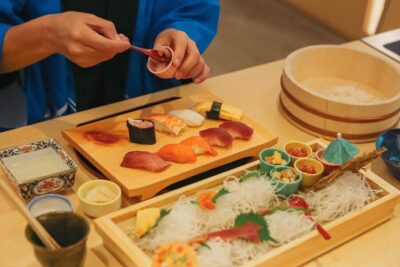 ★ 4.9Tokyo: Sushi Making Class in a Happi Coat near a Famous SpotFrom $421h 30m
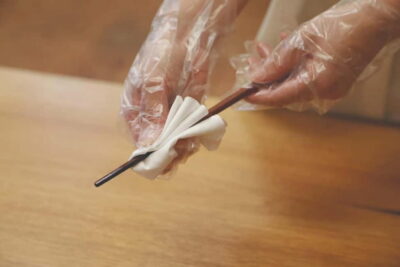 ★ 4.8Chopstick Making Workshop in GinzaFrom $251 hour
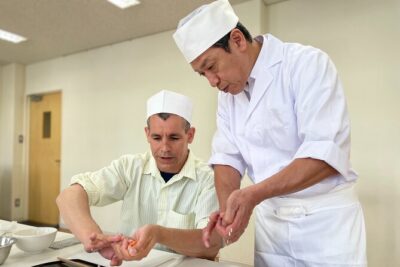 ★ 5.0Tokyo Sushi Making Class in Tsukiji with Professional ChefFrom $49
 ★ 5.0Ramen & Gyoza Cooking Class in Tokyo with Local Supermarket VisitFrom $122