Reviewed · TEA CEREMONY & MATCHA
Matcha Kimono Tea Ceremony in Tokyo
The best part of this Shinjuku experience is that it gives you more than a quick photo in Japanese clothing. You wear a specially designed easy-to-put-on kimono, learn why tea matters in Japan, compare matcha with other teas, and prepare a bowl yourself using the proper tools.
In This Article
- Key points to know before booking
- A hands-on introduction in Shinjuku
- Putting on the easy kimono
- Tasting matcha with your eyes, nose, and tongue
- Learning why tea ceremony matters
- Preparing your own bowl of matcha
- What the $59.46 price includes
- Who will enjoy this activity most
- Timing, meeting point, and small practical details
- My verdict on this 90-minute tea workshop
- Should you book the Matcha Kimono Tea Ceremony?
- FAQ
- How long does the Matcha Kimono Tea Ceremony last?
- Where does the experience begin and end?
- Is transportation included?
- Is the kimono difficult to put on?
- Do I need to bring socks?
- What is included in the price?
- Can I choose a decaffeinated option?
- How many people can join the activity?
- What happens if I arrive late or need to cancel?
I like the relaxed teaching style and the chance to ask plenty of questions. I also like the small group size, capped at 10 people, which gives the host room to explain details and help with the kimono, whisking, and drinking manners. A host takes photos too, adding a useful souvenir without turning the activity into a photo shoot.
The main drawback is the short format. In 90 minutes, you get a friendly introduction rather than a full formal tea ceremony. You also need to wear socks in the tatami room, and arriving more than 10 minutes late means automatic cancellation without a refund.
Key points to know before booking
- Easy kimono dressing: The casual kimonos are designed to go on quickly, unlike formal kimono dressing, which can take about 30 minutes.
- Matcha comparison: You can use your eyes, nose, and tongue to compare matcha from a collection of more than 100 Japanese varieties.
- Practical tea lesson: You prepare your own bowl with traditional tea tools, then learn the basic way to drink it.
- Small and question-friendly: The group has a maximum of 10 people, making it easier to ask about tea, clothing, and etiquette.
- A useful short activity: The 90-minute schedule works well between sightseeing plans in Tokyo, especially if you are staying or touring around Shinjuku.
A hands-on introduction in Shinjuku
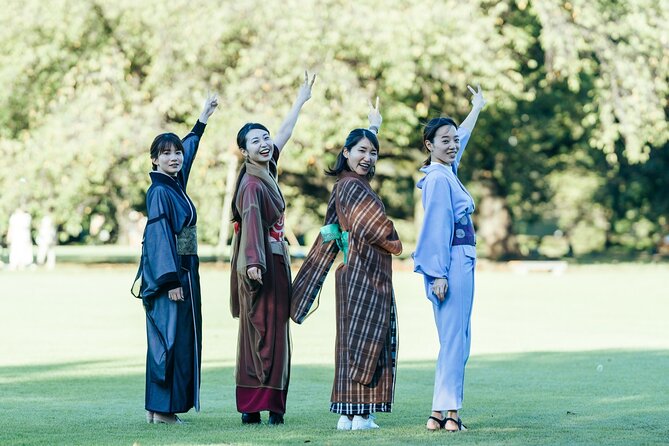
This activity takes place at a workshop meeting point in Shinjuku City, near public transportation. You return to the same spot at the end, so the arrangement is simple and does not involve private transport or a long transfer outside central Tokyo.
The experience lasts about an hour and a half. That timing is one of its strongest practical features. Tokyo days fill quickly, and you can fit this class between a morning visit to a shrine, an afternoon in Shibuya, or an evening meal in Shinjuku without giving up half a day.
The setting is a workshop rather than a grand tea house. That matters. You are not being presented with a highly polished performance that you simply watch from the side. Instead, the class is built around questions, demonstrations, tasting, and your own attempt at making matcha.
The maximum group size is 10. That is small enough for personal help, though the exact feel will depend on how many people book your session. If the group is full, you may have less time for individual conversation, but the format still offers more access to the instructor than a large sightseeing class.
A few more Tokyo tours and experiences worth a look

Putting on the easy kimono
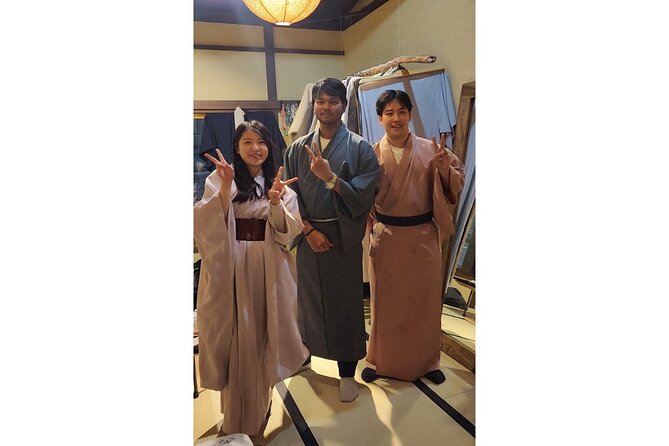
Before the tea lesson begins, you choose and put on one of the casual kimonos. The key point is convenience. These garments are specially designed to be worn quickly and easily, so you do not need the long dressing process associated with a formal kimono.
That makes the activity more approachable if you have never worn Japanese clothing. The host helps you put it on properly, and the simple design keeps the clothing portion from swallowing the whole session. You get the visual and cultural experience of wearing a kimono, but without committing to a full dressing appointment.
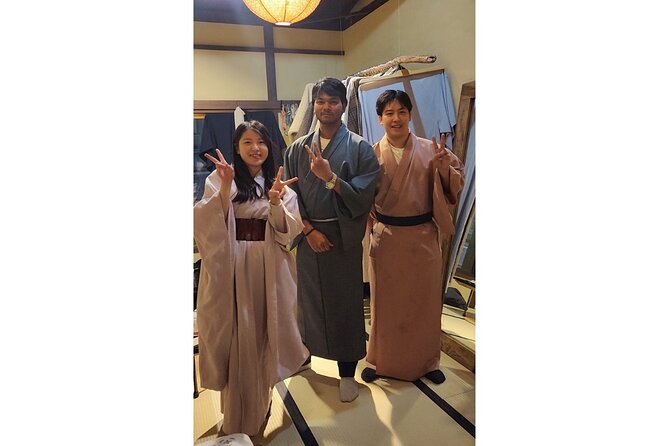
I see this as a good middle ground. You can take photos, sit in the tatami room, and get a feel for the clothing without the stiffness and time demands of formal wear. It also suits families and first-time visitors who want to try a kimono but do not need a full historical costume session.
Wear socks, and make sure they are clean and comfortable. The activity requires socks in the tatami room. If you forget them, you will be asked to buy a pair at the workshop, which is an avoidable extra cost and a small interruption at the start.
The clothing is casual rather than a formal ceremonial kimono. If your main goal is an elaborate photo session with detailed styling, you may prefer a dedicated kimono rental service. Here, the kimono is a doorway into the tea lesson, not the entire attraction.
Tasting matcha with your eyes, nose, and tongue
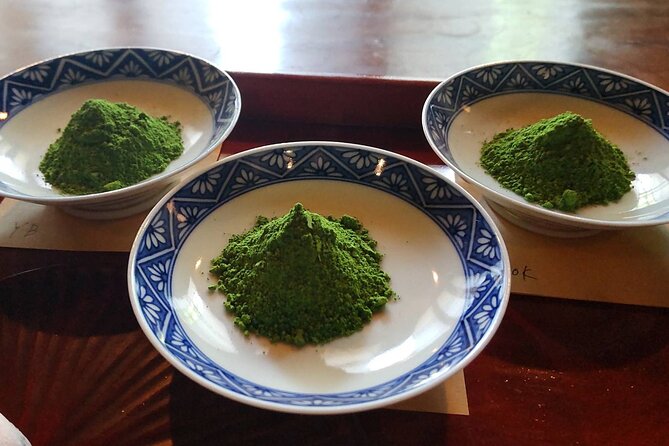
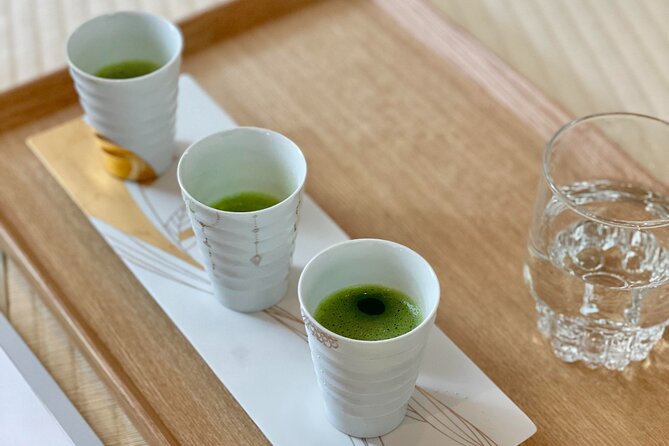
The tea portion goes beyond simply drinking a sweet or bitter green powder. You are introduced to matcha from a collection of more than 100 varieties from different parts of Japan, including a first flush matcha described as the highest quality selection.
The tasting approach is useful because it gives you a way to notice differences. You look at the color, smell the tea, and taste it. That simple method helps you pay attention to qualities you might otherwise miss, especially if matcha is still new to you.
The class also explains how Japanese matcha differs from matcha sold overseas. That comparison is valuable for anyone who buys matcha at home or has only tasted it in lattes and sweets. Matcha served in a tea workshop can be quite different from a heavily sweetened café drink.
The activity includes high-quality matcha, Japanese tea, coffee, and an authentic Japanese welcome drink. The description also notes that a decaffeinated matcha option is available. If caffeine affects your plans or sleep, ask about that option when you arrive.
A Japanese traditional snack accompanies the tea. The snack gives you a small taste of the way sweets balance matcha, since traditional tea treats are often chosen to complement the tea’s bitter edge. The precise snack is not specified, so do not book this expecting a particular dessert.
Learning why tea ceremony matters
The host explains the differences among tea types, including green tea, black tea, and Chinese tea. This broadens the lesson beyond matcha and gives you a basic framework for understanding where matcha fits in the larger world of tea.
You also learn about the philosophy of Teaism and the tea ceremony. That part gives the practical actions some meaning. Bowing, handling the bowl, turning it, and drinking it are not random steps. They reflect attention, respect, and the relationship between host and guest.
The lesson is presented in English, and the host is described as fluent enough to explain the subject clearly and answer questions. Several details make this especially helpful for first-time visitors: you can ask about tea varieties, kimono clothing, ceremony etiquette, and the difference between matcha and ordinary green tea.
I like that this is an informal introduction rather than a test of perfect manners. You learn the basic etiquette so you can understand what you are doing, but the session is designed for curious beginners. You do not need prior knowledge of tea ceremony, Japanese customs, or the correct way to handle the tools.
The teaching style is also a good fit if you want cultural context without sitting through a long lecture. The activity combines explanation with tasting and practice, so the information has an immediate use.
Preparing your own bowl of matcha
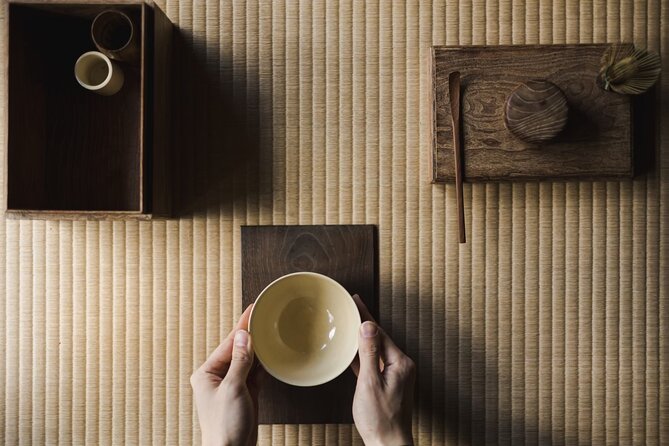
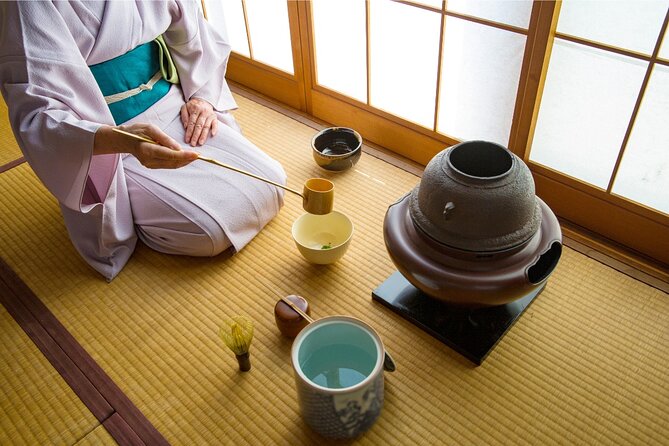
After the presentation, you get to make matcha yourself. The workshop provides the tea ceremony tools, and the host shows you how to prepare a beautiful bowl using the traditional method.
This is where the experience becomes more memorable than a standard tea tasting. You are not only watching an expert whisk the tea. You handle the equipment, follow the steps, and taste the result of your own preparation.
The host also explains the basic manner of drinking matcha. That includes the etiquette surrounding the bowl and the way to approach the drink respectfully. You do not need to master every detail in one session, but you leave with enough understanding to recognize the basic pattern of a tea ceremony.
Matcha has a flavor that divides people. Even if you do not enjoy the taste, the preparation remains worthwhile because it shows how much care goes into a drink that can seem simple. The class also offers the chance to compare different teas, which may help you find a style you prefer.
This is not a formal, silent ceremony performed entirely for you. It is a workshop with active participation, questions, and a little room for error. That makes it less intimidating and more useful for a first encounter.





What the $59.46 price includes
At $59.46 per person, this is not the cheapest way to drink matcha in Tokyo. You can buy a bowl of matcha at a café for far less. The value here comes from combining several elements in one short session: kimono rental, a tea lesson, matcha tasting, snacks, use of tea tools, and an English-language explanation of etiquette and culture.
You also save the trouble of arranging a separate kimono experience and tea workshop. The 90-minute length keeps the cost easier to fit into a busy Tokyo itinerary, particularly if you care more about learning and participation than about a long ceremonial performance.
The price includes the easy-to-wear kimono, traditional tea implements, Japanese snacks, high-quality matcha, coffee or tea, and a Japanese welcome drink. Private transportation is not included, so you need to make your own way to the Shinjuku meeting point.
Children are charged the full price. That is worth noting for families, since the cost does not appear to change for younger participants. The small group format may work well for children who enjoy hands-on activities, but the fixed adult-style price makes the booking decision more important.
I would call the price fair for a compact cultural workshop, especially if you want several experiences bundled together. I would not choose it solely for the tea itself. The best value comes from the combination of clothing, explanation, tasting, and hands-on preparation.
Who will enjoy this activity most
This class suits first-time visitors who want a manageable introduction to Japanese culture. You get enough background to understand the tea ceremony, but the format does not demand a full morning or a high level of formality.
It is also a strong choice for matcha lovers. The chance to compare varieties from across Japan gives you more to think about than a single cup, and the tasting method encourages you to notice aroma, appearance, and flavor.
You will likely enjoy it if you like asking questions. The host presents the lesson in a friendly, accessible way, and the small group leaves more room for conversation than a large demonstration.
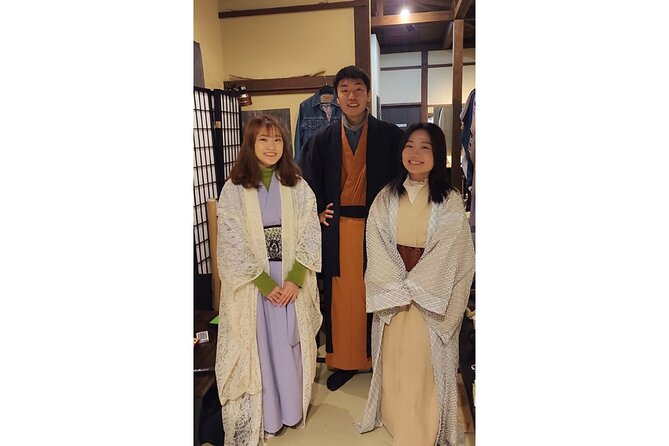
The experience works well for couples, families, and solo visitors. Photos taken during the session can be useful for couples or friends who want a record of wearing the kimono and making tea. Since all children are charged in full, families should compare the cost with other Tokyo activities before booking.
You may want something else if you are seeking a formal tea ceremony with elaborate kimono, a historic setting, or a long period of quiet observation. This is a casual educational workshop. Its strength is access and participation, not ceremony on a grand scale.
Timing, meeting point, and small practical details
The meeting point is listed at MPPG+HH in Shinjuku City, Tokyo, and the activity ends there. Because the location is near public transportation, you can reach it without arranging a private vehicle, but check the exact map details before setting out.
Arrive early. The reservation is automatically canceled after 10 minutes of delay, and no refund is accepted in that case. Tokyo train journeys can involve more walking and station navigation than expected, so build in extra time rather than aiming to arrive at the starting minute.
Confirmation is provided when you book, and the activity uses a mobile ticket. Keep the booking available on your phone, along with the meeting point details.
Free cancellation is available if you cancel at least 24 hours before the local start time. Changes or cancellations inside that 24-hour window are not refunded or accepted. The activity also requires a minimum number of people, so if the provider cancels because that minimum is not reached, you can choose another date or receive a full refund.
My verdict on this 90-minute tea workshop
I like this experience because it keeps Japanese tea culture friendly and practical. You learn the difference between matcha and other teas, try a range of flavors, wear a kimono without a lengthy dressing process, and prepare your own bowl with the right tools.
The strongest feature is the balance between explanation and doing. You are given cultural background, but you also get to taste, whisk, handle, and ask questions. That makes the lesson easier to remember than a talk alone.
The limitations are clear too. The class is short, the kimono is casual, and the setting is a workshop rather than a grand ceremonial space. The full per-person charge for children, the strict late-arrival rule, and the required socks are small but important details.
Should you book the Matcha Kimono Tea Ceremony?
Book it if you want a short, hands-on cultural activity in Shinjuku and you are curious about matcha, kimono, and tea etiquette. It is particularly good for beginners, matcha fans, and anyone who prefers an informal class where questions are welcome.
Skip it if you want a formal tea ceremony, an elaborate kimono dressing session, or a full half-day cultural program. For most visitors with 90 minutes to spare, though, the combination of tasting, teaching, clothing, snacks, and personal tea preparation gives the price solid value.
FAQ
How long does the Matcha Kimono Tea Ceremony last?
The activity lasts approximately 1 hour and 30 minutes.
Where does the experience begin and end?
It begins at MPPG+HH in Shinjuku City, Tokyo, and ends back at the same meeting point.
Is transportation included?
No. Private transportation is not included. The meeting point is near public transportation.
Is the kimono difficult to put on?
No. The kimono is specially designed to be easy and quick to wear. The host helps you put it on properly.
Do I need to bring socks?
Yes. Socks are required in the tatami room. If you forget them, you will be asked to buy them at the workshop.
What is included in the price?
The price includes Japanese traditional snacks, easy-to-wear kimono rental, tea ceremony tools, high-quality matcha, coffee or tea, and a Japanese welcome drink.
Can I choose a decaffeinated option?
Yes. A decaffeinated matcha option is available.
How many people can join the activity?
The experience has a maximum of 10 participants.
What happens if I arrive late or need to cancel?
The reservation is automatically canceled after 10 minutes of delay, with no refund. You can receive a full refund if you cancel at least 24 hours before the local start time.
More Tea Ceremony & Matcha in Tokyo


More tours in Tokyo we've reviewed












Tea Ceremony & Matcha, compared.
 ★ 5.0Matcha Making Class in Tokyo with Authentic Japanese Sweets SetFrom $21
 ★ 5.0Kimono Tea Ceremony at Tokyo, Asakusa MaikoyaFrom $55
 ★ 5.0Tokyo: Traditional Tea Ceremony with a Tea MasterFrom $381 hour
 ★ 4.5Dynamic Tokyo: Tokyo Tower, Tea Experience, Bay Cruise Day TourFrom $99
 ★ 4.9Tokyo: Matcha Making Experience with Mochi Sweets in AsakusaFrom $221 hour
 ★ 4.7Tokyo: Matcha and Kimono ExperienceFrom $57