Reviewed · SUMO EXPERIENCES
Tokyo 6hr Private Guided Tour & Sumo Show Lunch
Tokyo’s big draw here is the handoff from a private walking tour to a sumo show lunch. You begin at 9 a.m. with a licensed English-speaking guide, choose two or three Tokyo sights, then arrive at Yokozuna Tonkatsu Dosukoi Tanaka for lunch and a sumo performance at about 1 p.m.
In This Article
- Key points to know
- A Tokyo morning that ends with sumo
- How the four-hour morning works
- Asakusa and Senso-ji for classic Tokyo
- Meiji Jingu, Takeshita Street, and Yoyogi Park
- Tsukiji Outer Market for food and atmosphere
- Imperial Palace and Tokyo Tower
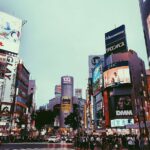
- Shibuya Sky and Tokyo’s modern side
- Akihabara, Golden-Gai, and neighborhoods with character
- Tokyo gardens for a slower pace
- Tokyo National Museum and Odaiba
- The Yokozuna Tonkatsu Dosukoi Tanaka finale
- Is $195.09 per person a fair price?
- Who should book this Tokyo experience?
- FAQ
- What time does the tour begin?
- How many Tokyo sights can I choose?
- Is transportation included?
- Are entrance fees included?
- Does the tour include access inside the Imperial Palace?
- Is the sumo show lunch included?
- Should you book it?
I like the freedom to shape the morning around your own interests, and I like the practical help a private guide can provide in a city where stations, ticket machines, and long distances can slow you down. Guide Izumi, named in the tour feedback, even helped one group with extra train stations, ticket offices, and sights beyond the planned route. The main drawback is that transportation and entrance fees are not included, so the $195.09 per-person price is not the full cost of the day.
Key points to know
- Choose two or three Tokyo sights: Pick from Asakusa, Meiji Jingu, Tsukiji Outer Market, Shibuya Sky, Akihabara, gardens, museums, and more.
- Start at 9 a.m.: The morning walking portion leads to lunch at around 1 p.m.
- Finish with sumo and lunch: Yokozuna Tonkatsu Dosukoi Tanaka provides the final two-hour experience.
- Private means personal pacing: Only your own group takes part, with no combining of different bookings.
- Plan extra costs: Train fares, admissions, and personal spending are separate.
- Expect strong guide support: Izumi is specifically praised for helping with stations, ticket offices, and added sights.
A Tokyo morning that ends with sumo
This experience works best as a focused introduction to Tokyo rather than a greatest-hits race across the whole city. You have about four hours before lunch, and the guide asks you to choose two or three places from a long list. That sounds simple, but Tokyo is spread out. The quality of your day will depend heavily on choosing sights that fit together.
You could pair Asakusa and Senso-ji with Tsukiji Outer Market. That gives you an old Tokyo temple, traditional streets, and food stalls. Or choose Meiji Jingu, Takeshita Street, and Shibuya Sky for a more modern Harajuku and Shibuya morning. Gardens such as Rikugien or Koishikawa Korakuen make more sense when you want a slower pace.
The guide meets you on foot in a designated Tokyo area, with hotel pickup offered in the tour description. Since private vehicles and transportation fees are not included, confirm the exact meeting arrangement and expect to use Tokyo’s public transit or walk between districts. A good guide can make this much easier, but the train fare remains yours to pay.
A few more Tokyo tours and experiences worth a look
How the four-hour morning works
The stated start time is 9 a.m. The walking portion lasts roughly four hours, leading to the restaurant for a 1 p.m. lunch start. That gives you enough time for two major stops, or three smaller ones, without pretending Tokyo’s distances are tiny.
The activity list shows about 20 possible places, but these are choices, not a promise that you will visit them all. The guide can help you build a sensible route after booking. Tell the guide what matters most: temples, gardens, food, old neighborhoods, electronics, fashion, city views, or museums.
I would avoid combining far-apart sights such as Shibamata, Odaiba, and Shibuya in one morning. You might spend too much of your four hours changing trains. A private guide is most useful when you use the flexibility wisely.
The guide’s role is also more practical than simply pointing out landmarks. Izumi is praised for helping with extra stations, ticket offices, and sights outside the planned route. That kind of help matters in Tokyo, especially if you are still learning how the rail network and ticket machines work.
Asakusa and Senso-ji for classic Tokyo
Asakusa is one of the safest choices for a first morning in Tokyo. Senso-ji, also called Asakusa Kannon Temple, is one of the city’s best-known Buddhist temples. Its colorful setting gives you an immediate sense of old Tokyo, even though the surrounding district is a busy modern neighborhood.
The temple visit is listed with no admission fee. That keeps this choice simple, though food, shopping, and personal purchases nearby are extra. Asakusa works well with Tsukiji Outer Market if you want a morning built around traditional Tokyo and local eating.
The limitation is time. A five-minute itinerary estimate is only a marker, not enough for a meaningful visit. You will need to decide how much time to spend at the temple, surrounding streets, and market stalls. Tell your guide if you want more than a quick photo stop.
Meiji Jingu, Takeshita Street, and Yoyogi Park
Meiji Jingu gives you a very different Tokyo scene. The shrine honors Emperor Meiji and Empress Shoken, and it sits beside Harajuku Station. It is easy to combine with Takeshita Street, the famous shopping street associated with youth fashion and teenage culture.
Takeshita Street is free to enter and provides a sharp contrast to the shrine. You move from a quiet religious site to a crowded commercial street, with Yoyogi Park nearby for open lawns, ponds, and wooded areas. This trio is one of the most logical choices on the list because the stops are close to one another.
You should not expect to explore every corner in a single morning. The guide can help you decide if the priority is the shrine, the shopping street, or the park. If you choose all three, keep the pace moving so you reach lunch on time.
Tsukiji Outer Market for food and atmosphere
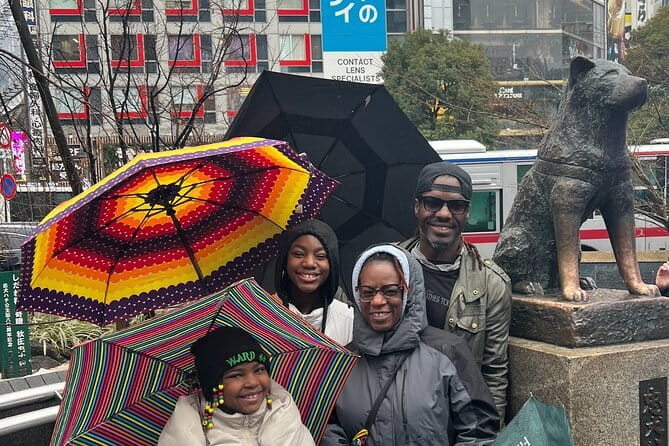
Tsukiji Outer Market is a useful pick if you want Tokyo food culture before the sumo lunch. It is described as the old fish market area, with shops and food stops gathered in a compact part of the city.
The market has no listed admission charge, but you will want a budget for anything you eat or buy. Since the day already includes lunch at Yokozuna Tonkatsu Dosukoi Tanaka, you may prefer to look around rather than make a full meal here.
Pairing Tsukiji with Hamarikyu Gardens can create a calmer second stop. Hamarikyu is a large garden beside Tokyo Bay, known for seawater ponds affected by the tides and a teahouse on an island. The garden has an entrance fee that is not included, so ask your guide about the current cost before entering.
A few more Tokyo tours and experiences worth a look

Imperial Palace and Tokyo Tower
The Imperial Palace area offers moats, large stone walls, and parkland on the former site of Edo Castle. You can visit the surrounding area, but inside access to the Imperial Palace is not included. This distinction matters because some people may book expecting an interior palace visit.
Tokyo Tower provides a familiar city landmark and a view from the main deck. The top deck is not included. The tower has an admission fee, so this option adds cost as well as travel time.
These two stops can work together if you want a broad look at central Tokyo. They are less suitable if your goal is a relaxed garden visit or a food-focused morning. Be clear with your guide about whether you want photographs, historical context, or time inside paid attractions.
Shibuya Sky and Tokyo’s modern side
Shibuya Sky gives you a high view of Tokyo from 229 meters. It is the clearest choice for a city panorama, but admission is not included. You should also remember that a timed observation deck visit can take more of the morning than a quick roadside stop.
You could pair it with Takeshita Street or Meiji Jingu. That route shows Tokyo’s contrast well: shrine grounds, youth fashion, and a high-rise view. It is a strong choice for a first visit if you prefer modern Tokyo to museums and gardens.
The guide can explain how to reach the area, but the tour does not include a private vehicle. Public transportation fees are extra, and the schedule needs to allow for the 1 p.m. lunch start.
Akihabara, Golden-Gai, and neighborhoods with character
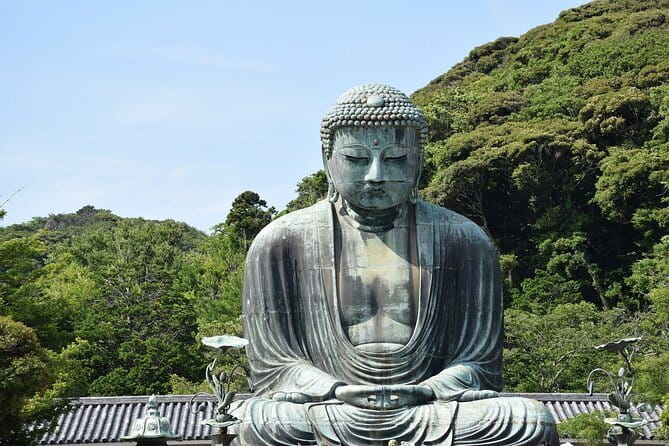
Akihabara is known for electronics shops and, in recent years, its role in Japanese pop culture. Choose it if you want Tokyo’s technology and anime-related side rather than temples or gardens. The district is free to walk through, but purchases are entirely your responsibility.
Shinjuku Golden-Gai offers a different kind of city experience. Its small eating and drinking establishments grew from the postwar black-market era near Shinjuku Station. It is best understood as a compact neighborhood to look around, not as a full evening of bar hopping during this morning tour.
Nezu, along with nearby Yanaka, preserves an old downtown feel that escaped major damage from wars and natural disasters. This can be a rewarding choice if you want quieter streets and a sense of Tokyo outside the main tourist routes. The tradeoff is that it may be less convenient to combine with western Tokyo sights before lunch.
Tokyo gardens for a slower pace
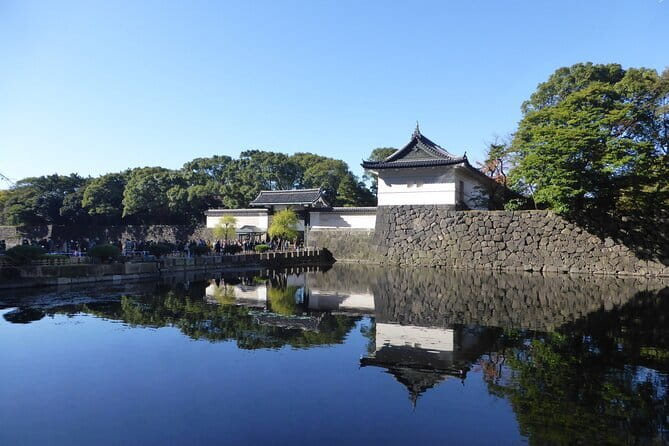
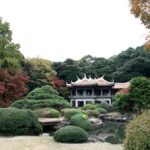
Three gardens appear among the possible choices: Rikugien, Koishikawa Korakuen, and Hamarikyu Gardens. Rikugien was created around 1700 for the fifth Tokugawa shogun and is associated with the six poems of classical Japanese literature. Koishikawa Korakuen is one of Tokyo’s oldest Japanese gardens, built in the early Edo period for the Mito branch of the ruling family.
Both Rikugien and Koishikawa Korakuen charge admission, and neither fee is included. The gardens are not ideal if you want a fast checklist stop. Their value comes from taking your time with paths, ponds, bridges, and seasonal scenery.
Hamarikyu is the most central of the three and pairs naturally with Tsukiji. Rikugien and Koishikawa Korakuen need more thought when planning the route. Ask the guide to build the morning around one garden rather than trying to squeeze in several.
Tokyo National Museum and Odaiba
The Tokyo National Museum is Japan’s oldest and largest national museum of its type. It offers a major cultural stop, but the entrance fee is not included, and a museum visit can easily absorb much of the morning.
Odaiba is a shopping and entertainment district on a man-made island in Tokyo Bay. Its origins go back to small defensive forts, but today it is known for modern attractions and bay views. It is farther from many central Tokyo choices, so it may not pair well with Asakusa, Shibuya, or Shinjuku within this schedule.
Shibamata, on Tokyo’s eastern edge near the Edogawa River, offers old-style neighborhood character. It is a good choice for repeat visitors or anyone who prefers a less central setting. The distance makes it a poor match for a packed morning.
The Yokozuna Tonkatsu Dosukoi Tanaka finale
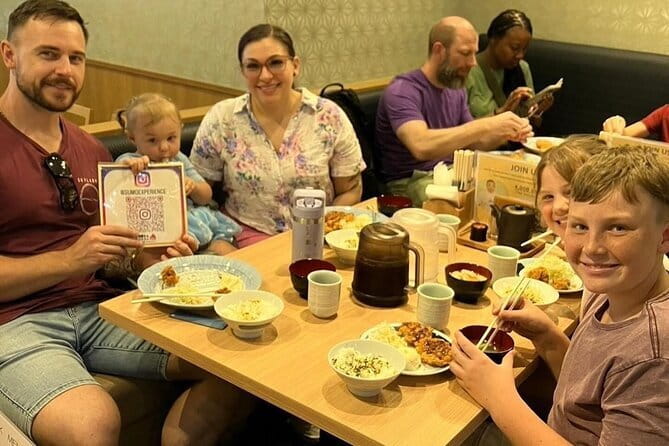
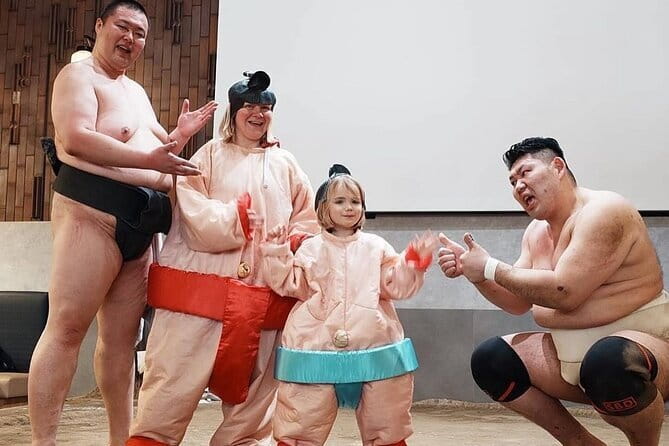
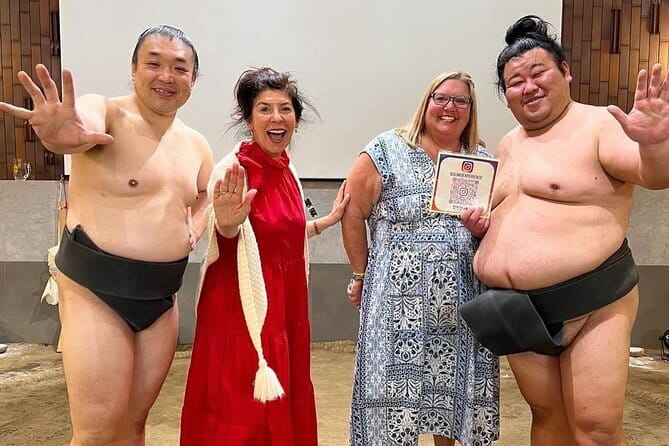
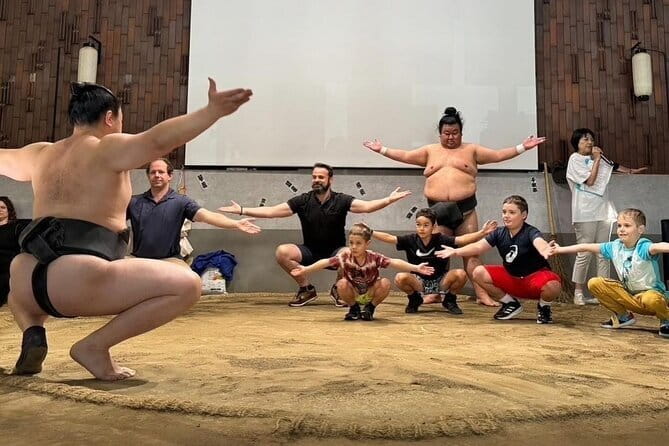
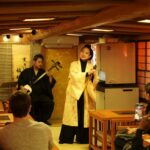
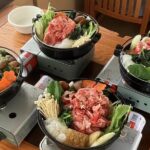
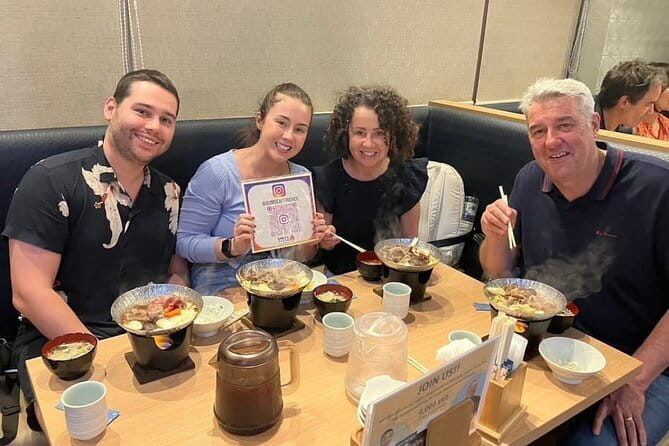
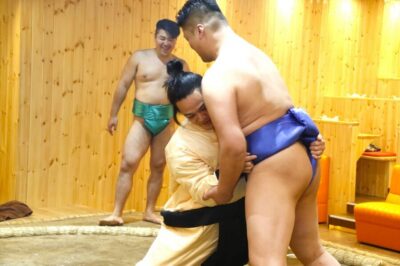
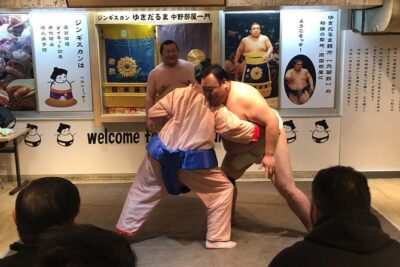
The tour’s final stop is Yokozuna Tonkatsu Dosukoi Tanaka, where you have lunch and watch a sumo show. The show and lunch are listed as the included final experience, lasting about two hours.
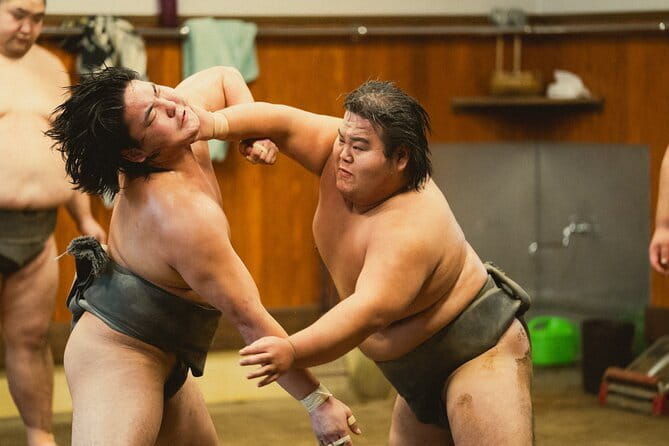
This is not a visit to a professional sumo tournament. It is a staged sumo show connected with lunch, which makes it an approachable way to learn about the sport without planning around tournament dates. You should see it as a cultural performance and meal, not as a full day at a grand sumo event.
Your guide drops you at the restaurant after the morning walking tour. The tour description gives a 1 p.m. start for lunch, so protect that timing. If you pause too long at a garden, market, or museum, the morning can become rushed.
The contrast is part of the appeal. You spend the first half of the day choosing your own version of Tokyo, then finish with a set activity that does not require more route planning. For a first visit, that structure gives you variety without making you organize every detail yourself.
Is $195.09 per person a fair price?
At $195.09 per person, this is not a budget walking tour. You are paying for a private guide, a custom morning, and the sumo show lunch. The value is strongest for couples, families, or small groups who want personal attention and do not want to manage Tokyo’s routes alone.
The price is less attractive if you only want a quick orientation walk or already feel comfortable using Tokyo trains. You must also add transportation, attraction admissions, and personal expenses. Shibuya Sky, Tokyo Tower, museums, and gardens can all increase the final bill.
Private tours can save time, but only when the itinerary is realistic. Choose nearby sights and use the guide’s local help. The praise for Izumi is especially useful here: assistance with train stations and ticket offices can be worth a lot on a first day in Tokyo.
The activity is booked an average of 66 days ahead, so plan early if your dates are fixed. The cancellation policy is strict: the booking is non-refundable and cannot be changed for any reason. Read that condition carefully before paying.
Who should book this Tokyo experience?
I would recommend it to first-time visitors who want a gentle introduction to Tokyo and a memorable meal at the end. It also suits families or small private groups that value a flexible morning more than the lowest possible price.
It is a good match if you want to choose two or three themes, such as temples and markets, shrines and fashion, or gardens and city views. It is less suitable if you expect a private car, an all-inclusive price, interior Imperial Palace access, or a full professional sumo tournament.
Most people can participate, service animals are allowed, and the meeting area is near public transportation. Since this is a walking tour with no private vehicle included, consider your own comfort with walking and train transfers before booking.
FAQ
What time does the tour begin?
The stated start time is 9 a.m. The morning walking tour leads to lunch and the sumo show, which begin at about 1 p.m.
How many Tokyo sights can I choose?
You can create an itinerary by choosing two or three spots from the listed options. The guide can help customize the route after you make the reservation.
Is transportation included?
No. Private vehicles and transportation fees are not included. The guide meets you on foot in a designated Tokyo area, and public transportation may be needed between sights.
Are entrance fees included?
Entrance fees are generally not included. The tour notes that guide entry fees are covered only for sights listed under the included options, so confirm the details for any paid attraction you choose.
Does the tour include access inside the Imperial Palace?
No. The Imperial Palace stop does not include access to the inside of the palace.
Is the sumo show lunch included?
Yes. Lunch at Yokozuna Tonkatsu Dosukoi Tanaka and the sumo show are included. The final experience lasts about two hours.
Should you book it?
Book this tour if you want a personalized first day in Tokyo and like the idea of ending your sightseeing with a sumo show lunch. Choose a compact route, budget for trains and admissions, and tell the guide your priorities before the morning begins.
Skip it if you want a low-cost tour, a private car, or a full sumo tournament. For the right group, though, the combination of local guidance, flexible sightseeing, and a distinctive lunch makes this a useful and entertaining way to get your Tokyo bearings.
More Guided Tours in Tokyo
More Shows & Performances in Tokyo
More Sumo Experiences in Tokyo
More tours in Tokyo we've reviewed
Sumo Experiences, compared.
 ★ 4.8Tokyo: Sumo Show Experience with Chicken Hot Pot and a PhotoFrom $1032 hours
 ★ 4.8Tokyo: Sumo Show and Dining ExperienceFrom $7990 minutes - 2 hours
 ★ 5.0the SUMO showFrom $89
 ★ 5.0Tokyo Sumo Entertainment Show with Chicken Hot Pot and PhotoFrom $106
 ★ 4.6Tokyo: Sumo Tournament Tour with Chair Seat TicketsFrom $141
 ★ 5.0Tokyo Grand Sumo Tournament Viewing Tour with TicketsFrom $124