Reviewed · SHINJUKU TOURS
Tokyo: Shinjuku tour with university students in Tokyo
Shinjuku can feel like several cities packed into one district, and this two-hour evening walk gives you a useful way into it. You move from the quiet grounds of Hanazono Shrine to Golden Gai, Kabukicho, and the Tokyo Metropolitan Government Building, seeing old Tokyo beside its neon-lit entertainment center.
In This Article
- Key points to know before you book
- Why this short walk works in Shinjuku
- Starting at Hanazono Shrine
- Golden Gai and Shinjuku’s narrow streets
- Kabukicho after dark
- The Tokyo Metropolitan Government Building observation deck
- Seasonal events and local Tokyo life
- What the student guides add
- Is $67 a fair price?
- Pace, meeting point, and practical planning
- Who will enjoy this Shinjuku tour?
- Should you book it?
- FAQ
- How long does the Shinjuku tour last?
- Where does the tour begin?
- Where does the tour finish?
- What places are included on the route?
- What language is offered?
- Are food and drinks included?
I like the chance to talk with local university students, not just follow a standard script. I also like the practical route: shrine, nightlife streets, and an observation deck in one outing. The main drawback is time. Two hours passes quickly, and food and drinks are not included, so you may want to return later for a slower look at the district.
Key points to know before you book
- Hanazono Shrine starts the evening gently: Begin at a historic shrine before entering Shinjuku’s louder streets.
- University students add a personal view: English-speaking guides can explain what it is like to grow up in Tokyo, not just point out buildings.
- Four major Shinjuku stops fit into two hours: The route includes Hanazono Shrine, Golden Gai, Kabukicho, and the Tokyo Metropolitan Government Building.
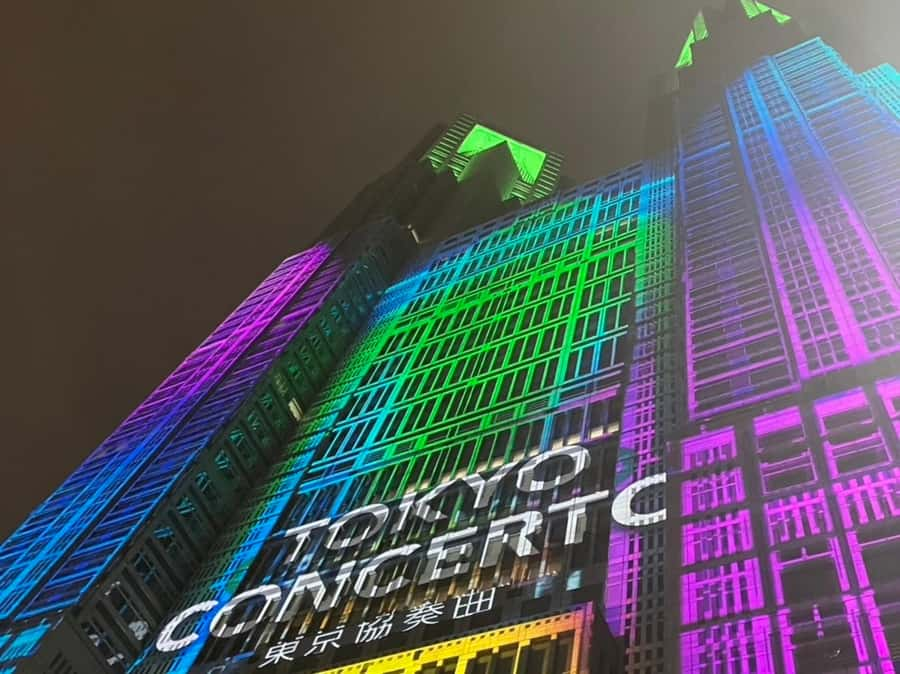
- Night views are part of the plan: The observation deck at the Tokyo Metropolitan Government Building gives you a high view of the city.
- Seasonal tips add extra value: Your guides can point out events taking place in Shinjuku during different months.
- The price is best for conversation and orientation: At $67 per person, this is not a cheap sightseeing stroll, but it can save you time in a complicated district.
Why this short walk works in Shinjuku
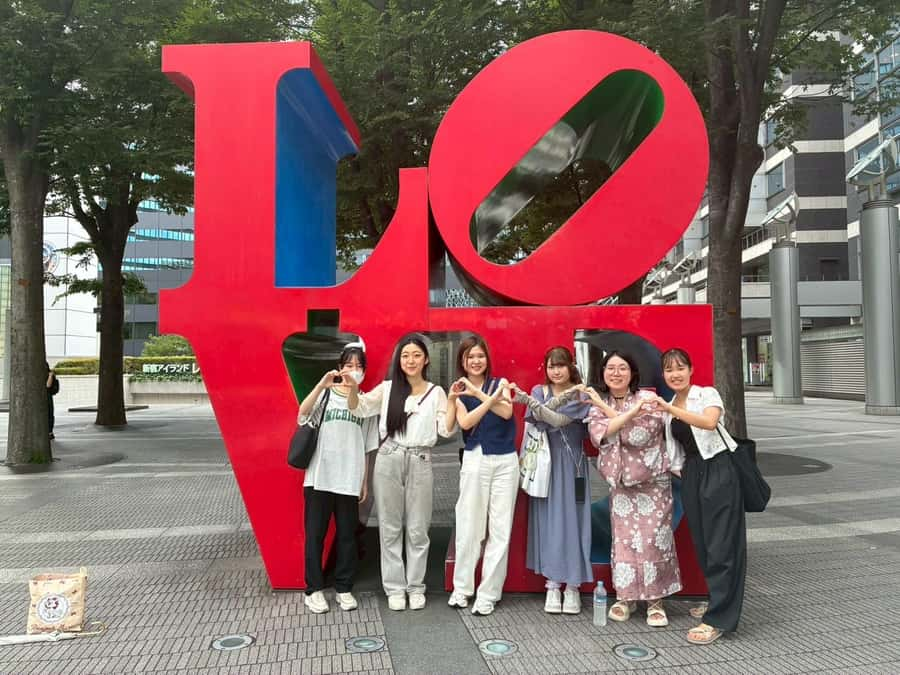
Shinjuku is famous for its crowds, tall office towers, restaurants, shops, and entertainment. It is also a district where a first visit can feel scattered. One street leads to a shrine, another to a narrow bar area, and another toward huge public buildings and city views.
That mix is exactly why a local guide can help. You are not simply checking off attractions. You are learning how the pieces fit together. The route shows Shinjuku as both a modern business center and a place with older religious and neighborhood traditions.
The guides are English-speaking university students. That detail matters. You can ask about daily life, student life, local customs, and what it is like growing up in Tokyo. The experience is designed to feel easygoing and conversational, rather than like a formal lecture.
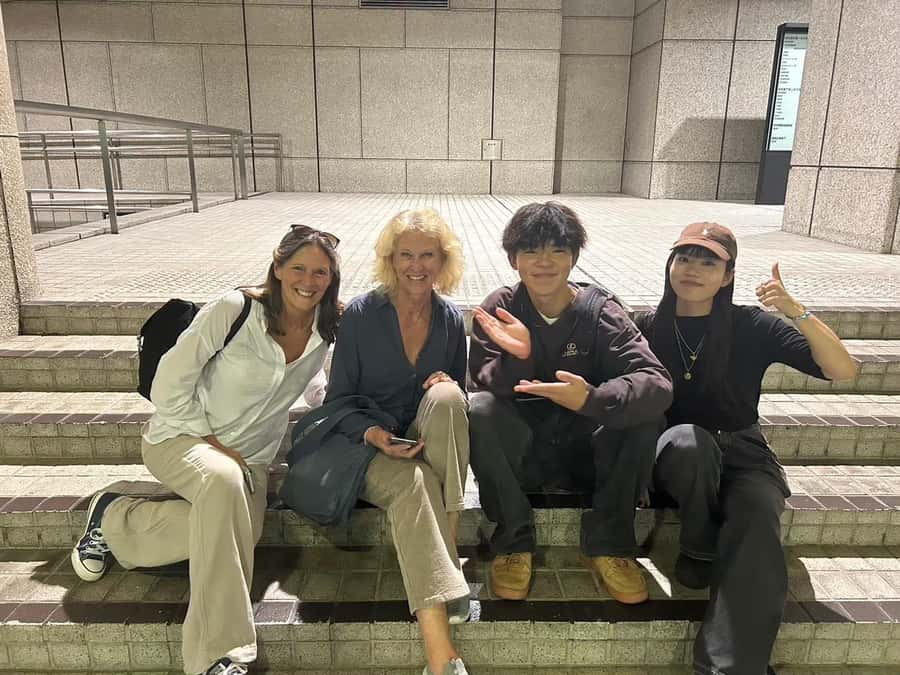
Two young women received particular praise for being kind, informative, and fun to talk with. One especially appealing detail is the chance to learn about growing up in Tokyo while walking through the city at night. If you want local conversation as much as sightseeing, this is the heart of the tour.
A few more Tokyo tours and experiences worth a look
Starting at Hanazono Shrine
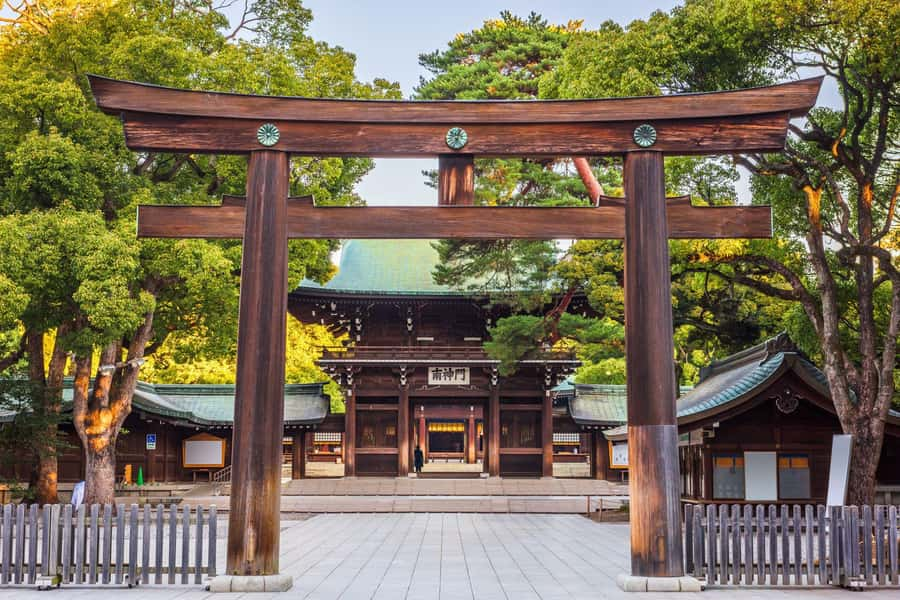
The meeting point is the entrance to Hanazono Shrine, and the tour begins and ends there. That makes the logistics simple. You do not need to figure out a second meeting place at the end of the evening.
Hanazono Shrine offers a calmer opening than the streets around Kabukicho. Its presence also makes the central point of the tour clear: Shinjuku is not only neon, shopping, and nightlife. It has religious sites and older places woven into the modern district.
A shrine visit at night has a different mood from a daytime stop. You may notice the contrast between the quiet shrine grounds and the city noise nearby. The tour includes information about shrines, so you can gain more than a quick photograph. Ask questions if you are curious about what you are seeing, since the student guides are there to explain the setting in English.
The shrine is also a smart meeting point. It gives you a fixed landmark before the walk moves into the more complicated streets. If you arrive early, use the time to locate the entrance and get settled. The tour returns here, so remember the route and meeting area at the end.
Golden Gai and Shinjuku’s narrow streets
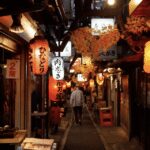
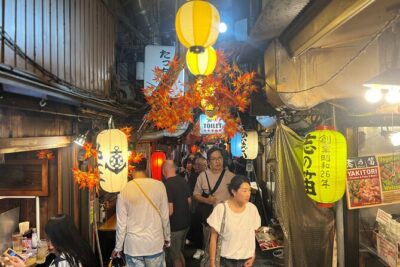
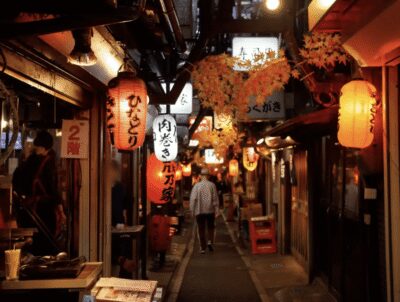
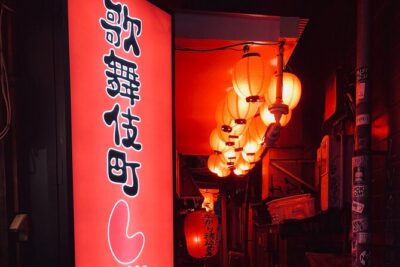
Golden Gai is one of the most distinctive areas on the route. It is known for its tight lanes and very small bars, a sharp contrast to the wide streets and large buildings elsewhere in Shinjuku.
The value of seeing Golden Gai with a guide is context. At first glance, the area can seem confusing. The lanes are close together, and the tiny establishments may not be easy to understand from the outside. A local student can help explain why the area matters and how it fits into Shinjuku’s nightlife.
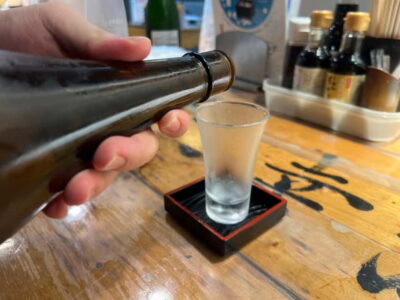
This is a sightseeing stop, not a promised bar-hopping session. Food and drinks are not included, so budget separately if you decide to return for a drink or meal. During the two-hour tour, the emphasis is on walking, seeing the area, and learning about it.
I would keep your expectations practical. You will get an introduction rather than a long evening inside several bars. That is useful if you are new to Shinjuku and want to know where to return later. It is less suitable if your main goal is an extended tasting night.
Kabukicho after dark
Kabukicho brings the tour into Shinjuku’s famous entertainment district. Here, you see the side of Shinjuku most people picture first: bright signs, busy streets, restaurants, and entertainment venues.
The area can feel complicated, especially after dark. A guide helps you take in the scene without wasting time wondering where to go next. The students can point out different entertainment areas and explain the district in a way that a map cannot.
The tour description presents Shinjuku honestly. It does not pretend the district is only peaceful shrines and attractive views. You get the modern city, the nightlife center, and the older places together. That range makes the walk useful for a first evening in Tokyo.
Keep in mind that the tour does not promise entry to specific venues. Its focus is walking through the district and receiving information. You should also treat the guide’s advice as the best way to decide which parts you want to explore on your own later.
The timing is important. The route is planned for a suitable time so you can move around Shinjuku more comfortably, despite its reputation for crowds. The exact time is not provided here, so check the selected departure when booking. A night visit is central to the experience, particularly for the shrine atmosphere and city views.
The Tokyo Metropolitan Government Building observation deck
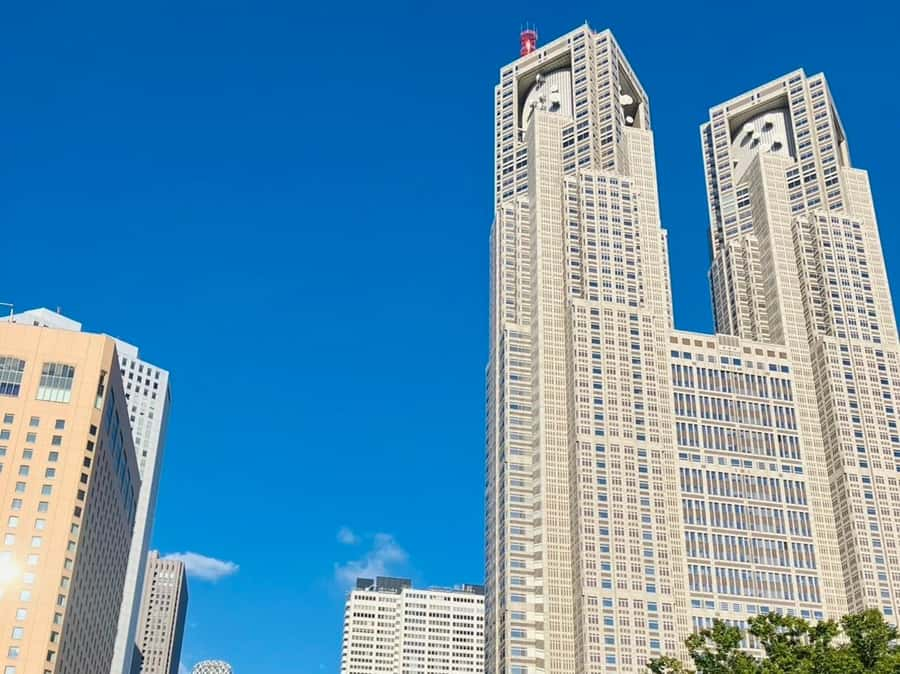
The final major stop is the Tokyo Metropolitan Government Building, where you can enjoy a view from the observation deck. This gives the walking tour a strong finish. After seeing Shinjuku at street level, you look out over the city from above.
The view is not just a photo stop. It helps you understand the scale of Tokyo and the relationship between the dense streets below and the wider city beyond. At night, the lights make a clear contrast with the quiet beginning at Hanazono Shrine.
The information provided does not state how long you stay at the deck or whether access can ever be affected by building conditions. Think of it as an included highlight, not a guaranteed long viewing session. The tour has four main areas to cover in two hours, so the pace will likely remain purposeful.
If night views are high on your Tokyo list, this stop gives the tour extra value. You do not need to plan a separate visit to the building during the same evening. The combination of street-level nightlife and a high city view also makes the route feel varied, rather than like two hours of similar walking.


Seasonal events and local Tokyo life
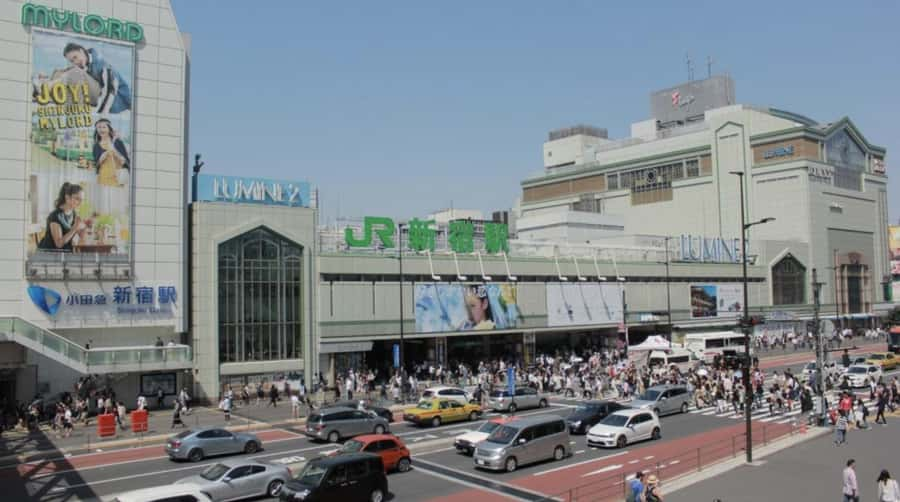
Shinjuku changes with the calendar. Different events take place during different seasons and months, and the guides provide information about events that are not easy to cover in a short standard description.
That feature can be especially useful if your trip happens during a festival period or another seasonal event. You may learn what is happening nearby during your stay and decide to return on your own. The guides’ age and local background also make it possible to ask questions about how Tokyo feels to someone who lives and studies there now.
I like this part because it gives the tour some flexibility. Buildings and streets do not change much from one day to the next, but event information can make your visit feel tied to the date of your trip. Ask the guides what is happening during your particular month.
What the student guides add
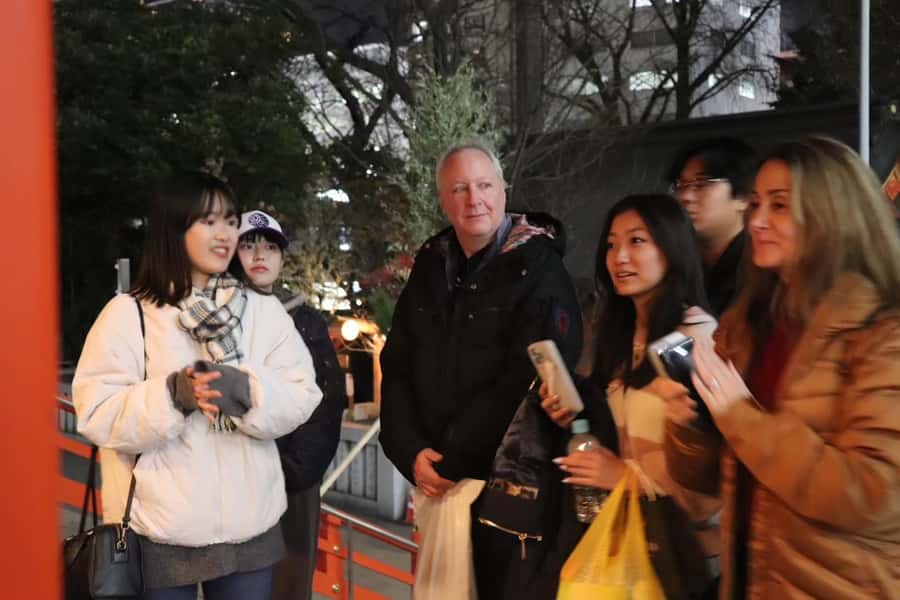
The university student format is the clearest difference between this tour and a standard city walk. You are accompanied by students who speak English, and the tone appears designed for conversation.
You can expect explanations about the places you see, along with personal insight into Tokyo. The guides have been described as kind, informative, easygoing, and enjoyable to talk with. That combination matters. A guide can know the facts and still make a tour feel stiff. Here, the personal exchange is a central benefit.
Do not expect the same presentation as a formal history tour. The information supplied does not identify the guides by name or promise specialist training in architecture, religion, or urban planning. If you want a detailed academic lecture, you may prefer a more focused tour.
If you want to ask questions and hear what daily life in Tokyo is like, this format is more appealing. Solo visitors, couples, and anyone hoping to meet a friendly local voice may find the student guides especially helpful.
Is $67 a fair price?
The cost is $67 per person. Food and drinks are not included, and the package includes the university student guides rather than meals, transport, or a long list of paid admissions.
That makes the price easiest to judge as a local orientation service. You are paying for a planned route through a complicated district, English conversation, explanations at several stops, seasonal information, and the chance to see a night view without arranging every piece yourself.
The value is stronger if you are new to Shinjuku or have only one evening available. You can learn where the shrine, nightlife streets, Golden Gai, and government building fit in relation to one another. That first look can help you plan another visit with more confidence.
The value is weaker if you already know Shinjuku well, or if you mainly want to eat and drink. Since food and drinks are extra and the experience lasts two hours, you may spend more overall if you add your own nightlife afterward. Still, the local student interaction gives this tour something beyond simple sightseeing.
You can reserve now and pay later, which helps if your Tokyo plans are still moving around. Cancellation is allowed up to 24 hours before the tour for a full refund. Those terms make it easier to hold a place without committing your money immediately.
Pace, meeting point, and practical planning
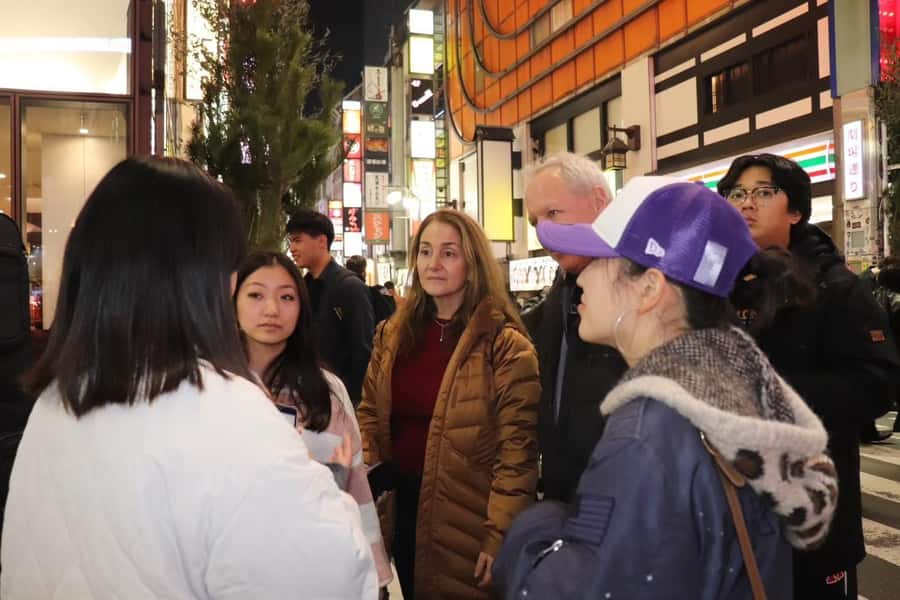
The tour lasts two hours and begins at the entrance to Hanazono Shrine. It ends back at the same meeting point. That return arrangement is useful in a district where it is easy to lose your sense of direction.
Because the route includes several well-known parts of Shinjuku, expect steady walking rather than long stops at one location. The available details do not give a group-size limit, accessibility information, or a precise schedule for each stop, so ask the provider if any of those points affect your plans.
Wear comfortable shoes. The tour moves through streets and public areas, and Shinjuku is best understood on foot. You should also bring money or a payment method for any food and drinks you choose to buy, since those are not included.
English is the listed language. If you need another language, this experience may not suit you. The guides are university students, so the tone should appeal to people who enjoy an informal exchange more than a formal, highly scripted performance.
Who will enjoy this Shinjuku tour?
I would recommend it most strongly to first-time visitors who want a quick introduction to Shinjuku after dark. You get the district’s major contrasts in a compact route: shrine, narrow nightlife lanes, entertainment streets, and a view from above.
It also suits you if meeting local people is part of your Japan trip. The opportunity to talk with students about growing up in Tokyo is more personal than a standard list of dates and building names.
Families with older children and teenagers may appreciate the variety, though the tour data does not specify a minimum age. Couples and solo visitors can also benefit from the relaxed conversation and the simple start and finish point.
I would choose another option if you want a food tour, a bar tour, a private luxury experience, or a detailed specialist tour. This outing does not include food or drinks, and the two-hour format leaves limited time for lingering.
Should you book it?
Book this tour if you want a friendly, compact introduction to Shinjuku and value conversation with English-speaking local students. The strongest reasons are the personal Tokyo perspective, the well-chosen mix of Hanazono Shrine, Golden Gai, Kabukicho, and the Tokyo Metropolitan Government Building, plus the night view at the end.
Skip it if you already know Shinjuku or want a full evening devoted to eating and nightlife. At $67, the tour earns its price through orientation and local interaction, not included meals or a long list of extras.
For a first night in Shinjuku, I like the shape of the experience. It shows you the district’s many sides without asking you to decode its complicated streets alone.
FAQ
How long does the Shinjuku tour last?
The tour lasts two hours.
Where does the tour begin?
It begins at the entrance to Hanazono Shrine, written as 花園神社 Hanazono shrine entrance.
Where does the tour finish?
The activity ends back at the Hanazono Shrine meeting point.
What places are included on the route?
The route includes Hanazono Shrine, Golden Gai, Kabukicho, and the Tokyo Metropolitan Government Building observation deck.
What language is offered?
The tour is offered in English and is led by university student guides who speak English.
Are food and drinks included?
No. Food and drinks during the tour are not included.
More Shinjuku Tours in Tokyo

More tours in Tokyo we've reviewed


Shinjuku Tours, compared.
 ★ 5.0Tokyo: Shinjuku Food Tour (13 Dishes at 4 Local Eateries)From $86
 ★ 5.0Tokyo Bar Hopping Tour in Shinjuku (All-You-Can-Drink + Dinner)From $106
 ★ 4.9Tokyo: Shinjuku Local Bar and Izakaya Guided Walking TourFrom $343 hours
 ★ 4.9Tokyo: Shinjuku Food Tour (13 Dishes and 4 Eateries)From $97
 ★ 5.0Tokyo Night Foodie Tour in Shinjuku – Seasonal Sushi, Wagyu BeefFrom $111
 ★ 5.0Tokyo: Shinjuku Local Bar & Izakaya Crawl TourFrom $39