Reviewed · MT FUJI DAY TRIPS
Tokyo: 2-Day Mt. Fuji, Kamakura and Izu Hot Springs Tour
Mount Fuji, a volcanic valley, a hot spring hotel, and two coastal towns make this a very full two-day escape from Tokyo. You cover a remarkable sweep of central Japan, from black eggs at Owakudani to the Enoden railway and Kamakura’s famous anime-linked railway crossing.
In This Article
- Key points to know before you book
- Why this two-day route is appealing
- Mt. Fuji changes with the season
- Owakudani, sulfur fumes, and black eggs
- Lake Ashi and the cost of scenic extras
- Shuzenji Onsen gives the trip its best pause
- Shuzenji Onsen Street in the morning
- Mt. Omuro and the extra cost of going higher
- Enoshima brings the coast into the itinerary
- Kamakura, Enoden, and a possible disappointment
- Guides, language, and the human side of the trip
- Transport, luggage, and the pace of two days
- What the $295 price really covers
- Who should book this route?
- FAQ
- Is Mt. Fuji included all year?
- Are the cable car fees included?
- What meals are included?
- What languages are available for the live guide?
- Can I bring luggage?
- Does the tour always visit the Great Buddha in Kamakura?
- Should you book this two-day Mt. Fuji tour?
I like the overnight at Shuzenji Onsen, which gives this trip a slower, more traditional feel than a standard day tour. I also like the practical package: air-conditioned transport, a kaiseki dinner, onsen access, breakfast, and the Enoden fare are included. The tradeoff is a lot of road time, basic transport and lodging, and an itinerary that can change sharply with weather.
Key points to know before you book
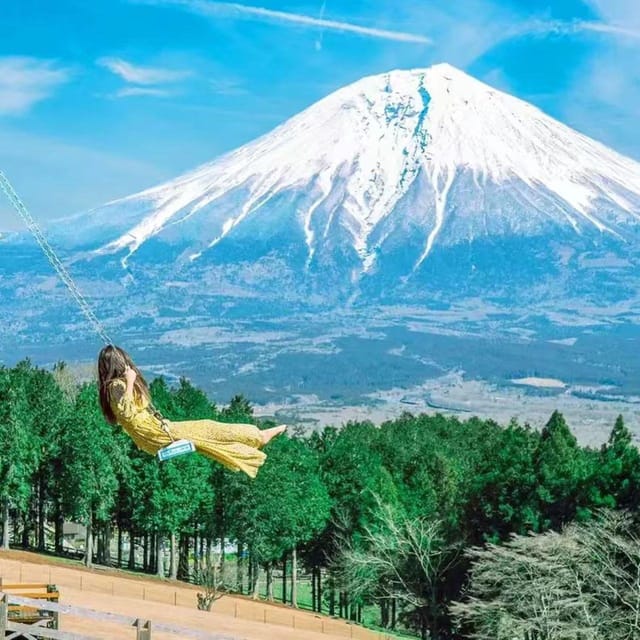
- Mt. Fuji is seasonal: The fifth station is used from April 26 through November 30. From December 1 through April 25, the route changes to Nishinomiya-yama Shinshu Park.
- Owakudani is a real volcanic area: Expect sulfur fumes, active vents, broad views, and the chance to buy eggs boiled in the hot spring water.
- Shuzenji is the heart of the trip: Your overnight stay includes an onsen, dinner, and breakfast, but the hotel may be simple rather than luxurious.
- Admissions cost extra: Entry tickets, drinks, lunch, and cable car fees are not included.
- Guiding quality can vary: Guides speak Chinese, English, or Japanese, but English explanation has not always been strong. Wan received especially warm praise for being helpful and kind.
- Kamakura may be brief: The plan includes the Enoden train and Kamakura High School area, but weather or timing can mean major sights such as the Great Buddha are not included.
Why this two-day route is appealing
At $295 per person, this is not a bargain-basement day trip, but it covers a great deal. You get transportation from Tokyo, a night in Izu, onsen access, dinner, breakfast, a guide, and the Enoshima Electric Railway fare. Add up a separate hotel, meals, and transport, and the price begins to look reasonable.
The value comes from the route itself. Mt. Fuji, Hakone, Izu, Enoshima, and Kamakura each deserve more time than this schedule allows, but arranging all five areas independently would take careful planning and several train connections. Here, you trade flexibility for convenience.
I would not book this expecting a polished luxury coach or a slow cultural retreat. You spend much of the first day moving between major sights, and the vehicle has been described as basic and somewhat uncomfortable for a long two-day route. Pack light, keep your expectations realistic, and see this as a broad introduction rather than a detailed study of each place.
A few more Tokyo tours and experiences worth a look
Mt. Fuji changes with the season
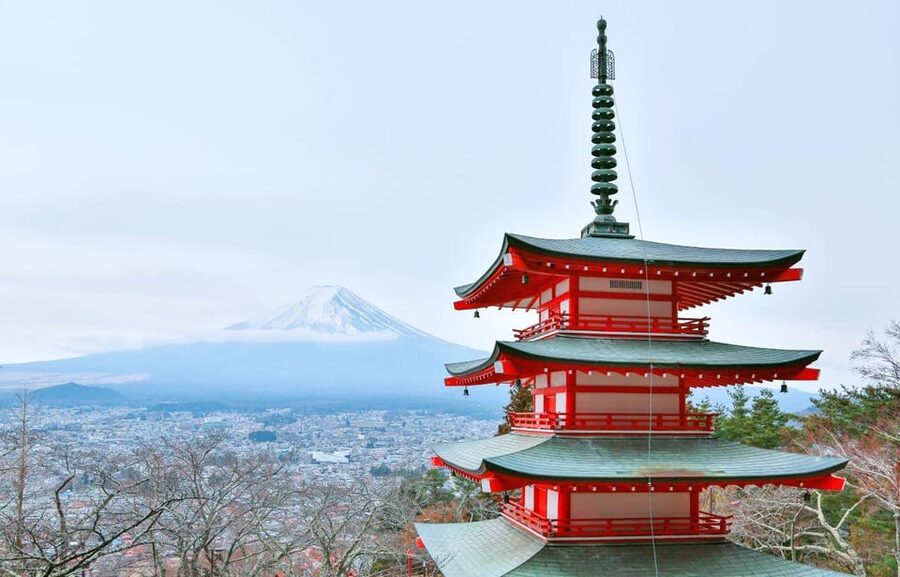
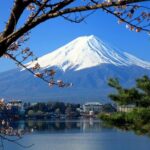
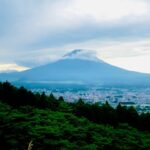
The first major stop is Mt. Fuji. From late April through November, the tour heads to the fifth station, a high point on the mountain with wide views and a chance to feel close to Japan’s most famous peak. This is the classic Fuji experience, though clear views depend entirely on weather.
From December through April 25, the tour uses Nishinomiya-yama Shinshu Park instead. That seasonal replacement matters. You are not guaranteed the same altitude or the same mountain approach, so check the forecast and confirm the current route before you set your expectations.
Fuji is often hidden by clouds, even when the weather in Tokyo looks fine. If the mountain disappears, the day may be rearranged. One trip changed its route because of cloudy conditions, and the substitute stops came with little explanation. That is not necessarily the operator’s fault, but it shows why this itinerary demands flexibility.
Bring layers and keep your camera ready, but do not build the entire trip around one perfect Fuji photograph. The mountain is a bonus, not a promise.
Owakudani, sulfur fumes, and black eggs
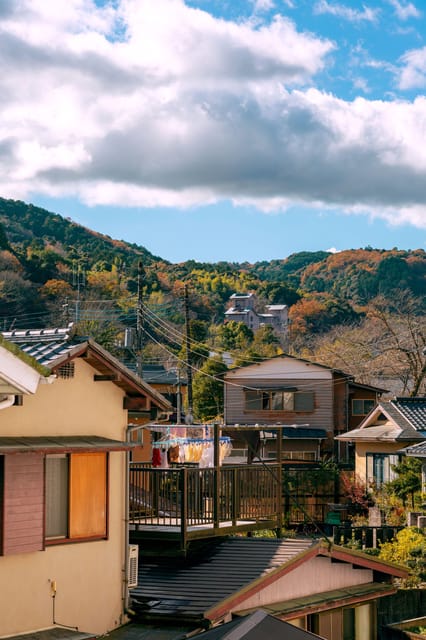
Owakudani gives the day a stronger sense of place than a simple scenic viewpoint. The valley formed after an eruption of Mount Hakone more than 3,000 years ago. Sulfur vents still release fumes, and the air can smell distinctly of rotten eggs.
You can buy eggs boiled in the volcanically heated water. Their shells turn black through a chemical reaction with the spring water, making them one of the area’s most recognizable snacks. They are simple, inexpensive, and fun, though you should follow local instructions if volcanic activity affects access.
The stop is worth taking seriously as well as photographing. Owakudani shows you that Hakone is not just pretty mountain scenery. It is an active volcanic region, and the steam, mineral smell, and rough ground make the setting feel more immediate.
Access can be affected by weather and volcanic conditions. The guide may adjust the order or length of the visit, so do not count on a fixed amount of free time here.
Lake Ashi and the cost of scenic extras
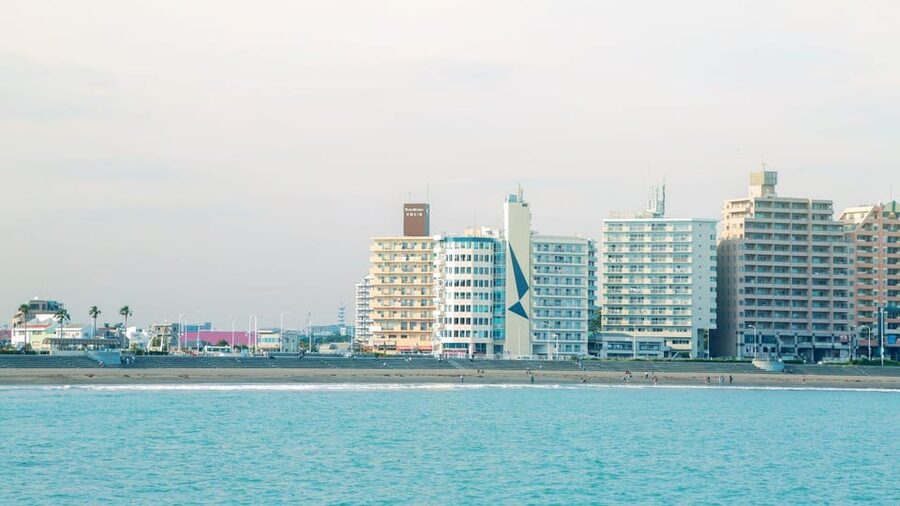
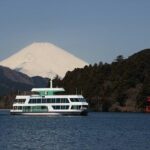
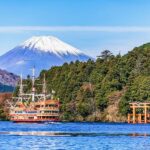
Lake Ashi fills the Hakone portion of the day with calmer scenery. It is a caldera lake formed by the eruption of Mount Hakone, surrounded by mountain slopes and often photographed with Mt. Fuji in the distance.
The experience is described as including a Lake Ashi cruise, but the package information also says that admission tickets and cable car fees are not included. Ask exactly which boat, cable car, or viewing access is part of your booked option before departure. Do not assume every Hakone transport ride is covered by the $295 price.
That detail matters because optional transport can add to the final cost. It also affects your time. A scenic boat ride or cable car trip can be a highlight, but only if the schedule, weather, and ticket arrangement line up.
I like the contrast here: Owakudani is hot, smoky, and active, while Lake Ashi is quiet and broad. Together they make Hakone feel varied rather than repetitive.
Shuzenji Onsen gives the trip its best pause
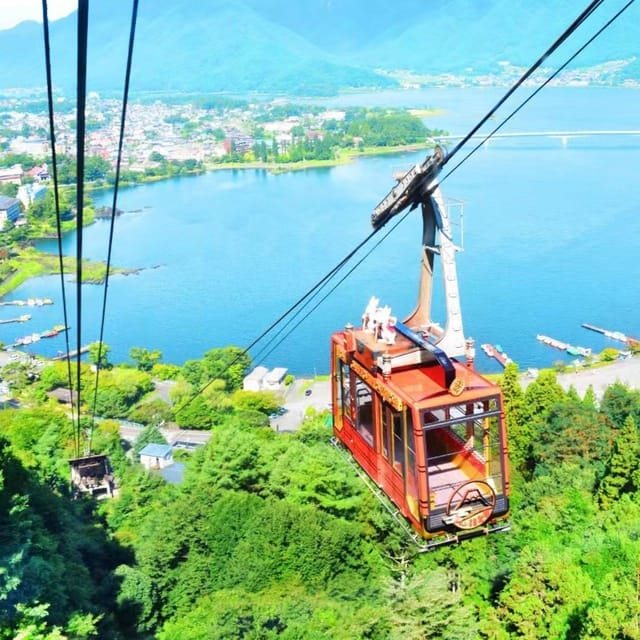
By evening, you reach Shuzenji Onsen in Izu. This overnight stay is the strongest reason to choose the two-day version instead of trying to cram the same region into a single day.
The hotel stay includes access to a Japanese hot spring and a kaiseki dinner. Kaiseki is a carefully arranged multi-course meal, and this dinner has received particularly good marks compared with the rest of the hotel experience. Expect local flavors presented in small courses rather than one large plate.
The onsen is a chance to reset after a long day in a vehicle. You will need to follow standard Japanese bathing customs, including washing before entering the communal bath. If you are not comfortable with shared bathing, check the hotel’s facilities and rules ahead of time.
Keep the hotel standard in mind. The accommodation has been described as basic, and the breakfast has not pleased everyone. When the group is small, breakfast is a set Japanese-style meal. With a larger group, it becomes a buffet. That can be a pleasant local touch, but it is not the same as staying at a high-end ryokan.
Room arrangements also matter. Rooms hold two to four people. If you occupy a room alone, a single supplement applies. Ask about that cost before booking if you are traveling solo.
A few more Tokyo tours and experiences worth a look


Shuzenji Onsen Street in the morning
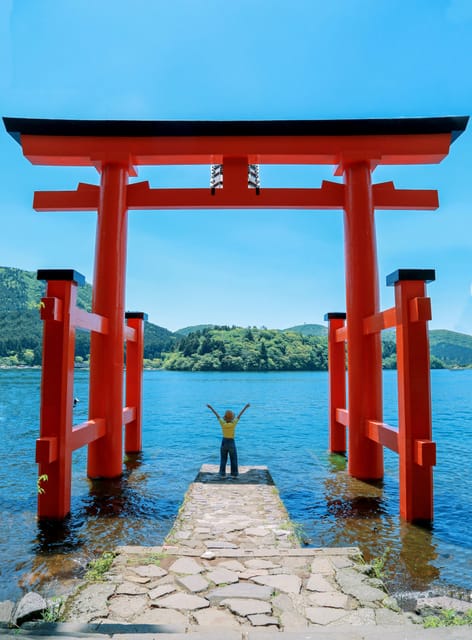
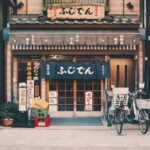
The next morning begins with Shuzenji Onsen Street, described as a Michelin two-starred area. The appeal is not one blockbuster sight. It is the slower rhythm of a traditional hot spring town, with a chance to walk, look around, and enjoy an old Japan atmosphere before returning to the road.
This is where the overnight format earns its keep. A day trip would likely rush through the town or skip it altogether. A morning stroll gives you a little breathing room after the crowded sightseeing stops around Fuji and Hakone.
Still, do not expect a full morning here. The route has several major stops ahead, and the schedule needs to carry the group back toward Tokyo by evening.
Mt. Omuro and the extra cost of going higher
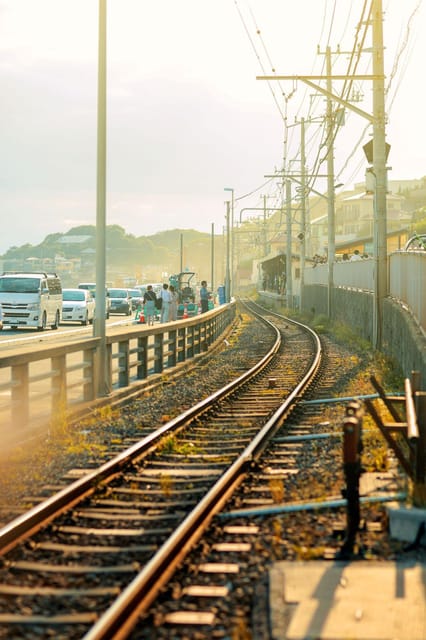
Mt. Omuro is a distinctive volcanic peak and one of the more unusual stops on the second day. The plan calls for scaling the mountain and enjoying the views. Lunch is on your own, so carry some cash and allow time to find food rather than assuming a meal is arranged.
Cable car fees are not included. Since access to Mt. Omuro may involve a lift or cable car rather than a conventional hike, confirm the exact arrangement before departure. The wording of the route can make this sound like a free walking stop, but you should budget for an optional ride.
Weather affects this stop too. Cloud, wind, or road delays can shorten the visit or lead to a substitution. The mountain is worth seeing for its shape alone, but it is best approached as a scenic stop, not a serious mountain trek.
Enoshima brings the coast into the itinerary
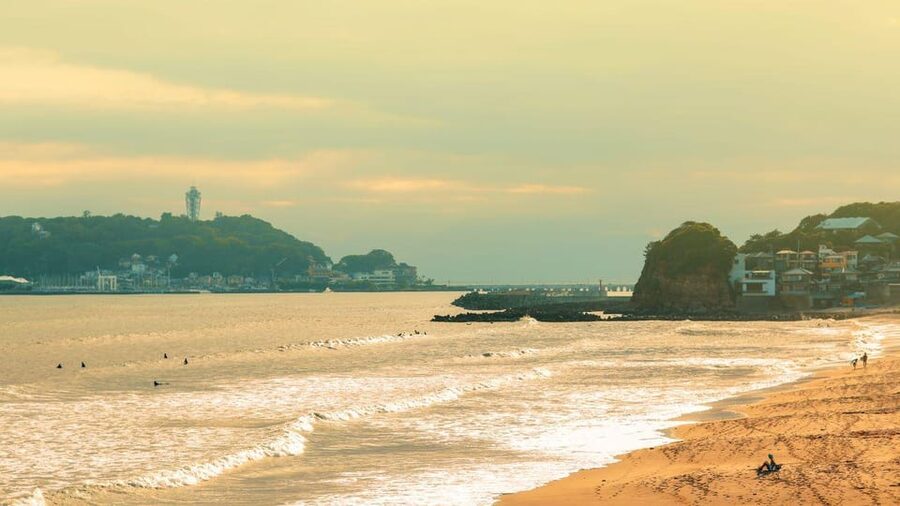
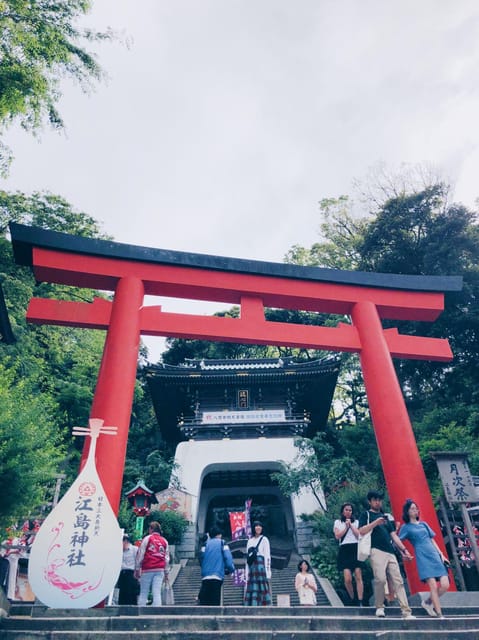
Enoshima Island shifts the mood again. After volcanoes and hot springs, you get sea air, island views, and a more relaxed coastal setting. The Enoshima Sea Candle is a popular photo point, and the island gives you a clear change from inland Hakone and Izu.
The Enoshima Electric Railway fare is included. That is useful because the Enoden is not merely a transfer. It is part of the character of this coastal route, running between Enoshima and Kamakura through neighborhoods and along the shore.
You should not expect unlimited time to explore every corner of the island. This is a multi-stop tour, and the coast section is shared with Kamakura later in the day. Use your time for the main streets, views, and agreed meeting point rather than wandering too far.
Kamakura, Enoden, and a possible disappointment
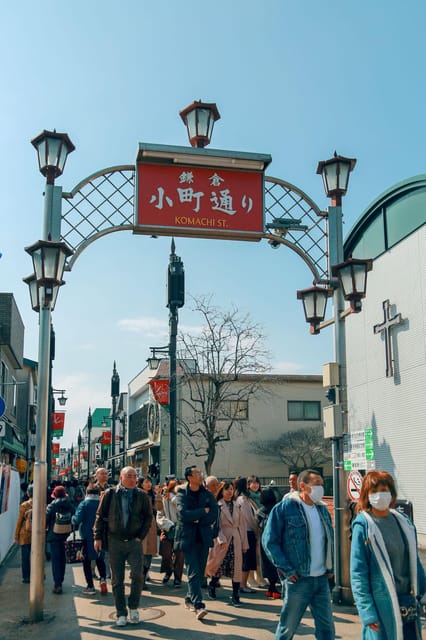
Kamakura is the final major stop, with old temples, Zen gardens, a beach, and a long connection to Japan’s early political and religious culture. The itinerary also includes the Enoden train and a stop at Kamakura High School, made famous by anime and manga.
The high school area is popular for its railway crossing and coastal view. It is a good choice if pop culture is one of your reasons for visiting Kamakura, but it is not a replacement for Kamakura’s major temple and Buddha sights.
This is the key point to understand: the advertised Kamakura visit does not guarantee a stop at the Great Buddha. One altered trip reached Kamakura without stopping there, and the schedule can shift when weather disrupts the route. If the Great Buddha is essential to you, a dedicated Kamakura day trip is the safer choice.
I like including Kamakura after Enoshima because the two places connect naturally by Enoden. The drawback is time. You see a little of several places instead of exploring one area properly.
Guides, language, and the human side of the trip
The tour offers live guiding in Chinese, English, and Japanese. That sounds useful, but the quality of spoken explanation can vary by guide and departure.
Wan was praised as an excellent driver who was kind, helpful, and able to make the journey feel easy. That kind of practical help matters on a two-day route with many stops. You need someone who can manage meeting points, timing, traffic, and changes without adding stress.
Another guide, Jason, was described as polite but struggled with English and provided little explanation. A separate departure had a driver who spoke only Chinese and offered no explanation even after the route changed. If you book for cultural background and detailed site interpretation, this is a real risk.
Confirm your guide language in advance and ask how commentary will be handled. If the answer is vague, bring your own brief notes on Fuji, Hakone, Shuzenji, Enoshima, and Kamakura. That way, a weak guide does not leave you guessing about what you are seeing.
Transport, luggage, and the pace of two days
The air-conditioned vehicle is convenient, but this is a long driving itinerary. You may spend substantial time on the road between Tokyo, Fuji, Hakone, Izu, and Kamakura. A basic vehicle can feel cramped by the second day, especially with luggage.
Each person is limited to one piece of luggage, and infants or larger bags must be reported in advance. Follow that rule closely. The vehicle has limited space, and bulky suitcases can create a problem for the whole group.
The tour needs at least two people to operate. If that minimum is not met, the date may change or the trip may be refunded. Room availability can also force a date change, since two-day departures require a fresh hotel confirmation.
The meeting point can vary by option. You receive the exact time, place, guide, and vehicle by email before departure. Arrive 10 minutes early. On a tightly timed route, being late can mean missing the vehicle rather than simply joining at the next stop.
What the $295 price really covers
The price works best for people who value convenience and the overnight stay. Included are:
- Driver and tour guide
- Air-conditioned transportation
- Designated pickup and drop-off
- One night at the hot spring hotel
- Onsen access
- Kaiseki dinner and breakfast
- Enoshima Electric Railway fare
You still pay for lunch, drinks, admission tickets, and cable car fees. Those extras can be modest, but they make the final total higher than the headline price.
I see fair value if you want Fuji, Hakone, Izu, Enoshima, and Kamakura in one organized trip. I see weaker value if you prefer comfort, long visits, or detailed guiding. A private trip or separate train journeys would cost more, but give you better control.
Who should book this route?
I would recommend it to you if you have limited time in Tokyo and want a broad taste of Japan outside the capital. It suits independent-minded people who can handle schedule changes, basic accommodation, and a fast pace.
It also suits anyone who particularly wants an onsen night and kaiseki dinner without planning an Izu stay alone. That overnight gives the trip a cultural element that many Tokyo day tours lack.
I would hesitate if you need fluent English commentary at every stop, want a comfortable coach, or have one must-see sight such as the Great Buddha. In those cases, choose focused one-day trips or arrange the locations independently.
Free cancellation up to 24 hours before departure and reserve-now, pay-later booking make the commitment easier. Still, the most important step is to confirm the current route, guide language, hotel room arrangement, and optional transport fees before you pay.
FAQ
Is Mt. Fuji included all year?
From April 26 through November 30, the tour visits Mt. Fuji’s fifth station. From December 1 through April 25, it uses Nishinomiya-yama Shinshu Park instead.
Are the cable car fees included?
No. Cable car fees are listed as an extra cost. Admission tickets, lunch, and drinks are also not included.
What meals are included?
The one-night stay includes a kaiseki dinner and breakfast. Breakfast is a set Japanese-style meal for smaller groups and a buffet for larger groups. Lunch is not included.
What languages are available for the live guide?
Live guiding is offered in Chinese, English, and Japanese. The assigned guide and language details are sent by email before departure.
Can I bring luggage?
Each person is limited to one piece of luggage because vehicle space is limited. You must notify the operator in advance if you are bringing an infant or luggage.
Does the tour always visit the Great Buddha in Kamakura?
The listed Kamakura route includes the Enoden train and Kamakura High School area, but a visit to the Great Buddha is not guaranteed. Weather and timing can change the route.
Should you book this two-day Mt. Fuji tour?
Book it if you want breadth, an onsen night, and simple planning more than luxury or detailed touring. The combination of Fuji, Owakudani, Lake Ashi, Shuzenji, Mt. Omuro, Enoshima, and Kamakura is hard to fit together on your own in only two days.
Skip it if your priorities are expert commentary, a comfortable vehicle, or guaranteed time at Kamakura’s main sights. The route can be rewarding, but it is weather-sensitive and guide-dependent. Go with light luggage, budget for extras, confirm the guide language, and treat the itinerary as an introduction to these regions rather than the final word on any one of them.
More Spa & Hot Springs in Tokyo


More Kamakura & Enoshima Day Trips in Tokyo
More Mt Fuji Day Trips in Tokyo

More tours in Tokyo we've reviewed
Mt Fuji Day Trips, compared.
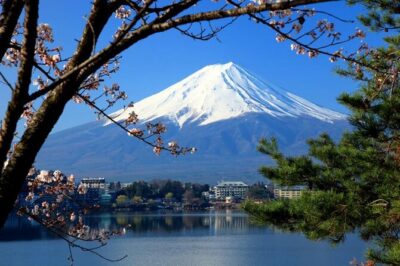 ★ 5.0Mt Fuji and Hakone 1-Day Bus Tour Return by Bullet TrainFrom $163
 ★ 4.0Mt Fuji & Hakone Cruise, Drum Show Bullet Train 1 Day from TokyoFrom $149
 ★ 4.4Tokyo Mt Fuji 5th St & Hakone Cruise Bus Tour w/Bullet TrainFrom $15410 hours
 ★ 4.5From Tokyo: Mount Fuji Full-Day Sightseeing TripFrom $6810 hours
 ★ 4.7Tokyo: Mt. Fuji Tour, Hakone Ropeway, Owakudani, Lake AshiFrom $5410 hours
 ★ 4.4Tokyo:Mt.Fuji,Kawaguchiko Oishi Park,Arakurayama Sengen ParkFrom $5410 hours