Reviewed · MT FUJI DAY TRIPS
Mt. Fuji 5th, Oshino Hakkai, Onsen Full-Day Trip From Tokyo
Seeing Mt. Fuji without piecing together several train and bus rides is the main appeal of this 10-hour outing from Tokyo. You ride in an air-conditioned vehicle, stop at several of the area’s best-known sights, and finish with your choice of a Japanese hot spring or Gotemba Premium Outlets.
In This Article
- Key points before you book
- Why this day trip works from Tokyo
- Meeting the group and managing the long day
- Mt. Fuji 5th Station: mountain air and a high viewpoint
- Arakurayama Sengen Park and the famous Fuji photograph
- Oshino Hakkai: clear ponds and a slower Fuji stop
- The final choice: Konohananoyu or Gotemba Premium Outlets
- Choosing the onsen
- Choosing Gotemba Premium Outlets
- The guides can shape the whole experience
- Weather, crowds, and the parts you cannot control
- Who will get the most from this tour?
- Should you book it?
- FAQ
- How long does the Mt. Fuji tour last?
- Is transportation included?
- Is lunch included?
- Does the tour always visit Mt. Fuji 5th Station?
- Can I choose between the onsen and Gotemba Premium Outlets?
- How much does the onsen cost?
- Are tattoos allowed at the onsen?
- What happens if Mt. Fuji is covered by clouds?
I like the clear variety: mountain views, a traditional pond village, a famous photo park, and either bathing or shopping. I also like the help from guides such as Anna, Andrew, Emily, David, and Kristy, who have been praised for clear directions, multilingual support, and keeping large groups moving.
The catch is simple: Mt. Fuji may be hidden by clouds, and traffic can push your return beyond 8 p.m. The group can reach 45 people, so this is practical sightseeing rather than a quiet private tour.
Key points before you book

- Mt. Fuji views depend on weather: Clear skies can reveal the mountain in full, but visibility is never promised.
- Winter changes the route: From December 1 through April 25, the 5th Station is replaced by Arakurayama Sengen Park.
- You choose your finale: Spend about two hours at a hot spring or shop at Gotemba Premium Outlets.
- The onsen costs extra: Admission is about $10 per person, and tattoo rules apply.
- Budget-friendly transport: At $56.14, the tour covers transport, designated pickup and drop-off, and a multilingual guide, but not lunch or the bath fee.
- Leave your evening open: Weekend traffic may shorten sightseeing stops and delay the return after 8 p.m.
Why this day trip works from Tokyo

Mt. Fuji is close enough to tempt independent day-trippers, yet awkward enough to make a guided ride useful. You have to connect Tokyo transport with local buses, then keep an eye on mountain weather and return schedules. This tour removes much of that juggling.
The air-conditioned vehicle matters in summer, when open sightseeing areas can feel hot, and in winter, when mountain conditions are colder than Tokyo. You spend roughly ten hours on the outing, so comfort is not a small detail.
The price of $56.14 per person is strong for a full day that includes transportation and several major stops. You still pay for lunch and, if you pick the hot spring, about $10 for admission. The value is best if you want a broad introduction to the Fuji area rather than a long stay at one place.
This is a sightseeing coach trip, not a small-group mountain expedition. The maximum group size is 45, and the vehicle may feel crowded when the booking is full. In return, you get a straightforward route with a guide, scheduled stops, and no need to solve local transport on your own.
A few more Tokyo tours and experiences worth a look
Meeting the group and managing the long day
You need to arrive 15 minutes early at the designated meeting point. Look for the guide holding a yellow flag with the Gogoday logo, then give the name used for the booking. Late arrivals and no-shows are not refunded, so this is one part of the day where cutting things close is a poor plan.
The operator sends information about the guide, driver, and vehicle license plate around 9 p.m. the night before departure. Since the booking platform does not provide your email address to the operator, you need to submit it after booking.
Bring some cash. Food shops, restaurants, scenic areas, and other stops around Mt. Fuji may not accept cards. Also eat before boarding, since one reported practical rule is that food and drinks are not allowed on the bus.
Traffic is the biggest timing issue. Weekend and holiday roads in Japan can be slow, especially on the return to Tokyo. The advertised day lasts about ten hours, but the finish can slip beyond 8 p.m. Sightseeing stops may be shortened, adjusted, or canceled when traffic causes trouble. Do not book a train, flight, dinner reservation, or other fixed evening plan too tightly.
Mt. Fuji 5th Station: mountain air and a high viewpoint
The first major stop is the Mt. Fuji 5th Station Monument, reached by a scenic drive uphill from Tokyo. Mt. Fuji is Japan’s highest peak and an active volcano, and the 5th Station gives you a chance to feel that change from city to mountain country.
You have about 40 minutes here, with admission included. That is enough for photos and a short look around, but not a long mountain walk. The best reason to come is the chance to see the upper slopes from a high point, assuming clouds cooperate.
Keep expectations realistic. A Fuji tour cannot control the sky. Several outings have had fine weather and clear views, while others saw only cloud and rain. The mountain may be completely hidden even when the rest of the day goes ahead.
The seasonal rule is important. From December 1 through April 25 of the following year, the tour does not go to the 5th Station because of winter weather. Instead, you visit Arakurayama Sengen Park. If the 5th Station is the main reason you are booking, check your travel dates before paying.
Arakurayama Sengen Park and the famous Fuji photograph

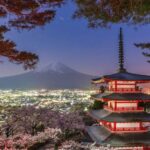
During the winter replacement period, Arakurayama Sengen Park becomes the key photo stop. It is known for the classic view combining Mt. Fuji, a pagoda, and the surrounding area, making it one of Japan’s most recognized picture spots.
You get about an hour here, and admission is included. This is a better winter alternative than forcing a mountain road visit in poor conditions, though the view still depends on clear weather.
The park is especially useful for anyone who wants the familiar Fuji image without planning a separate trip from Tokyo. You will have time for photographs and a short visit, but the stop is still controlled by the day’s larger schedule and group movement.
If you are visiting outside the winter period, the standard route lists the 5th Station rather than the park. The two stops are not guaranteed together, so do not assume you will see both.
Oshino Hakkai: clear ponds and a slower Fuji stop

After the mountain visit, the tour heads to Oshino Hakkai, a village area known for eight clear ponds fed by snowmelt from Mt. Fuji. You have about an hour to walk around and take in the water, old-style setting, and mountain-area atmosphere.
This is one of the more restful parts of the day. The 5th Station is about altitude and open views. Oshino Hakkai feels more grounded, with water, village paths, food stalls, and small local shops. You may find Fuji-area snacks and seasonal produce here, including Fuji apples mentioned by one tour participant.
The hour goes quickly. You can see the ponds and take photographs, but you will not have unlimited time for a slow meal and a detailed exploration. Lunch is not included, so decide ahead of time how much of this stop you want to spend eating.
Oshino Hakkai also gives the day some cultural flavor beyond mountain photos. The ponds are linked to Mt. Fuji’s snowmelt, and the site has a sacred feel. Your guide may add useful facts, but the quality of commentary can vary by guide and language group. Anna received repeated praise for explaining sights and caring for the group, while Andrew and David were also noted for clear, friendly guidance.
A few more Tokyo tours and experiences worth a look


The final choice: Konohananoyu or Gotemba Premium Outlets

The last stop is where the tour becomes more personal. You choose between a Japanese onsen experience at Konohananoyu and shopping at Gotemba Premium Outlets. You get about two hours for this part of the day.
Choosing the onsen
The hot spring is the better pick if you want a distinctly Japanese experience and a quiet end to a busy day. Konohananoyu is newly opened according to the tour details, and its setting includes views toward Mt. Fuji when the weather is clear.
Admission is not included and costs about $10 per person. You should also know the tattoo policy before choosing this option. One tattoo smaller than a palm may be covered with a tattoo sticker. Large tattoos are not permitted in the hot springs.
The onsen can feel like a pleasant reset after several photo stops. It is not just a place to fill spare time. You get a chance to slow down, try a traditional bath, and see a different part of modern Japanese culture. Some guides may help first-time bathers understand what to expect. Betty was specifically praised for assisting a disabled participant at the onsen.
Do not assume the bath will always receive the full two hours. Traffic and earlier delays can reduce time at the final stop. Still, several people found the onsen to be the day’s best choice, particularly when clouds blocked the mountain view.
Choosing Gotemba Premium Outlets
Pick the outlet mall if shopping is a priority. You have about two hours to browse, and the site can be a useful stop for watches and other branded goods. One person enjoyed walking through the mall but wished for more time there, which is a fair warning for serious shoppers.
The outlet visit is less culturally distinctive than the onsen, but it gives you a practical chance to shop without making a separate trip. If you are looking for a relaxing bath, it will not offer the same change of pace. If you want retail therapy and a controlled indoor option, it may be the smarter choice.
On the third Thursday of February, both Gotemba Premium Outlets and the usual hot spring are closed for a regular holiday. The itinerary then changes to Lake Yamanaka for sightseeing or a Lake Yamanaka hot spring experience.
The guides can shape the whole experience

A large day tour rises or falls on its guide. The most warmly praised guides here include Anna, who has been described as multilingual, organized, humorous, and attentive. She has guided groups through the 5th Station, Oshino Hakkai, Gotemba, and the onsen while keeping track of a large party.
Andrew was also praised for meeting and greeting everyone and keeping the mood friendly. Emily, Kristy, David, Betty, and Laner J were singled out for helpful or informative service in individual outings.
That said, do not book this expecting a guaranteed private-style lecture. One unhappy experience described limited explanations and a language mismatch, while another raised concerns about driving and vehicle size in rainy mountain conditions. Those reports do not define every departure, but they point to the limits of a multilingual group tour.
The listed service includes a multilingual guide, and the operator says guides may speak Japanese, Chinese, and English. If detailed English commentary is essential to you, confirm the language arrangement before departure rather than assuming every guide will provide the same level of explanation.
Weather, crowds, and the parts you cannot control

Fuji is a weather gamble. The mountain can look magnificent on a clear morning and disappear behind clouds later. Rain and fog may also change the feel of the mountain roads and reduce the best photo chances.
Crowds are another factor, especially during peak travel periods. You may share the ponds, viewpoints, and shopping areas with many other people. The scheduled stops keep the day moving, but they also mean you cannot simply wait for an empty photo spot.
The practical way to handle this is to treat the tour as a full Fuji-area sampler. If you see the mountain clearly, enjoy the bonus. If clouds hide it, Oshino Hakkai, the park, shopping, or the onsen can still make the day worthwhile.
Who will get the most from this tour?
I would choose this trip if you have limited time in Tokyo and want to see several Fuji-area sights in one day. It suits first-time visitors, couples, families, and anyone who would rather let a driver handle the rural connections.
It also suits you if you like having a choice at the end. The onsen offers rest and a local experience. Gotemba offers shopping. That flexibility is useful when weather, energy, or personal interests change during the day.
I would hesitate if you need a quiet trip, a small vehicle, long visits at each attraction, or a firm return time. Independent visitors who enjoy planning their own route may prefer more control. Serious photographers may also want a dedicated Fuji photo day, since this schedule gives you set windows rather than unlimited waiting time.
The tour is generally accessible to most people, but the full day, group pace, and mountain-area stops may not suit everyone. If you need assistance, contact the operator before departure. The positive account of Betty helping a disabled participant shows that individual support may be possible, but it should not be assumed without prior confirmation.
Should you book it?
Book this Mt. Fuji day trip if you want good coverage for a moderate price, comfortable transport, and a choice between an onsen and outlet shopping. It gives you a useful mix of mountain scenery, ponds, village atmosphere, and practical sightseeing in about ten hours.
Skip it if a guaranteed Fuji view, a relaxed pace, or a punctual Tokyo return matters more than convenience. The strongest plan is to book on a flexible day, keep your evening free, carry cash, arrive early, and choose the onsen if you want the more memorable cultural experience. With those expectations, this is a sensible way to meet Mt. Fuji and its surrounding towns without wrestling with the transport system yourself.
FAQ
How long does the Mt. Fuji tour last?
The experience lasts approximately 10 hours. Weekend and holiday traffic may delay the return beyond 8 p.m.
Is transportation included?
Yes. The tour includes an air-conditioned vehicle and pickup and drop-off from designated areas.
Is lunch included?
No. Lunch is not included in the tour price.
Does the tour always visit Mt. Fuji 5th Station?
No. From December 1 through April 25 of the following year, the tour visits Arakurayama Sengen Park instead because of winter weather.
Can I choose between the onsen and Gotemba Premium Outlets?
Yes. At the final stop, you choose either the hot spring experience or shopping at Gotemba Premium Outlets.
How much does the onsen cost?
The onsen entrance fee is about $10 per person and is not included in the tour price.
Are tattoos allowed at the onsen?
One tattoo smaller than a palm may be covered with a tattoo sticker. Large tattoos are not permitted in the hot springs.
What happens if Mt. Fuji is covered by clouds?
The tour still operates, but visibility of Mt. Fuji cannot be guaranteed. Weather may also cause attractions to be shortened, adjusted, or canceled.
More Full-Day in Tokyo
More Spa & Hot Springs in Tokyo
More Mt Fuji Day Trips in Tokyo
More tours in Tokyo we've reviewed












Mt Fuji Day Trips, compared.
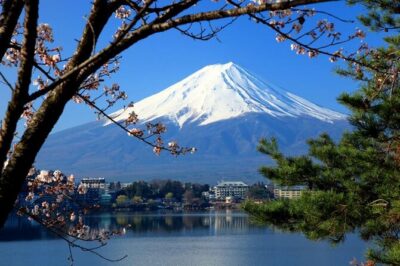 ★ 5.0Mt Fuji and Hakone 1-Day Bus Tour Return by Bullet TrainFrom $163
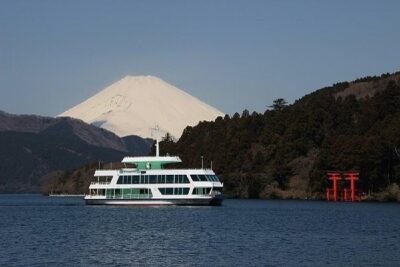 ★ 4.0Mt Fuji & Hakone Cruise, Drum Show Bullet Train 1 Day from TokyoFrom $149
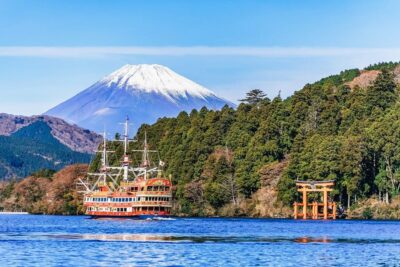 ★ 4.4Tokyo Mt Fuji 5th St & Hakone Cruise Bus Tour w/Bullet TrainFrom $15410 hours
 ★ 4.5From Tokyo: Mount Fuji Full-Day Sightseeing TripFrom $6810 hours
 ★ 4.7Tokyo: Mt. Fuji Tour, Hakone Ropeway, Owakudani, Lake AshiFrom $5410 hours
 ★ 4.4Tokyo:Mt.Fuji,Kawaguchiko Oishi Park,Arakurayama Sengen ParkFrom $5410 hours