Reviewed · MT FUJI DAY TRIPS
From Tokyo: Must-Visit Mount Fuji Highlight Full-Day Tour
Mt. Fuji day trips are often about luck, but this one gives you plenty of chances to find the mountain. You may see it behind Chureito Pagoda, reflected in Lake Kawaguchi, rising over tea fields, or appearing above one of five lakes. Arakurayama Sengen Park and its famous pagoda are the headline stop, but the waterfalls, spring ponds, and flower parks make the day more than a single photo hunt.
In This Article
- At a glance
- Why this Mount Fuji tour works from Tokyo
- Course A, the postcard route
- Arakurayama Sengen Park and Chureito Pagoda
- Shimoyoshida Honcho Street
- Lawson Fujikawaguchiko
- Lake Kawaguchi and Oishi Park
- Shiraito Waterfall
- Obuchi Sasaba tea fields
- Course B, the quieter scenic route
- The Fuji World Heritage Centre or a matcha café
- Oshino Hakkai
- Lake Yamanaka and Hirano Beach
- What the day feels like on a large coach
- Fuji weather, traffic, and the art of flexible plans
- Food, walking, and useful packing advice
- Who should book this $69 day trip
- Should you book it?
- FAQ
- How long is the Mount Fuji tour?
- Where does the tour start?
- Where does the tour end?
- Is round-trip transportation included?
- How large is the tour group?
- Which languages are available?
- Are meals included?
- Is the tour suitable for wheelchair users?
- Do I need to climb stairs?
- Can the itinerary change?
I like the choice between a photography-focused route and a calmer nature route. I also like the practical setup: round-trip transport from central Tokyo, several food and bathroom opportunities, and guides such as Kei, Goldie, Yui, and Yuichi who are praised for keeping large groups organized and entertained. The main catch is time. This is a long day, often with a full coach of up to 49 people, and traffic or clouds can shorten stops or hide Fuji altogether.
At a glance
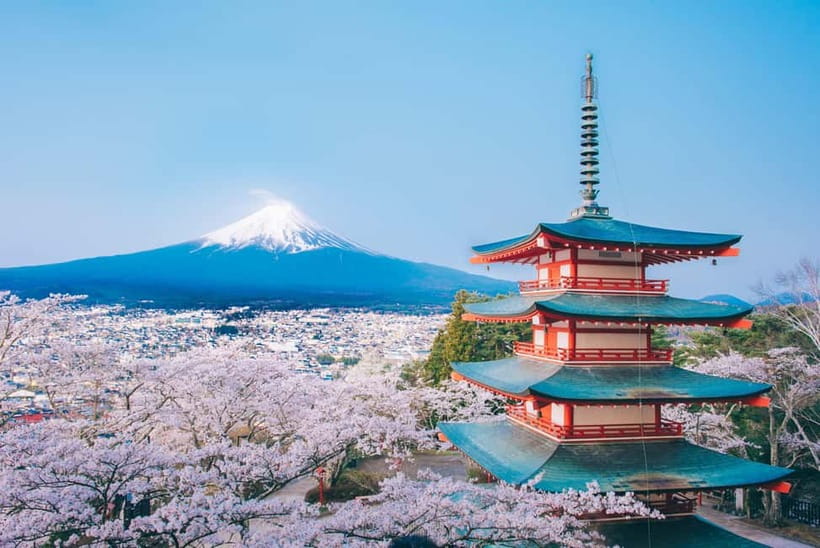
- Two ways to see Fuji: Choose Course A for classic photo locations, tea fields, and Shiraito Waterfall, or Course B for Oshino Hakkai, the Fuji museum, and Lake Yamanaka.
- The Chureito Pagoda view: Reach the pagoda after a steep climb of about 400 steps, with one of Japan’s most familiar mountain scenes waiting above.
- A full circle of scenery: Lakes, waterfalls, spring ponds, tea plantations, flower gardens, and small-town streets show you several sides of the Fuji area.
- A big but comfortable coach: Groups can reach 49 people, yet one detailed account describes a full-size bus with good legroom.
- Weather matters: Clear skies can produce Fuji views all day, but several departures have seen only partial glimpses or no mountain at all.
- Good value at $69: The price is strong for a full day of transport and sightseeing, especially if you do not want to drive or piece together regional buses.
Why this Mount Fuji tour works from Tokyo
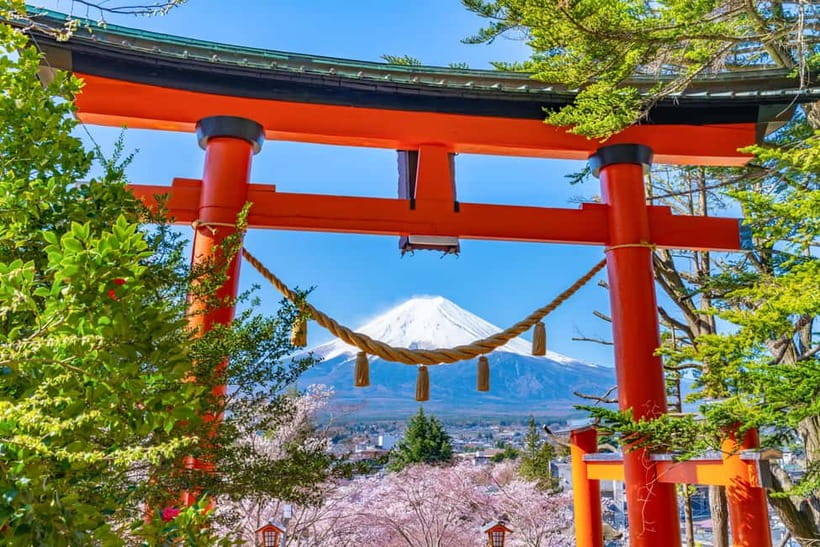
The best feature here is variety. Many quick Fuji excursions take you to one lake and one lookout, then send you back to Tokyo. This outing aims to show the area from different angles, and the route can cover much of the mountain’s base.
That matters because Fuji is a shy subject. Clouds may cover the summit at one stop and clear at the next. By moving between lakes, villages, parks, and lower countryside, you improve your odds of seeing the peak. Even on a cloudy day, you still have Shiraito Waterfall, Oshino Hakkai, local streets, and tea fields to enjoy.
The tradeoff is distance. The drive from Tokyo can take around two and a half hours in normal conditions, and the return journey may take more than three hours. An accident once turned the outward trip into five hours and forced the group to skip two stops. You need to accept that traffic is part of the deal.
At $69, I consider the tour good value for a first visit. You are paying for transport across a wide rural area, not just admission to one attraction. A self-drive trip could give you more freedom, but it would require navigation, parking, and a confident driver. The bus removes those chores.
A few more Tokyo tours and experiences worth a look
Course A, the postcard route
Course A is aimed at getting the classic Fuji photographs. It combines Arakurayama Sengen Park, Lake Kawaguchi, Oishi Park, Shiraito Waterfall, and Obuchi Sasaba, with a short stop at the Lawson Fujikawaguchiko location.
Arakurayama Sengen Park and Chureito Pagoda
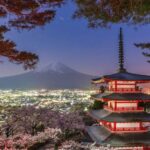
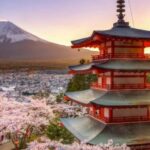
This is the essential stop. From the hillside, the five-story Chureito Pagoda sits in front of Mt. Fuji, creating the image that appears on countless calendars and postcards.
The view comes with effort. The climb involves roughly 400 steps, and one account specifically warns that the stairs can be difficult for anyone with walking problems. You do not need mountain-climbing ability, but comfortable shoes are important, and the climb is not suitable for everyone.
Allow time for people to gather at the popular viewpoint. Some departures give about an hour and 40 minutes for the park and Honcho Street together, while the more compact schedule gives about 90 minutes. That can feel tight if you want the pagoda, the stairs, nearby temple grounds, and your own photographs without rushing.
Shimoyoshida Honcho Street
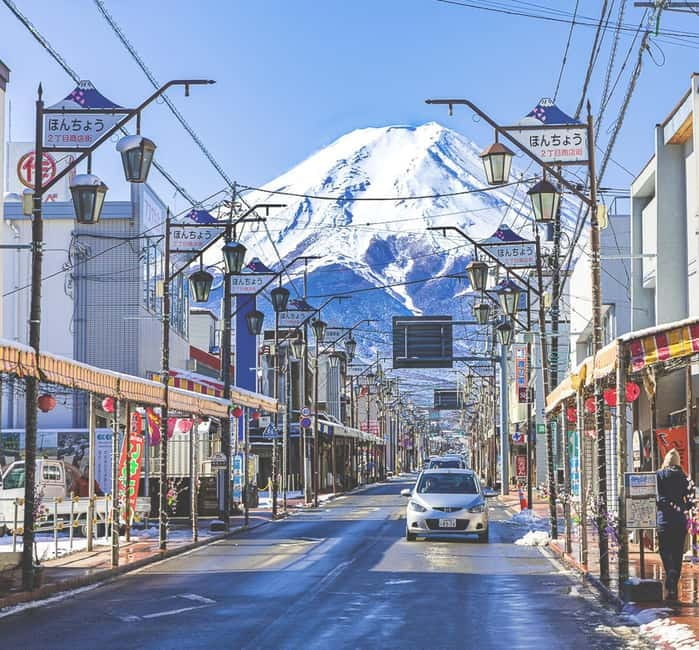
Below the park, Honcho Street offers a different kind of Fuji picture. Its retro shopfronts, overhead utility lines, and direct view toward the mountain create a distinctly Japanese town scene.
This is a place to slow down for a few minutes, but remember that it is still a scheduled group stop. Keep an eye on the meeting time and do not wander too far from the agreed point. The street is more about atmosphere and framing than a long shopping visit.
Lawson Fujikawaguchiko
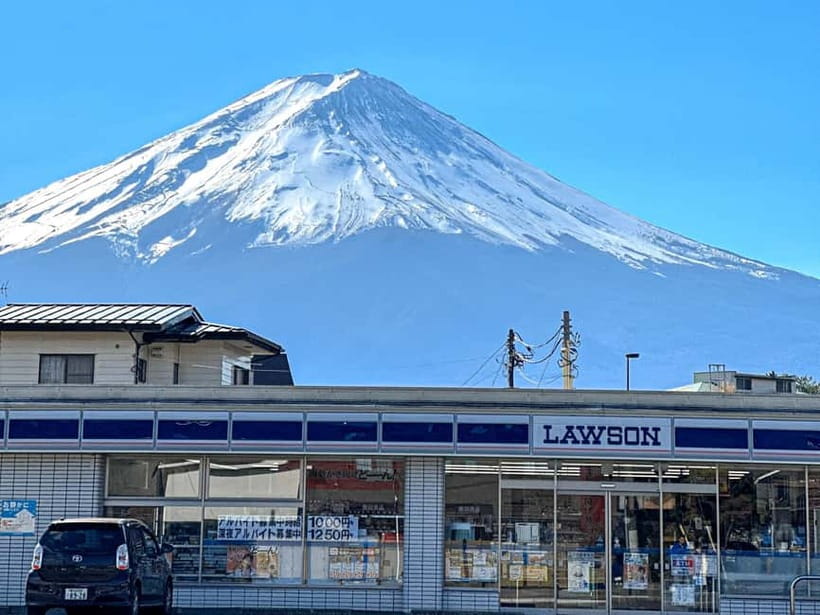
This convenience store has become famous online for its view toward Fuji. It is a quick stop, usually 15 to 30 minutes, and gives you a chance to photograph the mountain above an ordinary Japanese town setting.
I understand why some people question the appeal of taking a picture of a convenience store. If you prefer temples, food, or quiet scenery, this may feel like the least meaningful stop. If you enjoy modern Japan and familiar social-media images, it is a quick, harmless photo opportunity.
A few more Tokyo tours and experiences worth a look

Lake Kawaguchi and Oishi Park
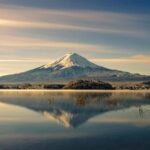
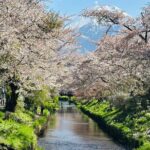
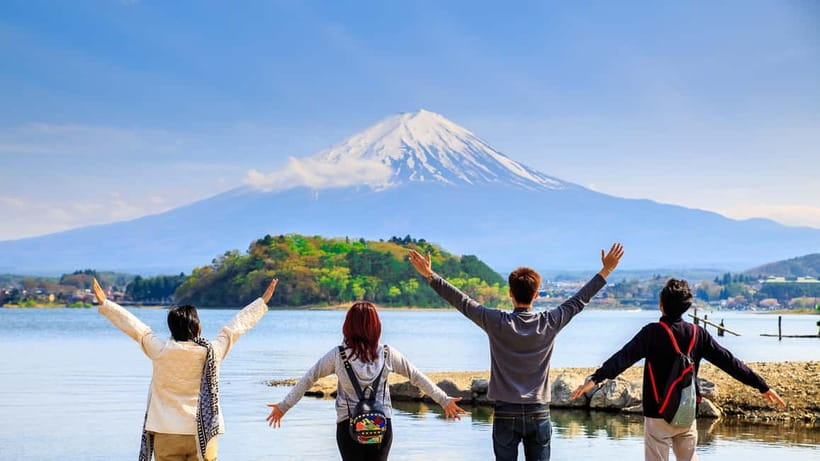
Lake Kawaguchi is one of the strongest Fuji viewing areas on the route. The lake offers reflections and broad mountain views, while Oishi Park adds flowerbeds and seasonal color.
The exact visit can vary. Some schedules give a proper stop at Oishi Park and pass by part of Lake Kawaguchi, while seasonal conditions may change the order. Autumn foliage has added a corridor of brilliant leaves on some departures, and lavender ice cream has earned special mention as a local snack near the lake.
Shiraito Waterfall
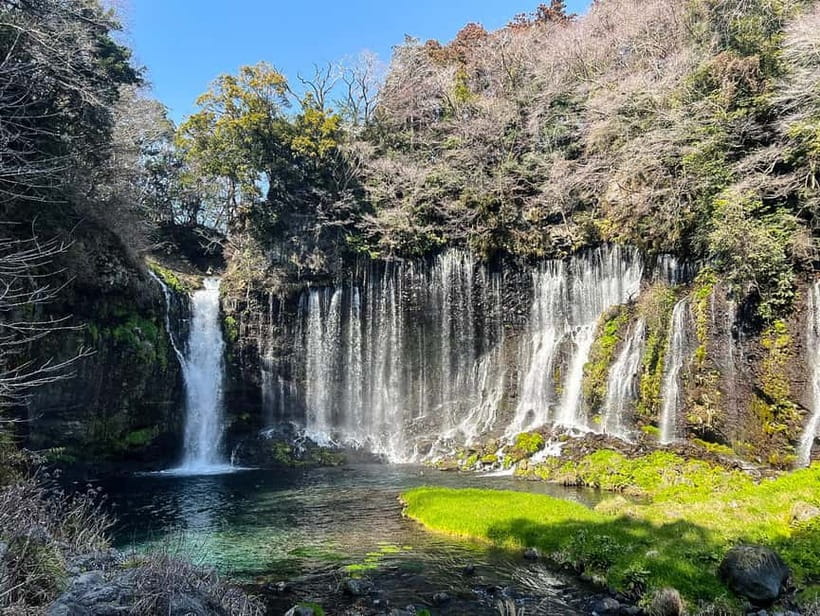
Shiraito no Taki is one of the day’s best nature stops. Water spills in many thin white streams over a wide rock face, creating a soft curtain and cool spray.
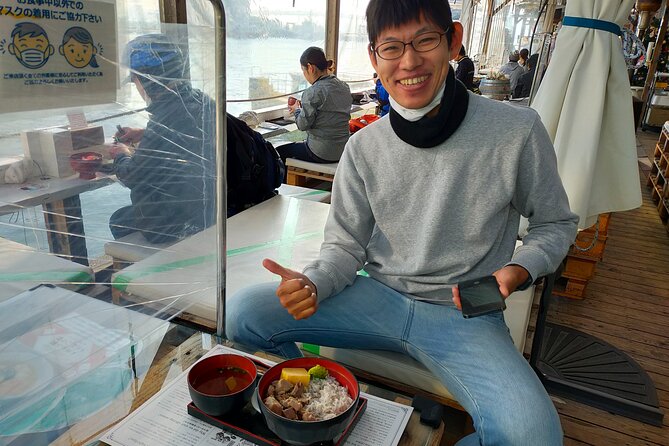
The stop lasts about 50 minutes and includes time for a simple lunch break, but lunch itself is not included. Bring a snack or light meal, or buy food at one of the designated stops. You may find noodles, hot and cold drinks, ice cream, and other quick options along the way.
Obuchi Sasaba tea fields
Obuchi Sasaba brings the tour into open countryside. Neat rows of tea plants roll across the foreground while Fuji may appear in the distance, often with its snow-covered upper slopes visible in cooler months.
This stop feels less famous than the pagoda, which is part of its appeal. You get a quieter view and a sense of how the region uses its land. The tea fields are especially worthwhile for photographers who want something beyond the standard Fuji-and-pagoda composition.
Course B, the quieter scenic route
Course B trades some of the classic photo stops for village life, a museum visit, and a lakeside walk. It is a good fit if you want more than social-media viewpoints.
The Fuji World Heritage Centre or a matcha café
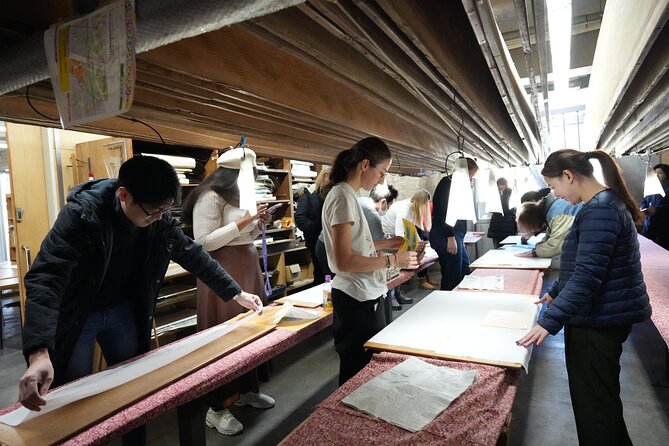
The Mt. Fuji World Heritage Centre provides an indoor change of pace. Its displays explain the mountain’s geology and cultural importance in an interactive format.
The alternative is an optional nearby matcha café. This choice gives you a more relaxed food-and-drink break, while the museum offers more context. Check the precise option attached to your booking, since the description presents these as alternatives rather than guaranteed visits to both.
Oshino Hakkai
Oshino Hakkai is a traditional village area built around eight clear spring ponds. The water is the star, but the setting also includes old-style buildings, small food stalls, and historic waterwheels.
You have about an hour here, enough to walk between the ponds and sample local food. The area is easier on the legs than the pagoda climb, though surfaces can be busy and uneven. I would save room for a snack, since food suggestions from the guides have included local specialties around the ponds.
Lake Yamanaka and Hirano Beach
Lake Yamanaka is the largest of the Fuji Five Lakes and offers wide open views. At Hirano Beach, the pace becomes gentler, with a lakeside walk and the possibility of Fuji reflected in still water.
This is one of the better stops for simply looking rather than collecting another hurried photograph. Like every Fuji viewpoint, though, it depends on the weather. If clouds close in, the lake remains pleasant, but the main mountain view may disappear.
What the day feels like on a large coach
This is not a small private van experience. The maximum group size is 49, and one full departure had every seat occupied. That means you should expect a proper tour bus, fixed meeting times, and a little waiting as people board and leave each stop.
The upside is comfort and reach. A full-size coach can cover the long distances with room for your legs, and the driver handles roads that would be tiring to manage yourself. The driver has also been praised for safe, careful operation, including helping people cross safely at a rest stop.
Guide quality is a major part of the experience. Kei is repeatedly described as attentive and helpful, and one account says Kei adjusted the order of stops to chase clearer weather. Yui has been praised for sharing meeting-point details through a group chat and recommending food. Goldie is known for high energy and keeping groups on schedule, while Yuichi has been singled out for clear English explanations about Fuji’s formation, lakes, and waterfalls.
Names are not guaranteed for your departure, but the pattern is useful: a good guide can make a large group feel manageable. Guides may take photographs, offer small treats, give an origami figure, or provide an instant photograph, though these personal touches should not be treated as promised inclusions.
Fuji weather, traffic, and the art of flexible plans
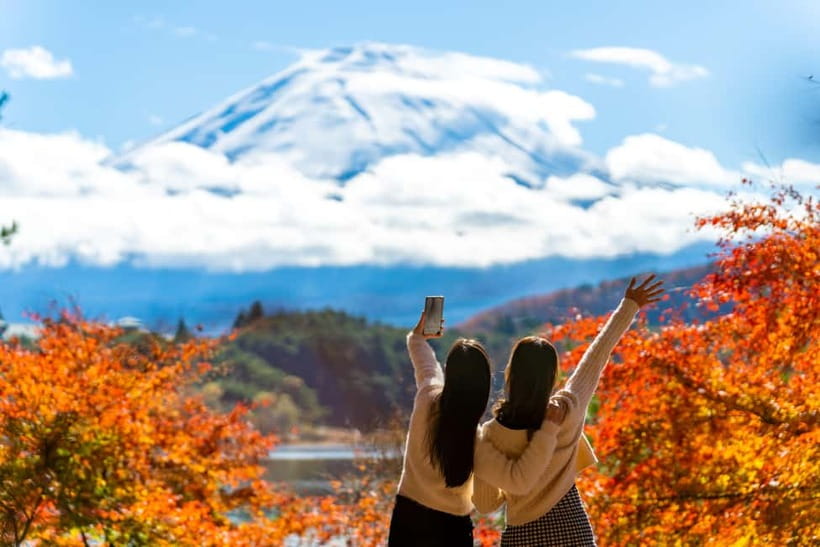
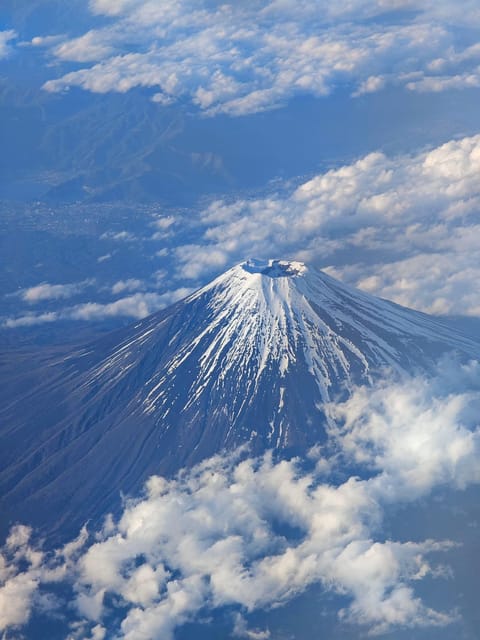
You cannot book a clear view of Mt. Fuji. Several departures enjoyed blue skies and saw the mountain from nearly every stop. Others faced cloud, rain, or haze and caught only a partial summit, or nothing at all.
The tour guide may change the order according to conditions. That is a real advantage, not a minor detail. Fuji often appears briefly, so a flexible schedule gives the group a better chance than a rigid route.
Traffic is the larger risk. Japanese law limits vehicle operation to 10 hours, and the guide may adjust the itinerary to comply with that rule and respond to road conditions. A serious delay can mean missed stops. For that reason, do not schedule a tight evening reservation or airport transfer after returning to Tokyo.
Food, walking, and useful packing advice
Meals are not included, and lunch is described as a simple break rather than a sit-down meal. Bring snacks, water, and a light lunch if you prefer dependable food and do not want to queue.
Wear shoes that can handle the pagoda stairs and regular walking. The activity is stroller-friendly if you notify the operator in advance, but it is not wheelchair-accessible. The pagoda climb is the clearest physical challenge, while the rest of the day involves getting on and off the coach and walking around parks, lakes, and village paths.
A small camera or phone battery pack will earn its space. You may take pictures from many angles, and one useful bus tip is to sit on the left side for better views during parts of the drive. Do not count on one seat being best for the entire day, since the road curves and the mountain appears on different sides.
Who should book this $69 day trip
I would choose this tour if you have one free day in Tokyo and want to see Fuji without renting a car. It suits first-time visitors, photographers, couples, solo visitors, and anyone who wants rural scenery alongside the famous mountain.
It is also a smart choice if you want several attractions in one day. The mix of a pagoda, lake, waterfall, spring ponds, tea fields, and village streets is hard to reproduce by public transport in a single outing.
I would hesitate if you dislike long bus rides, strict schedules, or large groups. You will not have much time to linger at every stop, and the route can change. A private tour would offer more control, but it would cost much more than $69.
Central Tokyo pickup and drop-off options include Starbucks Coffee at Shinjuku L Tower and the Marunouchi North Exit area near Tokyo Station. Confirm the exact meeting point for your chosen option. The activity offers free cancellation up to 24 hours before departure and reserve-now, pay-later booking, which helps if your plans are still moving.
Should you book it?
Book it if your goal is to see as many classic Fuji-area sights as possible in one day, with transport and a guide included. Course A is the better pick for the postcard view, waterfall, lake, and tea-field photographs. Course B suits you better if you prefer Oshino Hakkai, a museum or matcha break, and a quieter lakeside finish.
Go in with realistic expectations. The mountain may be hidden, traffic may cut a stop, and the coach may be full. Still, the strong value comes from the range of scenery and the skill of guides who can adjust the day. For a first Fuji visit from Tokyo, I would book it, pack snacks, wear sturdy shoes, and leave your evening free.
FAQ
How long is the Mount Fuji tour?
The advertised duration is 11 hours. Actual days can run longer because of traffic and changing road conditions.
Where does the tour start?
There are two possible starting locations: Starbucks Coffee at Shinjuku L Tower and the Marunouchi North Exit area near Tokyo Station. The exact meeting point depends on the option booked.
Where does the tour end?
The available drop-off locations are Starbucks Coffee at Shinjuku L Tower and the Marunouchi North Exit area near Tokyo Station.
Is round-trip transportation included?
Yes. Round-trip transportation by bus or coach from central Tokyo is included.
How large is the tour group?
The group can range from a minimum of one person to a maximum of 49 people. You should be prepared for a large coach rather than a small van.
Which languages are available?
Live guiding is available in English, Korean, and Chinese. The included guide information specifically lists English- and Korean-speaking guides.
Are meals included?
No. Meals are not included. Bring snacks or a light lunch, although food and drinks can be bought at designated stops.
Is the tour suitable for wheelchair users?
No. The activity is not wheelchair-accessible. It is stroller-friendly if you inform the operator in advance.
Do I need to climb stairs?
The Chureito Pagoda stop involves about 400 steps. Comfortable shoes are recommended, and the climb may be difficult if you have walking problems.
Can the itinerary change?
Yes. The guide may adjust the route and timing because of traffic, weather, seasonal conditions, on-site conditions, and Japanese vehicle operating limits.
More Full-Day in Tokyo
More Mt Fuji Day Trips in Tokyo
More tours in Tokyo we've reviewed












Mt Fuji Day Trips, compared.
 ★ 5.0Mt Fuji and Hakone 1-Day Bus Tour Return by Bullet TrainFrom $163
 ★ 4.0Mt Fuji & Hakone Cruise, Drum Show Bullet Train 1 Day from TokyoFrom $149
 ★ 4.4Tokyo Mt Fuji 5th St & Hakone Cruise Bus Tour w/Bullet TrainFrom $15410 hours
 ★ 4.5From Tokyo: Mount Fuji Full-Day Sightseeing TripFrom $6810 hours
 ★ 4.7Tokyo: Mt. Fuji Tour, Hakone Ropeway, Owakudani, Lake AshiFrom $5410 hours
 ★ 4.4Tokyo:Mt.Fuji,Kawaguchiko Oishi Park,Arakurayama Sengen ParkFrom $5410 hours