Reviewed · WALKING TOURS
Tokyo: Private Custom Walking Tour with Local Guide
Tokyo is easier to understand when someone local helps you connect the dots. This private custom walking tour can take you from Senso-ji and Asakusa to Shibuya, Shinjuku, the Imperial Palace Gardens, or quieter places such as Odaiba Marina, with the route shaped around what you want.
In This Article
- Key points to know before booking
- Why a private Tokyo walk can save your first day
- Asakusa and Senso-ji for a first taste of old Tokyo
- Shibuya, Shinjuku, and modern Tokyo
- Imperial Palace Gardens and Marunouchi
- Akihabara, Odaiba, and special interests
- The Tokyo train lesson may be the best souvenir
- What the guides add to the day
- How much time should you book?
- Who should book this Tokyo experience?
- Booking details worth knowing
- Should you book it?
- FAQ
- How long is the private Tokyo walking tour?
- How much does the tour cost?
- Is the tour private?
- Can I choose what to see?
- Can I include a museum visit?
- Is hotel pickup included?
- Can the tour use Tokyo public transport?
- Can the tour finish somewhere different from where it starts?
- Which languages are available?
- Is the tour wheelchair accessible?
I especially like two things here: your guide can teach you how to use Tokyo’s trains while you are actually going somewhere, and the day can change as your interests do. Guides such as Karl, Francine, Enrique, and Cristiano have been praised for friendly help, local tips, and patient support with families and mobility needs. The main consideration is that tickets, food, and drinks cost extra, and a long day can mean a lot of walking.
Key points to know before booking
- Your route is built around you: Choose famous sights, shopping, temples, food areas, modern Tokyo, or a mix.
- Tokyo transport becomes less intimidating: Public transport is included, and guides can help with trains, station routes, and Suica card basics.
- You can cover several districts: A well-planned day may link Asakusa, Shibuya, Shinjuku, Marunouchi, Akihabara, or other areas.
- The tour works for different travel styles: Families, solo visitors, couples, and people with mobility concerns can request a suitable pace.
- You get advice for later: Guides offer suggestions for restaurants, bars, karaoke, sightseeing, and getting around after the tour ends.
- The price is reasonable for a private introduction: At $53 per person, value is strongest when two or more people share the guide and use the time to get oriented.
Why a private Tokyo walk can save your first day
Tokyo is not hard because the sights are obscure. It is hard because the city is huge, the rail network has many operators, and districts that look close on a map may take time to connect. A private guide gives you a practical introduction while also showing you places you already hoped to see.
You are not locked into a fixed sightseeing circuit. Before the tour, your guide contacts you to discuss your priorities. You might ask for temples and traditional streets, anime and electronics, food markets, major viewpoints, shopping, modern architecture, or a broad first look at the city.
That planning matters. In two hours, you need a tight neighborhood plan. In four hours, you can combine two nearby areas with a short train ride. An eight-hour day can cross several districts, though you should expect a full day on your feet. One group covered 23,000 steps during an eight-hour outing, so comfortable shoes are not optional.
The strongest part of the experience is the flexibility. A guide can prepare a route in advance, then adjust it if you linger at a temple, tire sooner than expected, or suddenly decide that food matters more than another landmark. This is especially useful in Tokyo, where a short detour can produce a very different view of city life.
Other walking tours we've reviewed in Tokyo


Asakusa and Senso-ji for a first taste of old Tokyo
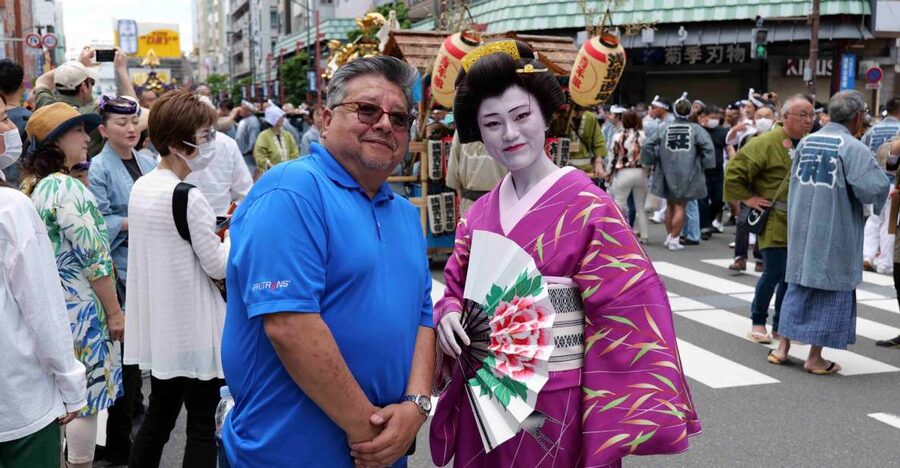
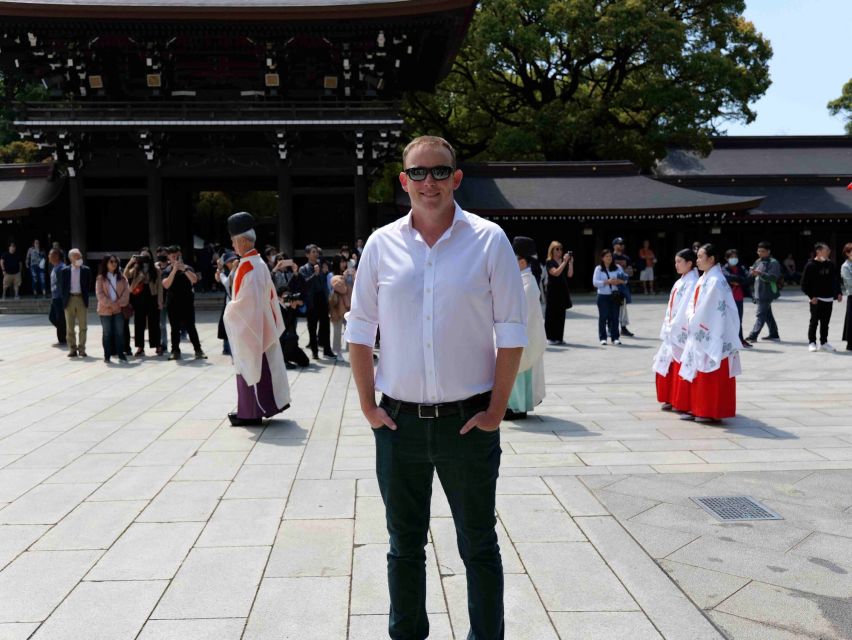
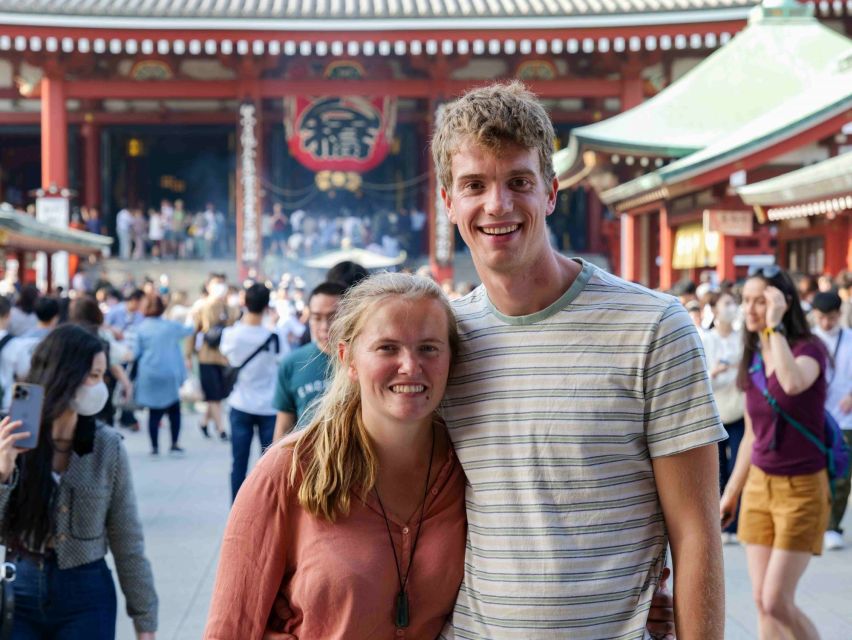
Asakusa is a natural choice for a first meeting with Tokyo. Senso-ji gives you a major Buddhist temple, traditional streets, and a clear sense of how tourism and everyday city life sit side by side. The area also works well for families because there are recognizable sights, treats, and short stops that can be fitted around children’s energy.
A guide can explain how to enter shrines and temples respectfully, something that makes the visit more meaningful than simply walking through the gate and taking a photo. You can also ask about customs, behavior, and the difference between religious sites.
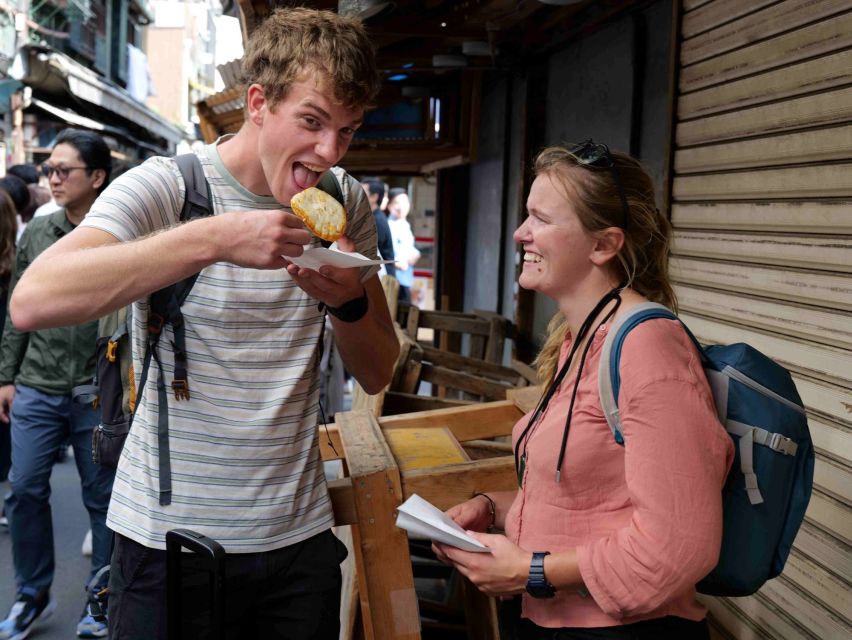
The area has food opportunities, but meals and snacks are not included. That is not necessarily a weakness. You can choose what you want to eat, and the guide may help you find suitable options. One family with a gluten intolerance received help locating food, while another group enjoyed treats in Asakusa.
A useful bonus is local orientation. Several routes included a viewing spot above Senso-ji, giving a different look at the temple roofs and surrounding streets. This is the sort of small adjustment that can make a familiar landmark feel fresh.
Asakusa is not a quiet secret. It can be crowded, and a private tour does not remove the crowds. What it does provide is context, better movement through the district, and help deciding what deserves your limited time.
Shibuya, Shinjuku, and modern Tokyo
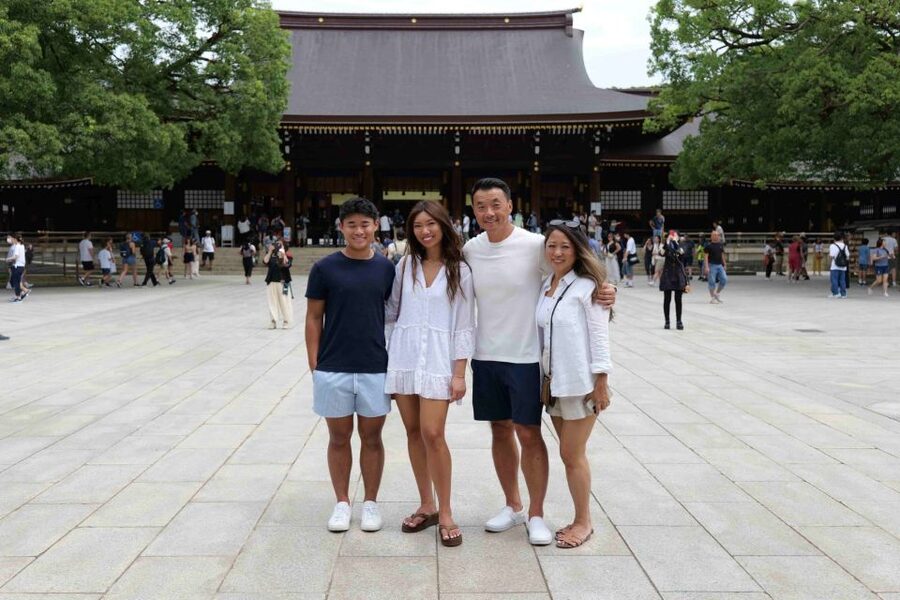
For modern Tokyo, Shibuya and Shinjuku offer a strong contrast with Asakusa. Your guide might show you major buildings, shopping areas, busy streets, quieter side areas, or places tied to nightlife. One two-hour route combined parks, a temple, and Shibuya, while another took a family through different parts of Shinjuku and Shibuya, mixing famous sights with less obvious corners.
The value here is not just reaching a landmark. Tokyo can look like a wall of signs and people when you arrive. A local guide can help you understand how districts differ, where to return later, and which areas suit your interests.
You can request suggestions for bars, restaurants, and karaoke for your free evenings. Those recommendations are one of the most useful parts of the tour because they continue helping after the guide says goodbye. If nightlife is not your thing, you can focus on shopping, architecture, parks, or daily life instead.
Shinjuku also offers a chance to see Tokyo from above. A visit to the Tokyo Metropolitan Government Building area was described as an unexpected bonus on one morning route. Check the exact viewing plans with your guide before booking, since the tour is customized rather than built around one guaranteed attraction.
Shibuya and Shinjuku can be tiring. They involve crowds, crossings, stations, and plenty of walking. If you have children, medical concerns, or limited stamina, say so before the day begins. The guide can reduce unnecessary backtracking and plan regular breaks.
Imperial Palace Gardens and Marunouchi
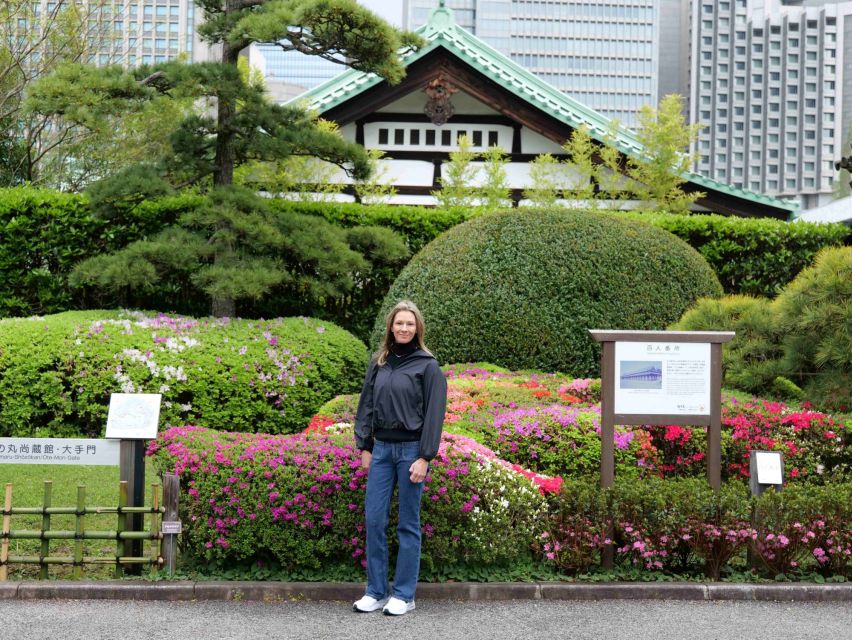
The Imperial Palace Gardens and Marunouchi provide a calmer counterpoint to Tokyo’s entertainment districts. You can see formal city planning, open garden space, office towers, and historic surroundings in one part of the day.
This combination works particularly well for a first visit because it shows that Tokyo is not only neon, shopping, and packed trains. You get a more measured look at the capital, then can continue to a livelier district if your schedule allows.
One winter route included the palace gardens and Marunouchi, with the changing seasons adding to the experience. The gardens may look different in spring, but the exact seasonal appearance depends on your date. Your guide can explain what you are seeing and adjust the pace around the weather.
The drawback is time. If you want Asakusa, Shibuya, Shinjuku, and the palace area in a short tour, you will see each only briefly. I would rather choose two or three connected priorities than spend the whole day rushing between distant points.
Akihabara, Odaiba, and special interests
Tokyo is at its best when the route matches your curiosity. Ask for Akihabara if you want electronics, gaming, or pop culture. One solo visitor used the tour to understand both Akihabara and Asakusa, while also learning basic cultural etiquette for the rest of the trip.
Odaiba offers a different side of the city. One route to Odaiba Marina was valued as a peaceful change from central Tokyo. It can be a good choice if you want open space and a break from dense streets, though adding it to a central sightseeing list may use more transport time.
Families can also shape the day around mixed ages. One four-person group combined a fish market area, a viewing platform near Senso-ji, and a Pokémon Mega Center. The guide adjusted the plan for adults in their 40s and 50s as well as two teenagers.
That example points to a real strength of a private tour: you do not have to choose between everyone’s interests. You can mix a temple, a food stop, a shopping area, and a special-interest venue. Just remember that attraction entry fees are separate, and museum visits need to be requested in advance so the guide can plan around them.
Other guided tours in Tokyo


The Tokyo train lesson may be the best souvenir
Tokyo’s rail system can make or break your confidence. A guide who knows the stations can help you learn how to move around rather than simply carry you from one sight to the next.
The tour includes walking and public transport, unless you select another option. Guides have helped visitors use the subway, understand local transport, acquire a Suica card, and collect JR rail passes. That practical help can save time and prevent the common first-day mistake of losing half an hour inside a large station.
You still need to pay attention. This is not a private car service, and station walking can be tiring. The tour may end somewhere different from where it starts unless you request otherwise in advance. That can be convenient if you want to continue sightseeing in your final district, but less convenient if you need to return to your hotel immediately.
I would book this early in your Tokyo stay. The first few hours can teach you enough to use the trains with more confidence for the rest of your visit. A guide can also point out useful habits, such as where to find bathrooms and how to manage station transfers.
What the guides add to the day
The guide roster varies, so you cannot assume a particular person will be available. Names that have received especially strong praise include Francine, Karl, Enrique, Cristiano, Albert, Fabian, Himena, Victor, and Shaban.
The common thread is not a scripted speech. It is the guide’s ability to listen, explain, and adapt. Francine has helped plan routes before arrival and add extra stops. Karl has been praised for patient explanations, local transport help, and insight into everyday Tokyo. Enrique has been singled out for navigation and friendly support.
Shaban handled a long day that included train tickets, attraction bookings, meal ordering, photos, and extra stops. That gives you a useful idea of the service level you can request, though individual guides and exact assistance may vary.
Language choices are broad: English, French, Italian, Japanese, Spanish, and Portuguese are available. If language or a particular topic matters to you, state that clearly when arranging the tour.
The guide can also help with mobility. One visitor with mobility issues received a patient route, while another group used the guide’s subway assistance to make the day easier for a family member with medical concerns. Wheelchair access is listed, but you should still discuss your needs in advance, especially if your hotel or preferred sights require particular station routes.
How much time should you book?
A two-hour tour is a quick introduction. Use it for one compact area, such as Asakusa and Senso-ji, or a focused walk through part of Shibuya. It is a good fit if you already know Tokyo and want help with one specific interest.
Four hours is the most balanced choice for many first-time visitors. You can see a few major places, use the train once or twice, pause for food, and still have energy for the evening. A four-hour route has linked SkyTree, Senso-ji, and Asakusa, though your own plan may be different.
Six to eight hours is better for a broad city sampler. You can cross several wards and combine history, shopping, food, and special interests. The tradeoff is physical effort and more time spent on trains. Do not cram every famous sight into one day simply because the schedule allows it.
At $53 per person, the price is attractive for a private guide, especially for a couple or family sharing the experience. The value comes from time saved, transport instruction, itinerary planning, and local advice. It is less attractive if you want a slow, unstructured walk and are already comfortable navigating Tokyo alone.
Food, drinks, and attraction tickets are not included. Museum visits can be added if arranged beforehand, and the guide’s team can help book desired visits, but you should budget for those extras.
Who should book this Tokyo experience?
I would recommend it most strongly to first-time visitors, families, solo travelers, and anyone nervous about Tokyo’s rail system. It is also useful for a short stay, a cruise stop, or your first full day after arriving from overseas.
Families benefit from the private pace. You can stop for breaks, change direction, and avoid forcing children through sights that do not interest them. Couples can build a day around food, gardens, temples, or views. Solo visitors get company without joining a large group.
This is also a good choice for visitors who want more than postcard Tokyo. Ask for local neighborhoods, daily-life context, quieter spaces, and practical advice. The best day will not necessarily contain the largest number of landmarks.
I would think twice if you want guaranteed entry to several attractions, a fixed expert itinerary, or transport by private vehicle. Tickets are extra, public transport is part of the normal tour, and the final route depends on your discussion with the guide.
Booking details worth knowing
The tour lasts from two to eight hours, with start times based on availability. Hotel pickup is included when your accommodation is in Tokyo. If your hotel is outside the city center, a central meeting point is selected, so confirm the pickup plan before the day.
The group is private, and wheelchair access is available. Cancellation is free up to 24 hours before the tour for a full refund. You can also reserve now and pay later, which helps if your Tokyo schedule is still changing.
Tell the guide your must-sees, walking limits, food needs, preferred language, and any museum or attraction plans before arrival. Also say if you want the tour to finish at a different district. Clear requests produce a better day.
Should you book it?
Book this tour if you want a friendly local introduction that teaches you how Tokyo works as well as showing you its sights. The strongest reasons are the custom route, public transport support, useful advice for the rest of your stay, and the freedom to slow down or change plans.
Choose four hours for a balanced first look. Choose eight only if you are ready for a serious walking day. If your list includes many paid attractions, add the ticket costs before judging the total price.
For most first-time visitors, this is a smart way to get your bearings fast, especially if Tokyo’s trains feel daunting. The tour will not replace exploring on your own, and it should not try to. Its real value is helping you enjoy the rest of Tokyo with less guesswork.
FAQ
How long is the private Tokyo walking tour?
You can book a tour lasting from two to eight hours. Starting times depend on availability.
How much does the tour cost?
The listed price is $53 per person. Food, drinks, and attraction tickets are not included.
Is the tour private?
Yes. The experience is arranged for a private group rather than a shared tour.
Can I choose what to see?
Yes. The route is customizable, and your guide contacts you beforehand to discuss your interests and preferences.
Can I include a museum visit?
Yes, but you should request a museum visit in advance so the guide can adjust the itinerary.
Is hotel pickup included?
Pickup is included from your accommodation if it is located in Tokyo. If your hotel is outside the city center, the meeting point will be selected in the city center.
Can the tour use Tokyo public transport?
Yes. Walking and public transport are included unless you select another option.
Can the tour finish somewhere different from where it starts?
Yes. The tour may end at a different location unless you request the same departure and return point in advance.
Which languages are available?
Live guiding is available in English, French, Italian, Japanese, Spanish, and Portuguese.
Is the tour wheelchair accessible?
Yes, the activity is listed as wheelchair accessible. Tell the team about your needs in advance so the route can be planned appropriately.
More Private Tours in Tokyo


More Guided Tours in Tokyo
More Walking Tours in Tokyo
More tours in Tokyo we've reviewed












Walking Tours, compared.
 ★ 5.0Tokyo Tsukiji Fish Market Food and Culture Walking TourFrom $99
 ★ 4.9Tokyo: Shinjuku Local Bar and Izakaya Guided Walking TourFrom $343 hours
 ★ 5.0Tokyo: Tsukiji Fish Market Food and Walking tourFrom $30
 ★ 4.8Tokyo: Asakusa Walking Tour with Sensoji Temple VisitFrom $222 hours
 ★ 4.9Tokyo: Tsukiji Fish Market Guided Walking TourFrom $222 hours
 ★ 4.7Tokyo Castle & Imperial PalaceーShogun Walking TourFrom $232 hours