Reviewed · UENO & YANAKA WALKS
Yanaka Walking Tour: Historic and Traditional District of Tokyo
Yanaka gives you a side of Tokyo that high-rise districts cannot. On this three-and-a-half-hour walk, you move through temple grounds, cemetery lanes, old homes, small galleries, and Yanaka Ginza, with an English-speaking guide explaining the customs and stories behind the scenery. It feels like a calm break from the city without leaving Tokyo.
In This Article
- Key points to know before booking
- Why Yanaka makes a smart Tokyo walking tour
- Starting at Nippori Station
- Yanaka District and Tennoji Temple
- Yanaka Cemetery and the last shogun connection
- Gallery Okubo and a tatami tea ceremony
- Afternoon art in an old bathhouse
- Shitamachi museum and old neighborhood life
- Shrines, old trees, and the difference between Shinto and Buddhism
- Yanaka Ginza, snacks, and the final half hour
- What the guides add
- Weather, walking, and what to bring
- Who should book the Yanaka walk?
- Should you book it?
- FAQ
- How long does the Yanaka Walking Tour last?
- Where does the tour start?
- Where does the tour end?
- What start times are available?
- Is an English-speaking guide included?
- Are food and drinks included?
- Does the tea ceremony cost extra?
- How much walking is involved?
- Can I cancel for a full refund?
I like two things most here: the local neighborhood feel and the way guides such as Charlotte, Michiko, Mana, and Keita answer questions and adjust the pace. You may also get small personal touches, such as help with shrine etiquette, photos taken during the walk, snack suggestions, or a stop in a traditional building. The main drawback is simple: this is a long walk, and the 40 minutes in Yanaka Cemetery may feel excessive if graves and religious history are not your interest.
Key points to know before booking
- Yanaka Cemetery takes about 40 minutes: This is a major part of the morning route, not a quick pass-by.
- The walk starts at Nippori Station: You meet at 2 Chome-19 Nishinippori and return there at the end.
- The route mixes temples, shrines, shops, and art: Afternoon departures can include SCAI The Bathhouse and Edokoro Alan West.
- Optional activities cost extra: The tea ceremony at Gallery Okubo costs ¥1,000, and food and drinks are not included.
- The tour suits curious walkers: Expect a moderate level of fitness and around 3 hours 30 minutes on foot.
- Small-group details need checking: The information gives both a maximum of eight travelers and a maximum of ten per booking, so confirm the group size when reserving.
Why Yanaka makes a smart Tokyo walking tour
Tokyo can feel like a city of train stations, department stores, and bright signs. Yanaka offers a useful change of pace. Its streets retain a low-rise, old-town character, and its temples, shrines, cemeteries, and small businesses show how daily life developed around religious sites and neighborhood communities.
This is not a tour of grand imperial rooms or famous modern architecture. Its appeal is quieter. You look at wooden gates, grave markers, gardens, old homes, local sweets, and narrow streets while your guide explains what you are seeing. That context matters in Japan, where a shrine and a Buddhist temple may look similar at first glance but serve different religious traditions.
I would consider this a good first or second day activity. It helps you get your bearings in Tokyo and gives you practical background for later visits to temples and shrines. Several guides, including Charlotte, Mutsuko, Miho, Kiyo, and Fumiko, are praised for clear English and for explaining local customs in a way that makes sense as you walk.
The setting also makes the tour useful late in a Tokyo visit. If you have already seen the major sights, Yanaka gives you a more ordinary neighborhood experience. You notice home architecture, small shops, old religious buildings, and the rhythm of a district that is not built around large attractions.
A few more Tokyo tours and experiences worth a look

Starting at Nippori Station
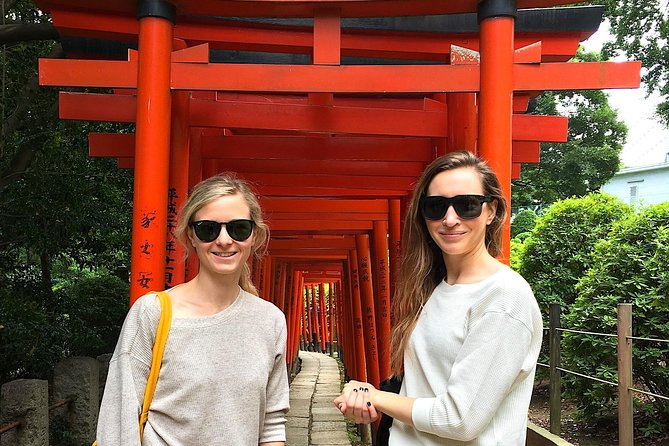
The meeting point is Nippori Station, at 2 Chome-19 Nishinippori in Arakawa City. The station is served by public transportation, and the tour ends back at the same meeting point, which makes the plan fairly tidy.
You choose a morning start at 9:00 am or an afternoon start at 2:00 pm. The afternoon option is especially worth considering if you want the route to include several art-related stops, although the exact balance depends on the day and opening hours.
The price is $72.96 per person. That is not a budget stroll, but it is reasonable if you value a guide who can interpret what you are seeing and tailor the walk to your questions. The price includes the English-speaking guide, taxes, fees, and photos of the group. It does not include food, drinks, hotel transport, or the optional tea ceremony.
The small-group format is another part of the value. The published details mention a maximum of eight people, while another booking note says a maximum of ten per booking. Because those figures do not match, I would confirm the expected size before paying. A smaller group gives you more time to ask questions and makes it easier for the guide to adjust the pace.
Yanaka District and Tennoji Temple
The opening Yanaka stop is brief, about 10 minutes, but it sets up the rest of the walk. Your guide introduces the old-town character of the district and places it within Tokyo’s Edo-period development, generally linked here to the 17th through 19th centuries.
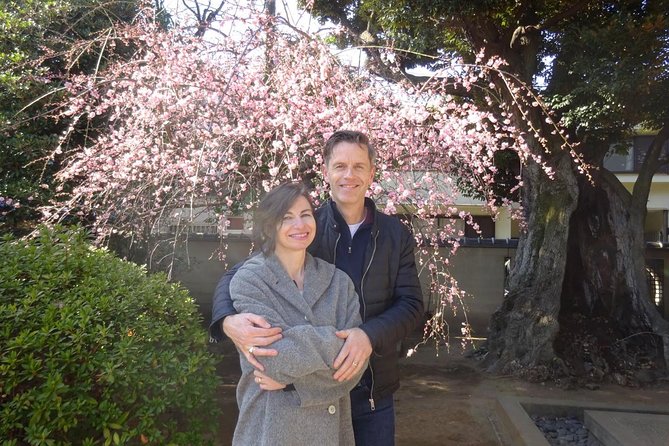
Expect a mix of temples, seasonal cherry blossoms, old streets, and cemetery paths. The scenery changes with the calendar. Cherry blossoms can make the area especially attractive in spring, while summer heat and rain can make the walking harder.
Tennoji Temple follows, with about 20 minutes in the grounds. The Buddhist temple dates to 1274 and sits beside Yanaka Cemetery, behind an old wooden gate and a pleasant garden. A bronze Buddhist statue is one of the features pointed out here.
This stop works best when you want more than a photograph. Your guide can explain how Buddhist spaces are used and how to behave respectfully. If you have not spent time in Japanese temples before, this is a useful introduction. If you have already taken several temple tours, the stop may feel familiar, though the age and setting still give it interest.
Yanaka Cemetery and the last shogun connection
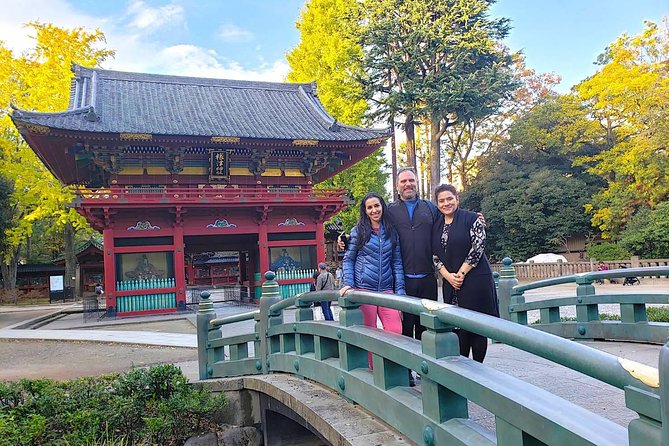
Yanaka Cemetery is the longest scheduled stop, at around 40 minutes. It covers roughly 100,000 square meters and contains more than 7,000 graves. The grounds are not presented as a tourist attraction in the usual sense. They are a working place of memory, so the best approach is quiet attention rather than hurried sightseeing.
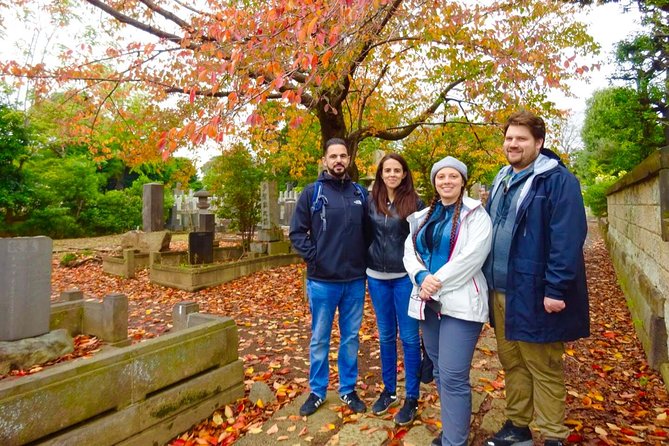
The cemetery gives you a different way to understand Tokyo. Its lanes are lined with trees, memorial stones, and religious markers, and the space sits directly beside temples and neighborhood streets. Your guide can provide historical background, including the connection to the family grave site of Japan’s last shogun, a detail that adds political history to an otherwise peaceful walk.
This is also the part I would think about carefully before booking. One previous participant found the cemetery portion too long. If you are interested in Japanese history, religion, burial customs, or the final years of the shogunate, 40 minutes can pass quickly. If you prefer shops and architecture, you may wish the time were shorter.
Wear shoes that can handle uneven walking and plan for weather. A hot, humid day can make the full route tiring, while heavy rain and strong wind can reduce the pleasure of cemetery paths and outdoor temple grounds. The operator requires moderate physical fitness, and that is a fair description.
Gallery Okubo and a tatami tea ceremony
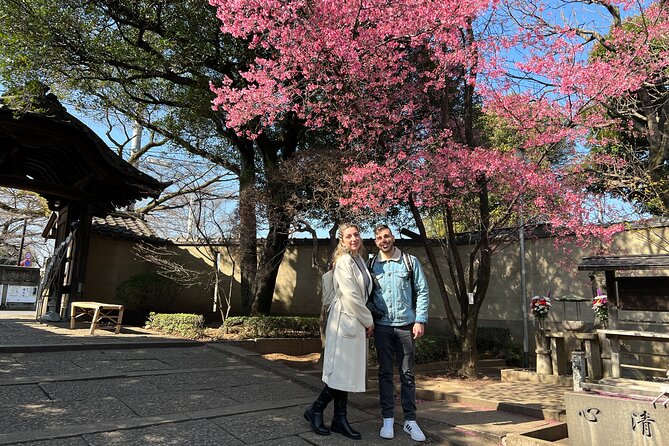
Gallery Okubo is an optional stop, scheduled for about 30 minutes. On the second floor, you can experience a Japanese tea ceremony on tatami mats. The tea costs ¥1,000 and is not part of the tour price.
This is a useful add-on if you want to connect the walk’s historical setting with a hands-on cultural activity. Sitting on tatami and learning the basic customs can make Japanese etiquette easier to understand than a spoken explanation alone.
Do not assume the tea is included or mandatory. It is an extra-cost option, so bring cash if you want to take part. If your priority is keeping the pace brisk, you can skip it and continue with the neighborhood walk.
Other walking tours we've reviewed in Tokyo




Afternoon art in an old bathhouse
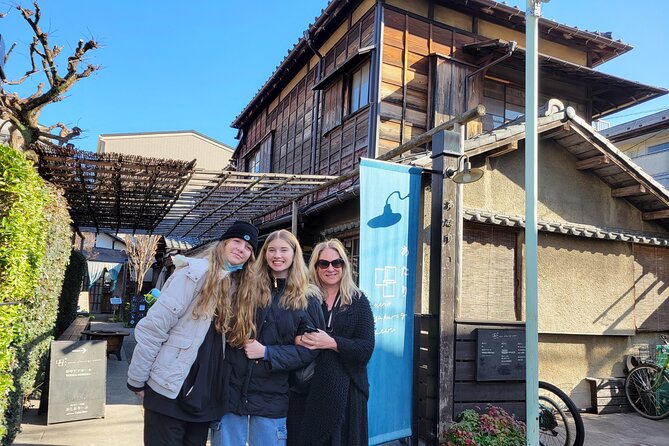
The afternoon route can include SCAI The Bathhouse, a contemporary art gallery housed in a former public bath. The gallery keeps the atmosphere of an old Yanaka neighborhood building while showing modern art.
That contrast is one of the better ideas in the route. Yanaka is not frozen in the past, and this stop helps you see that old buildings can take on new uses. The visit lasts about 15 minutes, so it is more of a short look than a full gallery visit.
Because it is listed for afternoon tours only, you should choose the 2:00 pm start if this stop matters to you. The experience information does not promise a particular exhibition, so treat the gallery as a bonus rather than the main reason to book.
Edokoro Alan West is another afternoon-only stop, lasting about 10 minutes. The studio occupies a former auto body garage and is described as the only operating traditional studio of its kind in the area. Surrounded by Buddhist temples, it adds a working-art angle to the route.
Shitamachi museum and old neighborhood life

The optional Shitamachi Customs Museum and Exhibit Hall focuses on the culture of Shitamachi, traditionally associated with Tokyo’s old downtown districts. The collection includes objects that were actually used in daily life.
This is the kind of stop I appreciate after seeing temples and graves. Religious sites show one part of the past, while household objects help explain how people lived. The visit is planned for about 20 minutes, so it offers a compact introduction rather than a long museum session.
One person suggested replacing one shrine stop with a museum visit. That is useful advice if you prefer tangible social history to repeated religious sites. Ask your guide what is open and how much time the group has. The route can be flexible, and several guides have adjusted stops for questions, refreshments, shopping, or rest.
Shrines, old trees, and the difference between Shinto and Buddhism
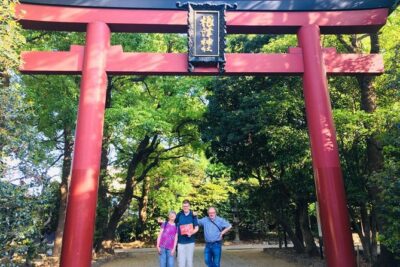
The route can also include one of Japan’s oldest and most striking shrines, set among large trees, azalea shrubs, ponds, paths, and colorful wooden structures. The description does not label the stop, but the route details and guide accounts point to Nezu Jingu Shrine.
Nezu Jingu is a strong complement to Tennoji Temple. Rather than treating every religious site as interchangeable, your guide can explain the difference between Shinto shrines and Buddhist temples, including basic customs and courtesies. That background is practical because you will likely encounter both many times during a Japan trip.
Some guides also point out a very old tree, with one account describing a tree around 600 years old. Details such as this help give the route a sense of time without turning the walk into a lecture.
If you have already visited several famous shrines, this section may feel less essential. Still, the gardens, ponds, and old structures provide a welcome change from concrete streets, and the religious context is valuable for first-time visitors.
Yanaka Ginza, snacks, and the final half hour
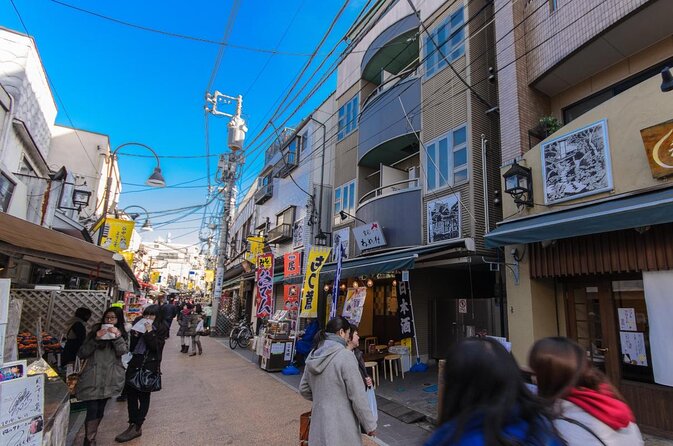
The walk finishes with about 30 minutes on Yanaka Ginza Shopping Street, one of Tokyo’s best-known local shopping streets for its preserved Shitamachi atmosphere. This is where the tour shifts from history to everyday life.
You can browse small shops and look for local snacks. Food and drinks are not included, so budget separately if you want to taste something. Previous route accounts mention sweets, rice cakes, bakery stops, sake tasting, and time for shopping, but these extras may depend on the guide, timing, and what is open.
Yanaka Ginza is a good ending because it leaves you with something practical to do. You can return later, buy a snack, or use the route as a starting point for more independent wandering. Some walks have also finished at a former bathhouse turned cafe, where a cold drink or matcha milk provided a sensible break on a hot day.
The street can be more active than the cemetery and temple lanes, but it still feels different from Tokyo’s major shopping centers. I would save room in your schedule after the tour if you want to shop rather than simply pass through.
What the guides add
The guide is the main reason to choose this tour over walking Yanaka with a map. The strongest guide feedback centers on clear English, local familiarity, and a willingness to answer questions.
Charlotte is praised for explaining history and local ways, looking after safety, and speaking clearly. Michiko is described as a native Tokyo guide who knows the area and the train stations well. Mana has taken visitors into old Yanaka buildings and interpreted conversations with local people.
Other named guides include Keita, Kiyo, Kaori, Miho, Fumiko, Sue, Ken, Muchan, Satsuki, Masa, Ryan, and Toshi. The experience will depend on who leads your departure, but the repeated pattern is personal attention rather than a fixed script. Guides have adjusted walking speed, paused for rest, allowed shopping time, and added places when the schedule permitted.
Photos of tour participants are included. That is a small but useful benefit for solo visitors or couples who do not want to rely on strangers for every picture.
Weather, walking, and what to bring
You should wear comfortable walking shoes. The route lasts about 3 hours 30 minutes and includes outdoor streets, temple grounds, cemetery lanes, and shopping areas. There may be places to sit or cool down, but you should not treat this as a light stroll.
Summer can be hot and humid. One guide brought bug spray and cooling spray on an especially hot day, and the route included air-conditioned stops. That is thoughtful, but you should still plan for heat with water, sun protection, and breathable clothing.
Rain does not automatically cancel the experience. A rainy walk can still be memorable, but high winds and severe weather can make outdoor sightseeing unpleasant. One booking dispute involved a request to move a tour after difficult weather, so do not assume that a bad forecast will let you change dates at the last minute.
Free cancellation is available if you cancel at least 24 hours before the start time. Changes or cancellations inside that window are not accepted for a refund. The operator also permits extensions at ¥3,000 per group, per hour, payable in cash, if you arrange extra time.
Who should book the Yanaka walk?
I would book this if you want:
- A quieter Tokyo neighborhood instead of another major downtown district
- A guide to explain temples, shrines, Japanese customs, and local history
- A first-day introduction that is active but not rushed
- Small shops, old buildings, local sweets, and ordinary streets
- A route that can include art, a museum, or tea as well as religious sites
I would skip it if you dislike walking, have little interest in cemeteries, or want a tour centered on food. Meals and drinks are not included, and the cemetery occupies a substantial part of the morning route.
At $72.96, the value rests in the interpretation and flexible human guidance. If you only want to stroll and take photographs, you can explore Yanaka independently for less. If you want to understand why the temples, graves, customs, and neighborhood businesses fit together, the fee is easier to justify.
Should you book it?
Book the Yanaka Walking Tour if you want Tokyo’s quieter side and enjoy learning as you walk. Choose the morning for a more traditional route built around Tennoji Temple and Yanaka Cemetery, or choose the afternoon if the galleries and studio stops appeal to you.
Before booking, confirm the guide, expected group size, optional stops, and weather policy. Bring good shoes, allow extra money for snacks or tea, and be ready for a cemetery visit that lasts longer than a quick photo stop. For a first visit to Tokyo, this is a thoughtful way to trade the skyscrapers for old streets and a clearer sense of local life.
FAQ
How long does the Yanaka Walking Tour last?
The tour lasts approximately 3 hours 30 minutes.
Where does the tour start?
It starts at Nippori Station, at 2 Chome-19 Nishinippori, Arakawa City, Tokyo 116-0013, Japan.
Where does the tour end?
The tour ends back at the meeting point.
What start times are available?
The available start times are 9:00 am and 2:00 pm. You should provide your preferred starting time when booking.
Is an English-speaking guide included?
Yes. An English-speaking guide is included in the tour price.
Are food and drinks included?
No. Food and drinks are not included.
Does the tea ceremony cost extra?
Yes. The optional tea ceremony at Gallery Okubo costs ¥1,000 and is not included in the tour price.
How much walking is involved?
The experience requires a moderate level of physical fitness and includes about 3 hours 30 minutes of walking through streets, temples, cemetery grounds, and shopping areas.
Can I cancel for a full refund?
Yes, if you cancel at least 24 hours before the tour start time. Cancellations or changes made less than 24 hours before the start time are not accepted for a refund.
More Historical Tours in Tokyo



More Walking Tours in Tokyo
More Ueno & Yanaka Walks in Tokyo
More tours in Tokyo we've reviewed












Ueno & Yanaka Walks, compared.
 ★ 5.0Eat and Drink Like a Local: Tokyo Ueno Food Tour-Taverns&RamenFrom $95
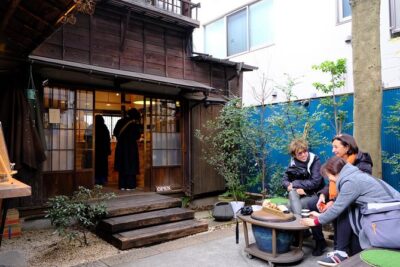 ★ 4.5The Old Quarter of Tokyo – Yanaka Walking TourFrom $40
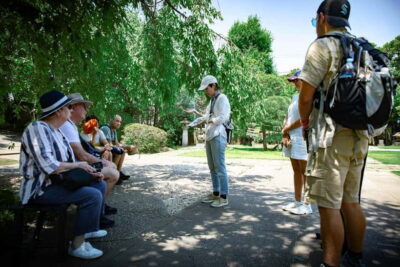 ★ 4.8Tokyo: Old Quarter Yanaka Walking TourFrom $323 hours
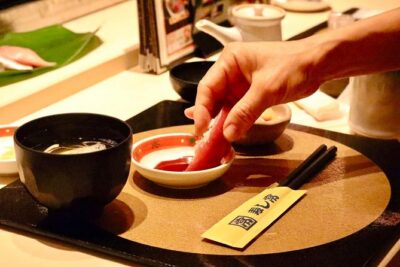 ★ 5.0Tokyo: Food Tour in Ueno with 10+ Tastings of Japanese ClassicsFrom $142
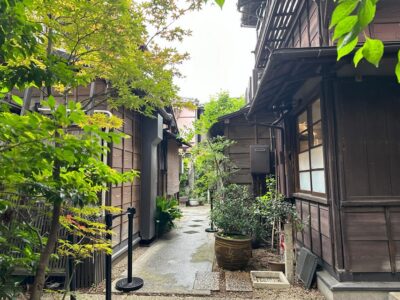 ★ 4.9Tokyo:Stroll in Old traditional culture towns~Yanaka & NezuFrom $293h 30m
 ★ 5.0Yanaka Historical Walking Tour in Tokyo’s Old TownFrom $81