Reviewed · SHIBUYA TOURS
Tokyo Shibuya: Japan Only Limited Ramen – Select from 9 Types
Tokyo’s ramen scene can feel like a menu the size of a phone book. This Shibuya walking tour makes the choice easier by taking you to three local shops and serving three half-sized bowls, each selected from three options. You get nine possible ramen styles across the outing, but enough food to keep room for comparison.
In This Article
- Key points before you book
- Why tasting three bowls beats ordering one
- Starting in Shibuya, where the city moves fast
- Stop one: thick broth and satisfying noodles
- Stop two: a lighter turn for your palate
- Stop three: a recommendation shaped around you
- What the guide adds beyond the food
- Is $50 a fair price for this ramen walk?
- Who will get the most from this experience?
- Practical details that affect your day
- My call: book it for comparison, not just lunch
- FAQ
- How many ramen bowls are included?
- How many ramen types can I choose from?
- How long does the ramen tour last?
- Where does the tour start and finish?
- Are extra dishes included?
- Can I join if I have mobility issues?
I like the small portions, which let you taste different broths without turning lunch into a single heavy bowl. I also like the guide’s teaching role, especially the laminated explanation of noodles, toppings, flavors, and ramen history. The main catch is that the tour is on foot, and extra dumplings, rice, or other orders cost more and must be paid in cash.
Key points before you book

- Three shops, three half-sized bowls: Each stop gives you one smaller bowl, so the meal becomes a guided tasting rather than one standard lunch.
- Nine ramen choices: At each shop, choose one ramen from three options, giving you room to match your tastes.
- Three different styles: The route includes thick, hearty ramen, a health-conscious style, and a final shop chosen as a personal recommendation.
- A teaching-focused guide: Expect explanations of broth, noodles, toppings, cooking methods, and ramen’s place in Japanese food culture.
- Small group format: The maximum group size is 10 people, which should make questions and ordering easier.
- Cash for extras: The included meal covers the three half-sized bowls only. Additional food is paid for separately in cash.
Why tasting three bowls beats ordering one

A single ramen meal tells you what one restaurant does well. This outing gives you a better sense of how broad ramen can be. The bowls differ in broth, noodle style, toppings, and cooking approach, so you can compare them while the details are still fresh.
That matters in Tokyo, where ramen is not one fixed dish. A thick broth with substantial noodles creates a very different meal from a lighter or health-conscious bowl. The tour is designed to show that contrast without asking you to eat three full servings.
The half-size format is the practical heart of the outing. You still get a real bowl at each shop, but the smaller portions leave room for the next stop. I would still arrive hungry, since three tastings add up, but this is far more manageable than ordering three regular bowls on your own.
You choose one ramen from three options at each shop. That gives you some control over the meal, though you should not expect a completely private menu built around every dietary need. All broths contain chicken, pork, or fish, so this is not a suitable choice if you need broth without those ingredients.
A few more Tokyo tours and experiences worth a look


Starting in Shibuya, where the city moves fast
The meeting point is in Shibuya at 1092-chōme-29-1 Dōgenzaka, Tokyo 150-0043. The tour also begins with the famous Shibuya crossing area, where people move across the intersection from several directions. It is a useful way to begin because you get the city’s visual rush before shifting into a more focused food walk.
The crossing itself is not the main meal experience, and you should not book this tour solely for sightseeing there. Its value here is practical: it places your ramen tasting in one of Tokyo’s best-known districts and gives the group a clear starting point.
The tour ends back at the meeting point. You will need to arrange your own way there and back, and transportation to the meeting point is not included. Since the tasting is walked rather than handled by a private vehicle, wear comfortable shoes and allow time to find the starting location.
Stop one: thick broth and satisfying noodles
The first ramen shop focuses on a rich, thick style. The description pairs a hearty broth with thick noodles, making this the most filling and forceful bowl of the three.
That is a smart first stop. You begin with a clear example of how broth texture and noodle thickness change the eating experience. The guide can explain the cooking method and help you understand why the noodles and soup work together, rather than treating the bowl as just a collection of toppings.
The stop lasts about 45 minutes. That time is not simply eating time. You may be choosing from three ramen options, listening to the explanation, and getting settled in a shop that serves regular local customers.
Because this is the first bowl, you may be tempted to order extra sides. Dumplings and rice are not included, and any additional order is paid separately in cash. I would save your appetite for the next two stops unless you are certain you want a larger meal.
Stop two: a lighter turn for your palate

The second shop presents a health-conscious ramen style. The available information does not specify the exact broth, toppings, or noodle type, so you should not expect a named regional recipe or a guaranteed vegetarian bowl. What you can expect is a contrast with the thick first serving.
This middle stop is useful because it prevents the tasting from becoming three versions of the same heavy dish. A lighter or more health-focused approach can reset your palate and make the differences between shops easier to notice.
You again choose one half-sized bowl from three options. The guide’s explanation is especially helpful here, since the word health-conscious can cover several approaches. Ask about the broth, noodles, and toppings before ordering if you have strong preferences.
As with the first stop, plan on roughly 45 minutes. The schedule allows enough time to eat at a relaxed pace, but it is still a group tour. If you are hoping to linger over a long restaurant meal, this format may feel brisk.
Stop three: a recommendation shaped around you

The final stop is described as a handpicked recommended shop chosen just for you. The exact restaurant and style are not specified in advance, which makes this stop less predictable than the first two.
That uncertainty can be a plus. By this stage, the guide has heard what you like and can point you toward a choice that fits your taste from the three available options. You may find that the third bowl brings together ideas you have already discussed, such as broth strength, noodle texture, or toppings.
It is also the point where you can make a more informed choice. After two bowls, you will know if you prefer thick noodles, a lighter soup, or a particular flavor direction. Tell the guide what worked for you, rather than choosing only by appearance.
The final stop also lasts about 45 minutes, and the outing returns to the original meeting point afterward. The complete activity runs about two to three hours, depending on the pace of the group and the restaurant visits.




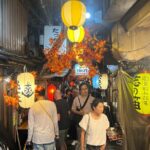

What the guide adds beyond the food

The guide is an important part of the value. Without guidance, you could visit three ramen shops, eat well, and still miss the distinctions between them. Here, the stated aim is to explain ramen types and cooking methods while you taste.
A past guide named Sakurako is described as bringing a laminated presentation covering ramen flavors, noodles, and toppings. That kind of visual aid can be useful when the menu has unfamiliar terms or when you want to remember what you tried later.
Sakurako also shared Japanese cultural information and local tips during the outing. If she leads your departure, you can ask for more ramen suggestions based on your preferences. The tour specifically offers further recommendations, which is helpful if you want to continue eating independently after the activity.
Do not expect a formal cooking class. You are visiting three operating ramen shops, not preparing the noodles yourself. The guide’s role is to explain what you are eating, translate the choices into useful comparisons, and connect the food with local culture.
The group maximum is 10 people. That is small enough for a personal feel without making the activity private. It also means your ordering questions are likely to fit into the general discussion, though the pace still depends on everyone in the group.
Is $50 a fair price for this ramen walk?

At $50 per person, the price is higher than buying three bowls at casual neighborhood shops on your own. But that comparison misses the central service. You are paying for three organized stops, three half-sized ramen servings, a local guide, explanations, and help navigating choices in a city with an overwhelming number of shops.
The value is strongest if you want context and variety. You could spend less by choosing one restaurant yourself, but you would get only one style and no structured comparison. You could also order three full bowls independently, but that would cost more in food and leave you with a difficult amount to eat.
The price is less attractive if you already know exactly which ramen shop you want to visit, prefer full portions, or are happy to research menus and routes yourself. It is also important to budget for any extras. Dumplings, rice, and other additional orders are not included, and payment for those extras is in cash.
Group discounts may be available, so check the booking terms if you are going with several people. The mobile ticket is convenient, but it does not include hotel pickup, drop-off, or transportation to the meeting point.
Who will get the most from this experience?

I would recommend this tour to a first-time Tokyo visitor who wants a clear introduction to ramen without spending days comparing restaurants. It also suits food-focused visitors who enjoy learning how a familiar dish changes from shop to shop.
It works well for people who like guided conversation. The guide’s presentation and cultural explanations make the outing more than a sequence of meals. If you want local suggestions for later meals, the chance to discuss your taste with the guide is another useful benefit.
The format is also good for couples, friends, and small groups with different preferences. Since you choose from three options at each shop, you do not all need to order the exact same ramen. The small group limit keeps the activity from becoming a large food procession.
I would hesitate if you have serious mobility limits. All the travel is on foot, and anyone who cannot manage the walking must use a taxi at their own expense. I would also hesitate if you cannot eat chicken, pork, or fish, since every broth contains one of those ingredients.
Practical details that affect your day
The tour is usually booked about 14 days ahead, so reserve early if your Tokyo dates are fixed. Confirmation arrives at booking, and the meeting point is near public transportation.
Download WhatsApp before the day of the tour. It is used for communication on the day, so relying only on ordinary text messages could make contact harder.
The activity lasts approximately two to three hours, with about 45 minutes at each of the three stops. Since it ends where it begins, you can plan another Shibuya activity afterward, though I would leave a little spare time rather than schedule something that starts immediately.
Free cancellation is available if you cancel at least 24 hours before the local start time. Cancellations or changes made later are not accepted for a refund.
You should also arrive ready to walk and eat at a steady pace. The three half-sized bowls are included, but side dishes are not. Bring cash if you think you might want dumplings, rice, or another extra order.
My call: book it for comparison, not just lunch
Book this tour if you want to understand ramen through several bowls rather than simply fill up at one famous shop. The three-stop structure, half-sized portions, guide’s explanations, and nine available choices make it a useful introduction to Tokyo’s ramen culture.
Skip it if you need a broth free of chicken, pork, and fish, dislike walking, or want a long, unhurried meal at one restaurant. For everyone else, $50 is reasonable when you value guidance and variety. Come hungry, bring cash for extras, wear good shoes, and ask the guide to shape the final bowl around what you liked best.
FAQ
How many ramen bowls are included?
You receive three half-sized bowls of ramen, one at each of the three ramen shops.
How many ramen types can I choose from?
At each shop, you can choose one ramen from three options. Across the three stops, that gives you nine possible ramen selections.
How long does the ramen tour last?
The activity lasts approximately two to three hours. Each of the three stops is planned for about 45 minutes.
Where does the tour start and finish?
It starts at Shibuya 1092-chōme-29-1 Dōgenzaka, Shibuya, Tokyo 150-0043, Japan. The activity ends back at the meeting point.
Are extra dishes included?
No. Dumplings, rice, and other additional orders cost extra and must be paid for in cash.
Can I join if I have mobility issues?
The tour is conducted on foot. Anyone with mobility issues who cannot manage the walking will need to use a taxi at their own expense.
More Shibuya Tours in Tokyo



More tours in Tokyo we've reviewed












Shibuya Tours, compared.
 ★ 5.0Official Street Go-Kart in ShibuyaFrom $76
 ★ 5.0Shibuya Meltdown Nightlife Tour: All-You-Can-Drink Bar HoppingFrom $106
 ★ 4.9Tokyo: Street Kart Experience in ShibuyaFrom $99
 ★ 5.0Shibuya Official Street Go-Kart in Shibuya AnnexFrom $69
 ★ 5.0Tokyo: Shibuya Food Tour (13 dishes and 4 Eateries)From $77
 ★ 5.0Best of Shibuya Food TourFrom $217