Reviewed · TOKYO FOOD TOURS
Tokyo Local Foodie Adventure near Roppongi
Azabujuban gives you a very different side of Tokyo from the glass towers and nightclubs of nearby Roppongi. On this three-hour walk, you can try five local snacks, visit Zenpukuji Temple, and browse old-fashioned shops in a neighborhood that also has ties to Sailor Moon creator Naoko Takeuchi.
In This Article
- Key points to know before booking
- Why Azabujuban makes a good food-walk setting
- Zenpukuji Temple sets the tone
- Tasting Azabujuban one bite at a time
- The Azabujuban Shotengai is made for browsing
- Sailor Moon connections near Roppongi
- What the private format changes
- Is $68 a fair price?
- Timing, weather, and practical planning
- Who will get the most from this walk?
- Should you book this Azabujuban food adventure?
- FAQ
- Where does the tour start?
- What time does the tour begin?
- How long does the experience last?
- Where does the tour finish?
- Is this a private tour?
- Is an English-speaking guide included?
- How many snacks are included?
- Are drinks included?
- Are additional food, drinks, and shopping included?
- Can I cancel for a full refund?
I like the mix of food and place. You are not simply eating your way through a list of stalls, since the walk adds temple stories, neighborhood history, and unusual shops. I also like the private format, which means your own group joins the tour, with an English-speaking guide such as Ellen leading the way. The main consideration is that the food choices change by day, so you should book this for a broad tasting experience rather than a promised menu.
Key points to know before booking

- Five Japanese snacks are included: Choices vary, but examples include taiyaki, yakitori, mochi, and warm oden.
- The route stays near Roppongi: Azabujuban offers a quieter neighborhood feel without sending you far from central Tokyo.
- Zenpukuji Temple adds cultural context: About 45 minutes are set aside for stories about local sights and traditions.
- The private format keeps it personal: Only your group participates, with an English-speaking guide.
- Sailor Moon fans have an extra reason to come: The area includes real-life places connected with Naoko Takeuchi and the manga’s setting.
- The price is $68 per person: That covers the food, one coffee or tea with Japanese sweets, one alcoholic drink for those age 20 and older, photos, and the guide.
Why Azabujuban makes a good food-walk setting
Azabujuban sits close to Roppongi Hills, yet it has a more local, low-key character. That contrast is the heart of this experience. You can spend one part of your Tokyo day among major landmarks and high-rise buildings, then turn into a neighborhood of small shops, old-fashioned sweets, and quiet temple grounds.
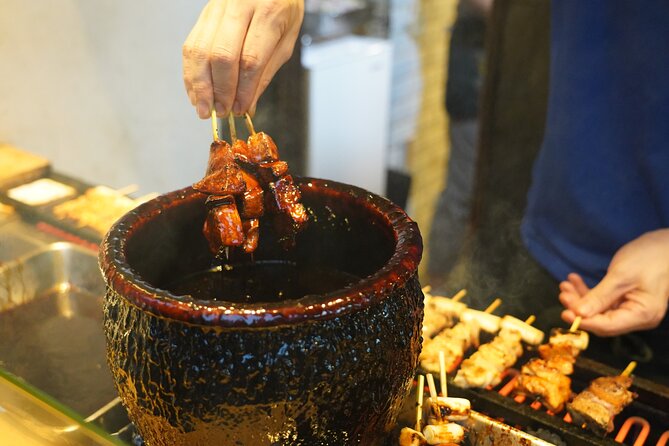
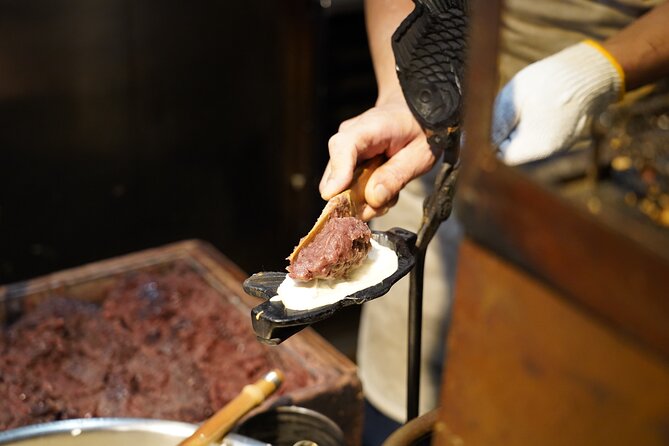
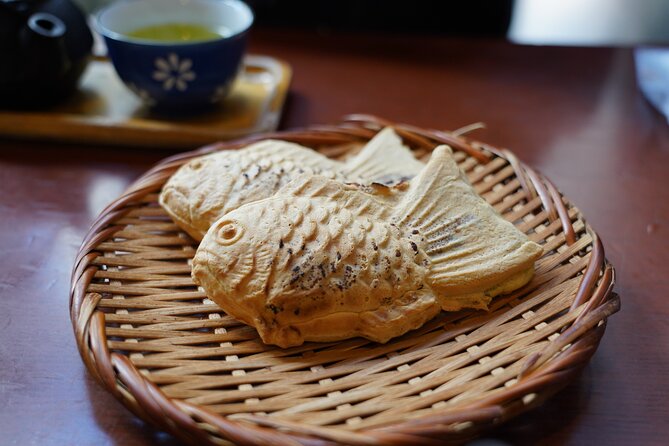
The food is meant to introduce you to familiar Japanese tastes in several forms. You may encounter chewy mochi, fish-shaped taiyaki, grilled yakitori, warm oden, and other snacks selected for the day. These are not presented as a formal restaurant meal. Instead, you get a series of small tastes while walking, listening, and seeing how the neighborhood works.
I find that format useful early in a Tokyo visit. You can ask your guide what a food is, how it is normally eaten, and which shops are worth returning to later. Since the menu changes, the experience has some flexibility, but it also means you should not book with one specific snack as your sole goal.
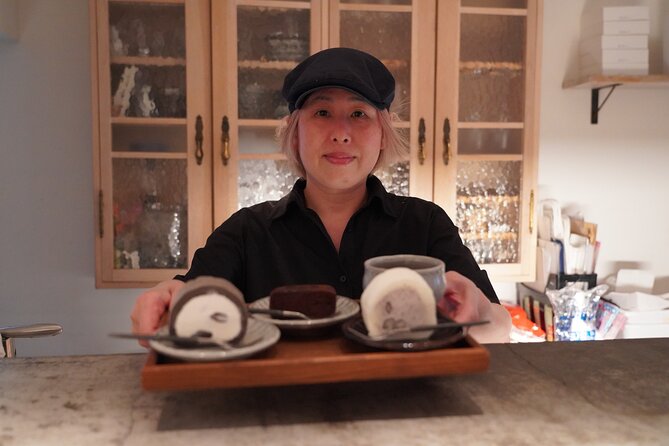
The tour starts at 2:00 pm at Oslo Coffee, located at 2-chome 1-8 Azabujuban in Minato City. The same spot is also the ending point. That makes the walk easy to fit around a morning of sightseeing or an evening reservation elsewhere.
A few more Tokyo tours and experiences worth a look

Zenpukuji Temple sets the tone
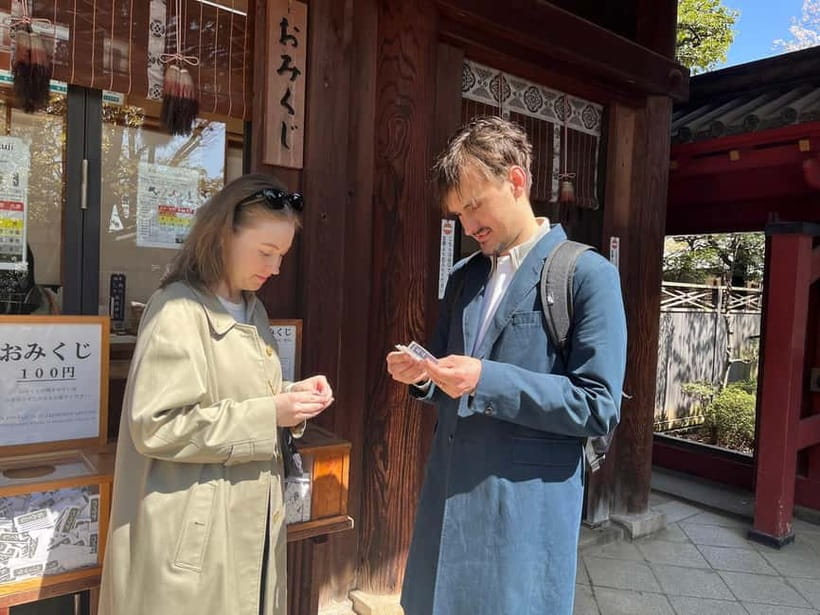
The first major stop is Zenpukuji Temple, with about 45 minutes for local stories and cultural details. Admission is free, so the value here comes from having a guide explain what you are seeing rather than simply passing through, taking a photo, and moving on.
A temple stop also gives the food walk some balance. You are not rushing from one bite to the next. The guide can connect the area’s older traditions with the streets and businesses you visit afterward. The supplied details do not promise a specific ceremony, performance, or special access, so expect a sightseeing stop with interpretation rather than a scheduled temple event.
I would pay attention to the pace here. The full experience lasts about three hours, and 45 minutes is a useful amount of time for a calm visit, but it leaves roughly two hours for food and shopping. If your main interest is eating, the temple portion may feel long. If you want cultural background and a sense of place, it helps keep the walk from becoming a simple snack crawl.
Tasting Azabujuban one bite at a time
The central food portion lasts about 90 minutes. You receive five local Japanese snacks, with choices changing according to the day. The examples provided include taiyaki, yakitori, and other umami-focused foods, while mochi and oden are also part of the experience’s food promise.
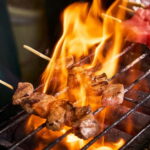
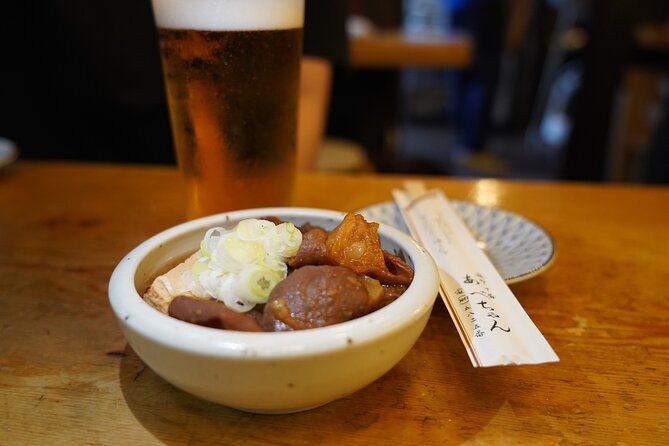
That range matters. Taiyaki brings a sweet, familiar street-food style. Yakitori offers grilled savory flavor. Oden is warm and comforting, while mochi gives you a chewy Japanese sweet with a very different texture. The exact combination is not fixed, so you may find that the day’s selection includes foods you already know and others you would not have chosen alone.
I like the chance to be nudged beyond your usual order. One of the strongest points of the experience is that the food is varied, and the guide can help make unfamiliar items easier to understand. If you are cautious with texture or flavor, tell the guide early. The available information does not specify allergy handling or substitutions, so anyone with serious dietary restrictions should ask before booking.
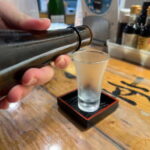
The package also includes one coffee or tea to pair with Japanese sweets. In addition, anyone age 20 or older can choose one alcoholic drink. Other food and drinks cost extra, so the included tasting is not an all-you-can-eat arrangement. Think of it as a guided sampler that gives you enough direction to continue eating on your own afterward.
The neighborhood setting is just as important as the snacks. You are visiting shops and food stops in Azabujuban rather than remaining inside one restaurant. That lets you notice storefronts, older businesses, and the everyday rhythm of a Tokyo district that many first-time visitors might miss.
The Azabujuban Shotengai is made for browsing
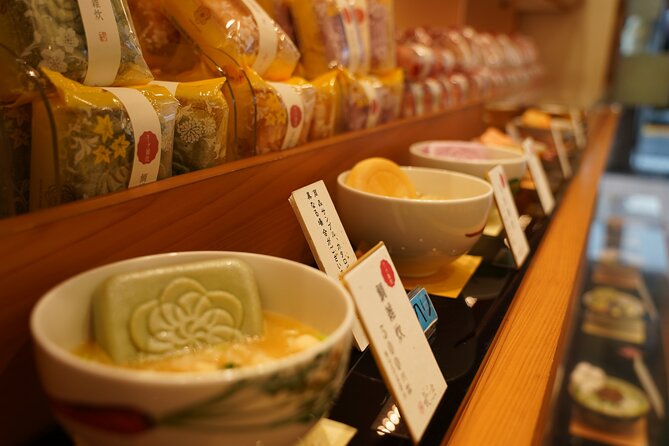
The final 45-minute section takes place around Azabujuban Shotengai. A shotengai is a traditional shopping street, and here the focus shifts from tasting to browsing for snacks and small souvenirs.
The examples are unusually specific. You might find monaka, delicate wafers associated with Japanese sweets, Japanese kaleidoscopes, and tenugui, traditional cloths used for wrapping or cleaning. These are more distinctive than the standard stack of mass-produced souvenirs found near major stations.
I especially like the tenugui idea for practical shoppers. It is light, easy to pack, and connected to everyday Japanese life. A kaleidoscope is a more playful choice, while monaka gives you a food souvenir with a traditional feel. The tour does not include personal shopping expenses, so bring a payment method if you want to buy something.
The shopping stop also gives you time to return to a store or ask your guide about an item. Forty-five minutes is long enough for a look around without turning the whole afternoon into a shopping expedition. If you dislike browsing, this section may seem less essential than the temple and food stops.
Sailor Moon connections near Roppongi
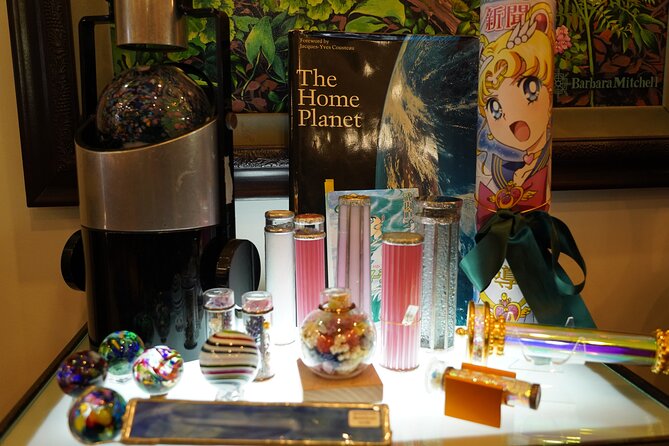
The experience has a clear bonus for Sailor Moon fans. Azabujuban includes real-life places that inspired the setting for manga creator Naoko Takeuchi. The available details do not specify every location or promise a dedicated character-by-character tour, so you should think of this as a neighborhood visit with Sailor Moon connections rather than a full franchise itinerary.
That distinction matters when setting expectations. If you are a fan, the connection gives familiar streets and local details extra meaning. If you have never read the manga, the neighborhood still works on its food, temple, and shopping appeal.
This is also one reason the experience feels different from a standard Roppongi food outing. It connects pop culture with an actual residential and commercial district, rather than treating the neighborhood only as a backdrop for nightlife.
A few more Tokyo tours and experiences worth a look

What the private format changes
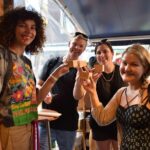
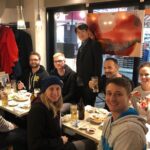
This is a private activity, so only your group participates. That is a meaningful advantage for couples, families, and friends who want to ask questions without keeping up with a large walking group.
A private tour can also make food decisions easier. If one person wants more explanation about mochi or oden, the guide can spend time on that. If your group includes a Sailor Moon fan, a souvenir hunter, and someone mainly interested in Japanese snacks, the route has room for all three interests.
The guide is English-speaking, and Ellen is specifically associated with the experience. The strongest praise centers on her warm, kind, and personalized approach. The local shopkeepers are also described as friendly and positive, including during a rainy outing. That suggests the tour depends on human contact as much as on the food itself.
Still, private does not mean completely flexible. The start time is fixed at 2:00 pm, the route ends back at Oslo Coffee, and the food selection changes by day. You should also expect a moderate amount of walking and come with a moderate level of physical fitness.
Is $68 a fair price?
At $68 per person, this is not the cheapest way to grab Japanese street food. You could certainly spend less by choosing snacks on your own. The question is what the extra money buys.
Here, the price includes five local snacks, coffee or tea with Japanese sweets, one alcoholic drink for guests age 20 and older, photos taken during the tour, and an English-speaking guide. It also pays for the organization of the route and the explanation that links the food to Zenpukuji Temple, Azabujuban, and the shotengai.
For me, the value is strongest if you are new to the area or want help trying foods outside your comfort zone. The private format adds value for a small group because you are not sharing the guide’s time with strangers. It is less compelling if you already know Azabujuban, speak Japanese comfortably, and enjoy planning your own food stops.
The $68 does not cover extra purchases, additional food, or additional drinks. Keep that in mind if you expect to shop along the shotengai. Your final cost can rise, but the included items give you a solid starting point.
The tour is booked, on average, about 35 days ahead. That does not guarantee that every date fills that early, but it is a useful sign that you should reserve ahead if your Tokyo schedule is tight. Group discounts are available, and you receive a mobile ticket.
Timing, weather, and practical planning
The three-hour length is convenient. Starting at 2:00 pm leaves the morning free, and finishing around 5:00 pm lets you continue into dinner or return toward Roppongi for evening plans. Since the activity ends where it begins, you are not left trying to locate an unfamiliar final stop.
The meeting point is Oslo CoffeeJapan at GRANDE MAISON Azabujuban, 1st floor, 2-chome 1-8 Azabujuban, Minato City, Tokyo 106-0045. The area is near public transportation, but you should still allow time to find the café and arrive before the 2:00 pm start.
Good weather is required. If poor weather causes cancellation, you are offered another date or a full refund. Rain does not automatically mean a poor experience, since the route has continued successfully in wet conditions, but you should wear shoes suitable for walking and bring rain protection if the forecast looks uncertain.
Free cancellation is available until 24 hours before the start time. Within 24 hours, cancellations and changes are not accepted for a refund. The cut-off follows Tokyo local time.
Who will get the most from this walk?
I would recommend it most strongly to first-time visitors who want a gentle introduction to local Japanese snacks without spending a whole day on a formal food tour. The guide, the private format, and the compact route make it approachable.
It also suits couples and families. The snack variety keeps children and adults interested, while the temple and shopping stops add more to the afternoon than food alone. The tour’s moderate physical fitness requirement is worth noting for anyone who has difficulty walking between stops.
Sailor Moon fans have an obvious extra reason to book. The real-life Azabujuban connections can turn an ordinary neighborhood stroll into a personal pilgrimage, even though the tour is not presented as a dedicated Sailor Moon-only route.
I would be more cautious if you need a fixed menu, strict dietary accommodations, or a large meal. The food choices vary, additional items are not included, and the experience is built around small tastings. You may want to plan dinner afterward.
Should you book this Azabujuban food adventure?
Book it if you want a personal, low-key afternoon that combines Japanese snacks, neighborhood history, a temple, traditional shopping, and a small Sailor Moon connection. The best part is the balance: you get food, but also a reason to understand where that food fits in Tokyo life.
Skip it if you prefer independent eating, dislike changing menus, or want a full meal rather than five tastings. At $68, the tour earns its price through the guide, private setting, included drinks, and access to a part of Tokyo that is easy to overlook. For the right visitor, Azabujuban offers a satisfying break from the big sights without taking you far from central Tokyo.
FAQ
Where does the tour start?
It starts at Oslo CoffeeJapan, at 2-chome 1-8 Azabujuban, Minato City, Tokyo 106-0045, inside GRANDE MAISON Azabujuban on the first floor.
What time does the tour begin?
The tour starts at 2:00 pm.
How long does the experience last?
It lasts approximately three hours.
Where does the tour finish?
The activity ends back at the meeting point at Oslo CoffeeJapan.
Is this a private tour?
Yes. Only your group participates in the activity.
Is an English-speaking guide included?
Yes. An English-speaking guide is included. Ellen is one of the guides associated with this experience.
How many snacks are included?
Five local Japanese snacks are included. The choices vary depending on the day.
Are drinks included?
One coffee or tea to pair with Japanese sweets is included. Guests age 20 and older can also choose one alcoholic drink.
Are additional food, drinks, and shopping included?
No. Additional food, drinks, personal expenses, and souvenirs are not included.
Can I cancel for a full refund?
Yes, if you cancel at least 24 hours before the experience’s start time. Cancellations or changes made less than 24 hours before the start time are not accepted for a refund. If poor weather causes the tour to be canceled, you are offered another date or a full refund.
More Food Experiences in Tokyo
More Tokyo Food Tours in Tokyo
More tours in Tokyo we've reviewed



Tokyo Food Tours, compared.
 ★ 5.0Tokyo: Shinjuku Food Tour (13 Dishes at 4 Local Eateries)From $86
 ★ 4.9Tokyo: Shinjuku Food Tour (13 Dishes and 4 Eateries)From $97
 ★ 5.0Tokyo Night Foodie Tour in Shinjuku – Seasonal Sushi, Wagyu BeefFrom $111
 ★ 5.0Eat and Drink Like a Local: Tokyo Ueno Food Tour-Taverns&RamenFrom $95
 ★ 5.0Tokyo: Shibuya Food Tour (13 dishes and 4 Eateries)From $77
Tokyo: Shinjuku Food Tour – 15 Dishes, 3 Drinks, 4 EateriesFrom $723 hours
★ 5.0Tokyo: Shibuya Food Tour (13 dishes and 4 Eateries)From $77
Tokyo: Shinjuku Food Tour – 15 Dishes, 3 Drinks, 4 EateriesFrom $723 hours