Reviewed · WALKING TOURS
Shimbashi Hidden Gem Walking Tour
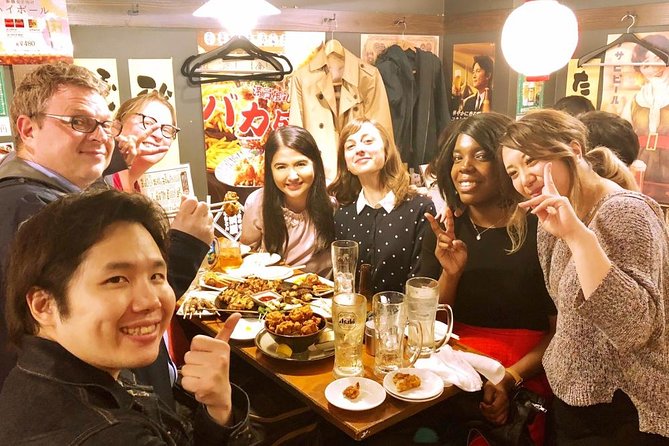
Tokyo’s after-work ritual is the heart of this tour. At 4:30 pm, you meet near Shimbashi Station and follow the flow of salarymen into small izakayas, where grilled skewers, dumplings, sashimi, and drinks take the place of a long restaurant dinner. It is a useful way to see a side of Tokyo that many first-time visitors miss.
In This Article
- Key points to know before booking
- Why Shimbashi makes a good food-tour base
- Five food stops, not one large dinner
- SL Square and the first taste of Shimbashi
- Karasumori Jinja and the old neighborhood feel
- New Shinbashi Building and casual dining culture
- Food pubs, drinking dens, and the Shimbashi pace
- The named sightseeing points along the walk
- How much value do you get for $217?
- Who will enjoy this evening most?
- Timing, weather, and after-party choices
- Should you book the Shimbashi food walk?
- FAQ
- Where does the Shimbashi food tour begin?
- Where does the tour end?
- What time does the tour start?
- How long does the walking tour last?
- How many food stops and drinks are included?
- Is the tour suitable for vegetarians or pescatarians?
- Can I cancel for a full refund?
I like the five food stops, which let you sample several styles of Japanese comfort food instead of gambling on one menu. I also like the small-group limit of 10 people and the local guidance on eating customs, a feature that past guide Asami and her assistant Lora handled with lively explanations. The main drawback is price: at $217 per person, this is costly for a three-hour walk, especially since only two drinks are included.
Key points to know before booking
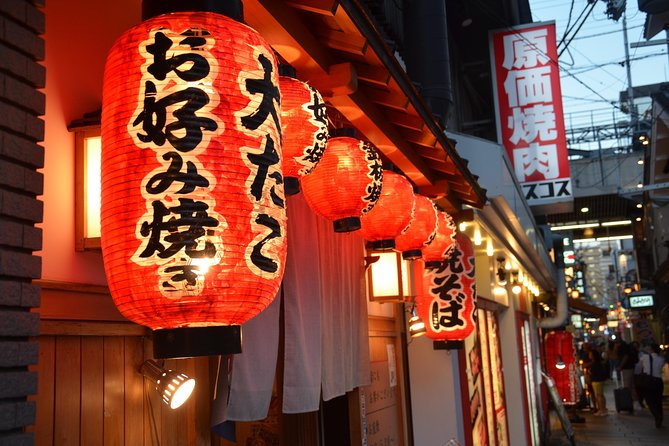
- Five stops in Shimbashi: Try seasonal and local dishes such as yakitori, gyoza nabe, sashimi, okonomiyaki, and taiyaki.
- Two drinks are included: Additional drinks and food cost extra, so this is not an open-ended pub crawl.
- A local evening atmosphere: The route follows Shimbashi’s after-work drinking culture, with office workers heading into casual food pubs.
- Small groups help: The maximum is 10 people, giving you a better chance to ask questions and keep up in narrow streets.
- Dietary limits matter: Vegetarian and pescatarian options are available, but the tour is not recommended for vegans or people avoiding gluten.
- Adults only: You must be at least 20 years old, and the tour begins at 4:30 pm near Shimbashi Station.
Why Shimbashi makes a good food-tour base
Shimbashi is not just a transit point on the way to Tokyo’s major sights. It is one of the city’s classic office-worker districts, and its evening personality appears when people leave work, loosen their ties, and stop for food and drinks before going home.
That setting gives this walk a clear purpose. You are not simply moving from one famous restaurant to another. You are seeing how a particular part of Tokyo eats after work, with quick dishes, shared tables, casual service, and small drinking spots built around regular customers.
The tour begins at SL Square, outside the west entrance of Shimbashi Station. The square is easy to reach by public transportation, and the steam locomotive provides a clear meeting landmark. Your end point is also convenient, at JR Shimbashi Station, so you do not need a long ride back across Tokyo after dinner.
The walk lasts about three hours. That is long enough for several tastings but short enough to fit before a later evening plan. I would avoid booking a major restaurant reservation immediately afterward, since the pace and amount of food can vary from group to group.
Other walking tours we've reviewed in Tokyo
Five food stops, not one large dinner
The strongest part of this tour is the structure. Five food stops give you a series of small encounters with Japanese drinking food. You are not promised one fixed feast, and the food may be served in different portions or settings, but the range should introduce you to more than the usual sushi-and-ramen shortlist.
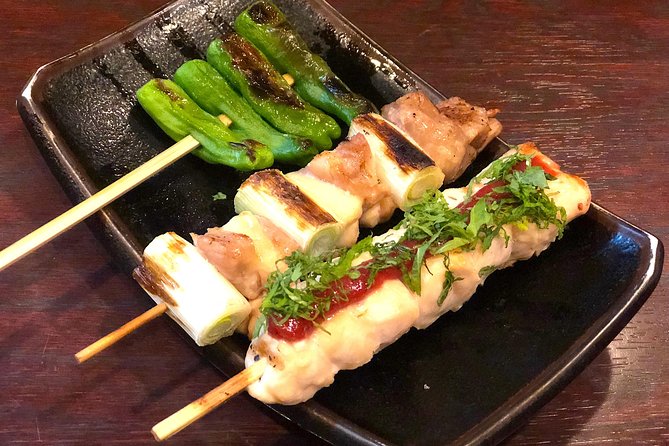
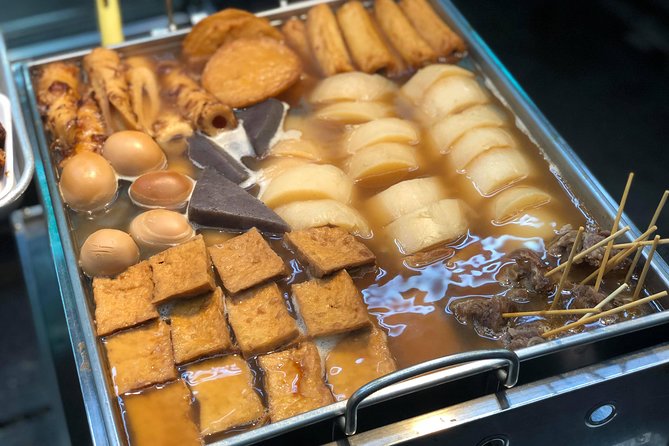
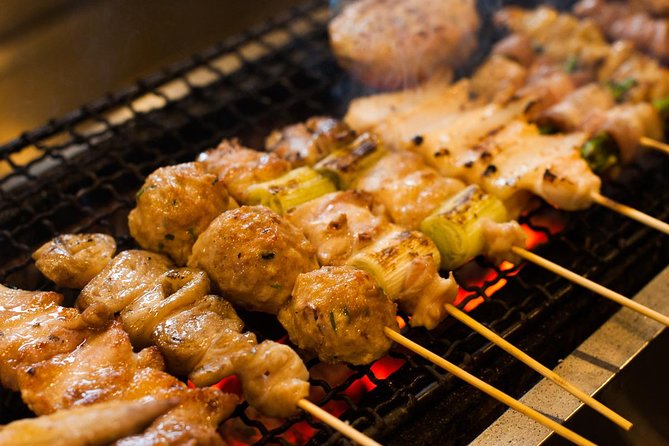
The advertised dishes include yakitori, grilled chicken skewers often associated with casual drinking spots, and gyoza, the familiar pan-fried dumplings. You may also try gyoza nabe, a dumpling hot pot, along with sashimi, okonomiyaki, and taiyaki.
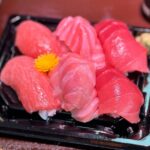
That list covers a nice spread. Yakitori gives you a quick, savory bite. Gyoza nabe brings a warmer, more substantial dish. Sashimi shows the raw seafood side of Japanese dining, while okonomiyaki offers a filling savory pancake. Taiyaki, shaped like a fish, finishes the meal with something sweet.
One especially adventurous food detail is raw chicken, which appeared in one account of the tour. That item is not guaranteed, and substitutions can happen, but you should tell the guide about any concern before eating. If you are comfortable trying unfamiliar foods, this kind of stop may be one of the more memorable parts of the evening. If you prefer familiar, fully cooked dishes, ask what is being served before accepting a portion.
The tour includes two drinks. That usually means you can take part in the social side of the evening without paying extra at the first stops. Still, do not read the price as covering unlimited food and alcohol. Any extra drinks or food are on your own tab.
SL Square and the first taste of Shimbashi
SL Square is both the meeting point and a practical start to the evening. You gather at the west entrance of Shimbashi Station, where the tour begins with a short introduction before the food stops get underway.
The square itself is listed as a free-admission stop, so no sightseeing ticket is needed. Its real value is orientation. Shimbashi has several station exits and connected transport lines, and meeting at a recognizable point helps prevent a frustrating start.
From there, the walk moves into the surrounding district. The guide sets the tone by explaining where you are going and how the evening will work. Since the tour is aimed at adults age 20 and older, the food and drink focus is central rather than an add-on.
Karasumori Jinja and the old neighborhood feel
Karasumori Jinja is one of the named points along the route. A compact shrine in an office district can feel like a sharp change of mood, and the stop helps place Shimbashi’s eating streets within a wider neighborhood rather than treating them as a row of restaurants.
Do not expect a long shrine visit or a formal sightseeing program. The tour is built around food and social customs, so this point functions as part of the walk rather than as a separate attraction with a scheduled admission.
I like having landmarks such as this included because they help you remember the route later. After the tour, you can return to the area on your own and know that Shimbashi offers more than the first restaurant you saw from the station.
New Shinbashi Building and casual dining culture
The New Shinbashi Building is another named stop on the route. Its inclusion fits the tour’s focus on everyday Tokyo rather than grand monuments. The evening is meant to show you the practical side of dining near offices, where a quick meal and a drink can be part of the daily routine.
The key point is not the building as a sightseeing destination. It is the setting around it, where small eateries and drinking places serve people who work nearby. A local guide can explain the manners and customs that are easy to miss when you walk into an izakaya alone.
Past guides have included Asami, who led one small group with assistant Lora, and Anne, who was noted for sharing information about Japanese food and local life beyond the meal itself. Guides change, so you should not book expecting a particular person. You can expect the tour to be led in English by a local guide.

Food pubs, drinking dens, and the Shimbashi pace
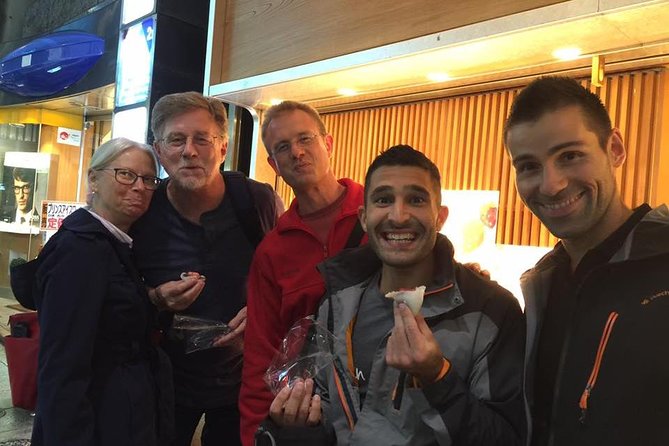
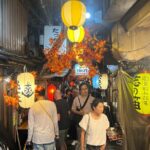
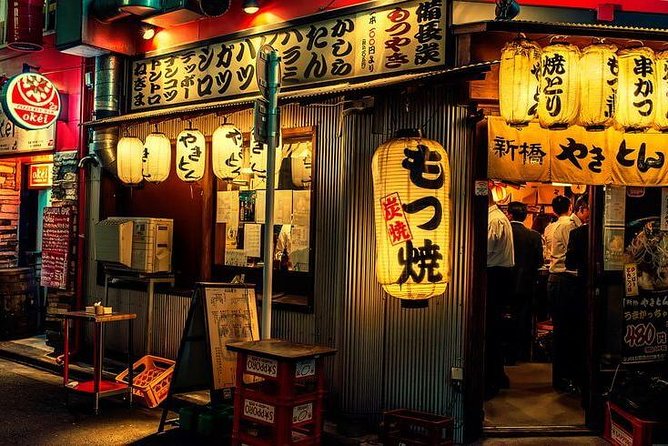
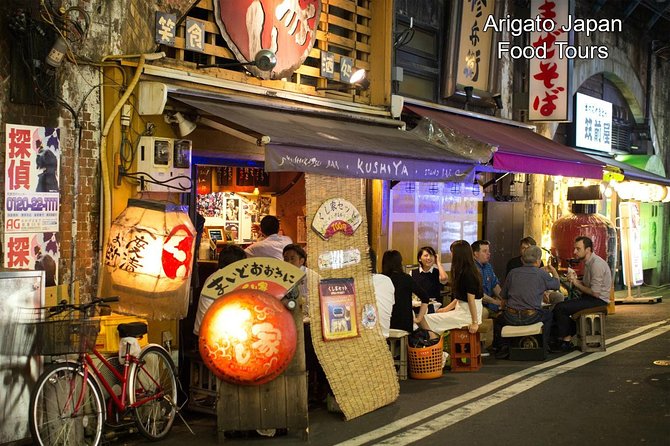
The food stops are intended to include lesser-known drinking dens and Japanese-style casual eateries. This is where the tour earns its character. You get a look at the kind of places that can be difficult to choose on your own, especially when menus are mainly in Japanese and the room is full of regulars.
The phrase salaryman evening is useful here, but do not take it too literally. You will not become a Tokyo office worker in three hours. You will, however, follow the same basic rhythm: walk from the station, order small dishes, have a drink, and move on to another place.
The group size matters. With no more than 10 people, it should be easier to fit into compact eateries than it would be with a large bus group. It also gives you more room to ask how to hold chopsticks, share dishes, order another round, or handle a food you have never seen before.
The social element is part of the value. This is not the right choice if you want to eat quietly and independently. It suits you better if you enjoy conversation, trying new dishes, and the mild challenge of entering local places with a guide.
The named sightseeing points along the walk
Several other places are listed along the route: the Advertising Museum Tokyo, the Old Shimbashi Station Railway History Exhibition Hall, Hamarikyu Gardens, and the Panasonic Shiodome Museum.
Treat these as route landmarks, not guaranteed museum visits. The tour description does not promise admission or extended time inside them, and the listed activity is a three-hour food walk. The museums and gardens help show how Shimbashi connects office districts, transport history, commercial life, and nearby public spaces.
The Old Shimbashi Station Railway History Exhibition Hall is especially relevant to the area’s transport story, while Hamarikyu Gardens offers a contrast to the compact streets around the station. Still, the food stops remain the main event. If you want to tour these attractions properly, plan a separate visit rather than expecting this walk to cover them in detail.
The route and restaurant choices can change because of restaurant schedules, public holidays, weather, and other unexpected problems. Substitutions may be made. That flexibility protects the evening from a closed restaurant, but it also means your exact menu cannot be guaranteed.
How much value do you get for $217?
The cost is the biggest question. At $217 per person, this is not a bargain food crawl. You are paying for a local English-speaking guide, a planned route, five food stops, and two drinks, along with the confidence of entering places you might not find or understand on your own.
That can be worthwhile if you have limited time in Tokyo, care about food culture, or feel unsure about ordering in small Japanese eateries. The guide’s explanations about customs and manners add value beyond the food itself. For a first evening in Shimbashi, the structure can save you from spending time comparing menus and guessing where to go.
The price is harder to justify if you are already comfortable ordering Japanese food, speak Japanese, or prefer to choose your own restaurants. You will also pay extra for drinks or dishes beyond the included tastings. Transportation and hotel pickup are not included, though the start and finish are both near Shimbashi Station.
The mixed food experience is another reason to consider the price carefully. One account praised the guide but found the second and fourth food stops disappointing. Other accounts described the food as outstanding and the evening as an excellent way to try dishes they would not have ordered alone. Restaurant-based tours always have some variation, and this one is no exception.
Who will enjoy this evening most?
I would recommend this tour to adults who want a guided introduction to Tokyo’s casual drinking culture rather than a formal sightseeing walk. It is particularly useful for first-time visitors who want help with food customs, local dishes, and the rhythm of an izakaya evening.
It also suits solo people, couples, and small groups who like sharing food and talking with a guide. Solo participants are asked to email the operator, so you should make that contact before booking rather than assuming the standard reservation process will cover your situation.
The tour is less suitable for children because it is adults only and requires participants to be at least 20. It is also a poor match for strict vegans and people who need gluten-free food. Vegetarians and pescatarians are supported, but you should state your needs clearly when arranging the tour.
You should have moderate physical fitness. The activity involves walking between stops and spending time in casual dining places, with no hotel pickup or drop-off. Comfortable shoes and a light appetite at the start make practical sense, though the tour details do not specify a required dress code.
Timing, weather, and after-party choices
The 4:30 pm start is well chosen for this theme. You begin as the office district shifts into its evening routine, rather than arriving after the main dinner period has ended.
Weather can affect the tour. If poor weather causes cancellation, you are offered another date or a full refund. The tour also requires a minimum number of participants, and a cancellation for that reason comes with the same choice of another date or experience, or a full refund.
Free cancellation is available until 24 hours before the start time. Changes made inside that 24-hour window are not accepted, and a late cancellation is not refunded. Cutoff times follow Tokyo local time, so check the clock carefully if you are arranging this from another country.
A karaoke after-party is available for people who want to continue the evening. It is an optional extra, not part of the core three-hour food walk. I would treat it as a separate social plan and confirm the details with the operator before counting on it.
Should you book the Shimbashi food walk?
Book it if you want a guided, adult-only introduction to Shimbashi’s food pubs and after-work customs, and if $217 feels reasonable for five tastings, two drinks, and a small-group guide. The best reason to choose it is access: you get help finding and using casual places that can be intimidating on your first night.
Skip it if you mainly want a cheap meal, unlimited drinks, or a carefully controlled menu. The food stops can change, extra orders cost more, and the experience is not designed for vegan or gluten-free diets.
For most suitable customers, I see this as a strong orientation evening rather than the final word on Tokyo food. It gives you a starting point, a few dishes to remember, and enough confidence to return to Shimbashi on your own. Go with an open mind, keep your expectations realistic about the high price, and you will get the most from it.
FAQ
Where does the Shimbashi food tour begin?
It begins at 2-chōme-7-1 Shinbashi, Minato City, Tokyo 105-0004, Japan, near SL Square at the west entrance of Shimbashi Station.
Where does the tour end?
The tour ends at JR Shimbashi Station, at 2 Chome-17 Shinbashi, Minato City, Tokyo 105-0004, Japan.
What time does the tour start?
The start time is 4:30 pm.
How long does the walking tour last?
The tour lasts approximately three hours.
How many food stops and drinks are included?
Five food stops with local and seasonal food are included, along with two drinks.
Is the tour suitable for vegetarians or pescatarians?
Yes. The tour is described as vegetarian and pescatarian friendly. It is not recommended for vegans or people requiring gluten-free food.
Can I cancel for a full refund?
Yes, if you cancel at least 24 hours before the experience start time. Cancellations made less than 24 hours in advance are not refunded.
More Walking Tours in Tokyo

More tours in Tokyo we've reviewed












Walking Tours, compared.
 ★ 5.0Tokyo Tsukiji Fish Market Food and Culture Walking TourFrom $99
 ★ 4.9Tokyo: Shinjuku Local Bar and Izakaya Guided Walking TourFrom $343 hours
 ★ 5.0Tokyo: Tsukiji Fish Market Food and Walking tourFrom $30
 ★ 4.8Tokyo: Asakusa Walking Tour with Sensoji Temple VisitFrom $222 hours
 ★ 4.9Tokyo: Tsukiji Fish Market Guided Walking TourFrom $222 hours
 ★ 4.7Tokyo Castle & Imperial PalaceーShogun Walking TourFrom $232 hours