Reviewed · SHINJUKU TOURS
Tokyo Shinjuku Night Tour with Pachinko Gaming Experience
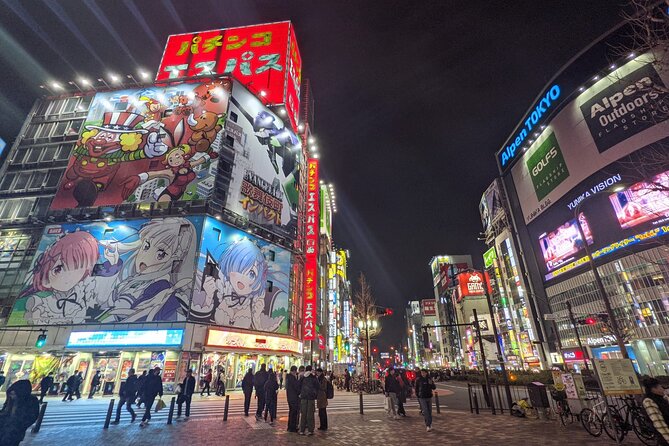
Tokyo after dark makes the best first impression in the narrow lanes behind Shinjuku’s bright signs. This private tour takes you through Kabukicho’s backstreets, then shows you how pachinko works, an experience that can be confusing if you walk into a gaming hall alone.
In This Article
- Key points to know before you book
- Why this short Shinjuku tour works after dark
- Meeting near JR Shinjuku East Exit
- Kabukicho beyond the giant signs
- Learning pachinko without guessing at the controls
- A second chance at the Japanese gaming center
- Omoide Yokocho and its postwar atmosphere
- The guides make the difference
- What $26.13 gets you
- Who should book this experience
- Cancellation and practical details
- Should you book the Shinjuku pachinko tour?
- FAQ
- How long does the Tokyo Shinjuku Night Tour with Pachinko Gaming Experience last?
- Where does the tour start and finish?
- Is the tour private?
- Are pachinko and arcade costs included?
- Is an English-speaking guide included?
- Can I cancel for a full refund?
I like the personal format, since your guide can explain local customs, translate, answer questions, and help with practical matters such as ordering around food allergies. I also like the mix of old and new: tiny postwar-style alleys at Omoide Yokocho sit alongside noisy gaming halls and neon entertainment streets.
The main caution is the age rule. At least one participant was told that a teenager could not enter the arcade, so confirm the age requirements before booking if anyone in your group is under 18. Also remember that the $26.13 tour price does not include pachinko or arcade spending.
Key points to know before you book
- Pachinko is the main hands-on feature: Your guide explains how to buy balls, operate the machine, aim, and handle prizes or tokens.
- Kabukicho is seen from its side streets: Expect narrow lanes and local nightlife rather than only the famous neon avenues.
- The tour is private: Only your group participates, allowing for direct questions and one-to-one help.
- Zen is one of the named guides: He is praised for friendly explanations, local insight, photos, and help with food allergies.
- Omoide Yokocho adds a historical contrast: The tiny alley is packed with small izakaya pubs and yakitori stands.
- Budget extra money for games: Pachinko and other arcade play are charged separately from the tour.
Why this short Shinjuku tour works after dark
Shinjuku can feel like several cities pressed together. Huge signs, train crowds, office towers, tiny bars, gaming parlors, and narrow food alleys all sit within a short walk. For a first visit, that mix is exciting, but it can also make the area hard to read.
This 90-minute experience gives you a local escort through that maze. The guide provides English translation and interpretation, so you are not left guessing what a pachinko machine does or how a particular alley fits into Shinjuku’s nightlife.
I see the tour as a compact introduction rather than a full evening out. You will not have time for a long meal, extended gaming, or a slow exploration of every lane. The value comes from having someone help you make sense of a few distinctive parts of Shinjuku in a short period.
The private format matters here. In a large group, a gaming hall visit could feel rushed, especially when you need help with a machine. With only your party, you can ask basic questions without holding up strangers, and the guide can adjust the pace to your interests.
A few more Tokyo tours and experiences worth a look
Meeting near JR Shinjuku East Exit
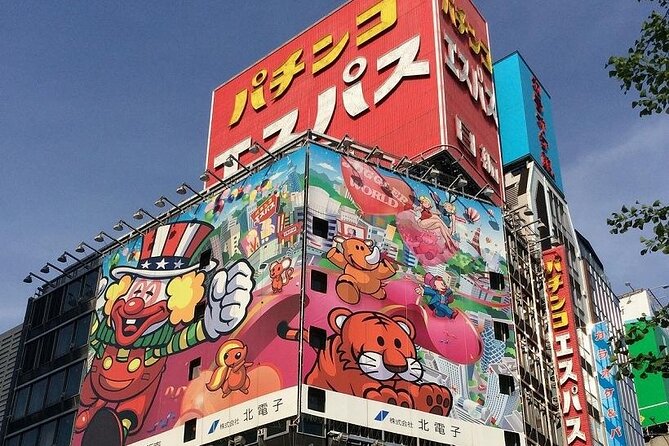
The starting point is JR Shinjuku East Exit Station Square, at 3-chōme-38-1 Shinjuku, Shinjuku City. This is a useful meeting area because Shinjuku is served by major public transportation, though the station itself can be confusing.
Give yourself time to find the East Exit and the station square. The experience lasts about an hour and 30 minutes, and the guide is expected to meet you at the stated starting point. The tour ends back at the same meeting point, which is helpful if you plan to continue your evening in Shinjuku.
Your confirmation arrives when you book, and the activity accepts a mobile ticket. Most people can participate, but the supplied information does not promise step-free access or describe the exact walking conditions. Since this is a backstreet walk, expect narrow passages and ordinary city walking.
Kabukicho beyond the giant signs
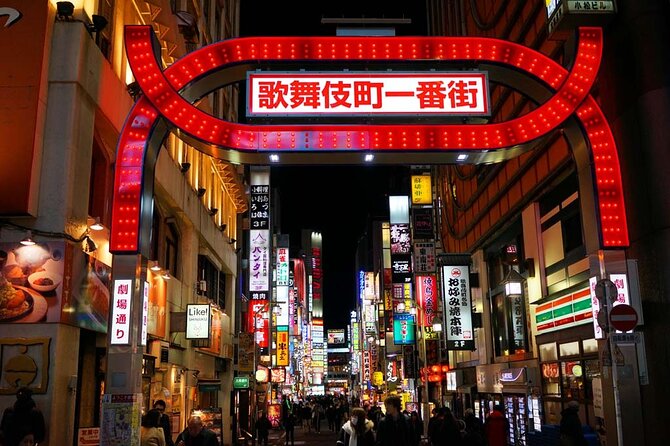
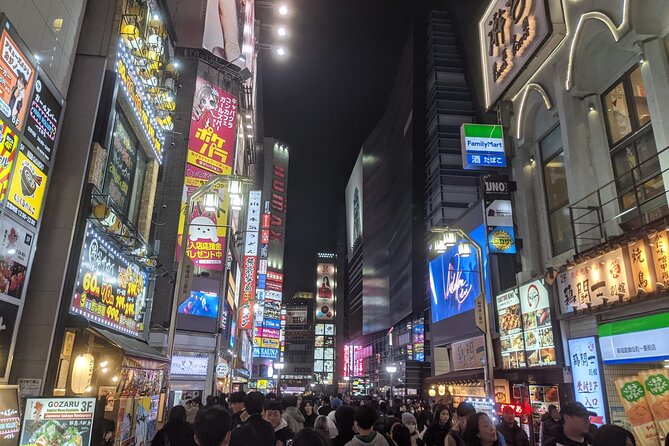
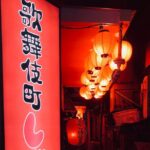
The first 30 minutes focus on Kabukicho’s backstreets. Most people know Kabukicho for neon, nightlife, and large entertainment buildings, but the tour moves away from the broad, obvious routes.
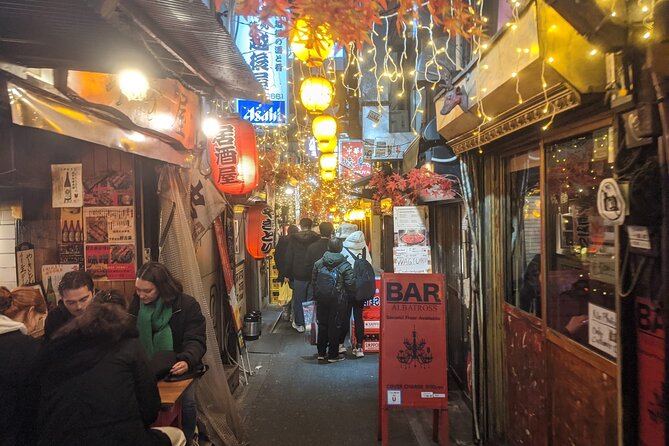
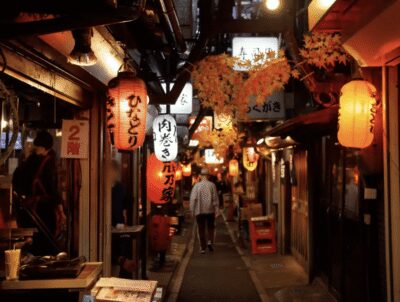
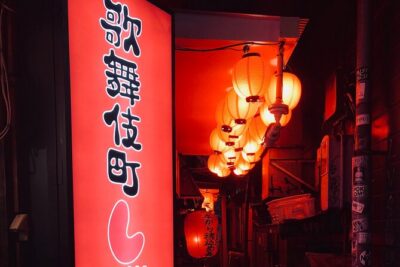
That change of scale is the point. You may pass through small alleys where dim lanterns light the entrances to restaurants, bars, and other businesses. The guide explains how the local nightlife ecosystem works and points out parts of the district that are easy to miss if you stay on the main streets.
The phrase dark side of Tokyo suggests a grittier look at the district, but you should not expect a sensational crime tour. The value is in seeing how different types of nightlife fit together and in learning how to read the area with someone who knows it.
This section also gives you a chance to ask questions about Japan beyond the standard sightseeing script. One guide, Zen, is praised for answering questions about both the places visited and Japan more generally. That kind of conversation can make a short walk feel more useful than simply following a route and taking pictures.
There is no admission charge for the walk, but the tour price covers the guide rather than food or drinks. If you see a small restaurant you want to try, you will need to handle that separately, and there may not be enough time for a full meal during the scheduled walk.
Learning pachinko without guessing at the controls
The middle portion lasts about 30 minutes and is devoted to pachinko. For many first-time visitors, this is the most unusual part of the experience.
Pachinko is a Japanese gaming activity with rows of machines, flashing lights, and metal balls. Walking into a hall alone can be bewildering because the controls, ball purchase process, and prize system are not obvious to someone who cannot read Japanese. Here, the guide explains how to buy the balls, place them in the machine, operate the controls, and aim for a jackpot.
The guide can also help you deal with winnings by explaining how to exchange them for prizes or tokens. That assistance is practical, not just cultural. You get to try the game instead of standing behind someone else and watching.
The tour description refers to tactics to win, but you should treat pachinko as paid entertainment rather than a reliable way to make money. Your results depend on the machine and your luck. The activity fee is not included, so decide in advance how much you are comfortable spending.
This is also the part where the age issue matters most. One booking included two adults and a teenager, and the young participant was told that the games were for people over 18 and that he could not enter the arcade. The information provided does not give a full age policy, so families with anyone under 18 should confirm before paying.
For adults who have wondered what happens inside a Japanese pachinko hall, this guided introduction offers real value. You learn the mechanics, try the controls, and avoid the awkward first few minutes of figuring everything out alone.
A second chance at the Japanese gaming center
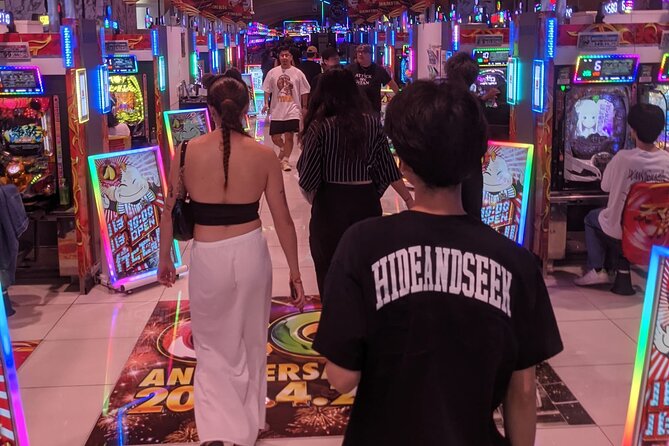
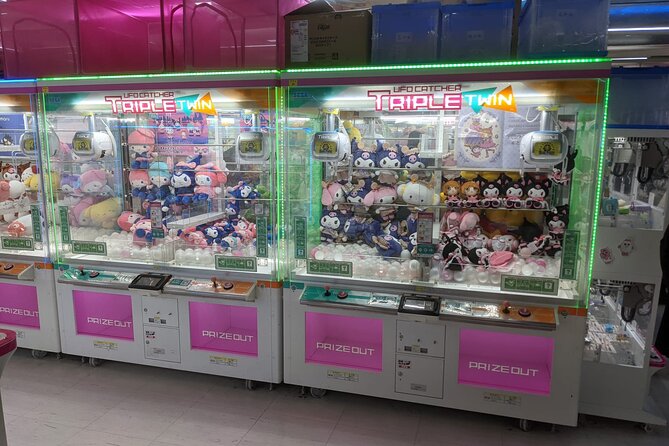
The third stop is near Toho Cinemas Shinjuku and lasts about 15 minutes. This is another chance to try your luck in a Japanese gaming center.
The supplied details do not specify which machines or games are available at this stop, so you should think of it as a short arcade visit rather than a planned gaming lesson with a particular title. The guide helps you get started, but the time is limited.
This part adds variety after pachinko. You see another side of Japanese entertainment culture and can try a few plays without giving up the rest of your evening. As with pachinko, any gaming cost is extra.
The short timing is both a strength and a limitation. It keeps the tour moving and prevents the activity from becoming an expensive gaming session. On the other hand, serious arcade fans may want more time than 15 minutes. If gaming is your main reason for booking, this tour gives you an introduction, not an extended arcade visit.
A few more Tokyo tours and experiences worth a look



Omoide Yokocho and its postwar atmosphere
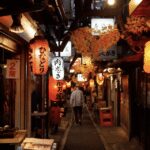
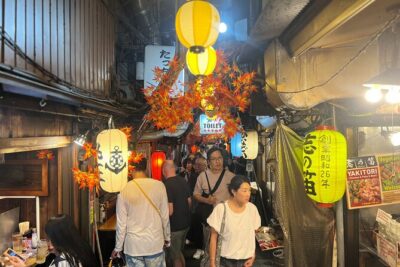
The final 15 minutes take you to Omoide Yokocho, often called Memory Lane. This narrow maze of alleys offers a sharp contrast to Kabukicho’s large signs and modern entertainment buildings.
The lane is associated with postwar Tokyo and is filled with tiny izakaya pubs and yakitori stands. Restaurants can be so small that only a handful of people fit inside. The close quarters and old-style setting give the area its character, especially at night when lanterns and small signs light the passageways.
The guide helps you understand what you are seeing, rather than simply leading you through for a quick photograph. One particularly useful detail is food support. A guest with food allergies received help ordering, which makes the guide’s translation role important for anyone with dietary concerns.
Still, 15 minutes is not enough for a proper meal here. You may see a place you want to return to later, but the scheduled visit is mainly an introduction. If you plan to eat in Omoide Yokocho, arrange that as a separate part of your evening and expect that many small restaurants may be full.
The tiny rooms also mean that this is not the ideal place for a large party seeking a relaxed group dinner. For a private tour, however, the brief walk gives you a useful first look before you decide if you want to return.
The guides make the difference
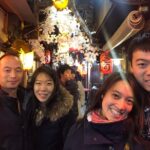
The strongest part of this experience is the human help. Zen is specifically praised for being friendly, easy to talk with, and well informed about the places along the route. He also took photographs for one couple, a thoughtful touch if you want pictures of yourself rather than only pictures of Tokyo.
A female guide is also praised for her warmth, knowledge of Japan, and kind approach. Since guide assignments can vary, you should not assume that Zen will lead every departure, but the experience does include English guide service with translation and interpretation.
That language support is especially useful in the gaming portions. Pachinko machines and arcades are designed for local users, and even simple tasks can take extra time when you do not know the system. A guide can turn confusion into part of the fun.
The private structure also lets you shape the conversation. You can ask about the backstreets, the gaming culture, local food, or general questions about Japan. The tour is not only a route through Shinjuku. It is a short orientation with someone available to explain what you are looking at.
What $26.13 gets you
At $26.13 per person, the price is reasonable if you want a private guide and a hands-on introduction to pachinko. You are paying for the explanation, translation, local route, and the convenience of moving through Shinjuku with someone who can answer questions.
The price does not cover the cost of balls for pachinko or plays at the gaming center. That separation is useful because you control your own spending, but it also means the final cost depends on how much you play.
For a solo visitor, the price buys personal attention that can be hard to find on a low-cost group outing. For a couple or small group, the private format may offer better value because the guide works only with your party.
The tour is also short. If you compare it with a longer food tour or a full-night nightlife experience, it covers less ground and includes fewer activities. Its value is strongest for someone who wants a focused taste of Shinjuku and still wants the rest of the evening free.
The experience is commonly booked well ahead, with an average booking point about 46 days before the tour. That suggests you should not leave it until the last minute if your Tokyo schedule is fixed, especially if you want a particular evening.
Who should book this experience
I would recommend this tour to adults visiting Tokyo for the first time who want more than a standard neon-sign walk. It suits you if you are curious about pachinko, prefer a private guide, and enjoy small alleys more than major sights.
It is also a good match if you feel unsure about navigating Shinjuku at night. The guide handles the route while you focus on the setting, the questions, and the gaming experience.
Food-minded visitors may appreciate the translation help, especially if you have allergies. The Omoide Yokocho section is brief, but it can help you decide if you want to return later for yakitori or an izakaya meal.
I would hesitate to recommend it to anyone under 18 until the age rules are confirmed. I would also choose another activity if you want a long dinner, a serious gambling session, or a broad tour of Tokyo’s nightlife. This experience gives you a compact sample of several places, not a full night out.
The overall rating is 4.8 from 14 ratings, with 93 percent recommending it. That fits the experience as described: the guide service and unusual access are the main reasons to book, while the short duration, extra gaming costs, and age concern are the points to weigh carefully.
Cancellation and practical details
You can cancel for a full refund up to 24 hours before the local start time. Changes or cancellations made less than 24 hours before the start are not accepted for a refund.
Confirmation is provided at booking, and you can use a mobile ticket. The tour is near public transportation, begins and ends at JR Shinjuku East Exit Station Square, and is limited to your own group.
Wear comfortable shoes and arrive ready for city walking through narrow lanes. The route is short, but the streets around Shinjuku can be crowded and confusing, so allow extra time to reach the meeting point.
Should you book the Shinjuku pachinko tour?
Book it if you want a private, practical introduction to Shinjuku after dark, especially if pachinko is new to you. The combination of Kabukicho’s side streets, guided gaming, a Japanese arcade, and Omoide Yokocho gives you several different views of the district in 90 minutes.
Skip it if your group includes someone under 18 and you cannot confirm entry rules, or if you want a long food-focused evening. For adults who value direct explanation, local alleys, and a bit of hands-on fun, $26.13 is a fair price, as long as you set aside extra money for the games.
FAQ
How long does the Tokyo Shinjuku Night Tour with Pachinko Gaming Experience last?
The tour lasts approximately one hour and 30 minutes.
Where does the tour start and finish?
It starts at JR Shinjuku East Exit Station Square, 3-chōme-38-1 Shinjuku, Shinjuku City, Tokyo 160-0022. It ends back at the same meeting point.
Is the tour private?
Yes. Only your group participates in the activity.
Are pachinko and arcade costs included?
No. The pachinko gaming fee and other gaming fees depend on how much you choose to use and are paid separately.
Is an English-speaking guide included?
Yes. The experience includes a guide with English translation and interpretation.
Can I cancel for a full refund?
Yes, if you cancel at least 24 hours before the experience start time. Cancellations or changes made less than 24 hours before the start time are not accepted for a refund.
More Evening Experiences in Tokyo
More Night Tours in Tokyo
More Shinjuku Tours in Tokyo
More tours in Tokyo we've reviewed





Shinjuku Tours, compared.
 ★ 5.0Tokyo: Shinjuku Food Tour (13 Dishes at 4 Local Eateries)From $86
 ★ 5.0Tokyo Bar Hopping Tour in Shinjuku (All-You-Can-Drink + Dinner)From $106
 ★ 4.9Tokyo: Shinjuku Local Bar and Izakaya Guided Walking TourFrom $343 hours
 ★ 4.9Tokyo: Shinjuku Food Tour (13 Dishes and 4 Eateries)From $97
 ★ 5.0Tokyo Night Foodie Tour in Shinjuku – Seasonal Sushi, Wagyu BeefFrom $111
 ★ 5.0Tokyo: Shinjuku Local Bar & Izakaya Crawl TourFrom $39