Reviewed · JDM & CAR CULTURE
Tokyo: Daikoku Excursion by Drift Car And official driver
Tokyo’s car culture gets its most exciting setting at Daikoku Parking Area, a huge roadside stop near Yokohama where Japanese performance cars gather. This four-hour private outing takes you there by car, then adds a drift-car ride with a professional driver who knows the local car scene and lesser-known viewing spots.
In This Article
- Key points to know before you book
- Why Daikoku Parking Area is the main event
- The ride from Tokyo to the car scene
- What the drift-car ride is really like
- Meeting the guide and finding less obvious spots
- A private group changes the value
- Practical rules for a smooth outing
- Languages and the tone of the experience
- Cancellation and booking flexibility
- Who should book this Tokyo car outing?
- Should you book the Daikoku drift-car excursion?
- FAQ
- How long does the Daikoku excursion last?
- How many people can join the private group?
- What is the price for the group?
- Is transportation included?
- Can I reach Daikoku Parking Area by train or bus?
- Is hotel pickup and drop-off available?
- What languages does the guide speak?
- Does the experience include street drifting?
- What should I bring?
- Can I cancel for a refund?
I like the small private group, limited to three people, and the fact that the guide stays with you rather than simply dropping you at a parking area. I also like the chance to see Tokyo and its expressways from inside a drift car, with the important safety boundary made clear: this is not street drifting.
The main drawback is the price. At $530 per group, it makes the most sense when shared by three people. Daikoku cannot be reached by train, bus, or on foot, so this outing solves a real transport problem, but car fans who only want to look at parked vehicles may find it costly.
Key points to know before you book
- Daikoku requires private transport: You cannot reach the parking area by train, bus, or on foot.
- The group limit is three people: The $530 rate is per group, not per person.
- The drift ride uses a professional driver: Expect a controlled car experience, not illegal street drifting.
- French and English are available: Your live guide can explain the cars and local spots in either language.
- The guide remains with you: This is designed as an accompanied outing, rather than a simple transfer.
- Plan for photos and a jacket: A camera, passport, cash, and warm outer layer are listed as useful items.
Why Daikoku Parking Area is the main event
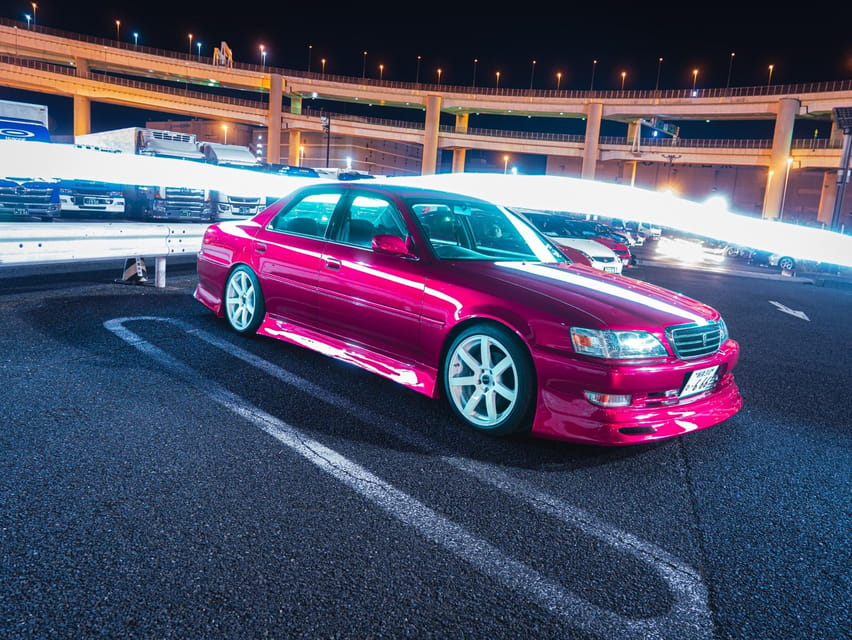
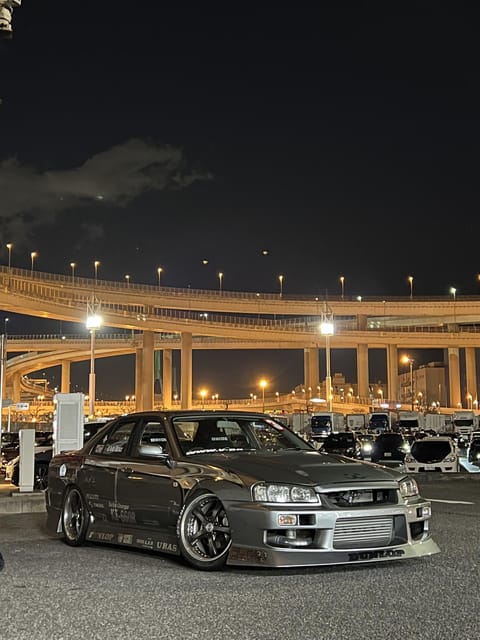
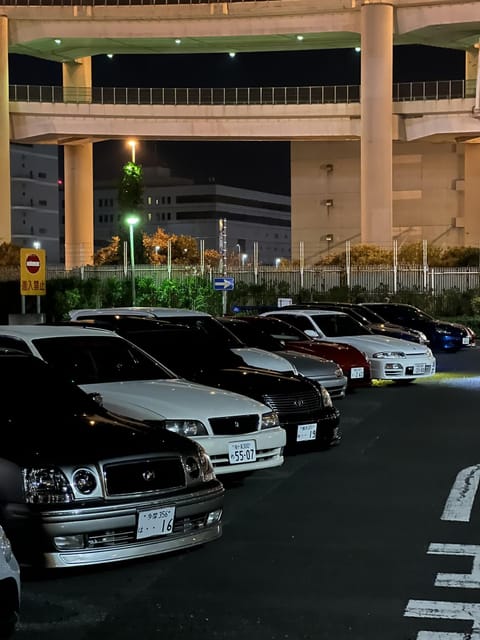
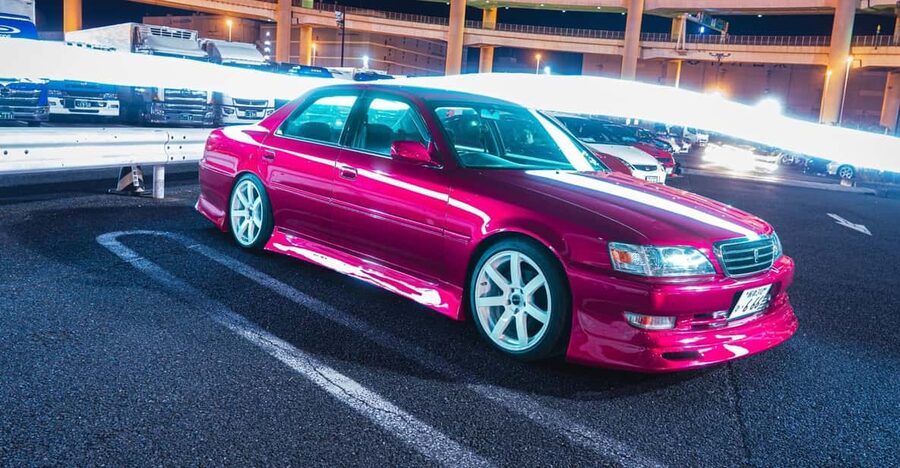
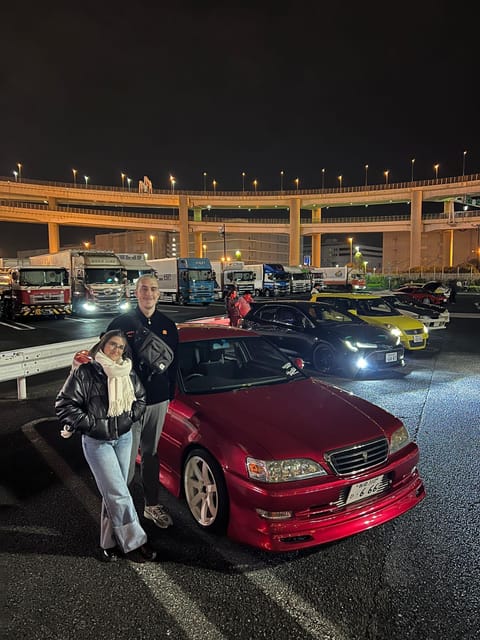
Daikoku Parking Area is not an ordinary rest stop. It is known as a meeting place for car enthusiasts, and the attraction is the mix of vehicles that may gather there during your visit. You could see striking Japanese performance cars and other unusual machines parked together, making the stop feel more like a living car meet than a standard sightseeing site.
The timing matters. A car gathering is never guaranteed to look exactly the same from one visit to the next. The cars present can change, and the atmosphere depends on who has arrived. That uncertainty is part of the appeal, but you should not book this expecting a fixed exhibition with named vehicles waiting for you.
The location also gives you a different view of Tokyo and the surrounding road network. You are not walking between temples or viewing the city from a tower. You are seeing the urban area through its expressways, industrial edges, roadside stops, and car culture.
For someone who follows Japanese cars, Daikoku may be the most valuable part of the outing. For a casual visitor, the appeal depends on how much you enjoy looking at cars and talking about them. The parking area itself is not presented as a long sightseeing attraction, so your interest in the machines will shape the experience.
A few more Tokyo tours and experiences worth a look

The ride from Tokyo to the car scene
The outing is private, which gives it a more personal rhythm than a large coach trip. You have room for up to three people, and the guide accompanies you through the visit. That matters at a place like Daikoku, where the experience is less about a formal tour route and more about knowing where to go, what to watch for, and how to understand the cars around you.
Hotel pickup and drop-off in Tokyo are included in the experience description. At the same time, the meeting information lists the Zone taxi area at Akihabara Station. Because those details do not perfectly match, confirm your exact pickup point before departure. Do not assume that every hotel qualifies for direct pickup without checking.
Private transport also solves Daikoku’s biggest practical problem. The parking area is inaccessible by public transport, walking, or bus. You are paying not only for the car ride, but also for access to a place that is awkward to reach independently.
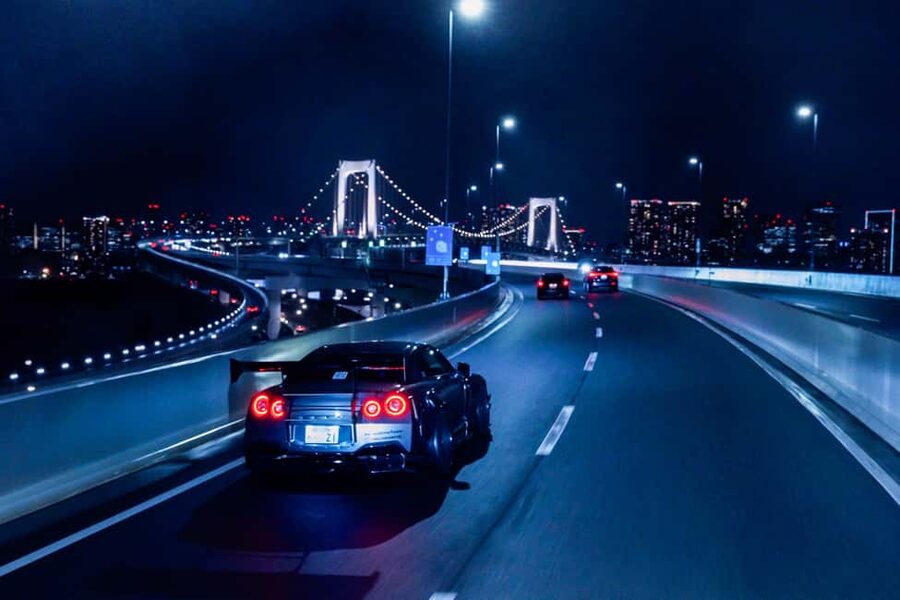
The drive is part of the appeal. Instead of treating transport as dead time, the tour uses the journey to place you inside Tokyo’s car world. You might see the city from a road-focused angle that ordinary sightseeing does not provide, though the exact route and stops are not specified.
What the drift-car ride is really like
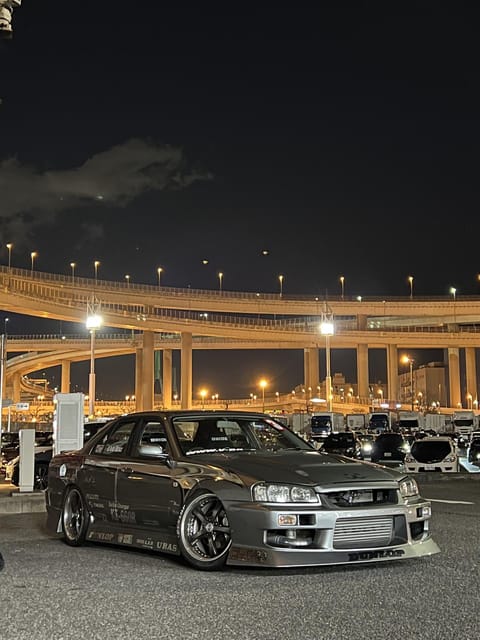
The tour promises a ride in a drift car with a professional driver who has years of experience. That sounds thrilling, but it is important to read the safety limit carefully: no street drift. The experience is not permission to race through Tokyo traffic or watch illegal driving on public roads.
The supplied details do not state the car model, the length of the drift segment, or the exact location where the driving takes place. You should ask those questions before booking if the driving portion is your main reason for going. The title describes an official driver, but no individual driver’s name or specific professional credentials are provided.
What you can reasonably expect is a car-focused ride that adds motion and atmosphere to the visit. You are not simply standing beside a parked vehicle at Daikoku. You get to feel what a drift-oriented car is like with an experienced driver at the wheel.
This part will suit you best if you enjoy the sound, movement, and feel of performance cars. It may not suit you if you want a calm scenic drive, have back problems, or are sensitive to sharp vehicle movements. Pregnant people and anyone with back problems are specifically advised not to take part.
The operator also prohibits video recording. That may disappoint anyone hoping to create driving footage, so bring a camera for still photographs only and follow the vehicle rules closely.
Meeting the guide and finding less obvious spots
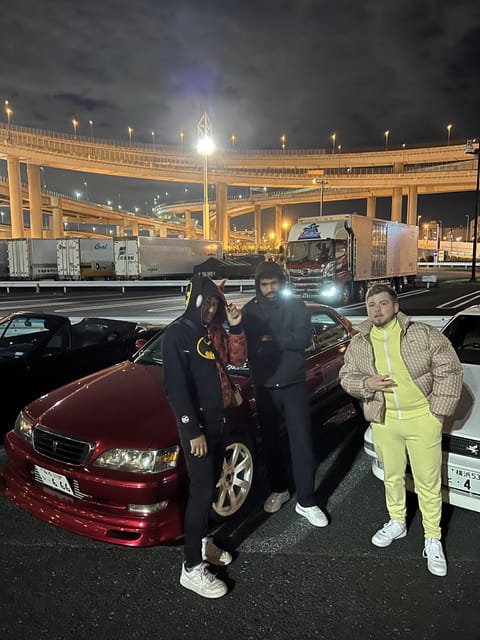
The guide’s role is broader than driving you to Daikoku. The experience is built around an escort who knows car rallies, secret places, and useful viewing points around Tokyo. The guide also serves as the link between the cars you see and the wider Japanese car scene.
The strongest detail here is the personal interest of the driver and guide. One verified booking described the guide as deeply informed and clearly passionate about cars, while another praised the driver’s enthusiasm for sharing car knowledge. That points to a good reason to ask questions during the outing rather than treating it as a silent ride.
You may also have chances to stop for photos at some sites. Since photo stops depend on time, traffic, and the route, tell the guide early if taking pictures is a priority. A camera is listed among the items to bring, and one booking note specifically suggested allowing time for photographs.
The phrase secret places should not lead you to expect a fixed list of hidden attractions. The supplied information does not name those locations. Think of them as additional car-related stops that the guide may select, rather than guaranteed landmarks with a published itinerary.
That flexible approach can be a strength. You are not locked into the same rigid schedule as a bus group. The tradeoff is that you will have less certainty about exactly what you will see before the day begins.
A private group changes the value
The $530 cost covers a group of up to three people. Split three ways, that is about $177 per person. For two people, it works out to $265 each, while a solo booking carries the full group price.
That makes the tour easiest to justify for three car fans traveling together. The price includes private transport, parking fees, and admission to Daikoku Parking Area. Dinner, snacks, and onboard Wi-Fi are not included.
I would compare the cost with what you would spend trying to arrange a private car and access to a hard-to-reach location on your own. Daikoku’s lack of public transport makes the private vehicle especially useful. You are also paying for a guide who remains with you and can explain the local car scene.
Still, value depends on your level of interest. If you are passionate about Japanese performance cars, the private format and drift ride may make this a memorable specialty outing. If you simply want a quick look at a parking area, the cost is harder to defend.
The four-hour duration is long enough to make the trip feel like a proper evening or half-day activity, rather than a rushed photo stop. Starting times depend on availability. Since car rallies and gatherings can vary, ask about the expected timing when you reserve if seeing the busiest car scene is important to you.
A few more Tokyo tours and experiences worth a look
Practical rules for a smooth outing
Bring your passport, camera, jacket, and cash. The passport requirement is worth taking seriously, even if you do not expect to need it during the drive. A jacket is sensible because you may spend time outside at a large parking area, and the temperature can feel cooler than it does in central Tokyo.
The vehicle has strict rules. Smoking, vaping, food, and drinks are not allowed inside. Alcohol and drugs are prohibited, and you should not join the tour while intoxicated. Oversize luggage, baby strollers, bicycles, skateboards, scooters, walking aids, and many other bulky items are not accepted.
Video recording is also listed as prohibited. If you want photographs, use a camera or phone for still images and follow the guide’s directions. Avoid bringing sharp objects, sprays, glass items, fireworks, or valuables.
The outing is not suitable for wheelchair users, babies under one year, pregnant women, people with back problems, or people over 80. The information also lists people over 95 as unsuitable, though that overlaps with the earlier age restriction. Unaccompanied minors are not accepted.
These restrictions are extensive, but they are useful to know before you arrive at the meeting point. This is a compact vehicle-based activity, not a general sightseeing tour designed for every age and mobility level.
Languages and the tone of the experience
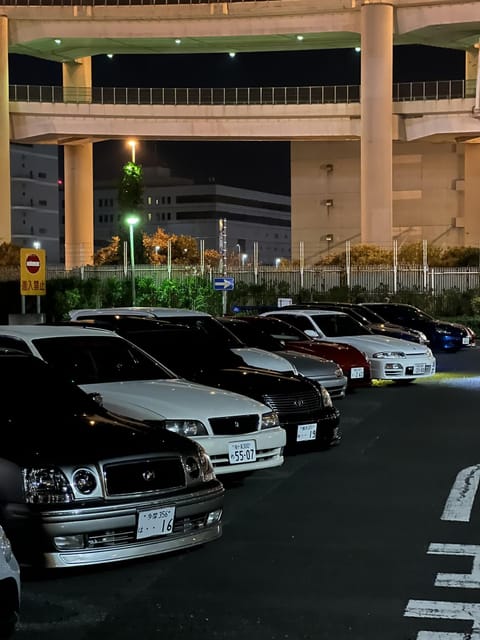
Live guiding is available in French and English. That is helpful for a technical subject, since the value of the outing depends partly on being able to ask about the cars, rallies, and driving style.
The tone appears informal and enthusiast-led rather than museum-like. You are going out with people who care about Japanese cars and want to share that interest. If you like asking detailed questions, this should work better than a basic transfer to Daikoku.
Do not expect a broad introduction to all of Tokyo. The focus is narrow: cars, the expressway journey, Daikoku Parking Area, drifting, and related spots. That focus is exactly what makes the tour attractive to car fans, but it leaves little room for traditional sightseeing.
The guide’s presence from pickup through return is another plus. The description specifically contrasts this with experiences where people are dropped off and left alone. You have someone to help direct the visit, explain what you are seeing, and keep the outing moving.
Cancellation and booking flexibility
You can cancel up to 24 hours before the activity for a full refund. You can also reserve now and pay later, which helps if you are building a Tokyo schedule before every detail is fixed.
The activity runs for four hours, but starting times depend on availability. Check the available time before paying, especially if you are trying to coordinate dinner or another evening plan.
The meeting information names Akihabara Station’s taxi zone, while the tour description also promises hotel pickup and drop-off in Tokyo. Confirm the final meeting instructions directly when booking. This is the one logistical point I would settle in advance rather than leave to chance.
Who should book this Tokyo car outing?
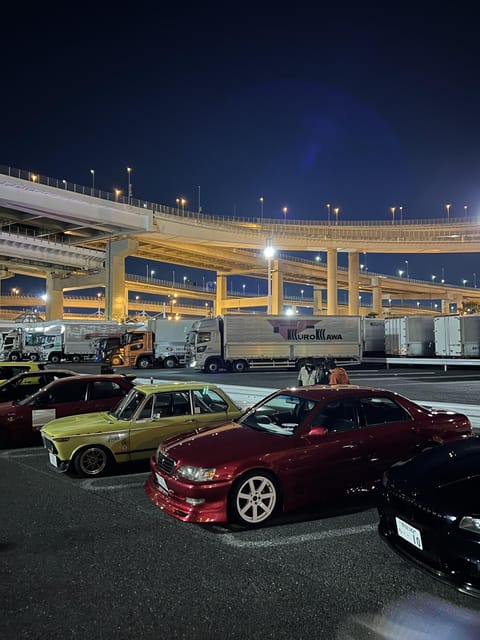
I would recommend it most strongly to three types of people:
- You follow Japanese performance cars and want to see the scene around Daikoku.
- You want a private, unusual Tokyo activity that is not available by public transport.
- You enjoy learning from a passionate guide and want a car ride, not just a viewing stop.
It is less suitable for a general first-time Tokyo itinerary. If you have only a few days in the city and care more about temples, markets, museums, or skyline views, this is a specialist choice. It also is not a good fit if you need wheelchair access, are pregnant, have back problems, or want to record the entire drive.
The perfect group is three friends who can share the cost, bring cameras, and already have some interest in cars. That arrangement keeps the per-person price down and gives the private format its full value.
Should you book the Daikoku drift-car excursion?
Book it if Daikoku Parking Area and Japanese car culture are major priorities for your Tokyo visit. The hard-to-reach location, small group, French or English guide, and professional drift-car ride create a focused experience that would be difficult to arrange smoothly on your own.
Think twice if the $530 group price is outside your budget or if you are only mildly interested in cars. The exact drift-car model, driving location, and length of the drift portion are not provided, so ask for those details before committing.
For the right audience, this is a memorable way to see Tokyo through its roads and car scene rather than its usual sightseeing checklist. For everyone else, it is an expensive specialty outing. Share it with two other car fans, confirm the pickup point and driving details, and you will have a much clearer sense of its value.
FAQ
How long does the Daikoku excursion last?
The activity lasts four hours.
How many people can join the private group?
The private group can include up to three people.
What is the price for the group?
The price is $530 per group of up to three people.
Is transportation included?
Yes. Private transportation is included, along with parking fees and entry to Daikoku Parking Area.
Can I reach Daikoku Parking Area by train or bus?
No. The information states that Daikoku is inaccessible by train, on foot, or by bus.
Is hotel pickup and drop-off available?
The activity description includes hotel pickup and drop-off in Tokyo. The meeting information also lists the Zone taxi area at Akihabara Station, so confirm your exact pickup point when booking.
What languages does the guide speak?
The live guide is available in French and English.
Does the experience include street drifting?
No. Street drifting is not included. The information specifically states no street drift.
What should I bring?
Bring your passport, camera, jacket, and cash.
Can I cancel for a refund?
Yes. You can cancel up to 24 hours in advance for a full refund.
More Private Drivers in Tokyo
More JDM & Car Culture in Tokyo


More tours in Tokyo we've reviewed

JDM & Car Culture, compared.
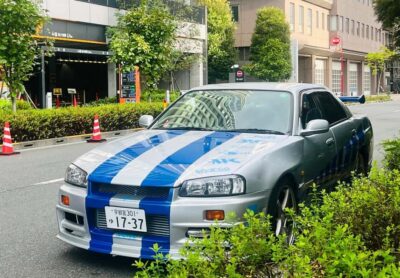 ★ 4.8Tokyo: Fast & Furious Tokyo Drift 3 Experience (Kaila Yu SP)From $157
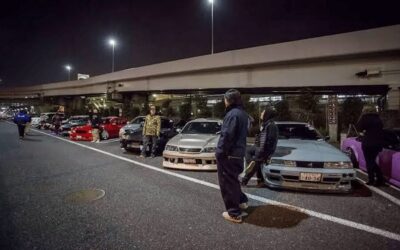 ★ 4.8Tokyo: FAST&FURIOUS EXPERIENCE Daikoku Tokyo Car ClubFrom $157
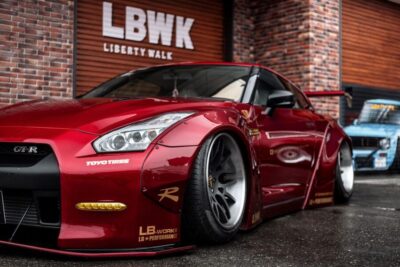 ★ 4.8Tokyo Drift: GT-R Car Club R35 Liberty Walk Daikoku meetingFrom $240
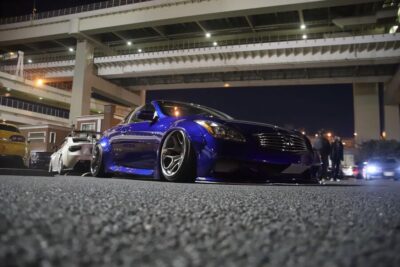 ★ 4.8Tokyo: Daikoku JDM Fast Furious Drift Style Car ExperienceFrom $123
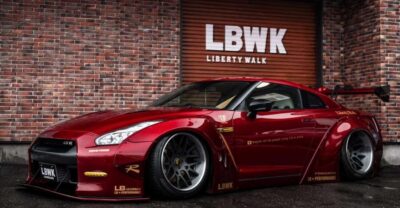 ★ 4.8Tokyo Drift: GO Daikoku Car Meet R34 Skyline Car ClubFrom $246
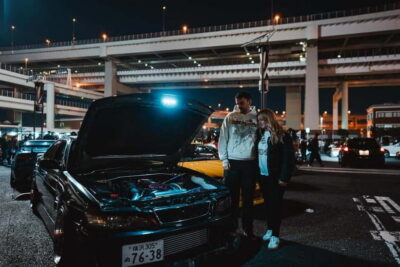 ★ 4.7Tokyo Drift: Daikoku PA Supreme Car Experience 大黒PAFrom $583 hours