Reviewed · SHIBUYA TOURS
Tokyo: Shibuya Highlights Walking Tour
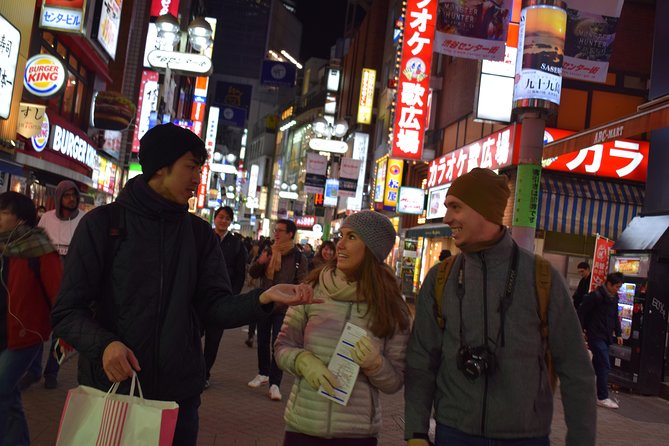
Shibuya is easiest to enjoy once someone helps you read its layers. This small-group walk takes you from Scramble Crossing into side streets, building passages, shops, cafes, and restaurant districts that are easy to miss when you are following the crowds.
In This Article
- Key points to know before you book
- A quick way to make sense of Shibuya
- Starting at Shibu Hachi Box
- Seeing Shibuya Scramble Crossing
- Following the side streets to food and bars
- Local advice you can use after the walk
- Pace, weather, and practical comfort
- Is $19.77 a fair price?
- Who will get the most from this Shibuya walk?
- My recommendation
- FAQ
- How long does the Shibuya Highlights Walking Tour last?
- How far do you walk?
- What language does the guide speak?
- How many people can join the tour?
- What are the meeting and ending points?
- Are food and drinks included?
- Does the tour operate in bad weather?
- Can I cancel for a full refund?
I like the compact 90-minute format and the local food advice, which can save you from wandering hungry through a maze of menus. I also like the chance to ask a guide such as Fumino, Hiroko, Sakura, or Hayato what fits your own plans. The tradeoff is that this is an introduction, not a full study of Shibuya, and the quick pace plus heavy crowds may leave you wanting more detail.
Key points to know before you book
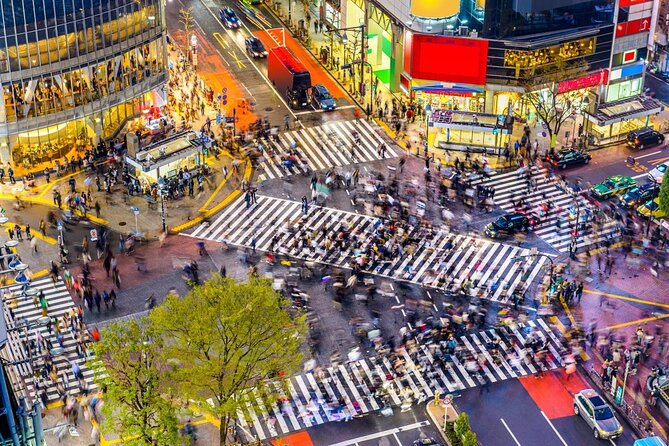
- Scramble Crossing from useful viewpoints: You visit the famous crossing and may see it from above in a nearby high-rise building.
- Local food and nightlife advice: Guides point out restaurants, ramen shops, cafes, bars, and shopping areas for later use.
- Small group of up to eight: The size allows for questions and more personal recommendations.
- About 1.6 kilometers of walking: The route is manageable, but you will be on your feet and moving through crowded streets.
- A strong first-day orientation: This works best when you are new to Shibuya and want a quick map of the area.
- Rain or shine: Bring an umbrella or raincoat in wet weather, since the walk continues outdoors.
A quick way to make sense of Shibuya
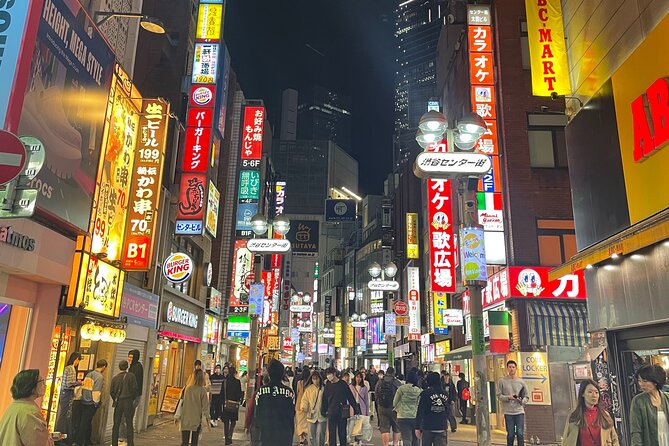
Shibuya can feel like several Tokyo neighborhoods stacked together. There is the famous crossing, the packed station district, tall shopping centers, narrow lanes, casual restaurants, tiny bars, arcades, and quieter pockets that do not reveal themselves from the main roads.
This walk gives you a usable first picture. Rather than spending your entire visit circling the same few blocks, you can learn where the main sights are and where to return when you want food, drinks, shopping, or a less obvious route through the district.
The tour lasts roughly 1 hour 20 minutes to 1 hour 40 minutes, with about 1.6 kilometers of walking. That is enough time to get your bearings without consuming half a day. I see it as a first-day activity, especially if your hotel is in or near Shibuya.
The guide speaks English and leads a maximum of eight people. That matters here. Shibuya is noisy, crowded, and full of distractions, so a very large group would be harder to keep together. With a smaller party, you have a better chance to ask about a particular meal, shopping interest, nightlife plan, or other Tokyo neighborhood.
A few more Tokyo tours and experiences worth a look


Starting at Shibu Hachi Box
The walk begins at SHIBU HACHI BOX, at 2-chōme-1-1 Dōgenzaka. This puts you close to the core of Shibuya, where the district quickly shifts from major streets to smaller lanes and commercial buildings.
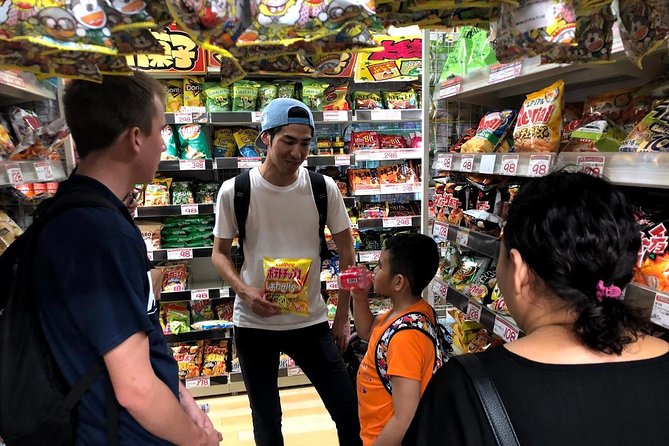
Your guide introduces the area and begins pointing out places that serve different purposes. You may hear about popular restaurants and bars as well as less obvious spots used by people who live or work nearby. The value is not just seeing a doorway. It is learning which parts of Shibuya are useful for eating, drinking, shopping, and wandering after the tour ends.
The route can move through building passageways and side streets rather than sticking to one broad sidewalk. That makes the walk more interesting, though it also means you should stay close to the guide. Shibuya has many intersections, entrances, stairways, and overlapping pedestrian flows.
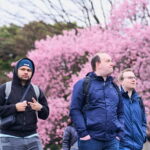
Guides have different personalities and routes, but the strongest part of this experience is the conversation. Fumina has been praised for explaining Japanese culture and offering food and shopping advice. Sakura is noted for finding less crowded places for photographs. Hiroko focuses on history, key sights, and favorite local stops, while Hayato has helped first-time visitors locate restaurants, shops, parks, and cafes.
Those names are useful because the guide can shape the experience. Fumino has also been singled out for recommendations tailored to individual interests, while Shogo is especially associated with restaurant advice and extra suggestions after the walk. You should use the tour as a question-and-answer session, not simply as a march from one point to another.
Seeing Shibuya Scramble Crossing
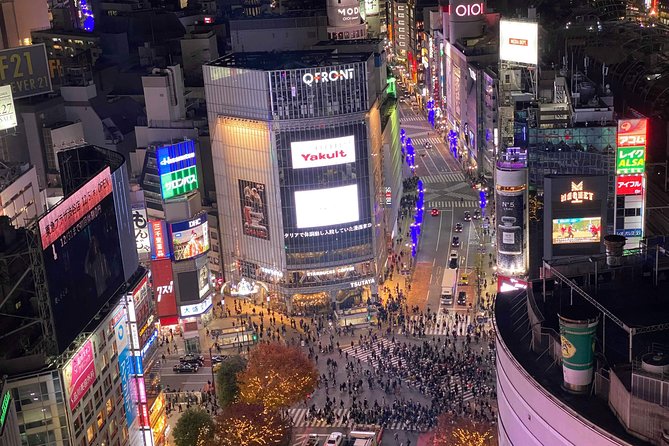
Scramble Crossing is the obvious headline stop, and the tour gives you a chance to see it with some context. You can take a photo at or near the crossing, then possibly head to a higher viewpoint in a nearby building for a bird’s-eye look at the pedestrian movement below.
That higher view can be one of the best practical parts of the walk. From street level, the crossing is a wall of people and screens. From above, you can see how the streets meet and how the station area is arranged. It helps you understand the district before you begin exploring it on your own.
There is a limitation here. A view from a high-rise does not automatically teach you much about Shibuya. The quality of this stop depends on how well your guide explains what you are seeing and connects it to the surrounding streets. One of the less positive experiences found the area explanation too brief and felt that simply looking down from a tall building was not enough.
So keep your expectations in check. This is a photo and orientation stop, not an extended architectural or urban-planning lesson. You get the most from it if you ask where a particular street leads, which shopping center fits your needs, or how to return to a restaurant district later.
Crowds also shape the experience. The area can be difficult to cross at a leisurely pace, and you may need to follow the guide closely. Wear comfortable shoes and keep your phone and belongings secure while stopping for photographs.
Following the side streets to food and bars
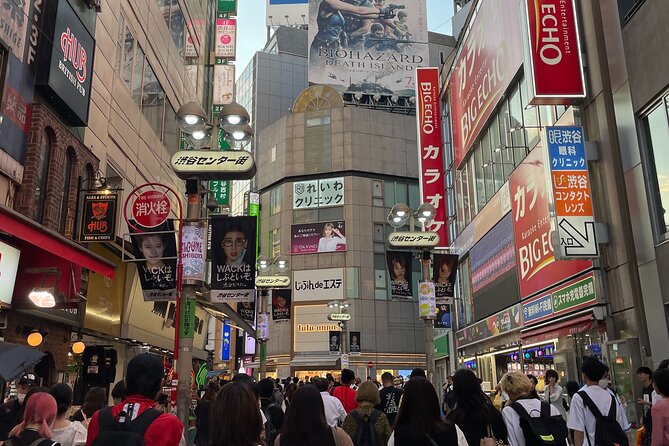
The food advice may be the best reason to book this walk. Shibuya has plenty of restaurants, but the choice can be overwhelming, especially when signs are crowded together and menus are not always easy to read at a glance.
Your guide can point out places for ramen, casual meals, cafes, drinks, and late-night stops. One guide has been praised for directing a participant toward memorable ramen restaurants and a tiny bar where people could have a drink with international residents. You should not read that as a promise of a particular restaurant visit. Food and drinks are not included, and the experience is primarily a walking tour.
The useful part is knowing where to return. A guide can suggest places based on whether you want a quick meal, a cafe, a bar, shopping nearby, or something less exposed to the main pedestrian flow. If you have dietary needs or strong preferences, mention them early so the advice can be more relevant.
The route also helps you see why Shibuya is more than its famous crossing. You may pass building corridors, shopping areas, restaurant entrances, cafes, parks, and narrow streets that do not appear on a simple sightseeing checklist. These details give the neighborhood a more everyday feel.
Still, the tour cannot inspect every restaurant in the district. Ninety minutes goes quickly, and the walk may leave you with a list of places rather than time to sample them. That is fine if you want guidance for the rest of your stay. It is less satisfying if you expect a food tour with tastings.
Local advice you can use after the walk
A good local guide can change the rest of your Tokyo schedule. Shibuya is connected by major rail lines, but knowing how to move between its shopping, food, nightlife, and sightseeing areas can make the first few hours less confusing.
Ask direct questions. Where should you eat near your hotel? Which parts of Tokyo suit a second evening? Where can you shop for a particular item? Which places are good for a quiet coffee? What should you see after Shibuya? The guides are there to offer personal suggestions, and several have been praised for giving advice beyond the immediate route.
This is also where the small group helps. A guide can spend more time answering one question when there are no dozens of people waiting. In one instance, a solo participant received an individual walk rather than having the activity cancelled. That is a useful possibility for solo visitors, although group arrangements can vary.
English ability is important on a tour built around questions. The guides have been praised for clear English, friendly communication, and cultural explanations. Shogo, in particular, has studied English in Canada, and his restaurant recommendations received special attention. You should still remember that individual guide quality and style can differ.
Other walking tours we've reviewed in Tokyo



Pace, weather, and practical comfort
The walk covers approximately 1.6 kilometers, so the physical demand is moderate. You do not need a high level of fitness, but you should be comfortable walking outdoors, stopping, starting, and keeping up in crowded areas.
The route runs in rain or shine. Bring an umbrella or raincoat when the forecast is wet. Shibuya has some covered passages and indoor sections, but you should not count on staying dry for the full experience.
Children must be accompanied by an adult. The tour is near public transportation, which makes it easy to reach and convenient to combine with other plans. Hotel pickup and drop-off are not included, and you arrange your own transportation to the meeting point.
The meeting point is SHIBU HACHI BOX. The walk ends at Shibuya-san, an information and airport bus location inside Shibuya Fukuras on Dōgenzaka. This is a practical finish because you are still in central Shibuya, with transportation and more sightseeing nearby.
Allow a little extra time before the start to locate the meeting point. The supplied directions give a street address, but Shibuya’s large buildings and busy pedestrian routes can make a precise entrance harder to spot than expected. A mobile ticket is provided, and confirmation arrives at booking.
Is $19.77 a fair price?
At $19.77 per person, this is a modestly priced orientation walk. You are paying for an English-speaking local guide, not for meals, entrance tickets, hotel transport, or a long historical tour.
The value depends on how you use the advice. If you are visiting Shibuya for the first time, one good restaurant recommendation, a better crossing viewpoint, and a clearer sense of the neighborhood can justify the cost. The tour may also prevent you from losing an hour to aimless wandering, which is easy to do around the station.
I would not book it expecting a deep cultural lecture or a full-day sightseeing experience. The walk is short, and one participant found that it did not provide enough detail about the area. The best return comes when you treat it as a local introduction and ask plenty of questions.
The activity is usually booked about seven days ahead. That gives you a useful planning guide, particularly if you want a specific time during a busy Tokyo trip. The maximum group size is eight, but the actual group may be smaller, and a private-feeling walk can happen if few people book your time.
Free cancellation is available up to 24 hours before the start time. Cancellations or changes inside that window are not refundable, and the cut-off follows local Tokyo time.
Who will get the most from this Shibuya walk?
I would choose this for a first visit to Tokyo, a short stay, or a trip where you are staying in Shibuya and want to understand the neighborhood quickly. It is also a good fit if food, bars, shopping, and local tips matter more to you than formal sightseeing.
Solo visitors can benefit from the easy conversation and direct recommendations. Couples and small groups can use the guide to build a personal list for later. Families can join, but children must stay with an adult, and the crowds may make the walk less relaxed.
You may want something longer if you already know Shibuya well or want detailed coverage of its history and architecture. You might also prefer a food-specific activity if eating is your main goal, since this walk does not include tastings.
My recommendation
Book this tour if you want a quick, friendly map of Shibuya and practical advice you can use after the guide says goodbye. The strongest reasons are the compact length, small group, local restaurant tips, and the chance to see Scramble Crossing from more than one angle.
Skip it if you want extensive historical detail, a slow photography walk, or included food and drinks. For most first-time visitors, though, $19.77 is a sensible price for turning Shibuya from a confusing mass of signs and crowds into a neighborhood you can explore with a plan.
FAQ
How long does the Shibuya Highlights Walking Tour last?
The tour lasts approximately 1 hour 20 minutes to 1 hour 40 minutes. The listed walking time is about 1 hour 30 minutes.
How far do you walk?
The activity involves approximately 1 mile, or 1.6 kilometers, of walking.
What language does the guide speak?
The tour includes an English-speaking local guide.
How many people can join the tour?
The maximum group size is eight travelers.
What are the meeting and ending points?
The tour starts at SHIBU HACHI BOX, 2-chōme-1-1 Dōgenzaka, Shibuya. It ends at Shibuya-san, located in Shibuya Fukuras on Dōgenzaka.
Are food and drinks included?
No. Food and drinks are not included in the tour price.
Does the tour operate in bad weather?
Yes. The walk runs rain or shine. You should bring an umbrella or raincoat when it rains.
Can I cancel for a full refund?
Yes, if you cancel at least 24 hours before the experience start time. Cancellations or changes made less than 24 hours before the start are not refunded or accepted.
More Walking Tours in Tokyo
More Shibuya Tours in Tokyo


More tours in Tokyo we've reviewed












Shibuya Tours, compared.
 ★ 5.0Official Street Go-Kart in ShibuyaFrom $76
 ★ 5.0Shibuya Meltdown Nightlife Tour: All-You-Can-Drink Bar HoppingFrom $106
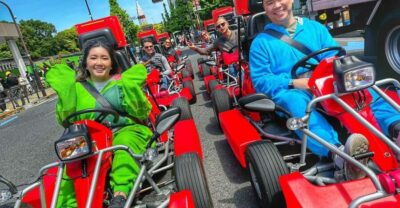 ★ 4.9Tokyo: Street Kart Experience in ShibuyaFrom $99
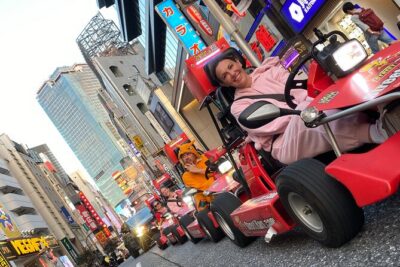 ★ 5.0Shibuya Official Street Go-Kart in Shibuya AnnexFrom $69
 ★ 5.0Tokyo: Shibuya Food Tour (13 dishes and 4 Eateries)From $77
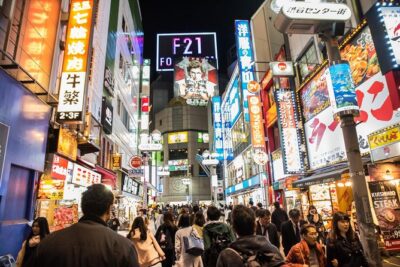 ★ 5.0Best of Shibuya Food TourFrom $217