Reviewed · GUIDED
Tokyo: Private Customizable Tour with a Local Guide
Tokyo is easier to understand when someone helps you connect its very different districts. This private customizable tour lets you choose between a quick four-hour introduction and an eight-hour day that links temples, markets, shopping streets, and nightlife.
In This Article
- Key points at a glance
- A private way to make sense of Tokyo
- Tsukiji Outer Market: start with food and street life
- Senso-ji and Asakusa: Tokyo’s old center
- Akihabara: choose pop culture over temples
- Meiji Shrine and Harajuku: calm woods, loud fashion
- Shibuya: a major city moment in a short stop
- Shinjuku after dark: Golden Gai and Kabukicho
- How to build a sensible four-hour plan
- What the eight-hour option adds
- The guides and the personal touch
- Price, walking, and practical value
- Who will get the most from this Tokyo day
- Should you book it?
- FAQ
- How long is the private Tokyo tour?
- Is the tour private?
- Which Tokyo sights can be included?
- Is lunch included?
- Are entrance fees included?
- What should I bring?
- Can I cancel for a full refund?
- Is the tour suitable for wheelchair users?
I like the freedom to put Senso-ji, Tsukiji, Akihabara, or Harajuku at the center of your day. I also like the personal attention: guides such as Joe, Maruf, Abu, Zia, and Amir have been praised for adapting plans, allowing shopping time, and finding shortcuts. The main drawback is simple: Tokyo is huge, so an ambitious list can leave you rushing from one neighborhood to the next.
Key points at a glance
- Four or eight hours: Pick a short introduction or a fuller day with more neighborhoods.
- A private English-speaking guide: Your plan is built around your interests rather than a fixed group schedule.
- Tokyo’s biggest contrasts: Move from Tsukiji seafood stalls and Senso-ji to Akihabara, Meiji Shrine, Shibuya, and Shinjuku.
- Good for first visits: A guide can help you fit major sights together and make sense of the city’s districts.
- Food and shopping help: Lunch suggestions, market stops, and time for personal purchases are part of the experience.
- Plan for walking: Comfortable shoes, water, sun protection, and a sensible pace matter here.
A private way to make sense of Tokyo
Tokyo can feel like several cities stitched together. One hour you are at a centuries-old temple, and the next you are among anime shops, department stores, neon signs, or quiet trees.
That contrast is the real value of this tour. You are not tied to one narrow theme. You can ask for old Tokyo, modern pop culture, food, shopping, photography, or a broad first look at the city.
The guide is a licensed English speaker, and the group is private. That matters more in Tokyo than it might in a compact European city. The distances between districts are real, and you may need help deciding what deserves your limited time.
The four-hour version works best when you choose one part of the city. You might focus on Asakusa and Tsukiji, or combine Meiji Shrine with Harajuku and Shibuya. The eight-hour option gives you more room, but even then, you should discuss priorities before setting out.
One useful strength is the ability to adjust the day. If you spend longer at a market, find a shop you like, or want more time for photos, a private guide can respond more easily than a large group tour.
Other guided tours in Tokyo
Tsukiji Outer Market: start with food and street life
Tsukiji Outer Market is scheduled for about an hour. That is enough for a first taste, a few photos, and some browsing, but it is not enough for a slow food crawl.
The market is a practical place to begin because it introduces you to Tokyo through everyday food. You can ask your guide for lunch ideas and get help understanding what you are seeing. The tour includes lunch recommendations, but meals and drinks are not included, so keep money available for anything you choose to eat.
The market can be crowded, and the walking surface may be uneven in places. Stay aware of other shoppers and give yourself time to stop without blocking narrow paths.
If food is your main interest, tell the guide early. Otherwise, Tsukiji may be better used as a brisk opening stop before moving toward Asakusa.
Senso-ji and Asakusa: Tokyo’s old center
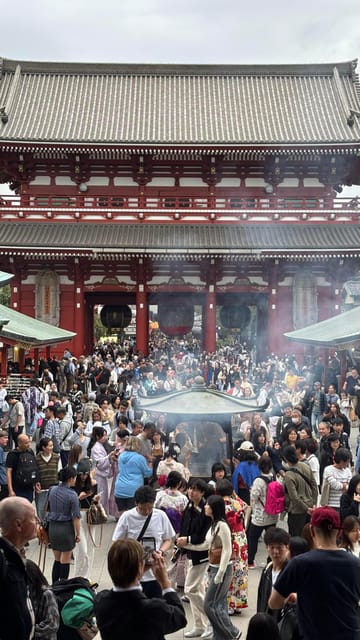
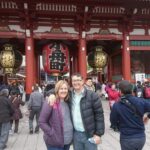
Senso-ji Temple receives its own hour, followed by another hour in Asakusa. That is a sensible pairing. The temple gives you the major landmark, while the surrounding district gives you room for shopping, snacks, and a closer look at the streets around it.
Senso-ji is one of Tokyo’s best-known religious sites. The approach is visually striking, and the temple grounds offer plenty of photo opportunities. A guide can add context about the customs and architecture, which helps you look beyond the main gate and souvenir stalls.
The separate Asakusa time is important. You can browse for small gifts, taste local food, or simply take in the district without treating it as a race to the next attraction. One booking was shaped almost entirely around Senso-ji and Asakusa, with time for Japanese food, shopping, and cultural experiences.
That example points to a smart way to use the tour. If you prefer a slower day, do not feel obliged to visit every district listed in the possible plan. Asakusa alone can fill a relaxed half-day.
Akihabara: choose pop culture over temples
Akihabara is another possible one-hour stop. It is the clearest choice for anyone interested in anime, manga, games, electronics, or Japan’s otaku culture.
An hour gives you an introduction rather than a full shopping expedition. You can ask your guide to point out the areas that fit your interests and help you decide where to spend your personal time.
The tradeoff is atmosphere. Akihabara is very different from Asakusa, and moving between the two gives you a sharp contrast, but it also uses travel time. I would place it high on the list only if modern Japanese pop culture is a real priority for you.
If you are traveling with children, teenagers, or anyone keen on games and character goods, Akihabara may be more rewarding than adding another standard sightseeing stop. Personal purchases are extra, so budget separately for shopping.
Meiji Shrine and Harajuku: calm woods, loud fashion
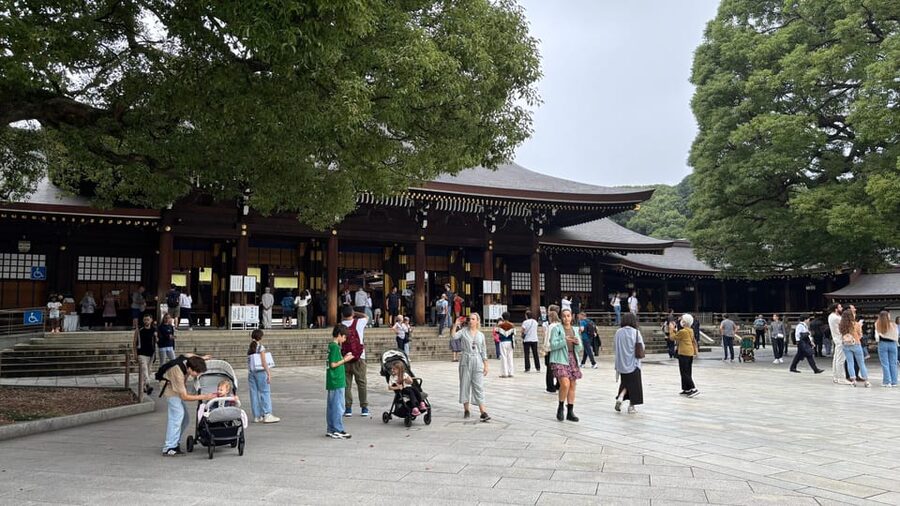
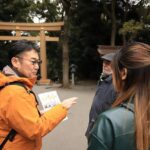
Meiji Shrine provides the quietest change of pace on the suggested route. It sits in a wooded setting and offers a more reflective visit than the markets and shopping districts.
The shrine is paired with Harajuku, including Takeshita Street. This combination works because the two places are close in mood only by contrast. You move from a calm shrine setting to a street known for colorful shops, youth fashion, and unusual sweets.
Give yourself time to walk at a comfortable speed. The shrine grounds and surrounding route can add up to a fair amount of walking, especially if you are also browsing Takeshita Street.
Harajuku is a good choice if you want style, shopping, and people-watching. It is less useful if your goal is only traditional architecture. Tell the guide what balance you want, since the private format lets you favor one side.
Lunch can also fit naturally around this part of the day. The guide offers recommendations, but you pay for your own meal and beverages.
Other private tours in Tokyo


Shibuya: a major city moment in a short stop
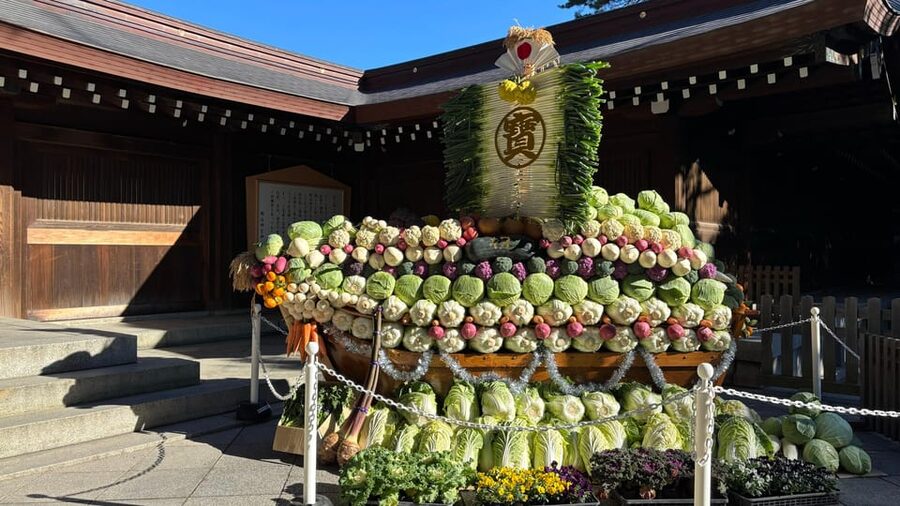
Shibuya is listed as a one-hour stop for sightseeing and shopping. It gives you a taste of one of Tokyo’s best-known modern districts, but you should set realistic expectations.
An hour can cover a look around, photos, and a little shopping. It is not enough for a slow exploration of the district, so decide in advance whether you care more about the famous crossing area, stores, or general city energy.
Shibuya works well near Harajuku because the two districts can form a modern Tokyo section of the day. It works less well if you are also trying to fit Tsukiji, Senso-ji, Akihabara, Meiji Shrine, and Shinjuku into only four hours.
This is where a private guide earns their keep. You can ask for a short orientation, then move on before the schedule becomes too tight.
Shinjuku after dark: Golden Gai and Kabukicho
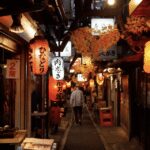
Shinjuku is presented as the place to finish, especially if you want an evening look at Tokyo. The suggested areas include Golden Gai, with its narrow bars, and Kabukicho, the city’s major entertainment district.
This portion is best for adults who want to see Tokyo’s nightlife rather than end the day at a temple or market. Golden Gai is known for tiny bars, so your guide can help you understand the setting and decide what suits you.
Do not assume drinks or entry costs are part of the tour. Meals, beverages, and personal expenses are excluded.
Shinjuku also makes sense as a final stop because it feels very different from Meiji Shrine or Asakusa. The contrast gives the day a strong finish, though you should tell the guide if you prefer an early ending instead.
How to build a sensible four-hour plan
The short option is not a miniature version of the entire tour. Tokyo is too large for that. It is a focused visit, and your best result will come from choosing two or three nearby priorities.
Here are sensible themes:
- Old Tokyo: Senso-ji and Asakusa, with time for food and shopping.
- Food and tradition: Tsukiji Outer Market followed by Asakusa.
- Modern Tokyo: Meiji Shrine, Harajuku, and Shibuya.
- Pop culture: Akihabara, with nearby sightseeing chosen by your guide.
- Nightlife orientation: Shinjuku, Golden Gai, and Kabukicho.
You can ask for famous sights, less obvious places, or a mix. The key is to name your must-see stop before the tour begins.
What the eight-hour option adds
Eight hours lets you connect more districts and pause for lunch. It is the better choice if this is your only full day in Tokyo and you want both traditional and modern sides of the city.
Still, do not confuse more time with unlimited time. A plan covering Tsukiji, Senso-ji, Asakusa, Akihabara, Meiji Shrine, Shibuya, and Shinjuku would require constant movement. The listed one-hour blocks are useful planning markers, not a promise that every stop will feel leisurely.
A full day also means more walking. One guide-led day used subway hops to connect popular wards, with time allowed for food, shopping, and sightseeing. If your plan uses public transit, ask how fares will be handled, since personal expenses are not included.
The best eight-hour itinerary has a clear shape. For example, begin with Tsukiji and Asakusa, spend the middle of the day around Meiji Shrine and Harajuku, then finish in Shibuya or Shinjuku. Add Akihabara only if it is one of your top interests.
The guides and the personal touch
The strongest part of this experience is the guide relationship. Joe was praised for arranging a day around a couple’s complete wish list. Maruf was described as professional, with a good eye for local food markets and restaurants, while allowing time for shopping and taking in each site.
Abu was credited with fitting a lot into one day. Zia was praised for shortcuts, less obvious spots, and explanations about people and culture. Amir helped shape a day around Senso-ji, Asakusa, food, and Japanese cultural experiences.
These details suggest what you should ask for. Give your guide a list of priorities, but also name your pace. Say if you want photographs, food, shopping, temples, pop culture, or short explanations instead of long lectures.
A private guide can also help reduce wasted time. That does not mean every line disappears, and it does not mean you will see all of Tokyo in one day. It does mean your route can respond to your interests instead of following a fixed group schedule.
Price, walking, and practical value
At $120 per person, this tour is easiest to justify for a small private group that wants help with planning and orientation. You are paying for a private licensed guide, a flexible route, and entrance fees to the mentioned sites.
The price is less compelling if you already know Tokyo well and prefer to use the subway independently. It is more useful if this is your first visit, your schedule is tight, or you want someone to connect several parts of the city for you.
Keep extra money for meals, beverages, shopping, and personal costs. Bring comfortable shoes, water, a hat, sunscreen, and a camera. Check the forecast and dress for the conditions.
Smoking is not allowed during the activity. The tour is advertised as wheelchair accessible, but the same information also says it is not suitable for wheelchair users or people with mobility impairments. That is a significant inconsistency. If accessibility affects your booking, confirm the exact route and vehicle arrangements before paying.
Free cancellation is available up to 24 hours before the start time, and you can reserve now while paying later. Starting times depend on availability.
Who will get the most from this Tokyo day
I would recommend this tour to first-time visitors who want a broad introduction without surrendering the whole day to a large group. It also suits families and private groups with mixed interests, since one person can request temples while another asks for food or shopping.
It is a good fit for visitors with only one free day. You can see several major districts and get practical help deciding where to return on your own.
It is less suited to slow, specialist sightseeing. If you want a full morning at one shrine, a long market meal, or several hours in Akihabara, build the tour around that single interest rather than trying to cover every named stop.
The moderate walking level deserves real attention. Even with a guide, Tokyo’s districts require time on foot, and a full day can become tiring. Ask for a shorter route if you want a gentler pace.
Should you book it?
Book this tour if you want a private plan that can change during the day and you value local guidance more than a fixed checklist. The most convincing use is a focused four-hour visit or a carefully limited eight-hour route built around your top three interests.
Choose the eight-hour option for a first Tokyo day that combines old neighborhoods, food, shopping, and modern city life. Choose four hours if you want a calm introduction to one area, especially Asakusa or the Harajuku and Shibuya pair.
I would not book it simply to claim every district in one day. Tokyo rewards good choices, and the tour is at its best when you give the guide room to make those choices with you.
FAQ
How long is the private Tokyo tour?
You can choose a duration of four to eight hours, with available starting times shown during booking.
Is the tour private?
Yes. The experience is for a private group with a private English-speaking licensed guide.
Which Tokyo sights can be included?
Possible stops include Tsukiji Outer Market, Senso-ji Temple, Asakusa, Akihabara, Meiji Shrine, Shibuya, and Shinjuku. The itinerary is customizable, so you should discuss your priorities with the guide.
Is lunch included?
No. Lunch recommendations are included, but meals and beverages are not.
Are entrance fees included?
Entrance fees to all mentioned sites are included.
What should I bring?
Bring comfortable walking shoes, a hat, a camera, sunscreen, and water. You should also check the forecast and dress appropriately.
Can I cancel for a full refund?
Yes. You can cancel up to 24 hours in advance for a full refund.
Is the tour suitable for wheelchair users?
The activity information gives conflicting details. It lists the tour as wheelchair accessible, but also says it is not suitable for wheelchair users or people with mobility impairments. Confirm the route and accessibility arrangements before booking.
More Private Tours in Tokyo
More Guided Tours in Tokyo


More tours in Tokyo we've reviewed


Guided, compared.
 ★ 5.0Tokyo 6hr Private Tour with Government-Licensed GuideFrom $155
 ★ 4.9Tokyo: Shinjuku Local Bar and Izakaya Guided Walking TourFrom $343 hours
 ★ 4.8Tokyo: Private City Highlights Tour with Local GuideFrom $1064 - 8 hours
 ★ 4.9Tokyo: Tsukiji Fish Market Guided Walking TourFrom $222 hours
 ★ 5.0Tokyo 4hr Private Tour with Government-Licensed GuideFrom $109
 ★ 5.0Tokyo Guided Small-Group Biking TourFrom $106