Reviewed · PRIVATE
Tokyo Layover 5 Hours Private Tour
Tokyo is a city you can glimpse from an airport train window, or you can use a long Haneda layover to see its temples, food stalls, grand boulevards, and famous street scenes. This private five-hour tour takes you from the airport and returns you there, with your luggage staying in the vehicle while you explore.
In This Article
- Key points at a glance
- Why a Haneda layover is enough for a Tokyo sampler
- Haneda pickup, luggage, and the five-hour clock
- Senso-ji and Asakusa: Tokyo’s best first stop
- Tsukiji: food, shops, and the market that moved
- Ginza and the Imperial Palace: polished Tokyo and civic history
- Omotesando, Takeshita Street, and Meiji Jingu
- Shibuya Crossing: a short stop with a big payoff
- What the private vehicle changes
- Is $641.36 a fair price?
- Who should book this Tokyo layover tour?
- Should you book it?
- FAQ
- Where does the tour start and end?
- How long is the tour?
- How much does the tour cost?
- Can the itinerary be customized?
- Which Tokyo sights are included in the planned route?
- Is transportation provided?
- What is included during the drive?
- Can I cancel for a full refund?
I like two things right away: you set the priorities, and you do not lose time learning Tokyo’s rail system with bags in tow. I also like the small comforts, including bottled water, snacks, and onboard WiFi. The main caution is traffic. Eight stops in five hours sounds generous, but many visits are quick, and rush hour or airport delays can cut the sightseeing time sharply.
Key points at a glance

- Airport-to-airport sightseeing: Pickup and drop-off at Haneda make this useful for a long connection.
- A private route for your group: The tour is priced at $641.36 for up to nine people, not per person.
- Flexible Tokyo highlights: You can focus on temples, food, shopping, youth culture, architecture, or photo stops.
- Luggage stays with you: Your bags can remain in the vehicle while you walk around.
- Guides vary by booking: Tomoya, Riley, Aimi, Nao, Babu, Ryu, and others have led similar tours.
- A fast city sampler: Senso-ji, Tsukiji, Ginza, the Imperial Palace, Harajuku, Meiji Jingu, and Shibuya may all fit, but not at leisurely length.
Why a Haneda layover is enough for a Tokyo sampler
Haneda is close enough to central Tokyo for a short city visit to make sense, but a five-hour tour is still a careful exercise in timing. You must allow for arrival procedures, meeting your driver, traffic, sightseeing, and getting back through the airport for your next flight.
That is the value of using a private vehicle. You are not hauling luggage onto trains, hunting for station exits, or deciding which line to take next. Your driver handles the movement between areas while you use the short stops for photos, food, and a first look at Tokyo.
This is not a slow, museum-heavy tour. It is a broad introduction. You might visit a temple in Asakusa, taste something at Tsukiji, see Ginza’s polished streets, pause outside the Imperial Palace, then move west to Harajuku and Shibuya. The route gives you a sense of how different Tokyo neighborhoods feel, even if each stop is brief.
The strongest part of the experience is the ability to adjust the plan. Guides including Tomoya, Riley, Aimi, Nao, Babu, Ryu, and Leonardo have worked with groups that wanted different mixes of food, shopping, shrines, and famous views. If you care more about ramen than luxury brands, or more about traditional Japan than youth fashion, say so early.
Other private tours in Tokyo

Haneda pickup, luggage, and the five-hour clock
The meeting point is Haneda Airport at 3-3-2 Hanedakuko, and the tour ends back at that meeting point. Pickup is offered, and the vehicle provides a practical base for your bags. You can leave luggage inside while visiting the sights, which is far easier than storing it or dragging it through crowded streets.
Communication before pickup matters. One guide, Ren, contacted the group before arrival to make the meeting easy. Other guides have contacted passengers after landing and met them at the agreed airport location. Your confirmation is issued within 48 hours, subject to availability, so read the meeting instructions carefully and reply when asked.
The five-hour duration is approximate. A delayed arrival does not magically create more time, though guides have sometimes adjusted routes when flights changed or delays shortened the visit. In one case, a planned five-hour outing grew to seven or eight hours after a return flight changed. Treat that as a special circumstance, not something to count on.
I would book this only when your connection gives you a sensible buffer beyond the tour itself. The supplied experiences include layovers of seven, eight, nine, and ten hours, as well as one much shorter visit after a delay. A longer connection gives you room for airport formalities and a calm return.
Senso-ji and Asakusa: Tokyo’s best first stop
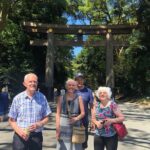
Senso-ji is the oldest temple in Tokyo and the tour’s clearest introduction to traditional city life. The Asakusa area is tied to the story of two fishermen finding a small Kannon statue in 628. That story helps explain why this corner of Tokyo has remained a major religious destination for centuries.
You have about an hour here, the longest scheduled stop. That is useful because the temple area rewards a little unhurried wandering. Look at the entrance, the approach to the temple, the surrounding shops, and the people coming to pray. Admission is free.
Senso-ji is also a good photo stop, but it can be crowded. Your driver may bring you close to the area, yet you still need to walk among the temple buildings and shops. If mobility is a concern, tell the guide at the start. One group on a rainy day appreciated being dropped close to the sights, which reduced walking in poor weather.
Asakusa gives you the old Tokyo feel that Ginza and Shibuya cannot provide. If you want only one traditional sight, this is the stop I would protect in the schedule.
Tsukiji: food, shops, and the market that moved
The main wholesale market left Tsukiji in 2018 for Toyosu, but the outer market remains. The scheduled stop is about 40 minutes, enough to look through food shops and restaurants and perhaps fit in a quick meal.
This is one of the more useful stops for people who want to eat rather than only take photographs. The outer market has restaurants and shops selling a wide range of food-related goods. You might find the right place for a quick lunch, but do not expect a long sit-down meal if the rest of the route remains intact.
One guide specifically took a group to the fish market and lunch nearby, and another shared a ramen lunch with the group. Those details point to the tour’s practical strength: you can ask for food, and the guide can shape the route around it.
The drawback is simple. Forty minutes passes quickly in a market, especially if you stop to browse and eat. Tell your guide whether food is a priority or just a quick look.
Ginza and the Imperial Palace: polished Tokyo and civic history
Ginza gets about 30 minutes. This is Tokyo’s elegant shopping district, with international fashion, Japanese crafts, galleries, restaurants, and striking modern buildings. It is a good place to see the city’s polished commercial side, but it is not the best stop for a full shopping session.
If architecture interests you, Ginza makes more sense than its short timing suggests. You can see how traditional crafts, luxury retail, and modern design share the same streets. If you want to buy something, name the type of shop in advance because browsing time will be limited.
The Imperial Palace stop is also about 30 minutes. The palace grounds occupy the site of the Tokugawa shogun family’s castle, used from 1603 to 1868. After political power returned to Emperor Meiji, the site became the Imperial Palace.
Do not picture a long interior palace visit. This is a brief look at the grounds and surrounding area. It adds political and historical context to the modern city, though the stop will feel more meaningful if your guide explains what you are seeing.
The National Diet building may also be included as a drive-by or brief photo pause. Built in 1936, it is one of the few Tokyo buildings to survive the 1945 air raids. Since no specific stop duration is given, consider it an added sight rather than a guaranteed extended visit.

Omotesando, Takeshita Street, and Meiji Jingu
The western part of the route shifts from imperial and commercial Tokyo to design, fashion, youth culture, and Shinto tradition.
Omotesando gets about 20 minutes. Its broad avenue is known for buildings designed by leading architects and for major fashion brands. It is a useful quick look at Tokyo’s design-conscious side. You will see impressive facades and high-end shopping, but the time is too short for serious retail browsing.
Takeshita Street in Harajuku gets about 30 minutes. This is where the tour introduces Japanese youth fashion, unusual storefronts, and eye-catching styles. It can feel crowded and intense, especially compared with the calm of Meiji Jingu nearby.
I would not try to buy much here during a five-hour tour. Use the time to walk a short stretch, take photographs, and get a sense of the neighborhood. If you are traveling with teenagers, this may be one of the most engaging stops. A group of students had a particularly good time on a similar outing, and guides have also helped large school groups find good photo spots.
Meiji Jingu offers a needed pause. You have about 40 minutes at this Shinto shrine, which sits in a calmer setting away from Harajuku’s fashion streets. The contrast is the point: one minute you are surrounded by youth culture, and soon after you are walking through a quiet religious site.
On Saturdays and Sundays, you might see a traditional Japanese wedding ceremony. That is not guaranteed, but it is a memorable possibility. Meiji Jingu is also a wise place to protect if you want a calmer and more traditional experience without leaving central Tokyo.
Shibuya Crossing: a short stop with a big payoff
The final listed stop is Shibuya Crossing, with about 15 minutes. That is enough for a look at the famous intersection and its surrounding signs, but not enough for an extended neighborhood visit.
The crossing is a strong final photo stop because it gives you the unmistakable modern Tokyo scene: people moving in several directions while the city rises around them. The short timing works if your goal is to see it and take pictures. It is not enough if you want to shop, visit an observation deck, or explore Shibuya’s restaurants.
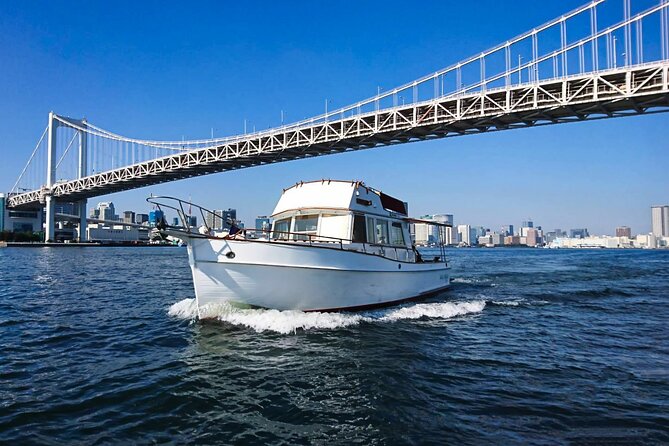
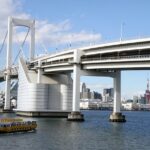
Some groups have added sights such as Rainbow Bridge when time allowed. That tells you the route is not locked, but every addition means less time somewhere else. I would choose two or three personal priorities before pickup instead of asking to see everything.
What the private vehicle changes
The vehicle is the reason this tour can cover so much ground. Tokyo’s rail network is excellent, but a layover with luggage and a fixed return deadline is a different problem from a normal day in the city.
You get door-to-door movement, a place for your bags, bottled water, snacks, and free WiFi. Several groups also appreciated clean, comfortable vehicles, and one group rode in a newer Mercedes. Vehicle type can vary, so I would treat that as a pleasant possibility rather than a promise.
A private tour also helps families and mixed-age groups. One party of nine included an 80-year-old and a four-year-old and found the format workable. Another outing included a large student group, although the advertised capacity for this experience is up to nine people, so larger parties should confirm arrangements separately.
The guide can explain areas as you pass them, suggest photo locations, and reduce walking when weather is bad. That is more useful than it may sound. In a city this large, a good route and clear decisions save more time than a long speech at each stop.
Guide quality is important because the itinerary is quick. Tomoya has handled delayed arrivals and student groups. Riley has been praised for making firm route choices and answering questions about Japan. Aimi has been noted for punctuality and a clean vehicle, while Nao has provided English-language explanations and photo help. Ren has made airport pickup easy, and Babu has built a route around a first-time visitor’s interests.
Your guide will not necessarily be one of these people, but these examples show the range of service you should expect: airport coordination, flexibility, local explanation, and help with photographs.
Is $641.36 a fair price?
At $641.36 for a private group of up to nine, the per-person cost changes a lot with group size. Nine people pay about $71 each. Four people pay about $160 each, and two people pay about $321 each.
That makes the tour strongest for families, friends, or small groups sharing the cost. For a full group, private transport and airport return can be good value, especially when the alternative is spending the layover at Haneda or managing several train transfers with bags.
For one or two people, the price is harder to justify unless convenience matters more than budget. Public transportation would usually cost less, but it would not provide the same airport pickup, luggage storage in the vehicle, direct routing, or custom pacing.
The value also depends on your connection. A five-hour city visit inside a seven-hour layover is a risky proposition if airport lines are slow. With a longer connection, the private vehicle becomes a useful time-saving tool rather than an expensive gamble.
Free cancellation is available up to 24 hours before the start time for a full refund. Changes or cancellations inside that window are not accepted for a refund, and the cut-off uses Tokyo local time.
Who should book this Tokyo layover tour?
I would choose it for:
- A group of up to nine splitting the cost
- First-time visitors who want a quick city overview
- Families with children or older relatives
- People who want to keep luggage out of stations and trains
- Passengers with a long Haneda connection and a firm airport return
- Anyone who wants to prioritize food, temples, shopping, or photo stops
I would skip it if you have only a small margin before your next flight, want a slow temple visit, or prefer exploring one neighborhood on foot. The route is broad by design, so you trade depth for range.
The tour runs daily, with listed operating hours from midnight to 11:30 p.m. Confirmation arrives within 48 hours, subject to availability. Most people can participate, and the activity is private, meaning only your group joins the vehicle.
Should you book it?
Book this tour if your Haneda layover is long enough to leave a real airport buffer and you want to see several sides of Tokyo without wrestling with luggage or transit maps. Protect Senso-ji, Tsukiji, Meiji Jingu, or Shibuya according to your interests, then let the guide fill in the gaps.
Before you go, decide on your top three sights and tell the guide whether food, shopping, architecture, or traditional culture matters most. That small bit of planning will turn a rushed list of stops into a useful first taste of Tokyo.
FAQ
Where does the tour start and end?
It starts at Haneda Airport, 3-3-2 Hanedakuko, Ota, Tokyo. The activity ends back at the same meeting point.
How long is the tour?
The tour lasts approximately five hours.
How much does the tour cost?
The price is $641.36 per group of up to nine people.
Can the itinerary be customized?
Yes. The private format allows you to customize the route around the places and interests you want to see.
Which Tokyo sights are included in the planned route?
The route can include Senso-ji Temple, Tsukiji’s outer market, Ginza, the Imperial Palace, the National Diet building, Omotesando, Takeshita Street, Meiji Jingu Shrine, and Shibuya Crossing.
Is transportation provided?
Yes. You travel in a private vehicle with airport pickup and return. Luggage can be stored in the vehicle during sightseeing.
What is included during the drive?
The vehicle provides free WiFi, bottled water, and snacks.
Can I cancel for a full refund?
You can cancel at least 24 hours before the experience start time for a full refund. Cancellations or changes made less than 24 hours ahead are not accepted for a refund.
More Private Tours in Tokyo
More tours in Tokyo we've reviewed












Private, compared.
 ★ 5.0Tokyo 6hr Private Tour with Government-Licensed GuideFrom $155
 ★ 5.0Private Tour to Mt. Fuji and Hakone (Fully Licenced Operator)From $497
 ★ 5.0Tokyo Customized Private Tour (Must See Places in 1 Day)From $145
 ★ 4.8Tokyo: Private City Highlights Tour with Local GuideFrom $1064 - 8 hours
 ★ 5.0Private Custom Tour: Tokyo in a DayFrom $159
 ★ 5.0Tokyo 4hr Private Tour with Government-Licensed GuideFrom $109