Reviewed · TEA CEREMONY & MATCHA
Japanese Sweets Making & Tea Ceremony in Yokohama, suburban Tokyo
The most appealing part of this Yokohama experience is its two-part design: you make wagashi by hand, then eat it during a tea ceremony in a private home. I like that you are not only watching a formal ritual. You learn the guest’s role, handle the tea whisk, and see how the sweets fit into the ceremony.
In This Article
- Key details at a glance
- Making seasonal wagashi in a private Yokohama home
- Entering the tatami room and learning the guest’s role
- The charcoal procedure is the rarest part
- Two cups of matcha, including one you whisk yourself
- Why the small group size improves the class
- The practical side of meeting at Azamino Station
- What the $97.55 price includes
- Who will enjoy this three-hour cultural class
- Should you book the Azamino wagashi and tea ceremony?
- FAQ
- Where does the Japanese sweets and tea ceremony class meet?
- What time does the activity start?
- How long does the experience last?
- Does the activity end at the meeting point?
- Is pickup available?
- How many people can join?
- Do I need previous tea ceremony experience?
- What should I bring?
- How many wagashi will I make?
- How many cups of matcha will I drink?
- What is included in the price?
- Can I cancel for a full refund?
I also like the small group size, capped at four people, and the warm approach of Ikuyo-san, a certified tea teacher who has practiced tea ceremony since childhood. The main consideration is the location: you meet at Azamino Station in suburban Yokohama, not central Tokyo, so you need to allow time for the journey.
Key details at a glance
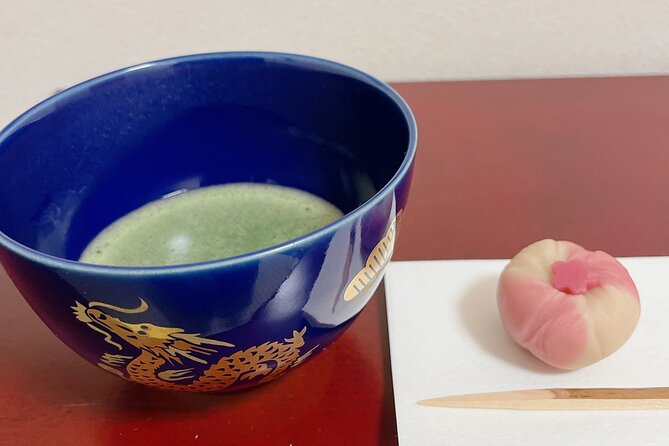
- Make five seasonal wagashi: The exact sweet changes with the season and may be nerikiri, gyuhi, manjyu, or another traditional style.
- Learn tea ceremony as a guest: You sit in a Japanese tatami room and practice the manners and movements expected of a visitor.
- See a charcoal procedure: Charcoal is added to heat the water, a traditional step that is rarely seen even by many people from Japan.
- Whisk your own matcha: You drink two cups of green tea, including one you prepare yourself.
- Take sweets home: After the tasting, you take the remaining four wagashi with you.
- Plan for socks: Socks are required before entering the tatami room, and the class begins at 1:30 p.m. at Azamino Station.
Making seasonal wagashi in a private Yokohama home
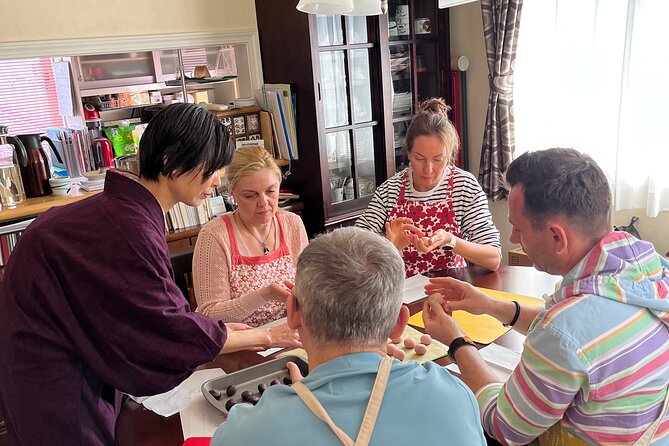
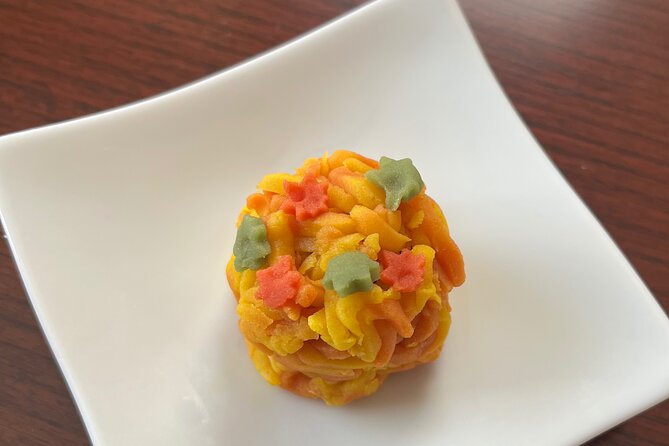
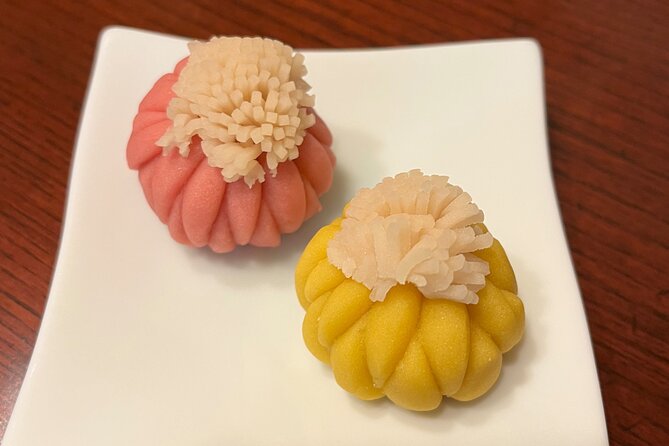
The class begins with wagashi, the elegant Japanese sweets traditionally served with matcha. You work with sweet dough and shape five pieces yourself. The specific recipe depends on the season, so the class has a changing element rather than one fixed dessert lesson.
Possible sweets include nerikiri, gyuhi, and manjyu. Nerikiri is often shaped with careful attention to flowers, leaves, or other seasonal images. Gyuhi has a soft mochi-like texture, while manjyu is another classic Japanese sweet. The provider does not promise one particular type, so you should book this for the hands-on Japanese confectionery lesson rather than for a specific recipe.
This part takes about an hour and a half. That is a useful amount of time because shaping wagashi is not simply a matter of rolling dough into balls. The value comes from learning how the sweet is formed and presented, then seeing how it works with bitter matcha.
You make five pieces. One is used during the tea ceremony, while the remaining four are taken home. The class also includes wagashi and dried Japanese sweets prepared for the tea portion, so you can enjoy sweets alongside both cups of matcha.
The private-home setting matters here. You are not in a large cooking studio moving through a standard demonstration with a crowd. The maximum group size is four, which gives the session a personal feel and leaves room for questions. If you are shy about asking how to shape the dough or wondering if you are doing something correctly, this format should feel less intimidating.
The sweets are likely to be the highlight for children and teenagers. One family brought two 13-year-old boys, and both boys took part in making the dessert and preparing the tea. That makes this a good choice for families who want a cultural activity that keeps younger hands busy instead of asking them to sit quietly for three hours.
A few more Yokohama tours and experiences worth a look

Entering the tatami room and learning the guest’s role
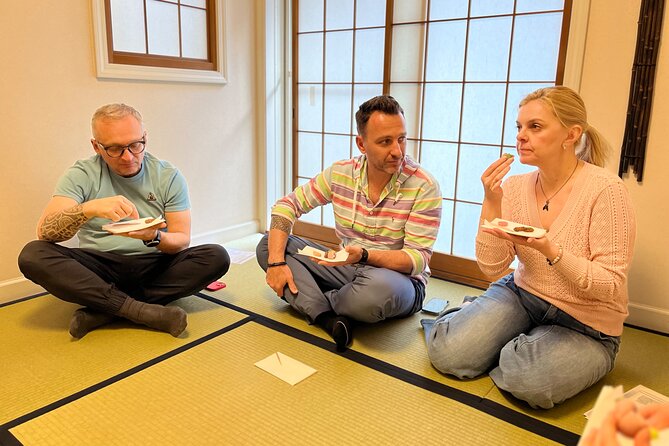
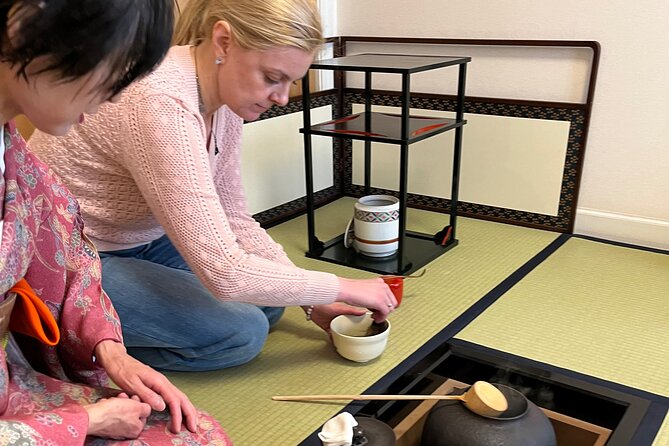
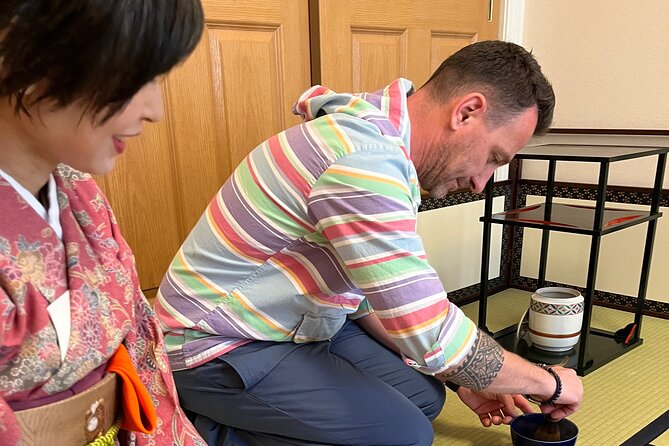
After the wagashi lesson, you move into a traditional tatami room for the tea ceremony. Socks are required, so put on a clean pair before leaving your hotel. This is not a minor packing detail: without socks, you may not be able to enter the room.
The lesson focuses on how to behave as a guest. You learn where to sit, how to receive the tea, and how to eat the wagashi as part of the ceremony. The teacher explains the meaning and background of the ritual, and you can ask questions as the session unfolds.
That guest-focused approach makes the ceremony easier for a first-timer. You do not need to arrive with any prior knowledge, and you do not need to pretend you already understand the etiquette. Ikuyo-san’s friendly manner is especially useful if you feel nervous about making a mistake.
Tea ceremony can look quiet and formal from the outside. The gestures are deliberate, and the room may feel very different from a typical cooking class. Here, the explanations and the practical instruction help connect each action to the larger custom.
You also get to eat the wagashi you have made. This gives the sweets a clear purpose. They are not just a souvenir from a confectionery lesson. They are served before or alongside matcha to balance the tea’s bitter taste and prepare your palate.
The charcoal procedure is the rarest part
One of the most unusual elements is the charcoal procedure. The tea teacher adds charcoal to heat the water, allowing you to see a traditional method rather than only the final preparation of matcha.
Many tea ceremony demonstrations focus on the visible movements of whisking and serving. Seeing how the water is heated adds another layer to the ritual. It shows that the ceremony is not simply a performance with a bowl and a bamboo whisk. The heat, timing, utensils, room, sweets, and guest etiquette all form part of the experience.
This is also the section where the pace may feel slowest. If you want a quick introduction to matcha, you might find the procedure more formal than expected. If you enjoy traditional crafts and customs, the slower rhythm is precisely the point.
The class description calls this a rare experience even for Japanese people. That makes it a strong reason to choose this workshop over a basic matcha tasting, especially if you want something less common than simply drinking green tea in a cafe.
Two cups of matcha, including one you whisk yourself
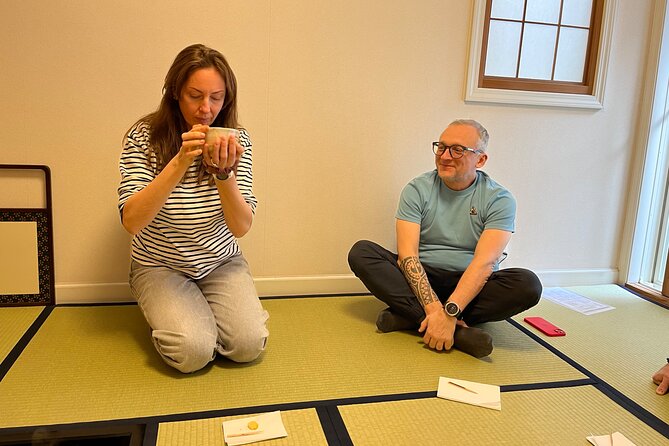
The teacher first makes matcha for you. After watching the procedure and learning how to act as a guest, you get to prepare a cup yourself with a bamboo whisk.
You drink two cups of matcha in total. One is made for you, and the other gives you a chance to take part. The hands-on portion is valuable because matcha preparation can look easy until you try to create the right texture yourself.
The session also includes prepared wagashi and dried Japanese sweets. The information provided describes eating two pieces of wagashi during the tea portion, while the five sweets you make include four to take home after one is used in the ceremony. The exact serving arrangement may depend on the class flow, but you should expect more than a single sip of tea and one tiny bite.
I like this balance between demonstration and participation. You first watch the teacher, then try the same basic action. That keeps the class respectful toward the tradition while still giving you something active to do.
The matcha may be a surprise if you are used to sweetened green tea drinks. Traditional matcha has a strong, grassy taste and can be bitter. The wagashi helps soften it, which is one reason the sweets are an important part of the ceremony rather than an unrelated add-on.
Why the small group size improves the class
The maximum group size is four people. For a tea ceremony, that limit is a real advantage. You can see the teacher’s movements more clearly, ask questions without interrupting a large group, and get direct help when making wagashi or whisking tea.
A small group also suits the private-home setting. The experience is designed around conversation and instruction, not a stage performance. The teacher can adjust explanations for first-time visitors, families, or people who want to ask about the history of tea ceremony.
The class is led by Ikuyo-san. She has practiced tea ceremony since she was young and is described as a certified teacher. The strongest pattern in the available feedback is not one particular technical detail. It is her kindness, bright smile, and ability to make beginners feel at ease.
That personal tone may matter more here than polished production. A tea ceremony can feel intimidating if the teacher treats every movement as a test. Ikuyo-san’s approach appears to be relaxed and welcoming while still explaining the formal side of the custom.



The practical side of meeting at Azamino Station
The meeting point is Azamino Station, at 2 Chome Azamino in Aoba Ward, Yokohama. The class begins at 1:30 p.m. and returns to the meeting point after roughly three hours.
Azamino is in suburban Yokohama, so this is not a walk-in activity from Tokyo’s central districts. You should check your route carefully and leave enough time to reach the station. Pickup is offered, but the supplied information does not specify the exact pickup area or whether it applies to every booking, so confirm that detail before relying on it.
The station meeting point is helpful because you do not have to find an unmarked private address on your own. The activity is also near public transportation. Still, the journey is part of the commitment, and the class is less convenient if your schedule is already packed with central Tokyo sightseeing.
The provider suggests visiting the Yokohama Ramen Museum, about 15 minutes from Azamino Station. That can make a practical pairing, particularly if you want to turn a suburban outing into a fuller half-day. The ramen museum and this home workshop offer very different views of Japanese food culture: one is a public attraction, while the other is a quiet lesson in sweets and tea.
Do not schedule the workshop too tightly against another timed booking. It lasts about three hours, and the pace includes making sweets, moving into the tatami room, watching the charcoal procedure, listening to explanations, and preparing your own tea.
What the $97.55 price includes
At $97.55 per person, this is not a cheap tea stop. You are paying for about three hours of instruction, ingredients for five wagashi, matcha, a private-home setting, a small group, and a formal cultural demonstration.
The price makes more sense if you value personal teaching. A quick matcha tasting may cost less, but it will not usually include confectionery making, guest etiquette, a charcoal procedure, two cups of tea, and sweets to take home.
The four take-home wagashi add practical value, especially if you are comparing this with a cultural performance where you leave with only photographs. The main benefit, though, is the combination of activities. Booking two separate classes for wagashi and tea ceremony would take more time and may cost more.
I would not choose this solely for food quantity. Wagashi are small, carefully made sweets, not a meal. Eat beforehand if you need a full lunch, particularly because the class begins in the early afternoon.
Free cancellation is available when you cancel at least 24 hours before the start time. Cancellations or changes made within 24 hours are not refunded or accepted, so check your sightseeing plans before booking.
Who will enjoy this three-hour cultural class
I would recommend this experience to you if you want a personal introduction to two connected Japanese traditions. It works especially well for first-time visitors because you can begin with no tea ceremony experience and learn the guest’s role step by step.
It is also a strong family option. The wagashi shaping gives children a clear task, and the matcha preparation adds another hands-on moment. The quiet tea ceremony portion may test the patience of very young children, but the small group and friendly teacher should help.
Food-focused visitors will appreciate the seasonal element. Since the recipe changes with the time of year, you may get a sweet that reflects the season rather than a fixed demonstration repeated every day.
This is less suitable if you want a fast, casual activity in central Tokyo, a large group outing, or a substantial meal. It may also feel too formal if you have no interest in etiquette, traditional rooms, or the history of tea ceremony.
Should you book the Azamino wagashi and tea ceremony?
Book it if you want more than a photo opportunity with matcha. You will make seasonal sweets, learn how to receive tea, see charcoal used to heat the water, prepare your own cup, and take wagashi home.
The best reasons to choose it are Ikuyo-san’s personal teaching, the maximum group size of four, and the rare charcoal procedure. Bring socks, allow time to reach suburban Yokohama, and keep the afternoon open for the full three hours.
Skip it if you need a central Tokyo activity or prefer a quick tasting with little instruction. For the right audience, though, the $97.55 fee buys a thoughtful, hands-on look at two traditions that are usually presented separately.
FAQ
Where does the Japanese sweets and tea ceremony class meet?
The meeting point is Azamino Station, 2 Chome Azamino, Aoba Ward, Yokohama, Kanagawa 225-0011, Japan.
What time does the activity start?
The class starts at 1:30 p.m.
How long does the experience last?
The complete wagashi and tea ceremony workshop lasts approximately three hours.
Does the activity end at the meeting point?
Yes. The activity ends back at the meeting point.
Is pickup available?
Pickup is offered, but the available information does not give specific pickup areas. Confirm the details when booking.
How many people can join?
The activity has a maximum of four participants.
Do I need previous tea ceremony experience?
No. The class teaches you how to be a guest at a Japanese tea ceremony, and the supplied information specifically presents it as suitable for people with no prior knowledge or experience.
What should I bring?
You do not need to bring anything for the wagashi lesson. You must bring socks to enter the Japanese tatami room.
How many wagashi will I make?
You will make five pieces of wagashi. One is used during the tea ceremony, and the remaining four are taken home.
How many cups of matcha will I drink?
You can drink two cups of matcha. The teacher prepares one, and you prepare one yourself.
What is included in the price?
Ingredients for making wagashi and matcha are included.
Can I cancel for a full refund?
Yes, if you cancel at least 24 hours before the experience start time. Cancellations made less than 24 hours before the start time are not refunded.
More Tea Ceremony & Matcha in Yokohama
More tours in Yokohama we've reviewed










Tea Ceremony & Matcha, compared.
 ★ 5.0Matcha Making Class in Tokyo with Authentic Japanese Sweets SetFrom $21
 ★ 5.0Kimono Tea Ceremony at Tokyo, Asakusa MaikoyaFrom $55
 ★ 5.0Tokyo: Traditional Tea Ceremony with a Tea MasterFrom $381 hour
 ★ 4.5Dynamic Tokyo: Tokyo Tower, Tea Experience, Bay Cruise Day TourFrom $99
 ★ 4.9Tokyo: Matcha Making Experience with Mochi Sweets in AsakusaFrom $221 hour
 ★ 4.7Tokyo: Matcha and Kimono ExperienceFrom $57