Reviewed · YOKOHAMA
Shuttle Van 6-Hour Tokyo Tour Between Tokyo, Yokohama and Narita
The clever idea here is simple: use a private vehicle to turn a long airport or cruise-port transfer into a quick Tokyo sightseeing day. With pickup available and space for up to five people, you can connect Yokohama, Tokyo, and Narita while seeing major sights instead of sitting in a terminal or hotel.
In This Article
- Key points to know before booking
- A practical Tokyo transfer with sightseeing built in
- Asakusa gives you Tokyo’s old face first
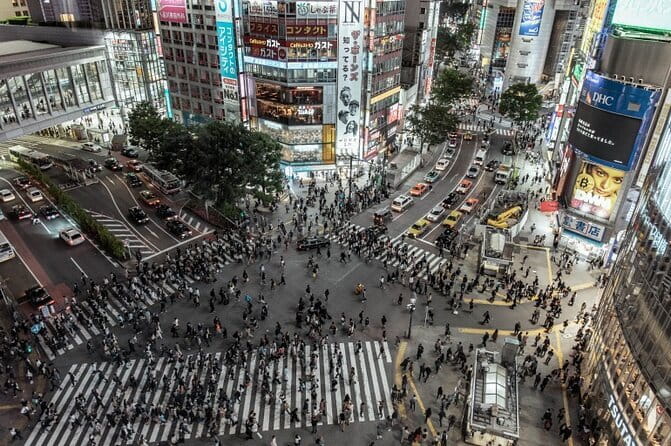
- Shibuya Crossing is a quick city snapshot
- Meiji Shrine adds a quieter pause
- Lunch is flexible, but it is not included
- The Imperial Palace stop depends on the calendar
- Tsukiji is the six-hour plan’s food stop
- Customization is useful, but time remains fixed
- Drivers make the biggest difference
- Four hours or six hours?
- Who gets the best value
- Should you book this Tokyo shuttle tour?
- FAQ
- How long does the Tokyo shuttle tour last?
- How many people can join the private tour?
- Which sights are included in the six-hour plan?
- What is included in the price?
- Is lunch included?
- Is the Imperial Palace garden open every day?
- Can I customize the itinerary?
- Does the driver speak English?
- Can I cancel for a full refund?
I like the door-to-door convenience, especially for cruise passengers with a later flight. I also like the flexible human touch: drivers such as Mr. Kim and Takehira have adjusted routes, walking speeds, shopping stops, and even a train ride to fit the group.
The trade-off is that this is not a traditional guided tour. The driver speaks conversational English rather than fluent English, and six hours goes quickly once you add traffic, lunch, and transfers. You’ll need to keep your schedule moving.
Key points to know before booking
- Built for short Tokyo visits: The route covers Asakusa, Shibuya Crossing, Meiji Shrine, the Imperial Palace area, and Tsukiji in one packed day.
- Useful after a cruise: You can arrange pickup around Yokohama and continue toward an airport, making the service more useful than a basic port transfer.
- Private for up to five people: Your group travels alone, so the driver can adjust the pace and make reasonable itinerary changes.
- Two sightseeing options: Choose the longer six-hour plan or a shorter four-hour version when your flight or port schedule is tight.
- No guide-accompanied sightseeing: The driver provides transport and local information, but you should expect to explore many stops on your own.
- Good for mixed abilities: The pace can be adjusted, and previous arrangements included support for an older group and a passenger with a walking disability.
A practical Tokyo transfer with sightseeing built in
Tokyo is too spread out to see well by simply wandering near an airport or cruise terminal. The major sights sit in different parts of the city, and public transport can be tiring when you have luggage, older relatives, or a flight deadline.
This private shuttle solves that problem in a straightforward way. You are picked up, driven between neighborhoods, given time at each stop, and then taken onward to your next destination. Transportation costs are included, while lunch, incidental spending, and any entrance fees caused by a custom schedule are extra.
The listed price is $446.93 per group of up to five people. That is not a cheap individual excursion, but the calculation changes when you divide it among a family or small group. Five people pay about $89 each before any currency conversion, and you gain a private vehicle plus a transfer service. For two people, the per-person cost is much higher, but the convenience may still make sense on a cruise day.
The service is especially useful when your time is awkward. A later flight gives you several hours between disembarkation and airport check-in, and this plan uses those hours productively. Confirm your exact pickup point and airport when booking, since the experience is designed around transfer needs and the precise route may be adjusted.
If you're still narrowing it down, here are other tours in Yokohama we've reviewed.


Asakusa gives you Tokyo’s old face first
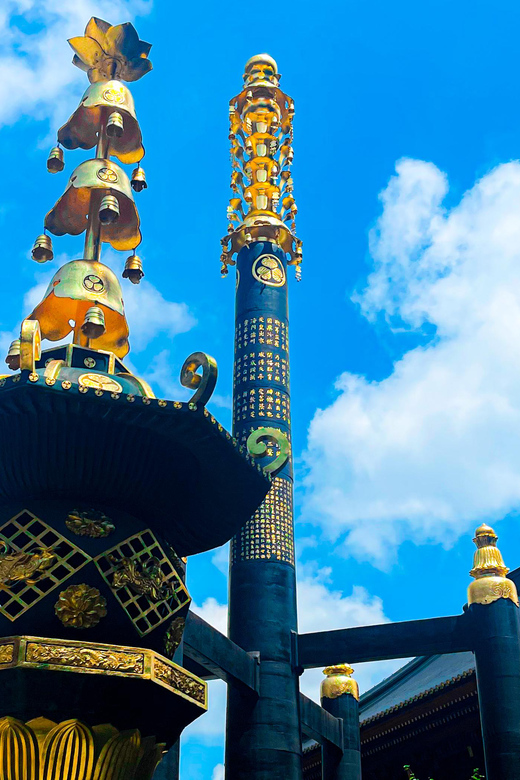
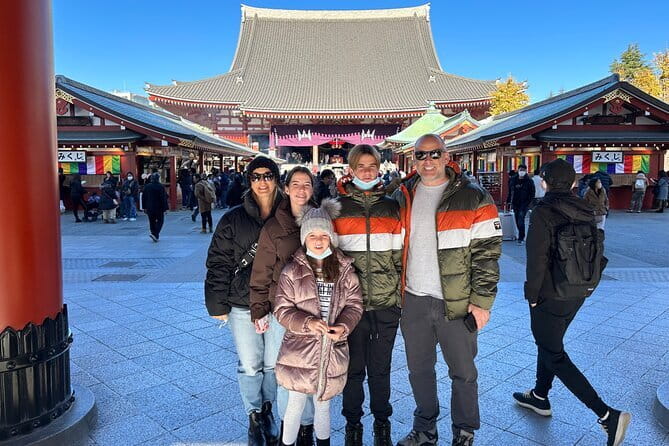
The day begins with about an hour in Asakusa. This is a smart opening stop because it gives you a strong sense of traditional Tokyo before the route shifts to modern districts.
You can walk through the Asakusa area, take in its temple-centered streets, and browse around one of the city’s best-known historic quarters. The stop is not long enough for an unhurried exploration of every lane, shop, and shrine, so I would decide in advance what matters most to you.
The driver’s role here is mainly transport and orientation. Since this is not a fully escorted tour, you should be comfortable leaving the van and exploring independently. That keeps the price lower, but it also means you will not have a guide beside you at every turn.
For families, older relatives, or anyone with limited walking stamina, the private drop-off is valuable. You can agree on a meeting point and avoid the strain of navigating several train changes right at the start of the day.
Shibuya Crossing is a quick city snapshot
The itinerary allows about 30 minutes at Shibuya Crossing. That sounds brief, but the stop is meant to give you the classic Tokyo city experience rather than a long neighborhood visit.
You can watch the famous crossing, take photographs, and get a feel for the scale and energy of Shibuya. The short stop works well for first-time visitors who want to see the district without spending half the day there.
It can feel rushed if you want shopping, cafés, viewpoints, and the crossing itself. If Shibuya is your main priority, ask about replacing another stop or changing the timing. The tour allows customization, although you should remember that every extra request takes time from somewhere else.
This is one place where clear communication matters. The driver has conversational English and good communication skills, but not fluent English. Write down your priorities before the day begins, and use the pickup time and meeting place as simple reference points.
Meiji Shrine adds a quieter pause
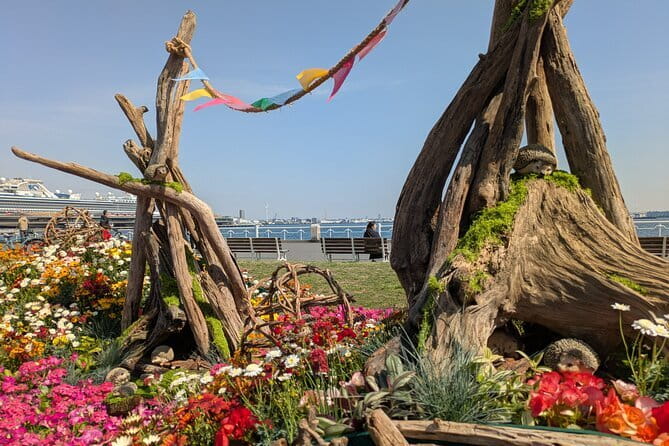
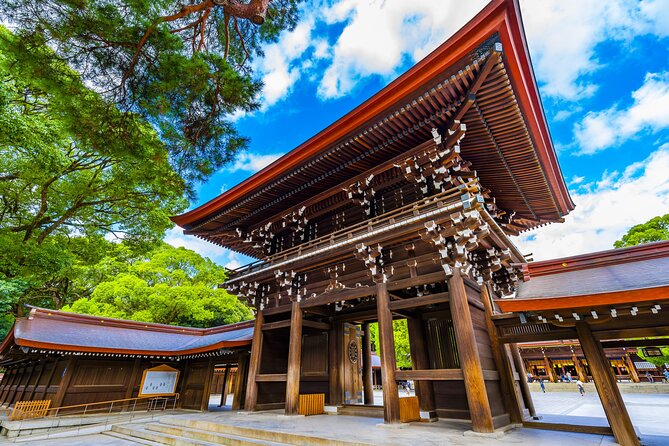
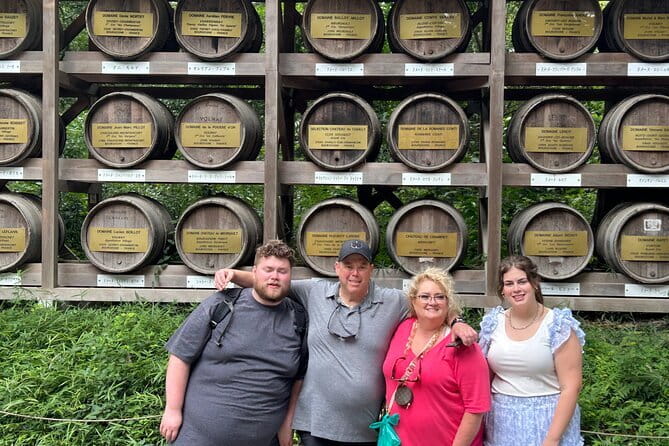
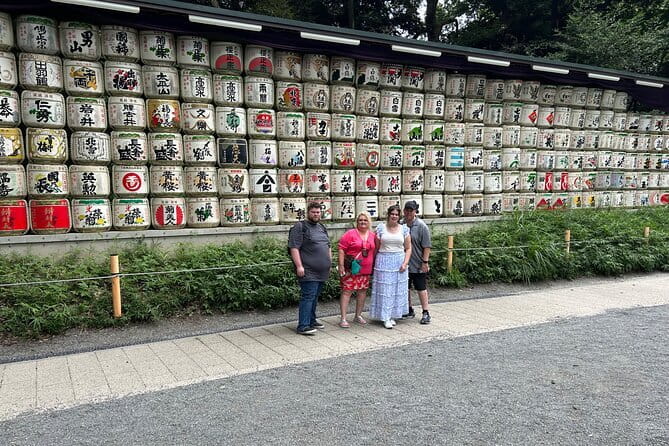
The six-hour plan includes about 45 minutes at Meiji Jingu Shrine. This stop changes the mood after the crowded streets of Shibuya.
You will have time to walk through the shrine grounds and see an important religious site in central Tokyo. The contrast is the point: within a short drive, you move from one of the world’s best-known urban crossings to a calm wooded shrine setting.
Forty-five minutes gives you a useful introduction, but not a long, reflective visit. You may need to keep walking steadily, especially if the group wants to stay on schedule for lunch and the remaining stops.
Meiji Shrine is removed from the four-hour plan. If you choose the shorter option, you lose this quieter side of Tokyo along with Tsukiji. That makes the six-hour plan much better for a first visit, while the four-hour version suits a tight connection or a group that has already seen some of the city.
Lunch is flexible, but it is not included
The longer plan sets aside one hour for lunch. Food is not included, so you pay for your own meal and should not treat this as a restaurant tour.
The advantage is freedom. You can choose something that suits your group instead of accepting a fixed menu or a rushed meal selected by someone else. The disadvantage is that a full restaurant experience can consume the entire hour, especially if the group has different preferences.
I would keep lunch simple. This is a sightseeing and transfer day, not the time for a long, elaborate meal. If you have dietary needs or want a particular type of food, mention it early so the driver can help shape the route.
Because Tokyo traffic can affect the schedule, lunch is also a useful place to avoid overplanning. You want enough time to reach the final stop and airport without turning the last part of the day into a race.


The Imperial Palace stop depends on the calendar

The East Gardens of the Imperial Palace, including the Edo Castle ruins, receive about 70 minutes in the six-hour itinerary. This is one of the more rewarding stops for visitors interested in Tokyo’s past.
The gardens occupy part of the former Edo Castle grounds, so you get a look at the city’s historical foundations rather than only its modern shopping streets. The old stonework and open grounds offer a different kind of sightseeing from Asakusa’s temple district.
There is one important scheduling rule: the East Gardens are closed on Mondays and Fridays. If your tour falls on one of those days, a replacement stop is offered. Ask what the replacement will be when you book or before pickup, since the substitute affects the character of your day.
The Imperial Palace area can also involve walking, so tell the driver if your group needs a slower pace or shorter distances. The private format makes this easier than a fixed group excursion, and one previous arrangement was adjusted around a walking disability.
The four-hour plan includes this stop, which makes it a useful choice if historic Tokyo matters more to you than Meiji Shrine or Tsukiji. You will still need to accept a quick pace.
Tsukiji is the six-hour plan’s food stop
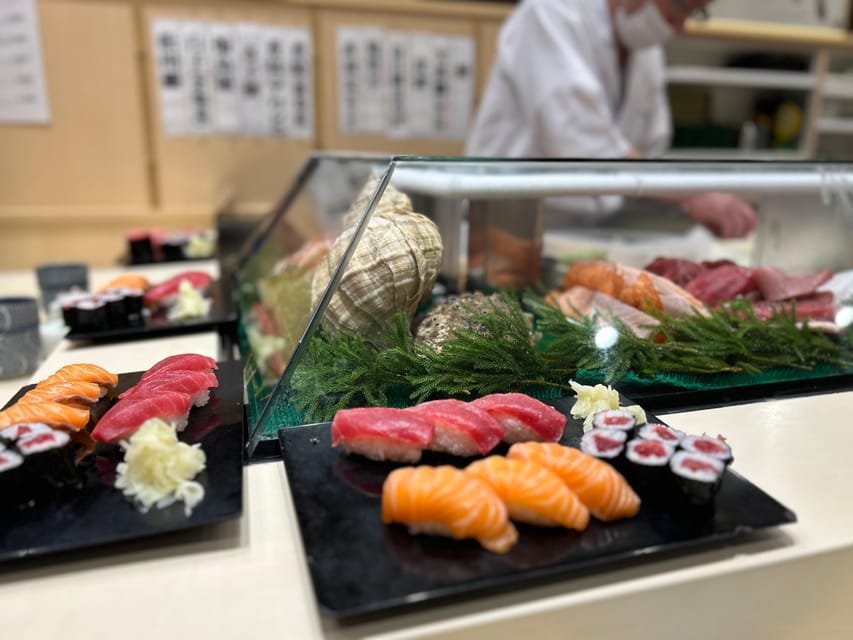
The final listed sightseeing stop is Tsukiji Fish Market, with about 45 minutes allowed. The market area is a good place to see Tokyo’s food culture and browse its many shops and stalls.
Do not expect an extended market morning. Forty-five minutes is enough for a look around and perhaps a snack or small purchase, but it is not enough for a leisurely meal, broad shopping trip, and detailed exploration.
Tsukiji is excluded from the four-hour option, along with Meiji Shrine. That is the clearest reason to select six hours if this is your first Tokyo visit and you want a broad sampler of the city.
You should also keep your luggage and onward travel in mind. A market stop can create extra bags and extra delay, so make sure you know where your belongings will remain during the visit and how much time you have before airport drop-off.
Customization is useful, but time remains fixed
The standard route is well chosen for a first look at Tokyo: traditional Asakusa, modern Shibuya, Meiji Shrine, the Imperial Palace, and Tsukiji. Still, you can replace these stops with other places if your priorities differ.
The private setup has real value here. One group used the service for shopping requests, and the driver took them directly to what they wanted. Another group added a train ride to its plans. Those examples show that the vehicle can be more than a fixed sightseeing loop.
Customization does not create extra hours. If you add a shopping destination, a train ride, or a longer visit at one attraction, you may need to remove another stop. Tell the operator your must-see place and your flight or ship deadline, then let the route be built around those limits.
You should also confirm whether a custom stop has an entrance fee. The listed sights are free of charge, but admission fees created by a customized schedule are not included.
Drivers make the biggest difference
The driver cannot provide the same fluent commentary as a dedicated English-speaking guide. You should book this for transport, local orientation, and practical help, not for long lectures at every monument.
That said, the drivers bring useful strengths. Mr. Kim has tailored routes to walking pace and transfer times, while Takehira has been early for a cruise disembarkation, driven carefully, and handled requested destinations. The service also has a strong record of friendly communication before and during the day.
I would send your preferred stops, mobility needs, child-seat requirements, and final destination in writing. Child seats for children aged one to two and junior seats for children aged three to four can be requested, but you need to provide the details in advance.
Service animals are allowed, and most people can participate. The private format gives you more control than a large group bus, although you should still expect walking at several stops.
Four hours or six hours?
The four-hour plan includes:
- Asakusa, about one hour
- Shibuya Crossing, about 30 minutes
- The East Gardens of the Imperial Palace, about 70 minutes
The six-hour plan adds Meiji Shrine, lunch, and Tsukiji. The longer option is the better fit for a first Tokyo visit, especially if you want more than a photo stop and have a comfortable gap before your flight.
The four-hour version makes sense when your airport deadline is close, your cruise arrives late, or you have already visited Tokyo and want only a few selected areas. It is also easier for an older group that may tire during a full sightseeing day.
The total experience is described as roughly seven to eight hours, even though the sightseeing plan itself is six hours. That extra time likely reflects pickup, driving, transfers, and the movement between districts. Build in a cushion and do not schedule a flight too tightly after the stated tour end.
Who gets the best value
I would recommend this service most strongly to a group of three to five people arriving by cruise ship in Yokohama and flying later from Tokyo or the surrounding airport area. Shared costs make the private van more reasonable, and you avoid arranging separate port transport, sightseeing, and airport travel.
It is also a good fit for parents in their 80s, families with young children, and people who want to avoid Tokyo’s train system for one demanding day. The flexible pace and direct vehicle access can matter more than having a formal guide.
Solo visitors and couples should compare the price with regular public transport or a smaller tour. The private vehicle may still be worth it for luggage, mobility, or a complicated transfer, but the per-person value is weaker.
The service is less suitable if you want long guided explanations, a relaxed visit at each attraction, or a specialist tour focused on food, architecture, or Japanese history. Its strength is coverage and convenience.
Should you book this Tokyo shuttle tour?
Book it if your Tokyo time is squeezed between a Yokohama cruise arrival and a later flight, especially if you are traveling with several people. The private van, flexible route, careful driving, and willingness to adjust for walking needs give you a practical way to see several major districts without managing luggage and train connections.
Choose the six-hour plan for your first visit, and choose four hours only when your schedule or energy level demands it. Before booking, confirm the pickup point, airport, timing, replacement plan for a Monday or Friday Imperial Palace visit, and any child-seat or mobility needs.
Skip it if you want a full-time English-speaking guide or a slow, detailed look at each neighborhood. For a short transfer day, though, this is a smart use of limited time and a stronger option than a basic cruise-to-airport ride for a small group.
FAQ
How long does the Tokyo shuttle tour last?
The experience lasts approximately seven to eight hours overall. The sightseeing options include a four-hour plan and a six-hour plan, with additional time needed for pickup, driving, and transfers.
How many people can join the private tour?
The price covers one private group of up to five people. Only your group participates in the activity.
Which sights are included in the six-hour plan?
The six-hour plan includes Asakusa, Shibuya Crossing, Meiji Jingu Shrine, a one-hour lunch break, the East Gardens of the Imperial Palace, and Tsukiji Fish Market.
What is included in the price?
Transportation expenses are included. Lunch, incidental charges, and entrance fees required by a customized schedule are not included.
Is lunch included?
No. The itinerary allows one hour for lunch on the six-hour plan, but you pay for your own meal.
Is the Imperial Palace garden open every day?
The East Gardens of the Imperial Palace are closed on Mondays and Fridays. A replacement stop is offered when they are closed.
Can I customize the itinerary?
Yes. You can replace listed sightseeing stops with other destinations. Customization may involve entrance fees, and adding stops means you may need to shorten or remove other visits.
Does the driver speak English?
The driver may not speak fluent English, but the service states that drivers have conversational English communication skills and strong knowledge of Tokyo.
Can I cancel for a full refund?
You can receive a full refund if you cancel at least 24 hours before the experience start time. Cancellations or changes made less than 24 hours in advance are not accepted for a refund, and poor weather may result in a different date or a full refund.
More tours in Yokohama we've reviewed








Yokohama, compared.
 ★ 5.0Tokyo 8hr Private Tour with Licensed Guide from YokohamaFrom $201
 ★ 4.9Daikoku & Tokyo Private JDM Tour by 700HP R34 GT-RFrom $611
 ★ 5.0Shuttle Van Transfer, Yokohama(Port)⇒Tokyo, Narita, Haneda, TDRFrom $122
 ★ 4.9Tokyo Drift: Daikoku Parking Area JDM Car Culture Tour大黒From $80
 ★ 5.0Japanese Tea Ceremony at Private Home in Yokohama, suburban TokyoFrom $52
 ★ 5.0Tokyo Full Day Tour with Licensed Guide and Vehicle from YokohamaFrom $854