Reviewed · TEA CEREMONY & MATCHA
Japanese Tea Ceremony at Private Home in Yokohama, suburban Tokyo
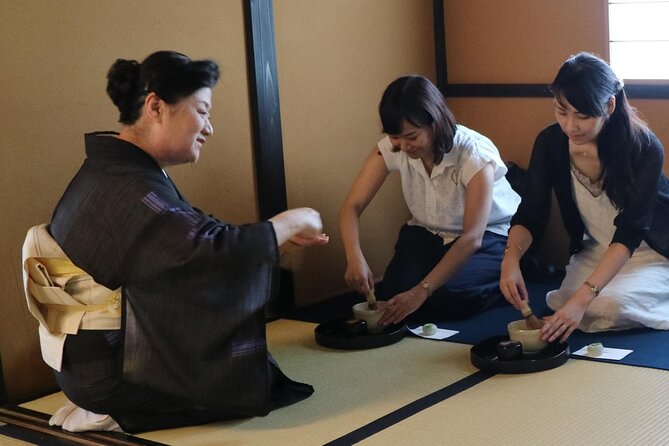
The unusual part of this experience is not simply drinking matcha. You enter a private Japanese home in Yokohama and sit in a traditional tatami tea room, where a tea master with more than 40 years of study shows you how the ceremony works. I like the rare charcoal procedure, and I like that you prepare matcha yourself instead of only watching.
In This Article
- Key points at a glance
- Entering a real tatami tea room in Yokohama
- Watching the charcoal procedure before the tea
- Tasting seasonal wagashi with your tea
- Making your own matcha instead of only watching
- Learning the guest’s role in tea ceremony
- Why the private setting changes the experience
- Getting to Azamino from Tokyo or Yokohama
- Is $52.71 a fair price?
- Who will enjoy this tea ceremony most
- Booking ahead and keeping your plans flexible
- My verdict on the Yokohama tea lesson
- FAQ
- Where does the tea ceremony take place?
- How long does the experience last?
- What happens during the tea ceremony?
- How much matcha can I drink?
- What sweets are included?
- Do I need to bring anything?
- Can I cancel the booking?
The handmade wagashi changes with the season, and the small setting leaves room for questions. The main consideration is location: this is in suburban Yokohama, not central Tokyo, so you need to allow time to reach the meeting point in Aoba Ward. Socks are also required on the tatami.
Key points at a glance

- A private-home setting: You take part in the ceremony inside a Japanese home rather than in a large commercial venue.
- A rare charcoal procedure: The tea master adds charcoal to heat the water, a process even many Japanese people seldom see.
- Two bowls of matcha: You watch the preparation, then mix matcha yourself and drink your own bowl.
- Seasonal handmade wagashi: Sweets may include nerikiri, gyuhi, or manjyu, with vegan and gluten-free options listed.
- A personal lesson: The tea master explains tea ceremony history and answers your questions during the 90-minute session.
- A suburban Yokohama location: The meeting point is near Azamino, with public transportation nearby and pickup offered.
Entering a real tatami tea room in Yokohama
This experience gives you a look at tea ceremony as a practiced part of Japanese culture, not just a staged demonstration for passing groups. The setting is a private home in Ōbachō, in Yokohama’s Aoba Ward, near Azamino.
That setting matters. A formal tea room can feel mysterious if you only see it from the outside. Here, the tea master explains what you are seeing and how you should behave as a guest. You sit on tatami, watch the movements closely, and learn the meaning behind the order of the ceremony.
You should bring clean socks. Shoes are removed before entering the tatami room, and the instructions specifically ask you to wear socks. This is a small detail, but it is worth handling before you leave your hotel. You do not want to arrive ready for Japanese culture with bare feet and an apologetic smile.
The activity lasts about 1.5 hours. That is long enough for a proper introduction without taking up half your day. You get an explanation, a demonstration, sweets, two servings of matcha, and time for questions.
A few more Yokohama tours and experiences worth a look
Watching the charcoal procedure before the tea

The most unusual element is the charcoal procedure. The tea master adds charcoal to heat the water used for tea. Many visitors see the whisking of matcha but never see how the heat is prepared in a traditional setting.
The procedure helps you understand that tea ceremony is not just a quick cup of green tea. It is a carefully arranged sequence involving heat, utensils, sweets, movement, and attention. The charcoal also gives the demonstration a practical side. You are seeing how the tea is made, not only learning rules from a speech.
The tea master performs the procedure first. During this part, you can concentrate on the order of events and on how the room is used. If you have questions, ask them. The session is designed as a lesson, and the teacher explains the history of Japanese tea ceremony as part of the visit.
This may suit you especially well if you enjoy understanding the reason behind customs. If you only want a fast taste of matcha, the 90-minute format may feel more formal than necessary. If you want context and a chance to ask questions, the length works in your favor.
Tasting seasonal wagashi with your tea
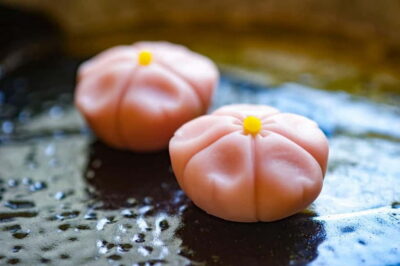
The sweets are an important part of the experience, not a small snack added at the end. The tea master prepares handmade wagashi, which can include nerikiri, gyuhi, or manjyu depending on the season. Dried Japanese sweets are also provided.
Wagashi balances the bitter, grassy taste of matcha. You eat the sweet before drinking the tea, so the flavor of the green tea becomes easier to appreciate. The pairing also shows how Japanese tea ceremony brings food, season, and presentation together.
Seasonal choice gives the session a changing quality. You might receive a soft nerikiri shaped for the time of year, or a chewy gyuhi made with mochi. The exact sweet is not fixed, so you should treat that as part of the experience rather than expect a particular item.
The food is listed as suitable for vegan and gluten-free diets. Still, if you have a serious allergy or strict dietary requirement, confirm the ingredients before the session. The available information identifies the options as suitable, but it does not give a full ingredient list.
Making your own matcha instead of only watching

After the tea master demonstrates the ceremony, you get to make matcha yourself. You mix the powdered tea and drink the bowl you prepared. In total, you can drink two cups of matcha, one made for you during the demonstration and one made by you.
That hands-on step is one of the best reasons to choose this activity. Watching a practiced tea master can be graceful, but it can also make the process look easier than it is. When you hold the whisk and mix the tea yourself, you gain a better sense of the technique and the care involved.
Do not worry about producing a perfect bowl. The point is to learn the basic action and enjoy the taste. The tea master can guide you through the process, and the private format gives your group room to ask for help.
Matcha has a distinct flavor, with a bitter edge that differs from ordinary brewed green tea. The wagashi is there for a reason. Eat it as instructed, then sip the tea and notice how the sweet and bitter flavors work together.
Learning the guest’s role in tea ceremony

The lesson focuses not only on preparing tea but also on how to be a guest. You learn how to enter the tatami room, how to take part in the sequence, and how to receive the tea and sweets.
This is useful because tea ceremony has its own manners. You are not expected to arrive already knowing them. The tea master demonstrates the steps first, then gives you the chance to follow along.
The session also covers the history of tea ceremony. The exact depth of the historical talk depends on your questions and the pace of your group, but the activity is built around explanation rather than silent observation.
The teacher has studied traditional tea ceremony for more than 40 years and has taught students for more than 15 years. That background gives the lesson a serious foundation. At the same time, the private-home format keeps the encounter personal. The Kono family is identified in the available response, and the warm exchange with a family group suggests that the visit can include conversation beyond the formal ceremony.
If you are visiting Japan with children, the private format may be more forgiving than a large group class. One response specifically refers to a family that attended with a baby. That does not guarantee that every age group will find the session easy, but it shows that the home setting has accommodated a young family.
Other private tours in Yokohama




Why the private setting changes the experience

A tea ceremony in a private home gives you something a purpose-built tourist venue cannot always provide: a sense of ordinary domestic Japan alongside the formal tradition. The ceremony takes place in a special tatami room, but the surrounding setting is still a home.
That contrast is valuable. Japanese culture is not limited to temples, castles, and famous streets. You also encounter it through family homes, food prepared by hand, and an instructor sharing a skill practiced over decades.
The tradeoff is that a private home may feel less polished or predictable than a dedicated attraction. You should expect a personal lesson, not a large visitor center with a gift shop, multilingual signage, or a long menu of scheduled activities. The information provided does not promise a specific language, so if language support is important to you, ask before booking.
Because only your group participates, you do not have to compete with a crowd for the teacher’s attention. You can ask about utensils, sweets, history, manners, or the charcoal. That private access is a major part of the price.
Getting to Azamino from Tokyo or Yokohama

The meeting point is at Dresse Azamino Gardens in Ōbachō, Aoba Ward, Yokohama, postal code 225-0023. The activity is near public transportation, and pickup is offered, but you should confirm the exact pickup arrangement when you book.
Azamino is in suburban Yokohama, so this is not a quick central-Tokyo stop. Plan the route carefully and allow extra time for finding the meeting point. The experience itself is only 90 minutes, and arriving late could cut into the demonstration and hands-on portion.
The location can work well if you are already visiting northern Yokohama or staying nearby. It can also be paired with other Yokohama activities if you are willing to make the trip across the city.
The suggested nearby add-on is the Shin-Yokohama Ramen Museum. From Azamino Station, the closest Shin-Yokohama station is about 15 minutes by Yokohama subway. The museum is not part of the tea ceremony, and you need to arrange your own visit, but the pairing makes sense: tea ceremony for careful tradition, ramen for a more casual food experience.
Do not book this activity on the assumption that it is next door to Tokyo’s main sights. Its suburban location is part of its character, but it also requires planning.
Is $52.71 a fair price?

At $52.71 per person, this is not the cheapest way to drink matcha in Japan. You can find green tea in many cafés for far less.
That comparison misses what you are paying for. The fee covers a private 90-minute lesson, the tea master’s instruction, handmade wagashi, dried sweets, the charcoal procedure, historical explanation, and two bowls of matcha. You also get a chance to prepare the tea yourself.
The value is strongest if you want cultural instruction and personal attention. A short café visit may give you a drink, but it will not usually explain how to behave as a tea guest or show you the process of heating the water with charcoal.
The value is weaker if you are looking only for a quick photograph or a single taste of matcha. The ceremony has rules and a measured pace. You need to be willing to sit, watch, listen, and follow instructions.
The private format also matters for families and small groups. You are paying for an experience reserved for your group rather than joining a large class. The supplied information does not state a maximum group size, so confirm that point if you are traveling with a larger party.
Who will enjoy this tea ceremony most
I would choose this for you if you have a real interest in Japanese customs, food, and traditional arts. It is also a good fit if you prefer meeting a local family in a home rather than visiting another major attraction.
The experience should appeal to:
- First-time visitors who want an introduction to tea ceremony
- Couples and small groups who want a private activity
- Families interested in a calm cultural lesson
- People who enjoy handmade food and seasonal details
- Visitors curious about the difference between watching a ritual and taking part in it
- Anyone with vegan or gluten-free dietary needs, provided the ingredients are confirmed in advance
You may want to skip it if you dislike formal settings, sitting on tatami, or following unfamiliar manners. The session is not designed as a loud, fast entertainment stop. It asks for attention and patience.
The available information does not specify accessibility details, such as tatami seating arrangements or step-free access. If mobility is a concern, ask the provider before booking.
Booking ahead and keeping your plans flexible
This experience is commonly booked about 38 days in advance, so do not leave it until the last minute if the date matters to you. Confirmation is sent within 48 hours of booking, subject to availability.
Free cancellation is available until 24 hours before the start time. If you cancel later, you do not receive a refund, and changes made inside that 24-hour window are not accepted. The cut-off follows local Yokohama time.
That policy is fairly friendly, but your transport plan still deserves care. The meeting point is outside the center, and a delayed train or confusing transfer can matter more during a short activity than during a full-day tour.
My verdict on the Yokohama tea lesson
I like this experience because it gives you more than a ceremonial cup. You see the charcoal procedure, taste handmade seasonal wagashi, learn the role of the guest, and prepare your own matcha. Those details make the session feel like a lesson in a living tradition rather than a simple tasting.
The main drawback is the suburban location. You need to spend time reaching Aoba Ward, and the formal tatami setting will not suit everyone. But if you are happy to leave central Tokyo for a quieter part of Yokohama, the $52.71 price buys a focused private session with an experienced teacher and a personal connection to Japanese home life.
I would book it if your Japan plans have room for one slower, more thoughtful activity. Bring socks, arrive on time, and ask questions. If you do not care about ceremony or have only a spare hour near central Tokyo, choose something closer and less structured.
FAQ
Where does the tea ceremony take place?
It takes place at a private Japanese home in Ōbachō, Aoba Ward, Yokohama, near Azamino. The listed meeting point is Dresse Azamino Gardens, postal code 225-0023.
How long does the experience last?
The workshop lasts approximately 1 hour and 30 minutes.
What happens during the tea ceremony?
The tea master demonstrates the ceremony, shows the charcoal procedure for heating the water, explains the history of tea ceremony, serves matcha and sweets, and lets you prepare matcha yourself.
How much matcha can I drink?
You can drink two cups of matcha. The tea master prepares one, and you prepare the other yourself.
What sweets are included?
Handmade seasonal wagashi and dried Japanese sweets are included. Possible wagashi types include nerikiri, gyuhi, and manjyu.
Do I need to bring anything?
You need to bring socks to enter the tatami room. Matcha and wagashi are included.
Can I cancel the booking?
You can cancel for a full refund up to 24 hours before the experience starts. Cancellations or changes made less than 24 hours before the start time are not accepted and are not refunded.
More Private Tours in Yokohama
More Tea Ceremony & Matcha in Yokohama
More tours in Yokohama we've reviewed









Tea Ceremony & Matcha, compared.
 ★ 5.0Matcha Making Class in Tokyo with Authentic Japanese Sweets SetFrom $21
 ★ 5.0Kimono Tea Ceremony at Tokyo, Asakusa MaikoyaFrom $55
 ★ 5.0Tokyo: Traditional Tea Ceremony with a Tea MasterFrom $381 hour
 ★ 4.5Dynamic Tokyo: Tokyo Tower, Tea Experience, Bay Cruise Day TourFrom $99
 ★ 4.9Tokyo: Matcha Making Experience with Mochi Sweets in AsakusaFrom $221 hour
 ★ 4.7Tokyo: Matcha and Kimono ExperienceFrom $57