Reviewed · TSUKIJI MARKET TOURS
Tsukiji and Asakusa Food and Drink Cultural Walking Tour (Half day)
Tsukiji and Asakusa make a smart pairing: one is Tokyo’s great food market, the other is a traditional district of temples, shops, and sweets. Over five and a half hours, you’ll eat your way through both, with tastings that can add up to lunch. Fresh tuna, sushi, sake, tea, omelette, and fried fish cakes give you a broad look at Japanese food rather than one oversized restaurant meal.
In This Article
- Key points to know
- Why Tsukiji and Asakusa work so well together
- Meeting at Tsukiji Hongwanji Temple at 8:15 am
- Tsukiji Jogai Market: eating through the outer market
- What the tastings mean for lunch
- The guide makes the difference at Tsukiji
- Walking from Tsukiji toward Asakusa
- Senso-ji Temple and Asakusa sweets
- Is $164 a fair price?
- Who should book this walking tour?
- Should you book Tsukiji and Asakusa?
- FAQ
- Where does the tour begin?
- Where does the tour end?
- How long does the experience last?
- What food and drinks are included?
- Can someone under 20 drink the included sake?
- What happens if I arrive late or cancel on the day?
I like the small-group format, capped at 20 people, and the way the tour connects food with daily life, shopping, temples, and local customs. Guides such as Naoko, Hiro, Meiko, Yoko, Sayo, Asaka, Tak, and Yuriko have been praised for being friendly, clear, and helpful. The main drawback is that food quality and selection depend on the day, season, and vendor availability, so one person’s excellent tasting can be another person’s ordinary snack.
Key points to know
- Tsukiji starts early: Meet at Tsukiji Hongwanji Temple at 8:15 am, ready for a busy morning market walk.
- The tastings form a meal: Expect Japanese omelette, dried bonito, tea, tuna, fried fish cakes, sake, sushi, and more, with menus changing by season.
- You visit the outer market, not a wholesale auction: The focus is on the roughly 400 shops of Tsukiji Jogai Market and the food culture around them.
- Asakusa adds a different side of Tokyo: You’ll see Kaminarimon, Nakamise Shopping Street, Senso-ji Temple, and a cafe serving Japanese sweets.
- Bring walking shoes and an appetite: The route lasts about 5 hours 30 minutes and includes several hours on foot.
- The price is easiest to justify for first-time visitors: At $164 per person, you pay for a guide, many tastings, cultural context, and a ready-made route, not just a market stroll.
Why Tsukiji and Asakusa work so well together

Tokyo can feel hard to read at street level. A market stall may sell a food you cannot identify, a shop may cater mostly to restaurant cooks, and a temple district may have customs you do not want to handle clumsily. This tour gives you a useful bridge into both places.
Tsukiji shows the practical side of Japanese food. Asakusa shows the ceremonial and traditional side. You begin with ingredients, vendors, and quick bites, then finish with sweets, temples, and an old shopping street. That change of mood keeps the morning from feeling like five straight hours of market browsing.
I especially like this combination if you have just arrived in Tokyo. The guide can explain what you are eating as you go, point out items worth noticing, and offer practical ideas for the rest of your trip. You are not left trying to decode every menu or decide which stall deserves your time.
The route is not designed as a restaurant crawl. It is a cultural walk with food at its center. That distinction matters. You will sample several things in small portions, move through market lanes, pause to eat and rest, and continue toward Asakusa.
A few more Tokyo tours and experiences worth a look

Meeting at Tsukiji Hongwanji Temple at 8:15 am
The tour begins in front of the gate of Tsukiji Hongwanji Temple at 8:15 am. This is a practical meeting point, since the temple is easy to identify and places you right beside the market area.
The opening temple stop lasts about 15 minutes. You get a quick introduction before heading toward the food stalls, rather than spending the whole morning on formal sightseeing. The temple also gives the tour a calm starting point before the market’s tighter lanes and constant activity.
Arrive on time. The experience cannot be extended for late arrivals, and there is no refund for arriving late on the day. Your meeting-point transportation is also your responsibility, so allow extra time for finding the correct gate and getting through Tokyo’s transport system.
Tsukiji Jogai Market: eating through the outer market

The main part of the experience takes place in Tsukiji Jogai Market, the outer market area known for seafood, cooking ingredients, kitchen goods, and specialty food shops. The route explores around 400 shops, so the guide matters here. Without help, it is easy to wander past an interesting stall without knowing why it matters.
Tsukiji has long been a place where restaurant cooks shop for high-quality ingredients. The tour uses that setting to explain Japanese food traditions in a direct way. Instead of only looking at seafood behind a counter, you taste several foods and learn how they fit into Japanese meals and food customs.
The listed tastings include:
- Japanese-style omelette
- Dried bonito
- Japanese tea
- Fresh tuna
- Fried fish cakes
- Sake
- Sushi
These are not random samples. Together, they show different parts of Japanese food: sweet and savory seasoning, preserved ingredients, seafood, prepared snacks, tea, rice, and alcohol. You also get a better sense of texture, since Japanese food culture places as much weight on mouthfeel and preparation as it does on flavor.
The menu can change with availability and season. That is normal for a market tour, but it is worth understanding before you book. You should not expect every item to appear exactly as listed on every date. A stall may be out of a particular food, or a featured shop may offer a different sample.
One food stop may also feel less polished than another. The market is a working shopping district, not a dining room built for tour groups. A shop could be sold out, crowded, or offering a simpler experience than you expected. One tasting has even been affected by an omelette shop with no eggs available. That kind of day can happen in a fresh market, but it also explains why this tour is better for curious eaters than for people demanding a fixed gourmet menu.
What the tastings mean for lunch
The food is intended to add up to lunch. That makes the $164 price easier to assess, since you are not paying for a walk and then buying a separate meal immediately afterward. Still, the experience is based on multiple samples rather than one large sit-down lunch.
You should arrive hungry, but not so hungry that you need a full meal at the start. The route includes several food stops and also gives you points to sit, eat, and rest. That balance is useful because the morning involves plenty of walking and standing.
Sake is included for those old enough to drink. Japan’s legal drinking age is 20, and another drink is prepared for anyone under 20. If you do not drink alcohol, check what the substitute is on the day, since the supplied details only confirm an alternative for those under the drinking age.
The tastings are also a good reason to speak up. If you see something you want to try beyond the planned samples, guides such as Hiro have helped direct people toward extra foods. Any food or drink outside the included offerings is your own expense.
The guide makes the difference at Tsukiji

A market can be visited independently, and Tsukiji is accessible to anyone who wants to browse. The value of joining this experience comes from having someone select a path, explain the foods, and keep the morning moving.
Several guides have been singled out for their friendly manner and clear English. Naoko has been described as warm and highly informed about the area. Hiro brings enthusiasm to Japanese food and culture, while Yoko has been praised for a polite, detailed approach and a family-friendly manner. Other named guides include Meiko, Tak, Sayo, Asaka, and Yuriko.
You should not assume which guide you will have. The useful point is that the experience depends heavily on the individual leading your group. A strong guide turns a tray of sushi or a slice of omelette into a lesson about ingredients and habits. A less food-focused guide may provide a thinner explanation, particularly if you already know Japanese cuisine well.
The group maximum is 20 people. That is not a private tour, but it is small enough for the guide to manage tastings and keep the group together. A smaller group may also make it easier to get close to a stall or ask questions without holding up the route.
A few more Tokyo tours and experiences worth a look


Walking from Tsukiji toward Asakusa

After the market portion, the tour moves to Asakusa, one of Tokyo’s best-known traditional districts. The change gives your morning a second subject. You move from seafood and market ingredients to old streets, temple grounds, shopping, and sweets.
The Asakusa Culture Tourist Information Center is included as a brief stop. The building is described as beautiful, but the visit lasts only about 10 minutes, so treat it as a quick orientation point rather than a full architectural tour.
From there, you reach Kaminarimon and Nakamise Shopping Street. Nakamise is known as Tokyo’s oldest shopping street, and its approach to Senso-ji is lined with shops selling snacks, souvenirs, and traditional goods. This is a good place to notice how food and shopping overlap in Japanese temple districts.
You may have a little time for shopping, but this is not primarily a shopping tour. The group has a fixed route and a scheduled ending, so save major purchases for later unless you are comfortable carrying them for the rest of the day.
Senso-ji Temple and Asakusa sweets

The tour passes through Senso-ji Temple, the largest temple on the route and one of Asakusa’s main sights. The temple stop lasts about 30 minutes. That is enough to see the setting, absorb some historical and cultural background, and get a look at the beautiful shrine and temple area without turning the tour into a full religious history lecture.
The final Asakusa portion lasts about 1 hour 20 minutes and includes Japanese sweets at a cafe. After the open market and outdoor walking, sitting down with something sweet makes a pleasant finish. It also gives you a chance to ask the guide about other foods, customs, or places to visit.
The tour ends at the Asakusa Information Center, at 2-chome-18-9 Kaminarimon. This is useful for onward plans because you finish in the middle of Asakusa rather than returning to Tsukiji. You can continue exploring the district after the tour, visit more of Senso-ji, or make your own way elsewhere in Tokyo.
Is $164 a fair price?

At $164 per person, this is not a budget market walk. The price makes sense if you place value on several tastings, a structured five-and-a-half-hour route, a local guide, and the convenience of combining two areas in one morning.
You are paying for more than the food itself. You get help choosing stops, explanations that are hard to gather on your own, and a route that includes both Tsukiji and Asakusa. The included food is meant to cover lunch, which reduces the need to budget for a separate midday meal.
The value is weaker if you are already comfortable exploring Tokyo markets independently, speak Japanese well, or prefer ordering a full meal at one restaurant. Tsukiji can be explored on your own, and some stops may feel basic if you expect a high-end tasting menu.
I would see this as an orientation tour rather than the final word on Tokyo food. It helps you learn what to look for, then gives you the freedom to return to the market or try other places later.
Who should book this walking tour?

This experience suits first-time Tokyo visitors who want food and culture in the same morning. It is also a good fit for people who like tasting many small items, asking questions, and walking through working neighborhoods rather than sitting in one restaurant.
Families can consider it too. One guide has been praised for being good with children, and the mix of snacks, temples, and short sightseeing stops gives younger participants more variety than a long formal tour.
You should choose something else if you need a guaranteed menu, dislike seafood, have difficulty walking for several hours, or want a private food expert focused only on culinary detail. A moderate fitness level is recommended, and comfortable walking shoes are important.
Book at least a few weeks ahead if possible. This experience is booked around 46 days in advance on average, suggesting that popular dates may fill well before departure. Confirmation is normally immediate, though bookings made within three days of the tour may receive confirmation within 48 hours, subject to availability.
Free cancellation is available if you cancel at least 24 hours before the local start time. Changes or cancellations inside that window are not accepted, so do not wait until the morning of the tour to decide.
Should you book Tsukiji and Asakusa?
Book this tour if you want a guided first taste of Tokyo food and prefer a planned route to wandering alone. The best parts are the range of samples, the link between Tsukiji and Asakusa, and the chance to learn how everyday food fits into Japanese culture.
Skip it if your main goal is luxury dining or an exact list of dishes. Market conditions can change, and not every stop will feel equally special. For most curious visitors, though, the chance to eat your way from fresh tuna and sushi to Asakusa sweets, with temples and old shopping streets along the way, gives the half-day a clear sense of place.
FAQ
Where does the tour begin?
The tour begins at 8:15 am in front of the gate of Tsukiji Hongwanji Temple, at 3-chome-15-1 Tsukiji, Chuo City, Tokyo.
Where does the tour end?
The tour ends at the Asakusa Information Center at 2-chome-18-9 Kaminarimon, Taito City, Tokyo. Hotel pickup and drop-off are not included.
How long does the experience last?
The tour lasts approximately 5 hours 30 minutes, including the Tsukiji market visit, tastings, Asakusa sightseeing, and Japanese sweets at a cafe.
What food and drinks are included?
The planned tastings include Japanese omelette, dried bonito, Japanese tea, fresh tuna, fried fish cakes, sake, sushi, and Japanese sweets. Items can change based on season and availability.
Can someone under 20 drink the included sake?
No. The minimum drinking age is 20. An alternative drink is prepared for anyone under 20.
What happens if I arrive late or cancel on the day?
The tour cannot be extended for late arrivals, and same-day cancellations or late arrivals are not refunded. You can receive a full refund by cancelling at least 24 hours before the local start time.
More Walking Tours in Tokyo

More Tsukiji Market Tours in Tokyo
More Asakusa Tours in Tokyo

More tours in Tokyo we've reviewed












Tsukiji Market Tours, compared.
 ★ 5.0Tokyo Tsukiji Fish Market Food and Culture Walking TourFrom $99
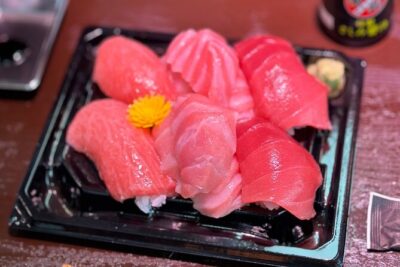 ★ 5.0Tokyo: Tsukiji Fish Market Food and Walking tourFrom $30
 ★ 4.9Tokyo: Tsukiji Fish Market Guided Walking TourFrom $222 hours
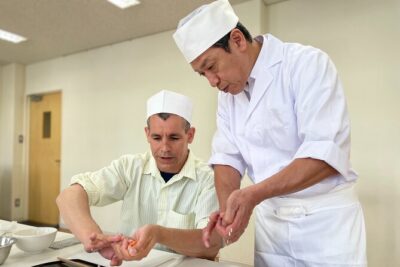 ★ 5.0Tokyo Sushi Making Class in Tsukiji with Professional ChefFrom $49
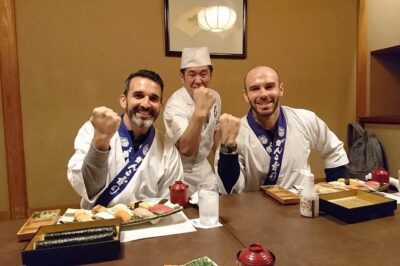 ★ 5.0Tsukiji Fish Market Guided Tour and Sushi Making with Pro ChefFrom $104
★ 4.7Tokyo: Tsukiji Fish Market Food and Culture Walking TourFrom $963 hours
★ 5.0Tsukiji Fish Market Guided Tour and Sushi Making with Pro ChefFrom $104
★ 4.7Tokyo: Tsukiji Fish Market Food and Culture Walking TourFrom $963 hours