Reviewed · SAMURAI & NINJA EXPERIENCES
Tokyo Samurai & Ninja Experience – 60‑Min Cultural Program
Tokyo’s samurai and ninja session packs a lot into one hour. You dress in traditional warrior clothing, practice meditation and symbolic hand movements, then learn about tools such as the blowgun and shuriken at Musashi Ninja Clan Honjin Dojo. It is a short, hands-on cultural stop rather than a full martial arts course.
In This Article
- Key points to know before booking
- What this one-hour dojo session is really about
- Changing into samurai and ninja clothing
- Meditation before weapons
- Kuja-kiri and Embu explained
- Handling the blowgun and shuriken
- Cultural objects, clan stories, and etiquette
- Kappabashi Street and the dojo setting
- Is $93.17 a fair price?
- Who will enjoy this experience most?
- Practical details that affect your day
- Should you book the Musashi Ninja Clan session?
- FAQ
- How long does the Tokyo Samurai and Ninja Experience last?
- Where does the experience meet?
- Does the experience include hotel pickup?
- What clothing is provided?
- What activities are included?
- Who leads the instruction?
- Can children participate?
- What is the cancellation policy?
I like the small group size, capped at nine people, and the chance to learn from the 19th-generation head of the Musashi Clan. I also like the balance between movement, etiquette, philosophy, and photographs. The main drawback is time: at 60 minutes, the class gives you an introduction, not serious weapons training or a long lesson in Japanese warrior culture.
Key points to know before booking
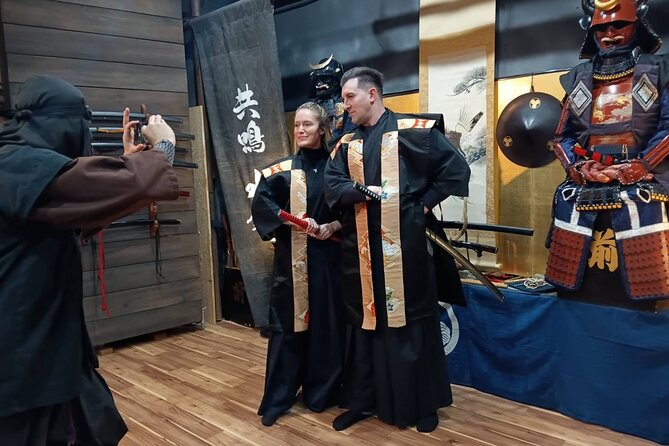
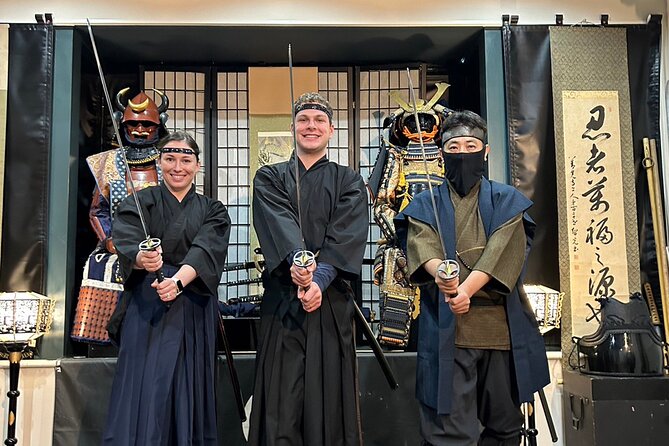
- You change into traditional warrior clothing, then take a commemorative photo inside the dojo.
- The 19th-generation Musashi Clan head leads the cultural instruction, including etiquette and symbolic practices.
- Meditation, Kuja-kiri, and Embu give the session more depth than a costume photo opportunity.
- You receive an introduction to ninja tools, including the blowgun and shuriken.
- The group is limited to nine people, with a minimum of two required to run the experience.
- The $93.17 price buys a focused cultural activity, including interpreter service and samurai garb rental, but not hotel transport or food.
What this one-hour dojo session is really about
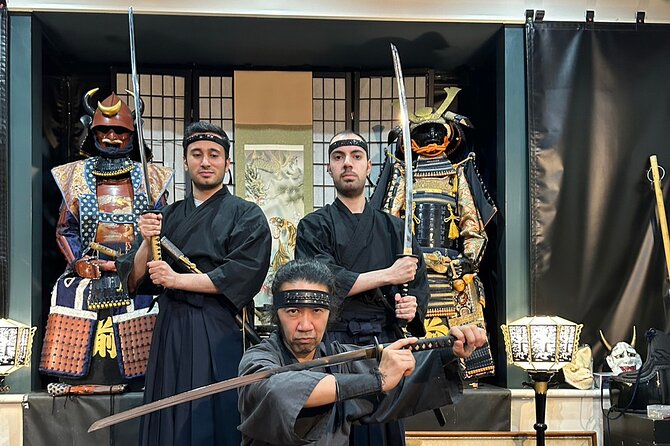
This is best understood as a cultural demonstration with gentle participation. The title promises samurai and ninja, but the actual session combines both traditions through dress, meditation, etiquette, stories, symbolic tools, and basic movement.
You are not signing up for a long combat class. The hour is designed to give you entry-level skills and a feel for the ideas behind warrior training. That distinction matters. If you want a serious martial arts lesson, this will likely feel brief. If you want a memorable Tokyo activity that goes beyond sightseeing, the format makes good sense.
The program takes place at the Musashi Ninja Clan Honjin Dojo in Tokyo’s Taito City. The meeting address is in Matsugaya, at 3-chome 1-13 Mets Hachibankan, third floor. Kappabashi Street is identified as the activity stop, and the experience begins and ends at the dojo meeting point.
Because the program lasts only about an hour, arrive ready to start. There is no hotel pickup or drop-off, so you need to make your own way to the dojo.
A few more Tokyo tours and experiences worth a look

Changing into samurai and ninja clothing
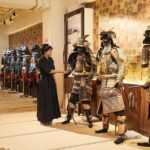
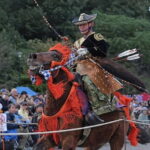
The session opens with a change into traditional attire. The supplied details refer to both a ninja gi and samurai garb, so you should expect warrior clothing rather than ordinary street clothes. This first step helps set the tone, and it also gives you the photo moment that many people want from this type of activity.
I like that the clothing is part of the lesson instead of being offered only as a quick costume rental. You are dressed before the instruction begins, so the class feels like a visit to a dojo rather than a standard sightseeing talk.
The photo is taken inside the dojo at the end as a commemorative record of the experience. That keeps the picture tied to the activity itself. You will want to consider comfortable clothing underneath, although specific changing-room instructions are not provided.
Families and mixed-age groups can take part, since most people can participate and children must be accompanied by a participating adult. The session is not described as physically demanding, and the movement work is presented as suitable for all ages. Still, anyone with particular mobility needs should ask the provider before booking because detailed accessibility information is not supplied.
Meditation before weapons
After changing, you take part in a calming meditation. This is an important part of the program because it places the warrior material in a different frame. The focus is not simply on fighting or secret ninja tricks. You are introduced to concentration, posture, inner balance, and the idea of reducing conflict.
The instructor also demonstrates the mindset and philosophy connected with traditional warrior culture. One central idea is ku, or no-self. In practical terms, the session presents this as a way to minimize conflict rather than seek it. That gives the class a more thoughtful purpose than the usual pop-culture image of a masked fighter.
The movement training is mindful and introductory. You practice ways to improve concentration, posture, and balance. You should expect guided participation, not athletic drills. This makes the session accessible to people who are curious about Japanese culture but do not want a strenuous activity.
I especially like this section for first-time visitors. Meditation gives you a simple entry point, even if you know little about samurai or ninja traditions. It also helps explain why etiquette and control appear alongside weapons later in the hour.
Kuja-kiri and Embu explained
The class introduces Kuja-kiri, described here as a well-wishing practice, and Embu, described as ancestor dedication. These are symbolic and ceremonial elements, not simply physical techniques to copy for a photograph.
For you, the value is in seeing how traditional warrior culture can include spiritual focus and respect. Kuja-kiri gives the session a ritual element, while Embu connects the practice with remembrance and dedication. The program also covers appreciation practices and traditional etiquette, giving you a clearer idea of how conduct matters within the dojo.
Do not expect a long religious lecture. The session is short, so these practices are introduced rather than studied in depth. Still, they help the hour avoid becoming a costume-and-weapons show. You receive a small window into the values that shape the activity.
The instructor is identified as the 19th-generation head of the Musashi Clan. That detail gives the program a strong sense of continuity, though the supplied information does not provide the instructor’s personal name. If having the clan head lead the session matters to you, check the final confirmation for any changes before you go.
Handling the blowgun and shuriken
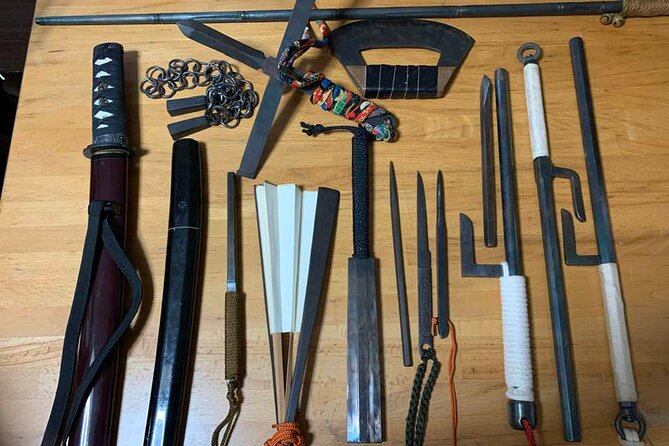
The weapons portion introduces items associated with ninja training, including a blowgun and shuriken, often called ninja stars. The description emphasizes learning what these tools are and how to use them at an introductory level.
This is likely the most exciting part for children and for anyone booking the experience because of the ninja theme. It also gives you something practical to do after the more reflective opening. The class reportedly explains the history of the instruments and teaches participants how to use them, so you are not merely looking at objects in a display.
Keep your expectations measured. One hour must cover changing, meditation, demonstrations, cultural items, etiquette, movement, and weapons. The weapons segment is therefore an introduction, not advanced target practice or a full martial arts course.
The small maximum group of nine helps here. A crowded class could turn hands-on instruction into a distant demonstration, while a group this size gives the instructor a better chance to guide participants. A minimum of two people applies, so solo bookers should be aware that the activity is not designed as a one-person session.






Cultural objects, clan stories, and etiquette
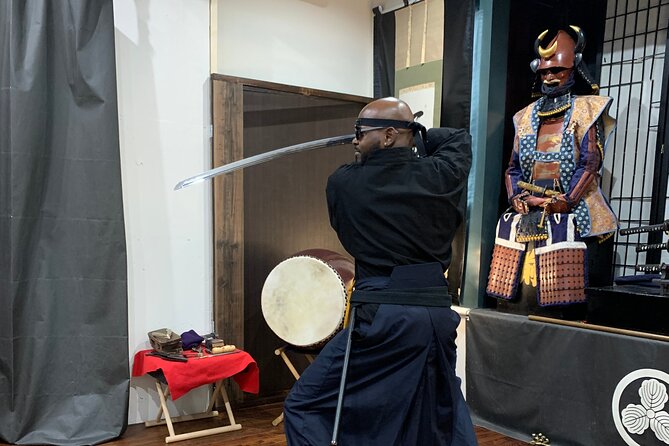
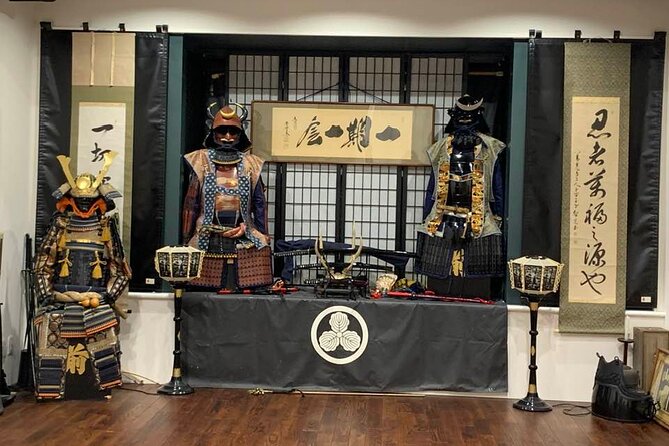
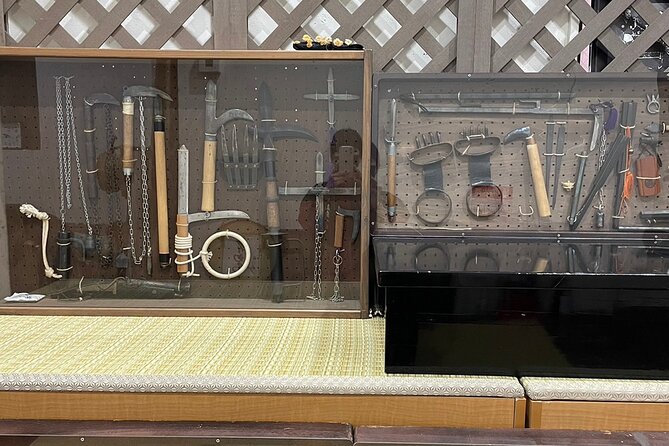
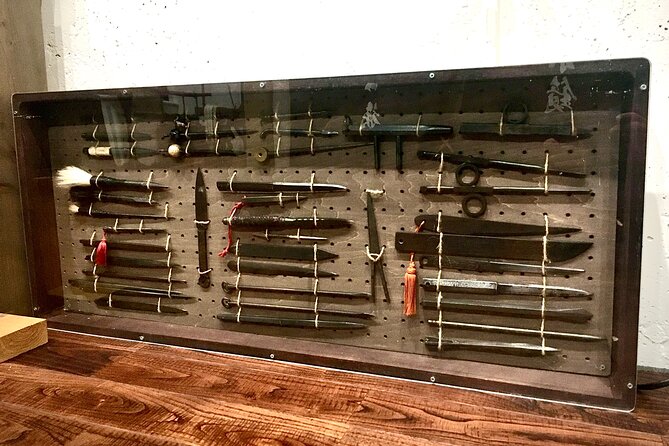
The program also presents cultural items, symbolic tools, and stories connected with the clan’s heritage. This part gives context to the clothing and weapons. Without it, the activity could feel like a themed photo stop. With it, you get a basic explanation of why these items matter.
The etiquette lesson is another useful touch. You learn appreciation practices that reflect Japanese values, rather than treating the dojo as a stage set. These details may be simple, but they help you behave respectfully during the session and understand the setting better.
The class appears to be guided personally by the Musashi Clan head, with an interpreter fee included. That is valuable if you do not speak Japanese, since the program covers ideas that may be difficult to follow through gestures alone. The provided information does not identify the interpreter, but the fee is included in the booking price.
If your interest is mainly in Japanese military history, this hour will not provide a full chronological account. It gives selected stories and objects tied to the clan. I would pair it with a museum visit or a longer historical tour if you want more background.
Kappabashi Street and the dojo setting
Kappabashi Street is listed as the stop for the activity. This is a useful area to combine with the dojo because you can build a half-day around the experience rather than crossing Tokyo for one short class.
The meeting point itself is the key detail. The activity does not collect you from your hotel, and the end point is back at the same meeting place. Plan your route in advance and allow enough time to find the third-floor dojo address in Matsugaya.
The one-hour format works well as an add-on to nearby sightseeing. You can schedule it before or after time around Kappabashi Street, but avoid booking it so tightly against another timed attraction that a small navigation delay causes trouble. The exact start time is not included in the supplied information, so check your confirmation carefully.
Is $93.17 a fair price?
At $93.17 per person, this is not a budget photo stop. The price makes more sense when you count the parts included: interpreter service, samurai garb rental, guided meditation, cultural instruction, symbolic practices, movement training, weapons introduction, and a commemorative dojo photo.
You are paying for a short, organized cultural encounter with a small group and a direct connection to the Musashi Clan. The 19th-generation clan connection adds interest for people who value tradition and personal instruction.
The value is weaker if you want only a costume picture. Tokyo has plenty of inexpensive photo opportunities, and this class spends part of its hour on meditation, etiquette, and philosophy. Those elements are precisely what make the price easier to justify, but they may not appeal to someone seeking nonstop action.
Group discounts are available, which can improve the cost for families or friends booking together. A mobile ticket is also offered, making the booking simple once your place is confirmed.
The experience is often booked well ahead, with an average booking time of 44 days in advance. That suggests you should reserve early if your Tokyo dates are fixed, especially because the group is limited to nine people and the activity needs at least two participants.
Who will enjoy this experience most?
I would recommend it to first-time visitors who want a cultural activity with a clear theme and a short time commitment. It suits families, friends, couples, and anyone who enjoys learning by doing rather than sitting through a long lecture.
It also works well for people who like Japanese customs, meditation, and historical objects as much as they like ninja weapons. The program is broader than its headline. You receive a little ceremony, a little movement, a little history, and a little hands-on action.
Children can join with a participating adult. The activity is also suitable for most people, and service animals are allowed. Since the information does not list detailed physical requirements, contact the provider if you need specific arrangements.
I would be more cautious about booking if you expect advanced combat training, a lengthy weapons workshop, or a full-day samurai lesson. You may find the 60-minute schedule too compressed. The experience is strongest as a first introduction.
Practical details that affect your day
The meeting and ending point are the same dojo in Taito City. There is no hotel pickup or drop-off, and food and drinks are not included unless specifically stated. Plan to eat separately and bring only what you need for a short indoor activity.
Confirmation is sent within 48 hours of booking, subject to availability. A full refund is available if you cancel at least 24 hours before the local start time. Cancellations or changes made inside that 24-hour window are not accepted for a refund.
The activity has a minimum of two participants and a maximum of nine. That small cap is good for personal attention, but it also means availability can be limited. Children need a participating adult, and most people can take part.
The public rating is 4.9 from seven ratings, with especially strong praise for the authentic feel, the friendly instruction, and the chance to learn and practice the instruments. One detailed comment highlights the explanations of the tools and how to use them. I would treat that as a useful signal about the session’s tone, while remembering that the sample size is small.
Should you book the Musashi Ninja Clan session?
Book it if you want a compact Tokyo activity that combines dress-up, meditation, etiquette, clan traditions, and a first look at ninja tools. The small group, interpreter, and instruction from the 19th-generation Musashi Clan head give it more substance than a simple costume photograph.
Skip it if your priority is advanced martial arts practice or a long historical lecture. At $93.17, the value depends on enjoying the cultural and reflective parts as much as the weapons segment.
For most visitors, I would place this on a day around Kappabashi Street and treat it as a focused one-hour introduction. Come ready to participate, not just pose. That is where the experience earns its price.
FAQ
How long does the Tokyo Samurai and Ninja Experience last?
The experience lasts approximately 60 minutes.
Where does the experience meet?
It meets at Musashi Ninja Clan Honjin Dojo in Asakusa, at 3-chome 1-13 Mets Hachibankan, third floor, Matsugaya, Taito City, Tokyo 111-0036.
Does the experience include hotel pickup?
No. Hotel pickup and drop-off are not available. You must travel to the dojo meeting point.
What clothing is provided?
Samurai garb rental is included. The experience description also refers to wearing a ninja gi, so you should expect traditional warrior attire during the session.
What activities are included?
The session includes meditation, Kuja-kiri, Embu, mindful movement, etiquette and appreciation practices, cultural objects and stories, an instructor demonstration, an introduction to the blowgun and shuriken, and a commemorative photo.
Who leads the instruction?
The session is guided by the 19th-generation head of the Musashi Clan. An interpreter fee is included.
Can children participate?
Yes. A child must be accompanied by a participating adult.
What is the cancellation policy?
You can cancel at least 24 hours before the local start time for a full refund. Cancellations or changes made less than 24 hours before the start time are not accepted for a refund.
More Samurai & Ninja Experiences in Tokyo


More tours in Tokyo we've reviewed












Samurai & Ninja Experiences, compared.
 ★ 4.5Tokyo: Samurai Restaurant Show Ticket with 2 DrinksFrom $551h 30m
 ★ 4.6Tokyo: Samurai Ninja Museum Guided tour and ExperienceFrom $27
 ★ 5.0Skip the lines Basic Ticket at SAMURAI NINJA MUSEUM TOKYOFrom $28
 ★ 5.0Tokyo: Authentic Samurai Training at a DojoFrom $211
 ★ 5.0Best Samurai Experience in TokyoFrom $65
 ★ 4.6Tokyo: Legend Samurai Entertainment Night in Kanda ShrineFrom $44