Reviewed · KAMAKURA & ENOSHIMA DAY TRIPS
Private Tour Kamakura Yokohama Day Trip English speaking driver
Kamakura’s Great Buddha and quiet bamboo temple give this private day trip its strongest contrast: ancient Buddhist sites in the morning, then Yokohama’s Chinatown and waterfront atmosphere later. You cover a lot without changing trains or reading station signs all day.
In This Article
- Key points at a glance
- Why Kamakura makes a fine escape from Tokyo
- Hōkoku-ji and the bamboo garden
- Hase-dera’s Kannon and hillside views
- The Great Buddha at Kōtoku-in
- Tsurugaoka Hachimangu and Kamakura’s center
- Komachidori for lunch and browsing
- Yuigahama Beach and the sea
- Yokohama Chinatown brings a new flavor
- Sankeien Garden’s traditional setting
- The 10-hour schedule and private vehicle
- What the price really includes
- Who should book this Kamakura and Yokohama day trip?
- Should you book it?
- FAQ
- How long does the private Kamakura and Yokohama tour last?
- How many people can join the private tour?
- Is pickup included?
- Is transportation private?
- Which admissions are not included?
- How much should I budget for admission fees?
- Is lunch included?
- Can I cancel for a full refund?
I like the door-to-door private vehicle, especially for a group of up to six, and I like the freedom to adjust the day with your driver. Guides named Sunny and Vicky are associated with this service, and past guests describe both as friendly, punctual, flexible, and attentive.
The trade-off is time. Eight stops in about 10 hours is an ambitious plan, and one guest found that not every planned place was covered. If you want long temple visits, a leisurely lunch, and plenty of shopping, you may need to trim the schedule.
Key points at a glance
- The Great Buddha anchors the Kamakura portion, with time to see the statue and temple grounds.
- Hōkoku-ji’s bamboo garden includes a possible matcha stop, making it more than a quick photo break.
- Hase-dera gets the longest temple visit, with its large wooden Kannon statue and hillside setting.
- Private transport makes a packed two-city day practical, especially for families or groups of up to six.
- Yokohama adds a different mood, with two hours in Chinatown and a visit to Sankeien Garden.
- Admission is mostly extra, with approximately 1,100 yen per person listed as an additional cost.
Why Kamakura makes a fine escape from Tokyo
Kamakura is close enough to visit in a day, yet it feels far removed from Tokyo’s office towers and packed rail platforms. This former political center is filled with Buddhist temples, Shinto shrines, narrow shopping streets, and a beach on the edge of town.
The appeal here is variety. You are not visiting one large attraction and heading home. Instead, the day moves through a bamboo garden, a temple with a major Kannon image, the Great Buddha, a grand shrine, a shopping street, and the coast.
A private vehicle changes the rhythm. You are collected in Tokyo and keep the same air-conditioned car throughout the day. That matters when your group includes children, older family members, or anyone who would rather not manage several train and bus connections.
The price is $399 per group, not per person, for up to six people. At full capacity, that works out to $66.50 per person before admission fees. For one or two people, the price is harder to justify purely as transportation, but the value improves for a larger group that wants a private driver and flexible pacing.
A few more Tokyo tours and experiences worth a look
Hōkoku-ji and the bamboo garden
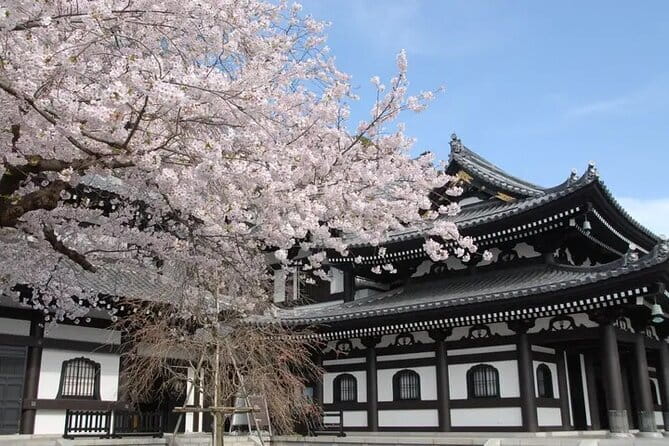
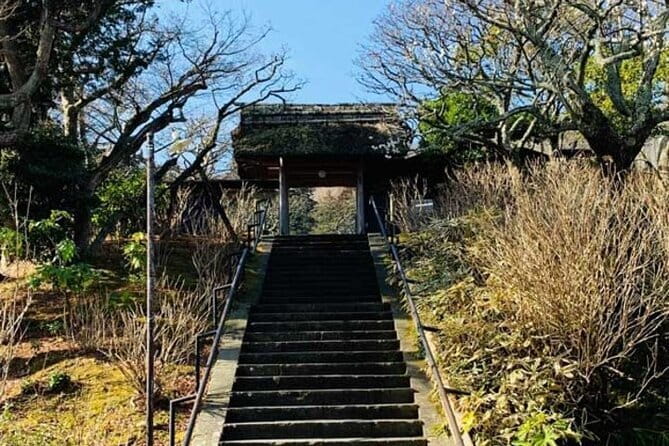
Hōkoku-ji, often called the Bamboo Temple, is a small Zen temple known for its tall bamboo grove. The green walls of bamboo create a cool, hushed setting that feels very different from the streets outside.
You have about an hour here. That is enough for a calm walk through the garden and time to look at the temple’s principal Buddha image, Shaka Nyorai, in its sacred hall. The scale is intimate, so this stop works best when you slow down rather than treat it as a checklist item.
A matcha tea experience is associated with this stop, and it can be one of the most memorable parts of the morning. Tea in a bamboo setting gives the visit a sense of place, though the supplied details do not specify whether tea is included in the tour price. Ask your driver about the current arrangement before ordering.
Admission is not included. The tour information lists entry costs separately and gives an approximate total of 1,100 yen per person for admissions. Bring some extra money beyond that estimate, since individual prices can change.
Hase-dera’s Kannon and hillside views
Hase-dera receives about two hours, making it the most substantial temple visit on the schedule. The temple is famous for its large wooden statue of Kannon, the Buddhist figure associated with compassion.
This is a better stop for travelers who want more than a single landmark. You can take time with the main temple areas, examine the religious details, and enjoy the setting at a slower pace than the one-hour stops allow.
Hase-dera has a different feel from Hōkoku-ji. Hōkoku-ji is compact and defined by bamboo, while Hase-dera offers a broader temple visit centered on a major sacred image. You should expect walking and some time on your feet, as is common during a temple-focused day.
Entry is extra. Because this is one of the longer visits, I would not rush it simply to protect every later stop. If your group cares most about Kamakura’s religious sites, Hase-dera deserves its full time.
The Great Buddha at Kōtoku-in
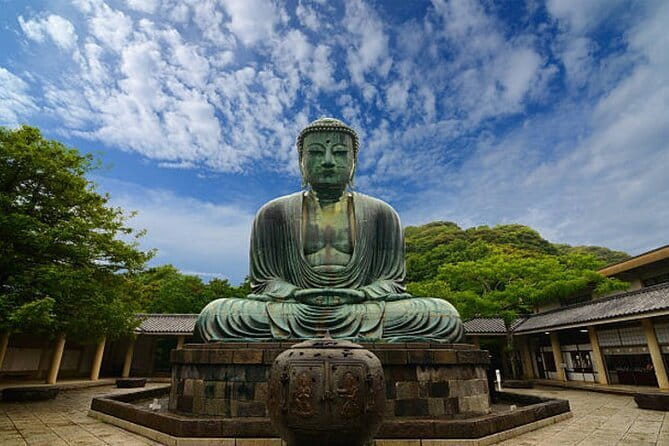
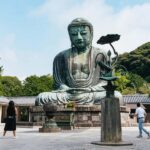
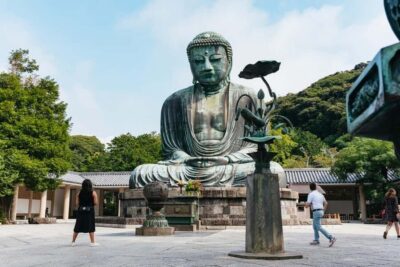
The bronze Great Buddha, or Daibutsu, is Kamakura’s best-known sight. At Kōtoku-in, you see the enormous seated figure on the temple grounds, a powerful landmark even if you know little about Japanese Buddhist art.
The planned visit lasts about an hour. That gives you time to see the statue, walk around the grounds, and take photographs without turning the stop into a race. The statue is the main event, so this is a straightforward visit with a strong visual payoff.
The Great Buddha also helps explain why Kamakura works so well as a day trip. The city offers grand religious monuments, but they are spread among smaller temples, residential streets, shops, and the sea. You get a clearer sense of the city by seeing several places rather than stopping only at the Daibutsu.
Kōtoku-in charges an admission fee, which is not included. If you want to visit the interior of the statue, confirm the current arrangements with your driver, since the supplied tour details only promise the temple visit and do not state whether interior access is part of the plan.
Tsurugaoka Hachimangu and Kamakura’s center
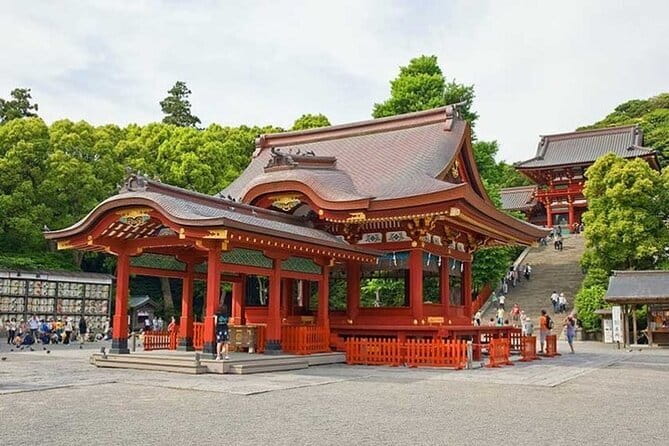
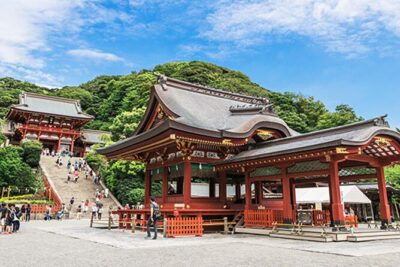
Tsurugaoka Hachimangu is Kamakura’s major Shinto shrine and an important cultural center. It is also tied to the city’s festivals and includes two ponds associated with the Taira and Minamoto clans.
The planned hour lets you see the central approach, shrine buildings, ponds, and surrounding grounds. This stop adds a Shinto perspective after the Buddhist temples. That distinction matters: Kamakura’s appeal is not simply old buildings, but the way different religious traditions remain part of the city’s daily identity.
The shrine can feel more open and ceremonial than the enclosed temple grounds. It is a good place to pause and notice the scale of Kamakura’s religious life.
Admission is listed as not included, though the basic shrine grounds may have areas accessible without a ticket. Plan to follow your driver’s guidance about which buildings or museums require payment. The two museums connected with the shrine are mentioned as part of the cultural center, but they are not specifically scheduled or included.
Other private tours in Tokyo


Komachidori for lunch and browsing
Komachidori is a pedestrian shopping street lined with clothing shops, souvenirs, sweets, and places to eat. You have about an hour here, and this is the natural point in the day to choose lunch.
An hour goes quickly. You can browse, pick up snacks, and eat something simple, but you may not have time for a long restaurant meal plus serious shopping. Food choices may also require a little planning. One person on a past tour had difficulty finding vegetarian food, though an authentic South Indian restaurant eventually solved the problem.
If you have dietary needs, tell your driver early in the day. The private format makes such a request easier to discuss than it would be on a fixed group excursion, but the tour does not promise a particular restaurant or menu.
Komachidori is also where the schedule can begin to feel tight. Temples invite lingering, and the shopping street invites wandering. You may need to choose between a sit-down lunch and a more relaxed look at the shops.
Yuigahama Beach and the sea
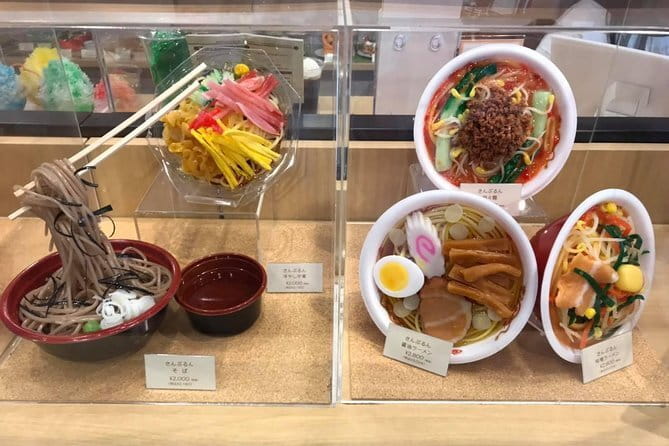
Kamakura Seaside Park’s Yuigahama area gives the day a welcome change of scenery. You can photograph the beach and, when conditions allow, look across the water toward Mount Fuji.
The beach stop is scheduled for about an hour and is free. It is mainly a photo and breathing-space stop rather than a structured activity. The view of Mount Fuji is not guaranteed, so treat it as a possibility rather than a promise.
This stop can be especially useful after several temple visits. You get open air, the sound of the sea, and a chance to reset before heading to Yokohama. If your priority is ancient architecture, you may prefer to use this hour elsewhere. If you like seeing how a city meets the coast, keep it.
Yokohama Chinatown brings a new flavor
Yokohama is Japan’s second city and has a long-established Chinatown dating back about 160 years. The neighborhood has roughly 3,000 to 4,000 residents, though only a small number of Chinese residents still live there today, with many tracing their roots to Guangzhou.
Two hours are scheduled here, giving you the most generous block for food and wandering. You can browse shops, look at the neighborhood’s Chinese architecture, and choose a meal. After Kamakura’s temples and shrine, Chinatown feels like a clear change of scene.
This is the part of the tour where a private driver is useful but not necessarily needed once you arrive. You will explore on foot, so ask where and when to meet before leaving the vehicle. The tour information does not name a specific restaurant, and meals are not included, so you choose what fits your group.
If you are comparing this experience with a Kamakura-only tour, Yokohama Chinatown is the main reason to choose the two-city version. If you prefer a slower cultural visit, the extra city may make the day feel overfilled.
Sankeien Garden’s traditional setting
Sankeien Garden is a traditional Japanese-style garden in Yokohama’s Naka Ward. It opened in 1906 and was designed and built by Tomitaro Hara, a silk trader who used the name Sankei Hara.
The tour allows about an hour here. That is enough for a focused walk and photographs, though not a full, unhurried garden visit. The garden adds another style of Japanese beauty to the day, with designed paths, water, and traditional structures rather than a single famous statue.
Admission is extra. Since the garden is not free, keep the additional cost in mind when calculating the final price. Its inclusion also makes this more than a Chinatown food outing, giving you a quieter final stop before returning to Tokyo.
The 10-hour schedule and private vehicle
The tour lasts about 10 hours and includes pickup. Your group has private transportation in an air-conditioned vehicle, with fuel charges, tolls, and taxes included.
That setup is the core benefit. Public transport between Tokyo, Kamakura, and Yokohama is possible, but this plan includes many separate stops. A private vehicle cuts out transfers and gives you a driver who can help manage the order of visits.
The schedule is also its main weakness. The listed stops add up to the full day: one hour at Hōkoku-ji, two at Hase-dera, one each at the Great Buddha, Tsurugaoka Hachimangu, Komachidori, Sankeien, and Yuigahama, plus two hours in Chinatown. There is almost no spare time for a late start, a long lunch, or an extended temple visit.
The good news is that the tour is private. Guides associated with the service, including Sunny and Vicky, have been described as punctual, cooperative, and willing to discuss the plan. Before setting off, confirm which places matter most to you. That simple conversation may prevent disappointment later.
The tour is near public transportation, and most people can participate. It is not presented as a wheelchair-specific or mobility-focused experience, so anyone with walking concerns should ask the provider for current details before booking.
What the price really includes
At $399 per group of up to six, this is a practical buy for a family or group of friends. You are paying for a full day, private transport, an English-speaking driver, pickup, fuel, tolls, and taxes.
You still need to budget for admissions. Hokokuji, Hase-dera, Kōtoku-in, Tsurugaoka Hachimangu, and Sankeien Garden are listed as not included, with an additional estimate of about 1,100 yen per person. Lunch, drinks, shopping, and any tea purchase are also outside the tour price.
For two people, public transport could cost less, but it would not offer the same door-to-door ease or the ability to see all these places in one organized day. For six people, the math becomes much more favorable.
The experience offers free cancellation if you cancel at least 24 hours before the start time. Changes or cancellations made less than 24 hours before departure are not accepted for a refund.
Who should book this Kamakura and Yokohama day trip?
I would choose this tour if you want to see Kamakura’s major highlights but do not want to handle a complex transport day. It suits families, small groups, and first-time visitors who value convenience over the lowest possible cost.
It is also a good fit if you want a driver who can discuss priorities. Ask for a plan that protects Hase-dera, the Great Buddha, and the bamboo garden if those are your main interests. If Yokohama matters more, protect the two-hour Chinatown visit and Sankeien Garden.
I would think twice if you prefer slow travel. Eight stops leave little room for spontaneous discoveries, a long meal, or a temple visit that takes longer than expected. A Kamakura-only outing may suit you better, though this service does not present that as a separate option.
Should you book it?
Book it if your group wants a broad first look at Kamakura and Yokohama in one day, with an English-speaking driver and no public transport juggling. The strongest parts are Hase-dera, the Great Buddha, Hōkoku-ji, and the flexibility that comes with a private vehicle.
Before booking, accept that this is a highlights day, not a slow spiritual retreat. Share your top three stops at pickup, ask about the admission estimate and meal options, and be ready to drop a lesser priority if the morning runs long. For a full group, the $399 price can be good value. For a couple seeking a relaxed pace, the packed schedule may be the bigger issue than the fare.
FAQ
How long does the private Kamakura and Yokohama tour last?
The tour lasts approximately 10 hours.
How many people can join the private tour?
The price covers one private group of up to six people.
Is pickup included?
Yes. Pickup is offered as part of the experience.
Is transportation private?
Yes. The tour includes private transportation in an air-conditioned vehicle, with fuel charges, tolls, and taxes included.
Which admissions are not included?
Admission to Hōkoku-ji, Hase-dera, Kōtoku-in, Tsurugaoka Hachimangu, and Sankeien Garden is not included.
How much should I budget for admission fees?
The additional information lists admission costs at approximately 1,100 yen per person.
Is lunch included?
No. Lunch is not listed among the inclusions. You have about one hour at Kamakura Komachidori and two hours in Yokohama Chinatown, where you can choose food independently.
Can I cancel for a full refund?
Yes, if you cancel at least 24 hours before the experience start time. Cancellations or changes made less than 24 hours before the start time are not accepted for a refund.
More 1-Day Tours in Tokyo
More Private Tours in Tokyo
More Kamakura & Enoshima Day Trips in Tokyo


More tours in Tokyo we've reviewed












Kamakura & Enoshima Day Trips, compared.
 ★ 4.5Tokyo: Kamakura & Enoshima Day Trip including Temple TicketsFrom $589 hours - 570 minutes
 ★ 5.0Mount Fuji, Kamakura, Big Buddha, & Lake Ashi Day TripFrom $109
 ★ 4.7Tokyo: Mt Fuji, Kamakura, Lake Ashi & Big Buddha Guided TourFrom $50
 ★ 4.5From Tokyo: Kamakura & Enoshima 1-Day Bus TourFrom $66
 ★ 4.9Tokyo:Sea of Mount Fuji, Hakone Ropeway, Ōwakudani, EnoshimaFrom $5010 hours
 ★ 5.0Kamakura 8 hr Private Walking Tour with Licensed Guide from TokyoFrom $201