Reviewed · MT FUJI DAY TRIPS
Tokyo:Sea of Mount Fuji, Hakone Ropeway, Ōwakudani, Enoshima
Mount Fuji is the star here, but this 10-hour trip from Tokyo gives you four very different stages for the show: a volcanic lake, a steaming valley, a cable car, and the sea around Enoshima. You ride a pirate ship on Lake Ashi, pass over Owakudani, then finish among shrines, snack stalls, and views across Sagami Bay.
In This Article
- Four Fuji viewpoints in one long day
- Lake Ashi and the red torii photo stop
- The Hakone pirate ship cruise
- Rising above Owakudani on the Hakone Ropeway
- Owakudani, sulfur steam, and black eggs
- Enoshima, where shrines meet Sagami Bay
- What the $50 price really covers
- Fuji weather is the biggest gamble
- A practical day for the right kind of visitor
- Should you book the Hakone and Enoshima day trip?
- FAQ
- How long does the Tokyo, Hakone, and Enoshima tour last?
- Where does the tour start?
- Is Mount Fuji guaranteed to be visible?
- Are the Hakone cruise and ropeway included?
- Is food included?
- Which languages does the guide speak?
- Can I take a bus instead of the boat or ropeway?
- Is the tour suitable for wheelchair users?
- Can I cancel the booking?
I like the way the day mixes easy sightseeing with real variety. I also like the practical bus transport, since fitting Hakone and Enoshima into one day by public transport would take careful planning. The catch is time: Enoshima gets only a short visit, and traffic can turn this already long day into a tiring one.
- Lake Ashi pirate ship: Cruise for about 25 minutes with Hakone Shrine’s red torii and possible Fuji views nearby.
- Hakone Ropeway: Ride above Owakudani’s steaming volcanic ground, unless weather or operations require a bus transfer.
- Owakudani black eggs: Try sulfur-spring eggs said to add seven years to your life.
- Enoshima shrines and food: Walk Hetsunomiya, Nakamise Dori, the Bronze Torii, and Zuishinmon Gate.
- Fuji depends on weather: Clear winter days offer the best chance, but clouds can hide the mountain completely.
- Good value at $50: Transport, guide, and road costs are covered, but cruise, ropeway, meals, and drinks may cost extra depending on your booking option.
Four Fuji viewpoints in one long day
This outing is built around contrast. In Hakone, you see Mount Fuji beside a mountain lake and volcanic steam. At Enoshima, you look across open water toward the mountain, the famous Sea-Mount Fuji view.
I find that variety more useful than spending a whole day at one Fuji lookout. If clouds cover the peak, you still have a cruise, an active volcanic valley, and a small island with shrines and local food. If the sky is clear, the day can feel like a greatest-hits tour of the Fuji area.
The group meets around Tokyo Mode Gakuen at 1-chōme-5-1 Marunouchi, though the exact meeting point depends on the option you book. Round-trip transport, air conditioning, tolls, parking, fuel, taxes, and environmental fees are included. English and Chinese guides lead the day, and names praised for clear explanations and cheerful care include Aki, Belle, Pin, Jimmy, Kishida, Kyo, Nakajima, Augustin, and Brewski.
That list matters because the day has many moving parts. A guide who sends clear meeting times, keeps the group together, and explains where to go next adds real value. Aki is noted for sending detailed information before departure, while guides such as Belle and Augustin are praised for photography help, cultural background, and calm organization.
Lake Ashi and the red torii photo stop
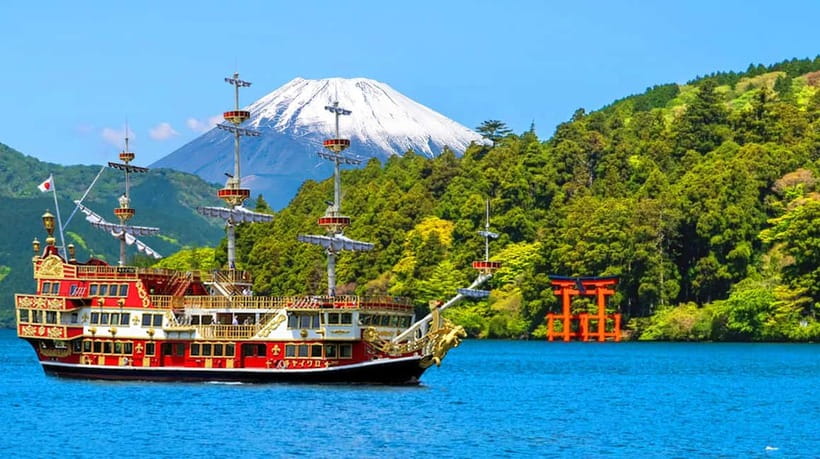
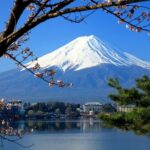
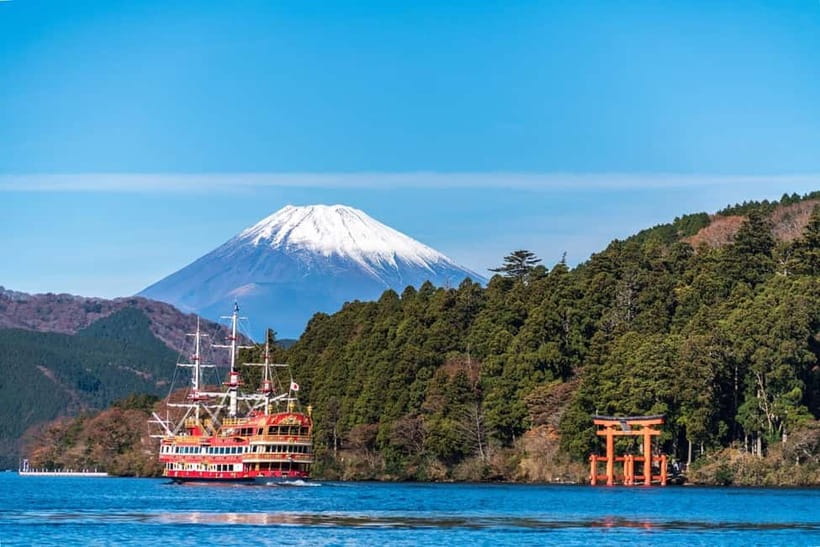
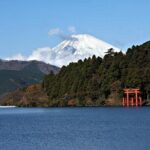
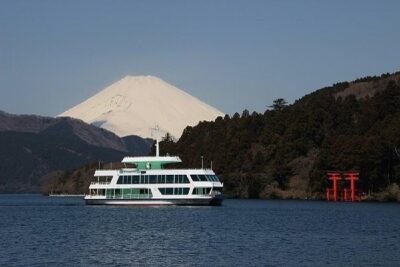
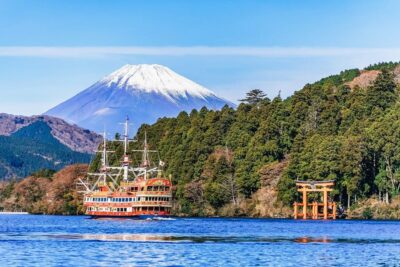
Lake Ashi was formed by Hakone’s volcanic activity around 3,000 years ago. Today, it is a broad mountain lake framed by wooded slopes, with Hakone Shrine’s vermilion torii rising from the water. It is one of those Japanese views that looks almost too carefully arranged.
The itinerary allows about 20 minutes for a lakeside photo stop before the cruise. That is enough to take in the classic view and get ready for the boat, but not enough for a long shoreline walk. Bring your camera out quickly, and keep an eye on the guide’s return time.
The lake can look completely different from one day to the next. Sunlight brings out the blue water and sharp mountain shapes, while mist creates a quieter, more mysterious scene. Mount Fuji may appear beyond the lake, but you should treat that as a gift from the weather, not a guarantee.
A few more Tokyo tours and experiences worth a look
The Hakone pirate ship cruise
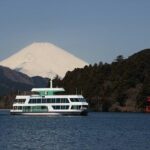
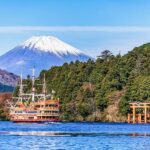
The Hakone Sightseeing Cruise uses decorative pirate ships that feel playful without taking away from the scenery. The cruise lasts about 25 minutes, and the best place for broad views is generally outside, where you can feel the lake air and watch the shoreline pass.
From the deck, you may see the red torii, wooded mountains, and Mount Fuji in the distance. The boat is a pleasant change after the road journey, and it gives you a different angle on Hakone than the roadside stops.
There is one important cost detail. The cruise is not included unless you select the option that includes it. Your guide can help with ticket purchases, but carry cash because many local shops may not accept cards. The tour also offers a bus alternative for anyone unable to take the boat.
The cruise is short, so do not expect a leisurely lake outing. It is a scenic connector within a packed day. That is still worthwhile, especially if your Tokyo schedule leaves no room for a separate Hakone visit.
Rising above Owakudani on the Hakone Ropeway
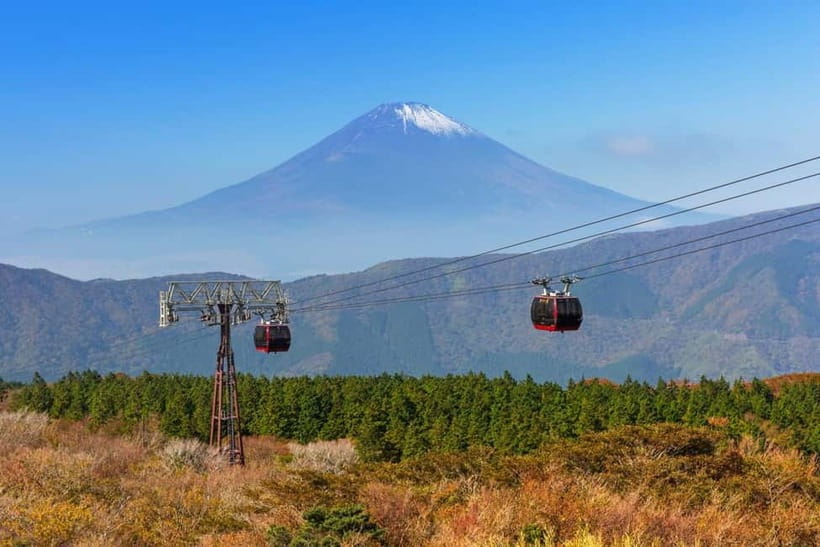
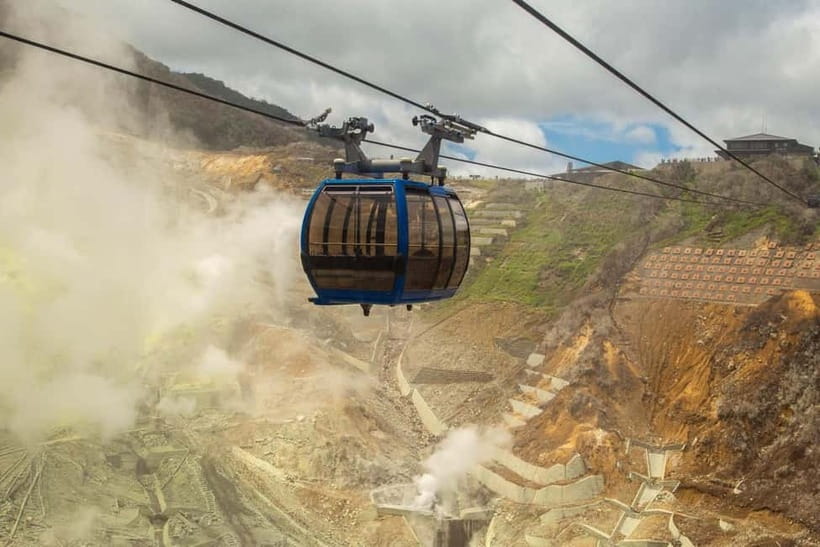
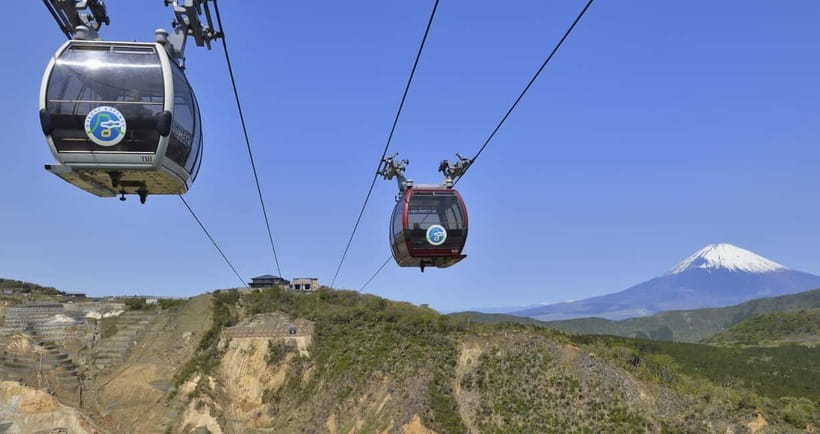
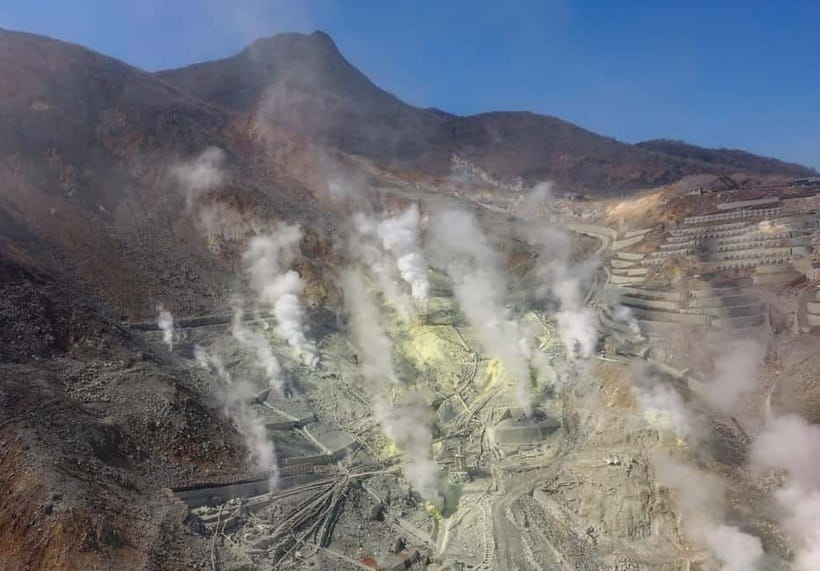
The ropeway is the day’s most dramatic ride. In about 25 minutes, the cable car climbs above Hakone’s volcanic zone, where steam rises from cracks and the ground shows shades of brown, orange, and gray.
Owakudani was created by volcanic eruptions, and its sulfur smell gives the stop a sense of active earth rather than a polished park. From above, you can look down at steaming vents and then out toward Lake Ashi and, on a clear day, Mount Fuji.
The ride is a highlight for anyone who likes scenery with a little edge. It is also the part most affected by weather and local operating conditions. If you cannot take the cable car, the bus is available. The ropeway fare is also excluded unless you choose the appropriate booking option, so check exactly what your $50 package covers before you pay.
A cable car ride and a bus transfer do not provide the same view, but the tour is designed to keep the route working for people who need an alternative. If the ropeway is operating and you are comfortable with it, I would choose the cable car.
Owakudani, sulfur steam, and black eggs
At Owakudani, you have about 30 minutes to see the volcanic valley and try its famous black eggs. These eggs are hard-boiled in sulfur springs, which darkens their shells. Local legend says that eating one adds seven years to your life.
The black eggs are more than a novelty. They connect the snack to the volcanic setting, and they are one of Hakone’s most recognizable local treats. If you want to try one, make it part of your short stop rather than waiting until the final minutes.
The air can smell strongly of sulfur, and the ground is still associated with volcanic activity. Anyone with altitude sickness should not book this experience, and pregnant people, wheelchair users, and people over 70 are listed as unsuitable. People aged 70 and above are also asked to sign a travel waiver on arrival.
The stop is brief, so it is not designed for a long walk through the valley. Think of it as a close look at the volcanic setting, a snack, and a photo opportunity before returning to the vehicle or continuing by ropeway.
Enoshima, where shrines meet Sagami Bay
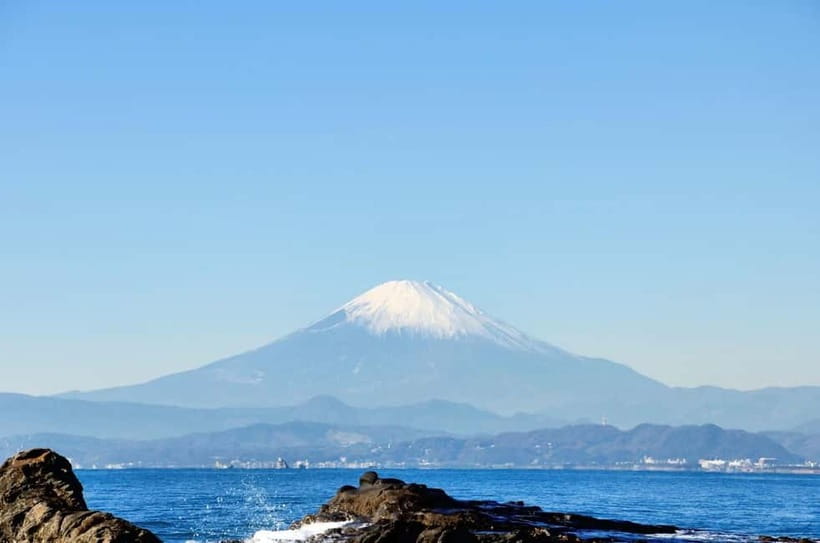
After Hakone, the tour heads toward Enoshima, a small island reached through the coastal area of Kanagawa. This shift from inland mountains to open sea gives the day its strongest change of mood.
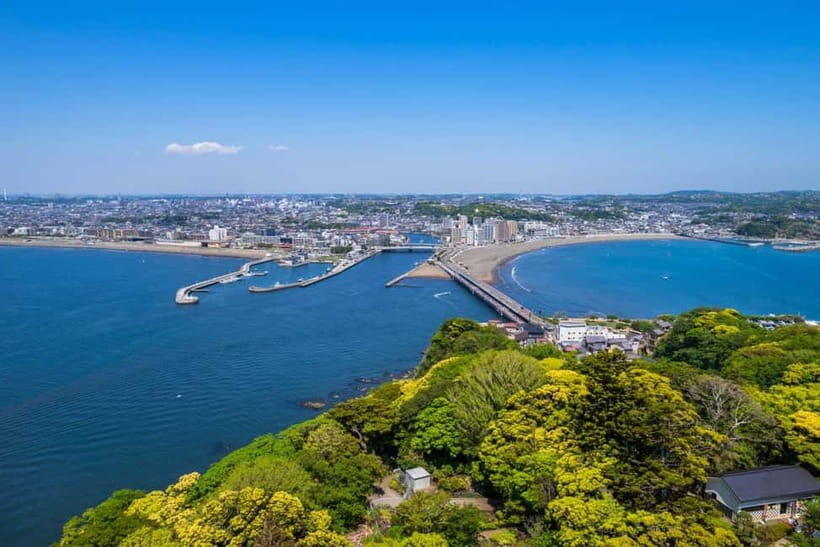
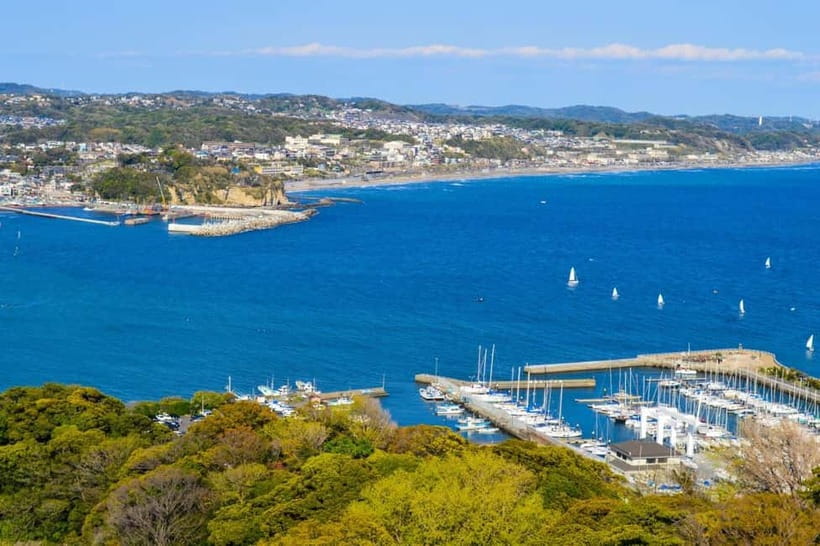
You have about 30 minutes for general free time and sightseeing, followed by short visits around the island. The route includes Enoshima Shrine’s Hetsunomiya, Benzaiten Nakamise Dori, the Bronze Torii, and Zuishinmon Gate. You also stop for about 20 minutes at Sagami Bay.
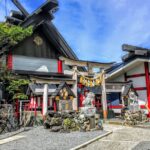
The stone steps and shrine paths give Enoshima a traditional feel, while the sea air and food stalls keep it casual. Nakamise Dori is the place to look for local snacks and quick bites, including seafood, seaweed rolls, and Shonan milk ice cream. Since meals are not included, this is your chance to buy lunch or a late snack, but the available time is limited.
I would not plan a full island exploration here. You will see the main approach and shrine area, but you will not have time to wander every lane, visit every attraction, or linger over a long meal. One useful tip is to choose food quickly. A late arrival can mean popular menu items have sold out, and spending too long deciding costs you sightseeing time.
The view toward Sagami Bay is worth making room for. On a clear day, Enoshima offers the tour’s most unusual Fuji angle, with the mountain appearing across the sea. On a cloudy day, the sea, shrine architecture, and island setting still give you a worthwhile final stop.
A few more Tokyo tours and experiences worth a look
What the $50 price really covers
At $50 per person, this is a strong price for a full-day trip if your main goal is to cover a lot of ground without managing several train and bus connections. The included transport and guide are especially useful because Hakone and Enoshima are separate destinations with different sightseeing systems.
The value depends on your selected option. The listing says cruise and ropeway admission may be extra, so compare the final price carefully. Add money for food, drinks, black eggs, and any personal purchases. Cash is sensible because some local businesses may not take credit cards.
The air-conditioned vehicle is clean and comfortable, but space can be tight when the tour is full. One detailed account described a clean van with curtains and fresh-looking headrest covers, while also noting that sold-out departures leave no spare seat. If you prefer lots of personal space, a small-group or private option may be worth checking when available.
You also pay in time. The route involves substantial driving, and traffic is common on weekends, holidays, and peak seasons. Keep your evening plans flexible. This is not the right day to book a nonrefundable dinner across Tokyo at a fixed hour.
Fuji weather is the biggest gamble
Mount Fuji visibility can change fast. Clear winter weather produced excellent views for several January and February departures, while rain and cloud hid the mountain completely on other days. One outing in poor weather could not see Fuji even from directly below it.
That is not something the operator can control, but it does affect how you judge the tour. If you are booking mainly for a perfect Fuji photograph, check the forecast and consider a flexible schedule. The activity allows free cancellation up to 24 hours before departure, and you can reserve now and pay later, which helps when your plans are still moving.
I would favor winter or another period with a good forecast, though the supplied information does not promise a particular season. Bright weather also makes the lake, ropeway, and sea views much stronger.
A practical day for the right kind of visitor
This tour suits you if you want a planned overview rather than a slow visit. It works well during a first Tokyo trip, especially if you do not want to arrange Hakone transport yourself or if you have only one free day for Fuji country.
Families can enjoy the boat, cable car, black eggs, and island snacks, though the long road sections may test younger children. The guide’s job is important here. Guides such as Kishida, Pin, and Brewski are praised for patience, humor, cultural explanations, and keeping everyone on time.
You should be comfortable walking short distances, using steps around Enoshima, and moving promptly when the group is called. Bring layers, especially in cooler months, because the lake and volcanic stops can feel chilly. Pack snacks for the bus, but do not eat in the vehicle. Smoking is not allowed.
Strollers and large luggage should be declared when booking. The meeting point cannot be changed on the day, so report any needed change at least one day ahead.
Should you book the Hakone and Enoshima day trip?
I would book it if you want the most scenery possible in one day and accept a fast pace. The combination of pirate ship, ropeway, volcanic valley, shrine streets, and ocean views is unusually varied for a $50 starting price.
I would skip it if you want a relaxed Hakone stay, a long Enoshima food crawl, or a guaranteed Fuji photograph. In that case, spend more time in one area and watch the weather closely.
For most short-term Tokyo visitors, this is a sensible day trip with a strong mix of nature, transport experiences, and Japanese cultural sights. Just confirm whether your option includes the boat and ropeway, carry cash, wear comfortable shoes, and leave your evening open.
FAQ
How long does the Tokyo, Hakone, and Enoshima tour last?
The tour lasts about 10 hours, including transport between Tokyo, Hakone, and Enoshima.
Where does the tour start?
One listed meeting location is Tokyo Mode Gakuen, 1f, 1-chōme-5-1 Marunouchi, STAND T. The meeting point can vary by booking option, so check your confirmation.
Is Mount Fuji guaranteed to be visible?
No. Fuji visibility depends on weather and can be reduced by clouds, rain, or poor visibility.
Are the Hakone cruise and ropeway included?
Admission depends on the option you choose. The cruise and ropeway may cost extra, so check the selected package before booking.
Is food included?
No. Meals, drinks, black eggs, and other personal purchases are not included.
Which languages does the guide speak?
Live guiding is available in English and Chinese.
Can I take a bus instead of the boat or ropeway?
A bus is available for people who cannot take the sightseeing boat or cable car.
Is the tour suitable for wheelchair users?
No. The activity is listed as unsuitable for wheelchair users, pregnant people, people with altitude sickness, and people over 70.
Can I cancel the booking?
You can cancel up to 24 hours in advance for a full refund. The reserve-now, pay-later option is also available.
More Kamakura & Enoshima Day Trips in Tokyo


More Hakone Day Trips in Tokyo
More Mt Fuji Day Trips in Tokyo

More tours in Tokyo we've reviewed












Mt Fuji Day Trips, compared.
 ★ 5.0Mt Fuji and Hakone 1-Day Bus Tour Return by Bullet TrainFrom $163
 ★ 4.0Mt Fuji & Hakone Cruise, Drum Show Bullet Train 1 Day from TokyoFrom $149
 ★ 4.4Tokyo Mt Fuji 5th St & Hakone Cruise Bus Tour w/Bullet TrainFrom $15410 hours
 ★ 4.5From Tokyo: Mount Fuji Full-Day Sightseeing TripFrom $6810 hours
 ★ 4.7Tokyo: Mt. Fuji Tour, Hakone Ropeway, Owakudani, Lake AshiFrom $5410 hours
 ★ 4.4Tokyo:Mt.Fuji,Kawaguchiko Oishi Park,Arakurayama Sengen ParkFrom $5410 hours