Reviewed · KAMAKURA & ENOSHIMA DAY TRIPS
Day Trip to Kamakura & Enoshima: Shrines, Seaside, Temples & Tea
Kamakura and Enoshima give you two very different sides of coastal Japan in one long day: quiet temple grounds and bamboo in Kamakura, then sea air, island paths, and wide views from Enoshima. The Great Buddha is the headline sight, but the temple tea stop and local rail travel give the day more character than a simple photo tour.
In This Article
- Key points to know before booking
- From Shinjuku to Kamakura by local train
- Kamakura’s temple, bamboo forest, and tea house
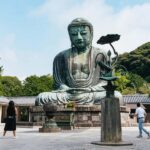
- Meeting the Great Buddha at Kotoku-in
- From Enoshima Station to the island
- What the guides add to the day
- What the $167.36 price includes
- Walking, timing, and who will enjoy it most
- Should you book this Kamakura and Enoshima day trip?
- FAQ
- Where does the tour begin?
- What train does the group take from Shinjuku?
- How long does the tour last?
- Is transport included?
- Is admission to the Great Buddha included?
- Are the Enoshima escalators and Sea Candle included?
- Does the tour include food?
- How large is the group?
- Can I cancel for a full refund?
I like the included matcha and Japanese sweet experience, which gives you a calm pause after the walk to the temple. I also like the Enoshima Kamakura Free Pass, since it takes much of the ticket handling out of a day that uses several trains and short walks.
The catch is the pace. You are out for about 11 hours, with a 30-minute walk before the first temple and plenty more walking around Hase and Enoshima. Comfortable shoes are essential, and the $167.36 price makes the most sense if you want the guide, admissions, tea, and transport arranged for you.
Key points to know before booking

- The day starts early at Shinjuku: Meet at 8:00 am by the Green Window at Shinjuku Station’s South Exit, then board the 8:27 train toward Fujisawa.
- Kamakura combines temples and bamboo: A guided temple visit includes a bamboo forest, matcha, a Japanese sweet, and koi feeding.
- The Great Buddha admission is included: You can enter the temple grounds and go inside the statue itself.
- Enoshima finishes the day by the sea: Walk from Enoshima Station across to the island, then use the island escalators to reach the Sea Candle Observatory.
- The group is capped at 20 people: That is small enough for guide commentary to remain useful, though the exact group size can vary.
- The guides add much of the value: Jeff, Jade, Naoto, and Beth are named guides associated with this experience, with particular praise for clear explanations, patience, and help with families.
From Shinjuku to Kamakura by local train
You meet at 8:00 am outside the Green Window near Shinjuku Station’s South Exit. This is a busy part of Tokyo, so allow enough time to find the correct exit. The group boards an 8:27 train for Fujisawa and arrives there at 9:28.
The route then continues toward Kamakura Station. Your transport during the tour is covered by the Enoshima Kamakura Free Pass, while trains and transport before and after the activity are not included. That distinction matters if you are staying outside central Tokyo or plan to leave from somewhere other than Shinjuku.
I like starting by train rather than in a private vehicle. You see how people actually move between Tokyo and the coast, and you avoid the stress of road traffic. The tradeoff is that you must stay with the group in stations and pay attention to the meeting instructions.
The first section includes about an hour and a half connected with the journey and arrival in Kamakura. This is not a quick hop from one attraction to the next. The train ride, transfers, and walking are part of the day, so plan for a full outing rather than a short side trip.
A few more Tokyo tours and experiences worth a look
Kamakura’s temple, bamboo forest, and tea house

In Kamakura, you walk about 30 minutes to the first temple. That walk is worth keeping in mind when deciding if this tour suits you. It gives you time to see the town on foot, but it also means the day begins with a substantial stretch of walking before the main sights.
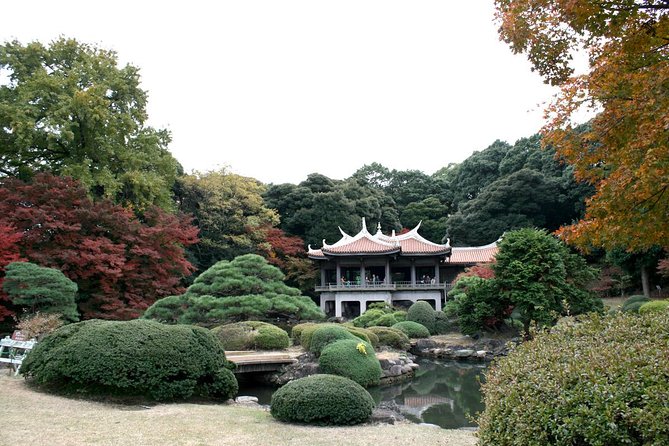
The temple complex includes a bamboo forest and a guided visit. The bamboo is the quiet counterpoint to the Great Buddha and Enoshima later in the day. You are not simply checking off a famous statue. You get a slower setting where the guide can explain the site and point out details you might otherwise pass without noticing.
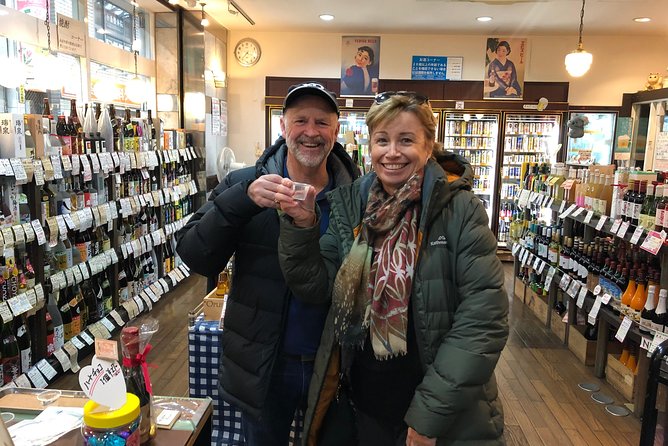
The tea house stop includes matcha and a Japanese sweet. This is one of the best parts of the schedule because it gives the morning a clear pause. Matcha can be an acquired taste, but the setting and the ritual offer a useful introduction to a familiar part of Japanese culture without requiring you to book a separate tea ceremony.
The included Japanese koi feeding fee adds another small hands-on element. It is not a major attraction by itself, but it gives the temple visit some variety, especially for children. Naoto was praised for being friendly and good with young children, so families may find the guided format easier than trying to keep everyone interested while navigating alone.
You spend about four hours in the Kamakura section. That is a generous portion of the day, and it allows the temple, bamboo, tea, walking, and nearby sights to feel like a proper visit rather than a rushed stop. The downside is that the schedule leaves less free time for independent shopping or choosing your own lunch.
Food and drink beyond the tea and sweet are not included. You should budget separately for additional meals and snacks. The supplied details do not specify a dedicated lunch break or a particular restaurant, so do not book this expecting a hosted food tour.
Meeting the Great Buddha at Kotoku-in
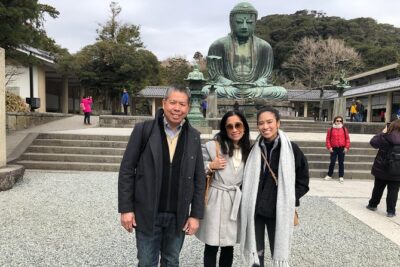
After Kamakura, you take the local line to Hase Station. From there, it is about a seven-minute walk to Kotoku-in, home of the Great Buddha of Kamakura.
The stop lasts about 30 minutes, with roughly 40 minutes allocated to the attraction and nearby movement. That gives you time to see the statue, take photographs, hear the guide’s explanation, and enter the Great Buddha itself. Both the temple admission and the fee to go inside the statue are included.
That inside visit is a useful extra. Many day trips simply bring you to the statue’s front, where you take the expected photograph and move on. Here, you can see the interior as well, which makes the admission feel more worthwhile.
The Great Buddha is one of Kamakura’s clearest symbols, and the guide commentary helps place it within the wider story of the city. Jeff is especially praised for making the history lively and for giving the journey a clear narrative rather than treating each stop as an isolated monument.
Thirty minutes is enough for the main visit, but it is not an open-ended exploration. If you like photographing details, browsing every corner, or spending time at a site without watching the clock, this stop may feel short. The benefit is that the tour keeps moving and still reaches Enoshima on the same day.
From Enoshima Station to the island

The final major section begins at Enoshima Station. From there, you take a scenic walk along the sea toward Enoshima Island.
This is a welcome change after the temple grounds. The island approach gives you coastal views and a sense of arrival, while the earlier Kamakura stops provide the cultural focus. The combination is the main reason to choose this tour over a day spent only in Kamakura.
Once on the island, you use the escalators to reach the upper part of Enoshima. The escalators and observatory admission are included. That is practical because Enoshima involves slopes and stairs, and the escalators save energy for the views and island visit.
The included destination is the Sea Candle Observatory. The 1-hour-10-minute Enoshima section gives you time for the approach, the island, the escalators, and the observatory. From the top, you get the broadest views of the day, with the sea replacing Kamakura’s temple courtyards as the main backdrop.
The island portion is scenic, but it is also the most exposed part of the day. You might find it windy or sunny, depending on conditions. The tour details do not promise specific weather arrangements, so bring suitable clothing and remember that the day involves outdoor walking at every stop.
What the guides add to the day

This experience depends heavily on the guide. The route uses trains, stations, walking paths, temple admissions, and island transport. A good guide turns that into a simple day. A poor one would leave you watching the clock and wondering where to go next.
The named guides include Jeff, Jade, Naoto, and Beth. Jeff is praised for his humor, warmth, and detailed explanations of Japan and Kamakura. Jade is described as easygoing and patient, qualities that matter on a long first day in Japan. Naoto is noted for working well with young children, while Beth and Naoto are praised for preparation and for making sure a small group stayed on track.
I would place special value on the history commentary during the train rides and walks. Those stretches could otherwise become dead time. Instead, they help connect the temples, the Buddha, and Enoshima into a broader picture of the area.
The group maximum is 20 people. That is not a private tour, but it is more manageable than a large coach group. You can expect a social group setting, not complete flexibility. If you want to stop whenever you like or set your own pace, a private guide or self-guided day may suit you better.
A few more Tokyo tours and experiences worth a look


What the $167.36 price includes

At $167.36 per person, this is not the cheapest way to reach Kamakura and Enoshima. You can arrange local trains and visit some sites independently for less. The price is paying for structure, guide time, admissions, and the convenience of having the route handled.
The included value covers:
- The Enoshima Kamakura Free Pass for transport during the tour
- Admission to the bamboo temple
- Matcha and a Japanese sweet
- The koi feeding fee
- Great Buddha temple admission
- Entry inside the Great Buddha
- Enoshima Island escalators
- Sea Candle Observatory admission
- An English-speaking local guide
That is a solid package if you planned to visit all the listed sights anyway. The Free Pass is especially useful because transport is a central part of the route. You are not paying only for a walking tour with a few ticketed stops.
Still, additional food and drink cost extra, and transport before the meeting point and after the tour ends is excluded. The activity returns to the Shinjuku meeting point, so you should factor in your own journey to and from there.
For a first visit to Japan, the price can be justified by the reduced mental load. You do not need to work out which local train to catch next, where the temple entrance is, or how to fit Enoshima into the same day. For an experienced Japan visitor who reads train maps comfortably, the savings from self-guiding may be more appealing.
Walking, timing, and who will enjoy it most

This is an active day. The 30-minute walk to the first temple is clearly stated, followed by walks at Hase and Enoshima. The schedule also includes station transfers and movement through temple and island grounds.
Wear comfortable shoes. That is not a minor suggestion here. You may enjoy the day far more if you prepare for sustained walking instead of treating it like a bus-based sightseeing trip.
The tour is suitable for most people according to the activity details, but the long duration still matters. You leave the meeting point in the morning and return after an approximately 11-hour day. Families can benefit from the guide support, especially with children, but parents should be ready for the length and movement.
This day is a good match for you if:
- You have limited time in Tokyo and want both Kamakura and Enoshima
- You prefer a guide to handle navigation and explain the sites
- You want admissions and tour transport arranged in advance
- You enjoy a mix of temples, nature, coastal views, and major landmarks
- You are comfortable walking for much of the day
It is less suitable if you want a slow temple morning, a long lunch, or several hours of independent shopping. The itinerary is thoughtfully packed, but it is still packed.
Should you book this Kamakura and Enoshima day trip?

Book it if you want a well-organized first look at the coast outside Tokyo and value having someone else manage the trains and timing. The strongest reasons are the included Great Buddha interior visit, the bamboo temple with matcha, the Enoshima observatory, and guides such as Jeff, Jade, Naoto, and Beth who bring patience and personality to the day.
Think twice if the price feels high for a public-transport excursion or if you dislike fixed schedules. You will have less freedom than you would on your own, and the 11-hour length demands stamina.
With a 4.9 rating from 32 reviews and a listed recommendation rate of 100 percent, the experience has a strong record. The practical decision is simple: if you want maximum independence, plan Kamakura and Enoshima yourself. If you want the major sights, cultural context, included admissions, and a friendly guide in one day, this is a sensible use of a Tokyo sightseeing day.
FAQ
Where does the tour begin?
It begins at 8:00 am at the Green Window near Shinjuku Station’s South Exit, at 3-chōme-38-1 Shinjuku, Shinjuku City, Tokyo 160-0022.
What train does the group take from Shinjuku?
The group boards the 8:27 train from Shinjuku Station toward Fujisawa and arrives at Fujisawa Station at 9:28.
How long does the tour last?
The day lasts approximately 11 hours, including travel time. It ends back at the original meeting point.
Is transport included?
An Enoshima Kamakura Free Pass is included for transport during the tour. Transport before the activity begins and after it ends is not included.
Is admission to the Great Buddha included?
Yes. The package includes admission to the Great Buddha temple and the entrance fee to go inside the Great Buddha.
Are the Enoshima escalators and Sea Candle included?
Yes. Admission to the Enoshima Island escalators and the Sea Candle Observatory is included.
Does the tour include food?
It includes matcha and a Japanese sweet at the temple tea house. Additional food and drinks are not included.
How large is the group?
The activity has a maximum of 20 participants.
Can I cancel for a full refund?
Yes, if you cancel at least 24 hours before the experience start time. Cancellations or changes made less than 24 hours before the start time are not accepted for a refund.
More 1-Day Tours in Tokyo
More Kamakura & Enoshima Day Trips in Tokyo


More tours in Tokyo we've reviewed












Kamakura & Enoshima Day Trips, compared.
 ★ 4.5Tokyo: Kamakura & Enoshima Day Trip including Temple TicketsFrom $589 hours - 570 minutes
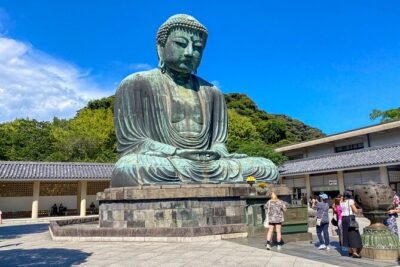 ★ 5.0Mount Fuji, Kamakura, Big Buddha, & Lake Ashi Day TripFrom $109
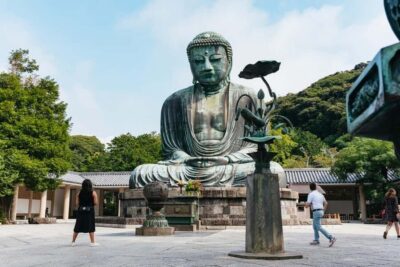 ★ 4.7Tokyo: Mt Fuji, Kamakura, Lake Ashi & Big Buddha Guided TourFrom $50
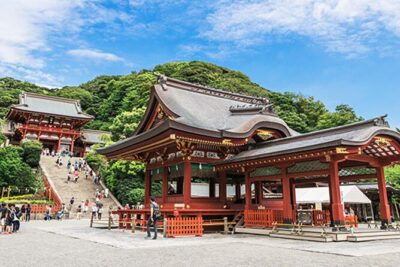 ★ 4.5From Tokyo: Kamakura & Enoshima 1-Day Bus TourFrom $66
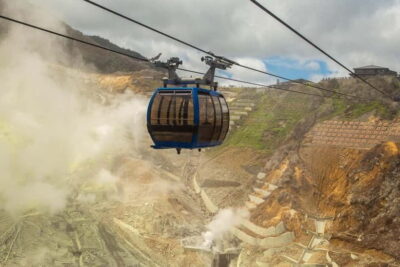 ★ 4.9Tokyo:Sea of Mount Fuji, Hakone Ropeway, Ōwakudani, EnoshimaFrom $5010 hours
 ★ 5.0Kamakura 8 hr Private Walking Tour with Licensed Guide from TokyoFrom $201