Reviewed · TEMPLES & MEDITATION
Historic Temple・traditional Japanese garden& Eating around at a shopping strip
Tokyo can feel like a wall of trains, towers, and people. This private outing takes you somewhere quieter: Ikegami Honmonji Temple, a hilltop Buddhist complex dating from the late 13th century, followed by a traditional strolling garden and a local shopping street where everyday Tokyo life takes center stage. I like the contrast between temple silence and Togoshi Ginza’s small shops. I also like that guide Miyuki can add context about Japanese daily life, not just point out buildings.
In This Article
- Key points to know before booking
- Why this half-day route feels different from central Tokyo
- Quiet steps at Ikegami Honmonji Temple
- Five minutes to the apricot trees at Ikegami Baien
- Two hours along Togoshi Ginza Shopping Street
- Miyuki’s guiding style and the value of a private group
- Practical details that affect your day
- Who will get the most from this Tokyo outing
- Should you book this tour?
- FAQ
- Where does the tour begin?
- Where does the tour end?
- How long does the experience last?
- Is this a private tour?
- Who is the guide?
- What transportation is included?
- Are admission fees included?
- Is lunch included?
- Does the tour require much walking?
- What happens if the weather is poor?
The main consideration is time and walking. The tour lasts about four to six hours, includes two hours on foot at Togoshi Ginza, and requires moderate fitness. Lunch and drinks are not included, so keep some money aside for eating along the way.
Key points to know before booking
- Three very different Tokyo stops: You visit a historic temple, a Japanese strolling garden, and a working-class shopping street in one half-day.
- A private tour with Miyuki: Only your group participates, allowing room for questions about Tokyo, Japan, and ordinary daily life.
- Ikegami Honmonji is reached on foot: The temple is about a ten-minute walk from Ikegami Station and sits on a hill.
- Ikegami Baien changes with the season: The garden is known for about 370 Japanese apricot trees.
- Togoshi Ginza is the food stop: You get about two hours to walk its narrow streets, with lunch and drinks paid separately.
- The $52.02 price includes useful basics: Train fare between Ikegami and Togoshi, English guiding, and admission are covered.
Why this half-day route feels different from central Tokyo
I like this experience because it does not try to squeeze in every famous Tokyo sight. Instead, it gives you a small, coherent look at one part of the city, then moves you by train to another neighborhood with a very different mood.
The route begins at Ikegami Station in Ota City. From there, you walk roughly ten minutes to Honmonji Temple. After the temple, Ikegami Baien is only about five minutes away on foot. A short train ride then takes you to Togoshi Ginza for a longer walk and time to eat.
That structure matters. You are not spending the entire tour inside a coach or rushing between distant landmarks. The route connects places at a human pace, with the guide helping you understand what you are seeing. Since it is private, you can ask Miyuki to explain points that interest you, from religious customs to the way Japanese shopping streets work.
The tour is listed at $52.02 per person. For a private experience lasting four to six hours, that is a fair price if you want personal guidance rather than a large group walk. The value is stronger because transportation between the two neighborhoods and admission are included. You still need to pay for lunch and drinks, and the exact length may vary within the four to six hour range.
A few more Tokyo tours and experiences worth a look


Quiet steps at Ikegami Honmonji Temple
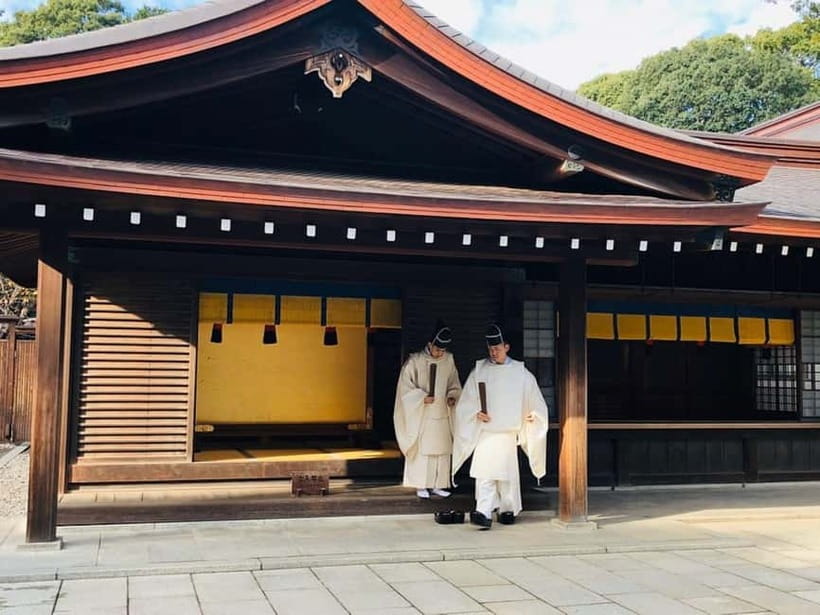
The first stop is Ikegami Honmonji, a temple complex on a hill in central Ota City. Its origins reach back to the end of the 13th century, giving the visit a sense of age that is easy to miss in a city changing as quickly as Tokyo.
The setting is the real pleasure here. Once you reach the temple grounds, the soundscape shifts. Instead of traffic and station announcements, you may hear leaves moving in the trees. That change is part of the experience. You are still in Tokyo, but the city feels far away for a while.
Admission to the temple is free, and it is the first place where Miyuki’s guidance can make a difference. A temple complex can look like a collection of gates, halls, steps, and gardens if you do not know what you are seeing. An English-speaking guide can give the buildings and rituals a clearer setting, while also answering your questions about Japanese life.
Allow about one hour here. The hill and walking route mean comfortable shoes are sensible. The tour calls for moderate physical fitness, so this is not the best choice if you need a completely flat, seated outing.
One useful feature is the lack of an extra temple admission charge. That keeps the stop simple, though you should not expect a major museum-style attraction with a long list of exhibits. Honmonji is about atmosphere, religious setting, and a pause from the city.
Five minutes to the apricot trees at Ikegami Baien
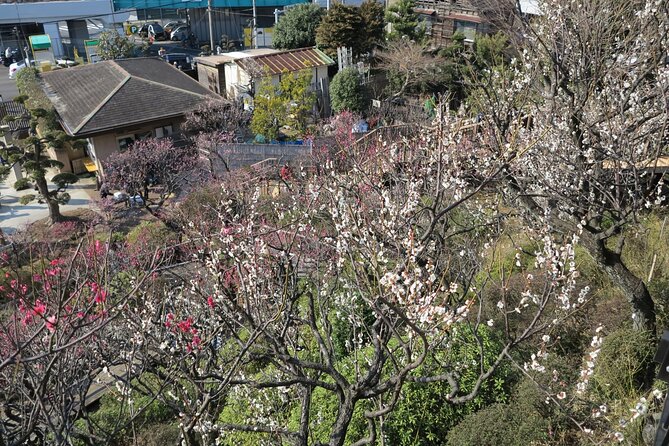
From Honmonji, you walk about five minutes to Ikegami Baien. Baien means apricot garden, and the garden contains around 370 Japanese apricot trees. That detail gives the stop a clear character rather than making it just another patch of greenery.
Ikegami Baien is designed as a Japanese strolling garden. You move through it on foot, taking in changing views instead of standing in one place and looking at a single monument. The experience is likely to vary with the time of year, especially because trees and plantings do not look the same in every season.
The garden receives about an hour of the tour. Admission is included, which is helpful because you can visit without making a separate payment or planning another ticket. It also creates a good middle section between the temple’s quiet religious grounds and the livelier shopping street later on.
I would treat this as a slower stop. You will get more from it if you are willing to walk at an easy pace and notice the arrangement of paths, plants, and views. If you are visiting outside a period when the apricot trees are at their best, the garden may not deliver the same floral display shown in seasonal images. Its design still gives the stop value, but the timing of your visit matters.
The first two stops work well together. Honmonji offers history and stillness. Baien adds plants and garden design. Neither requires a long train journey, so you spend more of your time seeing the area and less of it moving across Tokyo.
Two hours along Togoshi Ginza Shopping Street
After Ikegami Baien, a short train ride brings you to Togoshi Ginza. This is where the tour shifts from historic sites to ordinary neighborhood life.
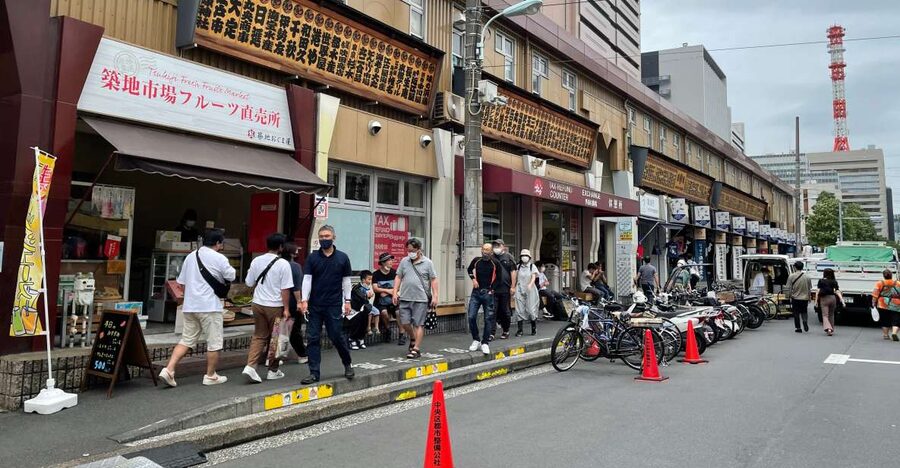
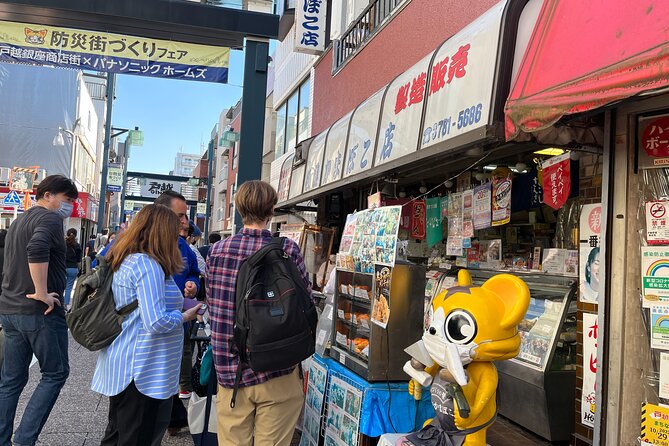
Togoshi Ginza is known for its working-class character and narrow streets lined with local shops. You get about two hours to walk through the district, which is enough time to look beyond a quick photograph and notice how the neighborhood functions. This is not a grand department store district designed mainly for visitors. Its appeal lies in the small-scale, local feel.
The route also gives you the best chance to make lunch part of the day. Food and drinks are not included, so you can choose what to buy as you go. One memorable possibility mentioned in the tour material is enjoying a beer at a local butcher shop. That is exactly the kind of small, unexpected stop that can make a shopping street feel personal rather than staged.
You should think of Togoshi Ginza as a place for browsing and tasting, not a formal food tour with a set menu. The tour does not promise specific dishes, tastings, or a prepaid meal. Bring cash or another suitable payment method for anything you want to eat, though the available payment options at individual shops are not specified.
Two hours is generous for walking the street, but it also makes this the most physically demanding part of the day. Narrow shopping streets mean you may be walking slowly around other people, stopping often, and standing while looking at shops or choosing food. Wear shoes that can handle a half-day on foot.
This stop is especially useful if you have already seen the big Tokyo districts and want a more ordinary side of the city. It shows how local commerce, snack stops, and neighborhood routines fit together. Miyuki’s role is important here because she can explain the customs and daily habits that are easy to miss when you simply wander alone.
Miyuki’s guiding style and the value of a private group

The tour is private, meaning only your group participates. That changes the rhythm. You do not have to wait for a large party, and you can ask questions without worrying about holding up a crowd.
Miyuki is the named guide associated with this experience. The feedback provided describes her as friendly, professional, open, and able to discuss Tokyo, Japan, and Japanese everyday life. Those qualities suit this route because the sights are not difficult to find on your own. The real benefit is having someone connect the temple, garden, train ride, and shopping street into a story about the city.
I would book this with questions ready. Ask about what you see at Honmonji, how the garden is used, or what to look for in Togoshi Ginza. A private guide is most useful when you treat the day as a conversation rather than a parade of facts.
The tour has received a perfect overall rating from four published reviews, with especially strong praise for the relaxed pace, the guide, and the chance to see a less familiar side of Tokyo. That is a small number of ratings, so I would not treat it as a guarantee. Still, the praise is consistent with the tour’s design: quiet sites, local streets, and one guide focused on your group.
Other historical tours in Tokyo



Practical details that affect your day
You meet at Ikegami Station in Ota City. The listed meeting point is in the Ikegami area, and the temple is roughly a ten-minute walk from the station. The tour ends back at the meeting point.
The duration is approximately four to six hours. That broad range probably reflects the walking pace, questions, time spent at the shops, and the food stop. If you have a train reservation, dinner booking, or airport transfer later that day, leave a comfortable buffer.
Transportation between Ikegami and Togoshi is included. This is a useful saving in both money and effort, since you do not need to work out that leg yourself. The meeting-point travel to Ikegami and your onward travel after the tour are not listed as included.
The experience is offered with a mobile ticket. Confirmation is normally sent at booking, but reservations made within two days of the date may be confirmed within 48 hours and remain subject to availability.
The tour requires good weather. If poor weather causes cancellation, you are offered another date or a full refund. You can also cancel for a full refund up to 24 hours before the start time. Changes or cancellations inside that 24-hour window are not accepted for a refund.
Service animals are allowed, and the route is near public transportation. The moderate fitness recommendation is worth taking seriously because the day includes station walking, a hilltop temple, garden paths, and two hours around Togoshi Ginza.
Who will get the most from this Tokyo outing
I would recommend this tour to someone who has already seen the major central Tokyo sights, or to someone who prefers neighborhoods to famous photo stops. It also suits a first visit if you want a gentle introduction to temples, gardens, local transport, and shopping streets in one outing.
Couples, families with older children, and small groups should benefit from the private format. You can shape the conversation around your interests, and you will not be tied to a large group’s pace.
It is less suitable if you want a full meal included, a short sightseeing walk, or a tightly timed schedule. It may also disappoint you if your main goal is a long list of famous Tokyo landmarks. This is a quieter, more local route.
Should you book this tour?
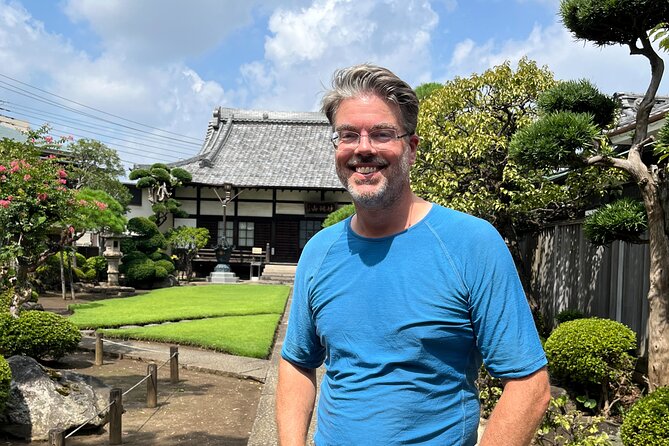
Book it if you want a calm, personal view of Tokyo that combines a 13th-century temple setting, an apricot garden, and a neighborhood shopping street. The strongest reasons are the private guide, the included train fare and admission, and the chance to spend real time in Togoshi Ginza rather than simply passing through.
Skip it if you dislike walking, need a guaranteed lunch, or have only a few hours and want Tokyo’s headline attractions. For everyone else, $52.02 is a reasonable price for a private four to six hour experience, especially when you use Miyuki’s local knowledge to ask about the details around you.
FAQ
Where does the tour begin?
The tour begins at Ikegami Station in Ota City, Tokyo. The listed meeting point is in the Ikegami area.
Where does the tour end?
The activity ends back at the meeting point.
How long does the experience last?
The approximate duration is four to six hours.
Is this a private tour?
Yes. Only your group participates in the activity.
Who is the guide?
The guide associated with the experience is Miyuki, and guided tours are conducted in English.
What transportation is included?
Transportation costs between Ikegami and Togoshi are included.
Are admission fees included?
Yes. Admission is included, including the fee for Ikegami Baien. Ikegami Honmonji Temple has free admission.
Is lunch included?
No. Lunch, food, and drinks are not included in the price.
Does the tour require much walking?
Yes. You should have a moderate level of physical fitness. The route includes a walk from Ikegami Station to the temple, garden paths, and about two hours walking around Togoshi Ginza.
What happens if the weather is poor?
The experience requires good weather. If it is canceled because of poor weather, you will be offered a different date or a full refund.
More Shopping Tours in Tokyo





More Historical Tours in Tokyo
More Temples & Meditation in Tokyo

More tours in Tokyo we've reviewed












Temples & Meditation, compared.
 ★ 4.7Tokyo: Meiji Shrine, Asakusa, Skytree Bus Tour and CruiseFrom $12210 hours
 ★ 4.8Tokyo: Asakusa Walking Tour with Sensoji Temple VisitFrom $222 hours
 ★ 4.5Tokyo: Kamakura & Enoshima Day Trip including Temple TicketsFrom $589 hours - 570 minutes
 ★ 4.5Tokyo: Nikko Toshogu Shrine and Kegon Waterfall TourFrom $8410h 30m
 ★ 4.5Tokyo Panoramic 1 Day: Meiji Shrine, Asakusa, Odaiba and SKYTREE®From $85
 ★ 5.0Asakusa Senso-ji Temple and Old Tokyo Walking TourFrom $20