Reviewed · TEMPLES & MEDITATION
Tokyo Full-Day Tour Skytree Meiji Shrine With English Driver
Tokyo can feel impossible to organize in one day, and this private tour tackles the problem with a car, a driver, and a long list of major sights. You move from Senso-ji and Nakamise Street to Skytree, Tsukiji, Harajuku, Meiji Shrine, Shibuya, and Odaiba without learning Tokyo’s rail map first.
In This Article
- Key points at a glance
- One long day from temple gates to Tokyo’s skyline
- Senso-ji and Nakamise Street: Tokyo’s best first stop
- Tokyo Skytree: big views, limited time
- Tsukiji Outer Market: make room for a food break
- Takeshita Street and Meiji Shrine: Harajuku’s two sides
- Shibuya Crossing: a short taste of modern Tokyo
- Odaiba: futuristic Tokyo by the water
- Tokyo Tower and Shibuya Sky need confirmation
- What the private car changes for your day
- The guide question: driver service or real touring?
- Who will get the most from this Tokyo tour?
- Is the $412 group price good value?
- Should you book this tour?
- FAQ
- How long does the Tokyo tour last?
- Is pickup and drop-off included?
- How many people can join the private tour?
- Which languages are available?
- Are meals and drinks included?
- Can wheelchair users join the tour?
I like the included hotel pickup and drop-off, especially if you are traveling with family or a small group. I also like the mix of old Tokyo, modern city views, shopping streets, and waterfront scenery. The main caution is the guiding: one guest had a highly helpful day with Yasir, while another was simply dropped at each stop and told to return in an hour. Confirm how much live commentary you will receive.
Key points at a glance
- Private vehicle for up to six: The $412 group price makes more sense when shared, particularly for families or friends.
- A broad Tokyo sampler: You can cover Asakusa, Skytree, Tsukiji, Harajuku, Meiji Shrine, Shibuya, and Odaiba in one day.
- Pickup across Tokyo’s 23 wards: Hotel and location pickup is included in areas such as Chuo, Chiyoda, Minato, Shibuya, and Shinjuku.
- Guide quality matters here: Yasir is specifically praised for patient explanations, while LAX is noted for safe, helpful driving.
- Expect walking and weather exposure: Comfortable shoes, a hat, sunscreen, and some flexibility are important.
- Check the final route: Tokyo Tower, Shibuya Sky, and the Sumida River cruise are promoted in the overall description but are not listed among the timed stops, so ask what will actually fit on your date.
One long day from temple gates to Tokyo’s skyline
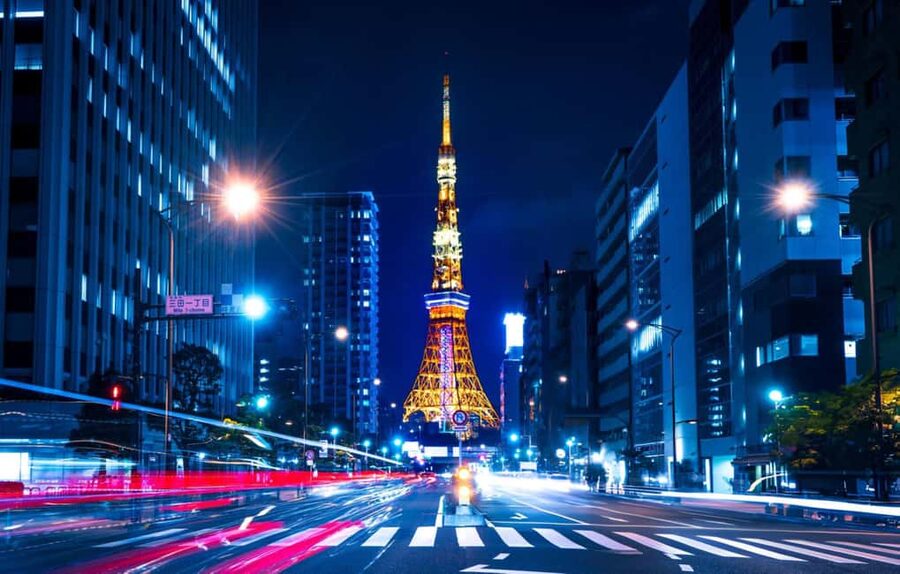
This is best understood as a private Tokyo highlights tour, not a slow cultural walk. Ten hours sounds generous, but Tokyo is spread across several districts, and the route includes roughly one hour at each major stop. Traffic, queues, food breaks, and the sheer size of some sites can quickly use up the day.
The vehicle solves a real Tokyo problem. You do not need to work out transfers between Asakusa, Tsukiji, Harajuku, Shibuya, and Odaiba, and you can return to the same pickup point at the end. For a group of six, $412 works out to about $69 per person before meals and drinks. That is a reasonable price for a full day of private transport, fuel, highway tolls, and a guide, though the value depends heavily on whether your guide explains the places or merely drives you between them.
The tour is offered with English, Hindi, Arabic, and Japanese-speaking guides. Two guide names appear in the feedback: Yasir, who took time to explain the city and its different areas, and LAX, who was praised for safe, patient driving and helpful support throughout the day. You may not receive either guide, so treat those names as useful examples rather than a guarantee.
A few more Tokyo tours and experiences worth a look
Senso-ji and Nakamise Street: Tokyo’s best first stop
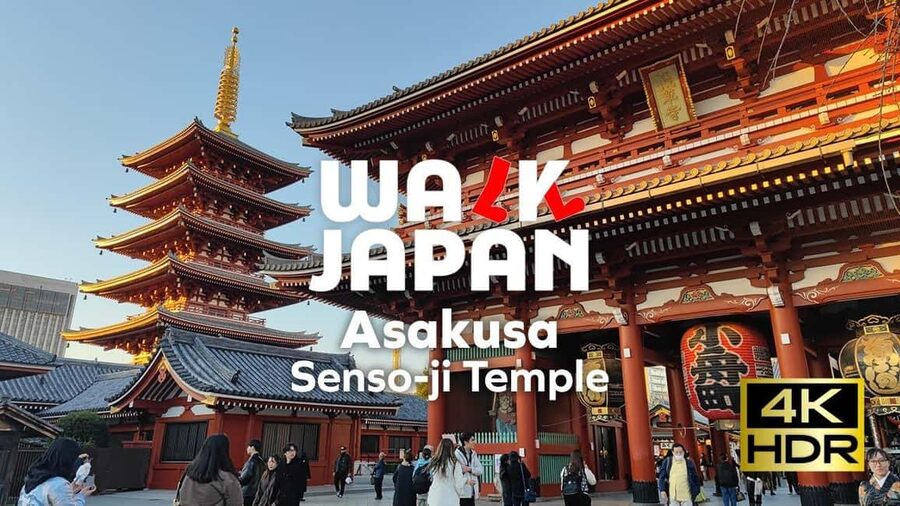
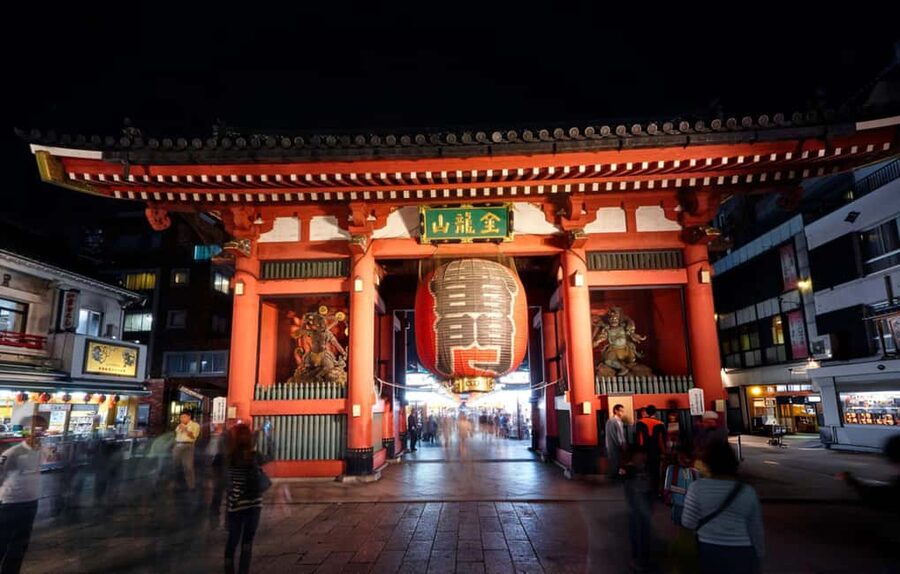
The day begins at Senso-ji in Asakusa, Tokyo’s famous Buddhist temple district. The large Kaminarimon Gate, with its giant lantern, gives you an instantly recognizable introduction to old Tokyo. From there, Nakamise Street leads toward the temple through a long line of small shops selling snacks, souvenirs, crafts, and traditional-style goods.
The scheduled time here is about one hour. That is enough for photographs, a look inside the temple grounds, and a quick taste of street food. It is not enough for a slow exploration of every side lane in Asakusa, so you will need to choose between shopping, food, and temple time.
I like this stop because it gives the day some texture before the modern towers and shopping districts take over. Keep a little cash handy for snacks and small purchases, and watch the clock. Your driver may set a return time, and missing it can make the rest of the route feel rushed.
Tokyo Skytree: big views, limited time
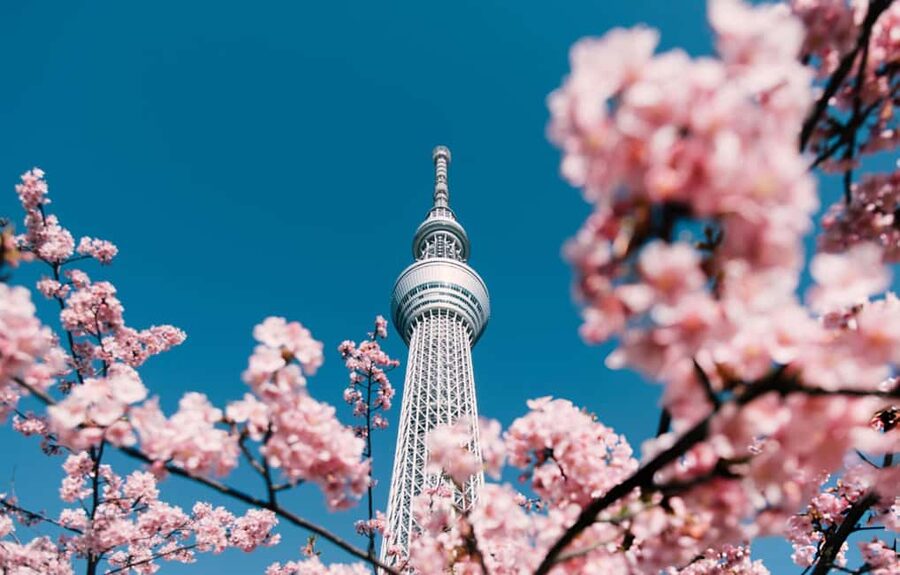
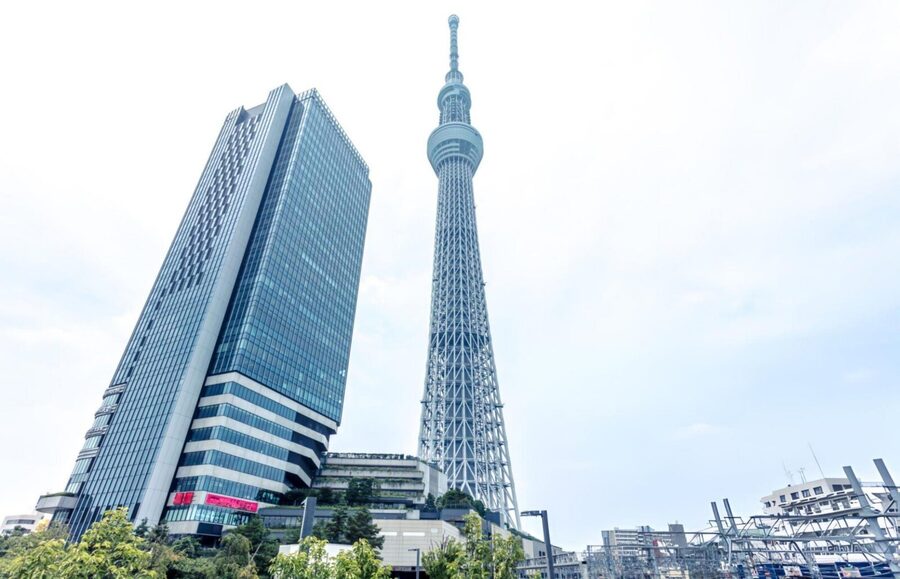
Tokyo Skytree is the day’s major high point, literally and figuratively. At 634 meters, it is the world’s tallest broadcasting tower, and its observation areas offer broad views over Tokyo. On a clear day, you can get a strong sense of how far the city spreads beyond the central districts.
The stop is planned for about an hour, including photographs, free time, and shopping. That timing may be tight if an observation deck entry queue is involved. The tour information does not say that admission tickets are included, so check the booking details before you assume access to the top viewing areas is covered.
This is one place where a private vehicle is convenient but cannot control the crowd or the weather. Haze can soften the views, and a busy day can eat into your time. Still, even a short visit gives you a useful contrast with Senso-ji: from a historic temple courtyard to a futuristic tower in the same part of Tokyo.
Tsukiji Outer Market: make room for a food break
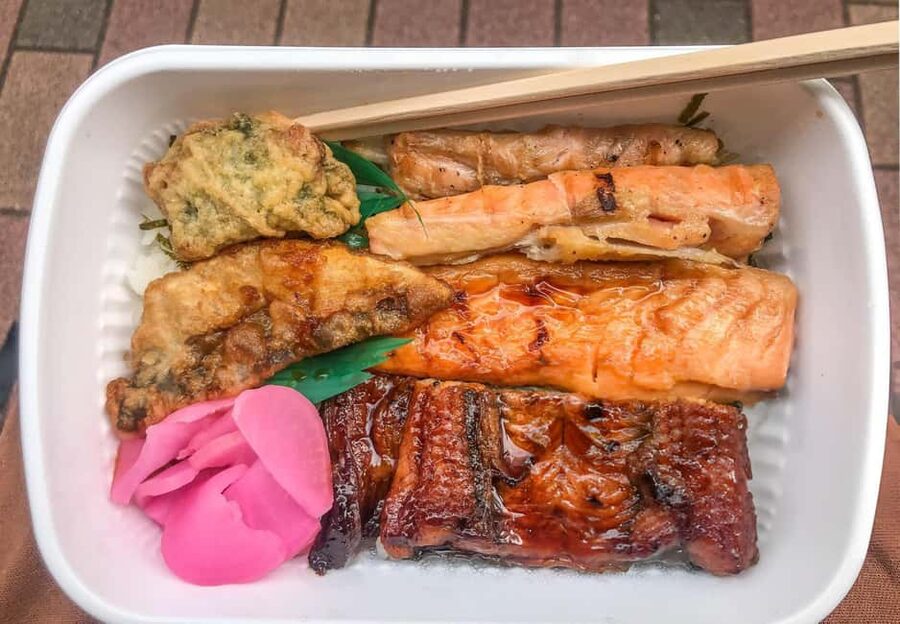
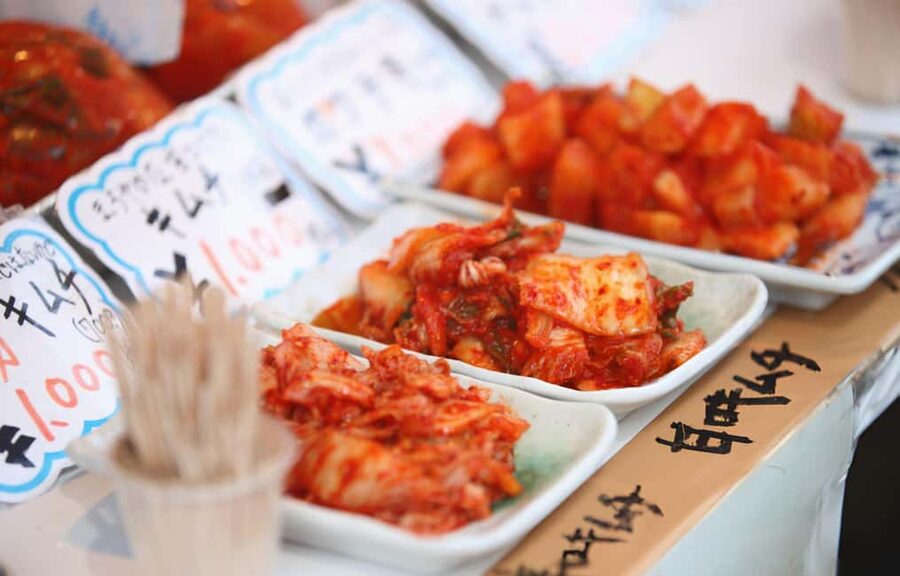
Tsukiji Outer Market is the practical food stop on this route. The market area is known for seafood, prepared dishes, produce, kitchen tools, and small food counters. The planned hour allows time to walk, browse, and sample regional food, but meals and drinks are not included in the tour price.
I would use this hour for a focused snack rather than a full sit-down meal. You can try one or two market foods, look at the specialist shops, and keep moving. Since the day already contains many stops, a long meal here could put pressure on the later schedule.
Eating and drinking are not allowed inside the attractions, so take food breaks in the market areas where permitted. The tour also involves a moderate amount of walking, much of it on busy streets and hard surfaces. Comfortable shoes are more important than stylish ones on this day.
Takeshita Street and Meiji Shrine: Harajuku’s two sides
The Harajuku portion pairs Takeshita Street with Meiji Shrine, creating one of the day’s most useful contrasts. Takeshita Street is a narrow shopping strip filled with youth fashion, novelty goods, sweet treats, and pop-culture stores. It can feel crowded, loud, and highly commercial, but that is part of its role in modern Tokyo.
The schedule allows about an hour for the street. I would not try to shop seriously here. Instead, use the time to walk its length, sample something if you wish, and take in the unusual mix of fashion and small retail shops.
Meiji Shrine offers a very different mood. Set within a wooded city retreat, the shrine is reached by broad paths and marked by large torii gates. You will have about an hour for walking, photographs, and a look around the grounds. This stop is less about checking off a building and more about noticing the change in sound and pace.
Remember that Meiji Shrine is an active religious site. Follow posted photography rules and your guide’s instructions, and keep your voice low in areas used for worship. The paths can add more walking than the short stop description suggests, so good footwear matters.
A few more Tokyo tours and experiences worth a look


Shibuya Crossing: a short taste of modern Tokyo
Shibuya Crossing is one of Tokyo’s most familiar city scenes. When the signals change, people move across the wide intersection from several directions, surrounded by giant screens, shops, and tall buildings. The tour gives this area about an hour for a break, walking, shopping, and photographs.
You may be able to watch from street level or use some of the surrounding buildings for a higher view, but the exact plan is not stated. Do not count on a particular observation deck unless the supplier confirms it. The overall tour description refers to Shibuya Sky, a high-rise viewing point, but it does not appear in the timed stop list.
That distinction matters. Shibuya Crossing itself is quick to see, while Shibuya Sky requires more time and may involve tickets or queues. Ask before booking if the rooftop view is essential to you.
Odaiba: futuristic Tokyo by the water
Odaiba is an artificial island built across Tokyo Bay, known for shopping, entertainment, and futuristic architecture. It gives the route a change of scenery after the dense streets of Shibuya and Harajuku. The stop is listed as about one hour and mainly focuses on visiting and photographs.
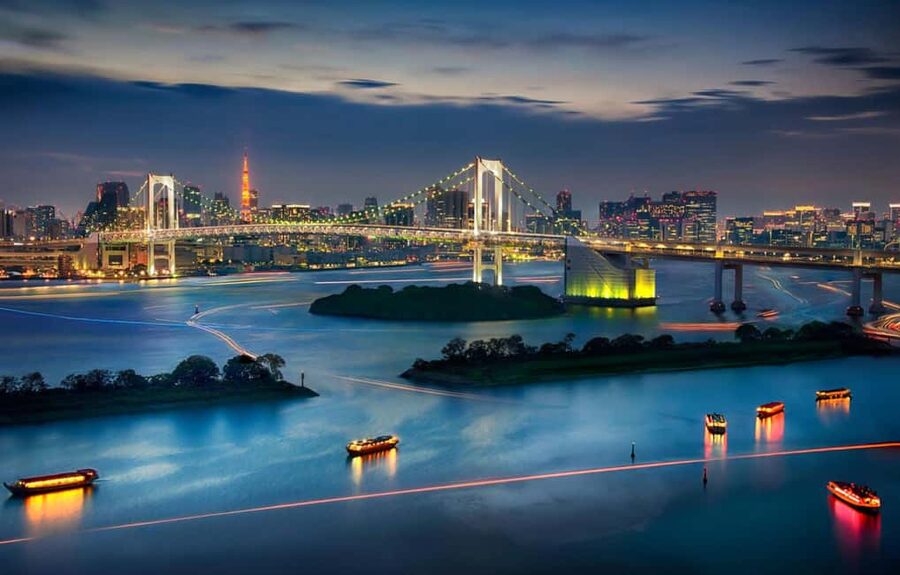
The overall description also refers to a Sumida River cruise and views of the Rainbow Bridge. Those are appealing additions, but the detailed stop schedule does not show a separate cruise stop. Odaiba and the Rainbow Bridge may be part of the wider plan, but you should confirm the cruise, boarding point, and timing directly before you pay.
This is an important planning point because a river cruise is not something you can casually squeeze in if departure times do not match the vehicle route. If the cruise is included on your day, it could be a relaxing change from walking. If not, Odaiba still provides a waterfront stop and a look at another side of Tokyo.
Tokyo Tower and Shibuya Sky need confirmation
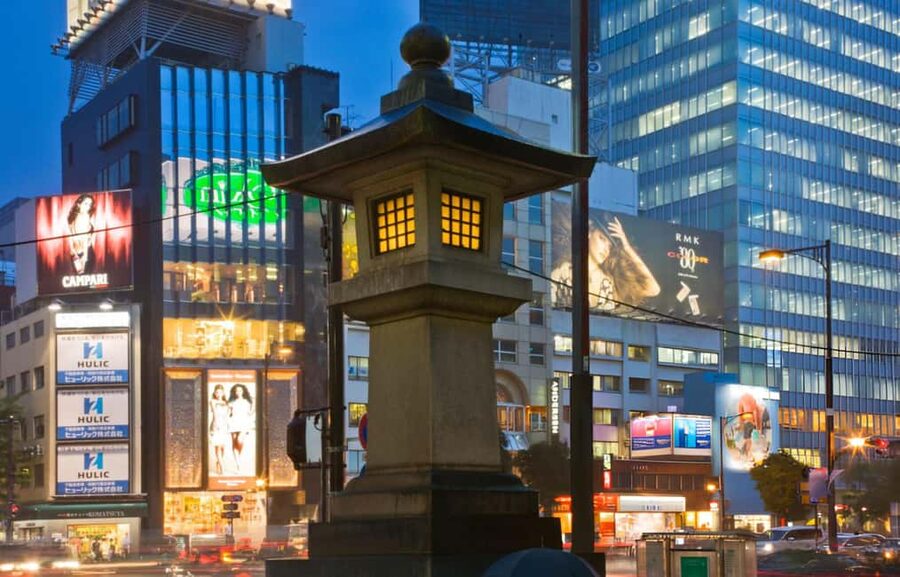
The experience description promotes panoramic views from Tokyo Tower and Shibuya Sky, along with the Skytree. Yet the detailed route lists Skytree and Shibuya Crossing but does not list separate stops for Tokyo Tower or Shibuya Sky.
I would not treat all three tower views as guaranteed in one 10-hour day. Tokyo traffic, entry queues, and the eight listed sightseeing stops already create a full schedule. If Tokyo Tower or Shibuya Sky is a priority, ask the operator whether one of the other stops will be shortened or removed.
This is not a minor detail. A tour can advertise a wide set of highlights while the actual route on the day depends on traffic, opening hours, ticket availability, and your chosen pickup time. Get the final sequence in writing if a specific tower or cruise matters to you.
What the private car changes for your day
Tokyo’s rail system is excellent, but this route crosses several districts and asks you to change activities often. With a private vehicle, you can avoid transfers, station corridors, and the need to keep a group together on crowded platforms. Pickup and drop-off are included from hotels or other locations within Tokyo’s 23 wards, including Chuo, Chiyoda, Minato, Shibuya, and Shinjuku.
Nine pickup and drop-off areas are listed, including Kawaguchi, Shinagawa, Sumida, Shibuya, Toshima, Urayasu, Itabashi, Ichikawa, and Bunkyo. For locations outside the covered areas, contact the local supplier, Get Your Ride, through WhatsApp at 0081-80-4061-4722 to confirm arrangements.
Be ready in your hotel lobby 10 minutes before pickup. Drivers may wait up to 60 minutes after the scheduled time, and Tokyo traffic can still cause delays. That generous waiting policy should not encourage lateness, since a delayed start can shorten the later stops.
The guide question: driver service or real touring?
The biggest variable is not the car. It is the person in the front seat.
The activity is presented as a guided tour with live commentary, but the level of explanation may vary. One account describes a low-energy driver who provided no explanation and simply returned after leaving the guest at each site. That would make this a private transport service with sightseeing stops, not the cultural tour many people expect.
Another account describes Yasir taking time and patience to explain each area, helping the guest understand how different parts of Tokyo fit together. LAX is specifically praised as a safe and patient driver who added extra stops and helped throughout the day. Those two experiences show why I would contact the supplier before departure and ask two direct questions: Will the assigned guide explain each site, and will the guide accompany me or leave me to explore alone?
If you mainly want comfortable transport and control over your schedule, a quiet driver may be fine. If you want temple customs, neighborhood context, and help choosing food, live commentary is central to the value.
Who will get the most from this Tokyo tour?
I would choose this for a first visit when you want to see many famous places in one day and do not want to manage transport. It also suits families, older adults who prefer a private vehicle, and small groups that can share the $412 cost.
It is useful for visitors staying outside the central sightseeing districts, since pickup and drop-off remove some of the effort involved in reaching a meeting point. A private group also gives you more control than a large coach tour, even if the day remains fairly structured.
I would be more cautious if you want long temple visits, serious shopping, or a relaxed food tour. One hour per stop is a sampler pace. It is also not suitable for wheelchair users, and the moderate walking makes it a poor fit for anyone who cannot comfortably walk between vehicle drop-off points and attractions.
Bring comfortable shoes, a camera, a hat, and sunscreen. Prepare for changing weather, and expect to carry your own purchases unless the driver provides a suitable storage arrangement. Large bags may need to be checked at some attractions, and photography is restricted in certain areas.
Is the $412 group price good value?
For a full private vehicle carrying up to six people, the price is easiest to justify when the group is full. At six people, the per-person cost is modest for 10 hours of transport across Tokyo. At two people, the same price becomes a much bigger decision.
Fuel and highway tolls are included, which removes two common extra costs. Meals, drinks, attraction tickets, and likely any optional cruise or observation-deck admission are not included, so budget separately for those items.
The real question is what kind of day you want. If you value convenience, a broad route, and pickup at your accommodation, the price can be fair. If you expect a guide to accompany you at every stop and provide detailed explanations, confirm that service first. The difference between a private guide and a private driver is significant here.
Cancellation is flexible up to 24 hours before departure for a full refund, and you can reserve now and pay later. Those policies help if your Tokyo plans are still changing, but they do not replace the need to confirm the exact route.
Should you book this tour?
Book it if you want a wide first-day survey of Tokyo with private transport, especially with four to six people sharing the cost. The route covers the city’s old temple quarter, major views, food markets, fashion streets, shrine grounds, Shibuya, and the bay in one ambitious day.
Before booking, confirm three things: the assigned guide’s level of English commentary, whether Tokyo Tower and Shibuya Sky are included, and whether the Sumida River cruise is actually scheduled. If the answers are clear and match your priorities, this can be a practical way to get your bearings fast.
If you prefer slow exploration or detailed cultural guiding, choose a tour with fewer stops and a clearly stated walking guide. This experience offers breadth and convenience first. Its success depends on whether your guide adds real explanation to the driving.
FAQ
How long does the Tokyo tour last?
The tour lasts 10 hours. Starting times depend on availability, so check the available options before booking.
Is pickup and drop-off included?
Yes. Round-trip pickup and drop-off are included. Pickup is available from hotels or other locations within Tokyo’s 23 wards, with areas such as Chuo, Chiyoda, Minato, Shibuya, and Shinjuku included.
How many people can join the private tour?
The price covers a private group of up to six people.
Which languages are available?
Live guides are available in English, Hindi, Arabic, and Japanese.
Are meals and drinks included?
No. Meals and beverages are not included in the tour price.
Can wheelchair users join the tour?
No. The activity is listed as unsuitable for wheelchair users. It also involves a moderate amount of walking.
More Full-Day in Tokyo


More Temples & Meditation in Tokyo
More Tickets & Passes in Tokyo
More tours in Tokyo we've reviewed












Temples & Meditation, compared.
 ★ 4.7Tokyo: Meiji Shrine, Asakusa, Skytree Bus Tour and CruiseFrom $12210 hours
 ★ 4.8Tokyo: Asakusa Walking Tour with Sensoji Temple VisitFrom $222 hours
 ★ 4.5Tokyo: Kamakura & Enoshima Day Trip including Temple TicketsFrom $589 hours - 570 minutes
 ★ 4.5Tokyo: Nikko Toshogu Shrine and Kegon Waterfall TourFrom $8410h 30m
 ★ 4.5Tokyo Panoramic 1 Day: Meiji Shrine, Asakusa, Odaiba and SKYTREE®From $85
 ★ 5.0Asakusa Senso-ji Temple and Old Tokyo Walking TourFrom $20