Reviewed · MT FUJI DAY TRIPS
2 Days Tokyo ,Mount Fuji / Hakone Private Tour from Tokyo
The best thing about this tour is the sheer amount of Japan you can cover without wrestling with train maps, rural roads, or transfer times. In two long days, you move from central Tokyo sights to Mount Fuji viewpoints, forest shrines, volcanic valleys, and Lake Ashi.
In This Article
- Key points at a glance
- Why this private two-day plan works
- Imperial Palace gardens and the remains of Edo Castle
- Tsukiji Outer Market for a quick food stop
- Tokyo Skytree and the cost of going up
- Senso-ji and old Tokyo atmosphere
- Takeshita Street and Tokyo youth culture
- Day two begins with Chureito Pagoda
- Kitaguchi Hongu Fuji Sengen Shrine
- Oshino Hakkai and clear spring ponds
- Lake Ashi and the optional-fee question
- Hakone Ropeway and Owakudani’s volcanic ground
- What the $811 group price really buys
- How the guide can shape the day
- Who should book this tour
- Should you book it?
- FAQ
- How long is the tour?
- What time does the tour start?
- How much does the private tour cost?
- Is transportation included?
- Is the guide English-speaking?
- Who can join the tour?
- Is Tokyo Skytree admission included?
- Is the Hakone Ropeway included?
- Is the Lake Ashi cruise included?
- Are meals included?
- Can I cancel for a full refund?
- What happens if bad weather cancels the tour?
I like the private vehicle and the chance to shape the day with your guide. I also like the mix of famous sights and quieter cultural stops, especially Kitaguchi Hongu Fuji Sengen Shrine and Oshino Hakkai. The main drawback is the pace: this is a full schedule, and Tokyo traffic or cloudy Fuji weather can reduce time at some stops.
Key points at a glance
- Private transport for up to five people: The $811 group price covers an air-conditioned vehicle, fuel, tolls, parking, and an English-speaking driver-guide.
- Ryu has made a strong impression: His historical background and ability to add unusual experiences are useful when weather or traffic disrupts the plan.
- Tokyo comes first: You visit the Imperial Palace East Gardens, Tsukiji Outer Market, Tokyo Skytree, Senso-ji, and Takeshita Street.
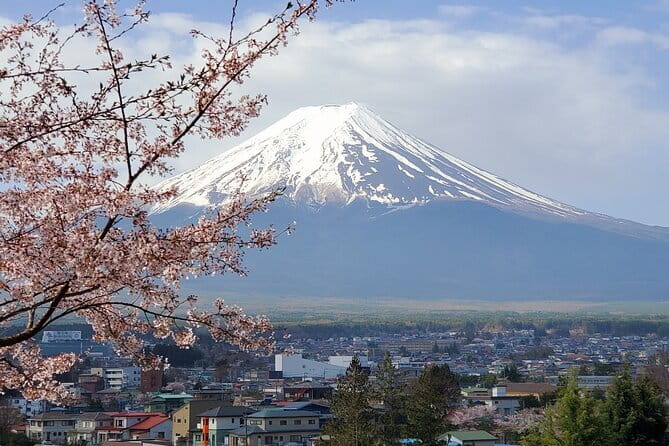
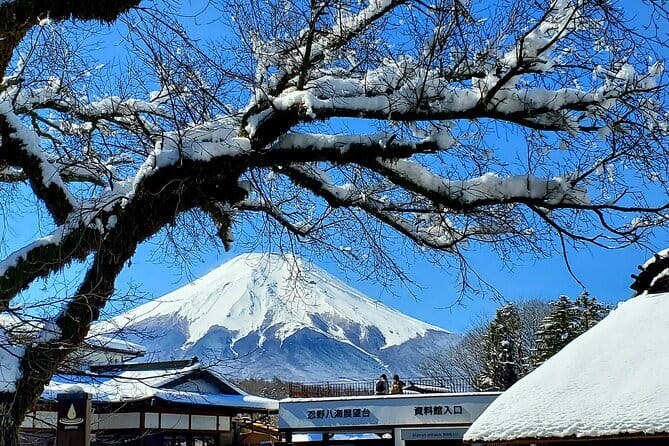
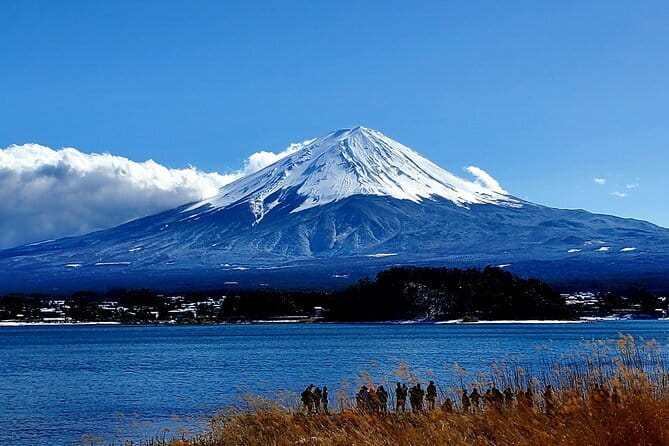
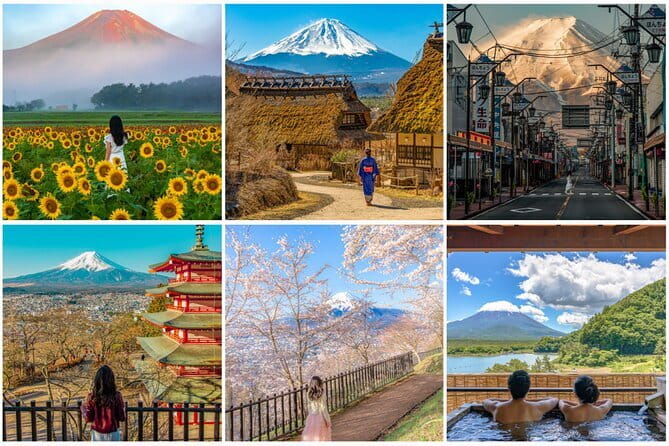
- Fuji viewing needs luck: Chureito Pagoda, Oshino Hakkai, and Lake Ashi can offer superb views, but Mount Fuji may disappear behind clouds.
- Several major costs are extra: Tokyo Skytree, the Hakone Ropeway, and the Lake Ashi cruise are not included.
- This is best for time-pressed groups: You get convenience and breadth, but less free time than on a slower, neighborhood-by-neighborhood visit.
Why this private two-day plan works
Tokyo and Hakone are close enough to combine, but they offer very different kinds of sightseeing. Tokyo gives you temples, markets, shopping streets, and a vast modern skyline. Hakone brings mountain views, volcanic scenery, shrine gates, and Lake Ashi.
The private format matters here. You are not waiting for a large group to gather, and your driver-guide handles fuel, tolls, parking, and the route. That removes much of the friction from a two-day plan with many stops.
The tour begins at 8:00 a.m., which is sensible. You need an early start to fit five Tokyo stops into the first day and six Fuji and Hakone stops into the second. The schedule allows about an hour at most major locations, with shorter visits at the shrine and ropeway area.
That timing gives you a useful first look at each place. It does not give you unlimited time for shopping, long meals, or extended museum visits. Think of this as a well-packed introduction rather than a slow, lingering tour.
A few more Tokyo tours and experiences worth a look

Imperial Palace gardens and the remains of Edo Castle
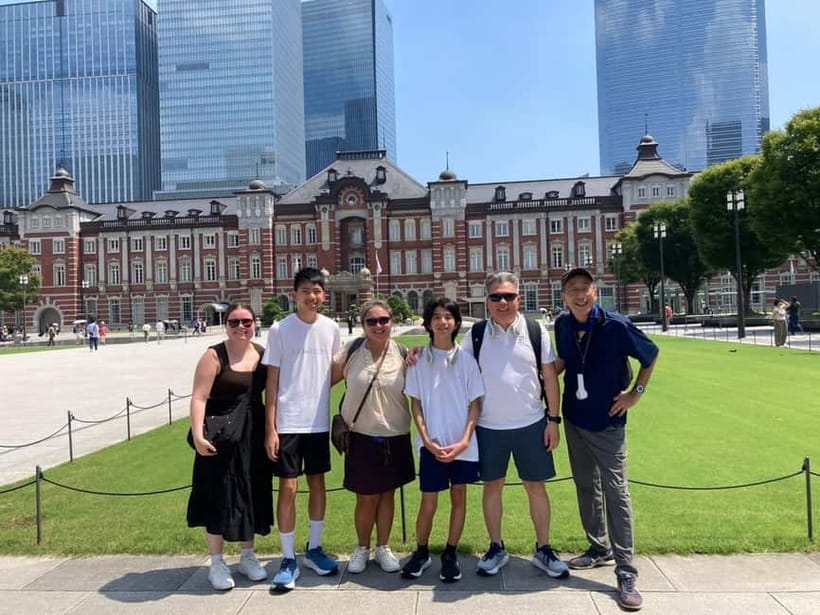
The East Gardens of the Imperial Palace offer a calm opening away from Tokyo’s traffic and tall buildings. The grounds occupy part of the former Edo Castle site, so this is where you begin to connect present-day Tokyo with the city’s earlier role as Japan’s political center.
You have about an hour here, with no admission charge. The appeal is not a single spectacular building. Instead, you get landscaped grounds, open paths, and castle remains that give your guide room to explain the site’s past.
This stop works well at the start of the day because it is quieter than the market and shopping areas that follow. Wear comfortable shoes, since the tour involves several walking stops across two days.
Tsukiji Outer Market for a quick food stop
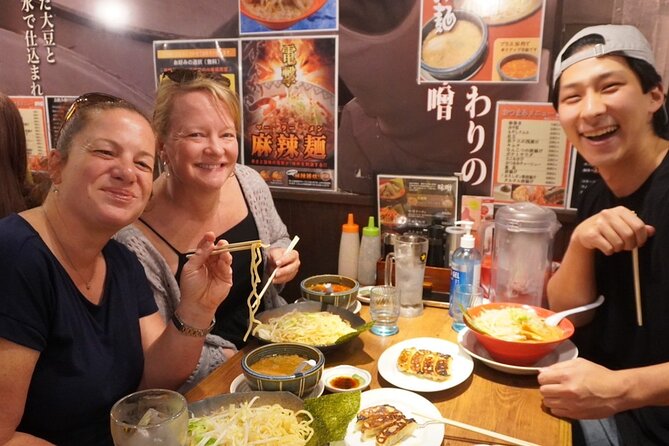
Tsukiji Outer Market is a lively food district where seafood, kitchen goods, snacks, and prepared dishes fill the narrow streets. The old wholesale market moved to Toyosu, but Tsukiji’s outer market remains a useful place to see Japan’s food culture up close.
The tour allows about an hour, and admission is free. That means your main expense here is whatever you choose to eat or buy. Lunch is not included anywhere on the tour, so Tsukiji can be a practical place to purchase a meal, though the schedule may limit how long you can browse.
I like this stop because it gives you something more immediate than a viewpoint or monument. You can look at the ingredients, watch shopkeepers at work, and sample Japanese food in a working market setting. Keep your expectations realistic: one hour passes quickly, especially if you stop for food.
Tokyo Skytree and the cost of going up
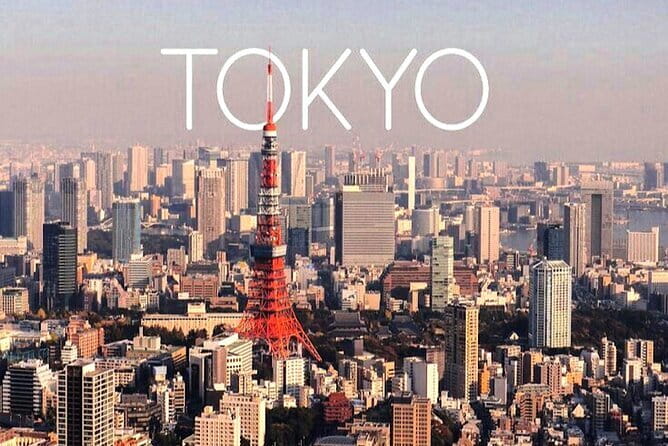
Tokyo Skytree gives you the grand city view. At 634 meters, it is one of Tokyo’s defining landmarks, and the observation decks provide a wide view over the enormous urban area.
The tour allows about an hour, but the admission fee is not included. The listed price is ¥3,400 per person. For a group of five, that is a sizable extra charge, so you should decide before booking if the view is worth it to you.
The guide and private vehicle make reaching the tower easier, but the actual visit depends on admission access and how much time you spend in the observation area. If the weather is clear, the panorama can be impressive. If the city is hazy, the value is less certain.
Senso-ji and old Tokyo atmosphere
Senso-ji in Asakusa is one of the city’s essential cultural stops. The approach leads through the famous Kaminarimon gate and Nakamise shopping street toward the Buddhist temple.
You have about an hour here, and there is no admission fee. That is enough to see the main approach, take in the temple grounds, and listen to your guide explain the religious setting and customs.
This stop balances the modern scale of Skytree. You move from a high-rise view of Tokyo to a temple precinct with a much older feel. The nearby shopping street can be crowded, and the one-hour limit means you may need to keep moving rather than browse every stall.
A few more Tokyo tours and experiences worth a look
Takeshita Street and Tokyo youth culture
Takeshita Street in Harajuku gives you a quick look at Tokyo’s fashion and youth scene. The pedestrian street is packed with shops, colorful displays, and inexpensive snacks.
The tour allows one hour, and there is no admission fee. You pay only for purchases or food. This is a good place to end the Tokyo day because it feels casual and energetic after the palace gardens, market, tower, and temple.
The tradeoff is that Takeshita Street can feel commercial and crowded. It is not a quiet cultural visit. If you want a particular shop or café, the schedule may not leave enough time, but the stop is useful for seeing another side of Tokyo.
Day two begins with Chureito Pagoda
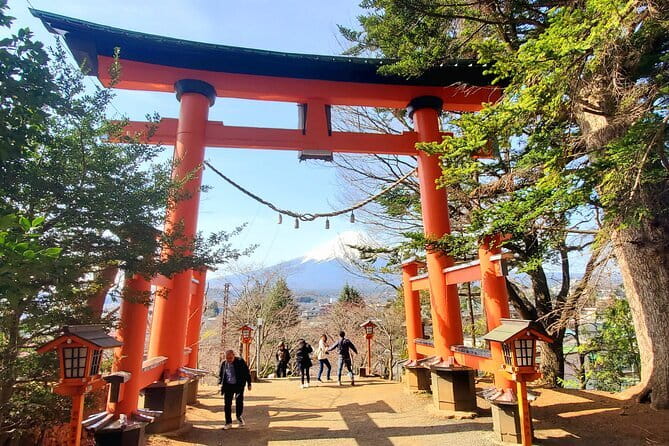
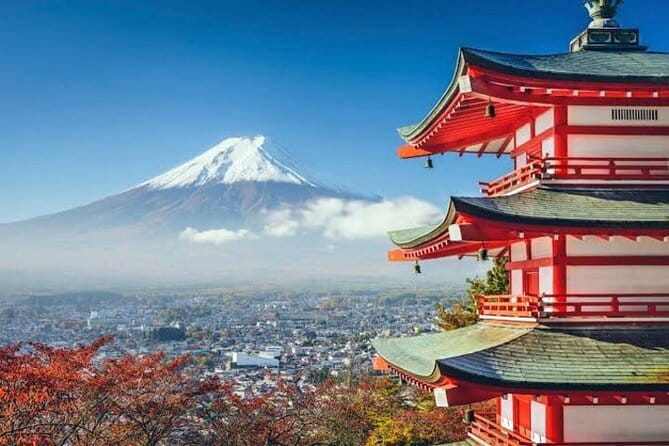
The second day shifts toward Mount Fuji, beginning at Chureito Pagoda. The five-story pagoda sits on a hillside and is famous for its view toward Mount Fuji.
You have about an hour here, and there is no admission charge. The important practical point is that the viewpoint requires an uphill walk and stairs. The tour description does not give a precise step count, so plan for some effort and wear shoes that handle slopes comfortably.
This is one of the tour’s strongest photo stops when the sky is clear. It is also one of the places most affected by weather. A cloudy day can hide the mountain, leaving you with the pagoda and surrounding scenery but not the classic Fuji view.
The private format helps because your guide can manage the driving and timing. Still, no tour can control clouds. The schedule’s several Fuji-area stops give you more than one chance, but you should book this experience for the overall day, not for a guaranteed photograph.
Kitaguchi Hongu Fuji Sengen Shrine
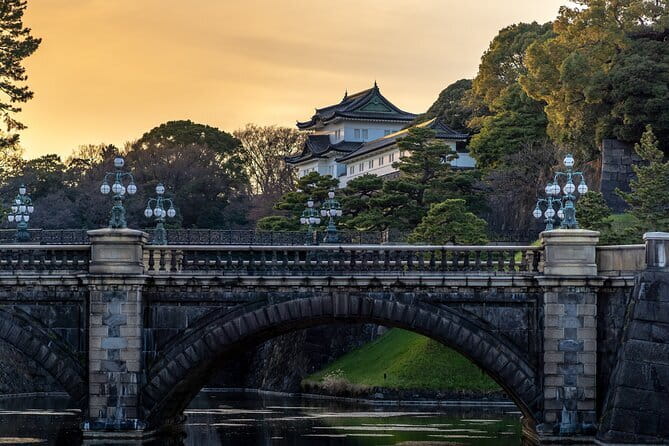
Kitaguchi Hongu Fuji Sengen Shrine brings a quieter mood. Set among tall trees on the northern side of Mount Fuji, the shrine has long been linked with worship of the mountain.
The visit lasts about 30 minutes and admission is free. That is enough for a short walk through the grounds and a basic explanation of the shrine’s purpose. It is a welcome contrast to the crowds at Senso-ji and Takeshita Street.
This stop may appeal most if you care about Japanese religious traditions and the cultural meaning of Mount Fuji. If you prefer only major viewpoints, the short visit may feel less essential. Your guide’s explanation matters here, and Ryu has been praised for adding historical context throughout the trip.
Oshino Hakkai and clear spring ponds
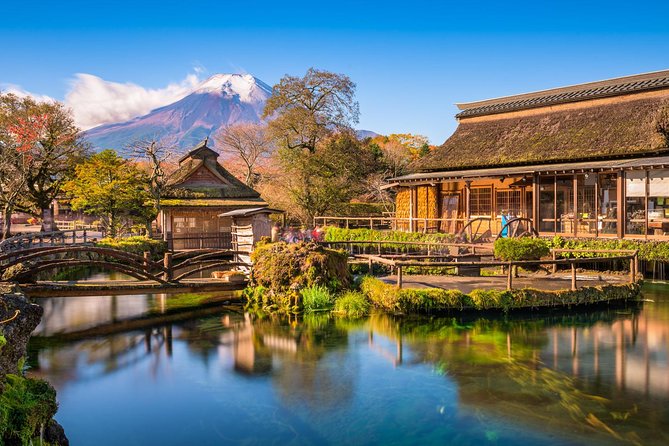
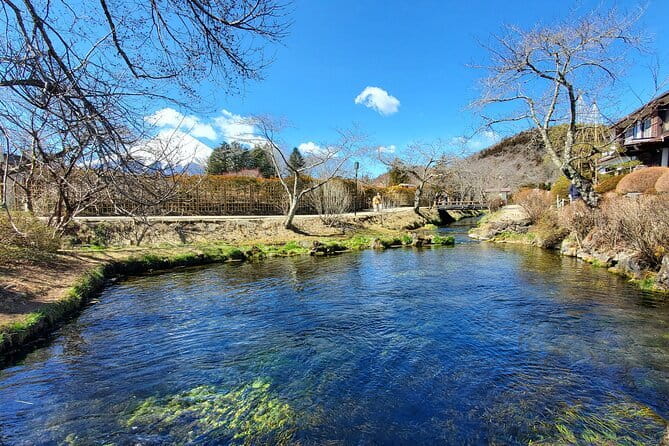
Oshino Hakkai is a group of eight ponds fed by snowmelt filtered through volcanic rock. The water is known for its clarity, and the ponds sit in a rural area near Mount Fuji.
You have about an hour, with no admission fee listed. The stop gives you a different view of the Fuji region, one based on water, village scenery, and volcanic geology rather than a single grand lookout.
This is a good place to slow down briefly and understand how the mountain shapes the area. You might find food stalls and local products nearby, but the supplied tour details do not promise specific shopping or meal arrangements. Since lunch is not included, ask your guide how the day’s meal timing will work.
Lake Ashi and the optional-fee question
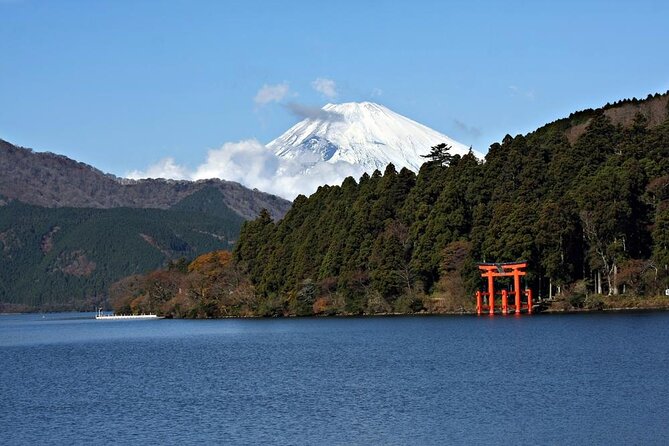
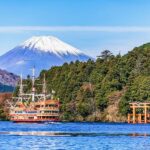
Lake Ashi, also called Lake Ashinoko, is a volcanic lake in Hakone. On a clear day, the water and surrounding mountains can provide another view toward Mount Fuji.
The planned stop lasts about an hour. A Lake Ashi cruise is listed as an additional cost of ¥1,200 per person. The tour includes the lake visit, but the cruise fee is separate, so confirm whether the cruise fits the day’s timing and whether you want to pay for it.
I like having the choice. Some people want time on the water, while others would rather use the hour for views or a relaxed walk. The guide can help with the practical decision, but you should budget for the cruise if it is important to you.
Hakone Ropeway and Owakudani’s volcanic ground
The Hakone Ropeway carries passengers over the Hakone area, with views toward Lake Ashi and Mount Fuji. The full system is about 7.7 kilometers long, though the scheduled stop is listed as 30 minutes.
The ropeway admission is not included, with a listed cost of ¥1,500 per person. Because the visit is short, confirm exactly which portion of the route is planned. The tour description connects the ropeway with Mount Komagatake, while the wider Hakone ropeway system is associated with the volcanic valley area.
Owakudani Kurotamago Kan is scheduled for about 40 minutes. Owakudani is a volcanic valley with steam vents, hot springs, and mud pools. The area gives you a direct look at Hakone’s volcanic activity, which is a major reason to include Hakone in a Tokyo trip.
The combination of ropeway and Owakudani is memorable, but it is also weather-sensitive. Visibility can change quickly in mountain areas, and poor conditions may affect the plan. The tour requires good weather, and a cancellation caused by bad weather comes with either a different date or a full refund.
What the $811 group price really buys
The price is $811 per group of up to five people. At five people, that works out to about $162 per person before extra admissions and food. For two full days of private transport, the value is strongest when your group can share the cost.
The price includes:
- Air-conditioned vehicle
- Private transportation
- English-speaking driver-guide
- Gas
- Tolls
- Parking
It does not include lunch, Tokyo Skytree admission, Hakone Ropeway admission, or the Lake Ashi cruise. If all three listed admissions are added, the per-person extras total ¥6,100 before meals.
For one or two people, the per-person price becomes much higher. You are paying for privacy, direct transport, and a guide’s time, not simply a seat on a sightseeing bus. For a family or group of friends, that can be a fair exchange, especially when you value convenience.
The schedule also saves you from managing several separate transport legs. That is the main value, not bargain admission pricing. If you enjoy building your own train itinerary, the cost may feel high. If you have only two days and want Tokyo plus Fuji and Hakone, the private setup is easier to justify.
How the guide can shape the day
The guide is central to this experience. Ryu is specifically named, and his background in Japanese history has been praised for adding useful context. He has also been credited with creating unique experiences and handling weather problems well.
That matters because several stops are brief. At the Imperial Palace gardens, Senso-ji, the Fuji Sengen Shrine, and Owakudani, a guide can help you understand what you are seeing instead of simply taking photographs and moving on.
Traffic is the main practical risk. Tokyo roads can slow the first day, and the road to the Fuji and Hakone areas can also affect timing. One account of the tour specifically noted traffic as a downside. You should expect the guide to adjust the order or length of stops when needed, but you cannot guarantee every planned minute.
Who should book this tour
I would consider this tour for a first visit to Japan when you have only two days available for Tokyo and the Fuji region. It is also a good fit for families, older relatives, or small groups who prefer a private vehicle over several train and bus connections.
It suits people who want variety: temples, markets, shopping, mountain views, a shrine, ponds, a volcanic valley, and a possible lake cruise. It is less suitable if you want long meals, extensive shopping, or several hours at one attraction.
Book with realistic expectations about Mount Fuji. Clear weather can produce the trip’s finest views, but clouds may cover the mountain. The weather policy offers another date or a full refund if the tour is canceled because of poor conditions, but it does not guarantee Fuji visibility during a tour that goes ahead.
Should you book it?
Book this tour if you value time saved, private transport, and a guide who can explain the history as you move between very different sights. The strongest case is a group of up to five people splitting the $811 price.
Think twice if you are traveling alone, watching every yen, or prefer a slow schedule. The tour is packed, several fees are extra, and traffic can trim your time. For the right group, though, it offers an efficient first taste of Tokyo, Mount Fuji, and Hakone without making you solve the transport puzzle yourself.
FAQ
How long is the tour?
The tour lasts approximately two days, with Tokyo visits on day one and Mount Fuji and Hakone visits on day two.
What time does the tour start?
The listed start time is 8:00 a.m.
How much does the private tour cost?
The price is $811 per group of up to five people.
Is transportation included?
Yes. Private transportation in an air-conditioned vehicle is included, along with gas, tolls, and parking.
Is the guide English-speaking?
Yes. The tour includes an English-speaking driver-guide.
Who can join the tour?
Most travelers can participate, according to the supplied tour information. It is a private activity for your group only.
Is Tokyo Skytree admission included?
No. Tokyo Skytree admission is listed separately at ¥3,400 per person.
Is the Hakone Ropeway included?
No. The listed admission fee is ¥1,500 per person.
Is the Lake Ashi cruise included?
No. The listed cruise admission is ¥1,200 per person.
Are meals included?
No. Lunch is not included.
Can I cancel for a full refund?
Yes, if you cancel at least 24 hours before the experience start time. Cancellations or changes made less than 24 hours before the start time are not accepted for a refund.
What happens if bad weather cancels the tour?
If poor weather causes the tour to be canceled, you are offered a different date or a full refund.
More Private Tours in Tokyo


More Hakone Day Trips in Tokyo
More Mt Fuji Day Trips in Tokyo

More tours in Tokyo we've reviewed












Mt Fuji Day Trips, compared.
 ★ 5.0Mt Fuji and Hakone 1-Day Bus Tour Return by Bullet TrainFrom $163
 ★ 4.0Mt Fuji & Hakone Cruise, Drum Show Bullet Train 1 Day from TokyoFrom $149
 ★ 4.4Tokyo Mt Fuji 5th St & Hakone Cruise Bus Tour w/Bullet TrainFrom $15410 hours
 ★ 4.5From Tokyo: Mount Fuji Full-Day Sightseeing TripFrom $6810 hours
 ★ 4.7Tokyo: Mt. Fuji Tour, Hakone Ropeway, Owakudani, Lake AshiFrom $5410 hours
 ★ 4.4Tokyo:Mt.Fuji,Kawaguchiko Oishi Park,Arakurayama Sengen ParkFrom $5410 hours