Reviewed · SHIBUYA TOURS
Tokyo Cherry Blossom Matcha Experience in Yoyogi Park (Shibuya)
Tokyo’s cherry blossom season gets crowded fast, but this experience gives you a calmer reason to enter Yoyogi Park. You’ll sit beneath the sakura, whisk rare Uji matcha with traditional tools, and pair it with seasonal Japanese sweets. I like the relaxed setting and the fact that you take part instead of simply watching.
In This Article
- Key points to know before booking
- A spring-only tea break in the middle of Tokyo
- Meeting near Harajuku Station
- Whisking Uji matcha with traditional tools
- Seasonal wagashi beneath the sakura
- Why Yoyogi Park changes the experience
- Shibuya, Harajuku, and Omotesando in one easy outing
- What $100.80 buys you
- Photos, weather, and the practical trade-offs
- Who will enjoy this matcha picnic most
- Should you book the Yoyogi Park matcha experience?
- FAQ
- How long does the matcha experience last?
- When is this experience available?
- Where does the activity meet?
- Where does the activity end?
- Is this a formal Japanese tea ceremony?
- What is included?
- How many people can join?
- What happens if the weather is poor?
I also like the small maximum of six people and the English-speaking local host, who makes the tea customs easy to follow. The main catch is timing: this is offered for only about two weeks from around March 23, and rain or poor blossoms can affect the schedule.
Key points to know before booking
- Only available for about two weeks each spring: Dates depend on the cherry blossom season and weather.
- A hands-on matcha picnic: You whisk several cups of matcha yourself rather than sit through a formal ceremony.
- Rare Uji tea and wagashi sweets included: The tea is served with traditional and modern Japanese treats.
- Small group of no more than six: This suits people who prefer a personal, low-key introduction to tea culture.
- Starts near Harajuku Station: The setting is convenient for Yoyogi Park, Shibuya, Omotesando, and Shinjuku.
- Optional photos are available: You can arrange pictures beneath the blossoms if capturing the moment matters to you.
A spring-only tea break in the middle of Tokyo
The appeal here is simple: matcha, sweets, and cherry blossoms in one short activity. You do not need to dress up, know anything about tea, or prepare for the strict manners of a formal tea ceremony. The host presents the experience as a friendly lesson and picnic.
That distinction matters. A traditional tea ceremony can be quiet, highly structured, and difficult to follow if you are new to Japanese customs. This experience is designed for participation. You use the tools, whisk your own bowl, drink several cups, and ask questions in English.
The setting also changes the mood. Yoyogi Park is one of Tokyo’s best-known places for sakura, and its location puts you close to Harajuku, Shibuya, and Shinjuku. You are not spending half a day getting to a remote tea house. The activity takes about one hour, leaving room for the Meiji Jingu area, Harajuku shopping, or a walk toward Omotesando.
The short season is both the charm and the inconvenience. The experience is available only around the peak spring window, generally from about March 23 for roughly two weeks. Blossom dates shift from year to year, so you should treat the timing as an opportunity rather than a guarantee.
A few more Tokyo tours and experiences worth a look


Meeting near Harajuku Station
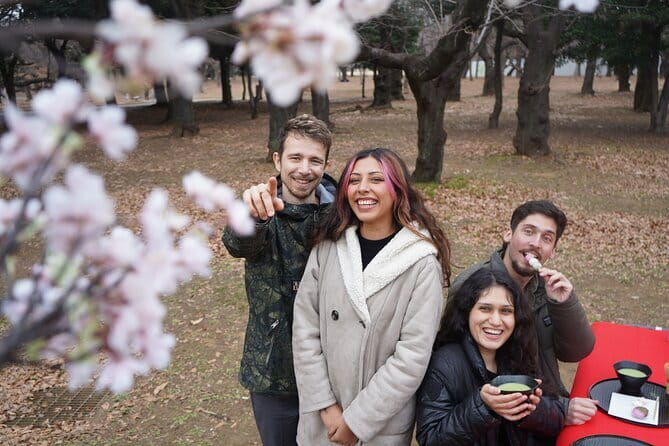
Your meeting point is Harajuku Station at 1 Chome-18 Jingumae, Shibuya, Tokyo. This is a practical starting point for a day in western central Tokyo, but you should allow enough time to find the exact meeting location. The activity ends back at the meeting point, so you are not left trying to work out a new route afterward.
Harajuku is especially useful because several major sights sit close together. Yoyogi Park is nearby, and the area also connects naturally with Meiji Jingu, Omotesando, and Shibuya. The itinerary names Shibuya, Yoyogi Park, Harajuku Station, and Omotesando, so you can treat the activity as part of a larger walking day rather than a separate trip across town.
The group is capped at six people. That is a meaningful limit for a hands-on lesson. You should have room to see the tools, follow the host’s instructions, and ask about the tea without competing with a large crowd.
The description does not provide the host’s personal name, but it does specify an English-speaking local host who is a certified Matcha Hospitality Adviser. You can expect the tea lesson and cultural explanation to be central, not an afterthought.
Whisking Uji matcha with traditional tools
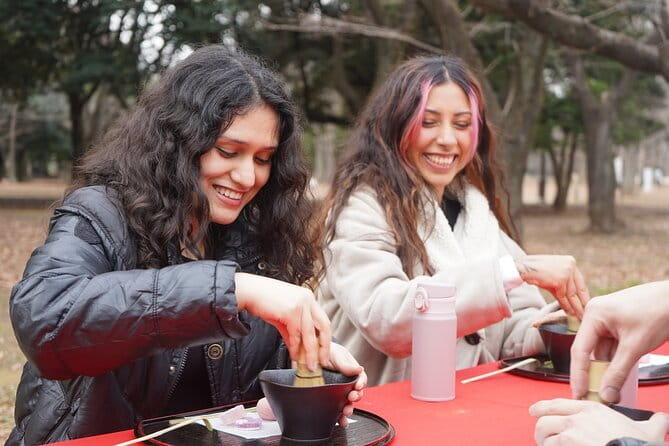
The main part of the experience is making your own matcha. You use traditional tools to whisk Uji matcha into a bowl of tea, with the host showing you how the process works.
Uji, near Kyoto, is one of Japan’s best-known tea-producing areas. Here, the useful detail is that the experience includes Uji matcha described as rare and normally unavailable to visitors. That gives the tasting more purpose than simply ordering a sweet matcha drink at a café.
You will have several cups of matcha, not just one sample. This gives you time to get comfortable with the whisk and notice how the drink changes as you improve your technique. The lesson is beginner-friendly, so you do not need steady hands or prior knowledge.
Do not expect a long, silent ceremony with formal choreography. This is explicitly a matcha picnic, not a formal tea ceremony. The tone is easier and more social, which makes it a better match for a first introduction or a family activity.
The cultural part is also practical. The certified adviser explains authentic matcha and Japanese hospitality in English, helping you understand why the tools, preparation, and serving customs matter. The supplied information does not promise a detailed historical lecture, so book this for an accessible introduction rather than an in-depth tea-school course.
Seasonal wagashi beneath the sakura
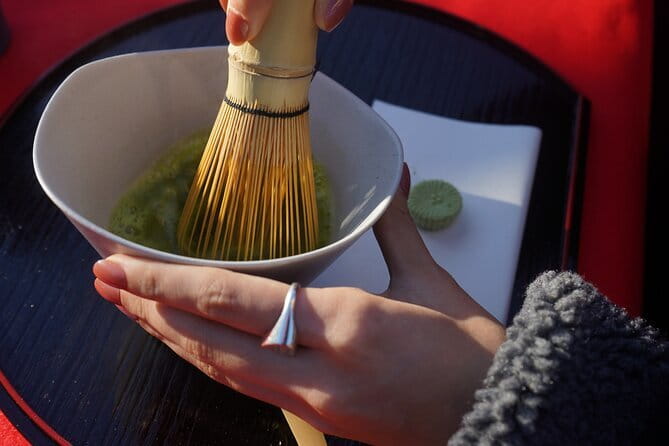
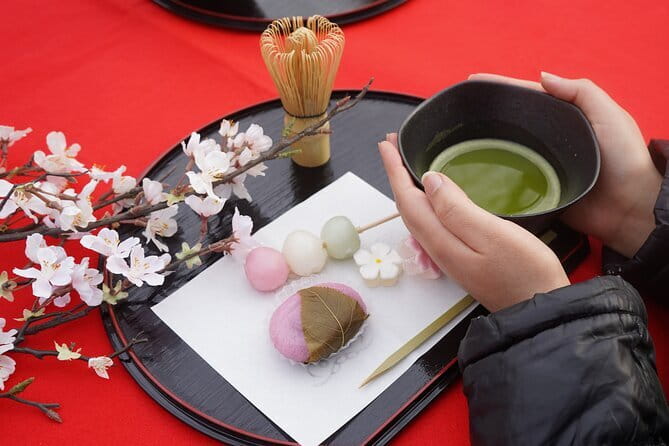
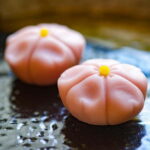
Matcha is served with seasonal Japanese wagashi sweets, along with traditional and modern Japanese snacks. Wagashi are designed to pair well with tea, and the seasonal element fits the spring setting.
The sweets give the one-hour session a pleasing rhythm. You learn, prepare, taste, and then pause with something small to eat. Several cups of tea are included, but this is not a full meal. If you need lunch or want to sample more food, plan to buy something separately from a local vendor.
That limitation is worth noting because Yoyogi Park and the surrounding neighborhoods can make the activity feel like a larger food outing. Food and drinks purchased from local vendors are not included. The experience covers the tea and sweets listed, not any extra cafés, snacks, or meals before or after.
I like this arrangement because the included food serves the lesson instead of trying to replace a meal. You get a focused taste of tea culture, then remain free to choose lunch in Harajuku, Shibuya, or Omotesando.
Why Yoyogi Park changes the experience
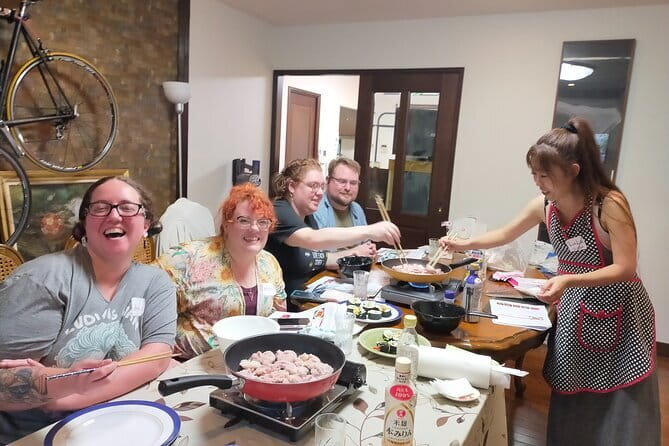
A tea lesson indoors can be beautiful, but the park setting adds a strong sense of place. You are learning about Japanese hospitality while sitting under the very blossoms that draw people to Tokyo each spring.
The outdoor setting is also less intimidating. You can take in the trees, watch the city move around you, and treat the hour as a pause between sightseeing stops. It feels closer to a local picnic than a staged cultural show.
Still, a park is not a private tea room. The experience requires good weather, and poor conditions can lead to a different date or a full refund. Even with clear skies, Yoyogi Park is a famous public space during cherry blossom season. You should expect the setting to be popular and photos to depend on the conditions around you.
That is the trade-off. You give up the quiet control of an indoor venue in return for blossoms, open air, and a very Tokyo spring memory. If the outdoor setting is the main reason you are booking, keep your schedule flexible.
A few more Tokyo tours and experiences worth a look




Shibuya, Harajuku, and Omotesando in one easy outing
The listed route connects several neighborhoods that are already useful for first-time Tokyo plans.
Shibuya gives you access to one of the city’s best-known urban areas, with shopping, restaurants, and major rail connections. It is close enough to Yoyogi Park that you can pair the matcha activity with a broader Shibuya day.
Yoyogi Park is the heart of the experience. The sakura, the picnic format, and the open-air tea preparation all happen here. This is where you should focus your attention, especially if you have booked optional photos.
Harajuku Station is the practical anchor. It is both the meeting point and the place where the activity ends. From there, you can continue toward Meiji Jingu or Harajuku’s shops without needing another long transfer.
Omotesando adds a polished shopping and café district to the same general area. The activity does not include purchases or food there, but the neighborhood makes an easy extension after your tea.
The itinerary is compact, but do not read it as a guided sightseeing tour through four separate districts. The supplied details focus on the matcha session in Yoyogi Park. The named areas are best understood as nearby reference points and useful places to continue your day.
What $100.80 buys you
At $100.80 per person, this is not the cheapest way to drink matcha in Tokyo. You could buy a matcha beverage and a sweet for much less. The value comes from the combination of a seasonal setting, a certified adviser, hands-on preparation, rare Uji tea, several cups, sweets, and a small group.
The price makes the most sense if you want a cultural activity rather than a refreshment stop. You are paying for instruction, tools, access to a carefully timed spring experience, and the ease of having the session organized near major Tokyo sights.
It is also a better fit for people who value a limited seasonal event. Since the activity runs only once a year for about two weeks, the timing gives it a special quality that an ordinary café visit cannot match.
The value is weaker if you mainly want a formal tea ceremony, a full meal, or a long guided tour. This is only about one hour, and the format is intentionally relaxed. You should also remember that extra food and drinks from local sellers cost more.
For couples, the price can cover a memorable shared activity. For families, it offers a simple cultural lesson with no dress code or previous experience required. Solo visitors may appreciate the small group and the chance to meet an English-speaking local host without committing to a long day tour.
Photos, weather, and the practical trade-offs
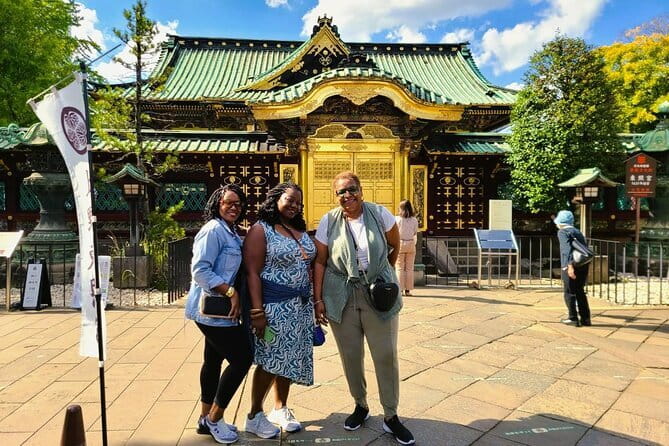
The experience is described as highly photo-worthy, and optional photo sessions are available. Cherry blossoms, matcha bowls, traditional tools, and seasonal sweets provide clear visual highlights.
If photos matter to you, ask about the optional session when booking or arranging the activity. The supplied details do not specify how many photos are included, how long the session lasts, or whether editing is provided. Do not assume those points without checking.
Wear ordinary comfortable clothing. There is no dress code, and you do not need special footwear or tea experience. Since this is outdoors and weather-sensitive, practical clothing is more useful than anything formal.
The activity allows service animals and is near public transportation. It has a maximum of six people, which helps keep the session manageable. The provided details do not describe the exact ground conditions or full accessibility arrangements in the park, so you should confirm any specific mobility needs before booking.
The cancellation terms are fair but strict close to departure. You can cancel up to 24 hours before the start time for a full refund. Changes or cancellations inside that 24-hour window are not accepted or refunded, while a weather cancellation offers a different date or a full refund. Confirmation is normally immediate, though bookings made within 12 hours of departure are confirmed as soon as possible, subject to availability.
Who will enjoy this matcha picnic most
I would point you toward this experience if you want a gentle first step into Japanese tea culture. It gives you enough instruction to feel involved without asking you to master formal etiquette.
It suits:
- Couples looking for a seasonal Tokyo memory
- Families who want a short, hands-on cultural activity
- Solo visitors who prefer small groups
- First-time visitors with limited time near Harajuku and Shibuya
- Anyone who enjoys food photography and spring scenery
- People curious about the difference between prepared matcha and a casual café drink
I would choose something else if you want a full tea ceremony, a large meal, or an all-day guided walk. You should also avoid building your entire spring schedule around one fixed blossom date. The season is short, and the weather can change the plan.
The warm response included with the experience gives one useful clue about the tone. A pair who began their Tokyo trip here especially appreciated the welcoming guide and tea teacher, along with the chance to ask questions, including one about Tokyo’s curious lack of trash cans. That detail suggests an open, conversational session rather than a rigid performance.
Should you book the Yoyogi Park matcha experience?
Book it if you can visit Tokyo during the short cherry blossom window and want more than a quick photo beneath the trees. The strongest reasons are the small group, the rare Uji matcha, the simple hands-on lesson, and the chance to enjoy tea and wagashi in Yoyogi Park.
At $100.80, it is a premium one-hour activity. I think the cost is justified for someone who values an organized cultural experience and a special spring setting. It is less convincing for anyone focused only on food quantity or low-cost sightseeing.
My practical advice is to schedule it early in your Tokyo stay only if you have backup plans for weather. Otherwise, place it beside flexible Harajuku, Shibuya, or Omotesando plans. That way, the tea picnic becomes a pleasant center point in your day rather than a high-pressure appointment.
FAQ
How long does the matcha experience last?
The experience lasts approximately one hour.
When is this experience available?
It is available only during cherry blossom season, generally from around March 23 for about two weeks, depending on blossom conditions.
Where does the activity meet?
You meet at Harajuku Station, at 1 Chome-18 Jingumae, Shibuya, Tokyo 150-0001, Japan.
Where does the activity end?
The activity ends back at the meeting point.
Is this a formal Japanese tea ceremony?
No. It is a relaxed, beginner-friendly matcha picnic and does not require formal tea ceremony experience.
What is included?
The experience includes several cups of matcha, matcha preparation with traditional tools, and traditional and modern Japanese sweets, including seasonal wagashi.
How many people can join?
The activity has a maximum of six participants.
What happens if the weather is poor?
The activity requires good weather. If it is canceled because of poor weather, you will be offered a different date or a full refund.
More Tea Ceremony & Matcha in Tokyo
More Shibuya Tours in Tokyo



More tours in Tokyo we've reviewed












Shibuya Tours, compared.
 ★ 5.0Official Street Go-Kart in ShibuyaFrom $76
 ★ 5.0Shibuya Meltdown Nightlife Tour: All-You-Can-Drink Bar HoppingFrom $106
 ★ 4.9Tokyo: Street Kart Experience in ShibuyaFrom $99
 ★ 5.0Shibuya Official Street Go-Kart in Shibuya AnnexFrom $69
 ★ 5.0Tokyo: Shibuya Food Tour (13 dishes and 4 Eateries)From $77
 ★ 5.0Best of Shibuya Food TourFrom $217